2027 Easiest Online Educational Leadership Degree Programs Ranking in Michigan

Co-Founder and Chief Data Scientist
Are you considering advancing your career with an educational leadership degree but want an easier path? This article introduces the 2027 Easiest Online Educational Leadership Degree Programs Ranking in Michigan, created by the Research.com team of data scientists.
Designed to help you find programs that fit both your goals and lifestyle, this ranking highlights options that are accessible without compromising quality. Pursuing educational leadership can open doors to rewarding opportunities, and making an informed choice is key to success.
Reading this article will empower you to take confident steps toward your future in education.
Key benefits of getting online educational leadership degree in Michigan
- Educational leadership graduates in Michigan can expect competitive salaries, with school principals earning a median annual wage of about $100,000, reflecting a rewarding financial outlook in this field.
- Graduates from universities such as the University of Michigan often pursue careers as school administrators, curriculum coordinators, or educational consultants, showcasing versatile opportunities.
- Completing an online educational leadership degree from institutions like Central Michigan University offers flexibility and the ability to balance work and study, making career advancement more accessible.
- 2027 Easiest Online Educational Leadership Degree Programs Ranking in Michigan
- What can I expect from online educational leadership degree in Michigan?
- Where can I work with online educational leadership degree in Michigan?
What can I expect from online educational leadership degree in Michigan?
The cost of an online educational leadership degree in Michigan typically ranges from $15,000 to $35,000, depending on factors like the institution and program length. Graduates from popular universities such as Western Michigan University or Wayne State University often note feeling the investment was worthwhile, citing the balance of affordability and comprehensive state-approved coursework. These programs incorporate real-life practicum experiences within local districts, enabling students to apply theory in tangible ways without sacrificing their current jobs or families.
One graduate reflected on managing coursework while leading a team at a Michigan middle school, appreciating the mix of synchronous sessions that fostered community and asynchronous flexibility allowing deep focus. The affordable cost paired with meaningful internships not only prepared students for licensure but offered a sense of confidence and readiness to step into leadership roles, with salaries averaging close to $99,000 enhancing that motivation.
Choosing a program that aligns with Michigan's Professional Educational Services Personnel standards ensures your tuition supports practical, licensure-relevant training rather than abstract theory, making every dollar spent a step closer to career advancement.
Where can I work with online educational leadership degree in Michigan?
Graduates with an online educational leadership degree in Michigan often step into dynamic roles that shape the future of education across the state. Many find themselves as school principals in vibrant public or charter schools, where they lead daily operations and innovate instructional strategies. Imagine a recent graduate from a well-known Michigan university navigating the challenges of a Detroit charter school, driving change with fresh perspectives and hands-on leadership.
Others pursue district administration roles, overseeing multiple schools and balancing budgets while crafting policies that impact thousands of students. Picture a graduate working within one of Michigan's 552 public school districts, collaborating to streamline educational programs and ensure compliance with state mandates.
Notably, community colleges like those in the Michigan Community College Association open doors to leadership roles as department chairs or student services directors, where graduates champion student success and institutional growth. Stories from alumni highlight fulfilling careers in policy advising at nonprofit organizations or government agencies, affirming the broad, impactful reach of an educational leadership degree in Michigan.
Graduates who earn an online educational leadership degree in Michigan often find themselves well-positioned to command competitive salaries that reflect their growing expertise and impact. Many alumni from institutions like Central Michigan University and Wayne State University report starting salaries in the range of $85,000 to $110,000 as school principals. Those advancing to leadership roles in larger districts, such as Detroit or Grand Rapids, commonly surpass $115,000, illustrating how experience and location can significantly boost earnings.
Reflecting on the journey of these graduates, the transition into roles like district superintendent is often marked by substantial salary increases, typically between $120,000 and $170,000 or more. This financial growth mirrors the intense responsibilities of managing entire school systems and aligns with licensure requirements mandated by Michigan's educational standards.
For those studying online within Michigan, the unique advantage lies in strong professional networks and a clear understanding of local education landscapes-assets that enhance job placements and salary prospects. This direct connection to Michigan's educational ecosystem turns an online degree into a powerful catalyst for advancing both career and financial stability.
- Tuition for online educational leadership master's degrees in Michigan ranges from $15,000 to $30,000, varying by institution and residency.
- Public universities usually offer lower tuition rates for in-state students compared to out-of-state tuition.
- Early-career salaries for school principals and education administrators in Michigan start at about $70,000 annually.
- Experienced educational leaders in Michigan can earn over $100,000 per year, reflecting steady demand.
- Many online programs include supervised internships that meet Michigan's certification requirements for school administrators.
- The Michigan Department of Education emphasizes leadership credentials for filling administrator roles, especially in growing suburban and underserved areas.
Completing an online educational leadership degree in Michigan often unfolds over a span that challenges the one-size-fits-all mindset. Most graduates from well-known Michigan institutions find themselves navigating a timeline of about two years for a Master's, balancing a rigorous 30 to 36 credit journey with personal and professional commitments. One graduate shared how asynchronous courses at a popular Michigan university allowed the freedom to study after daycare pickups, turning a tight schedule into achievable milestones.
Yet, the story doesn't end there. Part-time learners at these universities might stretch their journey closer to three years, embracing flexibility rather than rushing through. Doctoral candidates, investing in programs like Ed.D. or PhD, often face a longer path-three to five years-due to dissertation demands and practical leadership roles, deepening their expertise and confidence.
Some Michigan schools offer accelerated options for those ready to take on heavier coursework, compressing time but multiplying intensity. These varied timelines reflect a dynamic learning landscape that meshes real life with ambition, proving that duration is a personalized experience shaped by your pace and goals.
The core difference between online and on-campus educational leadership degrees in Michigan lies in how students experience their education. Graduates from Michigan State University's College of Education often share how online programs granted them unmatched flexibility, allowing them to balance family and work while pursuing their leadership ambitions. Imagine attending lectures during a child's nap or logging into a video discussion after a full workday-this adaptability is a lifeline for many.
Conversely, those choosing traditional campus routes highlight the energizing atmosphere of face-to-face interaction. At the University of Michigan, on-campus students immerse themselves in lively debates and group projects that spark spontaneous insights-something virtual chats rarely replicate. Yet, both paths demand hands-on internships, grounding theoretical knowledge in practical experience.
Online learners frequently celebrate their ability to network beyond campus borders, connecting statewide with diverse peers, which broadens perspectives. This dynamic shapes confident leaders ready to innovate in schools across Michigan, proving that leadership development transcends physical classrooms.
The average cost of an online educational leadership degree in Michigan typically revolves around $21,666 for in-state students attending public universities. This figure offers a realistic benchmark far more reflective of the Michigan online educational leadership program tuition fees than national averages often cited. Graduates from universities like Eastern Michigan University or Western Michigan University frequently describe their investment in these programs as both manageable and worthwhile, appreciating how in-state tuition significantly reduces financial strain. Many recall balancing coursework with work and family life, feeling that their tuition expenses aligned with the quality and support provided.
Out-of-state students and those attending private institutions face median costs closer to $29,452, a difference that invites deeper reflection on financial priorities and long-term career goals. Paying premium tuition at schools such as the University of Detroit Mercy can be daunting, but many alumni emphasize how the specialized leadership training and networking opportunities justify the higher fees, especially when combined with scholarships or financial aid.
Beyond tuition lies the interplay of additional fees-for technology, course materials, and other essentials-which can add up, reminding prospective students that total costs often exceed headline prices. Fortunately, tailored financial aid options and grants targeting educators pursuing leadership roles in Michigan frequently ease this burden.
Those exploring their path forward may find it helpful to investigate the fastest online ed specialist degree programs, which balance cost and time investment efficiently for ambitious students looking to accelerate their careers.
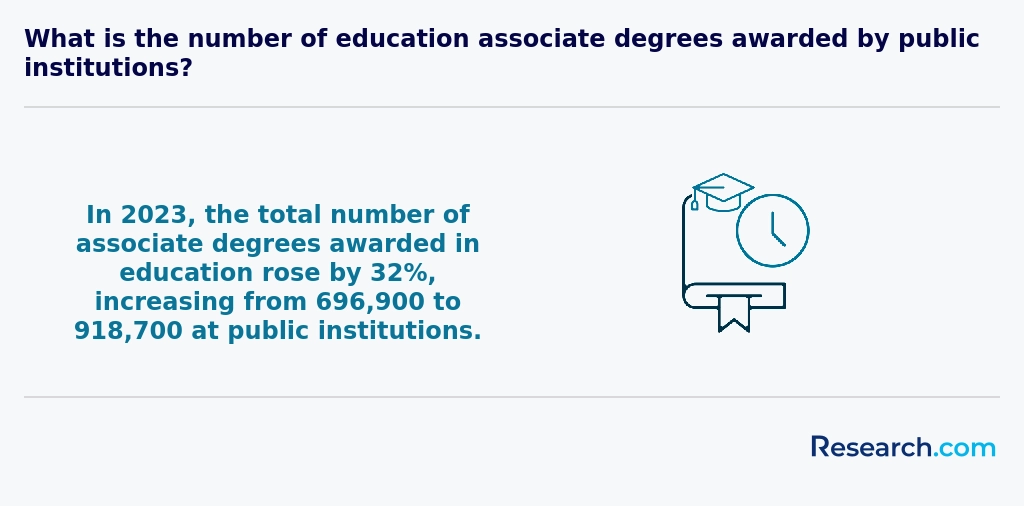
Financial aid for online educational leadership degrees in Michigan often surprises students who assume only federal loans are available. Graduates from well-known institutions such as Central Michigan University have shared how federal programs like Pell Grants-though rare for graduates-occasionally eased their burden in unique situations.
More common are Federal Direct Unsubsidized Loans and Graduate PLUS Loans, which many found essential for covering costs beyond tuition limits. State aid from programs tied to the Michigan Department of Education may not be widely advertised but proved valuable to those persistent enough to inquire.
At universities like Western Michigan University, scholarships and assistantships tailored for education leadership students didn't just reduce tuition-they offered a sense of belonging and professional growth. Many graduates highlighted how teaching assistantships not only provided stipends but also real-world experience that boosted confidence.
Additionally, employer tuition reimbursement programs in Michigan's school districts became a hidden gem for several students balancing work and study, turning financial stress into motivation. Nonprofits and private scholarships further filled gaps, creating a patchwork of support that demands strategic exploration.
In Michigan, enrolling in an online educational leadership degree demands more than just meeting formal criteria-it asks candidates to reflect deeply on their readiness to lead. Graduates from notable institutions like the University of Michigan or Western Michigan University often recall how their bachelor's degree in education or a related field, paired with at least three years of hands-on teaching experience, formed the foundation for their success. This combination isn't merely academic; it builds the confidence and perspective needed to navigate complex educational environments.
Many applicants find themselves challenged to articulate leadership ambitions through personal statements or recommendation letters, transforming abstract goals into compelling stories. While some universities continue to require the GRE, a growing number in Michigan embrace flexibility, recognizing real-world leadership skills over standardized tests. This shift has boosted morale for applicants balancing work and studies.
Imagine working full-time in a Detroit school while pursuing graduate studies online with in-state tuition-this scenario embodies the practical benefits that Michigan programs offer, cultivating both ambition and accessibility.
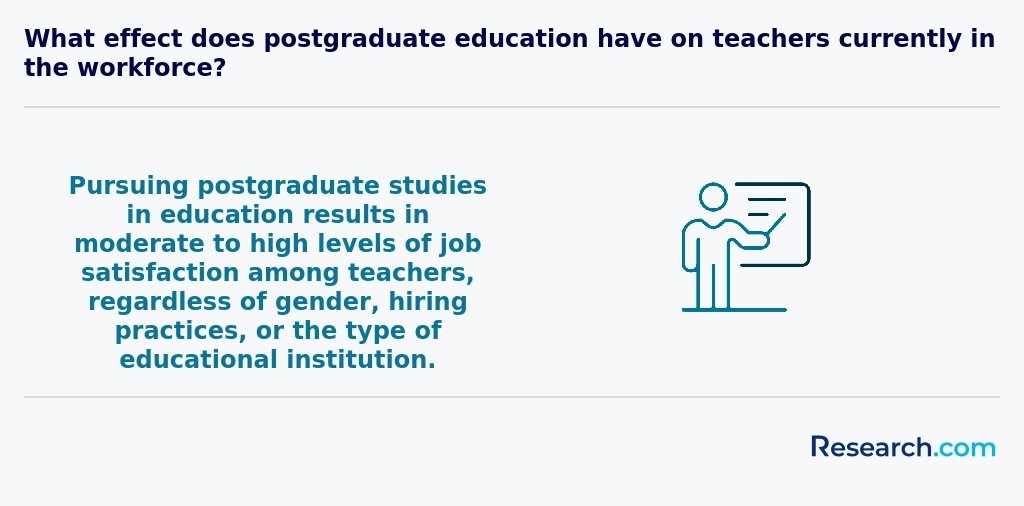
Online educational leadership degrees in Michigan immerse students in courses that directly reflect the complex realities faced by school leaders today. Graduates from institutions like Wayne State University and Central Michigan University often describe how courses such as Educational Leadership and Administration deepen their confidence to navigate real-time challenges in managing diverse school communities.
These programs don't just offer theory; they place you in the mindset of a decision-maker, tackling issues like School Law and Ethics, where students wrestle with scenarios involving legal dilemmas and ethical conflicts that administrators encounter daily.
Curriculum Development and Instructional Leadership courses help future principals visualize how to reshape learning environments-envision designing programs that genuinely uplift students, not just ticking off standards. Finance and Budgeting classes push students into the shoes of resource stewards, learning the art of balancing limited funds while maximizing educational impact.
Graduates consistently highlight how Supervision and Evaluation, paired with Data-Driven Decision Making, empower them to support teacher growth and drive measurable improvements. These Michigan-based programs ensure that leadership candidates aren't just prepared academically, but equipped emotionally and practically to lead schools with resilience and vision.
In Michigan, online educational leadership degrees offer diverse specializations that challenge students to envision their impact beyond traditional roles. Graduates from popular institutions like the University of Michigan and Michigan State University often reflect on how the K-12 School Administration track empowered them to confidently lead their schools, mastering curriculum design and educational law while aligning with Michigan's strict certification standards.
Others pursuing the Superintendency or District Leadership specialization experience firsthand the complexity of managing entire districts, developing skills in strategic budgeting and community engagement that few anticipate before entering the field. These real-world demands push students to think creatively about leadership in evolving educational landscapes.
Some Michigan online educational leadership degree options also include emerging fields like Curriculum and Instruction Leadership and Special Education Leadership, allowing educators to blend their passion for teaching with administrative influence. Delving into these pathways encourages graduates to question conventional leadership boundaries within schools and districts.
For those drawn beyond traditional K-12 settings, Higher Education Leadership prepares candidates to navigate the complexities of college administration, fostering a vision often overlooked in broader leadership discussions. Understanding such specializations helps explore meaningful jobs educational leadership available in Michigan's evolving educational ecosystem.
Choosing the best online educational leadership degree Michigan demands more than scanning rankings or tuition fees. Graduates from well-known programs at Michigan State University or the University of Michigan often highlight how accreditation by bodies like CAEP ensures their degree holds weight in real school administration roles. Imagine balancing work, family, and study; programs offering asynchronous coursework tailored for busy professionals make a profound difference.
Think beyond curriculum titles-graduates recall how hands-on internships and capstone projects revealed the complexities of community engagement and school law far better than textbooks alone. Affordability is a constant concern; some Michigan institutions charge $500 to $1,200 per credit hour, which can add up quickly. Exploring financial aid or the cheapest online education specialist degrees could ease this burden.
Lastly, consider licensure pathways carefully. Programs aligned with Michigan Department of Education standards for the Educational Leadership endorsement provide a transparent path forward. Alumni often express confidence knowing their education directly prepared them for licensure and real-world leadership challenges, highlighting the importance of targeted program selection in affordable educational leadership programs Michigan.
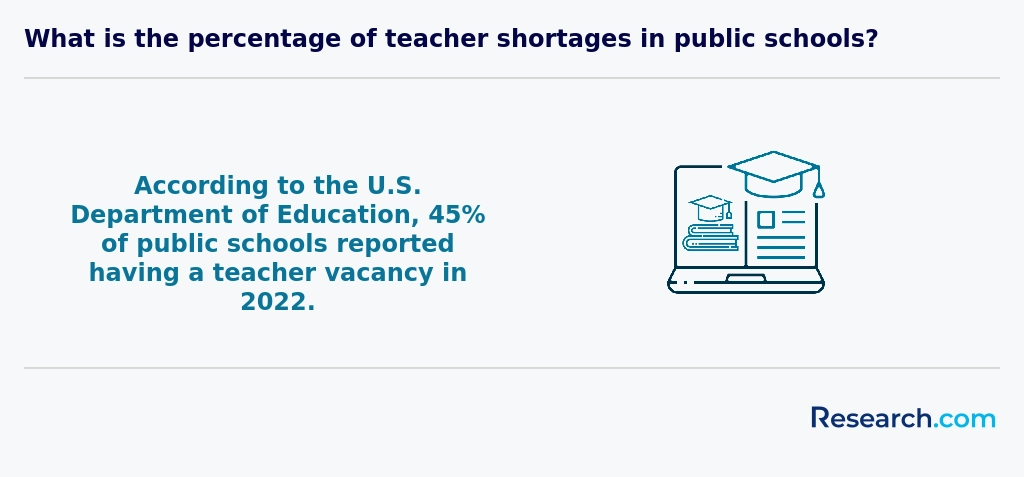
Graduates with an online educational leadership degree in Michigan often find themselves stepping into dynamic roles that challenge traditional views of education management. Many take on positions as school principals or assistant principals, where they not only direct daily operations but also inspire staff and create positive school cultures. For example, graduates from Western Michigan University describe how their training transformed their approach to leadership, pushing them to rethink how schools can adapt and thrive in complex environments. This real-world impact characteristic is a powerful draw for those exploring online educational leadership careers in Michigan.
Others venture beyond individual schools to become district-level administrators, overseeing multiple schools and navigating educational policies. These roles, common among alumni of Eastern Michigan University's programs, demand strategic vision and a nuanced understanding of systemic change. Instructional coordinators and education consultants-roles emphasizing curriculum and teacher development-are also popular paths that reflect an evolving landscape needing thoughtful educational design.
The breadth of opportunities even extends into higher education administration, where graduates use their leadership skills within Michigan's community colleges and universities. Each path illustrates how an online master's in educational leadership can empower professionals to shape the educational future with confidence and purpose.
The job market for online educational leadership jobs Michigan is surprisingly vibrant despite common perceptions of stagnation in public education roles. Graduates from universities like Western Michigan University and Wayne State University often share how their degrees opened doors to leadership positions that balance administrative duties with genuine impact on school communities. These roles, such as district administrators and school principals, benefit from steady demand fueled by retiring administrators and state policies focused on educational equity and innovation.
Many graduates describe their experience juggling coursework with personal and professional responsibilities, especially with flexible online programs that meet Michigan's licensure standards. This pathway proves crucial for those hesitant to pause their careers. Salary prospects, with median wages around $90,000, add an encouraging dimension, making the pursuit feel worthwhile.
For those weighing options between degrees, understanding the distinction between an education specialist vs doctor of education can clarify career trajectories and expectations. Embracing this knowledge helps prospective students navigate Michigan educational leadership career opportunities with confidence.
2027 Easiest Online Educational Leadership Degree Programs Ranking in Michigan
Investing in your education is a significant decision that can shape your future, and the Research.com team understands the importance of making informed choices. To support aspiring leaders in Michigan, we have carefully developed the "2027 Easiest Online Educational Leadership Degree Programs Ranking in Michigan." Our dedication to quality, credibility, and accuracy is demonstrated through thorough research and analysis conducted to produce this ranking.
We utilized the following reputable data sources to ensure a comprehensive evaluation of educational leadership programs:
By reviewing this ranking, readers will gain valuable insights into some of the easiest online educational leadership degree programs in Michigan, empowering them to make educated decisions that align with their goals. For more information on how this ranking was created, please visit our Research.com methodology page.


Frequently Asked Questions About educational leadership
Students pursuing online educational leadership degrees in Michigan can enhance their learning by actively engaging with faculty and peers through virtual discussions and study groups. Michigan-based programs often incorporate state-specific leadership challenges, so understanding local education laws and district policies is crucial.
Utilizing resources like the Michigan Department of Education's website helps students stay updated on policy changes that impact leadership roles. According to the National Center for Education Statistics, over 25% of Michigan's school administrators hold master's degrees in educational leadership, indicating the importance of advanced credentials in the state's job market.
Time management and consistent participation in synchronous sessions further boost success in these rigorous programs.
Emerging niches within the educational leadership field in Michigan reflect broader trends in K-12 and higher education. One growing area is technology integration leadership, where leaders specialize in overseeing digital learning initiatives and managing remote or hybrid classrooms. This niche has expanded due to the state's increased investment in education technology, supported by organizations like the Michigan Department of Education.
Another key niche is equity leadership, focusing on reducing achievement gaps among diverse student populations. Michigan schools are prioritizing leaders who can implement policies promoting inclusivity and cultural responsiveness, especially in urban districts like Detroit.
Additionally, data-driven leadership is gaining importance, involving the use of analytics to shape instructional strategies and improve school performance. The rise of such specialized roles offers promising opportunities for online educational leadership degree graduates seeking advanced skills tailored to Michigan's educational landscape.
After completing an online educational leadership degree in Michigan, preparing for the job market requires strategic steps. First, graduates should obtain Michigan's principal or superintendent licensure, which is essential for leadership roles in public schools. The Michigan Department of Education outlines specific requirements, including supervised administrative experience. Networking plays a crucial role; joining professional organizations such as the Michigan Association of Secondary School Principals (MASSP) can provide valuable contacts and job leads.
Additionally, gaining practical experience through internships or residencies enhances employability. According to the Bureau of Labor Statistics, school and district leadership positions in Michigan grow steadily, but competition remains strong.
Lastly, developing strong skills in data-driven decision making and educational technology aligns with district priorities in Michigan's evolving school systems.
Employers in Michigan value educational leadership graduates who demonstrate strong communication and organizational skills. Proven ability to lead diverse teams and implement effective school policies ranks highly. According to the Michigan Department of Education, candidates who can navigate state educational standards and federal regulations are preferred.
Strategic thinking and problem-solving are essential, especially as schools face ongoing challenges in funding and equity. Data-driven decision making, including the use of performance metrics to improve student outcomes, is increasingly important.
Finally, adaptability and a commitment to professional development help graduates stand out, given Michigan's evolving educational landscape and technology integration.
Finding internships in Michigan for educational leadership students involves connecting with local school districts, universities, and education organizations. Many Michigan school districts offer leadership internship opportunities designed to prepare candidates for administrative roles.
Students should explore partnerships through their online degree programs, which often provide placement assistance in Michigan schools. The Michigan Department of Education website also lists approved administrative internship programs that meet state licensure requirements.
Networking with professionals via Michigan's Education Leadership Network or attending state education conferences can increase internship chances. Universities like Wayne State and Central Michigan University may provide additional resources and job boards targeted toward educational leadership internships in Michigan.
In Michigan, earning an online educational leadership degree can significantly enhance career mobility and advancement opportunities within K-12 schools and higher education institutions. According to the Michigan Department of Education, individuals with educational leadership credentials are eligible for roles such as principals, superintendents, and district administrators. These positions often require advanced degrees, and online programs provide flexibility for working professionals.
The Michigan Department of Labor reports a steady increase in demand for education administrators, projecting 6% job growth through 2030. This growth supports career transitions within the education sector.
Moreover, online degrees accredited regionally ensure graduates meet state licensure requirements and leadership certification standards, strengthening professional qualifications for higher-level roles.
Studying for an educational leadership degree online in Michigan equips students with skills essential for interdisciplinary roles across various educational settings. Programs incorporate coursework in administration, curriculum design, policy analysis, and community engagement, preparing graduates to collaborate with professionals from diverse fields.
Michigan's emphasis on integrated leadership training aligns with standards from the Interstate School Leaders Licensure Consortium (ISLLC), promoting skills in problem-solving and strategic planning applicable beyond traditional school environments. According to the Michigan Department of Education, nearly 40% of educational leaders engage in cross-sector projects involving social services, health, and local government.
This broad foundation helps future leaders address complex challenges through a collaborative approach, making them valuable in multiple interdisciplinary roles.
Choosing between a thesis and a non-thesis educational leadership degree program in Michigan depends on your career goals and learning preferences. Thesis programs often appeal to students aiming for advanced research or doctoral studies, as they provide experience in conducting original research and developing strong analytical skills. Non-thesis programs typically focus on practical leadership skills and coursework, suited for professionals seeking administrative roles in schools or districts.
Michigan State University notes that about 60% of educational leadership degree candidates prefer non-thesis options for expedited career entry. The Michigan Department of Education emphasizes understanding certification requirements, which may influence your choice. Consider program length, faculty expertise, and potential for networking when deciding.
Students in Michigan who wish to study educational leadership abroad have limited but meaningful options, primarily through partnerships between local universities and international institutions. Most U.S. online educational leadership programs, including those accessible from Michigan, emphasize domestic accreditation and curriculum aligned with U.S. standards, which can limit fully foreign online degree offerings.
However, some Michigan-based universities participate in exchange programs or joint degrees with overseas schools, allowing students to experience international leadership perspectives while fulfilling U.S. licensure requirements. According to the Michigan Department of Education, ensuring program accreditation and alignment with the Educational Leadership Constituent Council (ELCC) standards remains essential for those seeking licensure as school leaders.
Additionally, several universities offer global study components or overseas residencies embedded within their online educational leadership degrees, which provide international exposure without requiring full degrees abroad.
Part-time job opportunities in Michigan that complement an educational leadership degree include roles such as teacher aides, administrative assistants in school districts, and community education coordinators. These positions provide hands-on experience with school operations and leadership challenges.
According to the Michigan Department of Education, gaining administrative experience through part-time work can enhance practical understanding of educational policies and staff management. Furthermore, working in local nonprofit organizations focused on youth services helps build skills in program coordination and leadership.
Many universities in Michigan encourage educational leadership students to engage in such roles to deepen their applied knowledge while pursuing their degrees online.
Online educational leadership students in Michigan benefit from various networking opportunities that help build professional connections despite the virtual format. Many Michigan universities offering these programs encourage participation in regional education conferences such as the Michigan Association of School Administrators events, which attract hundreds of local leaders annually.
Additionally, students often gain access to virtual workshops, alumni groups, and specialized forums tailored to educational leadership. These platforms facilitate meaningful exchanges about leadership challenges and innovations.
Local school districts frequently collaborate with online programs for internships or mentorships, allowing students to connect directly with practicing administrators.
According to the Michigan Department of Education, strong networks greatly enhance leadership skills and career advancement chances.
Alumni networks play a significant role for students enrolled in online educational leadership degree programs in Michigan. These networks create valuable professional connections across the state's diverse K-12 and higher education systems. According to the Michigan Department of Education, nearly 90% of school leaders report that networking aids their career advancement. Alumni groups offer mentoring, job referrals, and insights into local educational policies, which are crucial for leadership roles.
Participation in alumni events and online forums helps students stay informed about state-specific challenges and innovations in education administration. This support system can enhance employment prospects in Michigan's competitive education market.
In Michigan, online educational leadership degree programs offer various ways to tailor your studies to match career goals. Many programs include elective courses, allowing students to focus on areas such as curriculum development, special education, or school administration. Some institutions permit choosing a concentration that aligns with leadership roles in K-12 schools or higher education settings.
Internships or practicum experiences can often be selected based on your professional interests, providing practical leadership exposure. Additionally, flexible scheduling and part-time options help working professionals balance education with current job responsibilities. According to the Michigan Department of Education, leadership skills linked to school improvement are in high demand statewide.
Online educational leadership students in Michigan often encounter challenges related to balancing coursework with professional and personal responsibilities. Many of these students are working educators managing their current roles alongside their studies, which can lead to time management difficulties.
Another challenge involves limited direct interaction with peers and faculty, which can affect networking opportunities and mentorship. This is significant since strong professional connections often support career advancement in education leadership.
Additionally, students may face hurdles related to the diversity and complexity of certification requirements across Michigan school districts. According to the Michigan Department of Education, leadership candidates must navigate varying licensure standards that can impact their program planning.
Finally, technology barriers and the need for reliable internet access sometimes affect those in rural areas, a notable concern given Michigan's geographic diversity.
With an online educational leadership degree in Michigan, you can pursue several professional certifications that enhance your career prospects in school administration. The most common certification is the Michigan Professional Education Administrator Certificate, required for roles such as principal or superintendent.
To earn this, candidates must complete an approved leadership program and pass the Michigan Test for Administrator Certification (MTAC). The Michigan Department of Education provides updated requirements and testing information.
Additionally, some graduates seek National Board Certification in Educational Leadership, a respected credential nationwide.
According to Michigan's official education resources, these certifications improve the employability and salary potential of educational leaders statewide.
To write a winning application for an online educational leadership program in Michigan, start by demonstrating your commitment to improving education within the state. Highlight relevant professional experience, especially leadership roles in Michigan schools or districts. According to the Michigan Department of Education, candidates with practical knowledge of state policies and educational challenges have an advantage.
Include a clear statement of goals that aligns with Michigan's focus on equity and student achievement. Strong letters of recommendation from supervisors or colleagues familiar with your leadership potential are essential. Lastly, ensure your academic transcripts reflect the required prerequisites. Following these steps increases your chances of admission.
Educational leadership careers increasingly embrace global perspectives, reflecting the interconnected nature of education today. In the United States, including Michigan, educational leaders are expected to understand diverse cultural, social, and policy contexts that influence schooling worldwide.
Globally informed leadership prepares professionals to manage multicultural environments and adapt to shifting educational priorities, such as equity, technology integration, and international benchmarking. According to the Michigan Department of Education, leaders trained with global awareness contribute to improved school performance and community engagement.
Moreover, U.S. higher education institutions emphasize competencies aligned with global trends, preparing Michigan students for leadership roles that transcend local boundaries. This approach aligns with trends reported by the American Educational Research Association, highlighting the value of international collaboration in leadership training.
Gaining practical experience while pursuing an online educational leadership degree in Michigan is essential for career readiness. Many programs encourage or require internships or practicum placements, allowing students to work directly with school administrators or district leaders.
These hands-on opportunities often take place in local K-12 schools, providing exposure to real-world challenges in educational settings. Michigan's Department of Education supports partnerships between universities and schools, enhancing access to such experiences.
Additionally, students can gain leadership experience through volunteer roles, coaching, or participating in educational committees. According to the Michigan Association of School Administrators, practical experience significantly improves job placement rates.
Choosing the right concentration within an online educational leadership degree program in Michigan depends on your career goals and the specific demands of the state's education system. Michigan offers concentrations such as K-12 administration, higher education leadership, and curriculum development. According to the Michigan Department of Education, about 80% of school principals have a background in K-12 administration, reflecting strong demand in this area.
Consider your interests: if you aim to work in public schools, K-12 administration is often the most relevant. For work in colleges or universities, higher education leadership is better. Research program curricula to ensure they align with Michigan's certification requirements, which can differ by concentration.
Networking with professionals in Michigan's education sector and reviewing data from the National Center for Education Statistics can inform your decision. This approach ensures your concentration aligns with job market needs in Michigan's education leadership landscape.
- 2027 Easiest Online Educational Leadership Degree Programs Ranking in Ohio
- 2027 Easiest Online Educational Leadership Degree Programs Ranking in Indiana
- 2027 Easiest Online Educational Leadership Degree Programs Ranking in Illinois
- 2027 Easiest Online Educational Leadership Degree Programs Ranking in Minnesota
- 2027 Easiest Online Educational Leadership Degree Programs Ranking in Pennsylvania
- 2027 Easiest Online Educational Leadership Degree Programs Ranking in Kentucky
- 2027 Easiest Online Educational Leadership Degree Programs Ranking in Missouri
- 2027 Easiest Online Educational Leadership Degree Programs Ranking in New York
- 2027 Easiest Online Educational Leadership Degree Programs Ranking in Virginia
- 2027 Easiest Online Educational Leadership Degree Programs Ranking in North Carolina
- Understanding Key Leadership Challenges in Educational Leadership https://www.jasonwhiskerd.co.uk/post/understanding-key-leadership-challenges-in-educational-leadership
- Top 5 Skills Employers Look for in a College Graduate https://www.blog.intedashboard.com/blogs/active-learning/skills-college-graduate
- College Persistence - https://www.studentleadershipnetwork.org/for-alumni/
- What Can You Do With a Master's in Education Leadership? https://www.salemu.edu/blog/educational-leadership-careers/
- Educational Leadership (PK-12) Certificate | York College of Pennsylvania https://www.ycp.edu/academics/programs/educational-leadership-pk-12-certificate
- Personal statement for applying a MAs educational leadership https://essayforum.com/graduate/statement-applying-mas-educational-leadership-85737/
- How to Pick Your Concentration for Your M.Ed. Degree | ACE Blog https://ace.edu/blog/how-to-pick-your-med-concentration/
- Educational Leadership Career Planner https://www.snu.edu/educational-leadership-career-planner
- School Leaders Network | Best Practice Network https://www.bestpracticenet.co.uk/school-leaders-network
- Educational Leadership: Master’s vs. Doctorate Degree - Graduate Programs for Educators https://www.graduateprogram.org/blog/masters-vs-doctorate-educational-leadership-degree/