2027 Most Valuable Online Educational Leadership Degree Programs Ranking in Minnesota

Co-Founder and Chief Data Scientist
Choosing the right educational leadership degree program can shape your future career and impact countless students. This article introduces the 2027 Most Valuable Online Educational Leadership Degree Programs Ranking in Minnesota, created by the Research.com team of data scientists to guide you through the best options available.
By exploring this ranking, you'll gain clear insights to make an informed decision that fits your goals and lifestyle. Pursuing an educational leadership degree opens doors to meaningful roles where you can lead and inspire. Let this resource help you take the first step toward a rewarding journey.
Key benefits of getting online educational leadership degree in Minnesota
- Educational leadership graduates in Minnesota often pursue roles such as school principals or instructional coordinators, earning median salaries around $100,000 annually, reflecting strong earning potential nationally.
- Graduates from the University of Minnesota's educational leadership program typically find diverse career paths in K-12 administration, higher education, and policy development, offering rewarding leadership opportunities.
- Completing an educational leadership degree online from institutions like St. Cloud State University allows flexible study schedules, enabling working professionals in Minnesota to advance their careers without interrupting their daily commitments.
- 2027 Most Valuable Online Educational Leadership Degree Programs Ranking in Minnesota
- What can I expect from online educational leadership degree in Minnesota?
- Where can I work with online educational leadership degree in Minnesota?
What can I expect from online educational leadership degree in Minnesota?
The average cost of an online educational leadership degree in Minnesota generally ranges from $12,000 to $25,000, depending on the institution and whether students qualify for in-state tuition. Graduates from well-known public universities in the state often report appreciating the competitive pricing, especially when balancing work and study commitments. For instance, many find the flexibility and affordability of their programs valuable compared to expensive, on-campus alternatives.
However, costs can vary significantly, as private colleges or programs with additional practicum requirements might lead to higher expenses. Some alumni recall budgeting carefully for fees related to internships or additional coursework in areas like educational law or finance, which are crucial for licensure. The pragmatic nature of these degrees, combining theory with hands-on leadership experience, tends to justify the investment for those aiming for administrative roles in school districts.
It's worth noting that students should consider potential scholarships or reduced rates for Minnesota residents, which can further lower financial barriers. The overall cost experience is often described as manageable and aligned with the program's quality, allowing graduates to feel confident moving into leadership positions without overwhelming debt.
Where can I work with online educational leadership degree in Minnesota?
Graduates with an online educational leadership degree in Minnesota often find rewarding careers in K-12 schools, where many take on roles such as principals or district administrators. For example, alumni from the University of Minnesota report gaining confidence while managing daily school operations and fostering inclusive communities. These roles demand strong leadership skills and the ability to address diverse student needs, reflecting the state's ongoing commitment to educational quality.
Other graduates explore opportunities in Minnesota's growing charter school sector, where administrators engage deeply with innovative curricula and community partnerships. Such positions provide dynamic environments that some graduates describe as both challenging and fulfilling, requiring adaptability and a strong understanding of regulatory policies.
Higher education institutions also attract educational leadership graduates. Those from Minnesota State University share experiences overseeing academic programs or student services, emphasizing strategic planning and collaborative leadership. Additionally, some find meaningful work as policy advisors or consultants, influencing education reform and equity across the state.
Though opportunities vary, Minnesota's educational landscape offers diverse career paths that many online learners find both purposeful and energizing.
Graduates from online educational leadership programs in Minnesota, such as those offered by the University of Minnesota or St. Cloud State University, often find their earning potential promising yet varied. While specific Bureau of Labor Statistics data for these roles in Minnesota is unavailable, general salary data and local reports suggest that educational leaders here typically earn between $70,000 and $120,000 annually. For example, school principals often report salaries ranging from $95,000 to $120,000, especially in larger districts.
Many graduates share feelings of accomplishment as their roles expand-from assistant principals earning around $75,000 to $90,000, to directors of student services seeing salaries that start near $85,000. These figures resonate with those who valued the flexibility and accessibility of online programs while balancing work and study. Experience and licensure in Minnesota significantly influence salary growth, fostering confidence in graduates' career paths.
Ultimately, earning potential reflects a combination of credentials, experience, and district needs, making educational leadership a rewarding, if sometimes unpredictable, career for Minnesota learners pursuing their degrees online.
- Minnesota offers fully online or hybrid educational leadership degrees suitable for working professionals, with programs preparing students for roles like principals and superintendents.
- Tuition for online master's degrees in educational leadership ranges from $15,000 to $30,000, with public universities generally being more affordable for in-state students.
- Starting salaries for graduates typically range from $60,000 to $70,000 per year, with experienced leaders earning over $100,000 annually.
- Job growth for educational administrators in Minnesota is projected at about 6% over the next decade, matching the national average.
- Candidates must meet state licensure requirements, including completing approved programs and passing exams by the Minnesota Board of School Administrators.
- Online programs offer flexibility to work while studying and often include support services like career counseling and practicum placements.
Completing an online educational leadership degree in Minnesota typically takes between 18 months and 3 years for Master's programs. Many graduates from institutions like the University of Minnesota and St. Cloud State University found that enrolling full-time helped them finish closer to the 2-year mark, while part-time study, often preferred by working professionals balancing family and jobs, extended the journey. These flexible pacing options reflect real-life demands, allowing students to engage deeply without feeling overwhelmed.
Doctoral degrees such as an EdD or PhD require more time-ranging from 3 to 6 years-largely due to dissertation work and research commitments. Students from Minnesota State University often share that hybrid formats, combining online learning with occasional campus visits, enrich their experience but can also affect the overall timeline.
Transfer credits and cohort versus self-paced structures also influence how long students spend on their programs. Many appreciate this adaptability, emphasizing a sense of accomplishment alongside manageable stress throughout their educational path.
Graduates from educational leadership programs at institutions like the University of Minnesota often reflect on how the on-campus experience fosters rich, face-to-face interactions with professors and peers. This direct engagement through lively discussions and collaborative projects can enhance motivation and deepen understanding. Conversely, graduates of online programs, such as those offered by St. Cloud State University, frequently praise the flexibility that allows them to balance full-time work with their studies, accessing coursework at times that fit their schedules.
In Minnesota, both online and on-campus students share similar curriculum standards, ensuring comparable academic rigor. Yet, the practicum experience differs; on-campus students may benefit from university-arranged local placements, while online learners often leverage their current employment in schools to fulfill field requirements, which many find empowering and relevant.
Financially, students appreciate that while tuition ranges from $20,000 to $30,000 for graduate leadership degrees statewide, online options can reduce costs associated with commuting and housing. However, some recognize that hybrid models at public universities can blur these lines, offering a mix of convenience and community.
Programs should hold regional accreditation from the Higher Learning Commission (HLC) and state approval by the Minnesota Professional Educator Licensing and Standards Board (PELSB). Accredited programs ensure your degree is recognized by employers and qualifies you for administrative licensure in Minnesota.
Upon completion, follow these certification steps:
- Complete a PELSB-approved Educational Leadership curriculum and required field experiences.
- Pass Minnesota Teacher Licensing Examinations (MTLE) for School Principal or Superintendent.
- Submit application and supporting documents to PELSB for your administrative license.
- Maintain continuing education credits as mandated by PELSB.
For accelerated leadership roles, consider advanced credentials like an edd online programs that align with state certification standards.
Check that your chosen program is listed on the PELSB website to avoid delays in your licensure process.
When evaluating the average cost of online educational leadership degree in Minnesota, it is important to consider median tuition data alongside typical program structures. For in-state students, the median total cost hovers around $11,520, which aligns with many graduates' experiences from respected institutions like the University of Minnesota and St. Cloud State University. These programs generally require between 30 and 36 credit hours, making the cost per credit a significant factor in budgeting. Out-of-state students should anticipate higher expenses, with median totals close to $23,040.
Graduates often describe feeling confident that their investment was reasonable compared to private institutions where tuition can easily exceed $25,000. Public universities in Minnesota offer more accessible tuition rates, which is critical for those balancing work and family commitments while pursuing an online educational leadership degree tuition and fees Minnesota tend to reflect a balance between quality and affordability.
It is also worth mentioning that beyond tuition, students might encounter additional fees such as technology costs and materials, which can subtly raise the overall outlay. Many students find relief in financial aid avenues and employer tuition reimbursement programs, which make degree completion financially feasible. Those seeking faster completion programs can explore options like the accelerated online education specialist degree, often favoring shorter timelines that impact cost dynamics favorably.

Key benefits of an online educational leadership degree in Minnesota include:
- Flexible courses that fit around work and family schedules
- In-state tuition and reduced fees for significant cost savings
- Curriculum aligned with Minnesota licensure standards for school leaders
- Real-world internships and networking with local K–12 and higher-ed professionals
- Accelerated pathways through specialized edd online programs
Students pursuing online educational leadership degrees in Minnesota often find that financial aid is a crucial factor in managing costs. Graduates from universities like the University of Minnesota and St. Cloud State University frequently report relying on federal loans such as Direct Unsubsidized and Graduate PLUS Loans accessed via FAFSA, since grants are limited at the graduate level. While Pell Grants usually exclude graduate studies, the Minnesota State Grant program does offer some assistance for eligible students, which can ease the financial burden especially for those balancing work and study.
Many have also benefited from merit-based scholarships and assistantships offered by these institutions, which often recognize leadership potential and commitment to K-12 education. Some describe how employer tuition reimbursement programs through local school districts make a meaningful difference, turning advanced degrees into achievable goals while continuing full-time roles.
Beyond institutional aid, graduates mention private scholarships from organizations like the Minnesota Association of School Administrators as valuable but competitive resources. Careful comparison of total costs and proactive financial counseling can transform daunting expenses into manageable investments in future leadership success.
To lead Minnesota schools, you must hold a Principal or K-12 Administrator license issued by the Minnesota Professional Educator Licensing and Standards Board (PELSB). Key steps include:
- Completing a state‐approved educational leadership program accredited by the Higher Learning Commission
- Fulfilling a supervised internship or practicum (typically 360 hours) under a licensed administrator
- Passing the Minnesota Administrator Licensure MTLE exam (School Administrator)
- Applying to PELSB for a Tier 1 initial license and later upgrading to Tier 2 after two years of verified administrative experience
- Completing 75 continuing professional development hours every five years to renew your license
Graduates interested in advanced leadership roles often pursue edd online programs to deepen their expertise and meet evolving licensure requirements.
To enroll in an online educational leadership degree in Minnesota, applicants generally need a bachelor's degree from an accredited institution, preferably in education or a related field. Graduates from popular programs at Minnesota State University and Bethel University have described how this foundational knowledge eased their transition into advanced coursework, highlighting the value of relevant academic preparation.
Official transcripts proving a minimum GPA around 3.0 are commonly required, though some programs offer flexibility with conditional admission. Many students appreciate how this allows them to demonstrate growth over time rather than being constrained by past academic setbacks.
Professional experience is another key prerequisite. Typically, three years working in educational settings-as licensed teachers or in administrative roles-is expected to ensure candidates bring practical insights. Graduates often recall how their classroom experiences enriched discussions on leadership strategies, making learning more meaningful.
Letters of recommendation and personal statements help paint a fuller picture of applicants' leadership potential and motivations. Students at prominent Minnesota colleges have found sharing their goals in essays invigorates their commitment, fostering a positive connection with admissions committees.
While some institutions still require the GRE, many waive it for candidates with strong experience, recognizing diverse pathways to educational leadership.

Graduates with an online educational leadership degree in Minnesota must meet standards set by the Minnesota Professional Educator Licensing and Standards Board (PELSB) to earn administrative credentials. Key steps include:
- Hold a regionally accredited educational leadership degree program approved by PELSB.
- Complete a supervised internship or practicum (usually 600–800 hours) under a licensed administrator.
- Pass required administrator licensure exams, such as the Minnesota Administrator Licensure Assessments (MALA).
- Submit official transcripts, internship verification, and a completed licensure application to PELSB.
- Maintain and renew your license through continuing professional development as outlined by PELSB.
Aspiring leaders looking to advance their credentials can also explore edd online programs to fast-track their doctoral preparation.
Online educational leadership degrees in Minnesota typically include courses essential for managing diverse educational environments effectively. Graduates from universities such as the University of Minnesota and St. Cloud State University often highlight courses like Educational Leadership Theory and Practice and School Law and Ethics as foundational for understanding both the philosophical and legal frameworks shaping school administration.
Students frequently describe how Data-Driven Decision Making and Assessment helps them make informed choices by analyzing real school metrics, which can transform daily decision processes. Courses on Diversity and Equity in Education resonate deeply, reflecting Minnesota's varied student demographics and helping future leaders foster inclusive school cultures.
Practical skills are developed through classes such as Finance and Budgeting for Schools and Human Resource Management, which graduates say prepare them for the complex realities of school leadership beyond theory. Internship experiences offered by programs at schools like Hamline University provide critical hands-on exposure, enabling students to apply what they learn in authentic educational settings with community engagement.
Online educational leadership degrees in Minnesota typically include specializations that reflect the state's diverse educational needs and certification requirements. Many graduates from institutions like the University of Minnesota find value in K-12 Educational Leadership, which prepares them for roles as principals or district administrators, focusing on practical skills like school improvement and curriculum management. However, some students note the importance of understanding Minnesota's specific licensure demands before choosing this path.
Other popular specializations include Higher Education Administration, tailored for leadership roles within colleges and universities, and Special Education Leadership, which addresses advocacy and management for students with disabilities in compliance with both federal and state laws. Graduates from St. Cloud State University often appreciate how these options align with their career aspirations.
Additional tracks such as Instructional Leadership, Educational Technology Leadership, and Adult and Continuing Education Leadership round out the degree options, providing flexibility for varied career goals. Prospective students interested in Minnesota online educational leadership degree options should consider how each specialization fits their ambitions, while also exploring broader educational leadership career options.
Choosing the best online educational leadership degree Minnesota students should consider begins with identifying their professional goals, whether it's K-12 administration or district leadership. Graduates from well-known Minnesota colleges often speak positively about programs that balance theoretical learning with practical leadership experiences, highlighting how flexible online formats enabled them to juggle work and study effectively.
Cost is typically a significant concern; some find that affordable educational leadership programs Minnesota offers, especially those charging between $600 and $900 per credit, deliver value while maintaining academic rigor. Looking into in-state tuition options and scholarships can ease financial burdens without sacrificing quality. Graduates praise programs accredited by respected bodies like CAEP for aligning with Minnesota's licensure requirements, which often paves a smoother path to principal or superintendent certification.
Many students appreciate programs providing strong support services such as academic advising and career counseling-resources that helped them network and secure leadership roles. For those exploring affordability and quality, researching options like this affordable online specialist degree in education can offer helpful insights.
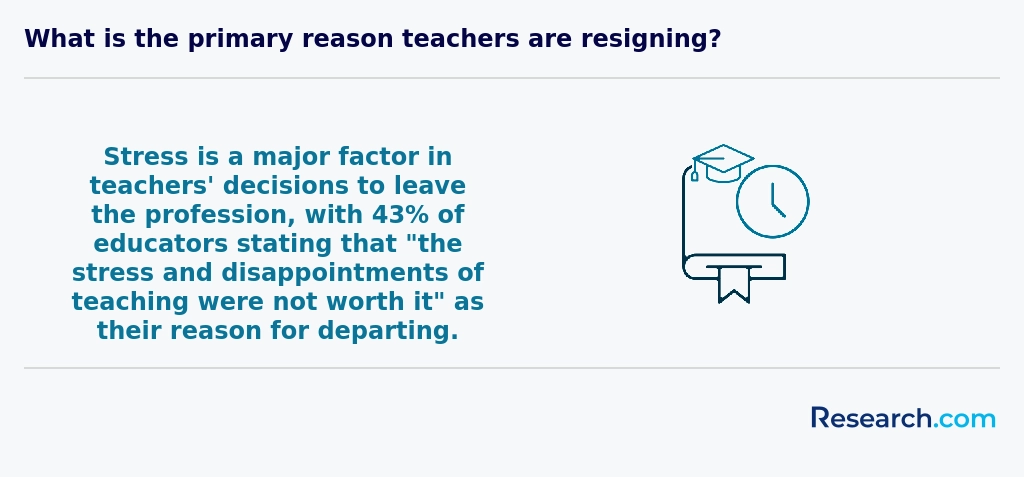
Graduates of an online educational leadership degree in Minnesota often find themselves well-prepared for diverse career paths, ranging from school principal roles to district-level administration. Many have shared how programs at institutions like the University of Minnesota have equipped them with practical leadership strategies that directly apply to managing school operations and staff. These roles typically offer competitive compensation, with principals earning a median salary around $105,000, making such careers both fulfilling and financially viable. This reflects broader positive outcomes tied to online educational leadership careers in Minnesota.
Others have pursued positions as instructional coordinators or curriculum directors at colleges such as St. Cloud State University, where they get to influence educational policies and teacher training. These roles require nuanced organizational skills and offer a chance to impact multiple schools simultaneously. While salary prospects might be slightly lower, averaging near $72,000, many graduates appreciate the rewarding leadership experience and ability to affect change.
Some graduates also express enthusiasm about higher education administrative roles-academic advisors, program directors, or deans-particularly at well-known Minnesota institutions. These positions leverage leadership qualities acquired through the degree, expanding opportunities beyond K-12. Those comparing paths benefit from research into specific programs and career data, which is why many consult resources like an educational leadership online masters degree guide to make informed decisions about their futures and expectations regarding Minnesota educational leadership degree job prospects.
The job market for online educational leadership degree graduates in Minnesota offers a generally positive outlook, with steady growth expected. Local graduates from universities such as the University of Minnesota and Saint Mary's University often report satisfaction balancing work and online study while advancing their careers in education administration. These programs cater specifically to Minnesota's licensure requirements, which is crucial for roles in public schools and district offices.
Employment opportunities are notably present in K-12 public and charter schools as well as higher education institutions, making online educational leadership careers in Minnesota diverse and accessible. Graduates frequently encounter roles like principals and district administrators, with salaries averaging near $95,000 and rising beyond $120,000 in senior positions, reflecting the state's demand for skilled leaders.
It's useful for prospective students to understand the distinction between degree types when planning their path; for instance, exploring eds versus edd can clarify which aligns better with their career goals and time commitments.
2027 Most Valuable Online Educational Leadership Degree Programs Ranking in Minnesota
Investing in your education is a significant decision that can shape your future, and the Research.com team recognizes the importance of providing trustworthy guidance. To support aspiring leaders in Minnesota, we have carefully developed the "2027 Most Valuable Online Educational Leadership Degree Programs Ranking in Minnesota." Our dedication to quality, credibility, and accuracy is evident in the thorough research and analysis behind this ranking.
We utilized the following reputable data sources to ensure a comprehensive evaluation of programs:
By exploring this ranking, readers will gain valuable insights into the most valuable online educational leadership degrees in Minnesota, helping them make well-informed decisions for their academic and professional development. For more details on our methodology, please visit our Research.com methodology page.
# 2 position
Bethel University, Minnesota
Doctor of Leadership (K-12 Education) (Higher Education)

# 3 position
Walden University
Master of Higher Education, Adult Learning (Non-Licensure)


Frequently Asked Questions About educational leadership
Students pursuing online educational leadership degrees in Minnesota can maximize their learning by actively engaging with course materials and faculty. Research from the Minnesota Office of Higher Education highlights that interaction with instructors and peers increases knowledge retention and application. Utilizing available technology, such as virtual discussion boards and video conferencing, helps build a collaborative learning environment. Additionally, students should align their studies with Minnesota's specific educational leadership standards and licensure requirements to ensure their degree supports career goals.
Networking with local educational professionals through internships or mentorships also enhances practical understanding. According to recent data, Minnesota's demand for qualified educational leaders is projected to grow, emphasizing the value of applied experience alongside academic work.
Emerging niches within the educational leadership field reflect evolving challenges in Minnesota's schools. One significant area is digital learning leadership, focusing on managing online and blended learning environments. This niche has grown as Minnesota schools increasingly adopt technology and remote instruction.
Another developing specialty is equity and social justice leadership. Leaders trained in this area address achievement gaps and promote inclusive policies across diverse communities in the state. According to the Minnesota Department of Education, districts are prioritizing equity efforts more than ever.
Additionally, mental health leadership is gaining attention. Educational leaders are needed to support student well-being and coordinate mental health resources, a response to rising concerns highlighted by Minnesota's recent youth mental health reports.
After completing an online educational leadership degree in Minnesota, preparing effectively for the job market is crucial. Start by earning necessary licensure or certification, such as the Minnesota Principal or Superintendent License, required for many leadership roles. According to the Minnesota Department of Education, these certifications often require passing specific exams and completing a supervised internship.
Networking is vital; connect with local education leaders via professional groups like the Minnesota Elementary School Principals' Association. Gaining practical experience through internships or mentorships helps strengthen resumes and skill sets.
Job seekers should also stay informed about Minnesota's school districts' hiring trends and salary ranges, which, as of 2023, average $90,000 to $110,000 annually for leadership roles. Leveraging state resources and targeted job boards specializing in education improves job-placement chances.
Employers in Minnesota highly value specific skills when hiring graduates with online educational leadership degrees. Leadership and management abilities top the list, as school districts seek candidates who can effectively oversee faculty and improve student outcomes. Strong communication skills are essential for collaborating with teachers, parents, and community stakeholders.
Data from the Minnesota Department of Education highlights the importance of strategic planning and data-driven decision-making among educational leaders. Analytical skills help graduates implement policies that enhance school performance. Additionally, cultural competency is increasingly critical, given Minnesota's diverse student population.
Finally, familiarity with educational laws and policies specific to Minnesota ensures that leaders maintain compliance and foster equity in their schools.
Finding internships in Minnesota related to educational leadership begins with exploring opportunities through local school districts, such as Minneapolis Public Schools or St. Paul Public Schools. These districts often partner with universities to offer placements that provide practical leadership experience.
Another resource is the Minnesota Department of Education, which sometimes lists internship positions or partnerships supporting educational leadership development.
Many online educational leadership programs in Minnesota include internship placements or advisement, making program coordinators valuable contacts for finding relevant internships.
Additionally, professional organizations like the Minnesota Association of School Administrators offer networking and internship resources tailored to educational leadership students.
Obtaining an online educational leadership degree in Minnesota can significantly enhance career mobility and advancement opportunities within the state's education sector. According to the Minnesota Department of Education, leaders with advanced degrees are often preferred for administrative roles such as principals, superintendents, and curriculum directors. Online programs provide flexibility, allowing working educators to acquire credentials without interrupting their careers. The Minnesota Professional Educator Licensing and Standards Board requires administrators to hold specific licensure, which often involves completing a recognized educational leadership program. Graduates of these programs typically see salary increases and access to higher-level positions that require proven leadership skills.
Research from the National Center for Education Statistics shows that nearly 65% of school administrators in Minnesota hold at least a master's degree in educational leadership or a related field. This credential supports eligibility for district leadership roles that involve decision-making authority and influence over school policy. Therefore, earning this degree online aligns well with state requirements and enhances prospects for career progression in Minnesota's education system.
Studying for an educational leadership degree in Minnesota offers comprehensive preparation for interdisciplinary roles by emphasizing collaboration across various sectors in education. Programs often include coursework in organizational management, policy analysis, and community engagement, equipping graduates to work effectively with teachers, administrators, and outside stakeholders.
The Minnesota Department of Education highlights that leadership roles increasingly demand skills in navigating complex systems, including finance, law, and health services. This reflects a trend where educational leaders must integrate expertise from multiple fields.
Online programs provide flexibility while maintaining rigorous standards aligned with Minnesota's licensure requirements, promoting practical application in diverse professional settings.
Choosing between a thesis and a non-thesis educational leadership degree program in Minnesota depends largely on your career goals and learning preferences. Thesis programs emphasize research and are ideal if you plan to pursue a doctorate or a career in academia. They require completing original research and a formal thesis, which can take additional time and effort.
Non-thesis programs focus more on practical skills through coursework and internships, suiting professionals aiming for administrative roles in schools or educational agencies. According to the Minnesota Office of Higher Education, many online programs in the state offer flexible non-thesis options that accommodate working adults.
Cost and time commitment also differ. Thesis tracks might extend program length, potentially increasing expenses, while non-thesis paths often allow faster completion. Evaluate these factors alongside your professional objectives to decide which program aligns best with your needs.
Students in Minnesota interested in studying educational leadership abroad typically pursue online programs offered by accredited U.S. universities with international reach. Minnesota residents can enroll in these programs without leaving the state, benefiting from flexible schedules and global perspectives. Although options for fully abroad-based educational leadership degrees are limited, many universities incorporate international case studies and leadership models into their curricula.
The Minnesota Office of Higher Education reports a rising interest in online graduate programs, especially in leadership fields. Students should verify regional accreditation to ensure transferability and employer recognition. Additionally, participation in international virtual seminars or exchange programs, when offered, can supplement global understanding.
Part-time job opportunities in Minnesota that complement an educational leadership degree often involve roles in school administration and community engagement. Positions such as teacher's aide, administrative assistant in school districts, or data coordinator are common. These jobs provide practical experience with organizational management and education systems.
Additionally, Minnesota's strong emphasis on educational innovation creates chances for leadership interns or program coordinators within local educational nonprofits or government agencies.
According to the Minnesota Department of Education, roles that support curriculum development or student services can enhance leadership skills relevant to school principals and district administrators.
These part-time jobs not only bolster resumes but also help build valuable networks within the state's education community.
Online educational leadership students in Minnesota benefit from multiple networking opportunities despite the virtual learning format. Many programs connect students with local school districts through internships and practicum experiences mandated by the Minnesota Department of Education. These hands-on placements foster professional relationships within the state's education community.
Additionally, professional organizations like the Minnesota School Superintendents Association and the Minnesota Association of Secondary School Principals offer virtual events and conferences, which are accessible to online students. Participation helps build contacts and stay informed about regional educational leadership trends.
Universities often facilitate alumni groups and mentorship programs tailored to online students, enabling ongoing professional connections. According to the Minnesota Office of Higher Education, about 65% of online leadership degree students engage in these networking activities, enhancing career advancement potential across Minnesota's diverse school environments.
Alumni networks play a crucial role for students enrolled in online educational leadership degree programs in Minnesota. These networks provide valuable opportunities for mentorship, professional connections, and access to job openings within the state's education system. According to the Minnesota Department of Education, strong professional relationships often lead to higher job placement rates in school administration roles.
For online students, who may lack on-campus interaction, alumni groups help bridge that gap, fostering a sense of community despite physical distance. These networks also facilitate workshops, seminars, and continuing education relevant to Minnesota's school leadership standards.
Engagement with alumni can enhance career advancement and leadership skills, which are in high demand in Minnesota's education sector.
Customizing an online educational leadership degree in Minnesota begins with choosing programs that offer flexible specializations aligned with your career goals. Many universities provide options such as K-12 administration, higher education leadership, or curriculum development. Selecting electives focused on areas like equity in education or data-driven decision making can tailor your skills to specific roles.
Practical experience is also key. Several programs incorporate internships or capstone projects within Minnesota school districts, allowing you to apply learning directly in your career context. According to the Minnesota Department of Education, leadership roles often require demonstrated understanding of state policies and community engagement, which customized tracks can emphasize. Reviewing program accreditation and connections to local education agencies helps ensure relevancy and future job placement.
Online educational leadership students in Minnesota often face challenges related to balancing rigorous coursework with professional and personal responsibilities. Many students are working educators or administrators, leading to time management difficulties, especially when synchronous sessions conflict with job duties.
Limited in-person networking can also hinder relationship building with peers and faculty, which is essential for leadership development. Access to reliable technology and high-speed internet remains a barrier for some, particularly in rural areas of Minnesota, impacting participation and timely submission of assignments.
According to the Minnesota Department of Education, students pursuing advanced degrees must align their studies with licensure requirements, which can be complex in an online format, causing confusion.
With an online educational leadership degree in Minnesota, you can pursue several key professional certifications that enhance your career prospects. The Minnesota Board of School Administrators oversees certification for school principals and superintendents. For example, to become a licensed principal, candidates need a valid Tier 3 or Tier 4 license, which requires completing an approved leadership preparation program.
Many graduates also pursue the Superintendent License, essential for district leadership roles. These certifications typically require passing state exams and completing supervised administrative experience.
Additionally, certifications like the Director of Special Education License or Community Education Director License are available for specialized leadership roles within Minnesota schools. According to the Minnesota Department of Education, demand for certified educational leaders remains steady due to growing enrollment and school district expansions.
When applying to an online educational leadership program in Minnesota, start by thoroughly researching the specific admission requirements for each institution. Many programs ask for a minimum GPA of 3.0 and professional experience in education or administration. Highlight your leadership skills and how they have impacted student outcomes or school improvement initiatives in your personal statement.
Provide strong letters of recommendation from supervisors or colleagues who can attest to your leadership potential. According to the Minnesota Department of Education, showcasing knowledge of state educational policies can strengthen your application. Mention any relevant certifications or continuing education you have completed.
Submit all required documents on time and ensure your resume reflects your most recent roles and achievements in education. Emphasizing your commitment to advancing educational leadership in Minnesota's diverse school systems will demonstrate your preparedness and motivation.
Educational leadership careers in Minnesota offer a broad view shaped by both local and global educational trends. Globally, leaders in education are expected to foster inclusive environments and utilize data-driven decision-making, skills emphasized in U.S. programs. According to the Minnesota Office of Higher Education, over 70% of school administrators hold advanced degrees, reflecting the competitive nature of this career.
Internationally, educational leadership often focuses on adapting to diverse student populations and technology integration, which align with Minnesota's emphasis on equity and innovation. The evolving global standards influence U.S. curricula, encouraging leaders who are culturally competent and forward-thinking.
For Minnesota students pursuing online degrees, understanding these global perspectives enriches leadership capacity and prepares graduates for complex educational environments both in the state and beyond.
Students pursuing an online educational leadership degree in Minnesota can gain practical experience through a variety of state-supported opportunities. Many programs require internships or practicum placements in local school districts, allowing students to apply leadership theories in real educational settings. According to the Minnesota Department of Education, these hands-on experiences often include shadowing principals, managing school projects, and participating in administrative decision-making.
Graduate students may also collaborate with Minnesota's numerous educational leadership organizations, such as the Minnesota Association of Secondary School Principals. These engagements provide networking and mentorship chances. Additionally, educators licensed in Minnesota can leverage their current roles to fulfill field experience requirements while studying online.
Choosing the right concentration within an online educational leadership degree program in Minnesota involves aligning your career goals with the specific skills each focus area offers. Common concentrations include K-12 administration, higher education leadership, and special education administration. According to the Minnesota Department of Education, school districts increasingly seek leaders skilled in equity and inclusive practices, making these concentrations especially relevant.
Consider the job market trends in Minnesota, where leadership roles in public and private institutions often require expertise in policy, data analysis, and community engagement. Research program curricula carefully to ensure they cover these essential areas. Additionally, accreditation by bodies like the Council for the Accreditation of Educator Preparation (CAEP) ensures adherence to state standards and quality education.
- 2027 Most Valuable Online Educational Leadership Degree Programs Ranking in Nebraska
- 2027 Most Valuable Online Educational Leadership Degree Programs Ranking in Illinois
- 2027 Most Valuable Online Educational Leadership Degree Programs Ranking in Missouri
- 2027 Most Valuable Online Educational Leadership Degree Programs Ranking in Michigan
- 2027 Most Valuable Online Educational Leadership Degree Programs Ranking in Kansas
- 2027 Most Valuable Online Educational Leadership Degree Programs Ranking in Indiana
- 2027 Most Valuable Online Educational Leadership Degree Programs Ranking in Ohio
- 2027 Most Valuable Online Educational Leadership Degree Programs Ranking in Colorado
- 2027 Most Valuable Online Educational Leadership Degree Programs Ranking in Kentucky
- 2027 Most Valuable Online Educational Leadership Degree Programs Ranking in Mississippi
- 5 steps to writing a strong school leadership application https://chrisenglish.com.au/2024/12/08/5-steps-to-writing-a-strong-school-leadership-application/
- Leadership Alumni Networks Making a Difference - Network Weaver https://networkweaver.com/leadership-alumni-networks-making-a-difference/
- Real educational leadership challenges & practical ways to tackle them https://www.manchester.ac.ae/blog-post/real-educational-leadership-challenges
- Educational Leadership | Minnesota State University, Mankato https://www.mnsu.edu/programs/educational-leadership/
- Best Educational Leadership Doctoral Programs | University of Bridgeport https://www.bridgeport.edu/news/best-educational-leadership-doctoral-programs/
- The skills employers seek https://www.emerging.fr/post/the-skills-employers-look-for-in-new-university-graduates
- Educational Leadership: Master’s vs. Doctorate Degree - Graduate Programs for Educators https://www.graduateprogram.org/blog/masters-vs-doctorate-educational-leadership-degree/
- Skills Employers Look for in Business Graduates – EU Business School https://www.euruni.edu/blog/skills-employers-look-for-in-business-graduates/
- Remote Educational Leadership Online Jobs https://www.virtualvocations.com/q-remote-educational-leadership-online-jobs.html
- Why Pursue an Online Doctor of Educational Leadership? https://www.ucumberlands.edu/blog/why-pursue-an-online-doctor-of-educational-leadership