2027 Most Valuable Online Educational Leadership Degree Programs Ranking in Nebraska

Co-Founder and Chief Data Scientist
Choosing the right educational leadership degree program can shape your future and open doors in Nebraska's growing education sector. This article presents the 2027 Most Valuable Online Educational Leadership Degree Programs Ranking in Nebraska, carefully crafted by the Research.com team of data scientists to guide you toward informed decisions.
Discover programs that align with your goals and lifestyle through flexible online options. Earning an educational leadership degree offers exciting opportunities to lead, inspire, and make a lasting impact in schools and communities.
Explore the ranking to find the best fit for your path forward.
Key benefits of getting online educational leadership degree in Nebraska
- Educational leadership degree graduates in Nebraska often step into roles like school principals or education administrators, where median salaries in the US typically range from $90,000 to $110,000, reflecting rewarding financial prospects.
- Graduates from Nebraska colleges such as the University of Nebraska-Lincoln have successfully pursued careers in K-12 administration, higher education leadership, and policy development, showcasing diverse and meaningful career opportunities.
- Completing an educational leadership degree online offers flexibility and convenience, enabling graduates from institutions like Creighton University to balance work, life, and study while gaining the same respected credentials as traditional students.
- 2027 Most Valuable Online Educational Leadership Degree Programs Ranking in Nebraska
- What can I expect from online educational leadership degree in Nebraska?
- Where can I work with online educational leadership degree in Nebraska?
What can I expect from online educational leadership degree in Nebraska?
The average cost of an online educational leadership degree in Nebraska typically ranges between $20,000 and $35,000 for the entire program. Graduates from institutions like the University of Nebraska Omaha and Creighton University often highlight that this investment feels justified given the program's focus on practical leadership skills and alignment with Nebraska's certification requirements.
These programs combine asynchronous coursework with hands-on leadership practicums, allowing working professionals to balance job responsibilities while applying new knowledge directly in their schools. Students report appreciating this flexible format, which supports individualized pacing without sacrificing depth or quality.
Many graduates emphasize the relevance of state-specific content, including leadership theories tailored to Nebraska's educational policy and equity challenges. This focus prepares them well for roles such as principals or district leaders, offering both career advancement and a competitive salary potential exceeding $90,000 annually in Nebraska's education administration sector.
The cost-benefit dynamic resonates strongly with students who value not just affordability but also tangible career outcomes linked to these accredited online degrees.
Where can I work with online educational leadership degree in Nebraska?
Graduates with an online educational leadership degree in Nebraska commonly secure roles within the state's extensive K-12 public school system, which includes over 250 districts. Many alumni from institutions like the University of Nebraska at Omaha report starting as assistant principals or curriculum coordinators, roles that involve overseeing daily operations and driving student success initiatives. Average salaries for educational administrators typically range from $75,000 to $90,000 annually, reflecting variations in district size and experience.
Others find fulfilling career paths in Nebraska's six regional community colleges or state universities, where leadership positions such as dean or director of academic affairs demand advanced skills in managing academic programs. Graduates from Creighton University's online programs often highlight strong preparation for these roles.
Some Nebraska educational leadership graduates thrive in nonprofit or government roles, including state education agencies and educational service units, influencing policy, professional development, and technology integration. Many also become consultants, applying data-driven decision-making skills to support schools in adopting new standards and assessment tools.
Graduates from online educational leadership programs in Nebraska can expect competitive earnings reflective of regional demand and their experience. For example, those stepping into principal roles at schools in Omaha or Lincoln typically earn between $85,000 and $115,000 annually. This range has been observed by graduates from universities such as the University of Nebraska-Lincoln, who often cite the balance of meaningful leadership opportunities and solid compensation as motivating factors in pursuing their degrees.
Entry-level graduates working as assistant principals or district administrators often start closer to $60,000 to $70,000 annually. As they gain experience-especially if they pursue advanced certifications or a doctorate-salaries can rise significantly. For instance, superintendents in larger districts can earn from $100,000 up to over $140,000, showcasing the economic advantage of advanced degrees and leadership success.
Many recent graduates appreciate how Nebraska's educational institutions emphasize practical leadership skills that translate directly into these salary brackets. This creates an encouraging pathway for those passionate about making an educational impact while enjoying strong financial stability.
- Tuition for online educational leadership master's programs in Nebraska usually ranges from $10,000 to $20,000 for the entire degree.
- Early-career educational leaders in Nebraska typically earn around $60,000 annually, while experienced administrators can earn over $90,000 per year.
- The Nebraska job market shows steady demand for educational leaders such as principals and district administrators due to retirements and growth in education.
- State certification generally requires completion of a Nebraska Department of Education-approved degree and passing a licensing exam.
- Programs often cover key topics like school law, finance, leadership theory, and data-driven decision making with flexible online course options for working educators.
Completing an online educational leadership degree in Nebraska generally spans one to three years, influenced primarily by enrollment status and degree type. Graduates from the University of Nebraska's online master's program often report completing their 30 to 36 credit hours within two years of full-time study, balancing coursework with professional commitments.
Part-time students, many juggling family and work, frequently extend their timeline to around three years, finding the flexibility helpful for managing responsibilities without sacrificing progress. Those pursuing the post-master's Ed.S. degree, requiring about 30 additional credit hours, typically finish in one to two years, appreciating the program's design tailored for advancing into leadership roles like superintendents.
Real-life experiences underscore how course scheduling flexibility and accelerated options at Nebraska institutions make progress manageable and rewarding. One graduate highlights how spreading courses across multiple semesters enabled steady advancement without burnout, fostering confidence and growth.
Such pacing aligns well with Nebraska's educational standards, supporting candidates in achieving their leadership goals thoughtfully and sustainably.
In Nebraska, choosing between online and on-campus educational leadership degrees involves weighing flexibility against direct engagement. Graduates from the University of Nebraska's online programs often emphasize the freedom to balance coursework with full-time jobs and family duties-especially important across rural areas where commuting is a barrier. These online degrees typically offer asynchronous classes, letting students study on their own schedules without sacrificing content quality.
Conversely, on-campus programs at institutions like Creighton University provide structured class times that foster vibrant face-to-face discussions and networking opportunities. Many graduates value the in-person collaboration during group projects and practicums, which can enhance leadership skills through real-time feedback and relationship-building.
Cost is another significant factor. Nebraska online learners frequently report savings of thousands annually due to eliminated commuting and housing expenses, with some programs charging closer to $8,000 compared to $12,000 for on-campus options. However, both formats deliver recognized credentials essential for career advancement in the state's educational system.
The average cost of an online educational leadership degree in Nebraska typically centers around a median total of $35,700. This figure reflects tuition and fees combined, representing a significant investment for students pursuing leadership roles in education. Graduates from well-known institutions like the University of Nebraska often recall balancing the financial commitment with the flexibility and reputation those programs provide, especially as many pay per credit hour, with rates ranging between $350 and $450 for in-state learners.
When exploring online educational leadership tuition and fees Nebraska residents find that public universities generally offer more affordable options than private schools, which supports students aiming for cost-effective paths. Additional expenses such as technology fees and course materials usually add roughly $1,000 to $2,000. Despite these costs, many students feel encouraged by the availability of financial aid and scholarships tailored toward education professionals.
For prospective students wanting to compare affordability nationwide, it helps to consider rankings and data like those found in affordable online masters degree programs in educational leadership. This resource highlights Nebraska's relatively moderate costs compared to national trends, making it a practical choice.
Graduates often note that understanding the full cost impact early-factoring in duration and delivery model-helps them feel confident enrolling. The balance of cost versus value in Nebraska programs frequently results in satisfaction as graduates advance into impactful leadership positions within their districts.
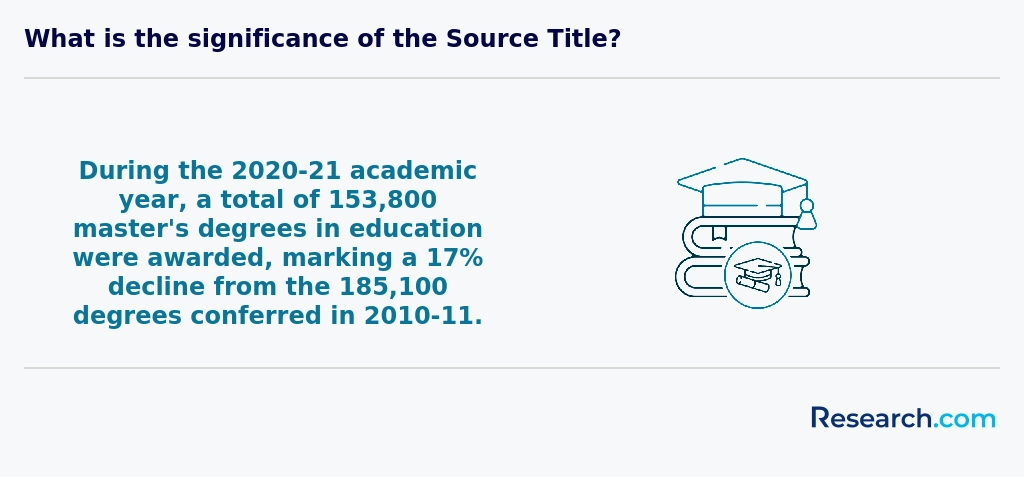
Students pursuing online educational leadership degrees in Nebraska commonly access federal financial aid through FAFSA, which opens doors to Pell Grants and subsidized loans. Pell Grants can provide up to about $7,000 annually, significantly easing tuition burdens that typically range from $300 to $700 per credit hour. Graduates from popular Nebraska institutions like the University of Nebraska at Omaha report that securing these grants often made the difference between continuing their studies or postponing them.
State-specific aid, such as the Nebraska Opportunity Grant, offers up to $2,000 per academic year, supplementing federal support. Many students at Wayne State College highlight this grant as a crucial resource, especially when combined with institutional scholarships aimed at educators advancing into administrative roles.
Employment-based funding, including tuition reimbursement and loan forgiveness from local school districts, is frequently utilized by working professionals enrolled in educational leadership programs at Creighton University. These programs encourage long-term commitment to the community, creating a win-win scenario for both educators and districts.
- Federal grants and loans through FAFSA
- Nebraska Opportunity Grant for qualifying students
- Institutional scholarships focused on educators
- Employer tuition assistance and loan repayment programs
Enrolling in an online educational leadership degree program in Nebraska typically requires a bachelor's degree from a regionally accredited institution, ensuring foundational academic readiness. Many programs, especially those focused on K-12 administration, prefer applicants holding professional teaching licensure or certification, which supports practical understanding of school environments. For instance, graduates from the University of Nebraska at Kearney often highlight the value of having prior teaching experience, ranging from 1 to 3 years, as crucial in navigating coursework and applying leadership concepts effectively.
Applicants commonly submit official transcripts, recommendation letters, a statement of purpose, and sometimes a resume showcasing relevant educational or leadership roles. Nebraska Wesleyan University candidates frequently mention how meeting the minimum GPA requirement-usually around 3.0-demonstrated their academic commitment and helped them feel confident advancing in the program.
Some institutions also require interviews or entrance exams, which graduates recall as valuable opportunities to express their motivation and readiness for leadership responsibilities in education.
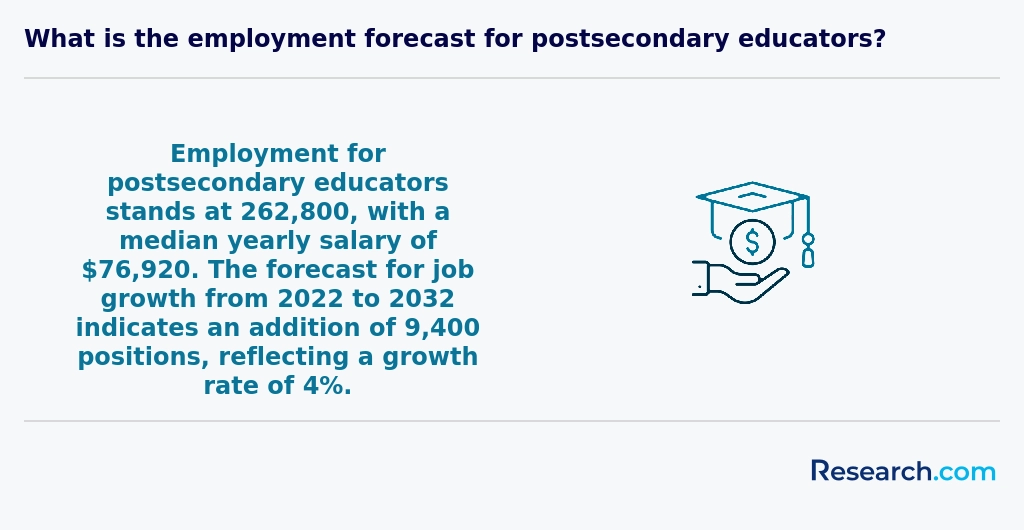
Online educational leadership degrees in Nebraska commonly include courses that build practical and theoretical skills aligned with state certification standards. Graduates from universities like the University of Nebraska often highlight courses such as Foundations of Educational Leadership and Organizational Theory as critical for understanding leadership dynamics in K-12 schools. These courses enable students to confidently manage diverse school environments and lead change effectively.
Certain classes, including Education Law and Policy, prepare future administrators to navigate Nebraska's evolving legal landscape, addressing real challenges like compliance and student rights. Graduates report that mastering these topics reduces anxiety when dealing with complex regulations in their districts.
Courses like Curriculum Design and Evaluation and School Finance and Budgeting empower students to make data-driven decisions and manage resources efficiently. Practical components such as internships provide hands-on experiences, helping students from colleges like Creighton University apply their learning in local schools, which strengthens their readiness and confidence for leadership roles.
Online educational leadership degree specializations Nebraska students frequently pursue include curriculum leadership, school administration, special education leadership, and higher education administration. For example, graduates from popular programs at institutions like the University of Nebraska-Lincoln often describe how curriculum leadership specialization sharpened their ability to develop instructional programs aligned with Nebraska's state standards such as NeSA assessments.
School administration remains highly sought after, focusing on managing budgets, staff, and policies with an emphasis on Nebraska-specific education laws. Students express confidence in stepping into principal roles due to this practical orientation. Special education leadership addresses growing federal and state mandates like IDEA, equipping leaders to create inclusive, compliant programs tailored for diverse learners-a need especially relevant in Nebraska's school districts.
In addition, higher education administration prepares students for campus operations roles. Many find this specialization rewarding when transitioning into leadership at Nebraska colleges. Prospective students looking for advanced paths may explore the educational leadership online doctorate, which builds on these foundational specializations to broaden leadership impact statewide.
Choosing the best online educational leadership programs Nebraska residents rely on involves evaluating accreditation, curriculum relevance, and cost-effectiveness. Graduates from popular institutions like the University of Nebraska-Lincoln appreciate programs accredited by the Higher Learning Commission and CAEP, ensuring education quality and eligibility for administrative certification. Students often highlight courses covering school law and finance tailored to Nebraska's educational policies as crucial for real-world leadership roles.
Affordability remains a key factor, with the average graduate tuition at Nebraska public universities hovering around $9,000 annually for in-state students. Many find financial aid or scholarships vital in managing costs. Flexibility in online format, including asynchronous classes, allows working professionals to balance full-time jobs and family commitments, an advantage noted by recent graduates from Nebraska Wesleyan University.
Faculty expertise linking theory with Nebraska district challenges enhances learning and career readiness. For a comprehensive comparison of programs, prospective students should consult reliable resources like the Nebraska Department of Education or explore options such as higher education administration online masters to align choices with career goals.

Graduates with an online educational leadership degree in Nebraska have several career paths available that align with the state's educational priorities. Common roles include becoming a school principal or assistant principal, positions where Nebraska's Department of Education highlights the importance of leadership in fostering positive learning environments. The median annual salary for these roles is around $98,000 according to the U.S. Bureau of Labor Statistics, demonstrating a strong financial incentive for prospective students.
Other options include district-level administration, such as superintendents or curriculum coordinators, who oversee multiple schools and implement policy initiatives. Graduates from Nebraska institutions often share how their programs emphasize decision-making skills essential for these demanding positions. With inclusive education gaining focus, leadership roles in special education administration have also become prominent, supporting students with disabilities under state and federal compliance frameworks.
Many alumni of popular Nebraska universities express satisfaction pursuing careers beyond K-12, including higher education administration as department heads or student services managers. For those researching options, programs offering masters in educational leadership online present a flexible pathway to fulfilling these roles. These graduates appreciate that the state's certification requirements align well with their online education, helping them meet professional standards efficiently.
Graduates pursuing online educational leadership jobs Nebraska can anticipate a stable and growing job market, particularly within K-12 public schools and higher education institutions across the state. Nebraska's education system values experienced leaders who can navigate the administrative challenges of both urban and rural districts. For instance, graduates from prominent local universities in Nebraska often secure roles as principals or assistant superintendents, finding satisfaction in directly influencing their school communities.
With a median salary ranging from $90,000 to $110,000, the financial prospects are competitive and reflect the state's commitment to supporting educational leadership. Many graduates highlight the practical nature of their degree programs, which combine flexible online coursework with real-world administrative experience, essential for meeting Nebraska's certification criteria.
Job seekers should consider that Nebraska's focus on educational quality and infrastructure investment creates opportunities for career advancement into district-level leadership. To explore affordable online educational leadership degrees that align with these market trends, prospective students can evaluate options such as the affordable online edd programs available nationwide.
Nebraska educational leadership degree career outlook remains promising due to high demand for qualified administrators who can contribute to school success and community development across diverse educational settings.
2027 Most Valuable Online Educational Leadership Degree Programs Ranking in Nebraska
Investing in your education is a significant decision that can shape your future, and the Research.com team understands the importance of making informed choices. To assist prospective students, we have meticulously developed the "2027 Most Valuable Online Educational Leadership Degree Programs Ranking in Nebraska." Our commitment to quality, credibility, and accuracy is reflected in the extensive research and analysis conducted to compile this ranking.
We utilized the following reputable data sources to ensure a comprehensive evaluation of educational leadership programs:
By exploring this ranking, readers will gain valuable insights into the most valuable online educational leadership degree programs in Nebraska, empowering them to make well-informed decisions about their educational investments. For more details on our methodology, please visit our Research.com methodology page.
# 1 position
University of Nebraska-Lincoln
Doctor of Educational Administration - P-12 System Level School Leadership


Frequently Asked Questions About educational leadership
Students pursuing online educational leadership degrees in Nebraska can maximize their learning by actively engaging with their coursework and peers. Nebraska's education system values collaboration, so taking part in virtual discussions and group projects strengthens practical leadership skills. According to the Nebraska Department of Education, leaders who emphasize communication often see better school performance.
Utilizing resources offered by universities, such as academic advising and career services, helps students tailor their studies to local education needs. Networking with Nebraska educators and administrators through online forums or local events enhances understanding of the state's educational landscape.
Balancing study schedules and seeking mentorship supports retention and skill development in educational leadership roles.
Emerging niches within the educational leadership field reflect growing demands for specialized skills in Nebraska's education system. One significant area is digital and remote learning leadership. With 30% of Nebraska schools expanding online programs, leaders skilled in virtual instruction management are increasingly sought after (Nebraska Department of Education, 2023).
Another niche focuses on equity and inclusion leadership. As Nebraska's student population becomes more diverse, administrators who can implement culturally responsive policies are in demand. This aligns with state initiatives emphasizing equity in education.
Data-driven decision making is also rising as an essential skill. Educational leaders proficient in analyzing student performance data to improve outcomes are valuable in Nebraska districts striving for higher accountability.
After earning an online educational leadership degree in Nebraska, graduates should focus on building a strong professional network. Joining local education associations such as the Nebraska Council of School Administrators can provide valuable connections and job leads. Additionally, obtaining Nebraska-specific certifications, like administrative licenses from the Nebraska Department of Education, is essential to qualify for leadership roles.
The Nebraska Department of Labor projects a 7% growth in educational administration jobs through 2028, reflecting steady demand. Preparing a tailored resume and developing skills in data-driven decision-making and school finance enhance employability. Internships or practicums completed during the degree also offer practical experience valued by employers.
Employers seeking graduates of educational leadership programs in Nebraska prioritize several key skills. Among the most important are strong communication and interpersonal abilities, necessary for effective collaboration with teachers, parents, and school boards. Analytical skills also rank highly, enabling leaders to interpret data and improve student outcomes. According to the Nebraska Department of Education, leadership graduates must demonstrate competency in managing school operations and fostering inclusive environments. Additionally, adaptability and decision-making skills are essential due to the evolving nature of education policies and technologies. These skills help ensure graduates can lead schools effectively in Nebraska's diverse educational landscape.
Finding internships in Nebraska relevant to an educational leadership degree involves leveraging both institutional and state resources. Many Nebraska universities with online educational leadership programs often provide internship placement assistance through their career services offices. These internships typically take place in public school districts, educational nonprofits, or governmental education agencies.
The Nebraska Department of Education is also a valuable resource, offering information on district partnerships and leadership development opportunities. According to the department's latest reports, Nebraska has over 300 public school districts, creating diverse internship possibilities.
Networking with local education leaders and joining state education associations like the Nebraska Council of School Administrators can further increase internship chances. Internships generally focus on leadership skills such as school management, policy implementation, and community engagement, preparing candidates for future administrative roles.
An online educational leadership degree in Nebraska significantly enhances career mobility and advancement opportunities within the state's education sector. According to the Nebraska Department of Education, administrators with advanced degrees often qualify for higher-level roles, such as principals or district superintendents, which typically offer increased salaries and responsibilities.
The Nebraska Department of Labor projects a steady 6% growth in educational administration jobs through 2030, reflecting rising demand for qualified leaders. Earning this degree online provides flexibility for working educators to gain credentials without disrupting their careers.
Graduates benefit from state-recognized certification pathways, which are essential for advancement in Nebraska's public school systems. This credential also improves competitiveness for leadership roles outside traditional K-12 settings, including higher education and educational consulting.
Studying for an educational leadership degree online in Nebraska equips students with skills applicable across multiple disciplines. Programs emphasize collaboration, strategic planning, and communication, key competencies for roles beyond traditional school administration. Nebraska's accreditation standards align with national guidelines, ensuring graduates understand diverse educational settings and stakeholder needs.
Students often engage with courses covering policy, finance, and data analysis, which prepare them to work alongside professionals in social services, business, and community organizations. According to the Nebraska Department of Education, leadership roles requiring interdisciplinary expertise are growing by 4.5% annually, reflecting demand for versatile education leaders.
The state's focus on equity and inclusion further broadens graduates' perspectives, enabling them to navigate complex systems and advocate effectively in varied environments.
When choosing between a thesis and a non-thesis educational leadership degree program in Nebraska, consider your career goals and time commitment. Thesis programs typically require original research and a written dissertation, which can prepare you for doctoral studies or roles in academic research.
Non-thesis programs often focus on coursework and practical leadership skills, appealing to professionals aiming for administrative positions in schools or districts. According to the Nebraska Department of Education, leadership roles in the state value both practical experience and advanced studies.
Also, thesis options may extend program duration. Investigate specific Nebraska schools' offerings to find a format aligning with your professional plans and lifestyle.
Students based in Nebraska who wish to study educational leadership abroad have limited direct options, as most international programs require on-campus attendance. However, many US universities with ties to foreign institutions offer joint online degrees and exchange opportunities. Nebraska educators might explore programs that blend online coursework with short-term residency abroad.
The Nebraska Department of Education highlights a growing need for leadership skills statewide, encouraging residents to pursue accredited online programs. While no fully online international degrees in educational leadership are currently prevalent, partnerships between Nebraska schools and global universities could expand future possibilities.
Students should verify accreditation and Nebraska licensing requirements before enrolling in any out-of-state or international program.
Part-time job opportunities in Nebraska that complement educational leadership degrees often involve roles within K-12 schools and community organizations. Positions such as teacher's aide, substitute teacher, or administrative assistant in school districts provide practical experience in leadership and management. These roles allow students to apply theoretical knowledge in real-world settings and develop skills like communication, organization, and conflict resolution.
According to the Nebraska Department of Education, school districts frequently seek qualified part-time support staff, creating valuable opportunities for ongoing professional growth. Additionally, some students find roles in nonprofit education programs or tutoring services, which further enhance leadership and instructional skills.
Online educational leadership students in Nebraska can access various valuable networking opportunities despite their remote status. Many Nebraska institutions offering these programs encourage participation in virtual meetups, webinars, and discussion forums to connect with peers and faculty. For example, the Nebraska Department of Education supports events that bring together current students and local educational leaders.
Students may also join professional organizations such as the Nebraska Council of School Administrators, which frequently hosts conferences and workshops. These gatherings provide chances to build relationships with experienced administrators and potential mentors. Additionally, LinkedIn groups focused on Nebraska education leadership enable ongoing online networking and job exploration.
Through these channels, students increase their professional visibility and prepare for regional career advancement.
Alumni networks provide significant advantages to online educational leadership degree students in Nebraska. These networks offer access to experienced professionals who can share insights about the state's education system, enhancing students' practical understanding. Connections within Nebraska's educational community often lead to mentorship opportunities that support career advancement.
Membership in an active alumni network also increases access to job openings, especially given Nebraska's emphasis on local hiring in school leadership roles. According to the Nebraska Department of Education, leadership roles often require strong professional relationships.
Furthermore, alumni events-both virtual and in-person-foster collaboration and continuous learning, helping graduates stay current with educational policies and leadership trends in Nebraska.
To customize your online educational leadership degree program in Nebraska, start by selecting electives that align with your career goals, such as curriculum development, school finance, or policy analysis. Many Nebraska institutions offer flexible concentrations or endorsements, allowing you to focus on areas like special education or administration. You can also choose practicum or internship placements within local schools to gain practical experience relevant to Nebraska's educational system.
Additionally, consider programs accredited by the Council for the Accreditation of Educator Preparation (CAEP), which ensures curriculum quality recognized across Nebraska. Nebraska Department of Education data reports a growing demand for qualified leaders, so tailoring your program can help meet specific job market needs.
Students pursuing online educational leadership degrees in Nebraska often face challenges related to balancing professional, personal, and academic responsibilities. Many learners are also full-time educators or administrators, which creates time management difficulties. According to the Nebraska Department of Education, nearly 40% of educators enrolled in advanced programs report struggles with maintaining consistent study schedules.
Technical issues and access to reliable internet connections can be problematic, especially in rural parts of Nebraska where broadband availability remains limited. Additionally, some students find it difficult to engage fully without face-to-face interaction, impacting networking and collaborative learning experiences.
Finally, navigating state-specific licensure and certification requirements adds another layer of complexity for candidates aiming to lead Nebraska schools effectively.
With an online educational leadership degree in Nebraska, graduates can pursue several professional certifications that enhance career prospects in school administration and leadership. One of the most common certifications is the Nebraska Department of Education's Administrator Certificate, which qualifies individuals for principal, superintendent, or curriculum director roles. This certificate requires completing an approved educational leadership program and passing the appropriate Praxis exams.
Additionally, many graduates seek National Board Certification for Educational Leaders, which is recognized nationwide for demonstrating advanced leadership skills. This certification can improve job opportunities and salary potential. According to Nebraska's Department of Education, statewide demand for certified educational leaders continues to grow, emphasizing the importance of these credentials.
To write a winning application for an online educational leadership program in Nebraska, start by highlighting your professional experience in education. Admissions committees look for candidates with strong leadership potential and a clear vision for improving school performance. Include specific examples of your contributions in teaching or administration, supported by measurable results when possible.
Research Nebraska's accreditation standards, such as those outlined by the Nebraska Department of Education, to show your familiarity with state requirements. Tailor your personal statement to reflect your understanding of local educational challenges and goals.
Secure strong letters of recommendation from supervisors or colleagues who can attest to your leadership skills and commitment to education improvement.
Finally, ensure your application is error-free and submitted before deadlines. According to the Nebraska Department of Education, timely and complete applications increase your chances of admission to competitive programs.
The career of educational leadership holds a significant global relevance, reflecting growing demands for skilled leaders in education systems worldwide. In the United States, including Nebraska, educational leaders play crucial roles in shaping school policies and student outcomes. According to the U.S. Bureau of Labor Statistics, employment of education administrators is expected to grow by 8% from 2022 to 2032, indicating strong job prospects.
Globally, educational leadership careers emphasize strategic planning, equity, and innovation to address diverse learning environments. Nebraska, with its focus on rural and urban educational challenges, benefits from leaders trained to manage varied school settings.
Moreover, online degrees in Nebraska provide flexible pathways for professionals to gain skills recognized both locally and internationally, reflecting a trend towards accessible leadership preparation aligned with global educational standards.
Gaining practical experience while studying for an online educational leadership degree in Nebraska is essential for career readiness. Many programs encourage or require internships or practicum hours in local schools or educational organizations. These experiences help students apply leadership theories in real-world settings.
Students can often partner with Nebraska school districts to complete these requirements, benefiting from the state's collaborative education networks. According to the Nebraska Department of Education, hands-on experience improves leadership skills and job placement rates after graduation.
Furthermore, some programs offer virtual simulations and case studies to complement fieldwork. Connecting with mentors through Nebraska's professional education associations also supports practical growth during the online program.
When selecting a concentration within an online educational leadership degree in Nebraska, start by evaluating your career goals. Educational leadership roles range from K-12 administration to higher education management, each requiring specific skills. For example, Nebraska's Department of Education highlights a growing demand for school principals, underscoring the value of a concentration focused on K-12 leadership.
Consider program accreditation and alignment with Nebraska's licensure requirements. The Nebraska Educational Service Units provide resources on certification pathways that may influence your choice. Additionally, review course offerings to match your interests, whether it's curriculum development, policy, or special education administration.
Lastly, investigate local labor market trends through sources like the Nebraska Department of Labor. Understanding regional demand ensures your concentration supports job opportunities post-graduation.
- 2027 Most Valuable Online Educational Leadership Degree Programs Ranking in Kansas
- 2027 Most Valuable Online Educational Leadership Degree Programs Ranking in Colorado
- 2027 Most Valuable Online Educational Leadership Degree Programs Ranking in Missouri
- 2027 Most Valuable Online Educational Leadership Degree Programs Ranking in Minnesota
- 2027 Most Valuable Online Educational Leadership Degree Programs Ranking in Illinois
- 2027 Most Valuable Online Educational Leadership Degree Programs Ranking in Texas
- 2027 Most Valuable Online Educational Leadership Degree Programs Ranking in Indiana
- 2027 Most Valuable Online Educational Leadership Degree Programs Ranking in Mississippi
- 2027 Most Valuable Online Educational Leadership Degree Programs Ranking in Kentucky
- 2027 Most Valuable Online Educational Leadership Degree Programs Ranking in Michigan
- 5 steps to writing a strong school leadership application https://chrisenglish.com.au/2024/12/08/5-steps-to-writing-a-strong-school-leadership-application/
- Educational Leadership (PK-12) Certificate | York College of Pennsylvania https://www.ycp.edu/academics/programs/educational-leadership-pk-12-certificate
- Educational Leadership (Master of Science) https://www.creighton.edu/academics/programs/educational-leadership-ms
- Educational Leadership Network - ICSEI https://icsei.org/network/educational-leadership-network/
- Remote Educational Leadership Online Jobs https://www.virtualvocations.com/q-remote-educational-leadership-online-jobs.html
- Bringing global perspectives to leadership in business https://www.eaie.org/resource/global-perspectives-leadership-business.html
- Leadership Alumni Networks Making a Difference - Network Weaver https://networkweaver.com/leadership-alumni-networks-making-a-difference/
- Educational Leadership Network Europe - Home https://elnenetwork.org/
- Online Master’s Programs in Educational Leadership: Compare Schools https://www.onlinemastersdegrees.org/best-programs/education/educational-leadership/
- Real educational leadership challenges & practical ways to tackle them https://www.manchester.ac.ae/blog-post/real-educational-leadership-challenges