2027 Most Valuable Online Educational Leadership Degree Programs Ranking in Missouri

Co-Founder and Chief Data Scientist
Choosing the right educational leadership degree program can shape your future and open doors to exciting career opportunities in Missouri. This article features the 2027 Most Valuable Online Educational Leadership Degree Programs Ranking in Missouri, created by the Research.com team of data scientists to guide you in making an informed decision.
Discover which programs offer the best value, helping you invest your time and resources wisely. Pursuing an educational leadership degree empowers you to make a meaningful impact on schools and communities while advancing your career with confidence.
Key benefits of getting online educational leadership degree in Missouri
- Educational leadership degree graduates in Missouri typically pursue careers such as school principals or education administrators, where the average salary nationally ranges from $90,000 to $110,000 annually, reflecting rewarding financial opportunities.
- Graduates from Missouri State University's educational leadership program often advance to influential roles in K-12 schools, higher education, or community education organizations, illustrating diverse and fulfilling career paths.
- Completing an educational leadership degree online through the University of Missouri allows flexible study schedules and reduced costs, making it easier to balance work, life, and education while still earning a respected credential.
- 2027 Most Valuable Online Educational Leadership Degree Programs Ranking in Missouri
- What can I expect from online educational leadership degree in Missouri?
- Where can I work with online educational leadership degree in Missouri?
What can I expect from online educational leadership degree in Missouri?
The average cost of obtaining an online educational leadership degree in Missouri typically ranges from $300 to $600 per credit hour, depending largely on the institution. Public universities such as the University of Missouri system often provide more affordable tuition rates, especially for in-state students, which appeals greatly to working professionals balancing budgets and busy schedules. Graduates frequently highlight the financial accessibility as a key advantage that made advancing their careers feasible without undue strain.
For most programs, completing the required 30 to 39 credit hours results in a total tuition investment that remains competitive compared to traditional on-campus programs. Many students appreciate that the cost aligns with flexible pacing options-part-time or full-time studies-allowing them to continue working while gaining necessary licensure and hands-on leadership experience through internships and mentorships embedded in Missouri's approved curricula.
Students from institutions like Missouri State University or Saint Louis University often report satisfaction with how online tuition costs do not compromise the quality of practical learning or engagement with local educational communities, enhancing their confidence in stepping into school leadership roles.
Where can I work with online educational leadership degree in Missouri?
Graduates from online educational leadership programs in Missouri, such as those offered by the University of Missouri or Webster University, frequently secure leadership roles in public schools, including positions as principals and assistant principals. Experienced educators who have completed these programs often describe feeling empowered as they step into roles managing school operations and fostering positive learning environments in districts across the state.
Many alumni find rewarding careers in district administration, serving as curriculum coordinators or superintendents, where they influence educational policy and drive school improvement on a larger scale. These roles demand strong leadership skills cultivated through Missouri's state-approved online curricula, preparing graduates to meet the diverse needs of approximately 520 school districts statewide.
Others pursue higher education administration at community colleges or public universities in Missouri, where they coordinate academic programs or advise students. Graduates express satisfaction in shaping college experiences and supporting student success through positions developed from leadership degrees.
Additionally, some work with educational consulting firms or nonprofits focused on school reform and teacher development, leveraging their expertise to make a meaningful impact beyond traditional school settings.
Graduates with an online educational leadership degree in Missouri can anticipate earning between $75,000 and $115,000 annually when stepping into roles such as elementary or secondary school principals. These figures reflect average salaries reported across the state, matching the experiences shared by recent graduates from reputable institutions like the University of Missouri and Missouri State University. Many find these earnings rewarding, particularly when they see their leadership directly impacting school improvement and student success.
Higher-level positions, such as district superintendents or curriculum directors, often exceed $130,000, especially in larger metropolitan areas like St. Louis or Kansas City. These regions typically offer enhanced compensation due to greater district funding and complex administrative demands.
Missouri's educational districts value advanced degrees, resulting in salary increases for those holding master's or doctoral qualifications earned online. Graduates frequently report that their investment in online education pays off not just financially but through career fulfillment and opportunities to lead transformative change in their communities.
- Online educational leadership degrees in Missouri typically cost between $15,000 and $30,000 for the full program.
- Graduates can expect entry-level salaries around $65,000, with experienced principals and superintendents earning between $85,000 and $100,000 annually.
- Job demand for school administrators in Missouri is projected to grow by about 6% by 2030, slightly above the national average.
- Licensure requires completing a state-approved program and obtaining a specialist certificate in administration or supervision.
- Many online programs offer part-time study options and align with Missouri Department of Elementary and Secondary Education (DESE) certification standards.
Completing an online educational leadership degree in Missouri generally takes between two to three years for full-time master's students, reflecting common national standards involving 30 to 36 credit hours. Graduates often describe balancing coursework with professional and family responsibilities, appreciating the program flexibility offered by institutions like Southeast Missouri State University, where many finish within 24 to 36 months. Part-time students frequently extend their studies beyond three years, sometimes taking up to four years, depending on personal schedules and course availability.
Doctoral programs, such as the Ph.D. or Ed.D. offered by Missouri State University or the University of Missouri-St. Louis, typically require three to six years for completion. Many doctoral candidates find that engaging with cohort-based formats and summer courses can help manage time effectively, often completing within four to five years.
Factors such as credit transfer policies and accelerated course options significantly benefit students by shortening the timeline, enabling earlier career advancement and personal fulfillment in educational leadership roles across Missouri's school systems.
In Missouri, educational leadership degrees offered online and on-campus differ mainly in structure and student experience. Graduates from online programs at universities like the University of Missouri commend the flexibility that allows them to balance full-time jobs and family commitments while completing coursework asynchronously. This format eliminates commuting stress and fits study hours around their busy schedules.
Conversely, students attending traditional on-campus programs at institutions such as Missouri State University often emphasize the value of face-to-face interaction. They benefit from vibrant classroom discussions, real-time feedback from faculty, and cohort-based projects that build strong professional networks. Additionally, supervised internships coordinated through campus facilitate hands-on leadership practice in local schools.
Cost considerations also play a role: while online students save on commuting and housing, they remain mindful of additional fees. Both formats meet Missouri's strict licensing standards, enabling graduates to pursue leadership roles confidently, with experiences tailored to their personal and professional needs.
The average cost of an online educational leadership degree in Missouri typically centers around $17,730, reflecting a balance between affordable public university options and higher-priced private institutions. Graduates from public universities in Missouri often recall the advantage of in-state tuition rates, which generally range from $300 to $400 per credit hour. These institutions, including well-regarded options like the University of Missouri and Missouri State University, provide accessible pathways for working professionals seeking to advance their leadership skills without incurring excessive debt. This pricing structure allows many students to complete their programs within a budget that feels both reasonable and manageable.
Tuition and fees for educational leadership degree Missouri programs vary, but the overall cost often includes additional expenses such as technology fees and course materials, which can add up to $1,000 to $2,000. Many students compare their experience to peers in other states, noting that Missouri's in-state tuition provides an appealing cost advantage that makes pursuing leadership roles in education more attainable. Private universities, while more costly, frequently integrate valuable resources like career counseling and internships, which graduates say significantly enhance their educational journey.
It is worth considering financial aid, scholarships, and employer tuition reimbursement programs, which substantially offset expenses. For those desiring a quicker path to credentials, several find value in an accelerated ed specialist degree online option offered by top Missouri institutions, combining cost savings with focused study.

Students pursuing online educational leadership degrees in Missouri benefit from diverse financial aid options tailored to reduce their educational expenses. Graduates from institutions like the University of Missouri and Missouri State University often cite federal aid as a crucial resource, primarily accessed through the Free Application for Federal Student Aid (FAFSA). While traditional Pell Grants may not extend to graduate programs, alternatives such as the TEACH Grant specifically support those entering education fields.
State-level assistance also plays a significant role. Programs like Access Missouri offer need-based grants that have helped many online learners manage tuition costs effectively. Several graduates from these programs recall the relief provided by internal university scholarships and competitive graduate assistantships that cover significant portions of tuition in exchange for research or teaching support.
Employer tuition reimbursement is another key avenue, especially since Missouri school districts frequently partner with local universities to facilitate professional development. This benefit often empowers working educators to pursue leadership credentials without financial strain, reinforcing career growth and satisfaction.
Enrollment in online educational leadership degree programs in Missouri generally requires applicants to hold a bachelor's degree from an accredited institution, which may not necessarily be in education but is often preferred. Graduates from institutions like the University of Missouri or Missouri State University often share how their prior academic foundation helped them engage deeply with advanced coursework once admitted.
Most programs expect official transcripts demonstrating academic competence, with many setting a minimum GPA around 3.0 on a 4.0 scale. This benchmark reassures faculty that candidates are prepared for rigorous graduate study. Additionally, professional experience in educational settings-such as teaching or administrative roles-is frequently required or strongly recommended. Missouri graduates frequently cite that having an active teaching certificate from the Missouri Department of Elementary and Secondary Education provided them with confidence and practical insights that enriched their learning experience.
Further prerequisites often include letters of recommendation, a statement of purpose articulating leadership aspirations, and a resume outlining relevant experience. While GRE scores are sometimes optional, selective programs may still request them, so applicants should verify specific institutional requirements. These standards collectively ensure that candidates entering educational leadership graduate programs in Missouri are both academically and professionally prepared to thrive and grow.

Online educational leadership degree programs in Missouri typically encompass a carefully structured curriculum designed to cultivate effective school leaders. Graduates from institutions like the University of Missouri or Missouri State University often reflect positively on core courses such as Foundations of Educational Leadership, which delves into leadership theories applied directly within school environments.
Practical subjects like School Law and Ethics prepare students to confidently navigate legal responsibilities, while Educational Policy and Reform courses engage learners in analyzing the state and nationwide educational landscape. Students frequently appreciate hands-on content in Curriculum Development and Instructional Leadership, where they envision improving classroom instruction and staff guidance.
Other essential courses include Data-Driven Decision Making, enabling future leaders to interpret and utilize educational data strategically, and Finance and Resource Management, which grounds students in budgeting skills vital for school operations. Many graduates express how these courses, combined with emphasis on diversity and communication, directly enhanced their ability to lead inclusive, well-managed schools in Missouri's diverse districts.
Online educational leadership specializations Missouri typically include areas such as School Administration and Supervision, Higher Education Administration, Instructional Leadership, Educational Policy and Leadership, and Special Education Leadership. Graduates from institutions like the University of Missouri and Missouri State University often reflect positively on the practical focus these programs offer, enabling them to confidently assume roles such as principals, assistant principals, or district administrators. For example, those pursuing School Administration benefit from courses emphasizing management techniques and curriculum oversight tailored to the requirements set forth by the Missouri Department of Elementary and Secondary Education.
Students in these programs appreciate the real-world applicability, citing how instructional leadership specialization helped them improve teaching quality and student outcomes in K-12 settings. Universities popular in Missouri integrate certification preparation with their educational leadership degree focus areas, supporting students' ambitions to advance in roles across public schools and higher education environments. For insights on career trajectories, potential candidates may explore relevant career options in educational leadership.
When choosing the best online educational leadership degree Missouri offers, prioritize programs with regional accreditation by the Higher Learning Commission to ensure recognized academic rigor and state certification compliance. Graduates from popular Missouri institutions often praise curricula combining leadership theory with practical applications like school law and finance management, which prepare them well for roles as principals or superintendents.
Assess program flexibility and duration, as many working professionals benefit from asynchronous courses and part-time options common in Missouri's online educational leadership programs. Graduates frequently highlight the value of opportunities for internships or field experiences in local school districts, which enhance real-world readiness and networking.
Cost considerations are crucial; for affordable online educational leadership programs Missouri provides, public universities often yield significant savings for in-state students. Researching financial aid and scholarships can also help reduce tuition burdens. For those seeking comprehensive data on cost-effective options, exploring an affordable eds degree online may be advantageous.
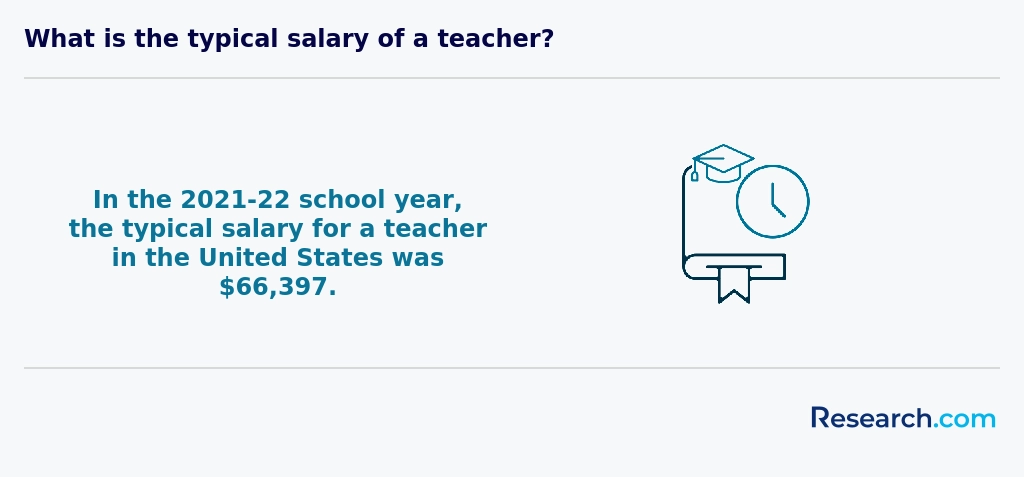
Graduates holding an online educational leadership degree in Missouri have diverse career opportunities across the education sector. Many alumni from prominent Missouri institutions step into roles as school principals or assistant principals, where they lead daily operations, foster staff development, and ensure student achievement aligns with state standards. These positions are highly regarded, with a median salary around $95,000, reflecting their critical impact on local communities.
Other graduates pursue careers as instructional coordinators or curriculum specialists, focusing on enhancing educational programs by collaborating closely with educators and utilizing data-driven strategies. This role offers a rewarding path for those passionate about curriculum innovation and typically yields a median wage of about $63,000. Missouri educational leadership degree job prospects also include high-level district administration positions, such as superintendents, who oversee multiple schools and manage extensive budgets, earning between $120,000 and $150,000 annually.
Additionally, opportunities exist in higher education administration, engaging in student services and academic advisory roles. Many individuals who completed their degree at well-known Missouri universities appreciate how their training prepared them for these leadership positions. For practical guidance on programs leading to these careers, prospective students often explore options for an accredited online masters in educational leadership, which blend flexible learning with strong job placement rates in the region.
The job market for graduates holding an online educational leadership degree in Missouri is robust, with opportunities spanning school principals, district administrators, and instructional coordinators. Several graduates from prominent institutions such as the University of Missouri and Missouri State University report that their online studies equipped them to meet the increasing administrative demands across the state's education sector. Missouri's public schools and higher education systems continue expanding leadership roles, driven by retirements and strategic improvements.
Missouri currently has about 5,000 open school administrative positions, reflecting the strong demand for qualified leadership. Graduates appreciate the flexibility of online programs which allow them to maintain their current jobs while preparing for new responsibilities. Salaries in the state typically range from $75,000 to $95,000, varying with the size and location of the district. Many students value how their courses integrate digital literacy, addressing modern educational environments and enhancing job prospects in this competitive field of online educational leadership jobs Missouri.
Those considering degree options often find helpful guidance in choosing between eds and edd, enabling clearer career planning. Graduates frequently highlight how Missouri's tailored licensure preparation supports seamless transition into leadership roles, particularly in rural areas where shortages create additional opportunities for new leaders.
2027 Most Valuable Online Educational Leadership Degree Programs Ranking in Missouri
Investing in your education is a significant decision that can shape your future, and the Research.com team understands the importance of making informed choices. To assist prospective students in Missouri, we have meticulously crafted the "2027 Most Valuable Online Educational Leadership Degree Programs Ranking in Missouri." Our commitment to quality, credibility, and accuracy is reflected in the extensive research and analysis conducted to compile this ranking.
We utilized the following reputable data sources to ensure a comprehensive evaluation of educational leadership programs:
By exploring this ranking, readers will gain valuable insights into the best online educational leadership programs in Missouri, helping them make well-informed decisions about their educational paths. For more details on our methodology, please visit our Research.com methodology page.



Frequently Asked Questions About educational leadership
Online educational leadership degree students in Missouri can maximize their learning by actively engaging with both course materials and peers. Participating in virtual discussions and group projects enhances understanding and builds essential leadership skills.
Choosing programs accredited by organizations like NCATE or CAEP ensures rigorous curriculum aligned with Missouri Department of Elementary and Secondary Education standards. According to the Missouri Department of Higher Education, many online programs offer flexible schedules, allowing students to balance work and study efficiently.
Networking with local educational leaders and joining professional associations, such as the Missouri Association of School Administrators, can provide valuable insights and career opportunities.
The field of educational leadership is evolving, with new niches emerging to address modern challenges in Missouri's schools. One growing area is digital leadership, focusing on managing technology integration and online learning environments. According to the Missouri Department of Elementary and Secondary Education, 40% of K-12 schools increased their reliance on digital tools between 2020 and 2023, creating demand for leaders skilled in this domain.
Another niche is equity leadership, emphasizing inclusive practices and closing achievement gaps among diverse student populations. This focus aligns with statewide efforts to improve educational outcomes for underserved groups.
Additionally, data-driven decision-making is becoming vital, with leaders using analytics to enhance school performance and student success. Missouri's education reform initiatives frequently highlight this competency as essential for future administrators.
After completing an online educational leadership degree in Missouri, preparing for the job market involves several strategic steps. Missouri's Department of Elementary and Secondary Education reports that leadership roles in schools require licensure, so graduates should ensure they meet certification requirements for building or district administration. Networking with local school districts and joining professional organizations like the Missouri Association of School Administrators can open job opportunities. Missouri's educational leadership positions are projected to grow 6% by 2030, indicating steady demand. Developing skills in data-driven decision-making and community engagement, emphasized in many Missouri programs, also improves employability and readiness for leadership challenges.
Employers in Missouri highly value educational leadership graduates who demonstrate strong communication and interpersonal skills. These abilities are essential for managing diverse school communities and fostering collaboration among staff, students, and parents.
Analytical skills are another key asset, as leaders must assess student performance data and develop strategies to improve educational outcomes. According to the Missouri Department of Elementary and Secondary Education, effective leaders use data-driven decision-making to support school improvement efforts.
Additionally, adaptability and problem-solving skills are critical. Missouri schools often face challenges such as budget constraints and shifting regulations, requiring leaders who can navigate change successfully.
Overall, employers seek graduates with a balanced mix of leadership, organizational, and ethical skills to meet Missouri's evolving educational demands.
Finding internships in Missouri related to an educational leadership degree involves targeting school districts, educational agencies, and nonprofit organizations. Many Missouri universities with online educational leadership programs often maintain partnerships with local school districts that facilitate internship placements.
Students should explore resources such as the Missouri Department of Elementary and Secondary Education (DESE), which provides career development services and connections to leadership opportunities within public schools. Networking through professional organizations like the Missouri Association of School Administrators can also be valuable.
It is important to begin internship searches early and communicate directly with educational leaders in Missouri districts to find relevant openings. Internships frequently combine practical administrative experience with mentorship from experienced educators.
An online educational leadership degree in Missouri significantly enhances career mobility and advancement opportunities within the state's K-12 and higher education sectors. The Missouri Department of Elementary and Secondary Education reports that administrators with advanced leadership credentials often qualify for higher pay scales and leadership positions, such as principals or district supervisors. Completing an accredited online program allows professionals to meet Missouri's certification requirements while balancing work and personal commitments. According to the U.S. Bureau of Labor Statistics, education administrators in Missouri earned a median annual wage of approximately $92,000 in 2023, reflecting the value of leadership qualifications. This degree broadens eligibility for roles requiring specialized administrative expertise and supports career growth in a competitive job market.
Studying for an educational leadership degree in Missouri equips students with skills to navigate diverse roles across educational settings. Programs emphasize collaboration between educators, administrators, and community stakeholders, reflecting Missouri's commitment to integrated leadership frameworks as outlined by the Missouri Department of Elementary and Secondary Education (DESE).
Curricula often cover management, policy, and communication strategies, preparing graduates to lead in interdisciplinary environments where education intersects with social services, health, and technology. According to DESE data, Missouri's educational leaders increasingly engage in cross-sector cooperation to address complex challenges in schools.
This interdisciplinary training ensures graduates can work effectively with professionals from various fields, fostering holistic solutions that benefit students and communities statewide.
Choosing between a thesis and a non-thesis online educational leadership degree in Missouri depends largely on your career goals and learning preferences. Thesis programs typically involve conducting original research and writing a substantial paper, which can be ideal if you plan to pursue a doctorate or a research-focused role. Missouri public universities, such as the University of Missouri, often offer both options.
Non-thesis programs focus more on coursework and practical leadership skills, appealing to professionals seeking immediate career advancement. According to the Missouri Department of Higher Education, about 60% of educational leadership candidates prefer non-thesis paths for faster completion.
Consider your time availability, interest in research, and long-term plans when deciding which format suits you best.
Students based in Missouri seeking to study educational leadership abroad primarily have the option to enroll in international online programs accredited or recognized by U.S. institutions. While Missouri universities offer robust online educational leadership degrees locally, studying abroad typically means selecting programs that align with U.S. educational standards. Missouri's Department of Elementary and Secondary Education (DESE) requires leadership credentialing which often depends on completion of regionally accredited programs. Some students complement Missouri-based credentials with additional online courses from foreign universities, but must ensure those credits transfer and meet Missouri licensure requirements.
According to the National Center for Education Statistics, about 10% of Missouri's graduate education students pursue at least partial online study, a number likely to grow with increased international collaboration.
In Missouri, part-time job opportunities that complement an educational leadership degree often focus on roles within school administration and community education. Positions such as teacher aides, substitute teachers, and administrative assistants provide practical experience related to school operations and leadership.
Additionally, roles like after-school program coordinators or tutors in local educational centers enhance skills in program management and student engagement. According to the Missouri Department of Elementary and Secondary Education, gaining experience in diverse educational settings can improve leadership competencies.
Working part-time in these areas supports online educational leadership students by applying theory to practice, which is valuable for career advancement.
Online educational leadership students in Missouri have several networking opportunities that support professional growth and career advancement. Many universities offer virtual events, webinars, and discussion forums designed specifically for online learners, allowing students to connect with peers and faculty across the state.
State organizations like the Missouri Association of School Administrators (MASA) provide memberships and online resources that help students engage with experienced leaders in the field. Participation in MASA's conferences and workshops, even virtually, is valuable for building connections.
Additionally, Missouri's educational leadership programs often encourage involvement in local school districts and community projects, further expanding networking possibilities.
Alumni networks play a crucial role in supporting online educational leadership degree students in Missouri. Graduates from these programs often gain access to a community of professionals who offer mentorship, career guidance, and job leads.
Missouri's educational leadership graduates benefit from connections with experienced leaders in K-12 schools and districts. According to the Missouri Department of Elementary and Secondary Education, networking is vital for leadership roles that require strong local insights and relationships.
These alumni groups also organize events and webinars, fostering professional growth and continuous learning. For students, this means enhanced opportunities to improve skills and stay updated on educational trends specific to Missouri.
Moreover, alumni networks frequently collaborate with school districts statewide, helping emerging leaders secure administrative positions. This peer support system contributes positively to career advancement and leadership development across Missouri's education sector.
Online educational leadership degree programs in Missouri offer various ways to tailor your studies to match your career goals. Many universities provide elective courses focusing on areas like administration, policy, or curriculum development. Choosing relevant electives allows you to develop expertise aligned with your desired educational setting.
Additionally, some programs emphasize practical experience through internships or capstone projects in Missouri school districts. This real-world exposure helps build leadership skills applicable to local education systems.
Missouri colleges often allow students to select concentrations such as K-12 leadership or higher education administration, providing a clear career pathway.
According to the Missouri Department of Elementary and Secondary Education, leadership skills linked to higher salaries and promotion opportunities frequently relate to specialized training within leadership programs.
Online educational leadership students in Missouri often face challenges related to balancing work, family, and study commitments. Many students are current educators or administrators, making time management critical. According to the Missouri Department of Elementary and Secondary Education, approximately 60% of educational leadership candidates work full-time while studying.
Another common challenge is limited access to hands-on leadership experiences, which are essential for licensure and career readiness. Students may need to secure local internships or mentorships independently.
Technical difficulties and the need for reliable internet access also affect some rural students in Missouri, impacting their ability to participate fully in online coursework.
With an online educational leadership degree in Missouri, graduates can pursue a variety of professional certifications that enhance their career prospects in school administration. The most common certification is the Missouri Professional Administrative Certificate (MPAC), required for principals, assistant principals, and other building-level administrators. This certificate requires passing the Missouri Educator Gateway Assessments (MEGA) and completing approved coursework.
Other certifications available include superintendent certification and special administrator credentials for roles such as curriculum director or special education director. According to the Missouri Department of Elementary and Secondary Education (DESE), nearly 40% of educational leaders hold one of these advanced certifications, reflecting the demand for skilled leadership in Missouri schools.
These certifications typically require ongoing professional development to maintain, underscoring the importance of continuous learning in educational leadership careers.
To write a winning application for an online educational leadership program in Missouri, start by thoroughly researching program requirements set by accredited institutions. Missouri's Department of Higher Education emphasizes leadership skills, professional experience, and academic achievements. Highlight your background in education, including teaching credentials or administrative roles, as over 60% of Missouri principals hold a prior teaching license, according to the Missouri Department of Elementary and Secondary Education (DESE).
Clearly state your career goals and how the program aligns with Missouri's educational leadership standards. Include strong letters of recommendation from supervisors familiar with your leadership capabilities.
Additionally, a well-crafted personal statement addressing challenges in Missouri's education system, such as rural school leadership shortages, demonstrates awareness and commitment.
Ensure all transcripts and certification documents comply with Missouri's online program criteria to avoid administrative delays.
Educational leadership careers are increasingly shaped by global perspectives that emphasize cultural competence, equity, and innovation. In the U.S., including Missouri, school leaders are expected to address diverse student populations while aligning with international best practices. According to the Missouri Department of Elementary and Secondary Education, educational leaders play a key role in improving school performance and community engagement.
Globally, educational leadership involves collaboration across borders to enhance policies supporting student success and teacher development. In Missouri, university programs reflect this trend by offering curriculums focused on global educational trends and leadership strategies.
Experts note that integrating global perspectives helps leaders prepare students for a connected world, an essential goal in today's education climate.
Gaining practical experience while studying for an online educational leadership degree in Missouri involves several key opportunities. Many programs incorporate internships or residency components that partner with local schools or districts. These allow students to apply leadership theories in real educational settings, often under the guidance of experienced mentors.
Additionally, Missouri educators can engage in substitute teaching or administrative assistant roles to build hands-on skills. Networking with Missouri's school leadership through professional organizations, such as the Missouri Association of School Administrators, can provide valuable insights and connections.
State reports show that practical experience significantly improves job placement, with 75% of graduates securing leadership roles within two years. This makes applied learning a critical aspect of online educational leadership degrees in Missouri.
Choosing the right concentration within an online educational leadership degree program in Missouri depends on your career goals and interests. Popular concentrations include K-12 administration, higher education leadership, and curriculum development. Missouri's Department of Elementary and Secondary Education (DESE) requires specific leadership certifications that may influence your choice.
Consider programs aligned with Missouri's professional standards to ensure licensure eligibility. For example, a principal certification is essential for many K-12 leadership roles. Also, review program curricula and job placement data to find concentrations with strong local demand. According to the Missouri Economic Research and Information Center, education administration jobs are projected to grow 6% through 2030, highlighting steady opportunities.
- 2027 Most Valuable Online Educational Leadership Degree Programs Ranking in Kansas
- 2027 Most Valuable Online Educational Leadership Degree Programs Ranking in Nebraska
- 2027 Most Valuable Online Educational Leadership Degree Programs Ranking in Illinois
- 2027 Most Valuable Online Educational Leadership Degree Programs Ranking in Kentucky
- 2027 Most Valuable Online Educational Leadership Degree Programs Ranking in Indiana
- 2027 Most Valuable Online Educational Leadership Degree Programs Ranking in Minnesota
- 2027 Most Valuable Online Educational Leadership Degree Programs Ranking in Colorado
- 2027 Most Valuable Online Educational Leadership Degree Programs Ranking in Mississippi
- 2027 Most Valuable Online Educational Leadership Degree Programs Ranking in Ohio
- 2027 Most Valuable Online Educational Leadership Degree Programs Ranking in Michigan
- The skills employers seek https://www.emerging.fr/post/the-skills-employers-look-for-in-new-university-graduates
- 5 steps to writing a strong school leadership application https://chrisenglish.com.au/2024/12/08/5-steps-to-writing-a-strong-school-leadership-application/
- EdD Salary - How much can you make with a Doctor of Education (EdD) degree? (2025 Update) https://www.onlineeddprograms.com/faqs/edd-salary
- Alumni Network - Center for Leadership https://center-for-leadership.org/academy/alumni-network/
- Personal statement for applying a MAs educational leadership https://essayforum.com/graduate/statement-applying-mas-educational-leadership-85737/
- Leadership Alumni Networks Making a Difference - Network Weaver https://networkweaver.com/leadership-alumni-networks-making-a-difference/
- Skills Employers Look for in Business Graduates – EU Business School https://www.euruni.edu/blog/skills-employers-look-for-in-business-graduates/
- Educational Leadership: Master’s vs. Doctorate Degree - Graduate Programs for Educators https://www.graduateprogram.org/blog/masters-vs-doctorate-educational-leadership-degree/
- Alumni Leadership https://teachforall.org/our-impact/alumni-leadership
- 6 Best Career Opportunities in Educational Leadership https://www.manchester.ac.ae/blog-post/6-best-career-opportunities-in-educational-leadership