2027 Fastest Online Master's in Educational Leadership Degree Programs Ranking in Columbia, MO

Co-Founder and Chief Data Scientist
If you're considering advancing your career in education, earning a master's degree in educational leadership can open new doors. This article presents the 2027 Fastest Online Master's in Educational Leadership Degree Programs Ranking in Columbia, MO, carefully developed by the Research.com team of data scientists. It's designed to help you quickly identify quality programs that fit your needs.
By exploring this ranking, you'll gain valuable insights into accessible, respected options that can elevate your expertise and impact. Taking this step can be both empowering and rewarding for your future.
Key benefits of getting online educational leadership degree in Columbia
- Graduates with educational leadership degrees often pursue roles such as school principals or instructional coordinators, where the typical U.S. annual salary can range from $70,000 to $95,000, offering financial stability and growth.
- For example, a graduate from the University of British Columbia has accessed diverse career opportunities including district administration and curriculum development, showcasing varied leadership roles in education.
- Online degrees from institutions like Columbia's Athabasca University allow flexible schedules and lower costs, helping students balance work and study while gaining skills needed for leadership roles.
- 2027 Fastest Online Master's in Educational Leadership Degree Programs Ranking in Columbia, MO
- What can I expect from online educational leadership degree in Columbia?
- Where can I work with online educational leadership degree in Columbia?
What can I expect from online educational leadership degree in Columbia?
The average cost of an online educational leadership degree in Columbia generally ranges from $15,000 to $30,000 for the entire program. Graduates from local institutions like the University of Missouri often highlight how this investment feels manageable when balanced against the quality and flexibility offered. Many reflect on the value of asynchronous courses paired with occasional live sessions, which enable working professionals to maintain careers while advancing their education.
One graduate shared how the program's blend of theoretical coursework and practical internship opportunities helped them quickly apply leadership concepts within their own school district. This hands-on experience deepened their understanding beyond textbooks, making the tuition feel worthwhile. The price also often includes access to specialized resources, networking events, and faculty expertise-elements that graduates frequently praise for enriching their professional growth.
Understanding these costs in context helps prospective Columbia students appreciate how their investment supports both immediate learning and long-term career advancement in a region that truly values qualified educational leaders.
Where can I work with online educational leadership degree in Columbia?
Graduates with an online educational leadership degree in Columbia often find rewarding opportunities within the city's diverse education landscape. Many step into roles as principals, assistant principals, or curriculum coordinators within Columbia Public Schools, one of the largest districts serving over 17,000 students. The hands-on leadership skills gained during their studies at local institutions, combined with state certification, position them well to manage schools and shape academic programs effectively.
Others take their leadership expertise to higher education settings, such as the University of Missouri, where administrative roles like program managers or academic advisors allow them to influence educational outcomes beyond K-12. Graduates share how their online experiences, coupled with local connections, open doors to these varied pathways.
Private and charter schools in Columbia also value the strong organizational and instructional leadership skills online degree holders bring. Graduates often express pride in contributing to vibrant, emerging educational environments that match their passion for innovation and student success.
Graduates of online educational leadership programs in Columbia, such as those from the University of Missouri, often find their earnings shaped by the roles they pursue and the level of experience they gain. For example, many step into positions as instructional coordinators, where local salaries range from $65,000 to $70,000 annually-slightly below the national median but still a solid income reflecting regional conditions.
Those advancing to school principal roles in Columbia experience broader earning potential. Depending on the district and school size, principals typically earn between $85,000 and $110,000. This range is encouraging for graduates who envision stepping into leadership roles that carry greater responsibility and influence over educational outcomes.
Assistant principals and comparable administrator roles offer salaries from $60,000 up to $85,000. Graduates with advanced certifications or five-plus years of experience often find themselves comfortably at the higher end of this spectrum, reinforcing the value of sustained professional growth.
Columbia's educational leadership students frequently share that their investment pays off not only in salary but in job satisfaction-working in schools and districts where their leadership directly benefits students and communities. Benefits like health insurance and retirement plans add meaningful value beyond base pay, making these career paths both financially and personally rewarding.
- Online master's degrees in educational leadership in Columbia, Missouri, typically cost between $15,000 and $30,000 depending on the school and program length.
- Job growth for educational administration roles in Columbia is expected to increase by about 5% over the next ten years.
- Starting salaries for educational leadership graduates range from $55,000 to $65,000 annually, with mid- to late-career salaries reaching $85,000 to $100,000 or more.
- Many programs offer flexible schedules to accommodate working professionals balancing jobs and family.
- Accreditation by recognized bodies like CAEP is important to meet certification and licensure requirements after graduation.
Completing an online educational leadership degree in Columbia typically takes between 1.5 and 3 years, depending on how you approach your studies. Many graduates from local programs, like the University of Missouri's online Master's in Educational Leadership, found that committing to full-time study allowed them to finish in around two years, balancing coursework smoothly alongside their careers.
Part-time students, often juggling jobs and family, might stretch their journey closer to three years, yet they consistently express pride in managing both responsibilities effectively. The flexibility offered by these programs gives a real sense of control, making progress feel achievable rather than overwhelming.
Interestingly, some graduates opted to accelerate their completion by enrolling in summer or winter sessions, shortening their time on the path. The credit requirement of roughly 30 to 36 credit hours shapes this timeline, but transferring previous credits or choosing intensive courses can further quicken the pace.
Through these varied experiences, students often remark that this balance between pace and life commitments brings rewarding growth beyond the classroom, making the typical completion time feel both practical and inspiring.
Graduates from the University of Missouri and Columbia College often reflect on how their choice between online and on-campus educational leadership degrees shaped their learning experience. Those pursuing the online path appreciate the freedom to study late at night or between work shifts, managing family responsibilities without sacrificing progress. This flexibility proves invaluable for busy professionals in Columbia balancing dynamic schedules.
Conversely, on-campus students frequently mention the richness of direct interaction-engaging face-to-face with professors and peers creates a vibrant learning community. Many find that local practicum placements through Columbia's universities foster meaningful connections, giving hands-on leadership practice within familiar school districts. Such in-person experiences deepen confidence and practical insight.
Tuition at these institutions is approximately $550 per credit hour for in-state students, making cost comparable across formats, though online programs may reduce incidental fees. Both formats demand accreditation to guarantee the quality that employers respect. Ultimately, your preference might hinge on whether you thrive on flexible autonomy or immersive campus collaboration.
The average cost online educational leadership degree Columbia MO students encounter typically centers around tuition rates offered by local public universities such as the University of Missouri. Graduates often recall paying between $9,000 and $14,400 for the entire program if they qualify for in-state tuition, which is usually charged at $300 to $400 per credit hour. This range makes the investment feel manageable, especially when compared to out-of-state tuition that can nearly double the cost. Those pursuing the degree from outside the state might face fees close to $21,000 to $25,200, reflecting a significant financial consideration.
Alumni from Columbia-based programs frequently highlight how additional fees, including technology and course materials costing $200 to $500, are relatively modest compared to traditional campus-based expenses. These manageable expenses improve the overall affordability and encourage students to engage fully with their studies without overwhelming financial stress.
Many prospective students find it helpful to compare these figures to broader national averages. The total tuition fees educational leadership master's Columbia Missouri often prove more accessible than other regions, reinforcing the appeal of local online programs. Those mindful of costs frequently research scholarships or employer tuition reimbursement options to lessen their burden.
For individuals curious about the cheapest masters in educational leadership online, Columbia's offerings present a compelling balance between quality and cost, anchored by respected institutions and practical financial commitments that reflect the degree's value.

Students pursuing an online educational leadership degree in Columbia often find that federal financial aid forms the backbone of funding. Graduates from popular institutions here reflect on how Direct Unsubsidized Loans, despite their interest, offered crucial upfront support. Many successfully applied for Graduate PLUS loans, which cover the full attendance cost, easing significant financial pressure.
Filling out the FAFSA early becomes a vital step, unlocking eligibility for various grants and work-study options. While Pell Grants are rare for graduate students, Missouri's state scholarships like the Bright Flight program have been a game-changer for high-achieving locals. Alumni from Columbia's leading colleges recall how such awards made advanced education feel attainable.
Local resources in Columbia amplify these benefits. School districts often provide tuition reimbursement or scholarships aimed at educators shifting into leadership roles, offering tangible support tied to professional growth. Many graduates found employer tuition assistance invaluable, lessening debt while advancing their careers.
Private scholarships from organizations such as MACTE and NEA also played a role, empowering educators to pursue leadership without overwhelming financial burdens. Lastly, students appreciate that several universities offer institutional scholarships and flexible payment plans, weaving financial relief directly into their educational journey.
To enroll in an online educational leadership degree in Columbia, most students first secure a bachelor's degree, usually in education or a closely related field. Graduates from local institutions like the University of Missouri often recall how their strong academic record, generally a GPA near 3.0, opened the door to these programs. This baseline helps ensure incoming students are prepared for the challenges ahead.
Beyond academics, practical experience truly anchors your application. Many successful candidates share how their two to three years working as teachers or counselors gave them real insight into school dynamics. This experience forms a bridge between theory and practice, essential for leadership roles.
Letters of recommendation from supervisors who have witnessed your leadership potential add meaningful depth to your profile. From conversations with alumni, it's clear that a well-crafted personal statement expressing genuine career goals can make your application stand out. Though some programs may require GRE scores, many in Columbia embrace test-optional policies, easing barriers for busy professionals.
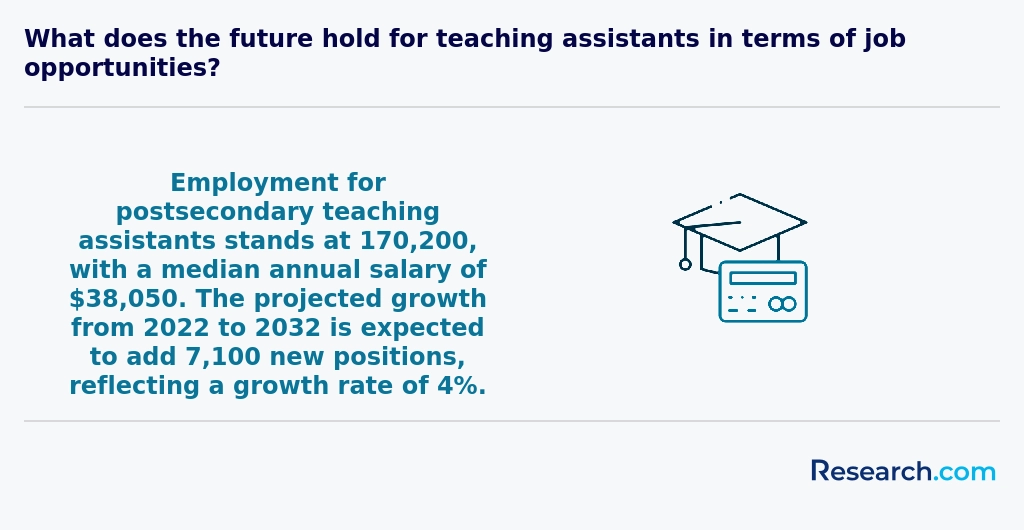
Students pursuing an online educational leadership degree in Columbia often find themselves immersed in courses that blend theory with practical skills essential for real-world school leadership. Graduates from well-regarded institutions, such as the University of Missouri, frequently reflect on how courses like Educational Leadership Foundations deepen their understanding of various leadership styles, helping them adapt to diverse school cultures.
Courses on School Law and Ethics provide vital insights into navigating complex legal challenges and making ethical decisions, which graduates describe as empowering when facing daily administrative dilemmas. Curriculum Development and Instructional Leadership classes often inspire students by showing them how to directly impact teaching quality and student success, making their leadership more meaningful.
Moreover, educational policy and finance courses enable future leaders to appreciate the broader systems and resource constraints they must work within. Practical components, such as capstone projects or internships, tie these lessons together, giving students invaluable hands-on experience that many describe as the moment their confidence truly grew in leading schools within Columbia's unique educational landscape.
In Columbia, Missouri, online educational leadership degree programs offer a variety of specializations that speak directly to the diverse aspirations of aspiring leaders. Many graduates from well-known local universities emphasize the value of the K-12 School Administration track, which equips them with practical skills in managing district operations and fostering strong school communities. Others find Higher Education Leadership to be a perfect fit, particularly those drawn to roles in college administration or student affairs at institutions like the University of Missouri. This specialization addresses contemporary challenges such as diversity management and institutional change.
Students focusing on Curriculum and Instruction Leadership share how their coursework prepares them to enhance teaching outcomes by designing innovative curricula and leveraging educational technologies. Additionally, specializations like Special Education Leadership and Educational Technology Leadership enable learners to address the unique needs of students with disabilities or to spearhead tech-driven initiatives in schools. Choosing among these options requires thoughtful consideration, as reflected by many who research online educational leadership specializations Columbia MO offers. For those ready to deepen their expertise, an online doctorate educational leadership can provide advanced insight into these fields.
Choosing the best online educational leadership degree in Columbia involves focusing on accredited programs that align with your career ambitions. Many graduates from local institutions like the University of Missouri-Columbia share how accreditation by reputable bodies, such as the Higher Learning Commission, assured them of the program's quality and helped their resumes stand out in educational leadership roles.
Flexibility plays a crucial role. Graduates juggling work and family found programs offering asynchronous coursework invaluable, especially among the best online educational leadership programs in Columbia MO that accommodate busy schedules without sacrificing rigor. Considering cost is also vital; affordable online educational leadership degrees Columbia Missouri can provide significant savings, especially if you qualify for in-state tuition rates.
Finally, seek programs emphasizing practical leadership skills combined with strong faculty experience, as these prepare you for real-world challenges. Networking opportunities and internships reported by local graduates proved essential in career advancement. For a deep dive into quality options, explore resources like masters on higher education administration online.
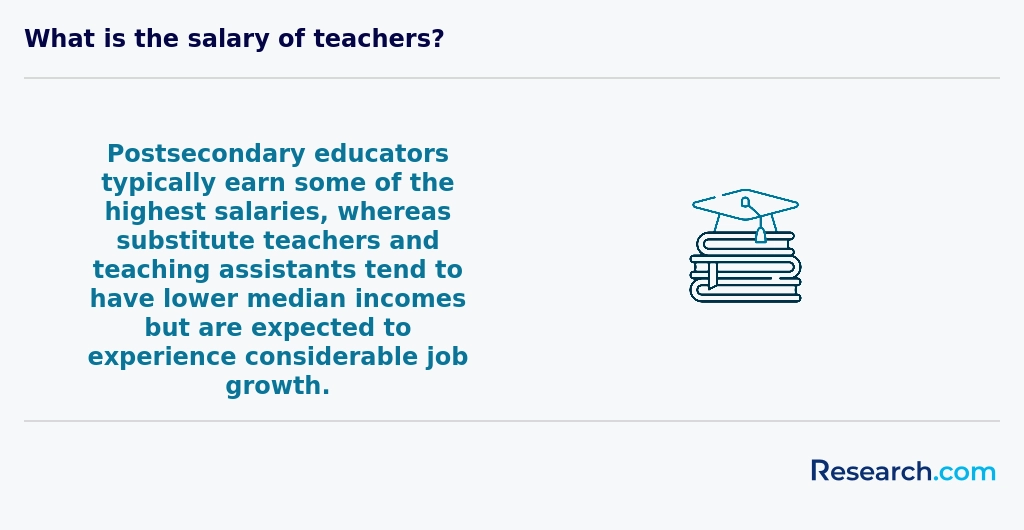
Graduates from online educational leadership programs in Columbia often find rewarding careers as school principals, a role that allows them to directly impact students and staff while managing school operations. Many alumni from local universities speak of the fulfillment found in guiding schools toward academic success and fostering a positive learning environment. For those exploring educational leadership job opportunities Columbia Missouri offers, positions as assistant or vice principals present practical stepping stones, where leadership skills develop through hands-on discipline management and curriculum support.
Others with an online educational leadership degree in Columbia move into district administration, shaping policies that affect multiple schools within the district. These roles require a blend of strategic insight and community connection, skills that graduates from Columbia-based colleges often emphasize as key to their success. Instructional coordinator and educational consultant careers also attract those passionate about elevating teaching standards through innovation.
Many find that enrolling in online educational leadership programs at Columbia universities not only fits their busy lives but strengthens their career prospects in these diverse paths.
The job market for online educational leadership degree graduates in Columbia is notably encouraging, reflecting a community that values skilled leadership within its diverse educational institutions. Graduates from popular programs at local universities, such as those connected with the University of Missouri, often share their experiences navigating the evolving demands of Columbia's schools and districts. These graduates find roles not just as principals and assistant principals but in broader administrative capacities, benefiting from the city's commitment to enhancing student outcomes and educational equity.
For professionals pursuing online educational leadership jobs in Columbia MO, the flexibility of remote programs allows continued employment while gaining vital skills. Many find the balance enables them to apply leadership theories directly to their work environments in K-12 schools or educational nonprofits, creating a rewarding synergy between study and practice.
Job seekers also appreciate that Columbia's competitive salaries, averaging around $85,000 for principals, reward the dedication required in this field. Considering tuition costs, online students often explore options like the cheapest ed.d online program to ensure a strong return on investment while preparing to lead confidently in their communities.
2027 Fastest Online Master's in Educational Leadership Degree Programs Ranking in Columbia, MO
Investing in your education is a significant decision that can shape your future, and the Research.com team understands the importance of making informed choices. To assist prospective students in Columbia, MO, we have meticulously crafted the "2027 Fastest Online Master's in Educational Leadership Degree Programs Ranking." Our commitment to quality, credibility, and accuracy is reflected in the thorough research and analysis conducted to compile this ranking.
We utilized the following reputable data sources to ensure a comprehensive evaluation of educational leadership programs:
By exploring this ranking, readers will gain valuable insights into the fastest and most effective programs available, enabling them to make well-informed decisions about advancing their educational leadership careers. For more details on our methodology, please visit our Research.com methodology page.

Frequently Asked Questions About educational leadership
Students pursuing online educational leadership degrees in Columbia can enhance their learning by actively engaging with course materials and participating in virtual discussions. Utilizing resources offered by the University of Missouri, which houses one of the region's leading education programs, can be especially beneficial. Research from the Missouri Department of Higher Education highlights that students who regularly interact with instructors and peers tend to have higher retention rates and improved outcomes.
Setting a consistent study schedule helps maintain focus and balances work and personal responsibilities. Additionally, taking advantage of online workshops and networking events within Columbia's educational community provides practical insights and career connections.
Emerging niches within the educational leadership field reflect the evolving needs of today's schools and districts. One growing area is educational technology leadership, where leaders manage digital learning initiatives and data systems. This niche has expanded as schools in Columbia, MO, increasingly adopt remote and hybrid learning models.
Another area gaining traction is equity and inclusion leadership. Leaders focus on addressing disparities in education and promoting culturally responsive practices for diverse student populations. According to the Missouri Department of Elementary and Secondary Education, Columbia's schools have prioritized these efforts to improve achievement gaps.
Early childhood leadership also shows growth, with leaders specializing in programs that support development before kindergarten. These niches require specialized knowledge, often reflected in tailored online master's degree tracks.
Graduates with an online educational leadership degree in Columbia, MO, should focus on building practical experience to stand out in the job market. According to the Missouri Department of Elementary and Secondary Education, leadership roles often require 3-5 years of teaching or administrative experience before advancing.
Networking within local school districts such as Columbia Public Schools can open doors. Attending professional events organized by the Missouri Association of School Administrators provides valuable contacts and mentorship opportunities.
Additionally, earning certifications like the Missouri Administrator Certificate enhances credibility. Familiarity with statewide educational policies and data-driven decision-making is also crucial for leadership positions.
Employers in Columbia, MO, value educational leadership degree graduates who demonstrate strong communication and organizational skills. These abilities are essential for managing schools and fostering positive relationships with staff, students, and parents. According to the Missouri Department of Elementary and Secondary Education, leadership that supports collaborative decision-making significantly improves school performance.
Critical thinking and problem-solving are also top priorities. Leaders must navigate complex challenges in diverse educational settings, adapting swiftly to policy changes and community needs. Additionally, a solid understanding of curriculum development and data-driven decision-making is increasingly important for improving student outcomes.
Finally, ethical leadership and cultural competence stand out. Columbia's diverse student population requires leaders who can create inclusive environments that promote equity and respect for all backgrounds, aligning with Missouri's educational equity standards.
Finding internships in Columbia related to an educational leadership degree involves leveraging local school districts, universities, and education organizations. Columbia Public Schools (CPS) often offers internship or practicum opportunities for leadership students, especially through partnerships with the University of Missouri's College of Education. Connecting directly with CPS's Human Resources department or your university's career services can provide access to these roles.
Networking within professional groups such as the Missouri School Boards' Association and attending education conferences held in Columbia can also reveal internship openings. According to the Missouri Department of Elementary and Secondary Education, gaining practical experience is critical for leadership certification, making internships a key step.
Online students should use university platforms and local job boards tailored to Columbia's education sector to find updated internship listings. Early application is advised due to competitive spots and program-specific requirements.
In Columbia, Missouri, earning an online educational leadership degree can significantly enhance career mobility and advancement within the local education sector. Professionals with such degrees often qualify for leadership roles like school principals, district administrators, or instructional coordinators.
Data from the Missouri Department of Elementary and Secondary Education highlights a growing demand for qualified educational leaders, with Columbia Public Schools increasing leadership positions by nearly 10% over recent years. Graduates from accredited online programs meet state certification requirements, facilitating quicker career progression.
Furthermore, the flexibility of online degrees allows working educators in Columbia to balance job responsibilities while earning credentials, increasing access to promotions and higher salaries. According to the U.S. Bureau of Labor Statistics, educational leadership roles in the region offer median salaries up to 15% above teaching positions.
Studying for an educational leadership degree in Columbia, MO, equips students with skills that extend beyond traditional school administration. Programs often emphasize interdisciplinary collaboration, drawing knowledge from psychology, business management, and public policy to prepare leaders for diverse challenges.
Columbia is home to several institutions that integrate coursework on communication, ethics, and organizational theory, essential for roles in various educational settings. According to the Missouri Department of Higher Education, graduates frequently move into positions that require coordinating between academic departments, community organizations, and government agencies.
Such programs develop critical thinking and problem-solving abilities, allowing graduates to adapt to roles in K-12 schools, higher education, and nonprofit sectors. The interdisciplinary focus broadens career prospects and enhances leadership effectiveness.
When choosing between a thesis and a non-thesis educational leadership degree program in Columbia, students should consider their career goals and learning preferences. Thesis programs typically require original research and a written dissertation, ideal for those interested in pursuing doctoral studies or research roles. Non-thesis options focus on practical skills through coursework and projects, suited for professionals aiming for leadership positions in schools or districts.
The University of Missouri, a prominent institution in Columbia, offers both formats, reflecting national trends where about 60% of educational leadership master's students opt for non-thesis paths for quicker completion and hands-on learning (NCES, 2023).
Cost and time commitments also vary; thesis programs can take longer due to research demands, while non-thesis degrees often allow for accelerated schedules. Prospective students should review specific curriculum details and available support to make an informed decision.
Students in Columbia, Missouri, seeking online educational leadership degrees from U.S. institutions have a range of accredited options. Many universities offer fast-track master's programs that can be completed fully online, ideal for working professionals. For example, the University of Missouri provides an online Master of Education in Educational Leadership designed to prepare candidates for administrative roles in schools.
The Council for the Accreditation of Educator Preparation (CAEP) lists several quality programs accessible remotely nationwide. These programs focus on leadership theories, curriculum development, and school management.
Choosing a program recognized by the Missouri Department of Elementary and Secondary Education ensures eligibility for state certification as a school principal or superintendent.
In Columbia, MO, several part-time job opportunities can effectively complement an online educational leadership degree. Administrative assistant roles in local school districts or educational nonprofits provide practical experience with school operations and leadership tasks. According to the Missouri Department of Elementary and Secondary Education, assistant positions often require strong organizational and communication skills, aligning well with educational leadership competencies.
Additionally, tutoring or after-school program coordinator roles allow students to engage directly with K-12 learners, enhancing leadership and instructional skills. Columbia's public and charter schools frequently seek part-time support staff, offering valuable insight into diverse educational environments.
Working in these capacities not only enriches leadership knowledge but also strengthens professional networks within Columbia's education community.
Online educational leadership students in Columbia, Missouri, benefit from various networking opportunities that enhance their professional growth. Many local universities, including the University of Missouri, offer virtual events and webinars where students can connect with faculty and peers.
Professional organizations like the Missouri Association of School Administrators (MASA) provide online forums, conferences, and leadership workshops accessible to remote learners. These platforms support networking with experienced educational leaders across the state, increasing local job prospects.
Additionally, Columbia's active educational community frequently hosts virtual career fairs and alumni networking sessions tailored for educators, supporting collaboration and mentorship.
Alumni networks play a crucial role for students pursuing online educational leadership degrees in Columbia, Missouri. These networks offer valuable opportunities for mentorship, professional connections, and career advancement. Many alumni actively support recent graduates by sharing job openings in local school districts like Columbia Public Schools and assisting with leadership skill development.
In educational leadership, where networking often influences hiring, a strong alumni community can provide access to district leaders, principals, and superintendents. According to the Missouri Department of Elementary and Secondary Education, 42% of leadership roles in Columbia schools are filled through internal recommendations and alumni references.
Moreover, alumni associations frequently organize workshops and networking events online, allowing distance learners to engage with peers without geographic barriers. This connectivity helps students stay informed about the latest trends in educational administration and policy relevant to Missouri schools.
Customizing an online educational leadership degree program in Columbia allows students to align their studies with specific career goals. Most programs offer elective courses covering areas like curriculum development, school law, and administration. This flexibility helps tailor learning to leadership roles in K-12 schools or district offices.
Additionally, many universities provide options for practical internships or capstone projects in local schools, enhancing real-world leadership skills. Columbia's proximity to varied educational institutions offers diverse placement opportunities.
Students should review program accreditation and faculty expertise to ensure alignment with professional standards and state certification requirements, which influence career advancement in Missouri's education sector.
Students pursuing online educational leadership degrees in Columbia often face challenges related to balancing work, family, and study commitments. Many candidates are working professionals managing school districts or education programs while studying, which can create significant time management pressures. According to the National Center for Education Statistics, about 60% of online graduate students report difficulties maintaining this balance.
Another common challenge is limited access to local peer networking opportunities, which are important for leadership development. Although online programs in Columbia utilize virtual collaboration tools, students sometimes find it harder to build strong professional connections.
Technical issues also arise, especially for students less comfortable with digital platforms. Reliable internet and consistent technical support are vital for successful learning experiences.
With an online educational leadership degree, candidates in Columbia can pursue several professional certifications to advance their careers in school administration and leadership. The most common certification is the Principal Certification, required for leading K-12 schools in Missouri. This credential often requires a master's degree in educational leadership or administration, completion of a state-approved program, and passing the Missouri General Education Assessment.
Other certifications include Superintendent Certification for district-level leadership roles, which also demands prior administrative experience and passing relevant state examinations. Additionally, candidates can pursue Specialist Certifications in areas like Curriculum and Instruction or Special Education Administration.
The Missouri Department of Elementary and Secondary Education (DESE) provides detailed guidance on certification pathways and requirements. Earning these certifications improves eligibility for leadership roles and reflects expertise verified by the state, promoting higher earning potential and job security in Columbia's education sector.
To write a winning application for an online educational leadership program in Columbia, start by clearly demonstrating your commitment to educational improvement. Highlight your relevant professional experience, such as teaching or administrative roles, with specific examples of leadership and problem-solving.
Craft a compelling personal statement that reflects your goals and how the program aligns with your career path. Many schools in Missouri, including those in Columbia, value candidates who show awareness of local educational challenges and solutions.
Be sure to include strong letters of recommendation from supervisors or colleagues who can attest to your leadership abilities. GPA and standardized test scores, if required, should meet or exceed program averages, often around 3.0 for Missouri institutions.
Finally, proofread carefully and adhere strictly to application deadlines to maximize your chances of acceptance.
The field of educational leadership is gaining global attention due to its critical role in improving school systems and student outcomes. In the United States, including areas like Columbia, Missouri, leaders in education often pursue advanced degrees to enhance their skills and career prospects. According to the U.S. Bureau of Labor Statistics, employment for education administrators is projected to grow 8% from 2021 to 2031, reflecting steady demand.
Internationally, educational leadership emphasizes creating inclusive, innovative environments. Globally, leaders must navigate diverse cultural and policy contexts, which an online degree accessible in Columbia can help prepare students for.
Research by the American Educational Research Association highlights that effective educational leaders significantly impact teacher performance and student success worldwide, underscoring the profession's value.
Gaining practical experience while pursuing an online educational leadership degree in Columbia, MO, is essential for career readiness. Many programs incorporate internships or field experiences in local school districts, allowing students to apply leadership theories in real school environments.
Columbia's district, served by the Columbia Public Schools, offers diverse settings for such practicum experiences. Some universities partner directly with these districts, easing placement processes for students.
Additionally, students can engage in mentorships with experienced educational leaders, participate in school board meetings, or volunteer in educational programs. These opportunities develop crucial skills in administration, communication, and policy implementation.
According to the Missouri Department of Elementary and Secondary Education, hands-on administrative experience significantly improves job placement rates for graduates of educational leadership programs.
Choosing the right concentration within an online educational leadership degree in Columbia, MO, requires understanding your career goals and the needs of local schools. Popular tracks include K-12 administration, curriculum development, and special education leadership. According to the Missouri Department of Elementary and Secondary Education, Columbia Public Schools frequently seek leaders with skills in equity and inclusive education.
Evaluate programs that offer practical coursework aligned with these priorities. Also, consider concentrations that prepare you for Missouri's superintendent certification if you aim for district-level leadership. Look for data on graduate outcomes from schools in Columbia to ensure the specialization enhances job prospects.
- School Leaders Network | Best Practice Network https://www.bestpracticenet.co.uk/school-leaders-network
- 6 Best Career Opportunities in Educational Leadership https://www.manchester.ac.ae/blog-post/6-best-career-opportunities-in-educational-leadership
- Alumni Leadership https://teachforall.org/our-impact/alumni-leadership
- Educational Leadership (PK-12) Certificate | York College of Pennsylvania https://www.ycp.edu/academics/programs/educational-leadership-pk-12-certificate
- How to Advance Your Career with an Ed.D. in Educational Leadership - Graduate Programs for Educators https://www.graduateprogram.org/blog/how-to-advance-your-career-with-an-ed-d-in-educational-leadership/
- Educational Leadership Degree Program: A Comprehensive Guide https://www.educationalleadershipdegree.com/blog/comprehensive-guide-to-pursuing-an-education-leadership-degree/
- Remote Educational Leadership Online Jobs https://www.virtualvocations.com/q-remote-educational-leadership-online-jobs.html
- Educational Leadership Network - ICSEI https://icsei.org/network/educational-leadership-network/
- Personal statement for applying a MAs educational leadership https://essayforum.com/graduate/statement-applying-mas-educational-leadership-85737/
- Education Internship & Student Teaching Opportunities at ACE https://ace.edu/student-success/education-internship-and-student-teaching/