2027 Most Affordable Online Educational Leadership Degree Programs Ranking in Virginia

Co-Founder and Chief Data Scientist
Are you exploring affordable ways to advance your career in education leadership? This article presents the 2027 Most Affordable Online Educational Leadership Degree Programs Ranking in Virginia, carefully created by the Research.com team of data scientists. It's designed to help Virginia students identify valuable programs that fit their budget and goals.
Discover programs that combine quality with affordability, making your dream of leading in education achievable. Whether you're starting fresh or seeking growth, earning a degree in educational leadership can open doors to rewarding opportunities in your community.
Key benefits of getting online educational leadership degree in Virginia
- Graduates with an educational leadership degree in Virginia can pursue roles like school principals or instructional coordinators, where the median annual wage often ranges from approximately $63,000 to $70,000 nationwide, offering strong earning potential.
- An educational leadership graduate from the University of Virginia has diverse career paths including administration, policy development, and educational consulting, allowing flexibility depending on passion and skills.
- Completing an educational leadership degree online from institutions like George Mason University provides the benefit of balancing work and study, with flexible schedules and reduced commute stress compared to traditional programs.
- 2027 Most Affordable Online Educational Leadership Degree Programs Ranking in Virginia
- What can I expect from online educational leadership degree in Virginia?
- Where can I work with online educational leadership degree in Virginia?
What can I expect from online educational leadership degree in Virginia?
The average cost of an online educational leadership degree in Virginia generally ranges from $10,000 to $25,000 for a master's program. Graduates from well-known universities like George Mason University or Virginia Commonwealth University often recall balancing this investment against the flexibility and local relevance of their studies. Many appreciate that some institutions offer in-state tuition rates even for online learners, making the financial burden more manageable without sacrificing the quality of education.
Students reflect positively on how this cost supports a curriculum rich in Virginia-specific content, such as education law and policy, directly enhancing their preparedness for local leadership roles. Paying this tuition feels like a strategic step toward career advancement, especially when internships within Virginia school districts offer hands-on experience. This practicum, often arranged locally, bridges theory and practice, making the financial commitment feel personal and worthwhile.
Overall, the tuition aligns with a growing demand for flexible, practical training tailored to the needs of educators already embedded in Virginia's schools, helping them evolve into effective school leaders at a reasonable cost.
Where can I work with online educational leadership degree in Virginia?
Graduates with an online educational leadership degree in Virginia often find themselves stepping confidently into meaningful roles within public and private K-12 schools. Many embrace positions as principals, assistant principals, or curriculum specialists, especially in vibrant districts like Fairfax County or Richmond. These roles offer a rewarding mix of challenges and achievements, where graduates can directly impact students' daily experiences and school culture.
Others discover fulfilling careers in higher education administration at institutions like the University of Virginia or Virginia Tech, where they support student affairs or manage academic programs. This path allows them to influence college life and mentor future educational leaders, drawing on skills honed through their online studies.
What resonates deeply with many graduates is the ability to contribute beyond schools, working with government agencies or nonprofits focused on education policy and professional development. These opportunities in Virginia offer a meaningful way to shape education systems on a broader scale while feeling connected to the state's vibrant educational community.
Graduates from online educational leadership programs in Virginia, including those from well-regarded institutions such as Liberty University and Virginia Commonwealth University, often find their degrees translating into competitive salaries across the state. Experienced principals typically report earning between $80,000 and $120,000 annually, reflecting the significant responsibility they carry in shaping school culture and academic success.
Early-career professionals, such as assistant principals or administrative coordinators, can expect starting salaries around $70,000, which increases steadily with experience and additional certifications like Principal Licensure. Several graduates share that stepping into leadership roles feels rewarding not only financially but also personally, as they witness their impact on student achievement and school improvement firsthand.
Superintendents in more populous districts benefit from salaries surpassing $150,000, highlighting the value placed on high-level strategic leadership within Virginia's education system. These earnings mirror national trends, reassuring graduates that their online education prepares them well for a stable and fulfilling career.
Those pursuing doctoral studies often unlock opportunities in policy advisement or postsecondary administration, elevating their professional stature and compensation further. The journey through Virginia's educational leadership landscape promises both financial growth and meaningful impact.
- Tuition for online educational leadership master's programs in Virginia ranges from $10,000 to $25,000, with public schools typically offering more affordable rates for in-state students.
- Starting salaries for graduates in roles such as assistant principals average around $55,000 per year in Virginia.
- Salaries for educational leaders commonly rise to between $85,000 and $95,000 annually after five to ten years of experience.
- Employment for education administrators in Virginia is projected to grow by about 6% over the next decade, higher than the national average.
- Graduates must complete a Virginia Department of Education-approved program to qualify for school administrator licensure, including required coursework and internships.
- Online programs often provide essential support services like career advising, tutoring, and virtual networking for distance learners.
Completing an online educational leadership degree in Virginia often takes between 18 months and 3 years for most master's programs, depending heavily on whether you study full-time or part-time. Many graduates from institutions like George Mason University and Virginia Commonwealth University recall balancing work, family, and coursework, appreciating the flexible pacing that Virginia's programs offer to accommodate their busy lives.
For those pursuing doctoral degrees such as Ed.D. or Ph.D. in Educational Leadership, expect the journey to extend from 3 up to 5 years. These programs challenge students with research projects, dissertations, and leadership practicums that stretch beyond traditional coursework, as seen in graduates from James Madison University's online offerings who value the rigorous but rewarding path.
Many students find real value in the ability to transfer prior credits or engage in accelerated courses, which some Virginia universities provide to reduce time spent in school. The blend of flexibility and practical experience allows working educators to advance their careers thoughtfully without sacrificing their current commitments.
Graduates from educational leadership programs at well-known Virginia institutions often reflect on the distinct experiences between online and on-campus formats. Online programs, such as those offered by universities serving busy professionals statewide, provide invaluable flexibility. Students appreciate the ability to study asynchronously around work and family, whether they live in rural Appalachia or bustling Northern Virginia. This convenience often reduces stress and creates a balanced path to earning a degree.
Conversely, on-campus students at colleges in Richmond or Charlottesville emphasize the energizing atmosphere of face-to-face interaction. They benefit from spontaneous conversations with faculty and peers and direct access to local education networks, which can be stimulating and motivating. However, these advantages come with added time commitments for commuting or housing, which can feel overwhelming for those juggling life's demands.
Many graduates note that online studies foster strong self-discipline and adaptability, while on-campus experiences encourage immersive community bonds. Both formats are respected pathways tailored to varied lifestyles and professional goals in Virginia's diverse educational landscape.
The average cost of an online educational leadership degree in Virginia typically falls around $28,500, reflecting a balance between in-state and out-of-state tuition rates. Graduates from popular universities and colleges in Virginia often share how careful financial planning helped them manage these expenses while pursuing their goals. For many, the median in-state total cost of about $19,800 offers a more affordable path, especially when combined with scholarships or state grants that reduce the financial burden.
Out-of-state learners should anticipate higher tuition fees, with median costs reaching approximately $32,130. Yet, some schools in Virginia have designed flexible tuition structures or reduced fees to support online learners beyond residency status, making the journey more accessible. This thoughtful approach encourages students from diverse backgrounds to engage in quality Virginia affordable online educational leadership programs tuition, helping them feel confident about their investment.
In addition to tuition, graduates often recount managing extra costs like registration, technology, and materials, which are generally moderate but vary by institution. Navigating these fees thoughtfully can make the experience smoother and less stressful. For anyone exploring options, it pays to research details and aid opportunities directly through programs, such as those highlighted in masters degrees in educational leadership online, to gain a clearer understanding of the full financial picture.
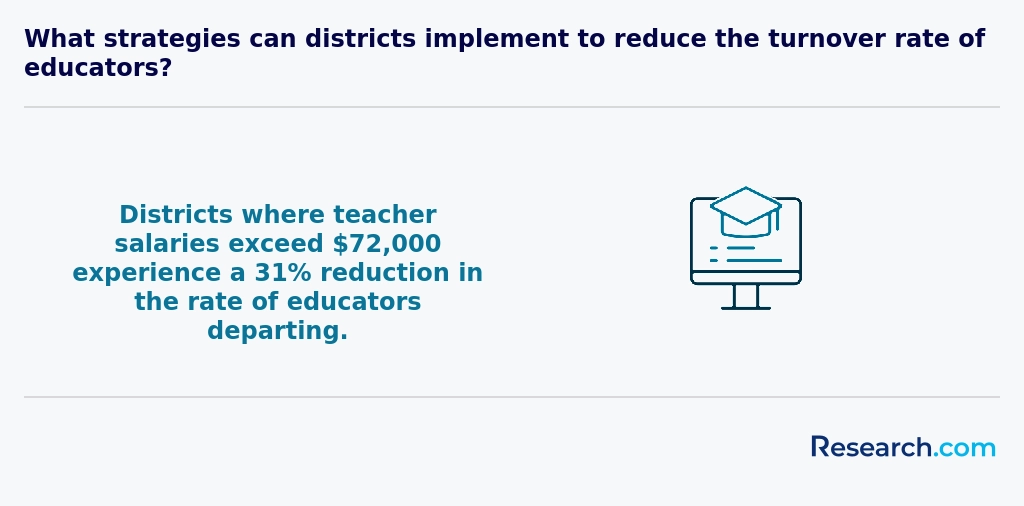
Financial aid options for online educational leadership students in Virginia provide meaningful support that can ease the financial burden of pursuing a graduate degree. Many graduates from prominent Virginia universities find that completing the FAFSA unlocks access to federal loans like the Direct Unsubsidized and Graduate PLUS loans, which are crucial resources for managing tuition costs. For those enrolled in state-affiliated online programs, the Virginia State Grant Program can offer need-based aid, reflecting a commitment by the Commonwealth to invest in future educational leaders.
Institutional scholarships are especially impactful at Virginia's public and private universities, rewarding merit and leadership qualities that reflect the very skills students aim to develop. Graduates often share how employer tuition assistance-from local school districts or private educational organizations-has transformed their ability to continue their education while working full time. Veterans also benefit from dedicated state and federal programs like the GI Bill, which many find instrumental in balancing service commitments with academic goals.
These layered sources of aid often hinge on early and meticulous application efforts, a step well worth taking to unleash financial opportunities that can make the dream of an educational leadership degree not just attainable, but truly rewarding.
Online educational leadership programs in Virginia typically require candidates to have earned at least a bachelor's degree from an accredited institution, often emphasizing education or related fields. Graduates from well-known Virginia universities recall how this academic foundation made advanced concepts in school systems and leadership more accessible and meaningful.
Applicants usually submit official transcripts and maintain a minimum GPA around 3.0, reflecting the rigor needed for graduate study. Many students appreciate how having several years of teaching experience deepened their understanding and enriched class discussions, especially when such experience aligns with licensure requirements for school leadership roles.
- Holding a valid Virginia teaching license or educator's certificate is frequently required or preferred, allowing smooth transition into leadership tracks.
- Letters of recommendation from experienced educators who recognize leadership potential help strengthen applications.
- Personal statements clarifying goals inspire admissions committees to see candidates as committed future leaders.
- GRE scores may still be requested but are often waived for those with strong professional backgrounds.
These prerequisites help ensure Virginia's aspiring educational leaders enter programs well-prepared, echoing experiences shared by successful students from respected colleges in the region.

Courses in online educational leadership programs in Virginia are thoughtfully structured to ground students in the core skills needed for impactful leadership roles. Graduates from universities like Virginia Commonwealth University and Old Dominion University often reflect on how classes such as Educational Leadership and Administration sharpened their ability to create strategic plans that directly influence school success. These practical skills quickly become essential when managing real-world challenges like staff coordination or resource allocation.
Many students find Instructional Supervision enlightening, as it equips them to mentor teachers effectively, enhancing classroom outcomes day by day. Meanwhile, the School Law and Ethics course instills confidence by clarifying the complex legal framework that governs Virginia's schools, something all aspiring leaders encounter frequently.
Hands-on courses in Organizational Management and Data-Driven Decision Making prepare candidates to optimize budgeting and use performance data smartly - skills often praised by graduates navigating the dynamic environment of Virginia's K-12 education. The focus on Diversity and Inclusion also resonates deeply, helping future leaders foster equitable learning communities, a commitment heard time and again from alumni discussing their internships and practicums.
When exploring online educational leadership specializations Virginia offers, graduates often reflect on how tailored tracks framed their career journeys. Many shared that focusing on K-12 School Leadership opened doors to principal and assistant principal roles in local elementary or secondary schools, strengthening their ability to manage school resources and navigate complex school law. Others, especially those connected with institutions like James Madison University or George Mason University, found Higher Education Leadership appealing, diving into student affairs and policy development within Virginia's robust network of community colleges and universities.
Special Education Leadership resonates deeply with graduates driven to lead inclusion efforts and special education programs, particularly aligning with IDEA regulations. Meanwhile, emerging areas such as Educational Technology Leadership and Curriculum and Instruction Leadership attract those eager to innovate digitally or enhance instructional design. Working professionals value these flexible, relevant focus areas as they directly impact their daily responsibilities. For those seeking pathways without heavy financial burdens, the cheapest doctoral programs in educational leadership online also provide vital guidance on cost-effective options.
This diversity in educational leadership degree focus areas Virginia offers allows prospective students to align study with personal ambitions and community needs, opening vibrant opportunities in the education landscape.
Choosing the best affordable online educational leadership degree Virginia offers means focusing first on accreditation and program credibility. Graduates from well-regarded schools like those in the University of Virginia system often highlight how their degrees helped them advance swiftly in local school districts due to state-recognized certification pathways. Cost is another crucial factor; some public universities provide tuition under $15,000, which appeals to many balancing work and study. Reflecting on alumni experiences, flexibility in course schedules-particularly asynchronous formats-proves invaluable for professionals juggling teaching jobs and family.
Look closely at programs that emphasize licensure preparation aligned with Virginia Department of Education standards. Graduates appreciate programs that blend rigorous online coursework with local field experiences, ensuring they meet licensing requirements smoothly. Support services, from tech assistance to career counseling, can transform challenges into confidence, as many students share. For those seeking accelerated progress, exploring the fastest online doctorate in education options can also provide a strategic edge.
When deciding on the top online educational leadership programs Virginia cost and quality converge, leaving you more confident in your educational investment and future leadership role.
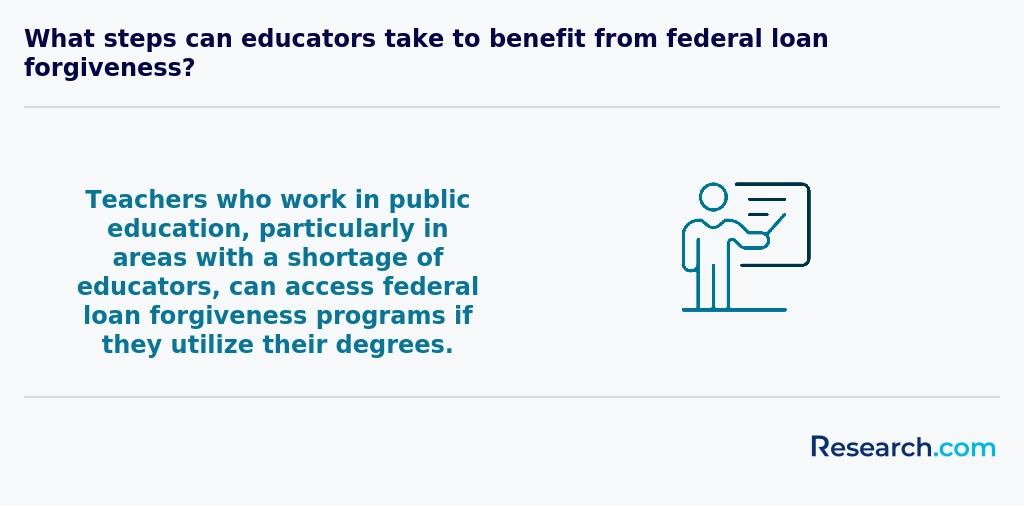
Graduates of online educational leadership programs in Virginia often find rich career paths awaiting them, shaped by the state's evolving educational landscape. Many step into school administration roles such as principals or assistant principals, where they channel their training to foster supportive environments for students and staff. Students from popular institutions like James Madison University or the University of Virginia share stories of navigating real challenges in district leadership, applying insights gained from coursework to energize their schools. This route exemplifies how earning an education leadership degree job opportunities Virginia are deeply rooted in community impact.
Others gravitate toward specialized roles like instructional coordinators, focusing on curriculum development and teacher support, roles highlighted by graduates from Old Dominion University who relish shaping educators' success behind the scenes. For those drawn to higher education, positions such as academic advisors or program directors offer a chance to influence college student success, reflecting a broader spectrum of online educational leadership careers Virginia can open.
Exploring policy and consulting also appeals to many, especially when graduates work with organizations aiming to reform education statewide. Those seeking flexible, impactful options often benefit from programs providing practical experience coupled with theory, like those encouraged by the masters online educational leadership pathway.
The job market for online educational leadership jobs in Virginia presents a promising avenue for graduates ready to lead and inspire within diverse school environments. Those who have completed programs at well-regarded institutions such as Virginia Commonwealth University or George Mason University often find themselves well-prepared to step into roles including school principals or district administrators. Graduates share a sense of fulfillment, recalling experiences where their advanced training allowed them to effectively oversee initiatives aimed at improving K-12 education in active districts like Richmond and Fairfax.
Virginia's commitment to enhancing its school systems creates steady demand, reflected in a 7% projected growth for education administrators. This stable outlook encourages many prospective students to pursue an online educational leadership degree that balances career advancement with personal commitments. Salary expectations remain strong, with median wages for principals in Virginia typically exceeding the national average, reinforcing the value of investing in these degrees.
Many working professionals appreciate how Virginia's programs emphasize critical challenges such as diversity, equity, and technology in education. These graduates often speak to the real-world applicability of their studies, including preparation for licensure and the opportunity to understand what is a specialist degree in education. The Virginia educational leadership degree employment outlook remains bright, with leaders equipped to make meaningful impacts throughout the state's public school systems.
2027 Most Affordable Online Educational Leadership Degree Programs Ranking in Virginia
Investing in your education is a significant decision that can shape your future, and the Research.com team fully recognizes the importance of making informed choices. To support prospective students seeking affordable educational leadership degrees in Virginia, we have carefully developed the "2027 Most Affordable Online Educational Leadership Degree Programs Ranking in Virginia." Our dedication to quality, credibility, and accuracy is demonstrated through thorough research and analysis to assemble this ranking.
We utilized the following reputable data sources to ensure a comprehensive evaluation of online educational leadership programs:
By reviewing this ranking, readers will gain valuable insights into the most cost-effective programs available, enabling them to make well-informed decisions about their educational leadership journey. For more information about how this ranking was created, please visit our Research.com methodology page.

# 2 position
Old Dominion University
Master of Educational Leadership (Administration and Supervision)



# 5 position
Eastern Virginia Medical School
Master of Medical & Health Professions Education

Frequently Asked Questions About educational leadership
Online educational leadership degree students in Virginia can maximize their learning experience by actively engaging with their coursework and faculty. Applying Virginia's state-specific education policies during assignments helps deepen understanding, as these programs often reflect local leadership standards set by the Virginia Department of Education.
Additionally, students should participate in virtual discussions and group projects to build practical skills and networks. According to the Virginia Community Colleges System, collaborative learning enhances retention and prepares candidates for leadership roles.
Students are encouraged to utilize advising services and connect with local school districts for internships, which boost real-world experience. Staying current with Virginia's educational trends, such as the push for equity in schools, also informs effective leadership practices.
Emerging niches within the educational leadership field reflect the evolving demands of schools and educational organizations nationwide, including Virginia. One growing area is talent development and coaching, where leaders focus on improving teacher performance using data-driven methods. Virginia's Department of Education highlights this as crucial for advancing school quality.
Another niche is equity leadership, aimed at addressing diversity and inclusion challenges in education. With Virginia's increasingly diverse student population, leaders in this field work on policies that support equitable opportunities for all students.
Additionally, technology integration leadership is expanding, especially in online and blended learning environments, a trend accelerated by recent shifts to remote education. Educational leaders skilled in managing and implementing digital tools are in high demand.
These niches require specialized training often offered through online educational leadership degrees, providing flexibility for Virginia-based professionals. According to the Virginia Department of Education, leadership roles focusing on these areas show steady growth, underscoring the importance of targeted expertise in educational leadership.
After completing an online educational leadership degree in Virginia, graduates should focus on building a competitive edge in the job market. Networking remains essential, so actively connecting with local educational organizations and attending Virginia Department of Education events can open doors to leadership roles.
Gaining practical experience through internships or mentorships in Virginia schools enhances skills and employability. According to the Virginia Department of Education, leadership roles in K-12 schools are expected to grow by 5% through 2028, emphasizing the importance of relevant experience.
Additionally, pursuing certifications such as the Virginia Leadership Licensure can further validate expertise and increase job prospects.
Employers in Virginia highly value specific skills in graduates of online educational leadership programs. Key competencies include effective communication, strategic planning, and decision-making abilities. According to the Virginia Department of Education, strong leadership skills directly impact school performance and student outcomes.
Furthermore, proficiency in data analysis is essential for evaluating educational programs and implementing improvements. Graduates must also demonstrate adaptability to new technologies and educational policies, reflecting the evolving demands of Virginia's school systems.
Conflict resolution and collaboration skills remain crucial, as leaders frequently work with diverse stakeholders. Overall, employers seek graduates prepared to lead with vision and efficiency in Virginia's education sector.
Finding internships in Virginia relevant to an educational leadership degree involves targeting school districts, nonprofit organizations, and government agencies that focus on education. Many Virginia school divisions offer formal internship programs designed for aspiring leaders. The Virginia Department of Education website provides a list of regional offices and contact information, which can help students identify opportunities.
Networking with faculty and career services at your university can also be valuable. According to the Virginia Education Association, partnerships between higher education institutions and public schools often create pathways for internships focused on administration and leadership.
Additionally, checking platforms like Handshake or Indeed for internships labeled "education leadership" or "school administration" in Virginia can yield current openings.
Obtaining an online educational leadership degree in Virginia can significantly enhance career mobility and advancement opportunities within the state's education system. The Virginia Department of Education reports that individuals with leadership credentials, such as a principal's license, often see faster promotion to administrative roles in K-12 schools.
Online programs accredited by Virginia-based institutions meet state certification requirements, enabling graduates to pursue roles like school principals, assistant superintendents, or curriculum specialists. According to the Bureau of Labor Statistics, educational leadership careers in Virginia are projected to grow by 6% through 2031, reflecting steady demand.
Moreover, the flexibility of online degrees allows working professionals to advance without pausing their careers, which is critical in a competitive market. The access to Virginia-specific educational policies and leadership training tailored for state schools further prepares graduates for local career challenges and opportunities.
Studying for an educational leadership degree in Virginia equips students with skills to navigate interdisciplinary roles effectively. Programs often integrate courses in administration, policy, curriculum development, and community engagement. This diverse curriculum builds expertise beyond traditional teaching, preparing graduates to lead in schools, government agencies, and nonprofit organizations.
Many Virginia programs emphasize collaboration across fields such as psychology, sociology, and business management. For instance, Virginia Department of Education data highlights that leadership candidates develop problem-solving skills applicable in multiple sectors.
Online formats offer flexible access, allowing professionals to balance work while expanding interdisciplinary competencies needed in today's education environment.
When choosing between a thesis and a non-thesis educational leadership degree in Virginia, consider your career goals. Thesis programs often appeal to those planning to pursue doctoral studies or research careers. Completing a thesis involves conducting original research and writing a detailed paper, which can develop strong analytical skills.
Non-thesis options typically focus on practical leadership skills with additional coursework or projects instead of a research paper. These are well suited for professionals seeking immediate application in school administration or district leadership roles.
Virginia's Department of Education highlights that about 60% of educational leadership graduates work in administrative roles where practical experience is valued.
Additionally, thesis programs may require more time-often 12 to 18 months longer-and greater commitment, impacting working professionals. Review program formats and consult advisors to ensure alignment with your schedule and professional objectives.
Students based in Virginia seeking online educational leadership degrees with an international component often explore programs that allow partnerships or study abroad opportunities. While many Virginia institutions offer fully online leadership degrees, direct foreign enrollment options are limited due to accreditation and state licensure requirements.
Some Virginia universities collaborate with global institutions, facilitating short-term residencies or exchange experiences abroad, enhancing leadership skills in diverse educational contexts. For example, programs accredited by the Council for the Accreditation of Educator Preparation (CAEP) maintain rigorous standards recognized internationally.
Virginia educators can also pursue online degrees offered by foreign universities, but must verify licensure transferability and program recognition by the Virginia Department of Education.
According to the Virginia Department of Education, leadership programs prioritize alignment with state-specific policies, which can limit full online international degree options. Therefore, U.S.-based online degrees remain the most accessible route for most students aiming for educational leadership careers.
Part-time job opportunities in Virginia that complement educational leadership degrees often focus on roles in schools and educational institutions. Common positions include teacher assistants, administrative aides, and program coordinators in K-12 or higher education settings. These roles allow students to gain practical experience managing educational environments while completing their degrees.
Virginia's Department of Education reports that schools increasingly value leadership experience tied to operational and instructional support, making part-time administrative roles valuable. Additionally, roles such as tutoring or curriculum support can enhance leadership skills related to student development and academic program planning.
According to the Bureau of Labor Statistics, education administration positions in Virginia have a growth outlook of 5% through 2031, suggesting that relevant part-time jobs can also provide networking and career advancement opportunities. Combining study with work strengthens candidates' resumes and professional competence in Virginia's competitive educational sector.
Online educational leadership students in Virginia have access to a variety of valuable networking opportunities. Many universities offering these programs encourage participation in virtual events, workshops, and professional organizations focused on education leadership.
The Virginia Department of Education supports leadership development by connecting students to statewide initiatives and conferences, facilitating interactions with experienced administrators.
Several programs also include cohort-based learning, which fosters peer networking among future school leaders.
Notably, local chapters of national groups like the American Association of School Administrators (AASA) provide online forums and networking events helpful for career growth in Virginia's educational sector.
Alumni networks offer significant advantages to students enrolled in online educational leadership degree programs in Virginia. These networks connect current students with graduates who have practical experience in Virginia's K-12 schools and higher education institutions. Through alumni, students gain access to mentorship opportunities, job referral systems, and insights into the regional education landscape.
Virginia has several institutions known for strong educational leadership alumni groups, including James Madison University and Virginia Commonwealth University. According to the Virginia Department of Education, networking improves candidates' chances of leadership roles by 20% due to stronger professional connections.
Moreover, alumni events and online forums provide platforms for sharing best practices and leadership trends relevant to Virginia schools. This continuous interaction enhances career development and positions graduates competitively in a growing job market for education administrators in the state.
Customizing an online educational leadership degree in Virginia allows students to align their studies with personal career goals. Many Virginia universities offer flexible curricula, letting students choose electives focused on areas like K-12 administration, higher education, or policy development. This flexibility supports diverse career paths in school districts, government agencies, and nonprofits.
Students often select concentrations such as curriculum development or educational technology to deepen expertise. Additionally, some programs include internship or practicum options, enabling practical experience tailored to specific leadership roles.
Virginia's standards for school leadership certification also influence program design, ensuring alignment with state requirements for licensure and professional advancement.
Students pursuing online educational leadership degrees in Virginia often face several challenges. One common issue is balancing coursework with professional and personal responsibilities, as many learners are full-time educators or administrators. According to the Virginia Department of Education, time management remains a critical barrier for nearly 60% of online students in this field.
Another challenge is limited face-to-face interaction, which can affect networking opportunities and mentorship availability. While virtual platforms offer flexibility, some students report feeling isolated compared to traditional programs.
Access to reliable technology and high-speed internet is also crucial, especially in rural areas of Virginia where connectivity issues persist. Finally, navigating licensure requirements after graduation can be complex, as educational leadership licensure standards vary across districts.
An online educational leadership degree in Virginia can prepare candidates for several professional certifications that enhance career opportunities. One of the most recognized certifications is the Virginia Department of Education's (VDOE) Principal Licensure, which requires completing an approved preparation program and passing the Virginia Communications and Literacy Assessment (VCLA) and Praxis exams. This credential allows graduates to serve as principals or assistant principals within Virginia public schools.
Additionally, candidates can pursue the Virginia Supervisor Endorsement, enabling leadership roles in instructional supervision. National certifications, such as the National Board Certification for Educational Leaders (NBPEL), are also attainable with this degree.
According to VDOE data, about 65% of educational leaders in Virginia hold state licensure credentials, reflecting the importance of certification for career advancement.
To write a winning application for an online educational leadership program in Virginia, begin by clearly demonstrating your professional experience and leadership potential. Many programs, including those accredited by the Virginia Department of Education, expect applicants to showcase concrete examples of team management or school improvement projects.
Highlight your academic achievements, especially in education or related fields, and ensure your transcripts meet program requirements. Strong letters of recommendation from current supervisors or educational professionals greatly increase your chances, as they attest to your leadership skills and commitment.
Many Virginia programs also require a well-crafted personal statement explaining your career goals, leadership philosophy, and how the program aligns with your aspirations. According to the Virginia Department of Education, direct connection between your goals and regional educational challenges can make your application stand out.
Additionally, proof of valid teaching licensure or certifications, if applicable, strengthens your profile. Finally, carefully adhere to all application deadlines and submit all required documents as missing items can delay or disqualify your application.
Educational leadership careers are increasingly valued worldwide, reflecting the growing need for skilled professionals who can effectively manage schools and educational institutions. In the United States, including Virginia, school administrators play a critical role in shaping student success and community engagement. According to the Virginia Department of Education, leadership positions such as principals and superintendents are projected to grow by 7% through 2030, aligning with national trends reported by the U.S. Bureau of Labor Statistics.
Globally, educational leadership emphasizes cultural competence and innovation due to diverse student populations. US-trained leaders often adopt these perspectives, benefiting from online programs that include global best practices. For Virginia students, pursuing an online educational leadership degree offers the flexibility to gain skills relevant both locally and internationally.
Gaining practical experience while studying for an online educational leadership degree in Virginia is essential for career readiness. Many programs incorporate internships or practicum placements in local schools, allowing students to apply leadership theories in real-world settings. Virginia's School Board Association and regional education offices often collaborate with universities to provide these opportunities.
Students can also seek mentorship or volunteer roles in school administration to build leadership skills. According to the Virginia Department of Education, gaining hands-on experience improves job marketability, as over 70% of educational leaders in the state report practical training as highly valuable.
Engaging in webinars and virtual workshops hosted by Virginia educational organizations further complements fieldwork.
Choosing the right concentration in an online educational leadership degree program in Virginia depends on your career goals and interests within education administration. Common concentrations include K-12 leadership, higher education administration, and special education leadership. Virginia's Department of Education highlights strong demand for leaders skilled in school administration and educational policy, making K-12 leadership particularly relevant.
Accredited programs often align concentrations with Virginia's licensure requirements, so it's essential to verify if the concentration meets standards for state certification. According to the Virginia Education Association, specialized skills in areas like curriculum development or special education can enhance leadership opportunities.
Research program curriculum details and consider how each concentration supports your professional growth and job market trends in Virginia.
- 2027 Most Affordable Online Educational Leadership Degree Programs Ranking in North Carolina
- 2027 Most Affordable Online Educational Leadership Degree Programs Ranking in Kentucky
- 2027 Most Affordable Online Educational Leadership Degree Programs Ranking in Pennsylvania
- 2027 Most Affordable Online Educational Leadership Degree Programs Ranking in Ohio
- 2027 Most Affordable Online Educational Leadership Degree Programs Ranking in New Jersey
- 2027 Most Affordable Online Educational Leadership Degree Programs Ranking in Georgia
- 2027 Most Affordable Online Educational Leadership Degree Programs Ranking in Indiana
- 2027 Most Affordable Online Educational Leadership Degree Programs Ranking in New York
- 2027 Most Affordable Online Educational Leadership Degree Programs Ranking in Florida
- 2027 Most Affordable Online Educational Leadership Degree Programs Ranking in Missouri
- Career Opportunities After Earning an Educational Leadership Graduate Degree https://aituedu.org/career-opportunities-after-earning-an-educational-leadership-graduate-degree/
- Personal statement for applying a MAs educational leadership https://essayforum.com/graduate/statement-applying-mas-educational-leadership-85737/
- School Leaders Network | Best Practice Network https://www.bestpracticenet.co.uk/school-leaders-network
- Skills Employers Look for in Business Graduates – EU Business School https://www.euruni.edu/blog/skills-employers-look-for-in-business-graduates/
- Remote Educational Leadership Online Jobs https://www.virtualvocations.com/q-remote-educational-leadership-online-jobs.html
- How a Strong Alumni Network Can Benefit Students https://www.pacificu.edu/blog/how-strong-alumni-network-can-benefit-students
- Educational Leadership Network - ICSEI https://icsei.org/network/educational-leadership-network/
- Educational Leadership https://www.fairmontstate.edu/academics/programs/master-educational-leadership.aspx
- Educational Leadership (PK-12) Certificate | York College of Pennsylvania https://www.ycp.edu/academics/programs/educational-leadership-pk-12-certificate
- EdD Salary - How much can you make with a Doctor of Education (EdD) degree? (2025 Update) https://www.onlineeddprograms.com/faqs/edd-salary