2027 Most Affordable Online Educational Leadership Degree Programs Ranking in Missouri

Co-Founder and Chief Data Scientist
If you're a Missouri resident eager to advance your career in education, choosing the right online educational leadership degree program is crucial. Our article presents the 2027 Most Affordable Online Educational Leadership Degree Programs Ranking in Missouri, developed by a team of skilled data scientists at Research.com.
This ranking helps you find programs that balance quality and affordability, making your path to leadership clear and manageable. Earning this degree can open doors to meaningful roles where you can inspire change and growth in schools and communities.
Explore the options and take confident steps toward your future today.
Key benefits of getting online educational leadership degree in Missouri
- Educational leadership graduates in Missouri can expect competitive salaries, with many in leadership roles earning around $90,000 to $110,000 annually nationwide, reflecting the rewarding financial potential of this career path.
- Graduates from Missouri State University have successfully pursued diverse careers such as school principals, instructional coordinators, and district administrators, showcasing the broad opportunities this degree offers.
- Completing an educational leadership degree online from the University of Missouri System allows students to balance work and family, offering flexibility and accessibility without compromising on quality education.
- 2027 Most Affordable Online Educational Leadership Degree Programs Ranking in Missouri
- What can I expect from online educational leadership degree in Missouri?
- Where can I work with online educational leadership degree in Missouri?
What can I expect from online educational leadership degree in Missouri?
Diving into an online educational leadership degree in Missouri, students often wonder about the financial investment required. On average, the cost ranges from $15,000 to $30,000, depending on the university and specific program path. For example, graduates from well-known Missouri institutions celebrate the balance of affordability and quality, noting how programs like those at the University of Missouri or Missouri State University offer competitive tuition that fits their budgets while still delivering deeply engaging coursework.
Imagine pacing through lessons on administrative law or curriculum design from your cozy home, while occasionally joining live discussions that spark exciting debates with peers across the state. The practical internships sprinkled throughout most programs provide real-world leadership challenges that truly bring your studies to life. Many graduates recall the thrill of leading a mock school board meeting or innovating solutions for rural district issues, experiences that not only hone skills but ignite passion.
Knowing that your investment supports state-aligned certification pathways, preparing you for principal or superintendent roles in Missouri schools, adds confidence and motivation. These programs don't just teach-they empower aspiring leaders to grow and thrive in vibrant educational communities.
Where can I work with online educational leadership degree in Missouri?
Graduates with an online educational leadership degree in Missouri often find themselves stepping confidently into diverse roles within the state's vibrant educational landscape. Imagine starting as a principal or assistant principal in one of the 500+ public school districts, where you lead passionate teams and shape the future of local schools. These positions, deeply connected to communities, offer exciting challenges and the satisfaction of making a real impact.
Others discover career paths aligned with Missouri's certification standards, holding licenses like Principal or Superintendent credentials issued by DESE, smoothly transitioning from classrooms to administration. Graduates from institutions such as the University of Missouri or St. Louis Community College share stories of moving into curriculum coordination or district leadership, energized by applying new strategies in familiar settings.
Beyond K-12, alumni find thrilling opportunities in higher education, acting as academic advisors or student affairs coordinators, helping college students thrive. Some even take adventurous routes into educational policy or consultancy, influencing systems that stretch across the state. These journeys show how an educational leadership degree opens doors to meaningful, dynamic roles all over Missouri's educational system.
Graduates who embark on the journey of earning an online educational leadership degree in Missouri can anticipate an enticing range of salaries, typically between $60,000 and $120,000 depending on role, experience, and location. Imagine a graduate from the University of Missouri stepping into a school principal role in Kansas City, earning around $93,000, feeling proud of both their degree and the positive impact they have on students.
Another graduate might take on a superintendent role in St. Louis, where urban districts often offer robust salaries hitting six figures, reflecting the complexity and responsibility of overseeing multiple schools. Meanwhile, someone who studied at Missouri State University could advance steadily, leveraging their degree to boost their salary by 15-20% when pursuing a doctoral path.
Because Missouri's urban and rural landscapes shape pay scales, many online learners appreciate how flexible programs let them continue working while climbing the salary ladder. They celebrate seeing their dedication pay off as new positions open doors to roles offering $75,000 or more in higher education administration, blending career growth with enriching leadership opportunities.
- Many Missouri universities offer fully online educational leadership programs approved for administrative certification by the Missouri Department of Elementary and Secondary Education.
- Tuition for these online programs ranges from $12,000 to $25,000 for the entire degree, depending on the institution and degree level.
- Early-career salaries for educational leadership graduates in Missouri average about $55,000 per year, with mid- to late-career salaries ranging from $70,000 to $90,000.
- The state has approximately 500 school districts with a projected 7% growth in educational administrative jobs over the next decade.
- Programs typically require 30 to 36 credit hours and include coursework on school law, finance, leadership, and curriculum development, often paired with local practicum experiences.
- Missouri participates in NASDTEC reciprocity agreements, which support transferring administrative licensure between states.
Factors like full- or part-time enrollment, accelerated options, transfer credits, and dissertation demands uniquely shape your personal timeline, opening up possibilities to tailor your educational journey in ways that excite and inspire.
Imagine juggling your day job and family life while earning a leadership degree - that's where online programs in Missouri truly shine. Graduates from these programs often celebrate the freedom to study on their own terms, diving into coursework from anywhere at any time. For example, many who enrolled in the University of Missouri's online leadership program found that the asynchronous classes fit perfectly around their busy schedules, making education feel like an exciting adventure instead of a burden.
On the flip side, picture walking campus paths at colleges like Missouri State University, chatting face-to-face with professors and classmates, and soaking in the energy of study groups. Graduates from on-campus tracks frequently treasure that immersive, hands-on experience which fosters strong connections and vibrant collaboration.
Both paths lead to the same rigorous curriculum, but the in-person option offers immediate access to university resources while online learners embrace flexibility, often arranging local internships to meet practicum requirements. This balance of accessibility and tradition perfectly reflects Missouri's diverse educational leadership landscape.
The average cost of an online educational leadership degree in Missouri hovers around $17,730, making it a compelling choice for many eager learners. Imagine a graduate from a well-known Missouri public university who balanced work and study while appreciating the affordable tuition compared to pricier private options. This allows students to focus on building leadership skills without overwhelming financial stress. Those seeking affordable online educational leadership programs Missouri-wide often find that public institutions shine for in-state residents, offering significant tuition savings and solid program quality.
Private colleges in Missouri, known for their specialized curricula and flexible schedules, typically charge more, but many students find the investment worthwhile given the unique opportunities. For instance, graduates have shared how the flexibility of online classes enabled them to implement leadership strategies at their workplaces in real time, creating a rich, practical learning adventure quite unlike traditional study.
Beyond just tuition, those exploring costs should consider additional fees and materials, which add up but rarely surprise dedicated learners. For those curious about details or locating the best fit, a good starting point is exploring the best online master's in leadership education available to Missouri students, ensuring clarity on both price and program reputation.
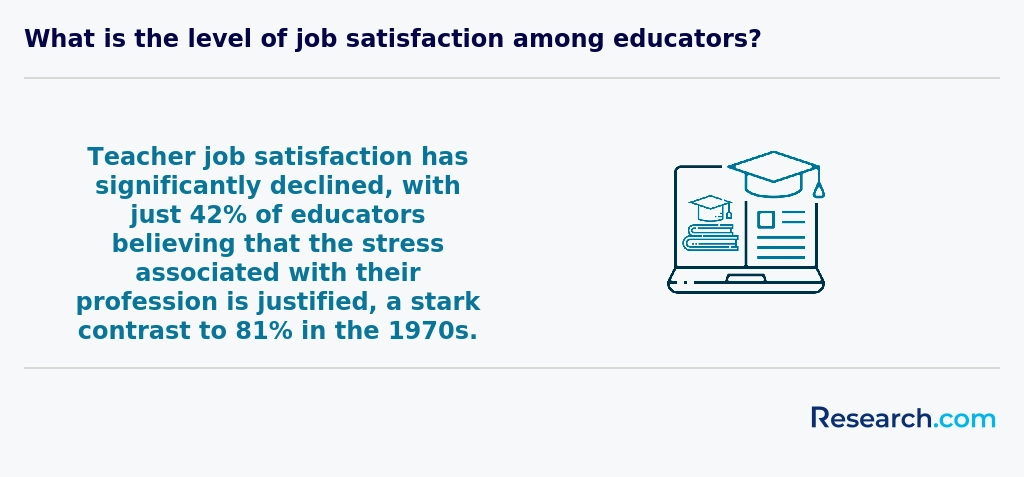
Diving into the world of online educational leadership degrees in Missouri feels like unlocking a treasure trove of financial aid possibilities that can lighten the load. Imagine a graduate from a popular Missouri university who discovered federal student aid as their golden ticket-grants like the Federal Pell Grant offered funds that never had to be repaid, easing tuition worries. They also tapped into Federal Direct Loans, borrowing at low interest rates with repayment starting only after graduation, turning financial stress into manageable steps.
Others exploring these programs embraced federal Work-Study jobs, balancing part-time roles that brought both income and valuable experience. At institutions like Southeast Missouri State or the University of Missouri, students uncovered scholarships tailored for educational leadership, often connected to scholarships from groups such as the Missouri School Boards' Association.
And there's more adventuring to be done with state programs like Access Missouri, where grants support undergraduates and sometimes graduate certificates. Graduate assistantships-offering tuition waivers in exchange for teaching or research-became a lifeline for many ambitious learners, blending learning with earning in real time.
These pathways reveal a vibrant landscape, encouraging curious learners in Missouri to explore every financial aid nook and cranny on their leadership journey.
If you're aiming to enroll in an online educational leadership degree in Missouri, be ready to showcase a solid foundation-most programs, like those at the University of Missouri or Missouri State University, require you to hold a bachelor's degree, often in education or a related field. Imagine a graduate recounting how their background in teaching paved the way for smoothly transitioning into advanced leadership studies.
Professional experience is equally important. Many programs ask for at least 2 to 3 years in roles such as teaching, counseling, or administration. Picture an aspiring school leader who spent years managing classrooms and now eagerly embraces leadership training, feeling confident because their practical knowledge is valued.
Licensure or certification is another piece of the puzzle. For those pursuing leadership positions connected to licensing, having a state teaching or administration certificate can make a big difference, easing admission and future career prospects.
Letters of recommendation and personal statements add a personal touch-graduates often highlight how these helped them share their unique journeys, ambitions, and leadership potential, enriching their application.
Diving into an online educational leadership degree in Missouri means embracing a dynamic curriculum that feels both practical and inspiring. Graduates from popular programs at schools like the University of Missouri or Missouri State University often share how courses such as Foundations of Educational Leadership helped them see leadership in action, grounding abstract theories in their daily school experiences.
Exploring Organizational Theory and Development, many recall how understanding school culture shifted their approach to teamwork and motivation, turning challenges into opportunities.
The journey continues with Educational Policy and Law, where students uncover the intricacies of Missouri's education system and gain the confidence to navigate real legal questions affecting schools.
Hands-on courses like Curriculum Design and Instructional Leadership and Data-Driven Decision Making empower students to make measurable improvements in classrooms and districts, an exhilarating leap from theory to impact.
Leadership graduates appreciate content on Human Resource Management and Finance and Budgeting, revealing tools to manage personnel and resources thoughtfully while championing equity and diversity-a vital part of Missouri's educational landscape.
Diving into online educational leadership specializations Missouri offers, students discover a variety of exciting paths tailored to different leadership ambitions. Graduates from popular universities like the University of Missouri share how the School Administration and Supervision track equipped them to confidently lead schools as principals, mastering staff management and community engagement that truly felt impactful in their local districts.
Others exploring Missouri educational leadership degree focus areas found their passion in Curriculum and Instruction Leadership, where they innovated teaching methods and assessment strategies, making classroom experiences richer and more dynamic. The sense of accomplishment from enhancing learning outcomes is palpable among these alumni.
For those with a heart for advocacy, Special Education Leadership opens doors to championing services for students with disabilities, balancing legal insights with compassionate resource management. Plus, thriving students interested in post-secondary environments dive into Higher Education Administration, navigating college governance and student affairs challenges with fresh perspectives.
Prospective learners curious about costs might appreciate exploring an affordable doctorate in educational leadership online to align passion with practicality.
Choosing the best online educational leadership degree in Missouri is like setting off on an exciting quest where your compass points to accreditation and curriculum relevance. Graduates from popular Missouri universities often share how their programs' strong ties to Missouri's licensure requirements gave them confidence stepping into leadership roles. Think of a program that blends practical internships with theory tailored to local school policies-this mix lights the path to success.
Then there's the adventurous exploration of affordable options. Many find joy discovering affordable online educational leadership degrees Missouri brings, especially from public institutions offering in-state tuition below $400 per credit hour. Balancing work and study feels less daunting with flexible, asynchronous courses that many alumni treasure.
Fascinatingly, some learners dive deeper, exploring unique fast-track routes like 2 year ed d programs online to accelerate their leadership journey without sacrificing quality or Missouri-specific standards.
Finally, hearing how faculty mentorship and local alumni networks fuel ongoing growth makes many prospective students eager to embark on their own educational leadership adventure.
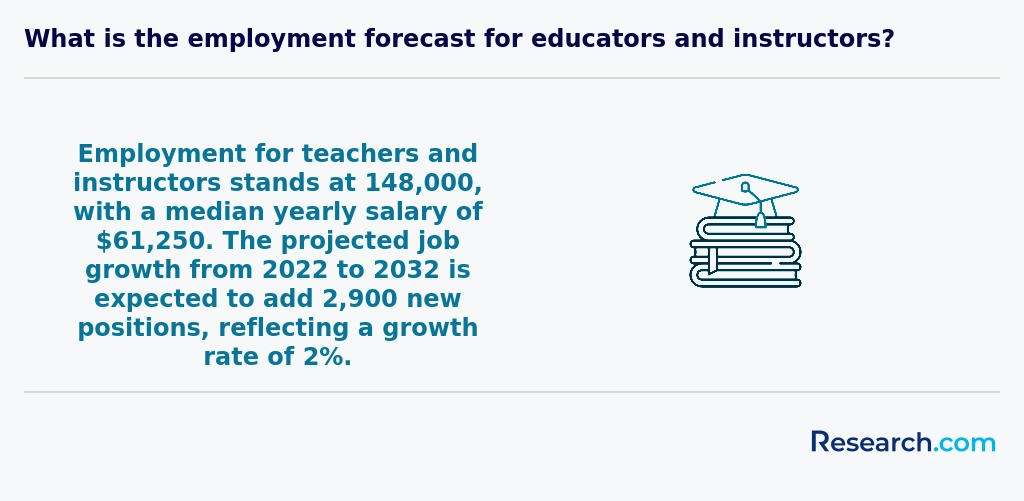
Graduates who choose an online educational leadership degree in Missouri discover a variety of exciting career paths that extend well beyond the classroom. Take the role of a school principal, for example-many graduates from well-regarded Missouri colleges experience the thrill of leading a school, inspiring teachers, and shaping students' futures, all while earning a competitive salary near $98,000 annually. Others step into assistant principal or district administrator roles, where the fast-paced challenge of managing several schools or supporting curriculum implementation sparks professional growth and satisfaction.
For those curious about educational leadership careers Missouri offers plenty of variety, including positions like instructional coordinators who innovate curriculum to boost learning outcomes, or higher education administrators who enrich college communities. Many alumni share how their online programs helped them thrive in these roles, combining flexibility with strong DESE certification guidance. If you're eager to explore top-tier options and standout preparation, check out the best educational leadership masters programs with a focus on Missouri's unique opportunities.
The online educational leadership job market in Missouri offers an exciting landscape for graduates ready to step into vital roles like principals and district administrators. Many graduates from universities popular in Missouri, such as the University of Missouri or Saint Louis University, share stories of quickly finding opportunities driven by rising enrollment in public schools and leadership retirements. These openings often appear in both urban centers and charming rural communities, where leaders can make a real difference.
Missouri's focus on education reform means these professionals are at the heart of meaningful change, implementing policies backed by state and federal support. For those balancing full-time jobs, pursuing an eds degree online offers the perfect chance to grow skills without relocating. The growing educational leadership career opportunities Missouri presents are inviting for educators eager to advance while staying connected to their communities.
2027 Most Affordable Online Educational Leadership Degree Programs Ranking in Missouri
Investing in your education is a significant decision that can shape your future, and the Research.com team understands the importance of making informed choices. To assist prospective students, we have meticulously crafted the "2027 Most Affordable Online Educational Leadership Degree Programs Ranking in Missouri." Our commitment to quality, credibility, and accuracy is reflected in the extensive research and analysis conducted to compile this ranking.
We utilized the following reputable data sources to ensure a comprehensive evaluation of programs:
By exploring this ranking, readers will gain valuable insights into the most affordable and quality educational leadership degree programs available online in Missouri, helping them make well-informed decisions about their educational investment. For more details on our methodology, please visit our Research.com methodology page.




Frequently Asked Questions About educational leadership
Students pursuing online educational leadership degrees in Missouri can enhance their learning by actively participating in virtual discussions and group projects. Engaging with peers and faculty fosters a deeper understanding of leadership theories and practical applications. Missouri's Department of Elementary and Secondary Education highlights the importance of developing skills aligned with state leadership standards, which can be maximized by applying coursework to real-world scenarios.
Time management is crucial for success in asynchronous courses common in Missouri programs. Utilizing campus resources, such as online tutoring and career services, also supports student achievement. According to the National Center for Education Statistics, students who engage consistently with academic services see higher completion rates.
Emerging niches within educational leadership reflect the evolving challenges faced by Missouri schools. One key area is digital learning leadership, focusing on integrating technology effectively, especially as 45% of Missouri districts expand online education programs (Missouri Department of Elementary & Secondary Education, 2023). Another growing specialization is equity and inclusion leadership, aimed at addressing achievement gaps and promoting culturally responsive teaching. Additionally, data-driven decision-making has become crucial, with leaders trained to use analytics for improving student outcomes. Finally, mental health leadership is gaining importance, as schools increasingly prioritize student well-being alongside academic success in state education policies.
After completing an online educational leadership degree in Missouri, preparing for the job market involves several strategic steps. First, gaining Missouri superintendent certification is crucial for many leadership roles; the Missouri Department of Elementary and Secondary Education (DESE) requires specific licensure. Candidates should also build strong networks with local school districts and education organizations to uncover job opportunities.
Missouri's educational leadership jobs often demand practical experience, so graduates should pursue internships or practicum placements during their studies. Familiarity with Missouri's school policies and student demographics improves job readiness. According to Missouri DESE, leadership roles in the state show a steady growth, emphasizing skills in administration and community engagement as critical.
Developing a professional resume tailored to Missouri schools and preparing for interviews focused on leadership philosophies can increase employability. Regularly reviewing job boards specific to Missouri education helps track openings in principal or administrator positions.
Employers in Missouri value educational leadership graduates who demonstrate strong communication and interpersonal skills. These abilities are essential for managing diverse school communities and collaborating effectively with staff and parents. Analytical skills and data-driven decision-making are highly sought, as leaders must improve student outcomes through evidence-based strategies.
Additionally, knowledge of Missouri's educational laws and policies is important. According to the Missouri Department of Elementary and Secondary Education, leaders must navigate compliance with state regulations efficiently.
Organizational skills and the capacity to lead change in dynamic environments rank high among desired competencies. These qualities equip graduates to handle administrative challenges in schools and districts.
Finding internships in Missouri relevant to an educational leadership degree involves targeted research and strategic networking. Start by exploring partnerships that universities in Missouri have with local school districts, as many offer internship pipelines designed for educational leadership students. Institutions like the University of Missouri and Missouri State University provide resources to connect students with internships in administrative roles.
The Missouri Department of Elementary and Secondary Education (DESE) also lists opportunities and requirements for internships tied to educational leadership licensure. Many internships focus on leadership development in K-12 settings, helping students gain real-world experience in school administration and policy implementation.
Additionally, professional organizations such as the Missouri Association of School Administrators (MASA) often advertise internships and mentorship programs that can advance your career. Contacting school districts directly, using educational job boards, or leveraging LinkedIn can also uncover hidden opportunities.
In Missouri, earning an online educational leadership degree significantly enhances career mobility and advancement within the education sector. The Missouri Department of Elementary and Secondary Education (DESE) recognizes leadership credentials earned from accredited online programs, which are often necessary for principal or superintendent licensure.
Graduates with such degrees typically see increased opportunities for leadership roles in K-12 schools and districts. According to the Missouri Economic Research and Information Center, educational administration positions are projected to grow moderately over the next decade, further supporting career growth.
Additionally, online programs offer flexibility, allowing professionals to continue working while advancing their qualifications.
Obtaining an online degree from a reputable Missouri institution aligns well with state licensure requirements, bolstering eligibility for competitive promotions and salary increases.
Studying for an educational leadership degree in Missouri equips students with skills necessary for interdisciplinary roles within educational settings. Programs often combine coursework in administration, policy, and communication, preparing graduates to collaborate across departments such as curriculum design, student services, and community engagement.
Missouri State University notes that its online educational leadership programs emphasize practical leadership strategies applicable to various educational environments. This approach cultivates adaptability, a key trait for navigating interdisciplinary teams.
According to the Missouri Department of Elementary and Secondary Education, leaders with interdisciplinary training improve school performance by integrating diverse perspectives and resources effectively.
These degrees also prepare students to understand legal, financial, and ethical issues relevant to education, broadening their competence beyond traditional academic administration.
Choosing between a thesis and a non-thesis educational leadership degree in Missouri involves understanding your career goals and learning preferences. Thesis programs require original research, which can prepare students for doctoral studies or roles in educational policy and research. Non-thesis options focus more on practical leadership skills and coursework, appealing to professionals aiming for administrative positions.
Missouri hosts several universities offering both formats, with tuition costs averaging around $650 per credit for online leadership programs (Missouri Department of Higher Education). The Missouri Center for Education Statistics reports growing demand for skilled leaders in K-12 schools, aligning with hands-on programs.
Consider how much time you can commit; thesis tracks often demand more research and writing time. Reflect on whether you prefer a research-intensive experience or applied learning to guide your choice.
Students based in Missouri who wish to study educational leadership abroad typically have limited direct access to fully online international programs tailored for this field. Most U.S. universities, including those in Missouri, offer accredited online degrees domestically rather than foreign degrees. However, students can consider enrolling in international universities that provide online educational leadership programs open to U.S. residents.
Missouri institutions, such as the University of Missouri and Missouri State University, often partner with global universities for exchange or dual-degree options, but these usually require some physical presence. According to the Missouri Department of Elementary and Secondary Education, pursuing recognized U.S. programs remains essential for licensure and professional advancement within the state.
Therefore, while international online programs exist, Missouri students are advised to verify accreditation and licensure compatibility before enrolling to ensure their credentials are recognized locally.
Part-time job opportunities in Missouri that complement educational leadership degree studies often involve roles within K-12 schools or higher education institutions. Positions such as teacher assistant, substitute teacher, or administrative support staff provide practical experience in education settings.
According to data from the Missouri Department of Elementary and Secondary Education, many school districts seek part-time aides to assist with classroom management and student support. These roles help develop leadership and organizational skills relevant to future educational administrators.
College campuses may offer part-time jobs like academic advising assistants or student services support, which align well with leadership degree coursework.
Engaging in such positions enhances understanding of Missouri's education system and prepares candidates for leadership roles.
Online educational leadership students in Missouri benefit from a variety of networking opportunities designed to connect them with professionals and peers statewide. Many universities offer virtual events, webinars, and discussion forums focused on leadership in education. For example, Missouri State University provides access to an alumni network with over 24,000 members, facilitating mentorship and job placement.
The Missouri Association of School Administrators (MASA) also supports online students by hosting conferences and workshops with options for remote participation, encouraging engagement with experienced leaders. Additionally, platforms like LinkedIn have groups dedicated to Missouri educators, offering connections beyond the classroom.
Alumni networks play a crucial role in supporting students of online educational leadership degrees in Missouri. These networks connect current students with graduates who have experience in various educational roles across the state. Missouri's Department of Elementary and Secondary Education highlights that leadership roles often depend on strong professional connections, making alumni networks valuable for job placement and mentorship.
Through these networks, students gain access to job opportunities in Missouri's school districts and educational organizations. Mentorship programs foster guidance on leadership challenges specific to Missouri's diverse educational landscape. Studies show that alumni engagement improves graduate employment rates by up to 20%, benefiting online students without on-campus presence.
Active alumni networks also provide opportunities for continuous professional development and collaboration on educational initiatives, helping students stay updated with Missouri's education policies and reforms.
Customizing an online educational leadership degree in Missouri allows students to align their studies with specific career goals. Many Missouri institutions offer flexible curricula where students can select electives in areas like curriculum development, administration, or special education leadership.
Students may also choose programs with practicum or internship opportunities within Missouri school districts, providing valuable hands-on experience. According to the Missouri Department of Elementary and Secondary Education, practical experience is highly regarded in the state's education leadership job market.
Additionally, students can tailor their research projects or capstone assignments to address local educational challenges, enhancing their relevance and impact. Some programs even offer specialization tracks in K-12 or higher education leadership to suit different career paths.
This adaptability helps graduates meet Missouri certification requirements and prepare for roles such as principal, superintendent, or instructional coordinator effectively.
Online educational leadership students in Missouri often face challenges related to balancing work, family, and academic commitments. Many are full-time educators managing classrooms while pursuing their degrees, which can create time management difficulties. According to the Missouri Department of Higher Education, nearly 60% of online students report struggles with staying motivated without direct in-person support.
Another common issue is the limited access to local networking opportunities. Educational leadership relies heavily on relationships, mentorship, and community engagement-elements harder to cultivate in an online setting. Students may find it difficult to connect with peers or professionals in Missouri's school districts.
Technical challenges also arise, especially for those unfamiliar with digital learning platforms. Reliable internet access remains a barrier in some rural areas across Missouri, impacting students' ability to participate consistently in courses and synchronous sessions.
With an online educational leadership degree in Missouri, graduates can pursue various professional certifications that enhance career prospects in school administration and leadership. One of the primary certifications is the Missouri Professional School Administrator Certificate, which qualifies individuals to serve as principals or assistant principals in K-12 settings.
This certification requires completion of an approved educational leadership program and passing the Missouri Educator Gateway Assessments (MEGA).
Another common pathway is obtaining licensure as a Superintendent, which requires additional experience and successful completion of state-mandated assessments. According to the Missouri Department of Elementary and Secondary Education (DESE), these certifications are essential for leadership roles in public schools.
Additionally, candidates may pursue National Board Certification in Educational Leadership for broader recognition.
Writing a winning application for an online educational leadership program in Missouri requires clear focus on your leadership experience and career goals. Start by highlighting relevant K-12 or administrative experience, as Missouri programs often prioritize professional background. According to the Missouri Department of Elementary and Secondary Education, leadership roles with measurable impact strengthen your application.
Include a well-crafted personal statement explaining your motivation and how the degree aligns with Missouri's educational standards. Be sure to research Missouri-specific licensure requirements because many programs tailor coursework to prepare students for state certification exams.
Strong letters of recommendation from educational professionals or supervisors familiar with your leadership abilities can add credibility. Also, emphasize any prior coursework or certifications related to education leadership to demonstrate your preparedness for graduate-level study.
Pay attention to deadlines and program prerequisites, often found on official university sites. Programs accredited by the Council for the Accreditation of Educator Preparation (CAEP) in Missouri provide quality assurance and may increase your employment prospects.
Educational leadership careers are increasingly valued worldwide for their impact on schooling quality and community development. In the United States, including Missouri, leaders focus on equity, innovation, and policy implementation. According to the Missouri Department of Elementary and Secondary Education, leaders must adapt to diverse student needs and technological advances.
Globally, educational leadership emphasizes collaboration, ethical practices, and continuous improvement. The US Bureau of Labor Statistics projects a 6% growth in educational administration jobs through 2032, reflecting sustained demand. Missouri's education sector mirrors this trend, with online degrees offering flexible paths for aspiring leaders to meet these evolving challenges.
While pursuing an online educational leadership degree in Missouri, gaining practical experience is essential for career readiness. Many programs incorporate internship or practicum components that connect students with local school districts. These opportunities allow hands-on leadership experience under the supervision of licensed administrators.
Missouri requires educational leadership candidates to complete supervised field experiences aligned with the standards set by the Missouri Department of Elementary and Secondary Education (DESE). These experiences often include developing leadership skills in real school settings.
Additionally, students can seek mentorships with experienced principals or district leaders, which enhances practical knowledge and networking.
Volunteering in educational organizations or attending leadership workshops in Missouri also supports experiential learning.
Choosing the right concentration within an online educational leadership degree in Missouri involves aligning your career goals with the program's curriculum. Common concentrations include K-12 administration, higher education leadership, and curriculum development, each preparing students for specific roles in education.
Missouri's Department of Elementary and Secondary Education reports over 550 school districts, highlighting diverse administrative needs. Researching concentrations that focus on district leadership or instructional coordination can help meet those demands.
Consider your professional background and where you want to lead. Programs often offer licenses aligned with Missouri's Principal and Superintendent certifications, which can guide your choice.
Review faculty expertise and program accreditation, as these factors ensure quality education tailored to state standards.
- 2027 Most Affordable Online Educational Leadership Degree Programs Ranking in Kansas
- 2027 Most Affordable Online Educational Leadership Degree Programs Ranking in Nebraska
- 2027 Most Affordable Online Educational Leadership Degree Programs Ranking in Illinois
- 2027 Most Affordable Online Educational Leadership Degree Programs Ranking in Kentucky
- 2027 Most Affordable Online Educational Leadership Degree Programs Ranking in Indiana
- 2027 Most Affordable Online Educational Leadership Degree Programs Ranking in Minnesota
- 2027 Most Affordable Online Educational Leadership Degree Programs Ranking in Colorado
- 2027 Most Affordable Online Educational Leadership Degree Programs Ranking in Mississippi
- 2027 Most Affordable Online Educational Leadership Degree Programs Ranking in Ohio
- 2027 Most Affordable Online Educational Leadership Degree Programs Ranking in Michigan
- 6 Best Career Opportunities in Educational Leadership https://www.manchester.ac.ae/blog-post/6-best-career-opportunities-in-educational-leadership
- EdD Salary - How much can you make with a Doctor of Education (EdD) degree? (2025 Update) https://www.onlineeddprograms.com/faqs/edd-salary
- School Leaders Network | Best Practice Network https://www.bestpracticenet.co.uk/school-leaders-network
- The skills employers seek https://www.emerging.fr/post/the-skills-employers-look-for-in-new-university-graduates
- Know more about thesis vs non- thesis: what is the difference? https://studyfans.com/en/blogs/816
- Educational Leadership: Master’s vs. Doctorate Degree - Graduate Programs for Educators https://www.graduateprogram.org/blog/masters-vs-doctorate-educational-leadership-degree/
- Understanding Key Leadership Challenges in Educational Leadership https://www.jasonwhiskerd.co.uk/post/understanding-key-leadership-challenges-in-educational-leadership
- Tips for Applying to Doctoral Programs | AASL Knowledge Quest https://knowledgequest.aasl.org/tips-for-applying-to-doctoral-programs/
- What Can You Do With a Master's in Education Leadership? https://www.salemu.edu/blog/educational-leadership-careers/
- Career Opportunities After Earning an Educational Leadership Graduate Degree https://aituedu.org/career-opportunities-after-earning-an-educational-leadership-graduate-degree/