2027 Most Affordable Online Educational Leadership Degree Programs Ranking in Kansas

Co-Founder and Chief Data Scientist
Choosing the right educational leadership degree program can feel overwhelming, especially with so many options available online. This article introduces the 2027 Most Affordable Online Educational Leadership Degree Programs Ranking in Kansas, created by the Research.com team of data scientists to guide you toward smart decisions.
Whether you're starting your career or aiming to advance in education, this ranking highlights programs that balance quality and affordability. Reading it will help you find a program that fits your goals and budget, making your path to leadership both achievable and rewarding.
Key benefits of getting online educational leadership degree in Kansas
- Educational leadership graduates in Kansas can expect competitive salaries nationwide, with US averages for related roles like school principals ranging from about $98,000 to $115,000 annually, offering strong financial stability.
- Graduates from Kansas State University's educational leadership program commonly pursue roles as school administrators, curriculum directors, or educational consultants, showcasing diverse career opportunities.
- Completing an online educational leadership degree from the University of Kansas allows greater flexibility, enabling students to balance work and family while gaining the same respected credential as traditional programs.
- 2027 Most Affordable Online Educational Leadership Degree Programs Ranking in Kansas
- What can I expect from online educational leadership degree in Kansas?
- Where can I work with online educational leadership degree in Kansas?
What can I expect from online educational leadership degree in Kansas?
The average cost of an online educational leadership degree in Kansas typically ranges from $15,000 to $30,000 for master's programs, depending on the institution and credit requirements. For example, graduates from well-known Kansas universities have shared that the investment in these flexible online programs felt worthwhile, especially given the quality of curriculum aligned with state licensing standards. Many students appreciate that these programs include practical internships or residencies, which can often be completed locally without disrupting ongoing professional roles.
At popular colleges offering these degrees, students value the balance of affordability and comprehensive training in leadership theories, school finance, and education law. Alumni often mention that the manageable tuition, combined with virtual advising and asynchronous classes, allowed them to maintain employment while advancing their careers. This flexibility substantially eases financial and time pressures, fostering a confident and motivated learning experience.
Doctoral programs, such as Ed.D., usually have higher tuition costs but provide an in-depth, research-oriented path. These programs attract educators aiming for influential roles in educational policy or higher education leadership throughout Kansas.
Where can I work with online educational leadership degree in Kansas?
Graduates with an online educational leadership degree in Kansas often secure roles as principals, assistant principals, curriculum coordinators, and district administrators within the state's public and private K-12 schools. These positions, essential to managing school operations and enhancing student success, require specific administrative licensure that many online programs at universities like the University of Kansas and Kansas State University effectively prepare students for.
Beyond K-12 settings, graduates frequently find fulfilling careers in higher education administration at local institutions. Managing academic departments or student services offers a dynamic path for those seeking impactful leadership roles in education. Many alumni report rewarding experiences working in well-established Kansas colleges where their expertise supports continuous improvement.
Educational consulting is another thriving career avenue. Graduates assist districts with strategic planning and policy implementation, applying leadership skills honed through rigorous online programs. This diverse range of opportunities across Kansas creates an encouraging landscape for aspiring educational leaders ready to make meaningful contributions.
Graduates earning an online educational leadership degree in Kansas commonly find salary prospects that reflect both regional and role-specific variations. For instance, school principals in Kansas earn a median annual wage near $90,860, closely matching the national median of approximately $98,490. These figures illustrate tangible earning potential for those stepping into leadership roles at elementary, middle, or high schools.
Graduates from popular institutions such as the University of Kansas or Wichita State University often share experiences of securing positions in diverse districts. Rural district roles might start with salaries closer to $55,000 to $65,000, providing foundational opportunities for those early in their careers. Conversely, urban districts like Overland Park offer higher compensation, with seasoned principals and superintendents reporting earnings between $95,000 and $130,000 annually.
Many graduates highlight how continued professional growth and licensure contribute to substantial salary increases. This financial progression not only ensures competitive wages but also supports a fulfilling leadership career dedicated to advancing education in Kansas communities.
- Online educational leadership degrees in Kansas are fully available online, allowing students to work while studying.
- The total cost for these programs generally ranges from $10,000 to $25,000, with public universities offering cheaper rates for in-state students.
- Early-career salaries for educational administrators in Kansas start around $55,000 to $65,000 annually, increasing to $75,000-$90,000 or more with experience.
- Employment in education administration in Kansas is expected to grow by about 5% in the next decade.
- Programs include preparation for Kansas state certification, requiring exams and practicum hours to qualify for leadership roles.
Completing an online educational leadership degree in Kansas typically spans from one to five years, largely influenced by degree level and enrollment status. For example, graduates from Kansas State University's online master's program often finish within 18 to 24 months when studying full-time, balancing work and family responsibilities efficiently. Part-time students at institutions like the University of Kansas may take up to 3 to 4 years, appreciating the flexibility to progress at their own pace without sacrificing professional duties.
Doctoral candidates pursuing an Ed.D. or Ph.D. through programs such as those at Baker University report a commitment of 3 to 5 years, navigating rigorous coursework, comprehensive exams, and dissertation milestones. Although some residencies might require brief on-campus presence, most learning remains virtual, allowing remote students to feel fully supported.
Graduates often express satisfaction with how these program durations accommodate their busy lives while delivering impactful leadership skills tailored to Kansas's educational standards.
To lead K–12 schools or districts in Kansas, graduates must meet state licensure standards embedded in most online educational leadership programs:
- Hold a regionally accredited master’s degree in educational leadership or a related field
- Complete a state-approved practicum (typically 150–300 hours under a licensed mentor)
- Accumulate at least three years of certified teaching experience for principal licensure (five years for superintendent)
- Pass the Kansas Performance Assessment for Leaders or the Praxis School Leadership exam
Many programs integrate licensure coursework and guided internship placements, ensuring you fulfill all Department of Education requirements. For those seeking a fast-track doctorate with advanced clinical hours, consider online edd programs.
Online educational leadership degrees in Kansas provide exceptional flexibility, ideal for working professionals managing careers and family life. Graduates from Kansas State University and Pittsburg State University highlight the convenience of asynchronous coursework, allowing them to study whenever their schedules permit without sacrificing quality.
Conversely, on-campus programs at the University of Kansas offer immersive, face-to-face interactions that many students find invaluable. Those who choose the traditional route often speak positively about rich networking through live discussions, group projects, and direct access to campus resources like libraries and academic advising, creating a strong community feel.
Cost considerations also differ notably. Students pursuing degrees online generally benefit from reduced expenses by eliminating commuting and housing costs, while tuition rates typically remain competitive. The Kansas Board of Regents reports in-state tuition ranging from $250 to $400 per credit hour, with online formats sometimes offering additional savings through fewer incidental fees.
Practical experiences such as internships vary between formats. On-campus students often enjoy facilitated placements in local school districts, whereas online learners value the challenge and satisfaction of independently securing their fieldwork, enhancing personal initiative and time management skills.
The average cost of an online educational leadership degree in Kansas reflects affordable educational leadership programs Kansas tuition, especially for in-state students attending public universities. Median in-state total costs typically hover around $12,215, while out-of-state students can expect to pay closer to $31,395. Many graduates from institutions such as Fort Hays State University have noted the financial feasibility of completing their degrees online, appreciating the balance between quality education and cost-effectiveness. The relatively moderate price facilitates motivated professionals' progression into leadership roles without the heavy financial burden experienced elsewhere.
Programs often require about 30 to 36 credit hours, with per-credit-hour tuition varying based on residency and school type. Public universities in Kansas usually price credits significantly lower than private alternatives, fostering access for local students. Yet, private institutions and out-of-state rates are considerably higher, which some graduates found necessary to weigh against potential scholarships and aid. Educational leadership students have found transparent tuition policies helpful in planning their investments confidently.
Beyond tuition, additional expenses such as technology fees and materials add marginal costs per semester, maintaining overall affordability. For students seeking streamlined completion, an accelerated online eds degree can offer both time and money savings. This path has been endorsed by alumni committed to advancing education careers swiftly and efficiently while managing financial constraints.
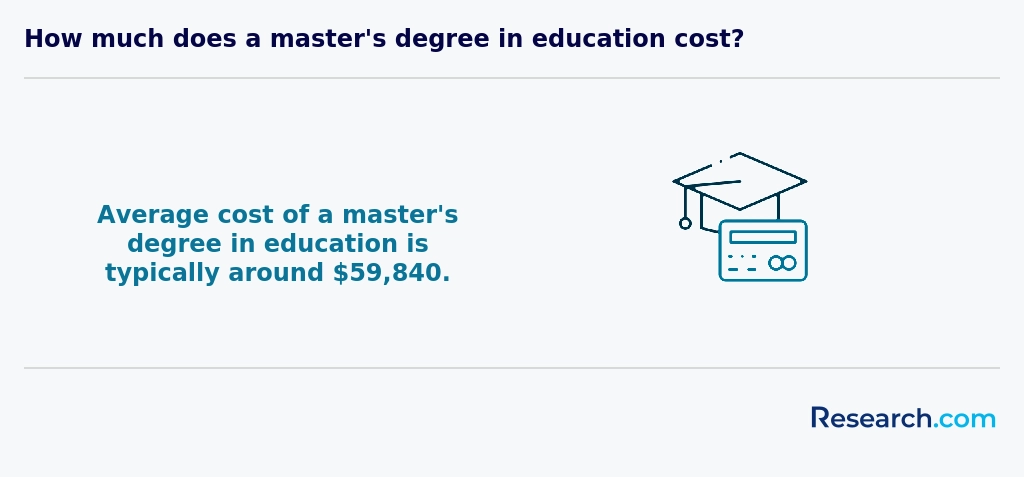
Choosing an accredited program is essential for Kansas licensure as a school leader. Licensing steps include completing required coursework, supervised practicum hours, and passing the School Leaders Licensure Assessment (SLLA).
- Regional accreditation (e.g., Higher Learning Commission) ensures credit transfer and meets credential criteria
- KSDE alignment covers curriculum frameworks for building-level leadership and superintendent preparation
- Practicum component typically requires 200+ supervised hours in a school setting
- SLLA preparation integrated into coursework with targeted review modules
- For doctoral-level leadership renewal or advanced roles, explore accelerated online edd programs
Students pursuing an online educational leadership degree in Kansas commonly access a range of financial aid options tailored to their needs. Graduates from institutions like the University of Kansas and Wichita State University often cite federal financial aid as foundational, particularly through Direct Unsubsidized Loans and Grad PLUS Loans, which offer competitive fixed interest rates and manageable repayment plans.
State-specific support such as the Kansas Teacher Service Scholarship Program provides crucial funding for those committed to serving underserved communities within Kansas. Recipients share a sense of fulfilment, knowing their financial aid aligns with a meaningful career path in local schools.
Merit-based scholarships and assistantships available at Kansas institutions further reduce tuition burdens, giving many students the confidence to focus on academic and leadership development. Employer tuition assistance, common among educators already working in Kansas school districts, offers additional relief, encouraging ongoing professional growth.
These resources collectively enable many online learners in Kansas to pursue educational leadership degrees with optimism and financial stability.
Kansas online educational leadership degrees align with KSDE standards to prepare you for building- and district-level licensure. Key requirements include:
- Completion of a State-approved leadership program (30–39 credit hours)
- 200+ practicum hours under a certified administrator
- Minimum 3.0 graduate GPA
- Passing the Kansas Performance Assessment for School Leaders (K-PASL) or PRAXIS School Leaders exam
- Submission of official transcripts and practicum verification to KSDE
To maintain your license, renew every five years with 85 continuing education hours or by earning an advanced degree. For those targeting district superintendency, consider accelerated online edd programs that integrate licensure support and doctoral-level expertise.
To enroll in an online educational leadership degree program in Kansas, applicants must at minimum hold a bachelor's degree from an accredited institution, preferably in education or a closely related area. For example, many graduates from universities like Wichita State University or the University of Kansas noted that having an education background eased their transition into leadership coursework. However, candidates from diverse academic fields can succeed if they show relevant experience or complete additional preparatory courses.
Programs typically require a valid Kansas teaching certification, particularly for public school leadership tracks, along with at least two to three years of professional teaching or educational experience. This practical experience gives aspiring leaders confidence in managing real-world challenges, as shared by alumni who felt well-prepared when stepping into administrative roles.
Applicants must also submit official transcripts reflecting a GPA around 3.0 or higher, letters of recommendation from current supervisors or past educational leaders, and a statement of purpose that clearly expresses career goals. Some schools may request GRE scores, but this requirement is often waived, reflecting a growing emphasis on accessibility and professional readiness within Kansas programs.
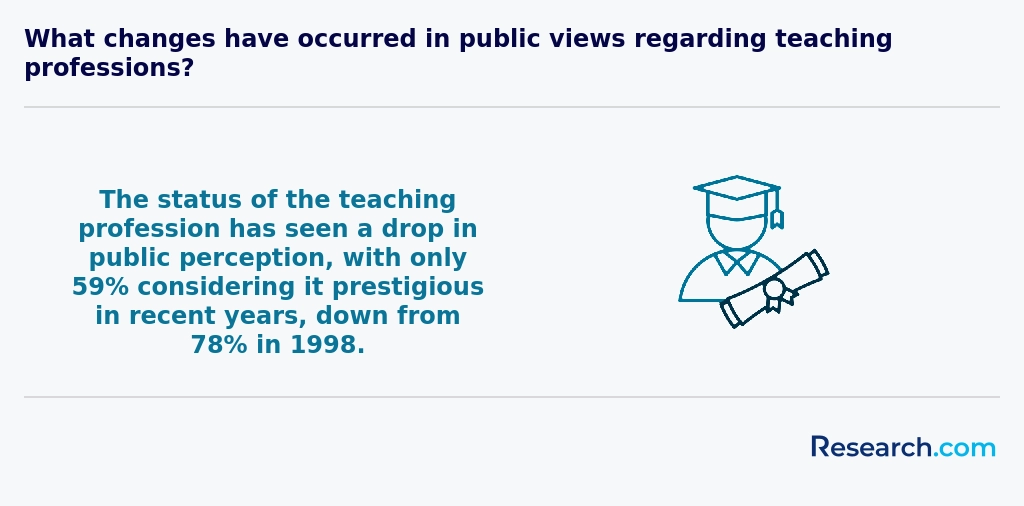
Becoming a licensed school leader in Kansas requires more than earning an online degree; you must meet specific state mandates:
- Graduate from a Kansas State Department of Education–approved educational leadership program (master’s or doctoral) with a minimum 3.0 GPA.
- Complete supervised field experiences, typically totaling 600 clock hours in school administration settings.
- Pass the Praxis School Leaders Licensure Assessment (SLLA) or the state’s designated leadership exam.
- Submit an application to the Kansas State Department of Education, including official transcripts, exam scores and documented internship evaluations.
- Renew your administrative license every five years by completing at least 90 hours of approved professional development (e.g., instructional leadership, school finance).
For district-level roles or superintendent tracks, consider advanced online edd programs that integrate coursework with state licensure requirements.
Online educational leadership degree programs in Kansas commonly include courses that build essential skills for effective school administration. Graduates from institutions such as Wichita State University and the University of Kansas often recall engaging deeply with subjects like Foundations of Educational Leadership, where they explored leadership theories through case studies mirroring real district challenges. Courses in Educational Law and Ethics prepare students to confidently navigate complex legal responsibilities they encounter as school leaders in Kansas's public education system.
Practical topics such as School Finance and Budgeting give learners hands-on experience managing budgets similar to those they will oversee in their schools, a point graduates frequently praise for its immediate real-world application. Instructional Leadership and Curriculum Development courses allow students to design programs improving classroom outcomes, often inspired by Kansas school district initiatives. Data-Driven Decision Making grounds future leaders in interpreting assessment results to make impactful decisions, fostering confidence in influencing student success statewide.
Online educational leadership specializations Kansas programs commonly include K-12 School Leadership, Curriculum and Instruction Leadership, Higher Education Leadership, Special Education Leadership, and District-Level Administration. Graduates from prominent institutions such as the University of Kansas often share how the K-12 School Leadership specialization equipped them with practical skills in staff development and student engagement, directly applicable in their roles as principals. Similarly, those who focused on Curriculum and Instruction Leadership at Wichita State University highlight their enhanced ability to design state-aligned curricula that improve academic outcomes.
Specializations like Higher Education Leadership prepare students for administrative roles in colleges and universities, while Special Education Leadership trains leaders to manage compliance and advocate for inclusive practices-a critical need recognized by Kansas educators. District-Level Administration offers training in overseeing multiple schools, budgeting, and policy development, crucial for those aiming at superintendent positions. These tailored tracks resonate with working professionals balancing employment and study workloads.
The integration of these specializations with Kansas education standards also supports licensure paths, boosting student confidence. For those seeking comprehensive insights into potential earnings, the education leadership salary data provides valuable perspective for career planning within the field of degrees in educational leadership Kansas.
Choosing the best online educational leadership programs Kansas offers requires careful consideration of accreditation and licensure alignment. Graduates from well-known Kansas universities often express confidence knowing their degrees comply with the Kansas State Department of Education standards, which is crucial for those aiming to become certified school administrators. Selecting programs with practical components such as internships enhances your ability to lead effectively in real school settings.
Cost and flexibility play pivotal roles in the decision-making process. Many find that Kansas programs provide quality education at affordable rates, often well below the national average. The balance of asynchronous classes and support services, such as academic advising, allows working professionals to thrive while pursuing their degree. To explore options with competitive tuition and strong curricula, consider an affordable online education specialist program tailored to leadership careers.
Furthermore, reviewing faculty expertise and job placement outcomes illuminates the program's impact on graduates' success. Students often describe feeling supported and prepared, thanks to faculty familiar with Kansas education policies and standards. These factors collectively guide a smart choice for affordable educational leadership degrees Kansas residents value deeply.
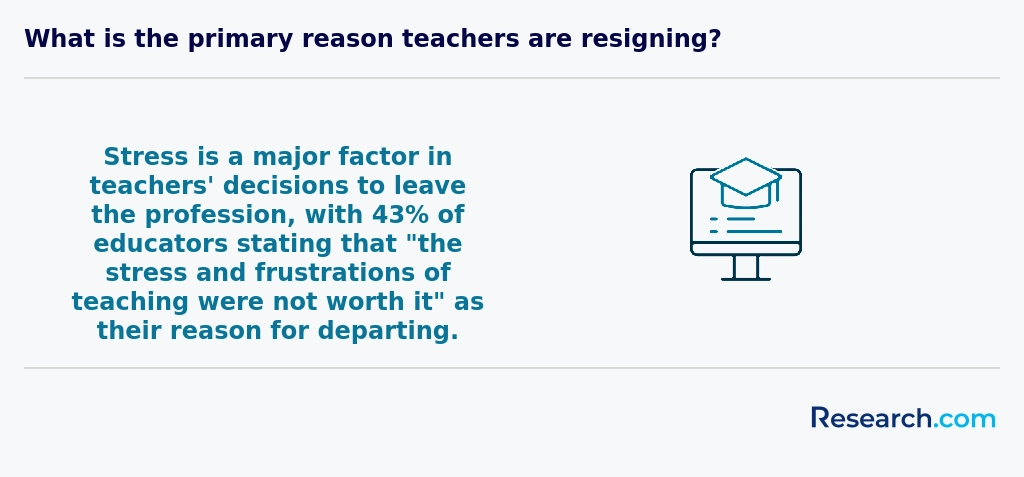
Graduates of online educational leadership degree programs in Kansas frequently pursue roles as school principals or assistant principals, drawing on strong organizational and communication skills honed during their studies at respected institutions like the University of Kansas and Wichita State University. These positions involve managing school operations, engaging with faculty, and implementing policies, providing fulfilling leadership experiences for many. Some graduates embrace the path of instructional coordinators or curriculum specialists, roles that center on enhancing teaching methods and curriculum design-key components emphasized in Kansas programs known for their practical, research-based coursework.
Others advance toward superintendent roles within Kansas school districts, where strategic planning and budgeting responsibilities require the advanced leadership foundation these degrees supply. Numerous graduates also find rewarding careers in higher education administration, including academic advising and program coordination, where skills developed at community colleges and regional universities are invaluable. For students seeking detailed program options, exploring a range of educational leadership masters programs online provides insight into specialized pathways aligned with their career ambitions in Kansas educational leadership careers in Kansas.
The job market for online educational leadership careers in Kansas reflects steady demand fueled by statewide initiatives and the retirement of veteran administrators. Graduates from popular institutions like the University of Kansas and Emporia State University often find rewarding opportunities in local districts where leadership roles require advanced degrees. Many graduates report positive experiences balancing online coursework with their current professional duties, gaining practical skills needed to navigate the specific challenges of Kansas schools.
With over 300 school districts, there is consistent need for skilled leaders who can address diverse student populations and implement state accountability measures. The Kansas educational leadership job outlook is encouraging, with median salaries around $85,000, increasing as administrators advance in their careers. Additionally, earning an online degree often aligns with certification requirements from the Kansas Board of Education, facilitating career progression.
Those exploring educational leadership degrees can benefit from understanding edd vs eds which is better to choose the most suitable path for their aspirations and the evolving demands of the region's educational landscape.
2027 Most Affordable Online Educational Leadership Degree Programs Ranking in Kansas
Investing in your education is a significant decision that can shape your professional future, and the Research.com team recognizes the importance of making well-informed choices. To support prospective students in Kansas, we have carefully developed the "2027 Most Affordable Online Educational Leadership Degree Programs Ranking in Kansas." Our dedication to quality, credibility, and accuracy is demonstrated through rigorous research and thorough analysis to create this trustworthy ranking.
We utilized the following reputable data sources to ensure a comprehensive evaluation of online educational leadership programs:
By exploring this ranking, readers will gain valuable insights into affordable and quality online programs, empowering them to choose educational paths that meet their needs and budget. For more information on our approach, please visit our Research.com methodology page.


Frequently Asked Questions About educational leadership
Online educational leadership degree students in Kansas can maximize their learning by actively engaging with their coursework and peers. Research shows that students who participate in discussion forums and group projects tend to perform better academically. Utilizing available resources at Kansas institutions, such as virtual libraries and academic advising, boosts success rates.
Setting a consistent study schedule helps manage coursework alongside professional and personal commitments, which is critical given many students balance full-time jobs. According to the Kansas Board of Regents, schools emphasize practical leadership skills aligned with state education standards, so connecting theory to local practice enhances learning.
Finally, seeking internships or mentorship opportunities in Kansas school districts can provide invaluable real-world experience, especially since 65% of district leaders in the state hold advanced degrees.
Emerging niches within the educational leadership field in Kansas reflect growing demands in specialized areas. One key area is digital and technology leadership, where leaders manage remote learning and integrate educational technologies effectively. This niche has expanded sharply due to the pandemic's impact on schooling.
Another important focus is equity and inclusion leadership, as schools increasingly prioritize addressing achievement gaps among diverse student populations. Leaders trained in equity strategies can foster inclusive environments that support all learners.
Kansas also sees growth in mental health and wellness leadership roles, responding to rising student needs. Educational leaders with expertise in student wellness programs are in demand to promote healthy school climates.
Data from the Kansas State Department of Education highlights these trends, showing a 15% increase in school administrator roles specializing in these niche areas over the past three years.
Preparing for the job market after earning an online educational leadership degree in Kansas involves strategic steps. First, graduates should pursue Kansas State Department of Education licensure, often required for administrative roles. Networking is essential; joining state organizations like the Kansas Association of School Administrators (KASA) provides connections and job leads. Building a strong resume highlighting leadership projects and internships improves competitiveness. According to the U.S. Bureau of Labor Statistics, Kansas expects steady growth in education administration jobs through 2030, signaling positive opportunities. Additionally, attending job fairs and utilizing university career services tailored to Kansas education enhances job placement success.
Employers in Kansas value several key skills when hiring graduates with online educational leadership degrees. Strong communication abilities top the list, as leaders must effectively interact with teachers, parents, and administrative staff to foster a collaborative environment. Additionally, hiring managers seek candidates with proven skills in data-driven decision-making, enabling them to analyze student performance and improve school outcomes.
According to the Kansas State Department of Education, leadership that demonstrates adaptability and problem-solving in diverse educational settings is highly prized. Budget management and knowledge of state education laws also play important roles. These competencies prepare graduates to meet the dynamic challenges faced by Kansas schools today.
Finding internships in Kansas for educational leadership students involves leveraging multiple local resources. Many universities in Kansas partner with public school districts to offer practical leadership experiences. For example, the Kansas State Department of Education provides lists of school districts actively seeking interns.
Students should also explore opportunities through professional organizations like the Kansas Association of School Administrators, which often posts internship vacancies relevant to educational leadership.
Furthermore, contacting schools directly in metropolitan areas such as Wichita, Topeka, and Overland Park can uncover openings. Internships may offer experiences in curriculum planning, school finance, or staff supervision.
The U.S. Bureau of Labor Statistics reports that educational leadership roles are growing 8% through 2031 in the Midwest region, highlighting demand for practical experience.
An online educational leadership degree in Kansas can significantly enhance career mobility for educators seeking administrative roles. According to the Kansas State Department of Education, many leadership positions, such as principals and district managers, require or prefer candidates with advanced degrees in educational leadership.
Completing this degree online provides flexibility for working professionals, allowing them to gain credentials without leaving their current roles. The U.S. Bureau of Labor Statistics projects a 7% growth in education administration jobs nationwide through 2031, which applies to Kansas as well.
Such degrees improve qualifications for salary increases and promotions, often necessary for advancement to superintendent or other senior positions. Graduates gain skills in school law, budgeting, and organizational leadership-all critical to navigating Kansas' educational system effectively.
Studying for an educational leadership degree in Kansas equips students with skills relevant to various interdisciplinary roles within and beyond education. Programs emphasize collaboration, strategic planning, and communication, preparing leaders to work effectively with diverse teams including educators, policymakers, and community stakeholders.
Kansas universities often integrate courses from fields like psychology, public administration, and business management. According to the Kansas Board of Regents, these programs focus on problem-solving and data analysis to address challenges in multiple sectors.
Additionally, many online degrees align with Kansas' evolving educational policies, training students to adapt leadership approaches across different organizational contexts.
Choosing between a thesis and a non-thesis educational leadership degree program in Kansas depends on your career goals and learning preferences. A thesis program requires original research, which can be valuable if you plan to pursue a doctorate or work in academic settings. It often develops strong analytical and writing skills.
Non-thesis programs generally focus on practical leadership skills without the demanding research component. This option suits working professionals aiming for administrative roles in schools or districts.
Kansas institutions follow guidelines set by the Council for the Accreditation of Educator Preparation (CAEP), ensuring quality in both options. According to the Kansas Board of Regents, about 40% of educational leadership graduates pursue thesis tracks for research careers.
Students in Kansas seeking to study educational leadership abroad have limited but valuable options through online programs offered by internationally recognized universities. Many U.S. institutions with global partnerships allow Kansas residents to enroll remotely, combining global perspectives with familiar American accreditation standards. This flexibility suits working professionals and those unable to relocate.
While no Kansas-based schools specifically provide direct international campus options, students often engage in dual degree or exchange programs via alliances between U.S. universities and overseas institutions. According to the National Center for Education Statistics, nearly 40% of Kansas graduate students in education pursue fully online or hybrid formats, supporting such cross-border learning.
Advising offices at Kansas universities recommend verifying accreditation and transferability to ensure credits count toward local certification requirements. Exploring online degrees with international curriculums can enhance leadership skills with a global focus without needing to leave Kansas.
Part-time job opportunities in Kansas that complement educational leadership degree programs typically focus on gaining practical experience in school environments. Positions such as teacher's aide, substitute teacher, or administrative assistant in school districts provide valuable insights into daily operations and leadership challenges. According to the Kansas Department of Education, substitute teaching roles are in steady demand, offering flexible hours that fit alongside online studies.
Additionally, roles in community education programs or nonprofit organizations supporting youth development can enhance leadership skills. These jobs foster communication and organizational abilities crucial for educational leaders. Working part-time in these areas allows students to apply theoretical knowledge while building professional networks within Kansas's education sector.
Online educational leadership students in Kansas benefit from diverse networking opportunities that support professional growth. Many universities offering these degrees provide access to virtual events, workshops, and discussion forums, allowing students to connect with peers and experienced educators statewide.
The Kansas Association of School Administrators (KASA) plays a significant role by hosting conferences and webinars, which are accessible to online students interested in leadership roles. Participation in these activities can build valuable contacts within Kansas' education community.
Additionally, online programs often encourage internships or partnerships with local school districts, creating opportunities to network with practicing leaders and policymakers. According to the Kansas State Department of Education, collaborative projects between universities and districts have increased by 15% over the past three years, enhancing hands-on leadership experience.
Alumni networks play a crucial role for students pursuing online educational leadership degrees in Kansas. These networks offer valuable professional connections, often leading to job opportunities in school administration across the state. According to the Kansas State Department of Education, strong leadership is a key factor in improving school performance, and alumni connections help graduates access mentorship and real-world insights.
Many Kansas universities with online programs, such as Wichita State University and the University of Kansas, maintain active alumni groups that organize events and share resources. This support system enhances career development and fosters collaboration among peers.
Additionally, alumni networks provide access to exclusive workshops and leadership development programs that improve skills tailored to Kansas' educational policies. For students balancing work and study, these networks create flexible avenues for ongoing learning and career advancement.
Customizing an online educational leadership degree in Kansas allows students to align studies with specific career goals in school administration and policy. Many Kansas universities offer elective courses or specializations such as curriculum development, district leadership, or educational technology integration. According to the Kansas State Department of Education, focusing on leadership skills and legal knowledge can increase job readiness for roles like principals or superintendents.
Additionally, some programs provide internships or capstone projects within Kansas school districts, offering practical experience tailored to local education environments. Flexible scheduling and credit transfer options further support personalizing the learning path.
Leveraging these opportunities helps students design a degree relevant to their professional ambitions in Kansas's evolving education system.
Online educational leadership students in Kansas often face challenges related to balancing coursework with professional and personal responsibilities. According to the Kansas Board of Regents, many students are working full-time in school districts while pursuing their degrees, which can lead to time management difficulties. Additionally, some students report limited opportunities for hands-on leadership experiences, which are essential for effective learning but harder to simulate online.
Another common challenge is limited access to local mentorship and networking. While online programs offer flexibility, students may miss out on face-to-face interactions that enhance professional growth. Technical issues and adapting to online learning platforms also pose barriers for some, especially those new to distance education.
With an online educational leadership degree in Kansas, graduates can pursue several professional certifications to enhance their careers. The most common credential is the Kansas Preliminary or Professional Administrator License, required for school principals and district leaders. This certification is awarded by the Kansas State Department of Education (KSDE) after meeting education, experience, and exam requirements.
Additionally, educational leaders can seek National Board Certification in School Administration, which is recognized nationwide and can improve job prospects and salary potential. Other options include superintendent licensure, often pursued after earning an advanced degree and fulfilling state-specific criteria.
Credentials emphasize leadership, management, and compliance with Kansas educational standards, supporting career advancement in K-12 leadership roles.
Writing a winning application for an online educational leadership program in Kansas begins with thoroughly researching accredited institutions recognized by the Kansas State Department of Education. Accreditation ensures your degree will meet state licensure requirements. Focus on programs offering a clear path to Kansas principal or superintendent certification, as demand for qualified educational leaders is projected to grow by 8% through 2030 (Bureau of Labor Statistics).
Highlight your professional experience in education by detailing leadership roles, achievements, and how you influenced student outcomes. Strong letters of recommendation from supervisors or colleagues familiar with your leadership style strengthen your application.
Finally, craft a personalized statement explaining your commitment to improving Kansas schools, citing knowledge of local educational challenges or state initiatives such as the Kansas Teacher Leadership and Compensation System (KTLCS). This research-backed approach improves your chances of acceptance.
The field of educational leadership is increasingly viewed through a global lens, emphasizing skills beyond traditional administration. Leaders are expected to understand diverse cultural contexts and embrace international best practices in school management and policy development.
In the United States, including Kansas, there is growing recognition of the need for global competencies among educational leaders. Data from the Kansas State Department of Education highlights leadership programs that incorporate multicultural education and global awareness. These skills help prepare leaders for challenges in diverse school populations.
Educational leadership careers often involve collaboration with global education organizations such as UNESCO, which advocate for equity and quality in education worldwide. According to the National Policy Board for Educational Administration, leaders with international perspectives are better equipped to innovate and improve school outcomes.
Gaining practical experience while studying for an online educational leadership degree in Kansas is essential for building skills and improving job prospects. Many programs incorporate internships or practicum experiences as part of their curriculum, allowing students to work directly in school settings. These placements are often coordinated with local Kansas school districts, providing exposure to real-world challenges in educational administration.
Additionally, professional mentorship opportunities may be available through Kansas-based educational organizations. Participating in leadership workshops and networking events hosted by groups like the Kansas Association of School Boards can also enhance practical knowledge. According to the Kansas State Department of Education, hands-on experience is highly valued by employers within the state's educational system.
Choosing the right concentration within an online educational leadership degree in Kansas depends on your career goals and local educational needs. Common concentrations include K-12 administration, higher education leadership, and curriculum development. The Kansas State Department of Education emphasizes K-12 leadership roles due to a steady demand for qualified administrators in public schools. According to the U.S. Bureau of Labor Statistics, school and educational administrators in Kansas earn a median annual wage near $92,000, which may vary by specialization.
Consider concentrations that align with Kansas' growing focus on educational equity and technology integration. Investigate programs that offer practical skills and state certification preparation. Evaluating faculty expertise, program accreditation, and alumni outcomes can guide your decision. Additionally, check if concentrations meet Kansas licensing requirements for school leadership positions to ensure career readiness.
- 2027 Most Affordable Online Educational Leadership Degree Programs Ranking in Nebraska
- 2027 Most Affordable Online Educational Leadership Degree Programs Ranking in Missouri
- 2027 Most Affordable Online Educational Leadership Degree Programs Ranking in Colorado
- 2027 Most Affordable Online Educational Leadership Degree Programs Ranking in Texas
- 2027 Most Affordable Online Educational Leadership Degree Programs Ranking in Minnesota
- 2027 Most Affordable Online Educational Leadership Degree Programs Ranking in Illinois
- 2027 Most Affordable Online Educational Leadership Degree Programs Ranking in Mississippi
- 2027 Most Affordable Online Educational Leadership Degree Programs Ranking in Kentucky
- 2027 Most Affordable Online Educational Leadership Degree Programs Ranking in Michigan
- 2027 Most Affordable Online Educational Leadership Degree Programs Ranking in Indiana
- Best Educational Leadership Doctoral Programs | University of Bridgeport https://www.bridgeport.edu/news/best-educational-leadership-doctoral-programs/
- Global Perspectives on Leadership in Early Childhood Education https://hup.fi/books/e/10.33134/HUP-20
- IEL - Institute for Educational Leadership. Reimagining Education. https://iel.org/
- Educational Leadership Network Europe - Home https://elnenetwork.org/
- Educational Leadership Career Planner https://www.snu.edu/educational-leadership-career-planner
- What Can You Do With a Master's in Education Leadership? https://www.salemu.edu/blog/educational-leadership-careers/
- Skills Employers Look for in Business Graduates – EU Business School https://www.euruni.edu/blog/skills-employers-look-for-in-business-graduates/
- Master of Education in School Leadership https://ps.sckans.edu/degrees-and-certificates/masters-degrees/master-of-education-in-school-leadership/
- Understanding Key Leadership Challenges in Educational Leadership https://www.jasonwhiskerd.co.uk/post/understanding-key-leadership-challenges-in-educational-leadership
- School Leaders Network | Best Practice Network https://www.bestpracticenet.co.uk/school-leaders-network