2027 Fastest Online Doctorate in Educational Leadership Degree Programs Ranking in Michigan

Co-Founder and Chief Data Scientist
Are you a Michigan student eager to advance your career in education leadership? This article presents the 2027 Fastest Online Doctorate in Educational Leadership Degree Programs Ranking in Michigan, crafted by the Research.com team of data scientists. It's designed to help you make a well-informed choice about the best programs available.
Pursuing an educational leadership degree opens doors to impactful roles in schools and communities. Discover programs that fit your goals and schedule while gaining valuable insights to guide your journey toward success.
Key benefits of getting online educational leadership degree in Michigan
- Salary: While specific Michigan data is unavailable, educational leadership graduates in the US typically earn between $60,000 and $100,000 annually, reflecting strong earning potential in school administration and related roles.
- Career paths: Graduates from Michigan State University have pursued roles as school principals, curriculum coordinators, and district administrators, showcasing diverse leadership opportunities within education.
- Online degree benefits: An online educational leadership degree from the University of Michigan allows flexible study schedules and balances work-life commitments, making it easier to advance your career without pausing your income.
- 2027 Fastest Online Doctorate in Educational Leadership Degree Programs Ranking in Michigan
- What can I expect from online educational leadership degree in Michigan?
- Where can I work with online educational leadership degree in Michigan?
What can I expect from online educational leadership degree in Michigan?
The average cost of an online educational leadership degree in Michigan typically ranges from $700 to $1,200 per credit hour, making it an accessible investment for those eager to advance in school administration. Graduates from well-known Michigan institutions often share how this manageable tuition allowed them to focus on gaining the essential skills without overwhelming financial stress.
Imagine a dedicated working professional balancing family life while completing coursework on educational law, finance, and organizational leadership-all from home. These flexible programs, offered by popular universities across Michigan, provide that balance, combining asynchronous lessons with live virtual sessions tailored to busy schedules.
Many students find encouragement in financial aid packages and scholarships specifically designed for Michigan educators, making the journey even more feasible. Hands-on practicum opportunities through partnerships with local districts enrich the experience, transforming theory into real-world leadership growth. This practical, affordable path empowers future principals, superintendents, and policymakers to lead with confidence.
Where can I work with online educational leadership degree in Michigan?
Graduates with an online educational leadership degree in Michigan step confidently into diverse roles across the state's vibrant education landscape. Many find rewarding careers as principals or curriculum coordinators in one of the 1,200+ public school districts, where they shape positive school cultures and inspire student success daily.
Others take on dynamic leadership positions within Michigan's 56 intermediate school districts (ISDs), managing programs that uplift multiple schools through specialized services like professional development and special education. These roles empower graduates to make a broad impact beyond a single campus.
Higher education also opens exciting doors. Graduates from programs at Wayne State University and Western Michigan University regularly become valued contributors in student affairs and academic administration, guiding initiatives that enhance learning and foster inclusivity.
Many find fulfillment working with nonprofits and government agencies dedicated to educational reform, collaborating to create better opportunities for all students. Michigan's passion for educational excellence ensures that graduates are always in demand, ready to lead with purpose and heart.
Graduates with an online educational leadership degree in Michigan can anticipate rewarding salary opportunities that reflect their dedication and expertise. Many who have studied at renowned institutions like Wayne State University or the University of Michigan-Dearborn report starting salaries for school principal roles in the range of $85,000 to $110,000 annually. These figures are encouraging, especially for those eager to lead in diverse settings, from bustling Detroit districts to smaller rural schools where impact is deeply felt.
Moving into higher leadership roles, such as superintendents, can elevate earnings significantly. Graduates often share stories of career progression leading to salaries between $120,000 and $160,000, a testament to the value their advanced skills bring to Michigan's educational communities. This financial growth parallels increased responsibilities and the satisfaction that comes from shaping educational excellence statewide.
Choosing an online program provides the unique advantage of balancing work and study, allowing candidates to gain real-world experience even before graduation. This blend of education and practice energizes graduates, fueling confidence and opening doors to leadership roles that make a meaningful difference in students' lives.
- Tuition for online educational leadership master's programs in Michigan ranges from $10,000 to $25,000, while doctorate programs typically cost between $20,000 and $40,000.
- In-state students usually pay less than out-of-state students for these programs.
- Programs prepare students for roles like principals and superintendents, offering flexible schedules with both synchronous and asynchronous learning options.
- Entry-level salaries for educational leaders start around $65,000 annually, with experienced leaders earning over $100,000 per year.
- The job market for educational leadership in Michigan is expected to grow steadily through 2030 due to school enrollment increases and retirements.
- Licensure requires a valid teaching certificate and completion of an approved educational leadership program recognized by Michigan authorities.
Completing an online educational leadership degree in Michigan is an empowering journey that fits your unique lifestyle. Many graduates from institutions like Wayne State University and Central Michigan University share how their master's programs usually take about two years if pursued full-time. Balancing work and family, these students appreciate the flexibility of part-time options, extending the experience to three or four years without sacrificing quality.
Some alumni recount how their prior credits helped them accelerate progress, making their dream leadership role attainable sooner. Doctoral candidates embracing programs at the University of Michigan often commit three to six years, diving deep into research and leadership practice, embodying resilience and growth.
The ability to tailor pacing around internships or hybrid models means you stay motivated and engaged every step of the way. Full-time or part-time, these paths are designed to celebrate your ambition and commitment, offering a supportive framework that fits Michigan's vibrant educational leadership community.
Online and on-campus educational leadership degrees in Michigan each offer distinct experiences tailored to different lifestyles and ambitions. Imagine a busy professional enrolled at a well-known Michigan university who values the freedom to study anytime and anywhere. The online program's flexible schedule allows balancing family, work, and education seamlessly, making progress toward leadership roles without pausing life's demands.
Conversely, students attending in-person classes at a popular college in Michigan often cherish the vibrant campus atmosphere. Engaging directly with professors and classmates sparks collaboration that fuels motivation and builds lifelong networks-an invaluable asset in educational leadership careers.
Graduates from both paths share a strong sense of accomplishment, empowered by rigorous curriculum and preparation for Michigan's Educational Leadership Authorization. Whether participating in virtual discussions or lively campus events, students feel supported and connected, crafting their own unique leadership journeys.
Choosing the right format means embracing what fits your rhythm, whether it's the dynamic energy of on-campus life or the adaptable pace of online learning, both paving your way to inspiring educational leadership in Michigan.
When exploring the average cost of online educational leadership degree in Michigan, many find the investment both achievable and rewarding. Graduates from well-known institutions like Eastern Michigan University and the University of Michigan often reflect on how their tuition investment, which averages around $21,666 for in-state students, opened doors to leadership roles in education that transformed their careers. These programs provide affordable credit-hour rates for residents, balancing quality education with financial accessibility.
For those aiming higher with a Michigan online doctorate in educational leadership tuition fees typically range higher, reflecting the advanced expertise and extensive coursework. Many students appreciate that even with these costs, scholarships, employer tuition support, and federal aid make pursuing doctoral goals within reach. One common path students share involves starting with the master's level and advancing to specialized doctoral study to deepen their impact on educational systems statewide.
Students often highlight how opportunities like the accelerated educational specialist degree online allow them to shorten their journey toward leadership roles without compromising quality. Their success stories demonstrate that with dedication, the financial commitment to a degree in educational leadership in Michigan is an investment in a brighter future within education, fostering both personal growth and community improvement.
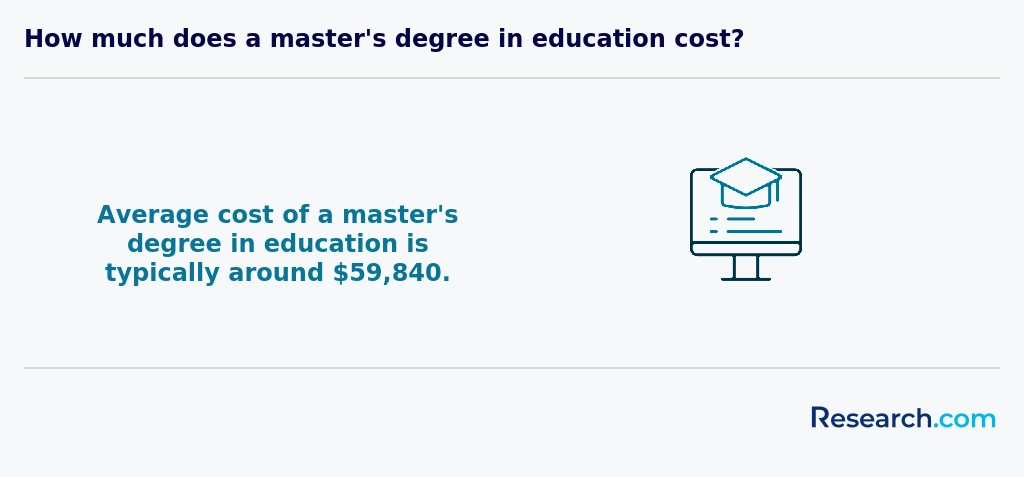
Students pursuing online educational leadership degrees in Michigan can access a supportive network of financial aid options designed to make their dreams achievable. Many graduates from Eastern Michigan University and Western Michigan University celebrate how scholarships and assistantships tied to research or teaching provided meaningful relief during their studies. By completing the FAFSA, students unlock opportunities for federal loans like Direct Unsubsidized Loans, a dependable resource for graduate learners.
State programs, though mostly aimed at undergraduates, still inspire hope with offerings such as the Michigan Competitive Scholarship Program. Additionally, employer tuition assistance proves to be a powerful enabler for those balancing work and study, often covering partial or full tuition as educators advance their careers.
Professional groups like the Michigan Association of School Administrators also extend valuable scholarships, encouraging students to pursue leadership roles confidently. These combined resources show that with dedication and strategic planning, funding an online educational leadership degree in Michigan is within reach.
To step confidently into an online educational leadership program in Michigan, you'll generally need a bachelor's degree from an accredited institution, ideally in education or a related field. Many successful graduates from universities like Wayne State University and Michigan State University found that having a valid Michigan teaching certificate helped them feel more prepared, especially when leading K-12 schools. This credential not only demonstrates your knowledge but also your commitment to Michigan's unique educational landscape.
Practical experience is invaluable. Imagine drawing from three to five years of hands-on teaching or administrative roles to bring real-world wisdom into your coursework. Educational leadership students from Central Michigan University often share how their classroom and counseling experience fueled their passion for transformational change in schools.
Most programs will ask for professional recommendations, transcripts, and a personal statement. These provide the perfect opportunity to express your leadership goals and dedication. While GRE scores aren't always mandatory, having strong academic or professional credentials can open doors. Embracing these prerequisites places you on a path to lead with confidence and purpose within Michigan's schools.
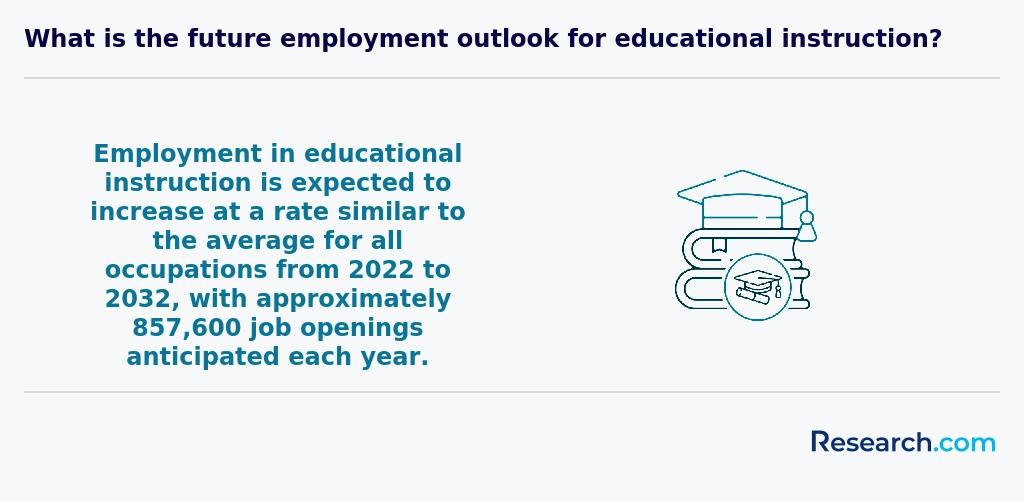
Online educational leadership degree programs in Michigan offer courses that empower future leaders to transform schools with confidence and vision. Graduates from well-known institutions like Central Michigan University and Wayne State University often recall mastering Educational Leadership Theory and Practice, where they learned how to inspire teachers and foster collaborative school cultures that thrive on trust and innovation.
Courses such as School Finance and Resource Management provide invaluable skills in budgeting and resource allocation, enabling students to confidently manage real-world challenges like funding constraints in diverse districts. Many appreciate how Curriculum Development and Instructional Leadership helped them design dynamic academic programs that ignite student passion and achievement.
Through studies in Law and Ethics in Education, graduates gain a solid foundation in legal responsibilities, preparing them to make ethical decisions under pressure. Real-life internships included in programs at Michigan State University provide hands-on experiences with Data-Driven Decision Making, allowing learners to apply analytics to boost school performance effectively.
These courses inspire students to become visionary leaders dedicated to making a meaningful impact on Michigan's educational communities.
Online educational leadership degrees in Michigan offer inspiring specializations tailored to today's dynamic educational environment. Students find themselves empowered by tracks such as K-12 Educational Leadership, which prepares future principals and district leaders to create thriving school communities. Graduates from Michigan State University often share how this focus transformed their approach to school management and community engagement, fueling their passion for meaningful impact.
For those drawn to higher learning, Higher Education Leadership specialization opens doors to rewarding roles in universities across Michigan, including at the University of Michigan and Wayne State. Here, graduates embrace positions like academic directors or registrars, shaping the future of college education with enthusiasm and vision. This pathway is ideal for anyone seeking to excel in Michigan online doctorate educational leadership tracks.
Additional specializations like Curriculum and Instruction Leadership and Special Education Leadership resonate deeply with graduates who want to champion innovative teaching and advocacy for diverse learners. Emerging fields such as Technology Leadership also excite students eager to integrate digital tools into classrooms, enhancing learning statewide. Exploring education leadership jobs in Michigan highlights how these vibrant specializations fuel rewarding careers full of purpose and growth.
Choosing the best online educational leadership programs Michigan offers means focusing on what truly aligns with your goals and lifestyle. Graduates from leading Michigan universities often highlight the value of accredited programs that prepare them for meaningful leadership roles across the state's diverse school districts. Imagine yourself mastering school law and organizational theory through flexible online classes that fit your busy schedule, just like many thriving students do.
It's inspiring to see how some learners balance full-time work while advancing their careers, thanks to programs offering part-time and accelerated formats at popular Michigan colleges. These programs not only deliver strong faculty mentorship but also connect you with educational networks that empower you to make a lasting impact. If affordability is key, explore options like in-state tuition for online learners, which can significantly reduce costs.
For those seeking an affordable online education specialist degree programs, Michigan's universities provide respected pathways that open doors to leadership certification and success stories you can follow.

Graduates with an online educational leadership degree in Michigan step into a world filled with inspiring career paths that truly make a difference in educational communities. Many find themselves leading as school principals or assistant principals, guiding schools with vision and empathy. These roles, celebrated across Michigan's diverse districts, ignite passion and bring rewarding challenges, perfectly suited for leaders emerging from programs at Michigan State University or the University of Michigan.
Others choose to shine as instructional coordinators, crafting innovative curricula and empowering teachers with cutting-edge strategies. This career path is ideal for those eager to influence classroom success through data-driven decisions-skills honed during their studies. Graduates from prominent colleges in Michigan embrace these roles with confidence, fueling educational progress statewide, thanks to their focused online educational leadership careers Michigan.
For those dreaming of higher education administration, positions such as academic deans or program directors at well-regarded Michigan universities offer exciting opportunities. These graduates master leadership challenges and elevate student support, inspired by their programs' real-world applicability and dynamic learning environments. To explore these rewarding options, prospective students can visit educational leadership masters online and discover the perfect fit for their ambitions.
The job outlook for educational leadership in Michigan is bright, especially for those pursuing an online educational leadership degree career opportunities Michigan offers. Graduates from well-regarded institutions such as those in Detroit or Ann Arbor often share how their programs helped them confidently step into roles as school principals or district administrators amidst evolving educational landscapes. With Michigan's focus on accountability and student outcomes, leaders capable of managing complex challenges are in steady demand.
Many graduates find positions in K-12 schools or higher education settings where they implement innovative programs to close achievement gaps and improve student success. Michigan colleges and universities value candidates with strong leadership skills and state certification, making these credentials vital for advancement. Salaries typically range from $90,000 to $120,000, reflecting rewarding career paths.
For those unsure whether to pursue a doctoral or master's path, understanding the distinction is essential. Michigan students often explore resources like this edd vs eds degree comparison to align their goals. The career potential combined with flexible online options makes this a promising route for future educational leaders in Michigan.
2027 Fastest Online Doctorate in Educational Leadership Degree Programs Ranking in Michigan
Investing in your education is a significant decision that can shape your future, and the Research.com team understands the importance of making informed choices. To assist prospective students in Michigan, we have meticulously crafted the "2027 Fastest Online Doctorate in Educational Leadership Degree Programs Ranking in Michigan." Our commitment to quality, credibility, and accuracy is reflected in the extensive research and analysis conducted to compile this ranking.
We utilized the following reputable data sources to ensure a comprehensive evaluation of online doctorate programs in educational leadership:
By exploring this ranking, readers will gain valuable insights into the fastest online doctorate programs, enabling them to make informed decisions tailored to their educational and career goals. For more details on our methodology, please visit our Research.com methodology page.


Frequently Asked Questions About educational leadership
Online educational leadership degree students in Michigan can maximize their learning by engaging actively with digital course materials and participating in virtual discussions. Consistent communication with professors and peers helps deepen understanding and build professional networks. Utilizing Michigan's state resources, such as the Michigan Department of Education's leadership frameworks, can provide relevant context for coursework. Time management is critical, especially for working professionals balancing study and career. According to the National Center for Education Statistics, students who establish regular study schedules achieve higher success rates. Additionally, seeking practicum or internship opportunities within Michigan school districts can enhance practical leadership skills applicable to regional educational challenges.
The field of educational leadership is evolving with new specialized areas emerging, particularly relevant to Michigan's diverse educational landscape. One growing niche is digital transformation leadership, focusing on integrating technology in schools to support remote and hybrid learning. According to Michigan's Department of Education, there has been a 35% rise in demand for leaders skilled in educational technology since 2020.
Another niche is equity-focused leadership, which aims to close achievement gaps and improve inclusivity in underserved communities. Research from the Michigan Education Association highlights increasing funding for training leaders in cultural competence and social justice.
Additionally, data-driven decision making is gaining prominence, with leaders leveraging analytics to improve student outcomes and operational efficiency. Institutions in Michigan are expanding curricula accordingly to meet these evolving needs.
Preparing for the job market after earning an online educational leadership degree in Michigan involves strategic planning and skill development. Graduates should focus on obtaining Michigan's professional administrative credentials, which are often required for leadership roles in K-12 schools. According to the Michigan Department of Education, candidates must pass specific tests such as the School Administrator Test (SAT).
Networking with professionals in Michigan's education sector is also essential. Joining state organizations like the Michigan Association of Secondary School Principals can open doors to job opportunities. Developing data-driven decision-making skills is vital, as Michigan schools increasingly emphasize accountability and student outcomes. Familiarity with Michigan's educational policies boosts employability as well.
Employers in Michigan highly value educational leadership graduates who demonstrate strong communication and interpersonal skills. These are essential for effectively managing diverse school communities and collaborating with staff and parents. Additionally, strategic planning and decision-making abilities are critical, as leaders must navigate complex educational policies and improve student outcomes.
Data from the Michigan Department of Education highlights the growing demand for skills in data analysis to assess school performance and drive evidence-based improvements. Practical knowledge of state education laws and regulations is also important for compliance and ethical leadership.
Furthermore, adaptability and technology proficiency are increasingly sought after due to evolving educational environments, especially after shifts caused by the COVID-19 pandemic.
Finding internships in Michigan that relate to an educational leadership degree involves several practical steps. Start by exploring opportunities through Michigan's public school districts, as many offer internships or residency programs designed for aspiring educational leaders. The Michigan Department of Education and local Intermediate School Districts (ISDs) often post openings on their websites.
Networking is crucial: joining professional organizations like the Michigan Association of Secondary School Principals can connect you with leaders offering internships. Additionally, universities with online educational leadership programs frequently have partnerships with schools for placement.
Use career services from your degree program and search databases such as Handshake or Indeed with keywords like "education administration internship Michigan."
In Michigan, obtaining an online educational leadership degree can significantly enhance career mobility and advancement opportunities. According to the Michigan Department of Education, leadership roles such as principals and district administrators often require advanced credentials, making this degree a vital stepping stone. Many school districts actively seek candidates with doctoral or master's degrees in educational leadership to fill administrative positions.
Online programs offer flexibility for working educators, enabling them to balance current jobs with studies. Data from the National Center for Education Statistics shows that individuals with leadership degrees earn 20-30% more on average than those without. This financial incentive further drives professionals to pursue such credentials.
Moreover, Michigan's focus on improving school outcomes encourages hiring leaders with formal preparation in leadership, policy, and management, which online programs emphasize.
Studying for an educational leadership degree in Michigan equips students with skills essential for interdisciplinary roles in education and beyond. Programs emphasize collaboration across fields like policy, psychology, and administration to address complex educational challenges.
Michigan's institutions often integrate practical experiences with coursework on data analysis, organizational theory, and community engagement. This broad approach prepares graduates to work effectively with diverse teams in schools, government agencies, and nonprofit organizations.
According to the Michigan Department of Education, leadership roles now demand proficiency in managing educational outcomes alongside social services, requiring interdisciplinary knowledge. Online programs reflect this trend by offering flexible, relevant curricula that combine theory and real-world application.
Choosing between a thesis and a non-thesis educational leadership degree program in Michigan depends on your career goals and learning preferences. Thesis programs require original research and are ideal if you plan to pursue a PhD or a research-focused role. Non-thesis programs emphasize practical skills and often include capstone projects or comprehensive exams, suited for professionals aiming for leadership positions in schools or districts.
The Michigan Department of Education highlights that programs with thesis options often take longer to complete. According to the National Center for Education Statistics, about 40% of educational leadership doctorates nationwide include thesis research, reflecting strong academic rigor.
Consider your time commitment and whether research excites you, as this choice will shape your experience and future opportunities.
Students based in Michigan who want to study educational leadership abroad have a few options, primarily through partnerships between Michigan universities and foreign institutions. While online programs dominate domestic study, international collaborations often allow students to combine online coursework with study-abroad experiences or internships.
Michigan State University and the University of Michigan both have global education offices that facilitate study abroad opportunities, including leadership seminars and research exchanges. These programs can enhance understanding of educational systems worldwide.
Additionally, students can enroll in online educational leadership programs offered by foreign universities accredited in the U.S., but should verify state licensure requirements carefully. According to the Michigan Department of Education, any leadership certification obtained abroad must meet state standards to qualify for local administrative roles.
Part-time job opportunities in Michigan that complement educational leadership degree studies often align with roles in schools and community organizations. Positions such as teacher's aide, substitute teacher, or administrative assistant in local school districts provide valuable practical experience. These roles help students understand daily school operations and leadership challenges firsthand.
Michigan's Department of Education reports that leadership positions increasingly require hands-on experience working with diverse student populations, making part-time roles in multicultural programs or after-school initiatives beneficial. Additionally, internships or assistant roles within educational nonprofits offer insight into policy and program management relevant to leadership.
Gaining part-time experience in school administration or community education settings supports professional skills development, networking, and deeper understanding of Michigan's education system. This practical exposure is critical for aspiring educational leaders looking to advance their careers effectively.
Online educational leadership students in Michigan have several networking opportunities despite the remote nature of their programs. Many universities encourage virtual meetups, discussion forums, and group projects to foster peer connections. Organizations like the Michigan Association of Secondary School Principals (MASSP) offer student memberships and virtual events tailored to aspiring educational leaders.
Local chapters of national groups such as the American Association of School Administrators (AASA) also provide online seminars and networking events. These platforms enable students to connect with experienced professionals in Michigan's education sector, facilitating mentorship and career growth.
According to the Michigan Department of Education, participation in such professional networks can boost leadership skills and employment prospects in the state's education system.
Alumni networks play a crucial role for students pursuing online educational leadership degrees in Michigan. These networks offer valuable opportunities for mentorship, connecting current students with graduates who have practical experience in Michigan's educational institutions. According to the Michigan Department of Education, nearly 60% of educational leaders found their roles through professional connections, highlighting the importance of networking.
Furthermore, active alumni communities facilitate job placements by sharing local openings and recommending candidates. They also provide support in understanding Michigan-specific educational policies and leadership challenges.
Engagement with alumni networks enhances career growth and professional development, essential for leadership success within the state's education system.
Customizing an online educational leadership degree program in Michigan allows students to align their studies with specific career goals. Many Michigan universities offer flexible curricula, enabling learners to select electives in areas such as curriculum development, policy analysis, or special education leadership. This flexibility helps candidates target roles in K-12 administration, higher education, or community organizations.
Students may also choose capstone projects or research topics that reflect their professional interests. Some programs provide mentorship opportunities with experienced Michigan educational leaders, enhancing practical skills. According to the Michigan Department of Education, tailored leadership training can improve job readiness and promotion prospects statewide.
Online educational leadership students in Michigan often face challenges balancing rigorous coursework with professional and personal responsibilities. Many are working full-time in education roles, which can complicate scheduling and consistent engagement. According to reports from the Michigan Department of Education, nearly 60% of educational leadership candidates juggle employment alongside studies.
Limited face-to-face interaction can also hinder networking and mentorship opportunities, which are crucial in leadership development. Additionally, students may encounter technological barriers, including unreliable internet access in rural areas of Michigan, affecting their ability to participate fully in synchronous sessions.
Finally, navigating state-specific licensure requirements alongside online program demands remains a complex issue for many aspiring leaders.
With an online educational leadership degree in Michigan, graduates can pursue several key professional certifications that enhance their careers in school administration. One primary certification is the Michigan School Administrator Certificate, which qualifies individuals to serve as principals or superintendents in public schools. This credential requires meeting state standards and passing the Michigan Test for School Leaders (M-TSL).
Additionally, candidates may seek National Board Certification in Educational Leadership, recognized nationwide for demonstrating advanced leadership skills. Some professionals also pursue endorsements in Special Education Administration or Curriculum and Instruction administration.
These certifications boost leadership opportunities and are supported by Michigan's Department of Education guidelines and the Office of Educator Excellence.
Applying to an online educational leadership program in Michigan requires clear, focused preparation. Begin by thoroughly researching programs accredited by the Council for the Accreditation of Educator Preparation (CAEP), which assures quality and recognition in the state.
Highlight your professional experience in education leadership roles or related fields. Michigan's Department of Education values applicants demonstrating practical understanding and commitment to improving school systems. Include specific examples of leadership achievements.
Personal statements should clearly articulate your career goals and how this degree aligns with them. Evidence-based writing, referring to Michigan's education challenges or initiatives, will strengthen your case.
Strong letters of recommendation, preferably from supervisors familiar with your leadership abilities, are essential. Also, meet all application deadlines and submit complete documentation to increase your chances for admission.
Educational leadership careers in the United States, including Michigan, are increasingly influenced by global trends emphasizing collaboration, equity, and innovation. Leaders often adopt international best practices to improve school outcomes. For example, Michigan's Department of Education encourages leaders to understand diverse cultural perspectives to address student needs effectively.
Globally, educational leaders are valued for their abilities to manage change and implement data-driven strategies. In Michigan, schools led by trained leaders show improved graduation rates, aligning with national studies stressing leadership's role in student success.
Furthermore, global demand for skilled educational leaders is reflected in Michigan's growing online doctoral programs, offering convenient access for professionals wanting to engage with worldwide educational challenges.
Gaining practical experience while studying for an online educational leadership degree in Michigan is crucial for career readiness. Many programs encourage or require internships, practicum placements, or capstone projects within local schools or educational organizations.
Students often collaborate with Michigan school districts to develop leadership skills through supervised fieldwork. According to the Michigan Department of Education, partnerships between universities and K-12 schools facilitate real-world administrative exposure.
Online students can also benefit from Michigan's Educational Leadership Association events and workshops, enhancing both networking and hands-on learning opportunities. These experiences align with state licensure requirements for school administrators.
Choosing the right concentration within an online educational leadership degree in Michigan depends on your career goals and interests. Common concentrations include K-12 leadership, higher education administration, and curriculum development. Each has unique course requirements and career pathways.
Consider Michigan's strong demand for K-12 leaders due to ongoing school reforms and leadership retirements, as reported by the Michigan Department of Education. If you aim for superintendent roles or district leadership, a K-12 focus is practical.
For those interested in colleges, a higher education administration concentration fits well, especially since Michigan hosts many large universities with active leadership needs.
Review program curriculum and alignment with your career plans before selecting a concentration.
- 2027 Fastest Online Doctorate in Educational Leadership Degree Programs Ranking in Indiana
- 2027 Fastest Online Doctorate in Educational Leadership Degree Programs Ranking in Pennsylvania
- 2027 Fastest Online Doctorate in Educational Leadership Degree Programs Ranking in Virginia
- 2027 Fastest Online Doctorate in Educational Leadership Degree Programs Ranking in Georgia
- 2027 Fastest Online Doctorate in Educational Leadership Degree Programs Ranking in Nebraska
- 2027 Fastest Online Doctorate in Educational Leadership Degree Programs Ranking in Florida
- Real educational leadership challenges & practical ways to tackle them https://www.manchester.ac.ae/blog-post/real-educational-leadership-challenges
- Study Educational Leadership Abroad - Top Universities for Masters, MBA, PhD Degree Programs https://studee.com/degree/abroad/educational-leadership
- Remote Educational Leadership Online Jobs https://www.virtualvocations.com/q-remote-educational-leadership-online-jobs.html
- Skills Employers Look for in Business Graduates – EU Business School https://www.euruni.edu/blog/skills-employers-look-for-in-business-graduates/
- What Can You Do With a Master's in Education Leadership? https://www.salemu.edu/blog/educational-leadership-careers/
- Personal statement for applying a MAs educational leadership https://essayforum.com/graduate/statement-applying-mas-educational-leadership-85737/
- Educational Leadership Degree Program: A Comprehensive Guide https://www.educationalleadershipdegree.com/blog/comprehensive-guide-to-pursuing-an-education-leadership-degree/
- Educational Leadership Network Europe - Home https://elnenetwork.org/
- The skills employers seek https://www.emerging.fr/post/the-skills-employers-look-for-in-new-university-graduates
- Bringing global perspectives to leadership in business https://www.eaie.org/resource/global-perspectives-leadership-business.html