2027 Most Valuable Online Educational Leadership Degree Programs Ranking in Columbia, MO

Co-Founder and Chief Data Scientist
Choosing the right educational leadership degree program is a big step for anyone in Columbia, MO, aiming to advance their career. This article introduces the 2027 Most Valuable Online Educational Leadership Degree Programs Ranking in Columbia, MO, carefully crafted by the Research.com team of data scientists.
By exploring this ranking, you'll gain clear insights into which programs offer the best value, helping you make a confident, informed decision. Pursuing an educational leadership degree can open new doors and empower you to make a meaningful impact in education.
Take the first step toward your future with trusted guidance designed just for you.
Key benefits of getting online educational leadership degree in Columbia
- Educational leadership graduates in Columbia can expect competitive salaries, often earning between $60,000 and $90,000 annually in roles such as school principals or education administrators in the US.
- A graduate from the University of Missouri-Columbia highlights diverse career paths including school administration, policy advising, and curriculum development, providing exciting opportunities for growth in education.
- Completing an online educational leadership degree offers flexibility for working professionals, as seen in graduates from the University of Missouri-Columbia, allowing them to balance work, life, and study effectively while advancing their careers.
- 2027 Most Valuable Online Educational Leadership Degree Programs Ranking in Columbia, MO
- What can I expect from online educational leadership degree in Columbia?
- Where can I work with online educational leadership degree in Columbia?
What can I expect from online educational leadership degree in Columbia?
The average cost of an online educational leadership degree in Columbia typically ranges between $15,000 and $30,000, depending on the university and duration of study. Graduates from institutions like the University of Missouri often reflect on how this investment aligned with the value they gained - flexible schedules, real-world internships, and leadership courses tailored to Missouri's unique educational landscape. Many recount the balance they struck between work, family, and study, appreciating that the cost was manageable compared to the career growth opportunities it opened.
Some students note that the financial commitment felt steep at first but became justifiable when they considered the state certification preparation baked into the curriculum, a crucial step for administrative roles in local schools. Others highlighted the importance of choosing accredited programs in Columbia to ensure their degree's recognition in the job market. With the cost framed this way, the degree feels less like an expense and more like a strategic investment in a future leadership role within Missouri's education system.
Where can I work with online educational leadership degree in Columbia?
Graduates with an online educational leadership degree in Columbia often find themselves stepping into pivotal roles within the Columbia Public School District, where leadership is not just about managing schools but transforming communities. Imagine working as a principal or curriculum coordinator in the fourth-largest district in Missouri, shaping the experiences of both students and teachers. Such positions demand certification earned through programs at institutions like the University of Missouri, where many graduates recall their studies as both challenging and deeply rewarding.
Beyond K-12 schools, many graduates discover careers in higher education roles-envision managing student affairs or designing academic programs at well-regarded local colleges. These experiences harness leadership skills to influence educational policy and faculty collaboration, drawing on practical lessons learned during their online coursework.
Others feel drawn to nonprofits or government agencies in Columbia, energized by the chance to impact education policy and community learning initiatives. Graduates often describe a profound satisfaction knowing their leadership helps shape regional education strategies that benefit diverse populations.
Graduates from online educational leadership programs in Columbia often find their earnings reflecting both the vibrant educational landscape and their growing expertise. For example, those stepping into roles such as principals or district administrators within Columbia Public Schools report salaries starting around $70,000, rising beyond $110,000 as experience and responsibility increase. This aligns well with the Missouri average for school principals, which hovers near $94,000 annually-figures echoed by many online program alumni from the University of Missouri who share that their leadership credentials opened doors to competitive salaries.
Many graduates see these figures as more than just numbers-they represent tangible progress toward financial stability and professional growth in a community that values educational leadership highly. Assistant superintendents and superintendents in the region, especially in larger districts, can earn over $120,000, illustrating how advanced roles reward advanced preparation.
For those emerging from Columbia College or similar institutions, the story is one of empowerment: local educational leadership degrees facilitate entry into well-paid positions not only in public schools but also in private education and higher education administration, where salaries typically range from $75,000 to $100,000. Graduates frequently mention feeling proud to contribute meaningfully to their communities while enjoying these financial benefits.
- Columbia, Missouri offers reputable fully online or hybrid educational leadership programs suitable for working professionals.
- Tuition for a master's program ranges from $15,000 to $30,000, with savings on commuting and housing costs.
- Graduates typically earn $55,000 to $65,000 starting salaries, increasing to $80,000 or more with experience.
- Job availability is stable, with many openings in public school districts and universities in the area.
- Accreditation by recognized agencies is essential for licensure eligibility and employer acceptance.
Completing an online educational leadership degree in Columbia, Missouri, typically spans from 18 months to 4 years, but this timeline invites deeper contemplation beyond the numbers. Graduates from programs like those at the University of Missouri-Columbia often reflect on how their pacing-full-time versus part-time-reshaped their experience more than the calendar itself. For full-time students, wrapping up a master's degree within 18 to 24 months feels like an intense journey, requiring focused dedication and a clear vision of career growth.
Yet, part-time students embracing the flexibility to balance work and family often find themselves savoring the process over 3 to 4 years, gaining insights and confidence with each course. It's not merely about rushing through credit hours but about immersing oneself in leadership challenges relevant to their real-time work settings, turning coursework into applicable change.
Doctoral candidates from Columbia's institutions face even longer commitments, often 3 to 6 years, where the integration of research, exams, and a dissertation becomes an evolving, rewarding story of perseverance and discovery. These timelines reveal the degree's true value as a transformational experience rather than a fixed deadline.
Choosing an accredited online educational leadership program ensures eligibility for Missouri principal or superintendent licensure.
- Accredited by CAEP or NCATE and approved by Missouri DESE
- Meets credit-hour and curriculum standards for Principal Certification (Grades K–12)
- Requires successful completion of the Praxis Principles of Learning and Teaching (PLT) exam
- Includes a supervised internship or field experience aligned with state guidelines
- EdD tracks often add the requirements for superintendent endorsement; explore edd programs online for fast-track doctoral options.
Graduates from the University of Missouri often recall the energizing buzz of on-campus educational leadership classes, where face-to-face discussions spark immediate insights and campus resources like libraries and career counseling shape their journey. This structured environment fosters a sense of belonging and accountability that many find deeply motivating. Conversely, alumni who chose online programs appreciate the freedom to study flexibly around work and family, balancing life's demands without relocating from Columbia. They describe the online format as empowering yet demanding-requiring strong self-discipline to stay engaged without the physical presence of peers or instructors.
Both paths cover similar core content-from school administration to educational policy-ensuring graduates are equally prepared to lead. However, the practical realities differ: on-campus students easily join local internships coordinated through institutions, while online learners often craft their own hands-on experiences within Columbia's diverse school districts. Each route challenges students uniquely, calling for reflection on how personal circumstances and learning styles align with the rhythms these formats demand.
To lead a school in Columbia, you must secure DESE certification by meeting state-mandated criteria:
- Earn a master’s or higher degree in educational leadership from a DESE-approved institution
- Complete a minimum of 300 hours of supervised administrative internship
- Pass the Missouri School Leaders Assessment (MSLA) exam
- Submit official transcripts, application materials and a satisfactory background check
- Complete required professional development hours for certificate renewal
For advanced endorsements or doctoral-level leadership roles, consider program pathways like edd programs online that align coursework with state requirements.
In Columbia, the average cost online educational leadership degree Columbia MO hovers around $16,294, a figure that invites deeper reflection beyond the numbers. Graduates from popular local institutions like the University of Missouri often describe their investment as both a financial and personal journey. While some might view tuition expenses as a deterrent, many find that the value lies in the flexibility and accessibility of online formats that align well with busy professional and family lives.
Consider the varying tuition rates that students encounter. For Missouri residents, programs typically charge about $430 per credit hour, leading to total costs between $12,900 and $15,500 in many cases. Out-of-state or private options often exceed this, with some crossing the $20,000 mark. Nevertheless, graduates frequently emphasize savings on commuting or housing costs, which recalibrates the true cost equation in favor of online study.
Examining Columbia Missouri online educational leadership tuition fees reveals additional layers: financial aid, scholarships, and assistantships can significantly reduce the burden, transforming the experience from a daunting expense into a feasible pathway. Students juggling work and studies attest to the profound satisfaction of earning a degree that fuels career growth in leadership roles.
For those exploring futures in education administration, understanding the financial landscape is essential-but so is anticipating the professional payoff. Resources like the masters educational leadership careers page illustrate how this investment can open doors beyond the classroom.

Becoming a licensed school administrator in Missouri requires meeting specific state standards:
- Hold a valid Missouri teaching certificate with at least three years of full-time experience.
- Complete a DESE-approved educational leadership program that includes supervised administrative practicum.
- Pass the Missouri Educational Leadership: Administration and Supervision (PRAXIS #5411) exam.
- Obtain fingerprint-based background clearance through the Missouri Department of Elementary and Secondary Education.
- Apply for a Type 1 (Assistant Principal) or Type 4 (Principal) certificate by submitting official transcripts and exam scores to DESE.
Educators aiming for district superintendent roles can explore accelerated tracks in edd programs online to meet advanced licensure requirements efficiently.
Financial aid for online educational leadership degrees in Columbia often surprises students with its variety and accessibility. Graduates from the University of Missouri recall how federal aid, like Direct Unsubsidized Loans, helped them bridge tuition gaps without the overwhelming stress of private debt. Completing the FAFSA unlocked not only those federal loans but also eligibility for work-study programs, giving some a chance to gain professional experience while earning.
State programs like Access Missouri stand out by providing need-based grants, a lifeline for many who thought graduate funding was out of reach. Imagine balancing study with life while receiving support that directly decreases your financial burden. Graduates also share how institution-specific scholarships and assistantships at Columbia colleges turned daunting costs into manageable investments.
For those already employed in local schools, employer tuition reimbursement creates a rare synergy between career growth and education funding-transforming ambition into achievable leadership roles. Even competitive private scholarships from national education groups offer hope to persistent applicants ready to advance their impact in Columbia's schools.
Enrolling in an online educational leadership degree in Columbia demands more than just paperwork-it calls for a blend of academic foundation and real-world grit. Graduates from well-known local institutions often reflect on how their bachelor's degree formed the crucial base, even if it wasn't directly in education. What truly set them apart was their hands-on experience, often two to three years working in classrooms or school administration, which transformed theory into meaningful practice.
These candidates didn't just submit transcripts; they shared stories through recommendation letters and personal statements that revealed their passion and readiness to lead. For instance, a graduate from a popular Columbia college recalls how articulating her leadership vision in her essay made the difference, resonating deeply with admissions committees.
The GPA requirement, usually around 3.0, serves as a benchmark, but applicants who bring robust professional insights sometimes find flexibility here. Standardized tests like GRE or MAT can feel like hurdles, but many Columbia programs waive these for those with strong backgrounds, underscoring the value placed on experience over test scores in this field.
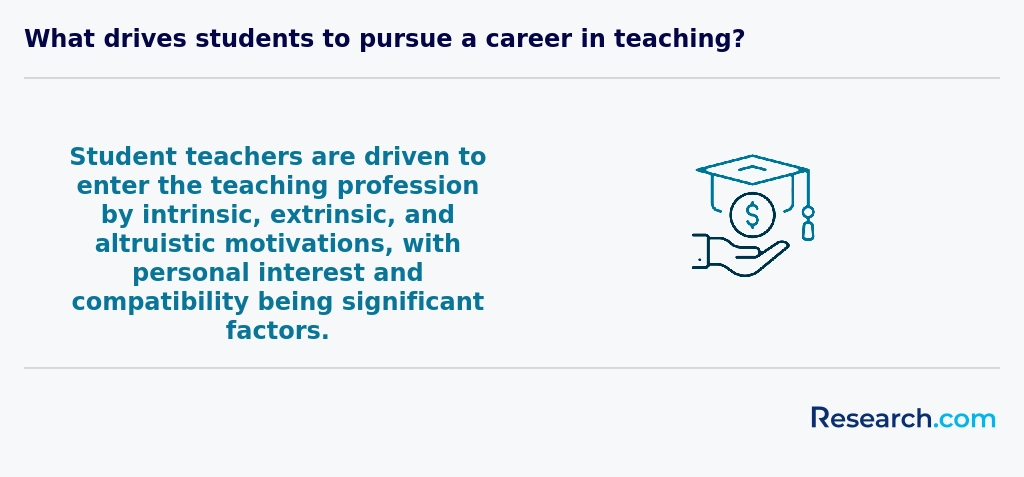
To become a licensed K-12 school administrator in Missouri, candidates must meet DESE standards and demonstrate both academic and practical leadership skills:
- Earn a master’s or higher degree in educational leadership from a regionally accredited institution
- Complete a DESE-approved licensure program with coursework in school law, finance, ethics and instructional leadership
- Accumulate at least 150 hours of supervised field experience (internships) in a Missouri K-12 setting
- Pass the Missouri School Leaders Assessment (MoSLA) to verify leadership competencies
- Submit an application to DESE with official transcripts, test scores and program completion verification
Educators pursuing advanced roles often select edd programs online that align with DESE requirements and accelerate preparation for district-level leadership.
Online educational leadership degrees in Columbia include courses like Educational Leadership and Administration, Curriculum Development, and School Finance that prepare students to lead effectively in real school settings. Graduates often recall how studying Legal Issues and Ethics in Education made them confident navigating Missouri's complex regulations, including the Missouri School Improvement Program.
Students from popular Columbia universities describe hands-on experiences with Human Resource Management and Community Engagement, which taught them practical skills in working with teachers, parents, and local authorities. These courses bring textbook concepts to life, as students visualize managing limited school budgets while still advocating for student success in Columbia's diverse districts.
Educational Research and Data Analysis courses challenge students to think critically about improving outcomes, using local school data. Technology Integration prepares future leaders to innovate classrooms, a vital skill noted by graduates who interned with Columbia Public Schools. The strategic planning and change management lessons empower them to embrace evolving educational landscapes thoughtfully and boldly.
Exploring online educational leadership specializations in Columbia MO reveals an array of focused paths designed to meet diverse professional goals. Graduates from popular colleges here often reflect on how specializations like School Administration and Supervision gave them the confidence to lead K-12 schools effectively-managing everything from staff dynamics to budget constraints with practical insight.
Others who chose Higher Education Leadership found themselves energized by roles that shape academic environments at colleges and universities, tackling student affairs and organizational growth with renewed passion. Meanwhile, Curriculum and Instruction Leadership concentrates on innovating teaching methods, a choice many graduates treasure as it directly impacts classroom success in Missouri's schools.
Special Education Leadership and Educational Policy and Law demand a different kind of dedication-those who pursued these paths often recount the unique challenges and rewards of navigating legal frameworks and compliance, vital for sustaining equitable education.
When considering Columbia Missouri educational leadership degree concentrations, it's instructive to view these through the lens of lived experience. Such graduates often emphasize the emotional fulfillment found in employing their knowledge to enact real change.
For those eager to advance swiftly, reviewing fastest online masters teacher leadership programs can illuminate options that blend rigor with flexibility, ideal for Columbia's working professionals.
Choosing the best online educational leadership degree in Columbia demands more than scanning program lists; it requires deep reflection on what truly shapes your future career. Graduates from programs near the University of Missouri often highlight how regional accreditation, such as through the Higher Learning Commission, became a cornerstone of their confident job searches across Missouri's education system. Imagine balancing work, family, and classes-many found value in programs offering asynchronous classes that fit their unpredictable schedules, a common feature in the most flexible online offerings. Cost can't be overlooked either; those who thoughtfully explored affordable online educational leadership degrees Columbia-wide discovered that understanding fees beyond tuition, including technology costs, transformed their budgeting experience from stressful to manageable. Additionally, these graduates stress the importance of curriculum alignment with leadership ambitions, reflecting on how courses in education law or instructional supervision translated directly to their roles. Prospective students might also consider exploring education administration doctoral programs, broadening their leadership horizons.
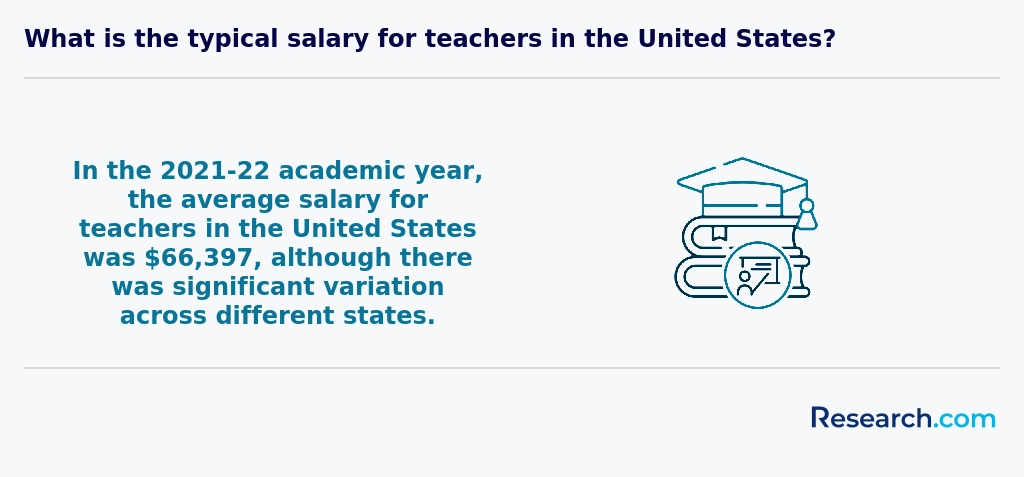
Graduates with an online educational leadership degree in Columbia often find themselves stepping into dynamic roles beyond traditional expectations. Many take on leadership responsibilities in K-12 schools, becoming principals or district administrators who shape the future of education locally. Others, inspired by experiences at institutions like the University of Missouri, move toward roles in higher education administration, managing student services or admissions. This broad spectrum challenges the notion that educational leadership careers in Columbia MO are limited to school-site positions. Instead, alumni describe rewarding involvement in nonprofit sectors focused on reform and community impact, revealing a path few initially envision.
Moreover, careers as instructional coordinators or education policy analysts provide opportunities to influence curriculum and policy, shaping education at systemic levels. One graduate recounted how earning an online educational leadership masters in Columbia created flexibility that enriched their ability to balance work and study, vital for advancing in such multifaceted careers. These examples highlight how the degree opens doors to unexpected, fulfilling educational leadership job opportunities in Columbia Missouri.
The job market for online educational leadership degree graduates in Columbia is shaped by a blend of strong institutional support and meaningful community engagement. Graduates from the University of Missouri and other local colleges often find themselves stepping into roles where they not only manage schools but also lead transformative initiatives that boost student success and foster inclusive environments. These roles reflect Columbia's unique educational landscape, where leadership is valued not just for administrative skills but for the ability to inspire change within public schools and nonprofit education sectors.
Many graduates report that aligning their education with Missouri's certification requirements was essential to unlocking these opportunities. The demand for educational leadership careers in Columbia MO stems from the city's commitment to nurturing innovative leaders who can navigate evolving educational challenges. Such careers offer robust salary prospects and growth, grounded in real experiences of leading diverse programs seen at many community schools here.
For working professionals, balancing cost with quality is often a concern. Programs like the best 1 year online master's in education programs available help address this, enabling quicker advancement in education leadership. The job outlook for educational leadership graduates Columbia Missouri remains optimistic, driven by these evolving demands and promising career paths.
2027 Most Valuable Online Educational Leadership Degree Programs Ranking in Columbia, MO
Investing in your education is a significant decision that can profoundly impact your career and personal growth, and the Research.com team recognizes the importance of guiding you through this process with trustworthy information. To support those seeking leadership education in Columbia, MO, we carefully developed the "2027 Most Valuable Online Educational Leadership Degree Programs Ranking in Columbia, MO." Our dedication to quality, credibility, and accuracy is demonstrated through rigorous research and data analysis.
We utilized the following reputable data sources to ensure a comprehensive evaluation of educational leadership programs:
By exploring this ranking, readers will receive valuable insights into the highest-value online educational leadership programs in Columbia, MO, helping them make well-informed decisions about their educational journey. For a detailed explanation of our process, please visit our Research.com methodology page.

Frequently Asked Questions About educational leadership
Online educational leadership degree students in Columbia, MO, can maximize their learning by actively engaging with their courses and peers. Research shows that interaction with instructors and classmates improves understanding and retention of complex leadership concepts (Source: Missouri Department of Higher Education, 2023). Utilizing available academic resources, such as virtual libraries and writing centers, also enhances study effectiveness.
Time management is critical, especially for working professionals. Students should create a structured schedule to balance coursework and personal commitments.
Finally, joining local professional education organizations can provide networking opportunities and practical insights relevant to Columbia's school districts.
Emerging niches within educational leadership reflect the growing complexities of managing modern schools and districts. One key area gaining attention is data-driven decision making, where leaders use analytics to improve student outcomes. This focus aligns with national trends highlighted by the American Association of School Administrators.
Additionally, there is a rising demand for expertise in equity and inclusion leadership. Schools are increasingly prioritizing culturally responsive practices to support diverse student populations. The National School Boards Association emphasizes the importance of leaders skilled in these areas.
Technology integration leadership is also expanding, especially as online and hybrid learning grow. Leaders who can manage digital tools effectively are valued in Columbia and beyond. According to the U.S. Department of Education, over 60% of districts now emphasize tech skills in leadership roles.
After completing an online educational leadership degree in Columbia, MO, preparing for the job market involves several strategic steps. First, gaining certification or licensure specific to Missouri is essential, as educational leadership roles often require state credentials. The Missouri Department of Elementary and Secondary Education (DESE) outlines these requirements.
Networking with local school districts and educational organizations in Columbia can open doors for leadership positions. According to the Missouri Economic Research and Information Center, education administration jobs are projected to grow modestly, so establishing connections early is beneficial.
Additionally, practical experience through internships or volunteer leadership roles strengthens a resume and develops key skills valued by employers.
Employers in Columbia, MO, prioritizing graduates of online educational leadership degrees focus on several key skills. Leadership and team management are paramount, with 78% of local school districts emphasizing these competencies (Missouri Department of Elementary & Secondary Education, 2023). Effective communication is also crucial, enabling leaders to facilitate collaboration among staff, students, and parents.
Data-driven decision-making skills are increasingly valued, helping leaders improve student outcomes based on measurable results. Additionally, cultural competence and the ability to manage diversity stand out due to Columbia's varied student population.
These core skills align with nationwide trends in educational leadership, preparing graduates for administrative roles in schools and districts.
Finding internships in Columbia, Missouri, for students pursuing an online educational leadership degree requires targeted strategies. Begin by exploring partnerships between your university and local school districts such as Columbia Public Schools, which often offer internship opportunities focused on educational administration.
In addition, the Missouri Department of Elementary and Secondary Education (DESE) provides resources and listings for internships relevant to educational leadership professionals. Networking through local educational conferences and professional organizations like the Missouri Association of School Administrators can also connect students with internship openings.
Statistics from the National Center for Education Statistics highlight that schools in Missouri increasingly seek leadership interns with practical experience. Thus, actively contacting nearby schools and educational nonprofits is recommended.
In Columbia, Missouri, earning an online educational leadership degree can significantly boost career mobility and advancement for educators. According to the Missouri Department of Elementary and Secondary Education, schools in Columbia increasingly seek leaders with advanced credentials to fill administrative roles. Online programs offer flexibility, allowing working professionals to gain critical skills in management, policy, and instructional leadership without interrupting their careers.
Graduates often qualify for principal, assistant principal, or district-level positions, which typically offer salaries averaging 15% to 25% higher than teaching roles, as reported by the National Center for Education Statistics. Additionally, the University of Missouri's online leadership programs align with state licensure requirements, facilitating smoother career transitions.
Studying for an online educational leadership degree in Columbia, MO, equips students with skills to manage diverse educational settings. Programs often emphasize collaboration across disciplines such as psychology, administration, and curriculum design. This interdisciplinary approach prepares graduates to handle complex challenges in schools, districts, and community organizations.
Columbia's programs align with Missouri Department of Elementary and Secondary Education standards, ensuring relevant, state-specific leadership training. Additionally, many courses incorporate case studies from local districts, helping students apply theory to real-world issues.
Research from the University of Missouri highlights that 65% of educational leaders in Columbia engage regularly with cross-sector teams, demonstrating the importance of interdisciplinary skills developed during these degrees.
Choosing between a thesis and a non-thesis educational leadership degree program in Columbia depends on your career goals and learning preferences. Thesis programs focus on research, requiring students to conduct original studies, which can be beneficial if you aim for roles in academia or district-level policy development. Non-thesis options typically emphasize practical leadership skills through coursework and projects, suiting professionals seeking immediate application in school administration.
According to data from the Missouri Department of Higher Education, Columbia offers multiple online programs accredited for educational leadership, many providing flexible thesis options. Consider if you prefer deep research experience or practical leadership training when deciding between these paths.
Students based in Columbia, Missouri, seeking online educational leadership degrees from U.S. institutions have a variety of reputable options. Many universities offer fully online programs tailored for working professionals aiming to advance into leadership roles within education. For example, the University of Missouri, located in Columbia, provides an online Educational Leadership and Policy Analysis program, which is regionally accredited and recognized nationally.
These programs often include coursework on administration, policy, and organizational leadership. According to the Missouri Department of Elementary and Secondary Education, leadership roles in education are projected to grow by 6% through 2030, ensuring demand for qualified graduates.
When choosing a program, it is important to ensure it meets Missouri licensure requirements for school administrators, which most established U.S. online degrees do. Accreditation by bodies such as the Council for the Accreditation of Educator Preparation (CAEP) ensures program quality.
Students pursuing online educational leadership degrees in Columbia, MO, can benefit from various part-time job opportunities that enhance their practical skills. Working as teacher aides or substitute teachers in local school districts such as Columbia Public Schools provides valuable classroom experience, helping students understand school operations firsthand. Additionally, part-time roles in school administration offices offer exposure to leadership tasks like scheduling and communication. According to the Missouri Department of Elementary and Secondary Education, engaging in these roles aligns well with coursework and boosts employability. Library assistant positions at the University of Missouri also complement leadership studies by fostering organizational skills.
Online educational leadership students in Columbia, MO, have access to several valuable networking opportunities. Universities such as the University of Missouri offer virtual events and webinars specifically designed for online students, helping them connect with faculty, alumni, and peers. Local professional organizations, including the Missouri Association of School Administrators, provide memberships that grant access to conferences and workshops, fostering contacts within the educational leadership community.
Additionally, many programs encourage participation in regional internships or practicum experiences, offering in-person networking despite the online format. Research from the University of Missouri's Education Department highlights that over 60% of online educational leadership graduates benefit professionally from these connections within two years of graduation.
Alumni networks play a crucial role in supporting online educational leadership degree students in Columbia, Missouri. These networks provide access to a community of experienced professionals who can offer mentorship, career advice, and job leads. According to the University of Missouri's education department, graduates involved in alumni groups are 25% more likely to secure leadership positions within two years of graduation.
Through events, online forums, and social media groups, students deepen their professional connections, which can be especially valuable when navigating the education sector in Columbia and beyond. Alumni often share insights into local opportunities and trends in K-12 administration.
Access to an active alumni network also enhances continuing education and professional growth, critical for staying updated with Missouri's evolving educational policies.
Customizing an online educational leadership degree program in Columbia, MO, allows students to align their studies with specific career objectives. Many Missouri universities offer flexible curricula with elective courses focused on areas such as curriculum development, administration, or special education leadership. For example, the University of Missouri provides online tracks that target K-12 management or higher education administration. Students can often choose capstone projects or internships related to their desired career path, enhancing real-world experience.
Columbia's education sector demands leaders equipped with skills in policy, finance, and community engagement, which programs address through customizable modules. According to the Missouri Department of Elementary and Secondary Education, school leaders with specialized credentials may see better job placement and salary growth in the area.
Online educational leadership students in Columbia, MO, often face challenges balancing coursework with professional and personal responsibilities. Many students are working educators or administrators, making time management critical. According to the Missouri Department of Elementary and Secondary Education, nearly 60% of local educators enroll in graduate programs part-time, which can extend completion times.
Another common issue is limited opportunities for hands-on leadership experiences in virtual formats. Students frequently express the need for practicums or internships to develop real-world skills. Additionally, reliable internet access can be a barrier; although Columbia generally has strong connectivity, some rural students experience difficulties.
Networking and peer interaction are also limited online, which affects collaboration and mentorship opportunities essential for leadership growth.
With an online educational leadership degree, professionals in Columbia, MO, can pursue a variety of recognized certifications to advance their careers. The most common certification is the Missouri Principal Certification, which authorizes graduates to become school principals or building administrators across the state.
Another important option is the Missouri Superintendent Certificate, required for those seeking district-level leadership roles. Both certifications typically require successful completion of state exams and relevant work experience.
Nationally, earning credentials from the National Association of Secondary School Principals (NASSP) or the National School Boards Association (NSBA) can enhance leadership credentials.
Certification requirements often align with Missouri Department of Elementary and Secondary Education (DESE) guidelines, ensuring graduates meet local standards.
To write a winning application for an online educational leadership program in Columbia, start by thoroughly researching each school's requirements. Most programs seek candidates with a clear statement of purpose that highlights leadership experience and a commitment to educational improvement. According to the Missouri Department of Elementary and Secondary Education, practical experience in school settings strengthens applications.
Be sure to include strong recommendation letters from supervisors familiar with your leadership skills. Academic records matter, but many Columbia programs also value professional achievements. Tailor your application to emphasize your goals aligned with the program's focus on developing effective school leaders.
Proofread carefully to avoid errors and present a polished, professional image. In 2023, successful applicants often showed how their leadership can impact Columbia's diverse student population, reflecting a clear understanding of community needs.
Educational leadership careers are increasingly valued worldwide for their impact on improving school systems and student outcomes. In the United States, and specifically in Columbia, Missouri, educational leaders play a critical role in shaping policies and managing resources effectively. According to the U.S. Bureau of Labor Statistics, employment of educational administrators is projected to grow 8% from 2022 to 2032, reflecting steady demand.
Globally, the role emphasizes adapting leadership practices to diverse cultural and socioeconomic contexts. Leaders with advanced degrees from U.S. institutions often bring innovative strategies recognized internationally. Columbia is home to several accredited online programs preparing professionals for these challenges, blending theory with practical skills to meet global standards.
Expertise in areas like data-driven decision-making and inclusive education is increasingly sought after, as reported by the American Educational Research Association. This global perspective helps graduates lead effectively in various educational environments.
Gaining practical experience while studying for an online educational leadership degree in Columbia, MO, is essential for career growth. Many programs incorporate internships or residency components with local schools, allowing students to apply leadership theories in real settings. According to the Missouri Department of Elementary and Secondary Education, Columbia's public schools often collaborate with universities to support student leadership projects. Additionally, students can benefit from volunteering in school districts or educational organizations in Columbia, which helps develop skills such as team management and conflict resolution.
Virtual simulation tools and case studies frequently complement hands-on learning in online courses. Networking through local education conferences and workshops also provides valuable insights and connections.
Choosing the right concentration within an online educational leadership degree program in Columbia involves understanding your career goals and the local education landscape. Concentrations often include areas such as curriculum development, administration, or special education leadership. Considering Missouri's emphasis on leadership roles in K-12 schools, selecting a concentration aligned with school administration or district management may increase job prospects.
Research from the Missouri Department of Elementary and Secondary Education shows a steady demand for qualified school leaders in Columbia, emphasizing skills in compliance and community engagement. Additionally, some programs offer concentrations tailored to urban or rural education challenges, relevant in the diverse Columbia area.
Students should also review program accreditation and faculty expertise to ensure quality education aligned with state licensure requirements.
- Educational Leadership Degree Program: A Comprehensive Guide https://www.educationalleadershipdegree.com/blog/comprehensive-guide-to-pursuing-an-education-leadership-degree/
- Education Internship & Student Teaching Opportunities at ACE https://ace.edu/student-success/education-internship-and-student-teaching/
- Educational Leadership Network Europe - Home https://elnenetwork.org/
- EdD Salary - How much can you make with a Doctor of Education (EdD) degree? (2025 Update) https://www.onlineeddprograms.com/faqs/edd-salary
- Global Perspectives on Leadership in Early Childhood Education https://hup.fi/books/e/10.33134/HUP-20
- Master's in Educational Administration and Leadership (K-12) | Columbia College https://www.columbiasc.edu/academics/graduate/masters-educational-administration-and-leadership-k-12
- Master of Educational Leadership and Management https://applyzones.com/master-of-educational-leadership-and-management-cou66738
- Educational Leadership Network - ICSEI https://icsei.org/network/educational-leadership-network/
- Choosing a Thesis vs. Non-Thesis Program: What Every Graduate Student Needs to Know https://presenti.ai/blog/choosing-a-thesis-vs-non-thesis-program/
- Know more about thesis vs non- thesis: what is the difference? https://studyfans.com/en/blogs/816