2027 Best Online Doctorate in Educational Leadership Degree Programs Ranking in the USA

Co-Founder and Chief Data Scientist
Choosing the right online doctorate in educational leadership can shape your future career and impact the world of education. This article presents the 2027 Best Online Doctorate in Educational Leadership Degree Programs Ranking in the USA, created by the Research.com team of data scientists. It's designed to help you make an informed decision about which programs truly stand out.
By exploring this ranking, you'll discover valuable insights about top programs that can boost your expertise and open new opportunities. Earning a doctorate in educational leadership is a powerful step toward making a meaningful difference in education and advancing your professional goals.
Key benefits of getting online educational leadership degree in America
- Graduates with an educational leadership degree often pursue roles like school principals or curriculum directors, with average annual salaries around $98,000, offering strong financial rewards for their expertise.
- An educational leadership graduate from a well-known university might explore diverse career paths, including district administration or educational consulting, providing exciting opportunities to impact education at multiple levels.
- Online degree graduates from popular universities benefit from flexible schedules and reduced costs, making it easier to balance work and studies while gaining the same respected credentials as traditional students.
- 2027 Best Online Doctorate in Educational Leadership Degree Programs Ranking in the USA
- What can I expect from online educational leadership degree in America?
- Where can I work with online educational leadership degree in America?
What can I expect from online educational leadership degree in America?
The average cost of an online educational leadership degree in America varies significantly depending on the institution and residency status. Many graduates from well-known universities such as the University of Southern California and the University of Florida report tuition fees ranging from $15,000 to $40,000 for a full master's program. These costs often reflect in-state versus out-of-state tuition differences and the availability of online learner discounts. Some graduates have expressed satisfaction with financial aid packages, scholarships, and employer tuition reimbursement options that substantially lower their net expenses, alleviating financial stress during their studies.
Students pursuing degrees at popular colleges value the flexibility of asynchronous learning combined with live sessions, allowing them to balance work, family, and education. The investment in these programs is often described as worthwhile, given the strong return through enhanced leadership skills and expanded career opportunities in educational administration. Real-life experiences emphasize that transparent cost structures and financial support play a critical role in enabling professionals to commit confidently to advancing their education online in America.
Where can I work with online educational leadership degree in America?
Graduates with an online educational leadership degree from well-regarded American institutions often step into vital roles within K-12 school systems, including positions as principals or assistant principals. These roles involve directly managing school operations and inspiring staff to enhance student success, reflecting the real-life experiences of alumni from prominent universities known for their educational leadership programs. Many find rewarding careers in district administration, overseeing multiple schools and shaping curriculum standards, a pathway frequently highlighted by graduates who appreciate the tangible impact they make on education quality and policy.
Others transition into higher education leadership, working as department chairs or student affairs administrators, where the leadership skills honed during their online studies prove crucial in addressing challenges such as student retention. Graduates also report exciting opportunities in educational consulting and technology firms, applying their expertise to innovate and support schools nationwide. Through these diverse career options, students from respected programs in America find meaningful, influential roles that align with their passion for advancing education.
Graduates from online educational leadership programs in America often find rewarding salary prospects aligned with administrative roles within schools and higher education. For example, principals with degrees from well-known institutions report median salaries around $99,060, reflecting their key leadership positions in elementary and secondary schools. Superintendents, often overseeing multiple districts, may earn upwards of $120,000, with those in major metropolitan areas reaching $150,000 or more, showcasing the significant financial rewards tied to advanced roles.
College administrators and deans, many of whom hold online educational leadership degrees from established universities, typically see median earnings between $90,000 and $130,000 depending on the size and location of their institution. Entry-level graduates commonly start in the $50,000 to $70,000 range, improving their income substantially as they gain experience and pursue further certifications or doctorates.
Many graduates express satisfaction knowing their online studies enabled them to work while advancing their careers, contributing to timely salary growth. The competitive compensation reflects the critical responsibility educational leaders hold in shaping academic environments across America.
- Online educational leadership degrees prepare students for roles like school principals, district administrators, and curriculum coordinators.
- Tuition for master's programs ranges from $15,000 to $40,000, while doctoral programs cost between $20,000 and $70,000 or more.
- Entry-level salaries typically start around $65,000 per year and can rise to $90,000-$110,000 with experience.
- The job market for education administrators is expected to grow by about 6% through 2030.
- Most programs require 2 to 3 years of prior teaching experience and align with state certification for school administrators.
Completing an online educational leadership degree in America typically ranges from two to six years, depending on the degree level and the student's pace. Master's programs, popular at institutions like the University of Southern California and Johns Hopkins University, generally take two to three years of full-time study. Graduates often appreciate the flexibility of part-time enrollment, which may extend completion to four years or more, allowing them to balance work and study effectively.
Doctoral degrees, such as the Ed.D. or Ph.D., require a longer commitment. Well-regarded schools like Vanderbilt University and the University of Pennsylvania offer online doctoral programs usually completed within three to six years. Graduates emphasize that managing dissertation research and practicums remotely demands dedication but also rewarding intellectual growth.
Many students find accelerated options valuable, finishing master's degrees in 18 to 24 months at places like Northeastern University. Such programs require intense focus but provide a fast track to career advancement while maintaining the convenience of online study.
Online and on-campus educational leadership degrees in America differ primarily in their mode of delivery and flexibility. Graduates from universities like the University of Southern California highlight how online programs enable them to balance full-time jobs and family life by offering asynchronous coursework, allowing study during evenings or weekends. In contrast, traditional on-campus students at institutions such as Boston College attend scheduled classes with real-time interaction, providing immediate collaboration and face-to-face mentorship that many find valuable.
Cost is another notable difference. Online degrees often reduce expenses related to commuting and campus fees, making programs at schools like Arizona State University appealing for budget-conscious professionals. However, both formats typically maintain similar tuition levels at prestigious universities. Interaction styles also vary; on-campus cohorts benefit from spontaneous networking, while online learners rely on virtual discussions and video conferencing, fostering self-discipline and independent problem-solving.
Accreditation remains consistent across both formats, ensuring eligibility for leadership certification within states through recognized bodies like CAEP.
The average cost of an online educational leadership degree in America is shaped significantly by the type of institution attended and residency status. Median total tuition and fees amount to approximately $42,828, with out-of-state students often paying closer to $47,699, while in-state students benefit from reduced rates near $29,754. Graduates from well-known universities frequently note that while these costs represent a considerable investment, the flexibility and career advancement opportunities justify the expense.
Many students pursuing the average cost of online educational leadership doctorate USA encounter tuition fees reflective of their program's length and prestige. Doctoral candidates at top-tier universities may experience tuition closer to the higher end of this range, but report strong satisfaction due to robust networking and leadership preparation in their programs. For master's degree seekers, especially those enrolled in public colleges, the financial burden tends to be lighter, making their commitment more manageable.
Additional fees like technology, course materials, and optional residencies may apply but generally remain minimal in fully online setups. Graduates often emphasize the importance of exploring financial aid and scholarships to alleviate expenses. Employer tuition reimbursement is a common aid avenue, reinforcing the value of investing in educational leadership careers.
Prospective students can benefit from a clear understanding of total tuition and fees for online educational leadership degree 2027 projections and can learn more about career paths by visiting masters educational leadership careers.
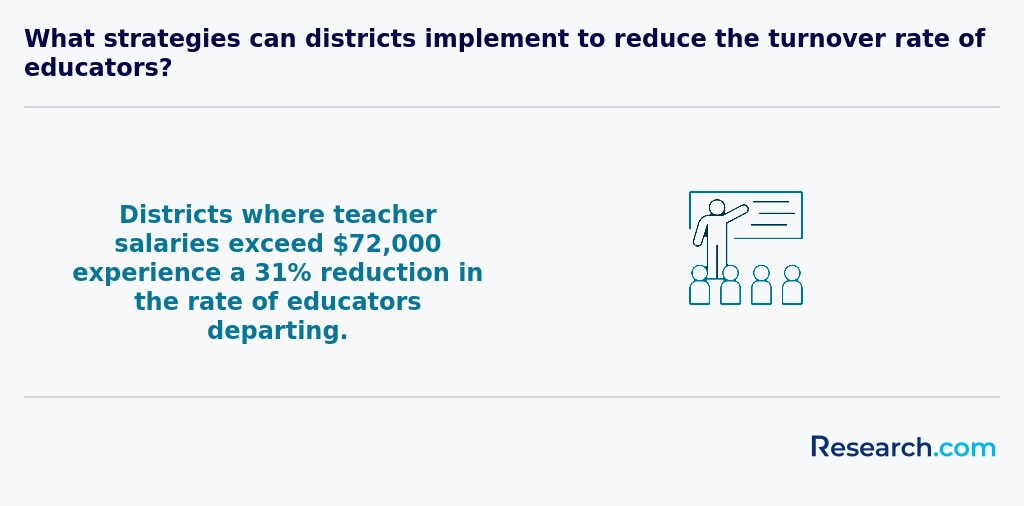
Students pursuing online educational leadership degrees at well-known institutions such as the University of Southern California or Vanderbilt University frequently benefit from robust financial aid options. Federal assistance programs, including Direct Unsubsidized Loans and Grad PLUS Loans, provide critical support through low-interest rates and deferred repayments, allowing graduates to focus on their studies without immediate financial pressure.
Many find institutional aid particularly valuable; merit-based scholarships and tuition waivers offered by these universities can significantly lessen the financial burden. For example, graduates often recount how assistantships enabled them to gain hands-on leadership experience while offsetting costs.
Scholarships from organizations like the American Association of School Administrators further empower students, especially those committed to public education. Additionally, educators enrolled in these programs frequently receive employer tuition reimbursements, making advanced study affordable and attainable.
State grants aimed at residents pursuing educational leadership degrees add another layer of support for students at schools such as the University of Texas at Austin. These combined resources create an encouraging financial landscape, ensuring that many graduates feel confident and optimistic about their educational investment.
Enrolling in online educational leadership degree programs in America typically requires candidates to hold at least a master's degree, often in education or a closely related field. Graduates from well-known institutions, such as those offering programs through state universities, recall that this academic foundation proved essential for understanding advanced leadership theories and practices.
Professional experience is another critical prerequisite. Many programs expect applicants to possess relevant teaching licenses or certifications, coupled with three to five years of full-time experience. For example, aspiring leaders who previously worked as school administrators or teachers found that their hands-on experience enriched classroom discussions and group projects, allowing them to connect theory with real-world challenges.
Though less common now, some universities still require standardized tests like the GRE to assess critical thinking skills. Additionally, applicants prepare compelling letters of recommendation, personal statements, and updated resumes-elements that graduates describe as opportunities to highlight their passion and leadership potential within educational settings.
These prerequisites ensure that students entering renowned online programs are well-equipped for the demanding yet rewarding journey of educational leadership in America.

Online educational leadership degrees in America typically include courses that build a solid foundation in both theory and practical skills essential for effective leadership in schools and higher education. Core subjects span Educational Leadership Theory and Practice, where graduates from well-known institutions like Penn State University reflect on how leadership models shaped their approach to running school programs.
Courses in School Law and Ethics equip students to confidently handle real-world legal challenges, often discussed through vivid case studies shared by learners from the University of Southern California. Curriculum Development and Instructional Leadership train students to design impactful learning initiatives, a skill frequently praised by graduates from the University of Florida for its immediate applicability.
Additionally, Organizational Management and Change teaches resource management and staff leadership, vital for navigating complex school environments. Data-Driven Decision Making is another essential course, empowering students, including those from Arizona State University, to harness data for enhancing student outcomes. Other integral areas include Educational Policy and Reform, Funding and Budgeting, and Research Methods, each grounded in authentic scenarios experienced by online learners across top American colleges.
Online educational leadership specializations USA commonly feature options such as School Administration and Supervision, Higher Education Leadership, Curriculum and Instruction Leadership, Special Education Leadership, Educational Policy and Reform, and Instructional Technology Leadership. Graduates from well-known American universities often describe how focusing on School Administration prepared them for roles like principals and vice principals, granting them confidence to lead real school communities. Others pursuing Higher Education Leadership report navigating complex governance in colleges and universities with greater ease.
Programs emphasize practical skills such as strategic planning and legal issues in education, allowing students to apply theory immediately in internships or practicums. One student from a popular college highlighted how the curriculum's direct connection to real-world administrative challenges enriched their learning experience, reflecting the flexible nature of specialized online doctorate degrees educational leadership America offers. For those seeking accelerated pathways, exploring fastest online masters teacher leadership programs can be beneficial when career advancement is urgent.
Choosing the right online educational leadership degree in America requires evaluating program accreditation first. Graduates from top accredited online educational leadership programs America often share how accreditation by bodies like CAEP or regional commissions ensured their degrees were trusted by employers and licensure boards. Cost also plays a crucial role; many students attending popular universities find tuition varies significantly, so understanding per-credit fees and the availability of scholarships or employer benefits prevents financial strain.
Curriculum flexibility is another key factor. Working professionals pursuing the best online educational leadership degrees USA appreciate programs that offer asynchronous courses and relevant subjects such as educational law and organizational management. Graduates commonly report that faculty mentorship and strong support services enhanced their confidence and practical skills, preparing them well for leadership roles.
Finally, pay attention to licensure and graduation rates, especially for those aiming for school principal positions. Some colleges align their programs to meet state-specific certification requirements, streamlining the path to licensure. Prospective students interested in doctoral-level advancement may explore options through education administration doctoral programs for further career growth.
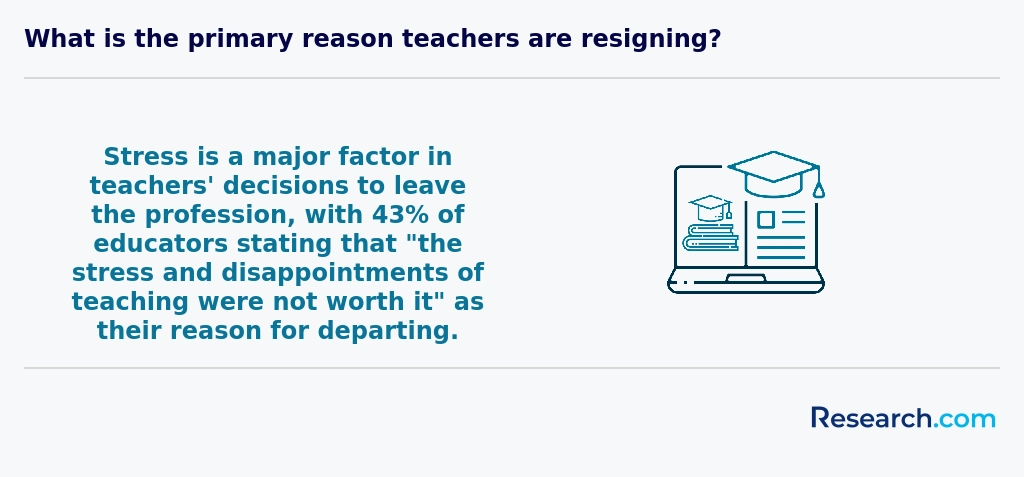
Graduates holding an online educational leadership degree in America have diverse career opportunities that align with their leadership ambitions. Many alumni from renowned institutions, such as those offering widely respected online educational leadership programs, find fulfilling roles as school principals or assistant principals. These positions involve managing daily school operations and guiding faculty, which resonates with students who desire direct, positive impacts in educational settings. The career opportunities for online educational leadership degrees USA also extend to district-level leadership roles; for example, some graduates pursue superintendent positions, where they oversee multiple schools, manage budgets, and liaise with local governments, applying advanced leadership strategies gained through their studies.
Others with strong leadership credentials advance to become academic deans or directors at popular colleges and universities across the country, focusing on curriculum development and faculty coordination. Additionally, some graduates embrace roles as educational consultants or policy analysts, contributing to educational reform initiatives using data-driven decision-making-a field rapidly expanding in America. Students exploring these paths often consult resources like the online educational leadership masters to assess the best programs for their goals.
Those interested in job prospects with online educational leadership doctorate America find that the degree's flexibility allows balancing work and study, preparing them to lead effectively in varied educational organizations. Graduates report high satisfaction in their capacity to influence policy and practice, reinforcing the degree's value in shaping future education leaders.
The job market for online educational leadership degree graduates in America remains robust, driven by a consistent demand for skilled educational administrators such as principals, superintendents, and curriculum directors. Graduates from well-regarded institutions often share how these programs equip them with practical skills to navigate real-world challenges, including managing diverse student populations and improving school outcomes. These professionals frequently find opportunities in district offices or higher education institutions, reflecting a positive job outlook for online educational leadership degrees USA.
Many programs, including those offered by popular universities known for their educational leadership curricula, emphasize applied leadership and policy analysis. These focus areas prepare graduates to respond effectively to evolving educational policies and technology integration. Students pursuing degrees online benefit from flexible schedules that accommodate working professionals, making career advancement attainable without sacrificing current employment obligations.
Federal and state funding increases combined with retirements among experienced administrators create new openings nationwide, creating optimism among newly credentialed leaders. For those exploring accelerated options, best 1 year online master's in education programs offer a streamlined path to enter this evolving field with competitive credentials and relevant experience.
2027 Best Online Doctorate in Educational Leadership Degree Programs Ranking in the USA
Investing in your education is a significant decision that can greatly impact your professional and personal future. The Research.com team recognizes this responsibility and has dedicated considerable effort to ensure the "2027 Best Online Doctorate in Educational Leadership Degree Programs Ranking in the USA" is both reliable and accurate. Our goal is to provide prospective students with trustworthy guidance that supports informed decision-making.
We utilized the following reputable data sources to create this ranking:
By reviewing this ranking, readers will gain comprehensive insights into top online educational leadership doctoral programs across the USA, empowering them to select programs aligned with their goals. For further information on how this ranking was developed, please visit our Research.com methodology page.


# 11 position
University of South Dakota
Doctor of Educational Administration and Leadership, PreK-12 Educational Leadership Specialization


# 13 position
University of Nebraska-Lincoln
Doctor of Educational Administration - P-12 System Level School Leadership


# 16 position
Bethel University, Minnesota
Doctor of Leadership (K-12 Education) (Higher Education)



Frequently Asked Questions About educational leadership
Students pursuing online educational leadership degrees in America can enhance their learning by actively engaging with instructors and peers through discussion forums and virtual meetings. Research from the National Center for Education Statistics (NCES) highlights that regular interaction improves comprehension and retention. Time management is crucial; setting a structured schedule helps balance studies with work and personal responsibilities.
Utilizing available academic resources such as digital libraries and leadership case studies enriches understanding of real-world applications. According to the American Educational Research Association, practical experience combined with theoretical study deepens leadership skills. Additionally, participating in professional organizations can expand networking opportunities, vital for future career advancement.
The field of educational leadership is evolving, with several emerging niches gaining attention in the US. One growing area is digital and technology leadership, focusing on integrating innovative technologies to improve student outcomes. According to the National Center for Education Statistics, nearly 95% of public schools use digital learning tools, increasing the need for leaders skilled in tech management.
Another niche is equity and inclusion leadership, emphasizing policies that address achievement gaps among diverse student populations. Research from the American Educational Research Association highlights a 20% rise in demand for leaders trained in culturally responsive practices between 2015 and 2023.
Additionally, leaders focused on mental health and well-being are essential, as schools increasingly recognize the importance of social-emotional learning. The Collaborative for Academic, Social, and Emotional Learning (CASEL) reports that 75% of US states require SEL integration, driving leadership roles in this area.
After completing an online educational leadership degree in America, preparing effectively for the job market is essential. First, graduates should obtain relevant certifications, such as state-specific administrative or principal licensure, which is often required for leadership roles in K-12 schools.
Networking also plays a critical role. Joining professional organizations, like the American Association of School Administrators, provides access to job listings and mentorship opportunities. According to the U.S. Bureau of Labor Statistics, employment for educational administrators is projected to grow 6% from 2021 to 2031, signaling steady demand.
Additionally, gaining practical experience through internships or volunteer leadership roles can enhance resumes. Developing skills in data analysis and policy implementation also makes candidates more competitive in a complex educational environment.
Employers in America consistently value several key skills in graduates of educational leadership degree programs. Effective communication is critical, enabling leaders to work collaboratively with teachers, parents, and community stakeholders. According to the National Association of Elementary School Principals, strong interpersonal skills improve team cohesion and student outcomes.
Data-driven decision-making is also highly sought after. Educational leaders must analyze student performance data to implement strategic improvements. The U.S. Department of Education highlights this skill as essential for meeting federal accountability standards.
Additionally, ethical leadership and adaptability to changing educational policies remain priorities. As school environments evolve, leaders who demonstrate integrity and flexibility have a distinct advantage in the competitive job market.
Finding internships relevant to an educational leadership degree in America often begins with exploring university career centers, which typically offer tailored support for education students. Many accreditation bodies, such as the Council for the Accreditation of Educator Preparation (CAEP), encourage programs to assist students with field experiences, including internships. Additionally, students should consider reaching out to local school districts or educational nonprofits, as these organizations frequently provide internship opportunities aligned with leadership roles.
Online platforms like Handshake and LinkedIn can also be valuable tools for locating internships. According to the National Center for Education Statistics (NCES), partnerships between universities and K-12 institutions remain a primary source of internships in educational leadership.
Engaging faculty advisors and professional associations like the American Educational Research Association (AERA) can further expand internship prospects and provide mentorship throughout the process.
An online educational leadership degree in America significantly enhances career mobility by equipping professionals with advanced skills in administration, policy, and organizational management. According to the U.S. Bureau of Labor Statistics, educational administrators' employment is projected to grow 8% from 2022 to 2032, faster than average jobs, indicating strong demand.
Graduates with this degree can pursue roles such as school principals, district superintendents, or academic deans. These positions often require a master's or doctorate in educational leadership or administration, meaning the degree directly supports advancement.
Moreover, online programs offer flexibility, allowing working professionals to continue gaining experience while earning credentials, which employers value highly in leadership candidates.
Institutions like the National Policy Board for Educational Administration recommend advanced degrees to improve salaries and promote upward movement within educational organizations.
Studying for an educational leadership degree in America equips students to take on interdisciplinary roles by fostering skills across administration, policy, and community engagement. Programs often include coursework in organizational theory, data analysis, and educational technology, which are essential for collaborating with diverse professionals in health, social services, and business sectors.
According to the U.S. Department of Education, effective educational leaders manage complex systems and optimize resources, requiring a broad understanding beyond traditional teaching methods. Online programs provide flexible access to these interdisciplinary frameworks, preparing graduates for roles such as district administrators or policy advisors where cross-sector coordination is vital.
National Center for Education Statistics reports a growing demand for leaders who can integrate multiple disciplines, emphasizing the importance of these comprehensive leadership programs in the evolving American educational landscape.
When choosing between a thesis and a non-thesis online educational leadership degree program in America, consider your career goals and learning preferences. Thesis programs typically require original research and a formal dissertation, preparing students for roles in academia or research-focused leadership. The non-thesis option usually emphasizes practical application through comprehensive exams or projects, appealing to professionals seeking administrative roles.
The Council of Academic Programs in Educational Leadership reports many US programs offer both paths, with thesis tracks often taking longer to complete. Cost and time commitment may also influence your choice. Checking accreditation and program flexibility is essential for online learners.
American students seeking to study educational leadership abroad through online programs face limited direct options because most international universities tailor their offerings to local students or on-campus attendance. However, some foreign institutions partner with U.S. universities to provide joint or dual-degree programs accessible remotely. These collaborations often adhere to U.S. accreditation standards, ensuring relevance and recognition back home.
Data from the National Center for Education Statistics (NCES) shows that approximately 30% of American graduate students pursue online degrees, reflecting flexibility demands. For educational leadership, many prefer U.S.-based accredited programs. Yet, select globally ranked schools in Canada, the United Kingdom, and Australia have started expanding their online educational leadership degrees to international students, including Americans.
For now, American students interested in combining global perspectives with an online educational leadership degree should explore programs offered by U.S. universities with international partnerships or global faculty. This approach grants access to broader educational leadership theories while maintaining U.S. credential recognition.
Part-time jobs that complement an online educational leadership degree in America often involve roles within schools or educational organizations. Positions such as teaching assistants, academic tutors, or administrative aides provide practical experience relevant to educational leadership. According to the U.S. Bureau of Labor Statistics, education administrators may benefit from roles that develop organizational and communication skills.
Additionally, jobs like school counselor assistants or program coordinators in after-school settings offer insight into student needs and program management. These roles help build critical skills for leadership positions in education, such as conflict resolution and team collaboration. Gaining hands-on experience alongside studies can enhance a candidate's resume and networking opportunities within the educational system.
Online educational leadership students in America have access to numerous networking opportunities designed to enhance their professional growth. Many programs partner with national organizations like the American Educational Research Association and the Association for Supervision and Curriculum Development, providing students access to conferences, webinars, and forums.
Virtual cohort groups are common, allowing students to collaborate and build peer connections throughout their studies. Schools also often facilitate mentorship programs pairing students with experienced educational leaders. According to the National Center for Education Statistics, nearly 65% of online education students report benefiting from such virtual networking channels.
Networking through LinkedIn groups and professional social media is also encouraged by many institutions, expanding opportunities beyond the classroom.
Alumni networks play a significant role in supporting students enrolled in online educational leadership degree programs in America. These networks provide valuable opportunities for mentorship, career advice, and professional connections, which are essential in a field that increasingly values leadership skills and collaboration. According to the National Center for Education Statistics, educators with strong professional networks report higher job satisfaction and advancement rates.
Alumni connections can facilitate access to exclusive job postings and internships not widely advertised. They also offer ongoing professional development through webinars and local or virtual meetups. For online students, who may lack daily campus interaction, these networks help foster a sense of community and enhance practical learning.
Customizing your online educational leadership degree in America allows you to align your studies with your specific career ambitions. Many universities offer flexible curricula where you can choose electives emphasizing topics such as policy development, administration, or curriculum design.
Additionally, you may select concentrations like K-12 leadership, higher education, or special education administration based on your professional goals. Some programs include capstone projects or internships that provide practical experience tailored to your interests.
According to the American Association of Colleges for Teacher Education, programs that offer specialization options tend to better prepare graduates for leadership roles in diverse educational settings.
Advisors often collaborate with students to design a plan that balances foundational theory with skills directly applicable to their intended careers.
Online educational leadership students in America often face challenges related to balancing work, study, and personal commitments. According to the National Center for Education Statistics (NCES), many learners in graduate programs juggle full-time employment alongside coursework, which can lead to increased stress and time management difficulties.
Another common issue is limited interaction with faculty and peers, which may affect networking opportunities and reduce the collaborative learning experience. Research from the Journal of Educators Online highlights that 62% of online students feel isolated during their programs.
Technical problems and inconsistent access to reliable internet also hinder smooth progress for some students, particularly those in rural areas.
With an online educational leadership degree, graduates can pursue several key professional certifications that enhance career opportunities in American education. One prominent credential is the Certified Educational Leader (CEL), offered by organizations such as the National Policy Board for Educational Administration (NPBEA).
This certification validates skills in leading schools and managing educational programs effectively. Another widely recognized credential is state-specific Principal or Supervisor Certification, which is often required for leadership roles in public schools.
Additionally, some professionals pursue the National Board Certification in Educational Leadership, which emphasizes advanced leadership practices. These certifications can improve earning potential and are frequently preferred by employers, according to the U.S. Bureau of Labor Statistics.
To write a winning application for an online educational leadership program in America, start by clearly articulating your professional goals and how the degree aligns with them. Highlight relevant experience in education or administration, as programs value leadership potential and practical insight. According to the National Center for Education Statistics, programs frequently seek candidates with strong academic records and demonstrated commitment to improving educational outcomes.
Craft a compelling personal statement that reflects your passion for leadership and education reform. Be specific about how you plan to use the degree in your career.
Letters of recommendation should come from supervisors or colleagues who can attest to your leadership skills and dedication.
Finally, review all application requirements carefully and meet deadlines promptly to show professionalism and preparation.
Educational leadership careers have gained recognition worldwide, though the United States remains a key hub for advanced study and professional development in this field. According to the National Center for Education Statistics, U.S. schools award over 25,000 degrees annually in educational leadership and administration, reflecting strong domestic demand.
Globally, educational leaders face similar challenges like equity and policy implementation, yet American programs emphasize leadership skills tailored to diverse and multicultural school environments. U.S. online doctorate programs offer flexibility that attracts international students seeking leadership roles in various education systems.
This global interest underscores the value of U.S.-based degrees for those aiming to influence education reform and administration internationally, leveraging research and practical expertise developed through American institutions.
Gaining practical experience while pursuing an online educational leadership degree in America is essential. Many programs incorporate internships, residencies, or practicum components that connect students with local schools or educational organizations. These experiences allow students to apply leadership theories in real-world settings, often requiring 100 to 300 hours of supervised work.
Additionally, students can engage in virtual simulations and case studies designed to mimic leadership challenges faced by school administrators. According to the National Center for Education Statistics, approximately 75% of accredited programs require practical experiences to meet state certification standards.
Networking through professional associations like the American Educational Research Association also provides mentorship and collaboration opportunities.
Choosing the right concentration within an online educational leadership degree program in America requires understanding your career goals and the demands of K-12 or higher education sectors. Popular concentrations include K-12 Leadership, Higher Education Administration, and Policy Studies. According to the National Center for Education Statistics, school leadership roles are expected to grow by 8% from 2020 to 2030, highlighting the importance of choosing a relevant focus.
Assess regional leadership requirements and certification needs, as some states mandate specific coursework for administrative licenses. Reviewing program curricula for coursework aligned with your interests will clarify which concentration fits best.
Additionally, consider programs offering practical leadership experience or internship opportunities to build effective skills for American educational institutions.
- What We Do - New Version https://k-12leadership.org/what-we-do/
- M.Ed. in Educational Leadership | ACE https://ace.edu/degree-programs/masters-degrees/masters-education/master-of-education-in-educational-leadership/
- Best Educational Leadership Certificates Online 2026 https://www.onlineu.com/degrees/certificate-educational-leadership
- Global Perspectives on Leadership in Early Childhood Education https://hup.fi/books/e/10.33134/HUP-20
- Top 5 Skills Employers Look for in a College Graduate https://www.blog.intedashboard.com/blogs/active-learning/skills-college-graduate
- College Persistence - https://www.studentleadershipnetwork.org/for-alumni/
- Career Opportunities After Earning an Educational Leadership Graduate Degree https://aituedu.org/career-opportunities-after-earning-an-educational-leadership-graduate-degree/
- 5 steps to writing a strong school leadership application https://chrisenglish.com.au/2024/12/08/5-steps-to-writing-a-strong-school-leadership-application/
- Understanding Key Leadership Challenges in Educational Leadership https://www.jasonwhiskerd.co.uk/post/understanding-key-leadership-challenges-in-educational-leadership
- Personal statement for applying a MAs educational leadership https://essayforum.com/graduate/statement-applying-mas-educational-leadership-85737/