2027 Most Valuable Online Master's in Educational Leadership Degree Programs Ranking in Virginia

Co-Founder and Chief Data Scientist
If you're a Virginia resident considering an online master's in educational leadership, this article is designed for you. It features the 2027 Most Valuable Online Master's in Educational Leadership Degree Programs Ranking in Virginia, carefully developed by Research.com's team of data scientists.
This ranking aims to help you make an informed decision about which programs truly stand out in quality and value. Pursuing an educational leadership degree can open doors to impactful career opportunities and personal growth.
Reading this guide will give you clarity and confidence as you plan your next steps in education.
Key benefits of getting online educational leadership degree in Virginia
- Graduates with an educational leadership degree often find careers in school administration, with median salaries around $98,000 per year nationally, reflecting rewarding financial potential.
- Career paths include becoming principals, academic coordinators, or education consultants, as seen with graduates from popular Virginia universities like the University of Virginia.
- Online degrees offer flexibility and affordability, allowing students like those from George Mason University to balance work and study while gaining the same respected credential as traditional programs.
- 2027 Most Valuable Online Master's in Educational Leadership Degree Programs Ranking in Virginia
- What can I expect from online educational leadership degree in Virginia?
- Where can I work with online educational leadership degree in Virginia?
What can I expect from online educational leadership degree in Virginia?
The average cost of an online educational leadership degree in Virginia typically ranges between $15,000 and $30,000 for the entire program, depending on the institution and credit requirements. Many graduates from popular Virginia universities find this investment worthwhile, as it allows them to balance full-time work while gaining essential leadership skills. One graduate shared how the flexible scheduling and affordable tuition enabled them to advance professionally without financial strain.
As online programs continue evolving, future students might benefit from even more cost-effective models, such as competency-based credits or micro-credentials, which Virginia institutions are beginning to explore. These innovations could reduce costs while maintaining strong accreditation standards, especially at well-regarded regional public universities.
Students pursuing these degrees in Virginia also experience supportive virtual communities, aiding them in forming valuable professional networks that often lead to leadership roles in school districts. This holistic approach helps graduates feel confident in both their learning journey and their ability to apply knowledge in real-world settings.
Where can I work with online educational leadership degree in Virginia?
Graduates from online educational leadership programs at schools like Virginia Commonwealth University and George Mason University often find themselves stepping into roles as principals or assistant principals within Virginia's expansive network of over 7,000 public schools. Imagine managing a vibrant school community in Richmond or Fairfax, where your decisions directly uplift student success and teacher development.
Many alumni also pursue district-level leadership careers, becoming curriculum directors or policy advisors who shape education across counties. The demand for these roles is steady, with opportunities to influence multiple schools and implement innovative programs supported by organizations like the Virginia School Boards Association.
Beyond public schools, graduates report rewarding experiences working at private and charter schools, blending strong leadership with tailored educational environments. Universities such as James Madison University prepare students for administrative positions in higher education, focusing on program development and online learning expansion.
Others embrace roles in education nonprofits and state agencies, where their expertise aids advocacy and reform efforts statewide, creating meaningful change for educators and students alike in Virginia's evolving education landscape.
Graduates with an online educational leadership degree in Virginia often find rewarding salary prospects that reflect their commitment and growth in the field. For example, many graduates from well-known programs at institutions like George Mason University or Old Dominion University report starting salaries between $65,000 and $75,000. These figures align with typical entry-level educational leadership roles such as assistant principals or district coordinators.
With experience, professionals move into senior positions, often earning upwards of $110,000 annually. This growth is especially evident in urban areas like Fairfax or Arlington, where salaries can reach $120,000 or more due to higher living costs and more competitive school districts. Graduates appreciate how advancing their careers through online degrees allows them to balance work, family, and study while increasing their earning potential.
Alongside base salaries, bonuses and benefits offered by public school systems in Virginia enhance total compensation. Graduates frequently share that their educational leadership qualifications open doors to leadership roles with increasing responsibility, fostering both professional fulfillment and financial stability in vibrant communities across Virginia.
- Online educational leadership master's degrees in Virginia cost between $15,000 and $35,000, with public universities offering lower tuition for in-state students.
- Entry-level salaries for educational leadership roles start around $65,000 to $75,000 annually, increasing to $85,000-$110,000 for principals or district leaders.
- Experienced educational leaders in Virginia can earn over $120,000 per year, reflecting a strong demand for qualified professionals.
- The job market for certified educational administrators in Virginia is growing at about 5% over the next decade, especially in suburban and rural areas.
- Licensure requires an Educational Leadership license with an Administration and Supervision endorsement, requiring completion of a state-approved program and passing exams.
- Many online programs in Virginia align their curriculum with state licensure requirements to support career advancement.
Completing an online educational leadership degree in Virginia typically takes between 1.5 to 3 years, as many graduates from universities like Virginia Commonwealth University and James Madison University often share. They balance coursework with busy professional lives, appreciating the flexible pacing that suits part-time and full-time study. Some graduates find accelerated programs valuable, completing their degrees in as little as 12 to 18 months by committing to heavier course loads, though this requires careful time management and dedication.
Many students highlight how program structure, including practical internships and required field experiences, shapes their timelines. For example, those without prior teaching licenses may spend extra time on prerequisite courses, extending their studies beyond the average timeframe, but feeling empowered by newfound skills and career readiness.
The support from advisors at these Virginia institutions helps students tailor their plans to personal schedules, making the challenge feel achievable and rewarding. Future trends suggest growing availability of accelerated and customized paths, enabling more learners to efficiently advance toward leadership roles in education.
Earning an online master’s in educational leadership in Virginia often leads to state licensure for roles like principal or superintendent. Ensure your program meets these core requirements:
- Hold a valid Virginia teacher’s license or an equivalent out-of-state credential with reciprocity
- Complete a Board of Education-approved leadership curriculum, typically including 30–36 credit hours
- Fulfill supervised internship/practicum hours under a licensed administrator’s mentorship
- Pass the School Leaders Licensure Assessment (SLLA) or its Virginia-specific equivalent
Many graduates also pursue advanced credentials through online edd programs to deepen their expertise and meet superintendent preparation standards.
Graduates of online educational leadership programs in Virginia often share a sense of empowerment from balancing their studies with full-time jobs and family life. For instance, a graduate from Virginia Commonwealth University describes the convenience of accessing lectures late at night after work, allowing them to engage deeply without sacrificing professional responsibilities. This flexibility transforms education into a personalized journey, accommodating diverse lifestyles.
On the other hand, those who pursued on-campus degrees at the University of Virginia frequently highlight the energizing atmosphere of face-to-face interactions. The live discussions and cohort learning models create bonds that encourage collaboration and immediate feedback, giving students a strong community to lean on when tackling leadership challenges.
Looking ahead, hybrid models may emerge, combining the asynchronous freedom of online courses with the enriching social dynamics of campus life. Imagine a student starting a practicum locally through an online program while occasionally joining workshops on a nearby university campus, blending convenience with hands-on experiences unique to Virginia's education landscape.
Graduates of an approved online master’s in educational leadership program must follow Virginia Department of Education (VDOE) steps to earn administrative licensure and ensure readiness for school leadership roles.
- Complete a VDOE-approved educational leadership curriculum, including required practicum hours
- Pass the Virginia Communication and Literacy Assessment (VCLA) and the Praxis School Leaders Licensure Assessment (SLLA)
- Submit the licensure application and official transcripts through the VDOE online portal
- Maintain licensure with 180 renewal points every five years, earned through professional development and related coursework
For those considering further doctoral study and deeper leadership preparation, explore online edd programs.
The average cost of an online educational leadership degree in Virginia typically centers around $18,000 for in-state students, with the median total cost being about $23,849 for most programs. This cost reflects the blend of public and private university offerings throughout the state. Graduates from well-known Virginia institutions often share their relief at how the in-state tuition rates helped them secure quality education without overwhelming debt. For many, balancing work and study while pursuing this degree online was feasible partly due to predictable tuition fees and available financial aid.
Virginia online master's in educational leadership tuition fees generally fall within a range that makes advanced education accessible. While public universities might charge around $400 to $700 per credit hour, private colleges tend to be on the higher side, sometimes reaching $1,000 or more per credit. This dynamic illustrates how students can tailor their choices depending on budget constraints and program preferences. One graduate reflected positively on the flexibility and support provided by Virginia's universities, which made tackling the tuition commitment less daunting.
Looking ahead, as online education evolves, Virginia's educational leadership degrees might become even more affordable, encouraging wider enrollment. Prospective students considering this path are wise to explore financial aid options, scholarships, and employer tuition reimbursement plans. Learning about what jobs can you get with a master's in educational leadership may also inspire a rewarding career that justifies investment in such programs, enhancing the value beyond immediate costs.
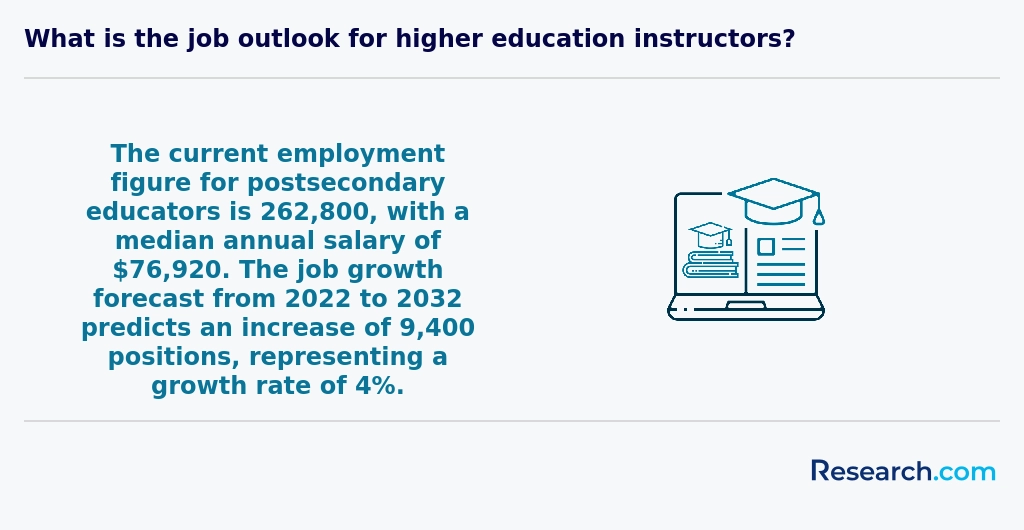
Programs should hold regional accreditation, such as SACSCOC, and specialized approvals like CAEP or NCATE. Confirm the curriculum maps to Virginia Board of Education standards for principal and superintendent licensure. Without these credentials, graduates may face obstacles in certification or district hiring.
- Regional accreditation (e.g., SACSCOC) confirms institutional quality
- CAEP or NCATE endorsement ensures rigorous leadership training
- Curriculum aligned with Virginia licensure requirements for school leaders
- Credits accepted by the Virginia Board of Education for certification
- Consider advanced credentials through online edd programs
Students pursuing online educational leadership degrees in Virginia often find encouragement through a blend of financial aid options that lighten the path to graduation. Graduates from institutions like Virginia Commonwealth University and George Mason University frequently share how federal loans, including Direct Subsidized and Unsubsidized Loans, provided essential support without overwhelming debt.
Many recall submitting the FAFSA early, unlocking access to not only federal aid but also Virginia's specialized state programs. For example, the Virginia Teacher Loan Repayment Program has been a game-changer for those committed to leadership roles in high-need public schools, offering tangible loan forgiveness that made ongoing service more rewarding.
Institutional grants and scholarships, often merit- or need-based, create additional hope. Graduates describe the relief and motivation felt when their universities recognized their leadership potential with financial support, making remote learning viable and less stressful.
Emerging trends hint at expanding partnerships between professional educational associations and universities, which future students might benefit from through scholarships aimed explicitly at leadership skill enhancement.
To enroll in an online educational leadership degree in Virginia, candidates typically need a bachelor's degree from an accredited institution, often complemented by a background in education. Graduates from popular Virginia universities frequently share how their teaching licenses or years spent in classrooms shaped their readiness for leadership roles. For example, those who completed programs at renowned schools appreciate how their three-plus years of professional experience became a strong foundation for advanced coursework.
Looking ahead, these prerequisites might evolve as programs increasingly value diverse professional experiences beyond traditional teaching. Some graduates have noted that standardized tests like the GRE were waived due to robust work histories, reflecting an encouraging shift that prioritizes real-world accomplishments. Applying candidates often prepare personal statements and recommendations to convey their unique leadership aspirations-elements that admissions committees in these Virginia schools increasingly interpret as indicators of future success.
Envisioning the future, educational leadership programs in Virginia could integrate more flexible admission paths that recognize emerging roles in education technology or community engagement, broadening who qualifies to lead schools and districts effectively.
Virginia requires administrative candidates to secure a PK-12 Administrative Services license through these key steps:
- Hold a master’s or higher in educational leadership from a VDOE-approved program
- Complete a supervised practicum (minimum 180 hours) in a school leadership setting
- Pass the Virginia Communication and Literacy Assessment (VCLA) and the School Leaders Licensure Assessment (SLLA)
- Submit proof of at least two years of successful teaching or education-related professional experience
- Apply for licensure through the Virginia Department of Education, meeting all state and program documentation requirements
For those aiming at advanced doctoral leadership roles, explore online edd programs.
Courses in online educational leadership degrees in Virginia typically blend theory with hands-on learning, preparing students for real challenges in schools and districts. Graduates from well-known institutions like the University of Virginia and Virginia Commonwealth University often recall how classes in Educational Leadership Theory and Practice sparked moments of insight, helping them understand different leadership styles while managing school communities.
Many find courses such as School Law and Policy particularly empowering, enabling them to navigate complex legal frameworks and advocate confidently for students and staff. Instructional Leadership classes bring alive strategies to boost teaching quality-graduates describe applying fresh ideas directly to their schools, seeing improved student engagement firsthand.
Furthermore, subjects like Organizational Management and Data-Driven Decision Making equip students with practical skills in budgeting, resource allocation, and analyzing performance data. For many online learners balancing work, these courses feel immediately relevant, giving them tools to lead with confidence.
Ethics and diversity topics resonate deeply, fostering inclusive leadership attitudes essential for Virginia's evolving educational landscape. Graduates frequently mention how internship or practicum experiences, integrated into these programs, transform theoretical knowledge into meaningful leadership practice.
Online educational leadership specializations in Virginia are evolving rapidly to meet the dynamic needs of education systems. Graduates from universities like Virginia Commonwealth University often pursue roles in School Administration and Supervision, learning to manage K-12 environments while navigating challenges such as staff coordination and student engagement. Others choose Instructional Leadership, refining skills in curriculum innovation and teacher support to enhance classroom outcomes.
Emerging areas like Educational Technology Leadership are becoming increasingly relevant as digital tools reshape learning experiences. Many students find this specialization exhilarating, especially when applying remote learning strategies that gained traction during recent global shifts. Higher Education Administration remains a steady choice, with graduates excited to contribute to expanding college services within Virginia's growing university networks.
These Virginia online master's in educational leadership tracks provide opportunities for professionals balancing careers and studies. The demand for licensure-aligned programs encourages students to envision leadership roles in public schools confidently. For those considering how to accelerate their path in educational leadership, exploring fastest teacher leadership masters programs can be an inspiring step forward.
Choosing the best online educational leadership degree in Virginia often hinges on accreditation and licensure alignment with the Virginia Department of Education. Graduates from popular Virginia colleges frequently share how programs with SACSCOC accreditation and direct paths to licensure helped them transition smoothly into school leadership roles. Imagine balancing your career while engaging in a curriculum rich with leadership theory and practical internships accessible fully online, fitting seamlessly into your busy schedule.
Prospective students seeking affordable online educational leadership programs VA appreciate options that combine cost-effectiveness with strong faculty support and career services. One graduate from a well-known Virginia university recalled how flexible asynchronous classes allowed them to study without disrupting family life or work commitments, creating a positive, stress-free learning journey.
Looking ahead, innovative programs integrating data-driven decision-making and strategic management will become paramount. For those exploring future possibilities, resources like the Virginia Education Leadership Preparation Standards and tools such as online education administration edd programs provide valuable guidance in choosing the right fit for your aspirations.

Graduates of online educational leadership degrees in Virginia find diverse and rewarding career paths ahead. Many pursue roles as K-12 school principals or assistant principals, managing not just school operations but also nurturing community relationships and instructional quality. For example, graduates from popular institutions like James Madison University and George Mason University report feeling empowered stepping into these leadership roles, driven by hands-on coursework and practical insights. This aligns well with emerging trends emphasizing adaptive leadership in schools.
Others explore district-level administration, shaping policy and curriculum across multiple schools. Such roles demand strategic vision and collaboration skills, which online programs cultivate effectively. As graduates of Virginia Tech's educational leadership programs share, overcoming real-world challenges in simulated environments fosters confidence for these positions. Considering online educational leadership careers Virginia, these options remain robust and evolving.
Higher education leadership opens another promising avenue. Positions such as department chairs or student affairs directors benefit from evolving demands tied to enrollment growth, especially at institutions like the University of Richmond. Some graduates leverage their online degrees to transition into consulting or nonprofit management focused on educational initiatives, drawn by the flexibility and affordability of Virginia's online programs. Prospective students seeking future-ready skills are encouraged to explore online masters programs in educational leadership that align with these dynamic career trajectories.
The job market for online educational leadership degree graduates in Virginia remains promising, supported by steady demand for skilled school leaders. Graduates often find roles as principals or district administrators in regions like Richmond or Fairfax, where local school systems actively seek candidates to fulfill licensure and certification requirements.
Many graduates from institutions popular for educational leadership in Virginia share positive experiences transitioning into roles that offer both professional growth and competitive salaries, typically averaging around $95,000 annually. These leadership positions not only provide enhanced job security but also enable participation in shaping educational policy at local and state levels. This outlook aligns well with Virginia educational leadership degree employment outlook trends, reflecting sustained growth in administrative opportunities statewide.
Students exploring options to enter this field might consider flexible pathways such as an online masters in education 1 year programs, which enable working professionals to advance credentials efficiently while balancing current responsibilities. This accessibility makes advancing in Virginia's educational leadership sector more attainable than ever.
2027 Most Valuable Online Master's in Educational Leadership Degree Programs Ranking in Virginia
Investing in your education is a significant decision that can shape your future, and the Research.com team understands the importance of making informed choices. To assist prospective students in Virginia, we have meticulously crafted the "2027 Most Valuable Online Master's in Educational Leadership Degree Programs Ranking." Our commitment to quality, credibility, and accuracy is reflected in the extensive research and analysis conducted to compile this ranking.
We utilized the following reputable data sources to ensure a comprehensive evaluation of educational leadership programs:
By exploring this ranking, readers will gain valuable insights into the most valuable online master's programs in educational leadership available in Virginia, empowering them to make informed decisions about their educational paths. For more details on our methodology, please visit our Research.com methodology page.
# 2 position
Old Dominion University
Master of Educational Leadership (Administration and Supervision)



# 5 position
Eastern Virginia Medical School
Master of Medical & Health Professions Education

Frequently Asked Questions About educational leadership
Students pursuing online educational leadership degrees in Virginia can enhance their learning by actively engaging with faculty and peers through discussion boards and virtual seminars. According to the Virginia Department of Education, leadership roles in education are growing by 5% annually, making networking vital for future opportunities. Utilizing resources such as Virginia's public university libraries and career services can provide access to up-to-date research and job postings.
Additionally, students should take advantage of practical experiences offered through internships or partnerships with local school districts to apply theory in real-world settings.
Time management and self-discipline are crucial, as online programs require students to balance study with professional responsibilities effectively.
Emerging niches within the educational leadership field increasingly focus on equity-driven leadership and digital innovation management. Leaders are needed who can address Virginia's diverse student populations by promoting inclusive policies and culturally responsive teaching methods. According to the Virginia Department of Education, schools are prioritizing equity to close achievement gaps, creating new roles for leaders skilled in these areas.
Another growing area is the integration of technology in education. Online and hybrid learning models accelerated by recent events require leaders adept with digital tools and virtual team coordination. Data-driven decision-making is also gaining importance, with leaders using analytics to improve student outcomes.
Finally, specialized leadership in early childhood education and mental health support is expanding, reflecting Virginia's focus on comprehensive student wellbeing as outlined in state educational initiatives.
Preparing for the job market after completing an online educational leadership degree in Virginia requires strategic planning. Graduates should focus on obtaining the Virginia Department of Education (VDOE) licensure, which is essential for administrative roles in public schools. Networking through professional organizations like the Virginia Association of School Superintendents or attending state education conferences can improve employment opportunities.
According to the U.S. Bureau of Labor Statistics, educational leadership roles in Virginia are expected to grow by 6% through 2031, signaling steady demand. Gaining hands-on experience via internships or practicum components included in many programs strengthens practical skills employers seek.
Additionally, strong communication, budgeting, and legal knowledge relevant to Virginia's school systems enhance a candidate's profile. Continuing education and certifications, such as the National Board for Professional Teaching Standards, further boost employability.
Employers in Virginia highly value educational leadership graduates who demonstrate strong communication and interpersonal skills. The Virginia Department of Education emphasizes that leaders must effectively engage with diverse student populations and staff. Additionally, proficiency in data-driven decision-making is crucial, as school leaders often analyze student performance metrics to improve outcomes.
Critical thinking and problem-solving abilities are also top skills sought by employers. These enable leaders to handle conflicts and adapt to policy changes efficiently. According to the Virginia Education Workforce Data Center, leadership graduates with budgeting and organizational management competencies have higher job placement rates.
Finally, ethical leadership and a commitment to equity remain indispensable in educational administration roles across the state.
Finding internships in Virginia relevant to an educational leadership degree involves targeting school districts, educational nonprofits, and government agencies. Many school divisions, such as Fairfax and Richmond, offer internship or residency programs designed to develop leadership skills. Virginia's Department of Education website lists approved school divisions and local contacts where aspiring leaders can inquire about opportunities.
Networking through Virginia's education conferences, like those held by the Virginia Association of School Superintendents, can also open doors to internships. Additionally, online platforms such as Handshake and LinkedIn often post internships connected to Virginia universities offering educational leadership degrees, including Virginia Commonwealth University and James Madison University.
Official reports indicate that internships in educational leadership often involve mentorship and real-world experience managing school programs and policy. Checking with academic advisors is essential, as many programs require or facilitate placement with regional education offices or partnering districts.
Online educational leadership degrees in Virginia significantly enhance career mobility and advancement for professionals aiming to lead schools, districts, or educational organizations. The Virginia Department of Education notes that administrators with leadership credentials often qualify for higher-level positions like principals or district supervisors, roles that offer notably increased salaries and responsibilities.
According to the U.S. Bureau of Labor Statistics, employment for instructional coordinators-roles often filled by educational leaders-is projected to grow 7% nationally through 2032, reflecting strong career prospects.
Virginia's online degree programs allow educators to gain state-required licensure and leadership endorsements while maintaining current employment, accelerating their transition into higher roles without geographic limitations.
These programs provide specialized knowledge in curriculum development, staff management, and educational law, equipping graduates for advancement in both public and private educational sectors statewide.
Studying for an educational leadership degree in Virginia equips students with skills that extend beyond traditional school administration. Programs often emphasize interdisciplinary collaboration, preparing graduates to work effectively with diverse teams in education, social services, and community organizations. Virginia institutions, aligned with state standards, incorporate coursework in policy analysis, organizational management, and data-driven decision-making.
This varied approach responds to the growing demand for leaders who can navigate complex educational environments. According to the Virginia Department of Education, leadership roles increasingly require coordination with health professionals, counselors, and government agencies. Online degree programs reflect this trend by integrating strategic communication and ethical leadership across sectors.
By combining theory and practical application, Virginia's online educational leadership degrees develop versatile professionals ready to meet contemporary educational challenges.
Choosing between a thesis and a non-thesis educational leadership degree program in Virginia depends on your career goals and learning preferences. Thesis programs focus on research, requiring students to produce an original study, which benefits those considering doctoral studies or careers in education policy and research. Non-thesis tracks emphasize practical leadership skills and often include internships or projects, catering to professionals aiming for administrative roles in schools.
Virginia's Department of Education reports that school leadership positions grew by 8% between 2019 and 2023, highlighting a demand for skilled administrators. Prospective students should consider whether they prefer research-intensive work or applied leadership practice.
Additionally, accreditation and program delivery format matter; most accredited Virginia programs offer both options online, accommodating working professionals. Review program requirements and faculty expertise to select a path matching your professional ambitions.
Students based in Virginia seeking to study educational leadership abroad through online programs face limited direct options. Most U.S. universities offering online master's in educational leadership prioritize domestic accreditation and state-specific licensure requirements, which often restricts the availability of international study components.
However, Virginia students can explore joint programs or partnerships between American institutions and foreign universities that occasionally offer blended experiences. According to the Virginia Department of Education, aligning licensure requirements with the U.S. system remains crucial, impacting international program choices.
For fully online global learning experiences, students may consider programs accredited by U.S. agencies but developed with international collaboration, ensuring transferable skills while meeting Virginia's standards for educational leadership certification.
Part-time job opportunities in Virginia that complement an educational leadership degree include roles such as teacher assistants, substitute teachers, and administrative aides in school districts. According to the Virginia Department of Education, these positions provide practical experience in educational settings while pursuing advanced leadership studies.
Additionally, working as a community outreach coordinator or program facilitator for local educational nonprofits can build valuable leadership and organizational skills.
Many Virginia school systems offer flexible part-time roles aligned with school schedules, fostering deeper understanding of policy implementation and stakeholder communication, essential for future educational leaders.
Online educational leadership students in Virginia have several networking opportunities, despite the distance learning format. Many universities offer virtual events, such as webinars and guest speaker series, that connect students with experienced educators and administrators statewide. For example, programs affiliated with the Virginia Department of Education often provide access to professional development workshops and online communities.
Students can also join statewide organizations like the Virginia Association of School Superintendents or the Virginia School Boards Association, which host conferences and forums accessible virtually. According to the Virginia Education Association, participation in these groups helps build connections with peers and mentors crucial for career advancement.
Additionally, online learners benefit from university alumni networks and career services that facilitate LinkedIn groups and virtual job fairs, enhancing professional relationships within Virginia's educational leadership field.
Alumni networks play a crucial role for students pursuing online educational leadership degrees in Virginia. They provide access to a community of experienced educators and administrators who can offer mentorship, career advice, and job leads. According to the Virginia Department of Education, educational leadership roles in the state are projected to grow by 6% through 2028, making networking especially valuable.
These networks often facilitate professional development opportunities, including workshops and conferences tailored to Virginia's school systems. They also help graduates stay informed about state-specific policies and leadership trends. Joining an alumni community enhances peer support and collaboration, which is vital for career advancement in education administration.
Many online educational leadership degree programs in Virginia offer flexible curricula that allow students to tailor their studies according to career goals. Students can often choose electives focused on areas such as curriculum development, school administration, or special education leadership. This customization helps align coursework with specific interests or district requirements.
Additionally, some programs incorporate internships or practicum experiences in Virginia school districts, providing practical leadership training. Virginia's Department of Education also recognizes various licensure endorsements that can be pursued alongside your degree, enhancing career advancement opportunities.
Graduates who customize their program can better prepare for leadership roles in diverse educational settings, from public schools to nonprofit organizations.
Online educational leadership students in Virginia often face challenges balancing rigorous academic requirements with their professional and personal lives. Many are working educators or administrators, making time management a key difficulty. According to the Virginia Department of Education, educators typically report dedicating significant hours beyond the classroom, which can impact study time.
Technical issues also present barriers, as reliable internet and familiarity with learning platforms are essential. Students in rural areas may struggle more due to limited broadband access. Additionally, some learners find fewer opportunities for direct interaction with peers and faculty, which can affect networking and mentorship possibilities. The Virginia Education Association stresses the importance of support services to mitigate these challenges.
With an online educational leadership degree in Virginia, graduates can pursue several professional certifications to advance their careers. One common certification is the Virginia School Leader Licensure, which qualifies candidates for roles such as principal or assistant principal. This licensure typically requires a master's degree in educational leadership and passing the Virginia Communication and Literacy Assessment.
Another valuable certification is the National Board Certification for School Leaders, a prestigious credential recognized nationwide. It demonstrates excellence in leadership skills and contributes to higher earning potential.
Additionally, candidates may seek superintendent licensure through the Virginia Department of Education. This requires experience as a school leader and completion of an approved program.
These certifications enhance job prospects and are supported by Virginia's ongoing demand for skilled educational leaders, according to the Virginia Department of Education.
To write a winning application for an online educational leadership program in Virginia, start by clearly demonstrating your commitment to leadership in education. Highlight relevant experience, such as teaching or administrative roles, supported by specific achievements or initiatives.
Virginia's Department of Education values candidates who show knowledge of state standards and policies, so mention familiarity with Virginia's Standards of Learning (SOL) or recent educational reforms. Academic transcripts should reflect strong performance in prior coursework related to education and leadership.
Letters of recommendation from supervisors or educators who can attest to your leadership potential are crucial. Additionally, craft a concise personal statement outlining your career goals and how the program aligns with them.
According to the Virginia Education Association, programs often prefer applicants with at least two years of experience in educational settings, so be sure to emphasize this if applicable.
Educational leadership careers hold significant value both in the United States and globally. In Virginia, school administrators contribute to improving educational outcomes in diverse communities, reflecting broader trends worldwide. According to the Virginia Department of Education, the demand for qualified educational leaders is projected to grow by 7% through 2030, mirroring a global emphasis on skilled leadership in schools.
Internationally, educational leadership is recognized as vital to adapting schools to changing societal needs and advancing equity. Leaders influence policy implementation, curriculum development, and teacher support, roles that are crucial in the U.S. system and abroad. Virginia's online degree programs prepare candidates to meet these global challenges by emphasizing leadership skills aligned with current educational standards and research.
Gaining practical experience while studying for an online educational leadership degree in Virginia is possible through several pathways. Many programs include supervised internships or practicum components, allowing students to work directly in Virginia schools or educational settings. These experiences are often arranged locally to suit the student's schedule and location.
Additionally, Virginia's Department of Education supports leadership candidates by encouraging partnerships between universities and school districts. This collaboration provides real-world leadership opportunities such as assisting principals or leading school projects.
Students can also engage in mentoring and networking with Virginia educational leaders to build skills and professional connections. These approaches ensure practical learning complements academic study effectively.
Choosing the right concentration within an online educational leadership degree in Virginia involves understanding your career goals and the needs of local schools. Virginia offers concentrations such as K-12 school leadership, instructional leadership, and higher education administration. The Virginia Department of Education highlights a growing demand for leaders skilled in digital learning and equity, reflecting local priorities.
Investigate each program's curriculum to see if it aligns with your interests, such as policy, curriculum design, or special education leadership. Accreditation by the Council for the Accreditation of Educator Preparation (CAEP) ensures quality and statewide recognition.
Review employment trends: the Virginia Employment Commission projects a 7% growth in educational leadership roles through 2030, emphasizing strong future demand.
- 2027 Most Valuable Online Master's in Educational Leadership Degree Programs Ranking in North Carolina
- 2027 Most Valuable Online Master's in Educational Leadership Degree Programs Ranking in Kentucky
- 2027 Most Valuable Online Master's in Educational Leadership Degree Programs Ranking in Pennsylvania
- 2027 Most Valuable Online Master's in Educational Leadership Degree Programs Ranking in Ohio
- 2027 Most Valuable Online Master's in Educational Leadership Degree Programs Ranking in New Jersey
- 2027 Most Valuable Online Master's in Educational Leadership Degree Programs Ranking in Indiana
- 2027 Most Valuable Online Master's in Educational Leadership Degree Programs Ranking in New York
- 2027 Most Valuable Online Master's in Educational Leadership Degree Programs Ranking in Florida
- 2027 Most Valuable Online Master's in Educational Leadership Degree Programs Ranking in Missouri
- 2027 Most Valuable Online Master's in Educational Leadership Degree Programs Ranking in Michigan
- Personal statement for applying a MAs educational leadership https://essayforum.com/graduate/statement-applying-mas-educational-leadership-85737/
- Choosing a Thesis vs. Non-Thesis Program: What Every Graduate Student Needs to Know https://presenti.ai/blog/choosing-a-thesis-vs-non-thesis-program/
- Educational Leadership Network - ICSEI https://icsei.org/network/educational-leadership-network/
- What Can You Do With a Master's in Education Leadership? https://www.salemu.edu/blog/educational-leadership-careers/
- Skills Employers Look for in Business Graduates – EU Business School https://www.euruni.edu/blog/skills-employers-look-for-in-business-graduates/
- Understanding Key Leadership Challenges in Educational Leadership https://www.jasonwhiskerd.co.uk/post/understanding-key-leadership-challenges-in-educational-leadership
- Reasons to Earn a Master’s Degree in Educational Leadership - Graduate Programs for Educators https://www.graduateprogram.org/blog/reasons-to-earn-a-masters-degree-in-educational-leadership/
- 50 Most Affordable Online Master’s in Education Administration (Educational Leadership) - Best Colleges Online https://www.bestcollegesonline.org/most-affordable/online-masters-education-administration/
- Advancing Your Teaching Career with an MEd in Educational Leadership https://unima.ecampus.ac.mw/advancing-your-teaching-career-with-an-med-in-educational-leadership/
- Study Educational Leadership Abroad - Top Universities for Masters, MBA, PhD Degree Programs https://studee.com/degree/abroad/educational-leadership