2027 Easiest Online Educational Leadership Degree Programs Ranking in St. Paul, MN

Co-Founder and Chief Data Scientist
Choosing the right educational leadership degree program can feel overwhelming, especially when balancing work and life in St. Paul, MN. This article introduces the 2027 Easiest Online Educational Leadership Degree Programs Ranking in St. Paul, MN, created by the Research.com team of data scientists to guide you.
By exploring this ranking, you'll discover programs that make advancing your career achievable and manageable. Earning an educational leadership degree opens doors to meaningful opportunities, and this resource helps you find the best fit for your goals and lifestyle.
Key benefits of getting online educational leadership degree in St. Paul
- Graduates with an educational leadership degree often pursue roles like school principals, earning an average annual salary near $98,000, which reflects strong financial potential in the field.
- Career paths include administrative positions in K-12 schools and higher education, as seen in St. Paul graduates from institutions like the University of St. Thomas.
- Online degrees offer flexible schedules and allow working professionals in St. Paul to balance studies with life, often accelerating career growth compared to traditional programs.
- 2027 Easiest Online Educational Leadership Degree Programs Ranking in St. Paul, MN
- What can I expect from online educational leadership degree in St. Paul?
- Where can I work with online educational leadership degree in St. Paul?
What can I expect from online educational leadership degree in St. Paul?
The average cost of an online educational leadership degree in St. Paul typically ranges between $15,000 and $30,000 for a master's program, depending on the institution and program length. Graduates from popular St. Paul universities often highlight how affordable these programs proved compared to traditional on-campus options, especially when factoring in savings from commuting and housing. For example, a working teacher pursuing a degree from a well-known St. Paul college appreciated the flexibility to balance family life and study without incurring extra expenses.
Many programs include built-in support such as academic advising and career counseling, which students find invaluable in navigating financial aid options and scholarships specifically available to Minnesota residents. Strategically selecting accredited, state-approved online programs ensures eligibility for licensure and efficient use of tuition investment.
Graduates consistently report feeling empowered and confident entering leadership roles, citing the real-world relevance of coursework and practicum components that prepare them for the demands of local school districts. This practical experience, combined with manageable costs, makes pursuing educational leadership degrees in St. Paul a rewarding investment.
Where can I work with online educational leadership degree in St. Paul?
Graduates with an online educational leadership degree in St. Paul find promising opportunities across K-12 schools, higher education, and public organizations. Many step into roles such as school principals, assistant principals, or district administrators, especially within St. Paul Public Schools, which leads the region with numerous vacancies for skilled leaders. These positions involve managing school operations and fostering a positive learning environment.
Others leverage their degrees to work at institutions like Metropolitan State University, where alumni take on academic administrative roles, coordinating programs and enhancing student support services. Nonprofits and local government agencies also seek educational leaders to drive equity initiatives and community engagement projects, making a real impact on neighborhood schools and policies.
Graduates often share how practical leadership skills gained through St. Paul's programs helped them confidently navigate challenges like diverse student needs and staff coordination. This hands-on experience, combined with steady employment growth projected in Minnesota, assures many that their degree opens doors to rewarding, influential careers within their community.
Graduates with an online educational leadership degree in St. Paul can generally expect competitive salaries that reflect the region's active educational sector. While specific Bureau of Labor Statistics salary data for these roles is not available, local figures suggest that positions like school principals and district administrators typically earn between $80,000 and $110,000 annually. For example, graduates from well-regarded institutions such as the University of St. Thomas or Hamline University regularly report securing leadership roles in St. Paul public schools, where median salaries for principals hover around $90,000 to $105,000.
Many find that advancing to district-level positions or superintendent roles, which often require additional credentials beyond the degree, can increase earnings substantially, sometimes surpassing $120,000. Beyond salary, these roles often come with robust benefits, including pension plans and healthcare, which add to the overall compensation package.
Graduates appreciate that an online degree expands their opportunities across multiple districts in the metro area, allowing them to pursue the best-fitting positions with attractive pay. This flexibility paired with the vibrant educational community in St. Paul makes the investment in an online educational leadership program both rewarding and practical.
- Tuition for online educational leadership programs in St. Paul ranges from $15,000 to $35,000, depending on the school and program length.
- The median starting salary for graduates is about $75,000, with experienced leaders earning up to $100,000 in roles like principals or district administrators.
- Employment in education administration in St. Paul is projected to grow by about 6% over the next decade, matching national growth rates.
- Licensing requires certification through state-approved programs, which many online degrees offer, often including internships or residencies for practical experience.
- Online students can access local education networks and connect with mentors through virtual platforms, supporting career development in the region.
Completing an online educational leadership degree in St. Paul typically takes between 18 months and six years, depending on the degree level and enrollment pace. Many graduates pursuing a master's degree, such as those from the University of St. Thomas, share how flexible schedules allowed them to balance work and family while finishing in about two years. Those enrolling part-time or taking advantage of summer acceleration options often extend their studies closer to three years, but appreciate the ability to tailor the journey around their personal commitments.
Doctoral degrees generally require more time-often three to six years-as students juggle coursework, exams, and dissertation research. Graduates value programs offering cohort models or accelerated sessions that help maintain motivation and community support through this intensive process.
Choosing the right pacing strategy, like enrolling full-time or transferring prior credits, can make a big difference. Many find that understanding their financial situation and cost per credit, typically $500 to $700 in Minnesota, helps them plan a sustainable timeline without sacrificing quality.
Choosing between online and on-campus educational leadership degrees in St. Paul often comes down to lifestyle and learning preferences. For example, graduates from the University of St. Thomas who opted for online programs highlight the convenience of balancing coursework with their full-time jobs and family life. They appreciated being able to log in anytime without the stress of commuting.
On the contrary, graduates from Hamline University's on-campus program recall vibrant classroom discussions and stronger connections with peers and professors, which helped them build local professional networks. They enjoyed access to campus resources like libraries and career support, which enriched their experience.
Both paths require practical internships, but online students frequently complete these locally in St. Paul schools, making the experience directly relevant and manageable. Meanwhile, on-campus students often benefit from university partnerships, sometimes needing to travel for placements.
Ultimately, St. Paul students should consider if flexible scheduling and local internships or in-person collaboration and campus amenities better suit their career goals and daily realities.
The average cost of an online educational leadership degree in St. Paul tends to be around $39,360, reflecting a median total that students at local institutions often experience. Graduates from popular universities like the University of Minnesota and Minnesota State University, Mankato share that investing in these programs feels manageable when compared to the career opportunities that follow. Many mention that the cost is offset by in-state tuition benefits and occasional scholarships available specifically for local residents.
Those seeking St Paul MN online educational leadership tuition fees find that public universities generally offer lower rates, making the journey less financially daunting. For example, some students note tuition rates of about $400 to $500 per credit hour, which keeps total expenses closer to $12,000-$20,000 for the program. This flexibility helps working professionals balance budget and schedule, contributing to a positive, motivating experience throughout their studies.
Private institutions, while costing more-sometimes upwards of $25,000 to $30,000-often supplement tuition with financial aid, which many students recommend in their advice to newcomers. Graduates frequently emphasize careful research into each school's tuition and aid options to plan effectively. Exploring local resources like the Minnesota Office of Higher Education is also a practical step for those curious about the nuances of cost and available payment assistance.
To fully grasp career potential and return on this investment, prospective students can explore what can you do with a master's in education leadership. This knowledge helps connect the cost of education with rewarding, fulfilling leadership roles.
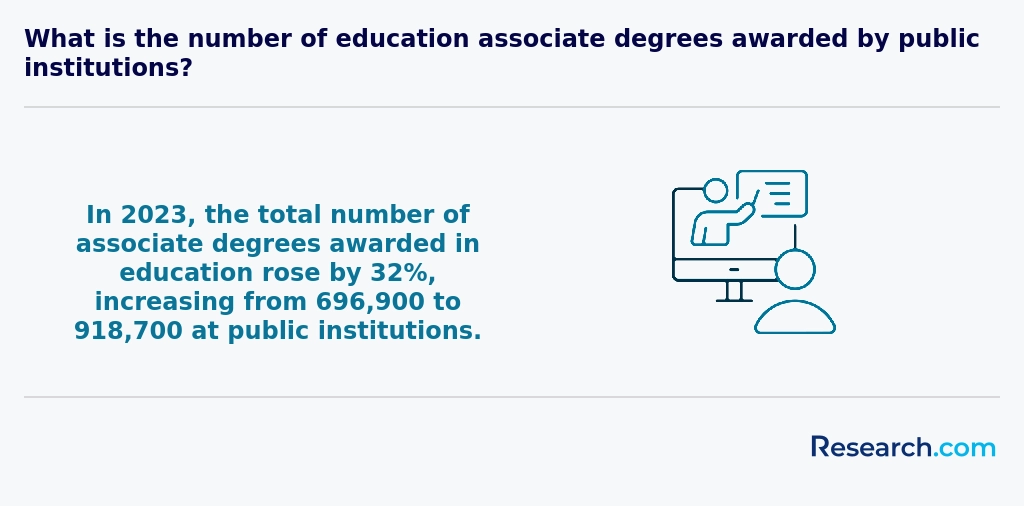
Students pursuing an online educational leadership degree in St. Paul often find relief through federal financial aid programs. Graduates from local institutions like St. Catherine University recall how completing the FAFSA unlocked access to Direct Unsubsidized Loans and Grad PLUS Loans, easing tuition burdens while studying remotely. This federal aid is a straightforward first step that opens doors to essential funding.
Many St. Paul schools also offer institutional scholarships and grants tailored to educational leadership candidates. Graduates remember receiving awards based on their leadership potential or academic achievements, which made a tangible difference in managing education costs. Reaching out to the financial aid office at well-known universities such as Hamline University can reveal valuable, school-specific funding options.
State grants, including those from the Minnesota Office of Higher Education, also provide meaningful support especially for residents. Programs like the Minnesota GI Bill offer additional financial boosts that graduates have used to cover fees with less stress.
Working professionals appreciate employer tuition reimbursement options, common among school districts in St. Paul. Many have successfully funded their degrees by leveraging these programs that reward career growth.
Finally, professional organizations dedicated to educational leadership occasionally offer scholarships, helping students feel both supported and motivated throughout their degree journey.
To enroll in an online educational leadership degree program in St. Paul, students must first hold a bachelor's degree from an accredited institution. For example, many graduates from programs at the University of St. Thomas or Hamline University found that having a degree in education or a related field strengthened their applications and eased their transition into graduate coursework.
A minimum GPA near 3.0 is commonly required. One graduate recalled how maintaining strong academic performance during their undergraduate studies opened doors to conditional admission options when their GPA was slightly below this mark. This shows there are pathways for motivated students to demonstrate potential.
Most programs expect two to three years of professional experience in education. For instance, graduates who served as K-12 teachers or school administrators in St. Paul schools brought relevant leadership insights to class discussions, enriching both their learning and that of their peers.
While standardized test scores like the GRE are often waived, providing strong letters of recommendation and a compelling personal statement remains essential. Sharing clear leadership goals and practical achievements helped graduates connect with admission committees and secure their spots.
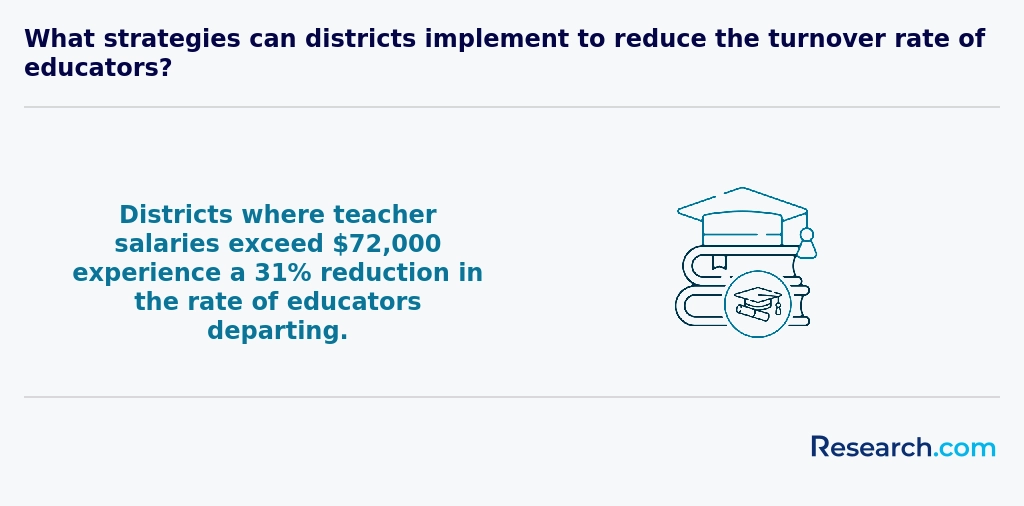
Online educational leadership degree programs in St. Paul typically include courses that directly prepare you for real-world leadership roles. Graduates from popular local colleges often share how classes like Educational Leadership and Administration helped them develop effective communication skills crucial for managing diverse school teams.
Courses such as School Law and Ethics provide a clear understanding of legal responsibilities, helping future leaders navigate complex situations confidently. For those aiming to improve instructional quality, Curriculum Development and Instructional Leadership teaches practical strategies for overseeing teaching programs effectively.
Many students appreciate how classes in Educational Policy and Reform focus on local challenges facing St. Paul schools, enabling them to advocate for meaningful change. In addition, Data-Driven Decision Making equips leaders to use evidence in guiding improvements, making decisions that genuinely impact student success.
Financial courses prepare candidates to manage budgets efficiently, while Organizational Change and Development offers tools to lead schools through transitions smoothly. These courses collectively build confidence and readiness for leadership in St. Paul's diverse educational landscape.
Students pursuing online educational leadership specializations St. Paul MN often find key tracks such as K-12 Educational Leadership, Higher Education Leadership, Special Education Leadership, and Educational Technology Leadership. Graduates from well-known St. Paul universities share that focusing on K-12 leadership equips them with practical skills to handle school administration, curriculum management, and community involvement effectively. Those specializing in higher education leadership appreciate how local colleges' programs hone abilities for managing academic affairs and student services in nearby universities.
Special Education Leadership concentrations resonate strongly with learners passionate about inclusive education, preparing them to lead programs that support diverse student needs within Minnesota's school districts. Educational Technology Leadership appeals to those excited about integrating digital innovations, reflecting the increasing tech-driven environment in education. Real-life experiences of graduates reveal how these tailored paths elevate their confidence and job readiness.
For those seeking faster progression, it's helpful to review the fastest teacher leadership masters degree programs, enabling quicker advancement in educational leadership roles.
When choosing the best online educational leadership degree St Paul offers, start by verifying accreditation from respected bodies like CAEP or the Higher Learning Commission. Graduates from St. Paul universities often share that knowing their degree is nationally recognized gave them confidence during job searches in local school districts. Compare curricula to ensure courses include practical leadership skills, like managing school operations and policy development, which recent alumni found helpful during internships or hands-on projects.
Affordability is another factor; many students seek affordable educational leadership programs St Paul MN offers that fit their budgets without compromising quality. Consider tuition rates, fees, and available financial aid. One graduate mentioned how employer tuition reimbursement significantly eased their financial burden, making advanced study feasible alongside full-time work.
Flexibility also proves essential. Look for programs with asynchronous classes or manageable synchronous sessions that busy professionals can balance. Graduates from popular local colleges often appreciate programs that allow completion within two to three years on their schedule. For up-to-date program options and rankings, explore this online doctorate in education administration resource.

Graduates with an online educational leadership degree in St. Paul often find rewarding career paths such as school principal or assistant principal, roles that demand strong management skills and a deep understanding of local education policies. Many graduates from popular institutions like St. Catherine University and Hamline University have successfully transitioned into these positions, enjoying the satisfaction of directly impacting student and teacher success in K-12 settings. For those interested in curriculum development, becoming a curriculum director or instructional coordinator offers a chance to design innovative programs that improve learning outcomes across districts.
District-level administration roles, including superintendent positions, provide another pathway, where graduates oversee multiple schools and engage with community stakeholders. Some graduates also thrive in educational consulting or nonprofit education roles, applying their leadership expertise beyond traditional school environments. To explore various educational leadership opportunities and ensure your career aligns with your goals, consider looking into the broad range of online masters degree programs in educational leadership. These options help St. Paul students balance affordability with quality education while preparing for diverse job opportunities in this field.
The job market for graduates with an online educational leadership degree in St. Paul is promising, with steady demand across local school districts and educational organizations. Graduates from popular universities in the area often find roles as principals or district administrators, where they lead initiatives on equity, technology integration, and student success. Many report a sense of fulfillment working directly with schools to improve community engagement and educational outcomes.
Employment in educational leadership careers in St. Paul MN is supported by a 7% growth rate projected by regional studies, highlighting the stable need for qualified leaders. Graduates share experiences of opportunities in curriculum management and special education programs, which are increasingly vital in the region's evolving educational landscape.
For those concerned about balancing study and work, programs at local institutions offer flexibility and competitive tuition pricing, generally between $10,000 and $30,000. Students considering accelerated options might explore one year online masters degree programs in education to quickly enhance credentials and enter the job market.
2027 Easiest Online Educational Leadership Degree Programs Ranking in St. Paul, MN
Investing in your education is a significant decision that can shape your future, and the Research.com team understands the importance of making informed choices. To assist prospective students in St. Paul, MN, we have meticulously developed the "2027 Easiest Online Educational Leadership Degree Programs Ranking in St. Paul, MN." Our commitment to quality, credibility, and accuracy is demonstrated through the thorough research and analysis undertaken to compile this ranking.
We utilized the following reputable data sources to ensure a comprehensive evaluation of educational leadership programs:
By exploring this ranking, readers will gain valuable insights into the easiest online educational leadership degree programs in St. Paul, MN, empowering them to make confident and well-informed decisions about their educational journey. For more information about how this ranking was created, please visit our Research.com methodology page.

# 3 position
Bethel University, Minnesota
Doctor of Leadership (K-12 Education) (Higher Education)

Frequently Asked Questions About educational leadership
Online educational leadership degree students in St. Paul can maximize their learning by actively engaging with course materials and faculty. Utilizing local education resources such as the St. Paul Public Schools district and nearby professional organizations helps bridge theory with practice. Time management is crucial; setting a consistent study schedule improves retention and reduces stress. According to the Minnesota Office of Higher Education, online degree programs with interactive components show higher completion rates. Networking with peers through virtual forums can also enhance understanding and professional growth. Finally, seeking internships or leadership roles within local schools offers valuable real-world experience supporting online studies.
The educational leadership field is evolving to meet modern challenges, creating several emerging niches. One significant area is digital leadership, focusing on integrating technology in K-12 schools and higher education institutions. This is especially relevant in St. Paul, where local districts have increased digital investments by over 15% in recent years, according to the Minnesota Department of Education.
Another growing niche is equity leadership, addressing achievement gaps among diverse student populations. Leaders trained in culturally responsive practices are in high demand across Minnesota schools.
Additionally, there is a rise in special education leadership, given the increasing emphasis on inclusive education models in the state. Experts expect job growth in this area to outpace general educational administration roles by 8% through 2029, based on Bureau of Labor Statistics projections.
These niches reflect a broader trend toward specialized skills combined with traditional leadership competencies.
After earning an online educational leadership degree in St. Paul, graduates should focus on practical experience to enhance their job prospects. Many employers in the area prefer candidates with hands-on experience in K-12 or higher education administration. Participating in internships or volunteer leadership roles within local school districts can be valuable.
Networking is crucial. Joining professional organizations such as the Minnesota Association of School Administrators (MASA) can connect graduates with leaders in the field and provide access to specialized job boards. According to the Minnesota Department of Employment and Economic Development, educational leadership roles in St. Paul have a steady growth forecast of about 5% through 2030, signaling good career potential.
Lastly, obtaining relevant certifications, like the Minnesota Principal License, is often required or highly recommended. Preparing a strong resume that highlights leadership projects and data-driven results will further improve chances in a competitive job market.
Employers in St. Paul seeking graduates with online educational leadership degrees prioritize several key skills. Effective communication tops the list, as leaders must engage diverse communities and staff clearly and empathetically. Strong organizational abilities are also essential for managing school operations and complying with Minnesota's education regulations.
Data-driven decision-making is increasingly important, reflecting the growing use of student performance data in St. Paul Public Schools, which serves over 37,000 students. Additionally, leadership skills that foster collaboration and motivate educators are highly valued. Knowledge of local education policy and cultural competence to address St. Paul's diverse student population also stand out as critical.
Finding internships in St. Paul relevant to an educational leadership degree involves leveraging local school districts, universities, and educational organizations. The St. Paul Public Schools district often partners with universities to offer internship opportunities focused on administration and leadership, providing hands-on experience in real-world settings.
Students should also explore connections through nearby institutions such as the University of St. Thomas and Hamline University, which frequently facilitate placements in education leadership roles. According to the Minnesota Department of Education, practical experience is crucial for leadership certification, making internships a vital component of career preparation.
Networking through professional groups like the Minnesota Educational Leadership Council can also help locate meaningful internships and mentorship opportunities in the region.
An online educational leadership degree can significantly enhance career mobility and advancement for professionals in St. Paul. Many local school districts, including St. Paul Public Schools, value advanced credentials for leadership roles such as principals and administrative coordinators. According to the Minnesota Department of Education, candidates with leadership degrees often qualify for higher-level positions faster than those without.
Online programs offer flexibility allowing working educators to continue gaining experience while earning credentials that meet state licensure standards. This combination of education and experience is crucial in St. Paul's competitive job market.
Additionally, such degrees often lead to salary increases; the Bureau of Labor Statistics notes that school administrators nationwide earn a median annual wage exceeding $100,000, a figure that aligns with trends observed locally in Minnesota's education sector.
Studying for an online educational leadership degree in St. Paul offers valuable preparation for interdisciplinary roles by emphasizing collaboration across various fields such as curriculum design, administration, and community engagement. Programs in this region often integrate coursework that highlights leadership in diverse educational settings, equipping students to work with teachers, policymakers, and social services.
St. Paul's institutions connect theoretical knowledge with practical skills, encouraging students to address complex challenges that cut across education, psychology, and organizational management. According to the Minnesota Department of Education, leaders trained here typically demonstrate strong competencies in managing diverse teams and fostering inclusive school environments.
This interdisciplinary focus aligns with current demands in education, where leadership roles require adaptability and communication with multiple stakeholders beyond traditional school boundaries.
Choosing between a thesis and a non-thesis online educational leadership degree program in St. Paul depends largely on your career goals and learning preferences. Thesis programs emphasize research and typically require a substantial project, preparing students for roles that demand strong analytical skills, such as policy development or doctoral studies. Non-thesis options often include additional coursework or practicums, focusing on practical leadership skills suited for immediate application in school administration or district leadership roles.
In Minnesota, educational leadership graduates earn an average starting salary of around $68,000 annually, according to the Minnesota Department of Employment and Economic Development. Programs aligned with licensure requirements in St. Paul schools often provide flexible, non-thesis paths. Understanding these factors helps students pick a program that matches their professional aims.
Students based in St. Paul interested in studying educational leadership abroad have limited direct options due to the U.S. higher education system's focus on domestic accreditation. Most online educational leadership programs are offered by U.S. institutions, ensuring regional accreditation essential for career advancement in education administration.
However, students may consider joint or dual-degree programs involving international partnerships, where coursework is completed online with partner universities abroad. These programs must meet U.S. accreditation standards, particularly those recognized by the Council for the Accreditation of Educator Preparation (CAEP).
Data from the Minnesota Office of Higher Education shows that the demand for educational leadership degrees in St. Paul has grown by 8% in recent years, highlighting the importance of accredited and recognized qualifications.
Students should carefully verify program credentials to ensure applicability to state licensing requirements upon their return.
Part-time job opportunities in St. Paul that complement an educational leadership degree include roles such as teaching assistants, substitute teachers, and administrative support in local schools. These positions offer practical experience in managing school environments and understanding educational policies. According to the Minnesota Department of Education, St. Paul Public Schools employs many part-time staff to support classroom and administrative functions, providing valuable exposure to leadership tasks.
Additionally, nonprofits focused on youth development and education, like the YMCA and community centers, offer part-time leadership roles where students can apply educational theories in real-world settings. Such experiences enhance skills essential for future school leadership roles.
Online educational leadership students in St. Paul have several networking opportunities despite the remote format. Many local universities, such as the University of Minnesota and St. Catherine University, offer virtual events, workshops, and alumni meetups accessible to online learners. These sessions provide chances to connect with experienced professionals and faculty. Additionally, the Minnesota Association of School Administrators hosts regional conferences and webinars, which attract educational leaders from St. Paul and beyond, offering valuable industry contacts. Social media groups and LinkedIn communities focused on educational leadership in Minnesota also help students build their professional networks effectively while studying online.
Alumni networks offer valuable benefits to students pursuing online educational leadership degrees in St. Paul. These networks provide access to experienced professionals working in local schools, districts, and educational organizations, enabling students to build meaningful connections. In a city where nearly 50% of education administrators hold advanced degrees, strong alumni ties can facilitate mentorship and career guidance tailored to the region's needs. Furthermore, alumni often share job openings and insider information, helping graduates navigate the competitive St. Paul education job market. This professional support network enhances students' learning experiences and increases their chances of successful leadership placement.
To customize your online educational leadership degree in St. Paul, start by exploring programs that offer flexible course selections aligned with your career goals. Many Minnesota institutions provide specializations such as K-12 administration, higher education leadership, or curriculum development, allowing you to focus on the sector that interests you most. You can often choose electives that enhance skills like data analysis or community engagement, which are critical in educational leadership roles.
It's important to consider programs accredited by recognized bodies like the Council for the Accreditation of Educator Preparation (CAEP), ensuring quality and relevance. Additionally, some programs in St. Paul include practicum or internship options that you can tailor toward leadership experiences in local schools or organizations, which can boost your resume.
The Minnesota Department of Education highlights that effective leadership skills greatly impact student success, so selecting curriculum supportive of your desired role-whether as a principal, superintendent, or educational policy maker-is key. Checking each school's course catalog and academic advising options can help you personalize the pathway to fit your unique career ambitions.
Online educational leadership students in St. Paul often face challenges related to balancing work, family, and academic responsibilities. Many are full-time professionals or parents, making time management a critical issue. According to the Minnesota Office of Higher Education, nearly 60% of online learners report difficulty maintaining a consistent study schedule.
Technical barriers can also hinder progress, especially for those unfamiliar with digital learning platforms. Reliable internet access is essential, but not always guaranteed in all parts of the St. Paul area. Additionally, online students may experience limited opportunities for networking and mentorship, which are important for career growth in educational leadership.
Another challenge involves accessing local internships or practicum experiences required by some programs. Finding placements compatible with online study schedules can be difficult. Furthermore, students often mention the need for stronger institutional support to navigate certification and licensure requirements in Minnesota's education system.
With an online educational leadership degree, graduates in St. Paul can pursue several professional certifications that enhance career prospects in administration and leadership within schools. A common certification is the Minnesota Principal Licensure, required for those seeking to become school principals or assistant principals. This certification aligns with state standards and often requires completion of a leadership preparation program along with supervised experience.
Another notable certification is the Minnesota Director of Special Education License, which prepares leaders to manage special education programs effectively. Additionally, the National Educational Leadership Preparation (NELP) standards provide guidance for advanced certifications in educational leadership.
According to the Minnesota Department of Education, school leadership roles with relevant certification often report salaries up to 30% higher than non-certified educators, making these credentials valuable for career growth in St. Paul's education system.
To write a winning application for an online educational leadership program in St. Paul, start by reviewing the specific admission requirements of local institutions such as Hamline University or the University of St. Thomas. Highlight your professional experience in education, as many programs prioritize candidates with leadership or teaching backgrounds. Include clear, concise personal statements that demonstrate your commitment to improving educational outcomes in diverse communities, reflecting St. Paul's multicultural environment.
Strong letters of recommendation from supervisors or colleagues can enhance your application. Also, emphasize any previous academic achievements, especially in education-related fields. According to the Minnesota Office of Higher Education, programs value applicants who show potential for effective leadership and community engagement.
Finally, ensure your application documents are error-free and submitted before deadlines, typically found on each program's website. Paying attention to these details increases your chances of acceptance into competitive online programs serving the St. Paul area.
The career of educational leadership holds increasing importance worldwide, including in the United States. For students in St. Paul pursuing an online educational leadership degree, understanding global perspectives highlights growing demands for strong leaders in schools and districts. Educational leaders are expected to shape policies, improve student outcomes, and manage diverse learning environments.
In the U.S., demand for school administrators is projected to grow 4% from 2021 to 2031 according to the Bureau of Labor Statistics, reflecting a steady need for skilled leaders. St. Paul, with its diverse student population and commitment to equity, emphasizes culturally responsive leadership.
Globally, educational leadership focuses on collaboration, innovation, and addressing social challenges. U.S. programs increasingly incorporate these elements to prepare leaders able to navigate local and international influences in education systems. Understanding such trends equips candidates in St. Paul to lead effectively in evolving educational landscapes.
Gaining practical experience while studying for an online educational leadership degree in St. Paul is essential for career advancement. Many programs encourage or require internships in local school districts, such as St. Paul Public Schools, which serves over 37,000 students. These internships provide hands-on opportunities to develop leadership skills in real educational settings.
Students can also engage in mentorships with experienced administrators, allowing them to observe decision-making and school management processes. Additionally, some programs partner with regional education agencies offering workshops and field projects.
The Minnesota Department of Education reports that practical experience improves job readiness, making such opportunities valuable in the competitive educational leadership job market.
Choosing the right concentration within an online educational leadership degree program in St. Paul involves aligning your career goals with specific areas of expertise. Common concentrations include K-12 administration, higher education leadership, and special education administration. Each focuses on different skills; for example, K-12 tracks prepare students for roles in public or private schools, often requiring familiarity with Minnesota's state education policies.
Consider the local job market as well. According to the Minnesota Department of Employment and Economic Development (DEED), demand for education administrators in the Twin Cities metropolitan area, including St. Paul, is projected to grow by 7% through 2030.
Review program curricula carefully. Some St. Paul institutions incorporate leadership in urban and diverse settings, reflecting the city's multicultural environment. Certifications or endorsements available through concentrations can also impact your eligibility for local leadership roles.
Evaluate your professional background and interests to ensure the concentration aligns with your strengths and ambitions. Connecting with local educational leaders or alumni can provide practical insights, helping you make an informed decision.
- Educational Leadership: Master’s vs. Doctorate Degree - Graduate Programs for Educators https://www.graduateprogram.org/blog/masters-vs-doctorate-educational-leadership-degree/
- Utilize Your Alumni Networks https://www.keg.com/news/ways-to-use-your-alumni-networks-for-the-better
- College Persistence - https://www.studentleadershipnetwork.org/for-alumni/
- Global Perspectives on Leadership in Early Childhood Education https://hup.fi/books/e/10.33134/HUP-20
- Skills Employers Look for in Business Graduates – EU Business School https://www.euruni.edu/blog/skills-employers-look-for-in-business-graduates/
- Personal statement for applying a MAs educational leadership https://essayforum.com/graduate/statement-applying-mas-educational-leadership-85737/
- The skills employers seek https://www.emerging.fr/post/the-skills-employers-look-for-in-new-university-graduates
- Innovative Trends Redefining Education Leadership https://insightssuccessmagazine.com/incubating-innovation-innovative-trends-in-education-leadership/
- Tips for Applying to Doctoral Programs | AASL Knowledge Quest https://knowledgequest.aasl.org/tips-for-applying-to-doctoral-programs/
- Bringing global perspectives to leadership in business https://www.eaie.org/resource/global-perspectives-leadership-business.html