2027 Easiest Online Educational Leadership Degree Programs Ranking in Columbia, MO

Co-Founder and Chief Data Scientist
Choosing the right educational leadership degree program can shape your future, especially when balancing studies with life in Columbia, MO. This article introduces the 2027 Easiest Online Educational Leadership Degree Programs Ranking in Columbia, MO, thoughtfully developed by the Research.com team of data scientists.
Designed to help you find programs that fit your goals and lifestyle, this ranking makes your decision easier and more confident. Discover opportunities that can advance your career and inspire positive change in education. Pursuing a degree in educational leadership is a rewarding step toward making a meaningful impact.
Key benefits of getting online educational leadership degree in Columbia
- Educational leadership degree graduates in Columbia often pursue roles such as school principals or education administrators, where salaries typically range from $90,000 to $110,000 annually in the US, reflecting strong earning potential.
- Graduates from universities like the University of Missouri-Columbia find career paths in K-12 administration, higher education management, and policy development, offering diverse and rewarding opportunities.
- Online educational leadership degrees offer flexibility and convenience, allowing students to balance work and family while gaining the same quality education as traditional programs, as experienced by online graduates from institutions like Columbia College.
- 2027 Easiest Online Educational Leadership Degree Programs Ranking in Columbia, MO
- What can I expect from online educational leadership degree in Columbia?
- Where can I work with online educational leadership degree in Columbia?
What can I expect from online educational leadership degree in Columbia?
The average cost of an online educational leadership degree in Columbia, Missouri, typically ranges from $15,000 to $25,000 for the entire program, depending on the institution and residency status. Universities like the University of Missouri offer competitive tuition rates, which many graduates find affordable when factoring in financial aid and scholarships targeted at education professionals.
Graduates report that the investment in such programs is justified by the flexible course scheduling and comprehensive curriculum, which covers areas such as educational law, finance, and leadership ethics. The ability to balance work and study through asynchronous classes helps students manage expenses without sacrificing career growth. Local programs emphasize practical experience, often including internships and capstone projects, enhancing job readiness.
Students appreciate the connection to Missouri's Department of Elementary and Secondary Education certification requirements, ensuring their degrees translate directly into career advancement opportunities. This alignment, combined with steady projected job growth for educational administrators in the region, creates a positive, motivating environment for degree candidates.
Where can I work with online educational leadership degree in Columbia?
Graduates with an online educational leadership degree in Columbia commonly find employment in diverse educational settings, leveraging their skills to lead and innovate. Many secure roles as principals, assistant principals, or curriculum supervisors within Columbia Public Schools, one of Missouri's largest districts. These positions align closely with online degree programs from institutions like the University of Missouri, where leadership graduates actively contribute to school administration and improvement.
Besides K-12 education, graduates frequently join higher education institutions in Columbia, including the University of Missouri. Here, positions in academic affairs and student services provide avenues to apply leadership training in real-world contexts, optimizing educational programs and supporting student success.
Non-profit organizations and educational consultancies in Columbia offer additional career paths focused on policy reform, community engagement, and leadership development. Graduates often describe the rewarding nature of working with these groups, influencing systemic change and professional growth.
With a median annual wage of about $90,000 in Missouri for education administrators and a projected 6% growth rate nationally through 2032, pursuing these career routes in Columbia presents both financial stability and meaningful impact opportunities.
Graduates of online educational leadership programs in Columbia, Missouri, often find rewarding salary opportunities aligned with local education administration roles. While specific BLS salary data for these roles in Columbia is unavailable, Missouri's Department of Elementary and Secondary Education reports that school principals earn between $75,000 and $110,000 annually. Graduates from reputable institutions like the University of Missouri benefit from entering a stable job market where salaries for educational leaders reflect this range.
Many alumni who have completed their degrees online describe the ability to secure positions such as assistant superintendents or program directors within Columbia Public Schools or nearby districts. These roles typically offer competitive compensation that supports a comfortable lifestyle, given Columbia's moderate cost of living.
Advancement to superintendent positions-often requiring experience and state certifications-can push earnings beyond $120,000 annually. Graduates highlight how their leadership education combined with practical experience opens paths to these higher-paying opportunities, aligning with both their professional goals and personal satisfaction.
- The cost for an online educational leadership master's degree in Columbia ranges from $15,000 to $30,000, typically lower than on-campus options.
- Graduates earn between $55,000 and $65,000 annually at first, with experienced professionals making around $80,000 or more.
- The local job market for educational leadership roles is stable, with an expected 10% growth in management positions by 2030.
- Programs often align with Missouri's state certification requirements, preparing students for school leadership licensure.
- Accredited programs, especially those recognized by the Council for the Accreditation of Educator Preparation (CAEP), ensure quality and credibility.
Online educational leadership degrees in Columbia typically take between 18 months and 3 years to complete, depending on enrollment status and program structure. Graduates from the University of Missouri often report finishing their coursework in about two years while balancing work and personal commitments, a timeline that aligns with national averages.
Part-time students usually extend their studies closer to three years, allowing flexibility for full-time employment or family responsibilities. Conversely, full-time students or those opting for accelerated tracks can complete their degree in as little as 18 months by taking additional credits per term or enrolling in summer sessions.
The curriculum usually requires 30 to 36 credit hours, covering administration, policy, and leadership theory. The average cost per credit hour in Missouri's public universities is approximately $350, which leads many students to choose part-time enrollment to manage tuition expenses while sustaining positive progress toward their degree.
Online educational leadership degrees in Columbia, such as those offered by the University of Missouri, provide flexible scheduling that appeals to working professionals balancing full-time jobs and family life. Graduates often appreciate the ability to access lectures and assignments anytime, which helps them manage demanding work shifts without sacrificing their education. This format reduces commuting expenses and campus fees-key savings in a city where living costs can strain budgets.
In contrast, on-campus programs deliver face-to-face engagement through group projects and practicum experiences within local school districts, creating opportunities for immediate mentorship and community networking. Graduates from these traditional programs value hands-on training that closely simulates real-world educational leadership challenges.
Both online and on-campus degrees in Columbia meet Missouri's DESE standards required for certification, ensuring equal academic rigor. However, online students rely more on digital communication tools, fostering disciplined time management and reflective learning, while campus students benefit from spontaneous interactions that enhance collaborative skills.
The average cost of an online educational leadership degree in Columbia, Missouri typically centers around $16,294 in total tuition, reflecting a moderate investment for local residents and online learners. Several graduates from popular institutions report that pursuing this degree at the University of Missouri - Columbia or other regional colleges offers a manageable financial commitment compared to many private universities. These programs, known for their strong educational leadership curriculum, usually require 30 to 36 credit hours, contributing to the overall cost.
Many students find the tuition fees reasonable given the comprehensive training and career advancement opportunities they receive. In-state students particularly benefit from tuition rates near $11,000 to $13,500, aligning with the Columbia Missouri online educational leadership program tuition fees generally observed. This affordability helps reduce financial stress and allows students to focus more on applying leadership theories and practical skills relevant to real-life educational settings, such as managing school districts or leading curriculum development teams.
Out-of-state charges can be significantly higher, sometimes reaching $30,000 or more. Yet, some programs offer in-state tuition rates to online learners regardless of residency, enhancing accessibility. Graduates often mention that additional costs like technology fees and textbooks, amounting to a few hundred dollars, are nominal compared to long-term career benefits.
Prospective students can explore options and verify costs at specific universities. For those seeking detailed financial comparisons or looking for the most cost-effective programs, resources like the cheapest masters in educational leadership online provide valuable insights to guide decision-making about the average cost of online educational leadership degree in Columbia MO.

Students pursuing online educational leadership degrees in Columbia often rely on federal student aid via FAFSA, which unlocks access to federal loans like Direct Unsubsidized and Grad PLUS Loans. Although Pell Grants are generally unavailable for graduate studies, these loan options provide essential financial support. For example, graduates from the University of Missouri have reported utilizing Grad PLUS Loans to cover tuition costs ranging between $20,000 and $40,000 for the full program.
Local scholarships and state programs targeting education leadership candidates also play a significant role. Many Columbia residents have benefited from Missouri's specialized scholarships that require commitments to work in public schools, easing financial pressure while fostering career growth.
Employer tuition reimbursement programs are another key resource for educators advancing their degrees locally. Some students share positive experiences balancing work and study by leveraging such programs from Columbia-area school districts.
Graduate assistantships and fellowships are rarer for online learners but occasionally provide tuition remission or stipends at universities like the University of Missouri, adding valuable aid options for highly motivated candidates.
To enroll in an online educational leadership degree program in Columbia, Missouri, candidates must hold a bachelor's degree from an accredited institution, typically in education or a related field. Some Columbia area programs, like those at the University of Missouri, consider applicants with degrees outside education if they provide substantial professional experience or relevant coursework. Graduates often emphasize how this prerequisite ensured they had a solid foundation for advanced leadership concepts.
Professional experience in educational settings is another key requirement. Many online programs seek candidates with at least two years of experience as teachers, counselors, or administrators, which enriches the learning process by connecting theory to real-world challenges. Graduates recall how their practical background made navigating coursework more intuitive and meaningful.
Additionally, applicants may need to submit letters of recommendation, a statement of purpose describing leadership goals, and a resume outlining relevant experience. Although standardized tests like the GRE are increasingly waived, prospective students should verify testing policies with their chosen Columbia institutions to avoid surprises.

Online educational leadership degrees in Columbia typically include courses that prepare students for practical and administrative roles in schools. Graduates from programs at institutions like the University of Missouri report that courses such as Foundations of Educational Leadership and School Law and Ethics helped them confidently navigate complex legal and ethical issues in their districts.
Key classes also focus on skills in Curriculum Development and Instructional Leadership, enabling future leaders to design effective educational programs. Courses on Data-Driven Decision Making and Financial Management for Educational Leaders ground students in leveraging resources and analytics to improve school performance.
Many students appreciate hands-on learning through capstone projects that simulate real-world challenges. Community engagement and human resource management courses further equip them to build inclusive environments that reflect Columbia's diverse populations. These practical, theory-backed experiences enhance their confidence to lead schools successfully in alignment with Missouri's standards.
Online educational leadership degrees in Columbia commonly offer specializations that align with the city's diverse educational landscape. Graduates from popular local colleges often choose K-12 Educational Leadership to prepare for roles such as principals or district administrators, where Missouri's DESE certification requirements are well integrated into the curriculum. This specialization equips students with skills in school administration, policy, and student support, reflecting regional educational needs.
Another prevalent track is Higher Education Administration, ideal for those aiming to work within colleges or universities in Columbia. It emphasizes student affairs and program coordination, preparing graduates to meet growing institutional demands. Students pursuing Columbia Missouri educational leadership degree options frequently praise the practical, real-world focus of this path, which mirrors the city's evolving postsecondary offerings.
Special Education Leadership concentrations address policy and compliance for diverse learning needs, resonating with advocates for equity in Columbia schools. Instructional leadership is also emphasized, teaching evidence-based strategies to improve teaching quality locally. For those seeking advanced credentials, programs often recommend exploring the online doctorate educational leadership, which many graduates find instrumental in furthering leadership ambitions.
Choosing the best online educational leadership degree in Columbia involves evaluating program accreditation, curriculum relevance, cost, and flexibility. Graduates from the University of Missouri emphasize the value of programs accredited by regional bodies and CAEP, which certify adherence to high academic standards. Cost considerations are vital; University of Missouri's online offerings benefit many local students through competitive tuition rates supported by state residency, making affordable online educational leadership programs in Columbia a practical choice.
Curricula that integrate Missouri state educational standards and emphasize school administration prepare students effectively for leadership roles. Graduates frequently note the importance of asynchronous courses that accommodate working professionals' schedules, enabling them to balance education with career and family commitments. Programs typically span two to three years, but it is advisable to confirm specific timelines.
Support services such as academic advising and access to virtual resources play a critical role. Prospective students can investigate career outcomes by connecting with alumni or faculty. Those interested in expanding their options may also explore masters on higher education administration online to compare pathways that align with their goals.
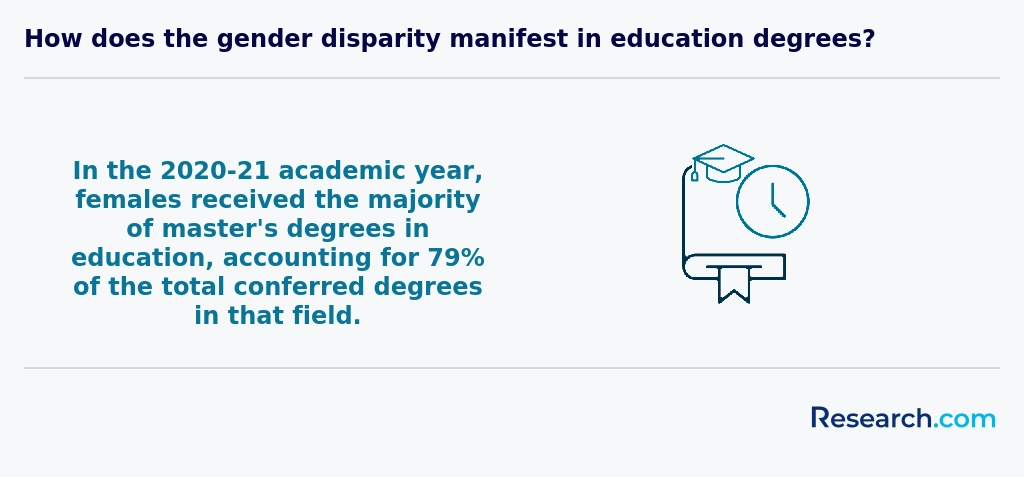
Graduates with an online educational leadership degree in Columbia, Missouri, often pursue careers as school principals, assistant principals, or educational coordinators. These roles involve managing daily operations, overseeing staff, and developing academic programs tailored to local community needs. Many Columbia-based graduates from institutions like the University of Missouri reflect positively on how their programs prepared them for leadership challenges faced in schools and districts.
District administrator and superintendent positions are common next steps for those seeking broader influence over multiple schools. These roles require strong skills in budget management and policy development, critical for enhancing student outcomes across Columbia-area education systems. Some graduates find rewarding opportunities in higher education administration or nonprofit educational consulting, broadening their impact beyond K-12 settings.
For those exploring educational leadership careers Columbia MO offers, several popular schools provide flexible options. Accessing online educational leadership programs allows students to balance work and study while targeting job opportunities in Columbia's diverse educational landscape.
The job market for online educational leadership degree graduates in Columbia is robust and aligns with the broader Columbia MO educational leadership career outlook that shows steady growth. Local school districts prioritize candidates with master's degrees or higher from accredited programs, often favoring those who hold a Missouri teaching certificate and have passed leadership exams. Graduates from Columbia's universities often share positive experiences of balancing their online studies while gaining practical experience in nearby schools, which enhances their employability for roles like school principals or district administrators.
This practical combination and Columbia's status as a university town create ample opportunities for online educational leadership jobs Columbia MO seekers. Additionally, many graduates find value in networking facilitated by local education agencies, which bolsters career advancement. Tuition costs for master's degrees in the region typically range between $15,000 and $20,000, making programs competitively priced for those looking to enter this field. Prospective students may also explore the cheapest ed.d online program options nationwide as flexible, affordable pathways to leadership.
2027 Easiest Online Educational Leadership Degree Programs Ranking in Columbia, MO
Investing in your education is a significant decision that can shape your future, and the Research.com team understands the importance of making informed choices. To assist prospective students in Columbia, MO, we have carefully developed the "2027 Easiest Online Educational Leadership Degree Programs Ranking in Columbia, MO." Our dedication to quality, credibility, and accuracy is evident in the thorough research and analysis involved in creating this ranking.
We utilized the following reputable data sources to ensure a comprehensive evaluation of educational leadership programs:
By exploring this ranking, readers will gain valuable insights into the most accessible online educational leadership degree options in Columbia, helping them make well-informed decisions about their education. For more information on how our rankings are developed, please visit our Research.com methodology page.

Frequently Asked Questions About educational leadership
Students pursuing online educational leadership degrees in Columbia can maximize their learning by actively engaging with their coursework and peers. Regular participation in discussion boards and virtual group projects helps deepen understanding and builds collaboration skills essential for leadership roles. Utilizing local resources, such as the Missouri Department of Elementary and Secondary Education, provides valuable insights into regional educational policies and leadership standards. Additionally, students should seek mentorship from experienced educators in Columbia's school districts, leveraging their practical knowledge. Time management and setting a dedicated study schedule also improve retention and academic success, aligning with recommendations from the National Education Association.
Emerging niches within the educational leadership field reflect growing demands for specialized skills in a rapidly changing educational environment. One significant area is technology integration leadership, where leaders are expected to manage digital learning tools and data systems effectively. According to the U.S. Department of Education, schools increasingly prioritize leaders familiar with educational technology to enhance student outcomes.
Another niche involves equity and inclusion leadership, focused on addressing achievement gaps and fostering diverse learning environments. In Columbia, MO, school districts have reported rising investments in programs that support culturally responsive leadership, aligning with national trends highlighted by the National School Boards Association.
Additionally, there is growing interest in mental health leadership, with leaders taking active roles in supporting student well-being during and after the COVID-19 pandemic. This role requires skills in coordinating mental health resources within educational settings, a trend supported by recent reports from the American Educational Research Association.
Preparing for the job market after earning an online educational leadership degree in Columbia, MO, involves leveraging both academic credentials and local opportunities. Graduates should focus on obtaining Missouri's Professional Administrative Certificate, which is typically required for leadership roles in public schools.
Networking with local educational institutions and joining Missouri-based organizations like the Missouri Association of School Administrators can increase job prospects. Columbia, home to the University of Missouri, provides access to valuable career fairs and internship connections specifically for educational leadership fields.
According to the Missouri Department of Elementary and Secondary Education, administrative roles in Columbia's school districts are expected to grow by 5% through 2028, highlighting steady demand.
Enhancing skills in data-driven decision-making and policy interpretation, which are emphasized in most online programs, will also improve employability in this competitive market.
Employers in Columbia, MO, value several key skills in graduates with online educational leadership degrees. Strong communication skills rank highly, as leaders must effectively liaise with teachers, parents, and district officials. According to the Missouri Department of Elementary and Secondary Education, leadership that fosters clear communication improves school outcomes significantly.
Analytical abilities are also critical, enabling leaders to assess student data and implement evidence-based improvements. Problem-solving skills help graduates address challenges in diverse school environments.
Additionally, knowledge of educational law and policy is essential, as school leaders must ensure compliance with state regulations and support equity initiatives throughout Columbia's public schools.
Finding internships in Columbia, Missouri, relevant to an educational leadership degree involves leveraging local school districts and universities. The Columbia Public Schools district often offers administrative internships, mentoring, and practicum placements for students pursuing educational leadership. These opportunities provide hands-on experience in school management and policy implementation.
The University of Missouri in Columbia has partnerships with K-12 schools, facilitating internships and practicum experiences specifically tailored for educational leadership students. Networking with faculty and utilizing the university's career services can increase access to these placements.
Additionally, consulting the Missouri Department of Elementary and Secondary Education website helps identify statewide educational leadership internship programs and guidelines. Local nonprofits and educational organizations sometimes offer internships focused on leadership development in education.
Obtaining an online educational leadership degree in Columbia, MO, strongly supports career mobility and advancement within the local education sector. Many school districts in Columbia, such as Columbia Public Schools, prioritize candidates holding advanced leadership qualifications for principal or administrative positions. According to the Missouri Department of Elementary and Secondary Education, educators with leadership degrees earn approximately 15-20% higher salaries compared to those without such credentials.
Online programs offer flexibility, allowing working professionals in Columbia to upskill without disrupting their current roles. This accessibility helps more educators meet certification requirements needed for leadership roles. Furthermore, accredited online degrees can expand networking opportunities within Missouri's education community, fostering career growth.
Studying for an educational leadership degree in Columbia, MO, equips students with skills that apply across multiple disciplines. Programs often combine coursework in administration, policy, communication, and organizational behavior. This interdisciplinary focus helps graduates work effectively in diverse educational settings and community partnerships.
According to the Missouri Department of Higher Education, many Columbia institutions incorporate practical leadership experiences that promote collaboration between education, health, and social services sectors. This training prepares students for roles requiring coordination among various professionals to improve school outcomes.
By blending theory and real-world application, these degrees develop adaptable leaders ready to manage complex challenges in education and beyond.
Choosing between a thesis and a non-thesis educational leadership degree program in Columbia, MO, depends on your career goals and learning preferences. Thesis programs typically require original research, helping develop strong analytical and writing skills, which can be beneficial if you plan to pursue a doctoral degree or research-intensive roles.
Non-thesis options focus more on practical skills through coursework and projects, ideal for those seeking immediate leadership positions in schools or districts. According to Missouri Department of Elementary and Secondary Education, leadership roles in Columbia schools often prioritize applied experience.
Consider your schedule as well: thesis paths can be more time-intensive. Research local programs' specifics to align with your professional goals.
Students based in Columbia, Missouri, seeking online educational leadership degrees have multiple options from U.S. universities that offer flexible programs designed for working professionals. Many universities provide fully online master's and doctoral degrees in educational leadership, allowing students to balance studies with local commitments. For example, the University of Missouri offers a recognized Educational Leadership program, which can be pursued partly online, benefiting Columbia residents.
Online programs often cover key topics such as school administration, policy development, and leadership strategies. Accredited institutions typically require field experiences that can be completed locally in Columbia schools. This combination ensures practical learning aligned with national standards.
The demand for school leaders continues to grow in Missouri, with the Missouri Department of Elementary and Secondary Education reporting steady employment opportunities in educational administration jobs for graduates with leadership credentials.
Students pursuing an online educational leadership degree in Columbia, MO, can benefit from part-time roles that develop key skills in administration and communication. Positions such as teacher assistants or administrative aides in local schools provide practical experience in managing educational environments. The Columbia Public Schools district employs many part-time staff, offering opportunities to engage directly with school operations.
Additionally, roles like tutoring or mentoring through community programs help build leadership and instructional skills valued in educational leadership careers. According to the Missouri Department of Elementary and Secondary Education, professionals with leadership experience often advance faster in education management.
Work in nonprofit organizations focused on youth development can also complement academic learning by enhancing organizational and program coordination abilities.
Online educational leadership students in Columbia, MO, benefit from a variety of networking opportunities designed to connect them with local and national professionals. Many programs collaborate with schools and districts in Missouri, offering virtual events, internships, and practicum placements that foster real-world contacts. For example, the University of Missouri system facilitates online student access to regional educational leadership associations.
Students can join organizations such as the Missouri School Boards' Association and the Missouri Association of Elementary School Principals, which host regular conferences and workshops. These gatherings often include online participation options, helping remote learners engage more easily.
Additionally, online platforms like LinkedIn host dedicated groups for educational leaders in Missouri, enabling students to share insights and job leads. According to Missouri Department of Elementary and Secondary Education data, networking significantly enhances career advancement in this field.
Alumni networks play a significant role for students pursuing online educational leadership degrees in Columbia, Missouri. These networks provide access to experienced professionals and local education leaders, which helps students build valuable connections. According to the University of Missouri's Career Services, strong alumni ties can improve job placement rates by up to 20% in the educational sector.
Members often share job openings, mentorship, and advice, which is especially helpful for those studying remotely. In Columbia, where education leadership roles are competitive, these connections offer a distinct advantage. Alumni events and online forums further enable interaction among graduates and current students, fostering ongoing collaboration.
Customizing an online educational leadership degree program in Columbia, MO, allows students to align their studies with specific career goals. Many universities offer flexible course options, enabling learners to select electives in areas such as curriculum development, school administration, or special education.
Students can often choose between thesis and non-thesis tracks depending on their interest in research or direct professional application. Some programs also provide opportunities for internships or virtual practicums, essential for hands-on experience.
According to the Missouri Department of Elementary and Secondary Education, leadership roles in Columbia schools increasingly require targeted skills, making customization beneficial. Prospective students should review program curricula closely and consult academic advisors to ensure the chosen pathway matches local educational leadership demands.
Online educational leadership students in Columbia, MO, often face several challenges. One common issue is balancing coursework with professional and personal responsibilities. Many students work full-time in education roles, making time management crucial. According to the Missouri Department of Higher Education, about 65% of graduate students in teaching-related fields report juggling work and study as a primary challenge.
Additionally, students may struggle with limited face-to-face interaction, which can affect networking and mentorship opportunities important in educational leadership. Technical difficulties and varying online platform quality also pose barriers, especially for those less familiar with digital tools.
Finally, maintaining motivation in a self-directed learning environment remains a hurdle for many, as online programs demand high self-discipline.
With an online educational leadership degree, professionals in Columbia, MO, can pursue several valuable certifications to advance their careers in school administration. The most common certification is the School Principal Certification, required by Missouri's Department of Elementary and Secondary Education (DESE) for those aiming to become building principals. This certification demonstrates leadership skills and knowledge in managing schools.
Another option is the Superintendent Certification, which prepares educators for district-level leadership roles overseeing multiple schools. Additionally, individuals may pursue the Instructional Specialist Certification, focusing on curriculum development and teacher support.
These certifications typically require completion of approved preparation programs and passing state exams, which align well with online educational leadership degrees offered in Columbia. According to DESE data, certified principals in Missouri earn an average salary of around $90,000, reflecting the value of these credentials.
Writing a winning application for an online educational leadership program in Columbia, Missouri, starts with demonstrating clear career goals. Admissions committees look for applicants who understand the impact of educational leadership in local schools and districts. Highlight any relevant work experience or leadership roles you have held, especially in Missouri's K-12 systems.
Strong personal statements should address your motivation, leadership philosophy, and how the program aligns with your professional growth. According to the University of Missouri's online educational leadership program, applicants with well-articulated goals and practical experience have a higher chance of acceptance.
Additionally, meet all application deadlines, submit official transcripts showing a solid academic record, and secure recommendations from supervisors familiar with your leadership skills. Demonstrating knowledge of regional educational challenges in Columbia can also strengthen your application.
Educational leadership is viewed globally as a vital profession that shapes the future of learning and school environments. In the United States, including Columbia, Missouri, demand for skilled educational leaders is rising. According to the U.S. Bureau of Labor Statistics, employment of education administrators is projected to grow 6% from 2022 to 2032, reflecting steady opportunities.
Leaders in education must navigate complex cultural and policy landscapes, requiring a global mindset to address diverse student populations. Online programs in Columbia cater to this need, integrating international best practices with U.S. standards.
Experts emphasize that educational leadership today combines strategic management, equity focus, and technological innovation to improve student outcomes across settings.
Students pursuing an online educational leadership degree in Columbia, MO, can gain practical experience through internships and practicum placements often arranged by their universities. These real-world experiences are essential for developing skills in school administration, policy implementation, and community engagement.
Many universities in Missouri collaborate with local school districts, offering opportunities to work alongside experienced educators and administrators. According to the Missouri Department of Elementary and Secondary Education, Columbia Public Schools supports partnerships for leadership development.
Additionally, online students can engage in virtual simulations and leadership projects that mirror daily challenges faced in education settings. This combination of fieldwork and remote practice helps prepare students for leadership roles upon graduation.
Choosing the right concentration within an online educational leadership degree in Columbia, MO, depends on your career goals and interests. Common concentrations include K-12 leadership, higher education administration, and special education leadership. According to the Missouri Department of Higher Education & Workforce Development, school districts in Columbia increasingly seek leaders skilled in curriculum development and inclusive education strategies.
Consider local job market demands: Columbia Public Schools, one of the largest employers, prioritizes leaders adept in equity and community engagement. Reviewing program curriculum and faculty expertise can help ensure the concentration aligns with these trends.
Finally, check if the program prepares you for Missouri's principal or superintendent certification, as licensure requirements vary by focus area.
- How to Pick Your Concentration for Your M.Ed. Degree | ACE Blog https://ace.edu/blog/how-to-pick-your-med-concentration/
- How to Advance Your Career with an Ed.D. in Educational Leadership - Graduate Programs for Educators https://www.graduateprogram.org/blog/how-to-advance-your-career-with-an-ed-d-in-educational-leadership/
- Campus vs Online vs Hybrid Doctor of Education (EdD) Programs https://www.onlineeddprograms.com/faqs/campus-online-hybrid-edd-programs
- What Can You Do With a Master's in Education Leadership? https://www.salemu.edu/blog/educational-leadership-careers/
- Skills Employers Look for in Business Graduates – EU Business School https://www.euruni.edu/blog/skills-employers-look-for-in-business-graduates/
- Know more about thesis vs non- thesis: what is the difference? https://studyfans.com/en/blogs/816
- Global Perspectives on Leadership in Early Childhood Education https://hup.fi/books/e/10.33134/HUP-20
- Top 5 Skills Employers Look for in a College Graduate https://www.blog.intedashboard.com/blogs/active-learning/skills-college-graduate
- Career Opportunities After Earning an Educational Leadership Graduate Degree https://aituedu.org/career-opportunities-after-earning-an-educational-leadership-graduate-degree/
- Educational Leadership (PK-12) Certificate | York College of Pennsylvania https://www.ycp.edu/academics/programs/educational-leadership-pk-12-certificate