2027 Fastest Online Master's in Educational Leadership Degree Programs Ranking in the South

Co-Founder and Chief Data Scientist
For students in the South seeking to advance their careers, choosing the right educational leadership degree program is crucial. Our article introduces the 2027 Fastest Online Master's in Educational Leadership Degree Programs Ranking in the South, created by the Research.com team of data scientists.
This ranking helps you identify quality programs that combine speed and strong outcomes, making your decision easier. Earning a degree in educational leadership opens doors to inspiring roles in schools and organizations.
Explore options that fit your goals and start shaping the future of education today.
Key benefits of getting online educational leadership degree in the South
- Educational leadership degree graduates in the South often pursue careers as school principals or instructional coordinators, with principals earning a mean annual salary of around $98,490 nationwide, offering strong financial stability.
- A graduate from a well-known Southern university might explore careers in school administration, district management, or educational consulting, enjoying diverse opportunities to impact community education.
- Completing an educational leadership degree online through a respected Southern university allows flexible scheduling, enabling students to balance work and family while gaining practical skills at their own pace.
- 2027 Fastest Online Master's in Educational Leadership Degree Programs Ranking in the South
- What can I expect from online educational leadership degree in the South?
- Where can I work with online educational leadership degree in the South?
What can I expect from online educational leadership degree in the South?
When planning for an online educational leadership degree in the South, expect average tuition costs to typically range between $15,000 and $30,000 for the entire program. Programs at well-known Southern universities, such as those in Texas and Florida, often offer flexible payment options and scholarships specifically for working educators, easing financial stress.
Graduates frequently share how balancing coursework with their jobs felt manageable thanks to part-time enrollment plans. One graduate from a popular Florida university recalls how securing a scholarship helped reduce costs, allowing them to focus on leadership skills without financial strain.
Costs can vary depending on program length, usually 18 months to 3 years, and residency status. Some schools include fees for virtual internships or mentorships, invaluable for gaining hands-on experience in local districts across the South. These investments often translate into higher future earnings and career growth in roles like school principal or district administrator.
Where can I work with online educational leadership degree in the South?
Graduates with an online educational leadership degree in the South often find roles as school principals or assistant principals, especially in states like Texas and Florida where districts prioritize strong leadership to improve school outcomes. Many graduates from well-known Southern universities report gaining hands-on administrative skills that directly translate to managing daily school operations and supporting teachers effectively.
Beyond school administration, opportunities expand into district-level roles such as superintendents or instructional coordinators. For instance, graduates from programs at universities popular in Georgia or North Carolina often leverage their master's training to influence district policies and lead professional development across multiple schools.
Higher education positions also attract graduates, with colleges in the South seeking educational leaders to serve as academic advisors or enrollment managers. Graduates working in these roles describe rewarding experiences helping students navigate their educational journeys while supporting institutional growth amid rising enrollments.
Additionally, nonprofit organizations and consulting firms in metropolitan areas like Atlanta or Miami offer avenues to apply leadership expertise in community outreach and policy analysis, providing graduates meaningful ways to impact education beyond traditional school settings.
Graduates with an online educational leadership degree from Southern institutions like the University of Georgia or Texas A&M often see competitive salaries reflecting their leadership skills. While specific updated state salary data isn't available from official salary databases, practical experience shows many leaders earn between $85,000 and $120,000 annually in key states such as Georgia, Texas, and Florida.
For example, a graduate stepping into a principal role in Texas might start near $100,000 per year, while district-level leaders in Florida often reach salaries closer to $120,000. Graduates from programs focusing on state-specific licensure and leadership competencies report faster job placement and salary growth.
Many Southern educational leadership graduates share that entry-level positions start around $70,000, but with added experience-especially within large districts in cities like Atlanta or Dallas-salaries can climb beyond $130,000. This aligns with the premium placed on advanced degrees and certifications common among Southern educational administrators.
Choosing an accredited online program with pathways to licensure tailored for the South can noticeably improve your earning potential and career trajectory in this rewarding field.
- Online educational leadership master's programs in the South typically cost between $15,000 and $40,000, with public universities offering lower tuition for in-state students.
- The employment of education administrators is projected to grow about 6% nationally from 2022 to 2032, with higher growth rates in states like Florida and Texas.
- Entry-level salaries for educational leadership graduates in the South range from $60,000 to $70,000 annually, increasing to $90,000-$120,000 for experienced professionals.
- Most reputable online programs are accredited by the Southern Association of Colleges and Schools Commission on Colleges (SACSCOC) and align with state licensure requirements.
- Online programs often offer asynchronous courses, helping students balance work and family, especially in rural or underserved areas.
Completing an online educational leadership degree in the South generally takes between one and three years, depending on your enrollment status and program format. Many full-time students at institutions like the University of Southern Mississippi finish in about two years, tackling the typical 30 to 36 credit hours at a steady pace.
Graduates often share that choosing an accelerated program, available at schools such as the University of North Carolina system, can shrink this timeline to as little as 12 to 18 months through year-round courses or compressed semesters. This path is ideal if you're balancing work and want to advance more quickly.
Part-time students who continue working full-time usually extend their studies closer to three years. This approach offers important flexibility for managing family and job commitments-but requires consistent planning and discipline.
Remember, internships or practicum projects common in these programs can add time, so asking about program specifics upfront helps you map out a realistic schedule that fits your life.
Online and on-campus educational leadership degrees in the South mainly differ in delivery and flexibility. Graduates from programs at universities like the University of Alabama or Clemson University report that online courses fit well with their busy work and family lives. They could study from home or during breaks, avoiding long commutes common with on-campus programs at schools such as the University of Georgia.
On-campus students enjoy in-person interactions that boost networking and immediate feedback, valuable for leadership roles requiring strong community ties. For example, on-campus learners at institutions in Tennessee highlight hands-on experiences with local schools, an advantage less available online. However, online students appreciate virtual office hours and digital resources that help maintain engagement despite physical distance.
Cost differences are notable too. Southern public universities often charge $8,000 to $15,000 annually for in-state tuition on-campus, while online programs might have lower fees but sometimes match tuition depending on the institution. Balancing these factors realistically helps you decide which format aligns with your career goals and lifestyle in the South.
The average cost of obtaining an online educational leadership degree in the South can vary, but median figures offer clear guidance for budgeting. Typically, in-state students attending public universities pay around $11,080 for the full program, making it an affordable choice for many residents. Out-of-state students should anticipate somewhat higher costs, with median total expenses reaching about $22,518. Overall, the median total cost for online educational leadership degrees in this region is approximately $20,113, which is competitive compared to many other areas.
Graduates from popular Southern universities often share how the manageable tuition allowed them to balance work, family, and study. For example, students at schools in Texas and Florida praise the reasonable fees combined with the flexibility of online coursework. This makes pursuing an educational leadership degree a practical option without overwhelming financial burden. Prospective students considering affordable online educational leadership programs Southern US will find that many universities also provide scholarships, payment plans, and financial aid to ease the process.
When planning your investment in an educational leadership degree, factor in additional costs like technology fees and course materials. It's helpful to explore available supports that align with your situation, such as federal loans or employer tuition reimbursement. To accelerate your journey, you might consider programs developed for working professionals that offer quicker completion times; institutions offering an accelerated ed specialist degree online are worth investigating for this purpose.
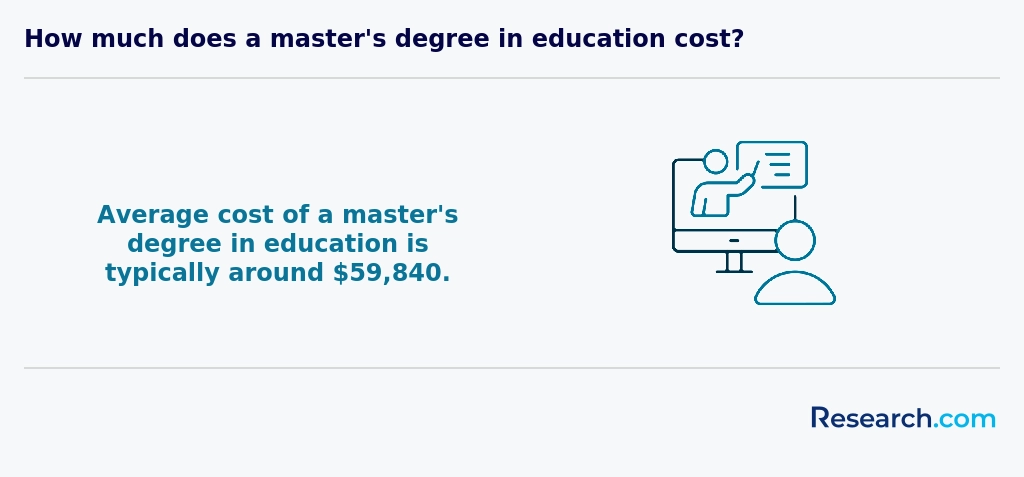
Students pursuing online educational leadership degrees in the South can access several financial aid options to make their studies more affordable. For example, graduates from universities like the University of Alabama or Florida State University often start by completing the FAFSA to unlock federal aid such as Pell Grants and federal student loans, which typically have lower interest rates than private loans. Grants are especially valuable because they do not require repayment, providing real relief.
State scholarships also play a crucial role. Many Southern states offer programs like the Texas Tuition Equalization Grant or Georgia's HOPE Scholarship, which past educational leadership students have relied on to reduce tuition costs significantly.
In addition, many institutions offer their own merit- or need-based scholarships tailored for online learners. Graduates recall how these awards eased their financial stress, letting them focus on coursework rather than debt.
Finally, working professionals benefit greatly from school district tuition reimbursement programs common in the South, helping teachers advance without halting their income stream.
To enroll in an online educational leadership degree program in the South, you'll need at least a bachelor's degree from a U.S. accredited institution, often in education or a related field. For example, graduates from well-known Southern universities share how their prior degrees in education paved the way smoothly into leadership programs. If your background isn't directly in education, relevant work experience in schools or educational settings can also qualify you.
Most programs expect two or more years of experience in roles such as teaching, school administration, or support services. This practical experience, valued by universities like those in Georgia or Texas, helps you connect theory to real-world leadership challenges, boosting both confidence and skill.
Another key prerequisite is submitting official transcripts with a minimum GPA of around 3.0, though some schools are flexible if you have strong recommendations or professional achievements. Letters of recommendation, ideally from supervisors who can vouch for your leadership potential, are crucial for admission committees to see your readiness.
While standardized tests like the GRE are less commonly required, some Southern institutions still ask for them-often waiving the requirement for experienced candidates. Additionally, a thoughtful personal statement describing your career goals and leadership philosophy sets you apart and demonstrates your enthusiasm for shaping education in your community.

Online educational leadership degrees in the South typically include courses designed to build practical skills for real-world challenges in schools and districts. Graduates from well-known Southern programs often mention how classes like Educational Leadership and Organizational Theory gave them a strong foundation to understand how schools operate and change internally.
Courses such as School Law and Ethics prepare students to navigate complex legal requirements and ethical dilemmas, which a number of alumni found immediately useful when handling situations involving student rights or staff conflicts in their own schools.
Other essential classes include Instructional Leadership and Curriculum Development, where students learn to enhance teaching quality, and Data-Driven Decision Making, which equips leaders to use evidence for improving student outcomes-a skill graduates praise as invaluable in managing their schools.
Southern programs also emphasize practical skills like Finance and Resource Management in Education and Human Resources and Staff Development, helping students gain confidence in budgeting and personnel management. These hands-on courses are often paired with internships or leadership practicums at local schools, making theory directly applicable.
Students appreciate how programs address diversity, equity, and inclusion, reflecting the South's varied communities through courses on multicultural education and community engagement. This approach helps graduates feel prepared to lead diverse student populations effectively, a frequent point of pride referenced by those who completed degrees at popular Southern colleges.
Online educational leadership degrees in the South typically offer a range of specializations tailored to regional demands. Graduates from well-known Southern universities often choose K-12 Administration, focusing on managing elementary and secondary schools, including vital training in school law and community leadership. This specialization directly prepares students for certification needed in many Southern states for principal roles.
Other popular tracks include Higher Education Leadership, for those targeting administrative roles in colleges or universities. Graduates describe applying skills like policy development and enrollment management to real campus leadership scenarios, a practical path especially available through schools emphasizing South region educational leadership degree concentrations.
Additionally, Curriculum and Instruction Leadership attracts educators aiming to lead instructional improvements. Graduates share stories of becoming curriculum directors, shaping student achievements across Southern districts.
Specializations in Multicultural Education Leadership and Equity and Inclusion are especially relevant given the South's growing diversity, training leaders to create supportive environments for all students. Those exploring career options in educational leadership will find these programs offered widely online, reflecting practical pathways for advancing in the region's schools.
Start by verifying regional accreditation like SACSCOC to ensure your degree is respected across Southern schools and districts. Graduates from universities such as those in North Carolina or Florida often share how accreditation eased their transfer of credits and eligibility for state certifications. Next, consider cost carefully; Southern institutions tend to have competitive rates, often below national averages. Many students pursuing affordable online educational leadership programs southern US appreciate clear tuition breakdowns that include or exclude fees for books and exam prep.
Look for program length and scheduling flexibility. Working professionals frequently choose some of the fastest online educational leadership degrees in the South that allow completion in 12 to 18 months with asynchronous classes. This setup mirrors successful experiences shared by graduates balancing jobs and family life.
Ensure the curriculum meets the state's licensure requirements-whether principal or superintendent-to streamline your certification process. Practical components like virtual internships enhance your readiness. For budget-conscious students, exploring options like an affordable eds degree online can provide valuable insights into cost-saving programs without sacrificing quality.
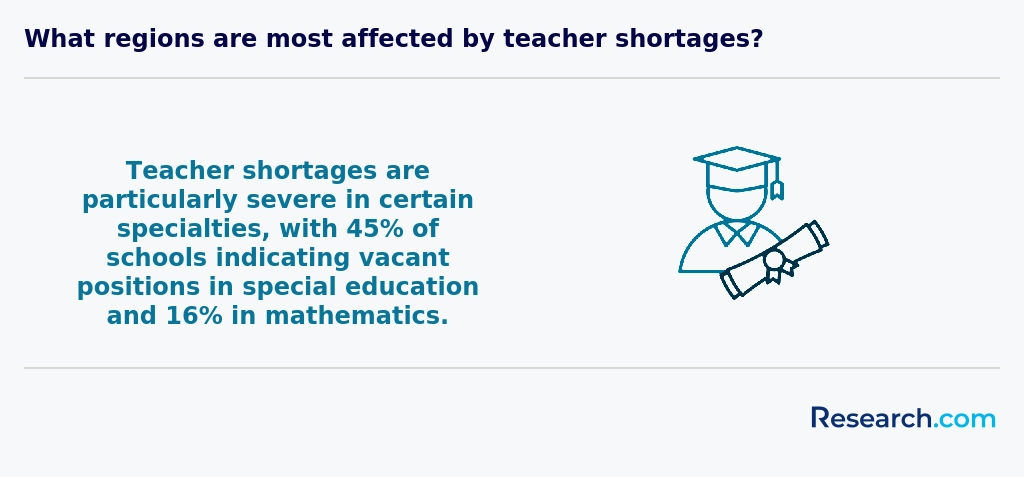
Graduates pursuing an online educational leadership degree in the South often find career paths aligned with practical leadership and administration roles in education. Many from popular Southern institutions report advancing to positions such as school principals or district administrators, roles where they directly influence student success and school policies. For instance, graduates from universities rooted in Texas and Georgia frequently take on challenges managing larger student populations, reflecting the strong job market for educational leaders in these states. Focusing on gaining experience as assistant superintendents or curriculum coordinators provides a strategic route to leadership in both K-12 settings and higher education.
Career opportunities extend to instructional coordinators improving teaching quality and policy makers in special education programs, which appeal to graduates who enjoy blending leadership with hands-on curriculum development. The Southern US educational leadership job opportunities are also available in nonprofit organizations and educational technology firms, where graduates apply their skills to broader educational initiatives. Choosing an accredited online masters in educational leadership from Southern universities equips students with credentials that regional employers highly value.
The job outlook for online educational leadership degrees in the South is encouraging, driven by expanding school districts and increasing demand for skilled administrators in states like Texas, Georgia, and Florida. Graduates from popular universities often find opportunities as school principals, district superintendents, or program directors across K-12 schools. Many Southern-based students appreciate the flexibility of online programs that allow them to balance work and family while progressing toward advanced leadership roles.
Career opportunities with educational leadership master's in southern states tend to reflect regional needs, with some areas offering median salaries around $98,000, providing competitive compensation relative to living costs. Graduates frequently highlight how programs at well-known Southern colleges prepared them with practical skills to address diverse student populations and local education challenges.
For those choosing between paths like EdS and EdD degrees, understanding how these align with career goals is essential. Resources such as choosing between eds and edd can clarify these options for Southern students focused on advancing their leadership careers without relocating to pursue education.
2027 Fastest Online Master's in Educational Leadership Degree Programs Ranking in the South
Investing in your education is a significant decision that can shape your future, and the Research.com team understands the importance of making informed choices. To assist prospective students seeking advanced leadership roles, we have meticulously developed the "2027 Fastest Online Master's in Educational Leadership Degree Programs Ranking in the South." Our commitment to quality, credibility, and accuracy is reflected in the thorough research and data analysis conducted to compile this ranking.
We utilized the following reputable data sources to ensure a comprehensive evaluation of educational leadership programs:
By exploring this ranking, readers will gain valuable insights into the fastest online master's programs in educational leadership across the South, empowering them to make well-informed decisions that align with their career goals. For further details on how this ranking was created, please visit our Research.com methodology page.
# 1 position
Louisiana State University and Agricultural & Mechanical College
Master of Educational Leadership


# 9 position
University of North Florida
Master of Instructional Technology, Training and Development


# 13 position
The University of Texas at Arlington
Master of Educational Leadership and Policy Studies


# 17 position
Valdosta State University
Master of Adult and Career Education/Career and Technical Education


Frequently Asked Questions About educational leadership
Students pursuing online educational leadership degrees in the South can maximize their learning by actively engaging in virtual discussions and collaboration. Research shows that programs accredited by the Council for the Accreditation of Educator Preparation (CAEP) often provide higher-quality instruction, enhancing student outcomes. It is important to choose Southern universities with strong ties to local school districts, as this offers valuable networking and practical internship opportunities. According to the Southern Regional Education Board, nearly 60% of educational leadership students in the region balance work, thus selecting flexible courses with asynchronous options is crucial. Utilizing university resources like career services and academic advising also supports success.
The educational leadership field is expanding with new specialized areas, especially in the South where school districts face unique challenges. One emerging niche is equity-focused leadership, addressing achievement gaps among diverse student populations. According to the Southern Regional Education Board, equity leaders are increasingly needed to design inclusive policies and culturally responsive curricula.
Another growth area is digital learning leadership. With over 40% of Southern schools adopting hybrid or fully online models post-pandemic, leaders skilled in managing virtual environments are in demand. These professionals develop strategies for technology integration and staff training.
Additionally, sustainability leadership is gaining attention. Schools require leaders to manage resources efficiently while promoting environmental education, aligning with growing eco-conscious community values across Southern states.
Graduates with an online educational leadership degree in the South should focus on building practical experience alongside their academic credentials. According to the National Center for Education Statistics, school leadership roles in Southern states are projected to grow by about 5% through 2028, underscoring the importance of relevant skills.
Networking with local school districts and educational organizations can open doors to job opportunities. Joining professional associations like the Southern Educational Leadership Network can help graduates stay informed and connected.
Additionally, obtaining state-specific certifications is essential. Most Southern states require a principal or superintendent license to lead public schools, so graduates should verify credentialing requirements through their state's department of education.
Employers in the Southern United States prioritize a range of skills in graduates with online educational leadership degrees. Strong communication abilities are essential, allowing leaders to effectively engage with diverse student populations and staff. According to the Southern Regional Education Board, collaboration and conflict resolution skills also rank highly, as school leaders often mediate between teachers, parents, and administrators.
Data from the National Center for Education Statistics highlights strategic planning and data-driven decision-making as critical skills needed to improve student outcomes. Additionally, cultural competency is increasingly important in the South's diverse educational environments. These competencies prepare graduates to navigate evolving challenges in K-12 leadership roles.
Finding internships in the South relevant to educational leadership degrees begins with exploring partnerships between universities and local school districts. Many Southern universities hosting online leadership programs maintain relationships with nearby public and private schools, providing students with internship placements tailored to administrative roles.
Additionally, organizations like the Southern Regional Education Board (SREB) offer resources and connections specifically for educators pursuing leadership careers. Networking through professional associations such as the American Association of School Administrators (AASA) chapter in Southern states can uncover internship opportunities.
Students should utilize their institution's career services and online portals to identify openings, as 65% of internships in education leadership are secured through university channels, according to the National Center for Education Statistics.
Geographically, states like Georgia, North Carolina, and Texas report higher availability of internships due to larger school systems and district initiatives focused on leadership development.
Online educational leadership degrees in the South significantly enhance career mobility and advancement for educators seeking leadership roles. According to the Southern Regional Education Board, demand for school administrators in Southern states is projected to grow faster than the national average through 2030. Completing an accredited online program offers flexibility to work professionals while providing leadership skills aligned with regional education policies.
Graduates often qualify for positions such as principals or district supervisors, roles that typically require a master's degree and relevant certification. The National Center for Education Statistics reports higher salaries and promotion rates among those with advanced leadership credentials, particularly in states like Texas, Georgia, and Florida.
Moreover, many Southern school districts prioritize candidates with university-affiliated leadership training, making online degrees a valued asset for career progression.
Studying for an educational leadership degree in the South equips students with skills to manage diverse educational environments by emphasizing collaboration across multiple disciplines. Southern programs often integrate coursework in policy, administration, counseling, and community relations, preparing graduates for roles that require coordination between educators, social workers, and local agencies.
According to the Southern Regional Education Board, over 60% of leadership programs in the region incorporate interdisciplinary training to meet the complex needs of students in urban and rural settings. This approach helps leaders address challenges such as equity, mental health, and resource allocation more effectively.
Additionally, online programs in states like Georgia, Texas, and North Carolina offer flexible formats that attract professionals from various backgrounds, further enriching interdisciplinary perspectives.
Choosing between a thesis and a non-thesis educational leadership degree program in the South depends largely on your career goals and time commitment. Thesis programs emphasize research and are ideal if you plan to pursue a doctoral degree or a career in academia. They typically take longer, as you must complete a comprehensive research project. Non-thesis programs focus on practical skills and leadership applications, appealing to professionals aiming for administrative roles in schools or districts.
In Southern states like Texas and Georgia, where online educational leadership programs are popular, about 60% of students opt for non-thesis tracks due to their flexibility and faster completion times, according to the National Center for Education Statistics. Understanding your professional objectives and schedule is crucial in making the right choice.
Students based in the South seeking online educational leadership degrees with an international focus have several options. Many Southern universities offer programs accredited by organizations like CAEP, ensuring quality standards that align globally. While direct study abroad opportunities can be limited due to program structure, some institutions partner with foreign universities for joint degrees or exchange components.
Additionally, Southern students may consider enrolling in online programs from internationally recognized universities that comply with U.S. accreditation. According to the National Center for Education Statistics, over 60% of Southern graduate students prefer online format, reflecting growing accessibility.
These options support students in gaining broader educational leadership perspectives without sacrificing flexibility or regional accreditation standards.
Part-time job opportunities in the South that complement educational leadership degree education often include roles in school administration, tutoring, and community education programs. Positions such as teacher aides or administrative assistants in local school districts offer practical experience with educational policies and leadership strategies.
According to the National Center for Education Statistics, Southern states employ many educational support staff, providing ample job openings to gain relevant skills. Additionally, working with nonprofit organizations focused on youth development or educational outreach can enhance leadership qualities and understanding of diverse student needs.
Many students also find opportunities as instructional coaches or after-school program coordinators, roles that allow direct application of leadership theories learned in coursework.
Online educational leadership students in the South benefit from various networking opportunities tailored to their regional context. Many Southern universities offering these degrees organize virtual meetups, webinars, and conferences that connect students with local educational professionals and administrators. For example, institutions often collaborate with state education departments to provide access to leadership forums.
Professional organizations such as the Southern Regional Education Board (SREB) also host events and provide platforms where students can engage with peers and experienced leaders. According to SREB reports, involvement in these communities improves career prospects by 25% for educational leaders.
Additionally, online degree programs often encourage participation in local school district projects and internships, aiding practical connections within Southern educational systems.
Alumni networks play a crucial role for students pursuing online educational leadership degrees in the Southern United States. These networks provide access to experienced professionals who offer mentorship and career guidance, which is essential in a competitive job market. According to the Southern Regional Education Board (SREB), institutions in the South emphasize alumni engagement to strengthen professional connections in education leadership roles.
Participation in alumni groups can lead to job referrals and collaboration opportunities across school districts and educational organizations. Moreover, alumni events often include workshops and webinars tailored to leadership challenges specific to Southern education systems.
Statistics from the National Center for Education Statistics show that nearly 70% of school leaders find job opportunities through professional networking, highlighting the practical benefits of active alumni involvement for graduates in this region.
Many online educational leadership programs in the South offer customizable options to align with your career goals. You can often choose electives focusing on areas like curriculum development, policy, or special education administration. Some schools provide specialized tracks or concentrations that prepare you for roles in K-12 leadership, higher education, or district-level administration.
Additionally, internships or capstone projects allow practical experience tailored to your interests. According to the Southern Regional Education Board, programs in Southern states frequently incorporate regional education policies, which can better prepare you for work in local school districts.
Check if your program permits credits from professional certifications or offers flexible pacing to accommodate your schedule.
Online educational leadership students in the South often face several distinct challenges. Limited high-speed internet access in rural areas remains a significant barrier, affecting about 25% of households in some Southern states, according to the Federal Communications Commission. This can hinder participation in live lectures and timely submission of assignments.
Another challenge is balancing demanding careers with coursework. Many students are full-time educators or administrators, making it difficult to manage study time effectively. Research from the Southern Regional Education Board highlights that 60% of these students juggle work, family, and school simultaneously.
Additionally, some students report feelings of isolation due to reduced face-to-face interaction and networking opportunities, which can impact motivation and engagement.
With an online educational leadership degree, professionals in the South can pursue various key certifications that enhance career opportunities in school administration. The most common certification is the state-issued principal or school leader license, required to manage K-12 schools. These certifications often require completion of a master's degree in educational leadership and passing state exams.
Additionally, candidates can seek superintendent certification, especially relevant in Southern states where educational districts value strong leadership in managing multiple schools. Certifications like the National Board for Professional Teaching Standards (NBPTS) offer advanced credentials, although they focus more on teaching excellence than administration.
According to the Southern Regional Education Board (SREB), the demand for certified educational leaders in the South is projected to grow by over 8% by 2030, highlighting the value of these credentials in this region.
Writing a successful application for an online educational leadership program in the South requires clear preparation and attention to regional educational priorities. Applicants should highlight relevant professional experience in K-12 or higher education settings, emphasizing leadership roles or initiatives. According to the Southern Regional Education Board, programs in this region prioritize candidates demonstrating commitment to improving student outcomes and community engagement.
Strong letters of recommendation from supervisors or academic mentors improve chances, especially those that attest to leadership and collaboration skills. Applicants should also articulate clear career goals in a personal statement, linking them to challenges faced by Southern educational institutions. Meeting all prerequisites and submitting transcripts promptly are essential, as competitive programs receive many applications.
Educational leadership careers are increasingly valued worldwide, with the United States playing a significant role in shaping global standards. In the South, online degrees in educational leadership provide flexible pathways to meet rising demands for skilled leaders in schools and districts. According to the National Center for Education Statistics (NCES), Southern states show steady growth in school administration roles, reflecting broader national trends.
Globally, education leaders are expected to address diverse challenges such as equity, technology integration, and policy reforms. U.S. educational leadership programs emphasize these skills, preparing graduates to improve student outcomes effectively. For Southern students, earning an online degree enhances access to these global competencies without relocating.
The Southern Educational Research Association notes that leaders trained in the South often bring culturally responsive practices to diverse communities. This approach aligns with global leadership trends that prioritize inclusivity and innovation in education systems.
Gaining practical experience while pursuing an online educational leadership degree in the South is essential for career readiness. Many programs incorporate internships or practicum experiences that allow students to apply leadership theories in real educational settings. These opportunities often take place at local schools or districts, enabling students to meet regional certification requirements.
Online students can also engage in virtual simulations or leadership projects designed to build skills in data analysis, team management, and policy implementation. According to the Southern Regional Education Board, 78% of Southern universities offering educational leadership degrees include hands-on leadership components within their curricula.
Networking with Southern education professionals through online forums and state education associations further enhances practical learning.
Choosing the right concentration within an online educational leadership degree in the South involves evaluating your career goals and local educational needs. Concentrations often include K-12 administration, higher education leadership, or curriculum development. According to the Southern Regional Education Board, K-12 leadership remains the most in-demand, reflecting regional investment in school improvement.
Consider licensure requirements in your state, as they vary. For example, Texas requires specific credentials for public school principals, influencing concentration choice. Research program curricula to ensure alignment with your professional aspirations.
Additionally, review data on job growth and salary trends from the U.S. Bureau of Labor Statistics, focusing on southern states for better insight into leadership roles' availability and benefits.
- Creating leadership practices elevating student experience https://k-12leadership.org/blog/creating-leadership-practices-around-embracing-student-experiences/
- Education Leaders Experience https://sc-cep.org/elevate/education-leaders-experience/
- Advancing Your Teaching Career with an MEd in Educational ... https://unima.ecampus.ac.mw/advancing-your-teaching-career-with-an-med-in-educational-leadership/
- Educational Leadership Network Europe - Home https://elnenetwork.org/
- Remote Educational Leadership Online Jobs https://www.virtualvocations.com/q-remote-educational-leadership-online-jobs.html
- A Comprehensive Guide - Educational Leadership Degree https://www.educationalleadershipdegree.com/blog/comprehensive-guide-to-pursuing-an-education-leadership-degree/
- School Leaders Network https://www.bestpracticenet.co.uk/school-leaders-network
- Master of Education in Educational Leadership ... https://www.saumag.edu/academics/program/master-of-education-in-educational-administration-and-supervision/
- Master's in Educational Administration and Leadership (K-12) https://www.columbiasc.edu/academics/graduate/masters-educational-administration-and-leadership-k-12
- Educational Leadership Network (ELN) https://icsei.org/network/educational-leadership-network/