2027 Easiest Online Master's in Educational Leadership Degree Programs Ranking in Missouri

Co-Founder and Chief Data Scientist
Choosing the right online master's program in educational leadership can feel overwhelming, especially with so many options available in Missouri. This article features the 2027 Easiest Online Master's in Educational Leadership Degree Programs Ranking in Missouri, developed by the Research.com team of data scientists to help you make an informed decision.
By exploring this ranking, you'll discover programs that balance quality and accessibility, helping you take confident steps toward advancing your career. Earning a degree in educational leadership opens doors to rewarding opportunities and personal growth.
Let this guide support your journey to becoming an inspiring leader in education.
Key benefits of getting online educational leadership degree in Missouri
- Educational leadership graduates in Missouri often earn between $70,000 and $110,000 annually, reflecting rewarding salaries that recognize their important roles in schools and districts.
- Graduates from Missouri State University report careers ranging from school principals to district administrators, offering diverse paths to positively impact education in their communities.
- Online degrees from institutions like the University of Missouri allow flexibility for working professionals, making it easier to balance life while advancing their leadership skills efficiently.
- 2027 Easiest Online Master's in Educational Leadership Degree Programs Ranking in Missouri
- What can I expect from online educational leadership degree in Missouri?
- Where can I work with online educational leadership degree in Missouri?
What can I expect from online educational leadership degree in Missouri?
Stepping into an online educational leadership program in Missouri often means navigating costs that hover around the $15,000 to $25,000 range for the entire degree. Graduates from respected institutions like the University of Missouri or Missouri State University recall how this investment felt like planting seeds in fertile soil-each credit hour paid was a step closer to unlocking leadership potential in real classrooms and district offices.
These programs cleverly balance tuition with flexible pacing; some take two years, others stretch to three, depending on how many courses you juggle alongside your daily responsibilities. The fees reflect not just coursework but also invaluable practicum experiences, where aspiring administrators get their hands dirty solving authentic school challenges.
For many, the financial commitment is softened by scholarships, employer tuition assistance, or payment plans specifically tailored for Missouri educators seeking certification through DESE. The cost might seem steep, but those who've clinched their degree treasure the ladder it builds-a tangible pathway from classroom veteran to visionary educational leader.
Where can I work with online educational leadership degree in Missouri?
Graduates with an online educational leadership degree in Missouri often find themselves stepping into dynamic roles where they shape the future of learning. Imagine guiding a bustling K-12 public school in St. Louis or Springfield, drawing on skills honed through courses at Missouri State or the University of Missouri. These leaders become the heartbeat of their schools-whether serving as principals, assistant principals, or curriculum coordinators-navigating the challenges of diverse classrooms with confidence.
Others venture into charter or private schools, pioneering innovative programs that light up the hallways with fresh ideas. Picture an educational leader crafting new initiatives for student success in Kansas City's vibrant school districts, feeling the rewarding pulse of change with every breakthrough.
Some graduates spread their wings into regional education service centers or higher ed, advising community colleges or spearheading teacher training programs that ripple across the state. They thrive on collaboration, turning education policy challenges into opportunities for growth within Missouri's rich educational landscape.
Graduates who earn an online educational leadership degree in Missouri often find themselves stepping into roles with rewarding paychecks that reflect their hard work and dedication. For example, those who become school principals in districts across Missouri typically earn around $96,000 annually-just a shade below the national average but still a solid figure that grows with experience.
New administrators starting out at well-regarded institutions like the University of Missouri or Saint Louis University might begin with salaries between $60,000 and $75,000, especially if they serve in smaller or rural districts. As they gather leadership experience and certifications through the Missouri Department of Elementary and Secondary Education, their earning potential rises.
Push your career beyond the schoolhouse. Many graduates advance into district-level positions-superintendents, curriculum directors-in bustling metro areas like Kansas City or St. Louis, where salaries can ascend to $110,000 or even $150,000. These numbers don't just represent paychecks; they stand for a meaningful impact on education combined with financial stability, a winning combination Missouri's online leadership programs are designed to unlock.
- Online educational leadership degrees in Missouri offer flexible training focused on administration, policy, and school improvement for K-12 education.
- The state forecasts steady job growth for school principals and educational administrators due to retirements and the need to improve student outcomes.
- Tuition for these online master's programs ranges from $12,000 to $30,000, varying by institution type and credit hours.
- Starting salaries for graduates average around $60,000 per year, increasing to about $90,000 or more with experience.
- Missouri requires completion of an approved program and passing licensure exams for educational leadership certification.
- Many programs include internships or supervised leadership experiences to prepare students for school administration roles.
Picture yourself juggling work, family, and ambition while carving out time to advance your educational leadership degree online in Missouri. Graduates from the University of Missouri and Missouri State University often recount completing their 33-credit-hour journeys in roughly 18 to 24 months, savoring the balance between hustle and home life. For some, extending the timeline to three years feels like a gentle rhythm, allowing coursework to weave seamlessly into busy weeks.
A few adventurous souls accelerated their programs, harnessing summer courses and heavier credit loads to cross the finish line in as little as 12 to 15 months-an intense sprint fueled by passion and resolve. Meanwhile, others appreciate the slower pace mandated by practicum hours or DESE alignment, recognizing these steps as vital rites of passage toward certification and leadership roles.
Whether you envision evenings spent diving into assignments at Missouri State or weekend seminars bridging theory and practice at the University of Missouri, the path flexes to your lifestyle-each credit hour a stepping stone shaping your future as an educational leader.
Picture juggling a full-time teaching job in St. Louis while diving into your educational leadership master's online through the University of Missouri. The beauty? You set the pace, syncing coursework around your hectic schedule-no rushing through rush hour or rearranging family dinners. Graduates often rave about this freedom, relishing the asynchronous classes that feel like a tailored suit for their busy lives.
Meanwhile, on-campus at Missouri State University, aspiring leaders thrive amid bustling hallways and lively face-to-face seminars. The buzz of real-time debates with peers and instant access to campus resources-libraries, counseling-fuel a different kind of connection. Graduates cherish this immersive vibe that sparks spontaneous collaboration and a tangible sense of community.
Both paths steer students towards the same goal: leadership readiness, meeting Missouri's certification demands. Whether logging in from a quiet home office or navigating campus green spaces, you'll navigate core topics like school law, finance, and data-driven decisions. The twist? Online learners still flex their leadership muscles locally with hands-on practicum hours in nearby districts, bridging digital lessons with real-world impact.
The average cost of an online educational leadership degree in Missouri hovers around $17,640, a figure that often surprises prospective students given the varied landscapes of tuition. Graduates from popular campuses like the University of Missouri share stories of balancing costs with enriching program experiences, emphasizing that affordability doesn't mean sacrificing quality. For many Missouri residents, tapping into in-state tuition rates substantially softens the financial impact, reflecting a more accessible path in the pursuit of leadership roles within education.
When exploring tuition and fees for online educational leadership Missouri programs, one can imagine a student juggling work and family, relieved by the clear cost brackets public universities provide, often between $12,000 and $20,000. Private universities, while a bit steeper, offer flexibility and scholarship opportunities that help soften the journey. These costs align with the median total expenses and allow students to forecast financial needs with confidence rather than guesswork.
Imagine a graduate navigating the final semesters, grateful for the financial aid and assistantships that offset some tuition as well as extra fees for technology or graduation. While textbooks and software join the list of financial considerations, the rewarding sense of stepping into educational leadership sparks excitement, echoing stories shared by those curious about the master's in educational leadership salary and career potential.

Imagine a busy teacher in St. Louis eyeing an online educational leadership degree from a university like the University of Missouri, feeling the financial weight lift thanks to federal aid. Filing the FAFSA unlocks Pell Grants or subsidized loans, turning dreams into budget-friendly realities. Think of a Missouri State graduate who, juggling work and studies, taps into the Missouri Bright Flight Scholarship, watching their tuition bill shrink as they climb leadership ranks.
Across campuses like Truman State, graduates share stories of merit-based scholarships or assistantships that handed them a financial lifeline when funds ran low. Picture a school principal's professional leap funded partially through employer tuition reimbursement, where local districts cheer for staff stepping up as leaders by easing tuition costs.
Loans remain a trusty backup, with federal options offering manageable interest and flexible payback. Plus, those savvy leaders claim tax credits like the Lifetime Learning Credit, turning tuition expenses into welcome savings instead of stress. Missouri's financial aid landscape for educational leadership students is not just support - it's a shared journey toward impact.
Imagine stepping into your favorite Missouri university's online classroom, ready to lead the next generation of schools-first, you need the key prerequisites that unlock this path. Most graduates share how securing a bachelor's degree from an accredited institution, often with a solid 3.0 GPA or higher, felt like laying the cornerstone of their leadership journey. In places like the University of Missouri or Saint Louis University, this academic foundation pairs with real-world experience-two years teaching in a classroom-where future leaders discover their voice and ignite their passion.
Teaching certification is another critical piece; it's a badge of readiness recognized by Missouri's Department of Elementary and Secondary Education. Graduates often recall submitting thoughtful letters of recommendation and crafting personal statements that revealed their visions of equity and inclusion, setting them apart in competitive admissions. Some even share the challenge-and thrill-of standardized tests like the GRE, which became stepping stones rather than obstacles in their advance toward educational leadership roles.
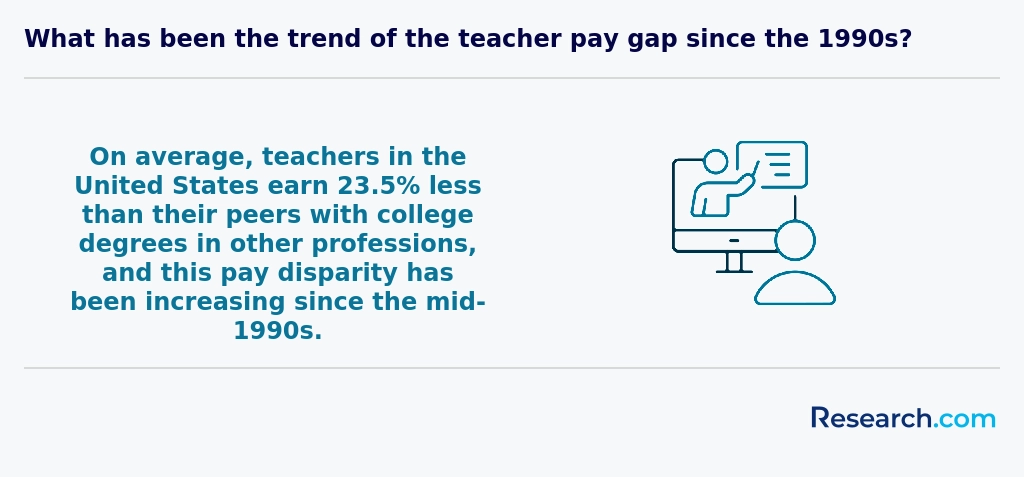
Diving into online educational leadership degrees in Missouri feels like stepping into a dynamic toolkit crafted for future school trailblazers. Graduates from institutions such as the University of Missouri and Missouri State University often describe their journey through courses like educational leadership theory and practice as a gateway to unlocking their unique leadership voice-imagine learning how to inspire a school community with just the right blend of vision and empathy.
Picture grappling with educational law and policy-not as dry statutes but as real-world guides that shaped how a recent graduate successfully navigated Missouri's distinct regulatory maze to protect vulnerable students and foster equity.
Instructional leadership courses transform abstract strategies into tangible plans, like reimagining a curriculum that sparks enthusiasm among both teachers and students, a skill passionately noted by alumni from Saint Louis University.
Financial management classes feel surprisingly empowering when you realize you're learning to steward resources wisely, directly impacting a school's ability to thrive in Missouri's unique funding landscape.
And then comes community engagement-a vibrant exchange where collaboration with parents and partners lifts schools beyond routine, building the kind of support networks that graduates cherish as the heartbeat of effective leadership.
Diving into online educational leadership specializations Missouri programs reveals a kaleidoscope of paths. Imagine a graduate from a renowned Missouri public university, energized by mastering K-12 School Leadership, then stepping confidently into a principal's office, crafting policies that echo with community voices. Another alum, immersed in Higher Education Administration, navigates the complex dance of university governance, thriving on strategic enrollment puzzles and academic affairs intricacies. These journeys, woven through the fabric of Missouri's diverse educational landscape, show how leaders shape futures.
Then, there's the Curriculum and Instruction Leadership route-where graduates become the architects of curricula that breathe life into classrooms, adapting to ever-evolving state benchmarks. Picture them, inspired by their online studies, revolutionizing instruction in vibrant schools across the state. Emerging fields like Educational Technology Leadership spark fresh excitement as graduates harness digital innovations sparked by the pandemic to transform learning environments.
Choosing a path among Missouri educational leadership degree options online is more than selection-it's a personal voyage, supported by programs that align closely with administrative certification demands. For those eager to accelerate their expertise, exploring the fastest online master's in teacher leadership programs can be the key to unlocking their visionary potential.
Choosing the best online educational leadership degree in Missouri is like crafting a custom map to your future as a school leader. Graduates from popular Missouri institutions often share how programs accredited by DESE or CAEP gave them the confidence that their diploma held real value in local districts. Imagine juggling life with asynchronous courses that mold around your busy schedule; this flexibility combined with rigorous content on school finance and leadership theory is a must. Many students at renowned Missouri colleges found joy in internships rooted in nearby school communities, unlocking networking goldmines and career support perfect for practical growth.
Cost matters too-tuition can swing from $8,000 to $15,000 or beyond, making affordable educational leadership degrees Missouri online a beacon for budget-conscious learners. One graduate's experience highlights that programs with high licensure exam pass rates help ease the daunting certification hurdle. For a deeper dive into quality options, exploring edd education administration offerings can illuminate paths that align with your ambitions.
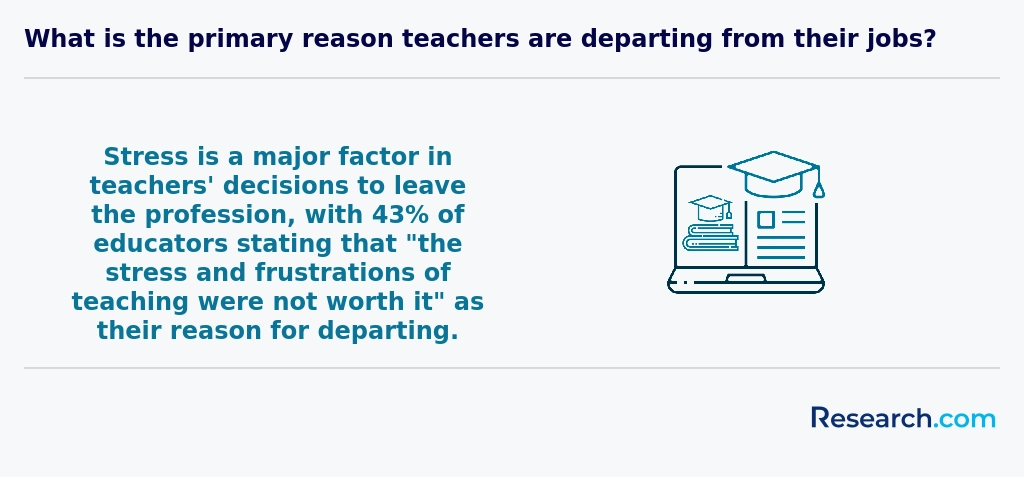
Graduates with an online educational leadership degree in Missouri find themselves stepping into diverse roles that shape the future of education. Imagine a graduate from the University of Missouri leading a bustling school as a principal, mastering the art of balancing policy, staff morale, and student success. Others from Missouri State University dive into district administration, where their leadership impacts multiple schools, budgets, and community engagement simultaneously. The thrill of transforming classrooms through curriculum innovation often draws graduates toward careers as instructional coordinators, designing programs that resonate with students and teachers alike.
These career paths don't just exist on paper; they are lived experiences full of challenges and triumphs echoed by many who embarked on these journeys. Missouri's demand for skilled leaders means opportunities abound for those with the right credentials. For those curious about the road ahead or seeking the best routes to these roles, exploring options like masters of educational leadership online provides vital guidance in navigating educational leadership career opportunities Missouri offers.
Whether you envision yourself as a compassionate assistant principal tackling student needs or a strategic educational consultant advising districts, Missouri's landscape welcomes ambition fueled by online educational leadership jobs in Missouri, turning leadership dreams into impactful realities.
Missouri's landscape for online educational leadership jobs Missouri paints a promising picture for graduates ready to step into roles like principals and curriculum directors. Graduates from popular universities often share stories of landing positions within vibrant K-12 districts where their online degree from a respected Missouri college opened doors that once seemed tightly shut. Picture someone balancing coursework with family life, fueled by the flexibility of an online program, and now leading a thriving school with confidence.
In reality, these districts prize candidates with both visionary leadership and hands-on skills. The steady demand across nearly 600 principal roles statewide means a graduate's expertise is not just valued but essential. Programs at Missouri institutions magnetize committed learners who aim to elevate schools while enjoying competitive salaries between $75,000 and $95,000, proving the tangible benefits of this career path.
Missouri educational leadership degree employment also extends beyond K-12 corridors into higher education and community programs, enriching graduates' networks and opportunities. For those weighing their options, exploring a 12-month masters in education online could be the agile step toward these rewarding, stable jobs.
2027 Easiest Online Master's in Educational Leadership Degree Programs Ranking in Missouri
Investing in your education is a significant decision that can shape your future, and the Research.com team understands the importance of making informed choices. To assist prospective students in Missouri, we have meticulously crafted the "2027 Easiest Online Master's in Educational Leadership Degree Programs Ranking in Missouri." Our commitment to quality, credibility, and accuracy is reflected in the extensive research and analysis conducted to compile this ranking. We utilized the following reputable data sources to ensure a comprehensive evaluation of educational leadership programs:
By exploring this ranking, readers will gain valuable insights into the easiest online master's programs in educational leadership available in Missouri, empowering them to make well-informed decisions about their education. For more details on our methodology, please visit our Research.com methodology page.


# 5 position
Missouri State University-West Plains
Master of Educational Administration
Frequently Asked Questions About educational leadership
Students pursuing online educational leadership degrees in Missouri can enhance their learning by actively engaging with faculty and peers through discussion boards and virtual office hours. Research from the Missouri Department of Higher Education highlights that programs accredited by CAEP or NCATE often provide stronger support systems, which directly benefit student success. Additionally, taking advantage of Missouri's online library resources, such as those offered through the Missouri Online Library, can deepen understanding of leadership theories and current educational policies. Planning time effectively and setting clear goals are also crucial, as data shows that time management skills correlate with higher graduation rates among online learners in Missouri.
Emerging niches within the educational leadership field reflect current trends in Missouri and nationwide. One growing area is digital equity leadership, focusing on ensuring all students have access to effective technology and internet, especially after COVID-19 highlighted gaps in remote learning.
Another niche is in specialized leadership for inclusive education, which supports diverse student populations, including those with disabilities and English language learners. Missouri schools increasingly value leaders skilled in equity and culturally responsive practices.
Additionally, data-driven decision-making leadership is becoming vital. Leaders trained to analyze educational data can improve student outcomes and resource allocation. According to the Missouri Department of Elementary and Secondary Education (DESE), demand for such skills is rising in district administration roles.
Finally, mental health leadership is an emerging niche as schools seek leaders who prioritize student and staff well-being.
After earning an online educational leadership degree in Missouri, preparing for the job market requires focused steps. Missouri's Department of Elementary and Secondary Education (DESE) reports steady demand for qualified administrators, with school leadership roles expected to grow by 5% through 2030. Graduates should secure relevant certifications, such as Missouri's Principal or Superintendent licenses, which often require passing state exams and completing supervised internships.
Networking through Missouri education associations and attending local conferences can connect candidates with hiring districts. Additionally, building a strong professional portfolio that highlights leadership skills and experiences enhances job prospects. Familiarity with Missouri's school policies and funding structures is essential. Utilizing career services offered by your institution also aids in job placement and interview preparation.
Employers in Missouri seeking graduates with educational leadership degrees prioritize strong communication skills. Being able to clearly convey ideas and collaborate with diverse school communities is essential. Leadership and management abilities are also crucial, as principals and administrators oversee staff, budgets, and programs.
Analytical thinking and data-driven decision-making are increasingly important, reflecting national trends reported by the Missouri Department of Elementary and Secondary Education. Effective leaders must interpret student performance data to guide improvements.
Additionally, knowledge of Missouri's educational policies and legal requirements is valued, ensuring compliance and ethical leadership. Finally, adaptability and problem-solving skills prepare graduates to address challenges in dynamic educational environments.
Finding internships in Missouri for educational leadership students involves connecting with local school districts and educational organizations. Many Missouri districts, such as the Kansas City and St. Louis Public Schools, offer leadership internship opportunities that provide hands-on experience in administration.
Check the Missouri Department of Elementary and Secondary Education (DESE) website for resources and lists of approved internship providers. DESE often partners with universities to support leadership practicum placements required in many online master's programs.
Networking with faculty advisors at your institution can also help you discover local internships aligned with educational leadership roles. Additionally, professional organizations like the Missouri Association of School Administrators offer internship listings and career support.
An online educational leadership degree in Missouri significantly enhances career mobility and advancement opportunities within the state's education system. According to the Missouri Department of Elementary and Secondary Education, school administrators with a master's degree in educational leadership often qualify for higher-paying roles such as principals or district supervisors.
Such degrees typically meet Missouri's certification requirements, allowing graduates to pursue leadership licenses. This certification is essential for career progression in public schools.
Moreover, data from the Bureau of Labor Statistics shows that education administrators in Missouri earn a median annual wage above the national average, reflecting strong demand for qualified leaders.
This combination of credentialing and salary potential makes online educational leadership degrees an effective pathway for professional growth.
Studying for an educational leadership degree in Missouri prepares students for interdisciplinary roles by combining leadership training with knowledge of policy, administration, and community engagement. Missouri's programs emphasize collaboration across educational settings, health services, and social work, recognizing the interconnected challenges schools face. According to the Missouri Department of Elementary and Secondary Education, principals and administrators with leadership degrees often coordinate with local agencies to support student well-being.
Programs typically include coursework in organizational management, law, and data analysis, which equips graduates to work beyond traditional educational boundaries. This interdisciplinary approach aligns with national standards set by the Council for the Accreditation of Educator Preparation (CAEP).
When choosing between a thesis and a non-thesis educational leadership degree program in Missouri, consider your career goals and learning preferences. Thesis programs typically require conducting original research and writing a detailed paper, which benefits students aiming for doctoral studies or research roles. Non-thesis options emphasize coursework and practical leadership skills, ideal for those targeting administrative positions in Missouri schools.
Missouri's Department of Elementary and Secondary Education notes that many school districts prefer candidates with hands-on leadership experience, which non-thesis programs often provide. However, thesis programs can deepen your expertise in specific educational challenges.
Assess program requirements, time commitment, and whether you want to develop skills in research or applied leadership before deciding.
Students based in Missouri seeking to study educational leadership abroad typically explore online degree programs offered by international universities accredited in the US or recognized by Missouri's Department of Elementary and Secondary Education (DESE). While in-person study overseas may be limited, several institutions provide fully online master's degrees that meet Missouri's licensure requirements.
Many Missouri educators choose programs aligned with regional accreditation standards such as those from the Higher Learning Commission (HLC), which ensures transferability and recognition across states. According to DESE, candidates must complete coursework covering Missouri-specific leadership competencies, which some international online programs tailor accordingly.
Options abroad may also include hybrid models coupled with local practicum placements in Missouri, allowing students to gain leadership experience within their communities. However, it is essential to verify if international programs are approved for principal certification valid in Missouri.
Part-time job opportunities in Missouri can effectively complement online educational leadership degree programs by providing practical experience. Positions such as teacher aides, administrative assistants in school districts, or program coordinators for educational nonprofits offer valuable insights into school operations and leadership challenges.
Many Missouri school districts, including those in Kansas City and St. Louis, frequently hire part-time staff that support curriculum development and data management, allowing students to apply leadership theories in real-world settings. According to the Missouri Department of Elementary and Secondary Education, these roles often provide flexible hours suitable for graduate students.
Additionally, coaching or mentoring roles in after-school programs can enhance skills in communication and team leadership, essential for future educational leaders in the state's diverse educational environment.
Online educational leadership students in Missouri have access to multiple networking opportunities through professional organizations and local education communities. Groups like the Missouri Association of School Administrators (MASA) offer conferences, webinars, and regional meetups designed to connect aspiring leaders with experienced professionals. These events help students build valuable relationships across districts.
Additionally, many online programs in Missouri facilitate virtual networking via dedicated forums, alumni networks, and mentorship programs. According to the Missouri Department of Elementary and Secondary Education, leadership roles in schools often depend on strong connections and community involvement, which these networks support effectively.
Students can also engage with statewide initiatives focused on school improvement, providing practical networking platforms beyond their academic settings.
Alumni networks play a crucial role for students pursuing online educational leadership degrees in Missouri. These networks offer valuable opportunities for professional growth by connecting current students with experienced graduates working in Missouri's K-12 schools and higher education institutions. Through alumni associations, students gain access to mentorship, job openings, and industry insights tailored to the Missouri education system. According to the Missouri Department of Elementary and Secondary Education, leadership roles in education are expanding, increasing the importance of strong professional connections. Participating in these networks helps students build a supportive community, which can improve career outcomes and promote leadership development within local school districts.
Online educational leadership programs in Missouri often offer customizable tracks to align with your career goals. Many universities allow students to choose electives focused on areas such as curriculum development, policy, or organizational leadership. This flexibility helps tailor learning to roles in K-12 administration, higher education, or district leadership.
Some programs include internship or capstone projects that provide practical experience in your specific field. Licensing preparation is often integrated, which is crucial if you aim to become a certified school principal or superintendent in Missouri.
According to Missouri Department of Elementary and Secondary Education, pursuing these pathways can boost your eligibility for leadership positions within the state's public schools.
Online educational leadership students in Missouri often face several challenges that impact their learning experience. One common issue is balancing coursework with professional and personal responsibilities, as many students are current educators or administrators working full-time. According to the Missouri Department of Elementary and Secondary Education, this juggling act can increase stress and affect academic performance.
Another challenge involves limited in-person networking opportunities. Leadership skills are frequently developed through peer collaboration and face-to-face interactions, which can be harder to replicate online. Technology access and proficiency can also vary, posing difficulties for some students in managing course platforms effectively.
Lastly, students sometimes encounter delays in licensure processing and meeting Missouri's specific administrative certification requirements, which can prolong career advancement. These factors contribute to a unique set of obstacles for online learners pursuing educational leadership in Missouri.
With an online educational leadership degree in Missouri, graduates can pursue several key professional certifications. The most common is the Missouri Superintendent Certificate, which allows individuals to lead public school districts across the state. To qualify, candidates typically must complete an approved leadership program and pass the Missouri Educator Gateway Assessments.
Another important certification is the Building-Level Administrator Certificate, essential for principals and assistant principals in Missouri schools. This certificate requires both academic preparation and successful examination.
National certifications like the Certified School Principal (CSP) through the National Association of Secondary School Principals are also available and valued by Missouri employers.
These certifications enhance career opportunities and demonstrate leadership readiness within Missouri's educational system.
Writing a winning application for an online educational leadership program in Missouri starts with understanding state requirements. Missouri requires candidates to have a valid teaching license or appropriate professional experience for program admission. Highlighting your leadership skills and professional achievements in your statement of purpose is crucial. Many Missouri schools prefer candidates who demonstrate knowledge of local educational policies and challenges.
Include strong letters of recommendation from supervisors or educators familiar with your leadership abilities. According to the Missouri Department of Elementary and Secondary Education, leadership programs should prepare candidates to meet state standards for administrative certification. Make sure your résumé clearly outlines relevant educational roles and duties. Lastly, carefully follow each program's application instructions to avoid disqualification.
Educational leadership careers in the U.S., including Missouri, are increasingly influenced by global trends emphasizing diversity, equity, and innovation. Leaders must manage culturally diverse schools and promote inclusive education practices. According to the Missouri Department of Elementary and Secondary Education, there is a growing demand for leaders skilled in implementing global learning strategies.
In the U.S., educational leadership roles often focus on improving student outcomes through data-driven decision-making and collaboration with international educators. Missouri schools participate in exchange programs and adopt global competencies to prepare students for a connected world. This global perspective enhances leadership adaptability and problem-solving skills.
Online educational leadership degrees in Missouri reflect these trends by incorporating global issues and leadership models relevant in diverse contexts.
Gaining practical experience while pursuing an online educational leadership degree in Missouri is crucial for career readiness. Many programs incorporate field-based internships or residency components that allow students to work directly in school leadership roles. According to the Missouri Department of Elementary and Secondary Education, these experiences often involve supervised leadership practice in K-12 settings.
Students may collaborate with local school districts to develop leadership projects, participate in professional mentoring, or engage in administrative tasks remotely. Missouri colleges also encourage involvement in professional organizations such as the Missouri Association of School Administrators to expand practical knowledge and networking opportunities.
Work-based learning enhances understanding of school policies, staff management, and community engagement, key areas assessed by Missouri's certification standards for educational leaders.
Choosing the right concentration within an online educational leadership degree program in Missouri depends largely on your career goals and the needs of your local education community. Missouri offers concentrations such as K-12 administration, special education leadership, and curriculum development. According to the Missouri Department of Elementary and Secondary Education, leadership roles in K-12 settings are expected to grow by 6% through 2030, reflecting steady demand. Investigate how each concentration aligns with Missouri certification requirements, as different roles may require specific endorsements. Additionally, consider programs accredited by CAEP or NCATE to ensure quality education and easier licensure transfers across districts.
Understanding the specific challenges and opportunities in Missouri schools, such as rural versus urban settings, can help you pick a focus area that maximizes your impact. Networking with local educators and reviewing job postings on Missouri school district websites also provide insight into the skills and specializations most in demand. Ultimately, aligning your concentration with both certification goals and market needs supports a successful leadership career in Missouri's education system.
- 2027 Easiest Online Master's in Educational Leadership Degree Programs Ranking in Kansas
- 2027 Easiest Online Master's in Educational Leadership Degree Programs Ranking in Kentucky
- 2027 Easiest Online Master's in Educational Leadership Degree Programs Ranking in Indiana
- 2027 Easiest Online Master's in Educational Leadership Degree Programs Ranking in Minnesota
- 2027 Easiest Online Master's in Educational Leadership Degree Programs Ranking in Colorado
- 2027 Easiest Online Master's in Educational Leadership Degree Programs Ranking in Ohio
- 2027 Easiest Online Master's in Educational Leadership Degree Programs Ranking in Michigan
- 2027 Easiest Online Master's in Educational Leadership Degree Programs Ranking in Texas
- 2027 Easiest Online Master's in Educational Leadership Degree Programs Ranking in Florida
- 2027 Easiest Online Master's in Educational Leadership Degree Programs Ranking in Virginia
- Educational Leadership, MSE - K–12 Principal Option https://www.ucmo.edu/academics/programs/masters-degrees/educational-leadership-mse-51-648-option-1-elementary-principal/index.php
- Educational Leadership Network (ELN) https://icsei.org/network/educational-leadership-network/
- Resources for Alumni: College Persistence Support https://www.studentleadershipnetwork.org/for-alumni/
- School Leaders Network https://www.bestpracticenet.co.uk/school-leaders-network
- Utilize Your Alumni Networks https://www.keg.com/news/ways-to-use-your-alumni-networks-for-the-better
- Best Online MEd Programs in Missouri (MO) https://www.onlinemastersdegrees.org/best-programs/education/missouri/
- Alumni Network https://center-for-leadership.org/academy/alumni-network/
- Alumni Leadership https://teachforall.org/our-impact/alumni-leadership
- Leadership Alumni Networks Making a Difference https://networkweaver.com/leadership-alumni-networks-making-a-difference/
- Remote Educational Leadership Online Jobs https://www.virtualvocations.com/q-remote-educational-leadership-online-jobs.html