2027 Best Online Master's in Educational Leadership Degree Programs Ranking in Colorado

Co-Founder and Chief Data Scientist
Choosing the right online master's in educational leadership can shape your future as an inspiring leader. This article presents the 2027 Best Online Master's in Educational Leadership Degree Programs Ranking in Colorado, created by the Research.com team of data scientists to guide you toward informed decisions.
By exploring this ranking, you'll discover programs known for quality and flexibility, helping you balance life and study. Earning this degree unlocks career growth and the chance to make a real impact in education within Colorado's communities.
Let us help you find the path that fits your goals and ambitions.
Key benefits of getting online educational leadership degree in Colorado
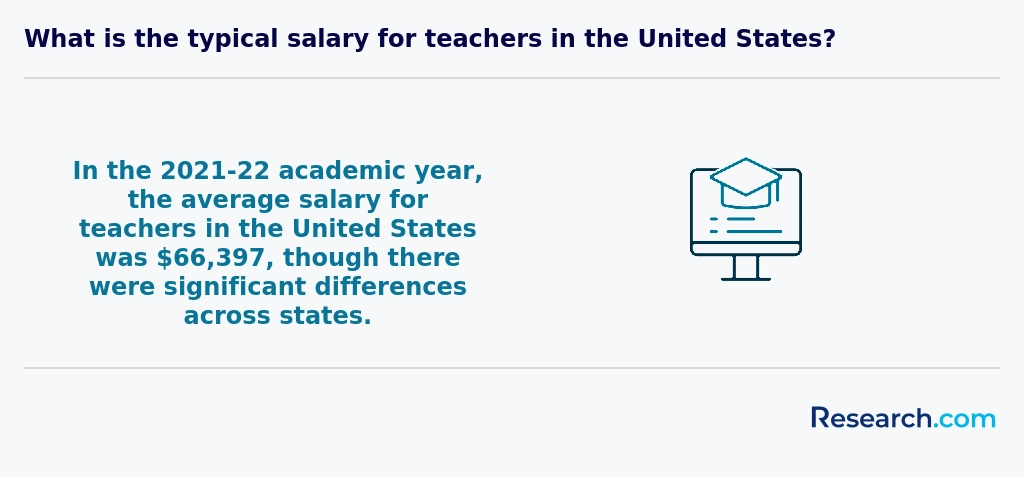
- Educational leadership graduates in Colorado often find fulfilling roles such as school administrators and education coordinators, with typical salaries nationwide ranging from $60,000 to $90,000, supporting a stable and rewarding career path.
- An online educational leadership degree from a well-known Colorado university, like the University of Colorado, opens doors to careers in K-12 administration, higher education leadership, and nonprofit education management.
- Completing a degree online offers flexibility for busy professionals, allowing them to balance work and study effectively, as experienced by graduates from Colorado State University's online programs who value this convenient approach.
- 2027 Best Online Master's in Educational Leadership Degree Programs Ranking in Colorado
- What can I expect from online educational leadership degree in Colorado?
- Where can I work with online educational leadership degree in Colorado?
What can I expect from online educational leadership degree in Colorado?
The average cost of an online educational leadership degree in Colorado typically ranges from $15,000 to $30,000, depending on the institution and program length. Graduates from universities like the University of Colorado Boulder and Colorado State University often share how balancing work, family, and study felt manageable because tuition remained reasonable for quality, accredited programs.
Many found the investment worthwhile, especially when their studies integrated real-world leadership skills used directly in K-12 schools or higher education settings. For example, one graduate appreciated how coursework in data-driven decision making and educational law prepared them to confidently lead a diverse school staff within their district's evolving policies.
Financial aid and scholarships targeted at Colorado residents help ease the financial burden, allowing students to focus on building impactful leadership skills without overwhelming debt. With flexible start dates and part-time options, these programs offer affordable, personalized paths that empower future educational leaders to thrive in Colorado's dynamic schools.
Where can I work with online educational leadership degree in Colorado?
Graduates with an online educational leadership degree in Colorado often find themselves stepping confidently into roles like principals, assistant superintendents, or curriculum coordinators within local school districts. For instance, those who completed their studies at institutions such as the University of Colorado or Colorado State University frequently share how their program's alignment with state licensure requirements eased their path to leadership positions in diverse districts-from bustling Denver Public Schools to tight-knit rural schools on the Western Slope.
Beyond traditional K-12 settings, many graduates feel invigorated working in Colorado's growing network of charter schools, where innovative educational leadership directly shapes student experiences. Working in these environments allows leaders to implement fresh strategies learned during their online degrees, making a tangible impact on school culture and student success.
Others discover meaningful careers in government and nonprofit agencies like the Colorado Department of Higher Education, contributing to policy and community initiatives that influence education statewide. The steady 5% job growth predicted by the U.S. Bureau of Labor Statistics confirms that these paths hold not only promise but rewarding opportunities for leadership professionals passionate about education.
Graduates who earn an online educational leadership degree in Colorado often step into rewarding roles like school principals or district administrators, where earning potential is encouraging. For instance, principals in the state report median salaries around $110,000, notably above the national average. This difference reflects the demand for strong leadership in Colorado's growing educational communities, from Denver to Colorado Springs.
Many students from well-known institutions such as the University of Colorado or Colorado State University share how their online degrees helped unlock positions with salaries exceeding $120,000 in district administration. These roles often come with added responsibilities, but they also open doors to career advancement and bonuses that reflect professional growth.
Graduates consistently express excitement about how their advanced degrees boosted earnings by 15% to 25%, allowing them to pursue leadership opportunities that require specialized credentials. This financial progress embodies the dedication and ambition typical among Colorado's educational leaders, inspiring future students to envision a thriving career ahead.
- Online educational leadership degrees in Colorado prepare students for roles like principals, assistant principals, and district administrators.
- Tuition for a master's program typically ranges from $15,000 to $30,000, with public universities offering lower rates for in-state residents.
- Starting salaries for educational leaders average between $65,000 and $75,000 per year, with experienced administrators earning over $90,000 annually.
- The job market in Colorado for educational leaders is stable, with steady demand due to retirements and district expansions.
- Many programs meet state licensure requirements and include supervised internships or practicums for principal or superintendent certification.
- It is important to choose an accredited program recognized by Colorado's Department of Education for career and certification support.
Completing an online educational leadership degree in Colorado can take anywhere from one to three years, depending on how you choose to balance your workload and personal life. Many graduates from the University of Colorado Denver share that by committing full-time, they finished their master's program in about 18 months. This pace allows you to immerse yourself fully in leadership theory and hands-on experiences without losing momentum.
Others, particularly those juggling work and family, opt for part-time study through programs like Colorado State University Global's online leadership degree, stretching their journey to two or even three years. This slower approach offers the freedom to absorb material deeply and maintain professional responsibilities, which many find empowering.
Remember, these timelines are flexible thanks to asynchronous classes that let you study when it fits you best. Keep in mind, additional licensure steps may add extra time, but each moment invested brings you closer to leading with confidence and purpose in Colorado's educational landscape.
Online and on-campus educational leadership degrees in Colorado each offer unique strengths tailored to different lifestyles. Graduates from the University of Colorado Denver often praise the online program's flexibility, allowing them to balance work, family, and studies by accessing coursework asynchronously. This flexibility is invaluable for busy professionals who need to learn on their own schedule without sacrificing career momentum.
In contrast, on-campus programs at Colorado State University provide a vibrant, interactive environment where students benefit from face-to-face discussions, immediate feedback, and local networking with Colorado educators and leaders. These connections often lead to rich collaborations and hands-on experiences that feel more immersive.
Both pathways meet Colorado's rigorous accreditation standards, ensuring equal academic quality. Graduates from Regis University's online program highlight the importance of arranging local practicum placements, which, although requiring extra coordination, offer rewarding real-world exposure within Colorado schools. Choosing between formats depends on your personal rhythm and professional goals, but both routes can empower you to become a confident, effective educational leader.
For those exploring the average cost online educational leadership degree Colorado programs, it's important to understand that the median total cost hovers around $19,026. Many graduates from institutions like the University of Colorado Denver find that this investment aligns with the value they receive, given the program's flexibility and strong connection to local education systems. These real-life stories often highlight how manageable tuition combined with online convenience empowered them to balance work, family, and studies effectively.
Colorado online educational leadership program tuition fees can vary significantly based on whether you attend public or private institutions. For example, public universities generally offer tuition rates closer to the median, while private schools may charge more but often provide enhanced resources or smaller class sizes. Graduates commonly praise how the financial commitment translated to career growth and leadership opportunities in schools and districts throughout the state.
Practical advice for prospective students is to carefully research all expenses beyond tuition-such as tech fees and materials-to get a true picture of costs. Many find relief through scholarships or employer tuition assistance, which are often available in Colorado's education sector. If you want to expedite your career timeline, you might even consider an accelerated ed specialist degree online that can save time while providing essential leadership skills suited for your professional goals.
When you pursue an online educational leadership degree in Colorado, numerous financial aid opportunities can make this rewarding journey more affordable. Graduates from programs at institutions like the University of Colorado have shared how federal aid, such as Direct Unsubsidized Loans and Graduate PLUS Loans through FAFSA, provided essential support with flexible repayment options. For the 2023-2024 academic year, students can borrow up to $20,500 annually, which helps ease upfront costs.
State-specific aid, including grants and the Colorado Teachers Loan Forgiveness Program, often lightens the load for those committed to serving underserved communities post-graduation. Many Colorado schools also offer merit-based scholarships and assistantships that current and former students have found invaluable, sometimes covering significant tuition portions or providing stipends that allow more focus on studies.
Additionally, employer sponsorships are a hidden gem-school districts partnering with Colorado universities frequently extend discounts or stipends, helping working educators advance their leadership credentials without overwhelming financial strain.
Professional groups like the Colorado Association of School Executives support members by offering scholarships and travel grants, which graduates have used to lessen indirect expenses, fueling their passion to become effective education leaders.
To enroll in an online educational leadership degree in Colorado, you'll first need a bachelor's degree from an accredited institution-this foundational step is non-negotiable and sets the stage for your journey. Many graduates from institutions like the University of Colorado Denver find that having professional experience in K-12 education-as a teacher or administrator-deepens their understanding and enriches their leadership skills in ways textbooks alone can't provide.
Most programs also require a valid teaching license, such as the Colorado Teaching License, which ties your eligibility closely to state standards for school administrators. Imagine stepping into leadership roles fully equipped, with credentials that hold real weight in Colorado's education system.
Academic readiness matters, too; expect to maintain a GPA around 3.0 and prepare transcripts to show your commitment to learning excellence. While some schools ask for GRE scores, many waive this for candidates who bring strong professional backgrounds and proven dedication-helping to honor your hands-on experience.
Lastly, letters of recommendation and compelling personal statements give you a platform to highlight your leadership vision and passion for making a difference, just like many successful graduates from Colorado State University have done before you.
If you're pursuing an online educational leadership degree in Colorado, expect to engage deeply with courses that prepare you for real challenges in K-12 education. Graduates from universities like Colorado State University often share how courses on Educational Leadership Theory really helped them understand effective decision-making frameworks, which they applied when managing school teams or leading initiatives.
Other pivotal coursework includes School Law and Ethics, where you'll learn about legal and ethical responsibilities specific to Colorado's education system-knowledge that proved invaluable to graduates navigating complex district policies.
Courses like Curriculum Development and Instructional Leadership and Data-Driven Decision Making offer practical skills. For instance, alumni recall using assessment data to improve teaching strategies and student achievement within their schools.
Additionally, classes in Organizational Change and Finance and Resource Management equip you to lead budget planning and resource allocation effectively, often tailored to Colorado's unique funding systems. Finally, learning to engage families and communities meaningfully rounds out your preparation for fostering environments where students thrive.
When exploring online educational leadership specializations in Colorado, you'll find a variety of focused paths designed to match your ambitions and the evolving needs within schools and higher education. Many graduates from universities like Metropolitan State University of Denver and the University of Colorado have chosen the K-12 School Administration track, which equips future principals and administrators with skills in curriculum development and staff management essential for Colorado's public schools. This specialization is particularly rewarding for those who want to lead with confidence and make a tangible impact on school communities.
Others are drawn to Colorado online master's degree in educational leadership focus areas such as Higher Education Leadership, where they prepare to support college student development and manage academic programs-ideal for those passionate about empowering students in postsecondary environments. Instructional Leadership and Educational Policy attract dedicated professionals eager to improve teaching quality and implement effective reforms, echoing the state's commitment to equity and data-driven learning.
Graduates often share how specializing in Curriculum and Assessment helped them confidently design programs aligned with Colorado's standards. For a deeper understanding of career possibilities, consider exploring career options in educational leadership that can grow from these specializations tailored to real-world educational challenges.
Choosing the best online educational leadership programs Colorado means focusing on accreditation and curriculum quality. Graduates from well-known Colorado colleges often praise programs accredited by the Higher Learning Commission for the credibility it brings to their careers. Look for curricula that blend leadership theory with practical experiences like internships-these real-world opportunities make a difference in steering schools toward success.
Affordability is key, and many students share how finding the right balance between cost and value was essential. Colorado public universities often offer competitive tuition rates, especially for residents. To explore options that combine quality and affordability, consider researching programs aligned with your budget, including financial aid. For those searching for an affordable eds degree online, Colorado offers several viable paths to leadership without sacrificing excellence.
Flexibility stands out in student stories: asynchronous classes empower working professionals to excel without pause. Program length from 18 months to 3 years lets you tailor education to your life's pace. Connecting with alumni reveals how Colorado's diverse program options fit a range of career goals, from K-12 to higher education administration. Their experiences highlight the importance of choosing a path that inspires and supports your leadership journey.
Graduates with an online educational leadership degree in Colorado often step into dynamic roles that truly shape the future of education. Many find themselves as school principals or assistant principals at institutions like the University of Colorado Denver or Colorado State University-Global Campus, where they lead staff, manage budgets, and create positive school cultures. One graduate shared how their leadership dramatically improved student engagement by fostering collaboration among teachers.
Educational leadership job opportunities Colorado also include positions as instructional coordinators or curriculum specialists. These roles allow graduates to design innovative programs that raise teaching standards and help students thrive. Some alumni have moved into consulting or nonprofit education management, influencing policy and reform efforts statewide.
For anyone eager to make a real impact, pursuing an accredited online masters in educational leadership in Colorado opens steady career paths full of purpose and growth, reflecting the rewarding nature of this profession.
The job market for graduates with an online educational leadership degree in Colorado is promising, especially for those ready to embrace leadership roles in schools and districts across the state. Many graduates from well-regarded institutions like the University of Colorado Denver and Colorado State University report stepping confidently into positions such as school principals and district administrators. These roles are in demand due to state policies that promote local leadership development alongside a growing student population in cities like Denver.
For those exploring educational leadership career opportunities Colorado offers, it's encouraging to see competitive salaries, with median wages around $104,000 for school administrators. This combined with Colorado's growing focus on equity and inclusion creates meaningful, impactful work environments. Graduates often share stories of how the flexibility of online programs allowed them to balance work and study, accelerating career growth without sacrificing daily responsibilities.
If you are still choosing between eds and edd, consider how these degrees influence your career path in this vibrant market. Opportunities are steadily growing, especially as retiring leaders create openings for skilled, motivated newcomers in the education system.
2027 Best Online Master's in Educational Leadership Degree Programs Ranking in Colorado
Investing in your education is a significant decision that can shape your future, and the Research.com team understands the importance of making informed choices. To assist prospective students in Colorado, we have meticulously crafted the "2027 Best Online Master's in Educational Leadership Degree Programs Ranking." Our commitment to quality, credibility, and accuracy is reflected in the extensive research and analysis conducted to compile this ranking.
We utilized the following reputable data sources to ensure a comprehensive evaluation of educational leadership programs:
By exploring this ranking, readers will gain valuable insights into the best online master's programs in educational leadership available in Colorado, helping them make well-informed decisions about their educational goals. For more details on our methodology, please visit our Research.com methodology page.
# 1 position
University of Northern Colorado
Master of Educational Leadership: Principal (K-12) Licensure (Educ Specialist, or Licensure-Only)

# 2 position
Colorado Christian University
Master of Educational Leadership without Licensure


Frequently Asked Questions About educational leadership
Students pursuing online educational leadership degrees in Colorado can enhance their learning by actively engaging with their course materials and peers. Colorado institutions often integrate interactive platforms, enabling real-time discussions and collaboration, which support deeper understanding.
Utilizing local resources such as the Colorado Department of Education's leadership frameworks helps students align their studies with state standards. According to the Colorado Education Initiative, nearly 60% of school districts prioritize leadership training, highlighting the value of relevant, applied learning.
Additionally, participating in virtual internships or mentorships with Colorado school leaders can provide practical experience. Time management and self-discipline remain crucial given the flexibility of online formats.
Emerging niches within the educational leadership field reflect evolving demands in Colorado's K-12 and higher education systems. One key area is digital learning leadership, focusing on managing online and blended learning environments. This need has grown as Colorado schools increasingly adopt technology, accelerated by the pandemic.
Another niche is equity and inclusion leadership. Leaders trained to address achievement gaps and promote culturally responsive policies are in high demand, supported by state initiatives like Colorado's Department of Education Equity Action Plan. Additionally, data-driven decision-making roles are expanding, as more districts rely on analytics to improve student outcomes.
These niches represent strong growth areas for online educational leadership degree candidates in Colorado.
Preparing for the job market after earning an online educational leadership degree in Colorado involves strategic planning and leveraging local resources. Graduates should focus on obtaining Colorado Principal Licensure or other relevant certifications, as the Colorado Department of Education requires specific credentials for school leadership roles.
Networking is vital; joining organizations such as the Colorado Association of School Executives can provide contacts and job leads. Additionally, Colorado's education sector is growing, with a 5% increase in administrative positions projected over the next decade, according to the Colorado Department of Labor and Employment.
Gaining practical experience through internships or substitute teaching can strengthen resumes. Finally, staying updated on state education policies and demonstrating skills in data-driven decision-making will make candidates more competitive in Colorado's educational leadership job market.
Employers in Colorado seeking graduates with educational leadership degrees prioritize strong communication skills and the ability to foster collaborative environments. According to the Colorado Department of Education, effective leadership that drives student achievement requires experts who can implement data-driven decision-making and manage diverse school communities.
Further, problem-solving and adaptability are essential, especially in online or hybrid education settings prevalent in Colorado's evolving school systems. Leaders must navigate policy changes and technological advances efficiently.
Budget and resource management skills are also highly valued, as managing limited funds is a common challenge in Colorado public schools. Finally, a solid understanding of state educational laws and equity initiatives is crucial for graduates aiming to lead successfully in this region.
Finding internships in Colorado relevant to an educational leadership degree involves leveraging multiple local resources. Start by exploring partnerships between Colorado universities and school districts, as many programs facilitate practicum placements in K-12 settings. The Colorado Department of Education lists approved districts where internships often occur, especially in leadership roles.
Networking through professional organizations like the Colorado Association of School Executives can connect students with internship openings. Additionally, online job portals such as Handshake, which many Colorado institutions use, frequently post education internships.
Securing an internship requires proactive communication with program advisors to align opportunities with degree requirements and licensure pathways.
An online educational leadership degree can significantly enhance career mobility and advancement for professionals in Colorado's education sector. Such degrees prepare candidates for leadership roles like principals, district administrators, and curriculum coordinators, which are in growing demand statewide.
According to the Colorado Department of Education, leadership positions in K-12 schools are expected to grow by 6% through 2030. Earning an online degree allows working educators to gain essential skills without interrupting their careers.
Moreover, many Colorado school districts require or prefer candidates with advanced leadership degrees for promotions, making this credential a key factor in career progression. The flexibility of online programs broadens access while meeting state licensure requirements.
Studying for an educational leadership degree in Colorado equips students with skills to manage and collaborate across various disciplines within educational settings. The programs emphasize a comprehensive understanding of policy, administration, and community engagement, fostering versatility beyond traditional school leadership roles.
Colorado's online degrees often include coursework that integrates elements of business management, psychology, and public administration. This interdisciplinary approach prepares graduates to address diverse challenges in educational institutions, from budgeting and staffing to student welfare and legal compliance.
According to the Colorado Department of Education, effective leadership directly influences student success, making these programs critical for future leaders tasked with fostering inclusive and adaptive learning environments. Graduates commonly work in school districts, nonprofits, and government agencies, roles that demand broad, cross-sector collaboration.
Choosing between a thesis and a non-thesis educational leadership degree program in Colorado depends on your career goals and learning preferences. Thesis programs typically emphasize research skills, requiring candidates to conduct original studies. This path suits those interested in academic roles or pursuing a doctorate. Non-thesis programs focus more on practical leadership skills and coursework, ideal for professionals aiming to advance in K-12 administration or district leadership positions.
According to the Colorado Department of Higher Education, many online programs offer flexibility to balance work and study. Enrollment in non-thesis options has grown by over 15% since 2020, reflecting demand for applied leadership skills. Consider your time availability, interest in research, and long-term career plans when deciding.
Students based in Colorado seeking to study educational leadership abroad through online programs have several options within the U.S. higher education system. Many American universities offer fully online master's degrees in educational leadership that allow students to gain global perspectives without relocating. These programs often include courses on international education systems, policy, and leadership strategies applicable worldwide.
Colorado residents benefit from regional accreditation standards such as those from the Higher Learning Commission, ensuring quality education from institutions recognized across the country. While studying abroad physically may be limited, online programs provide access to diverse faculty and peers from multiple countries.
The Colorado Department of Higher Education notes a steady increase in enrollment for online graduate education degrees, reflecting growing demand for flexible study options. Students should verify program accreditation and alignment with Colorado's educator licensing requirements if planning to lead local schools.
Part-time job opportunities in Colorado that complement an educational leadership degree include roles such as substitute teaching, school administrative assistance, and educational program coordination. These positions allow students to gain practical experience in school management and leadership. According to Colorado Department of Education reports, substitute teaching demand has grown by 15% over recent years, offering flexible options ideal for degree students.
Working as a tutor or mentor also supports leadership skills development, especially in managing student progress and communication. Additionally, education nonprofits in Colorado often seek part-time coordinators to support community learning initiatives, providing valuable insight into program administration within educational settings.
Online educational leadership students in Colorado benefit from various networking opportunities designed to connect them with peers, faculty, and industry professionals. Many programs partner with state education organizations such as the Colorado Association of School Executives (CASE), providing access to conferences and workshops that feature seasoned leaders in K-12 education.
Additionally, virtual forums and cohort-based group projects foster collaboration among students statewide. Some universities also offer mentorship programs linking students with experienced principals and administrators working in Colorado schools, enhancing practical insights and career connections. The Colorado Department of Education regularly hosts events that are accessible to online students seeking to engage with policy discussions and professional development.
Alumni networks play a significant role for students pursuing online educational leadership degrees in Colorado. These networks connect current students with experienced graduates who have navigated similar programs and career paths. According to the Colorado Department of Higher Education, strong alumni connections can increase job placement rates by up to 15% for education leadership graduates in the state.
Within these networks, students often access mentorship opportunities, professional development, and insight into regional educational challenges. This support helps students expand their professional contacts and better understand leadership roles in Colorado's diverse school districts.
Furthermore, many Colorado universities offer exclusive events and online forums for alumni to share resources, enhancing students' chances for collaboration and career advancement.
Online educational leadership degree programs in Colorado typically allow customization to align with your career goals through elective courses and specializations. Many universities offer options such as K-12 leadership, higher education administration, or curriculum development, giving you the flexibility to focus on areas relevant to your desired role.
Students can often select practicum or internship placements based on their career interests, gaining hands-on experience in Colorado school districts or educational institutions. Additionally, some programs provide opportunities to develop skills in policy analysis or organizational management, which are important for administrative positions.
Customizing your degree can also mean choosing courses that meet Colorado Department of Education licensing requirements if you plan to become a certified school leader. According to the Colorado Department of Higher Education, this tailored approach helps graduate students meet local professional standards while preparing for diverse leadership roles.
Online educational leadership students in Colorado often face challenges balancing rigorous coursework with professional and personal responsibilities. Many students are full-time educators, making time management critical for success. Additionally, access to reliable technology and stable internet can be an obstacle, especially in rural areas of Colorado, where broadband coverage is less consistent.
Another challenge is the limited in-person interaction, which some students find impacts networking and mentorship opportunities crucial for leadership development. According to the Colorado Department of Higher Education, retention rates in online leadership programs tend to be slightly lower than traditional formats, reflecting these engagement issues.
Finally, navigating state-specific licensure requirements while completing online studies requires careful planning to ensure graduates meet Colorado's certification standards for school leadership roles.
Graduates of online educational leadership degrees in Colorado can pursue several professional certifications that enhance their career opportunities. A key certification is the Colorado Principal License, required for those aiming to become school principals. To obtain this license, candidates typically need a master's degree in educational leadership and must pass Colorado's Principal Assessment.
Additionally, the School District Leader License is available for professionals pursuing district-level administration roles. This certification also requires relevant graduate coursework and successful completion of state assessments. National certifications, like the National Board for Professional Teaching Standards (NBPTS) in administration, can further validate leadership skills.
According to the Colorado Department of Education, holding such licenses increases job prospects and potential salary growth for educational leaders statewide.
To write a winning application for an online educational leadership program in Colorado, start by highlighting your professional experience in education. Admissions committees value candidates with practical leadership experience and a clear vision for impacting school communities.
Emphasize your understanding of Colorado's education policies, such as the Colorado Department of Education's Leadership Framework. Referencing state initiatives or challenges shows you're informed and committed to local educational improvement.
Include strong letters of recommendation, ideally from supervisors or colleagues who can attest to your leadership skills. Also, craft a well-organized personal statement that clearly explains your career goals and how the program aligns with them.
Finally, ensure you meet all application requirements early, including transcripts and test scores, to avoid delays. Institutions like the University of Colorado offer guidance on competitive applications for their online leadership programs.
Educational leadership is increasingly viewed through a global lens, even within the U.S. system. Globally, effective leaders are expected to address diverse student needs and adapt to fast-changing educational environments. In Colorado, online master's programs emphasize these competencies, preparing leaders to manage multicultural schools and global challenges.
According to the Colorado Department of Education, school principals and administrators play a key role in meeting state standards influenced by international best practices. Many online programs in Colorado integrate global perspectives, including comparative education and cross-cultural communication.
Nationally, the U.S. Bureau of Labor Statistics projects a 6% growth in educational leadership roles by 2032, reflecting increased demand for professionals who understand both local and global education trends.
Students pursuing an online educational leadership degree in Colorado can gain practical experience through several avenues. Many programs require or encourage internships or practicum placements in local schools or educational organizations. These hands-on experiences allow students to apply leadership theories in real settings while building professional networks.
The Colorado Department of Education supports partnerships between universities and K-12 districts, facilitating placements for graduate students. Additionally, some schools offer virtual simulations and case studies replicating leadership challenges.
Volunteer opportunities in school administration or community education initiatives also provide valuable exposure. Combining online coursework with fieldwork helps meet Colorado's licensure requirements for principal or superintendent roles efficiently.
Choosing the right concentration within an online educational leadership degree in Colorado depends on your career goals and the needs of local school systems. Common concentrations include K-12 administration, higher education leadership, and curriculum development. Colorado's Department of Education highlights a growing demand for leaders skilled in school equity and student mental health, reflecting statewide priorities.
Consider which settings you want to work in, such as public schools, charter schools, or colleges. Research Colorado's licensure requirements, as some concentrations better prepare you for state certification. Additionally, review program curriculum alignment with Colorado's education standards and leadership competencies outlined by the Colorado Education Leadership Preparation Standards (CELPS).
Finally, examine job placement rates of graduates from specific concentrations in Colorado to gauge market relevance, using data from the Colorado Department of Higher Education or school district reports.
- 2027 Best Online Master's in Educational Leadership Degree Programs Ranking in Kansas
- 2027 Best Online Master's in Educational Leadership Degree Programs Ranking in Texas
- 2027 Best Online Master's in Educational Leadership Degree Programs Ranking in Missouri
- 2027 Best Online Master's in Educational Leadership Degree Programs Ranking in California
- 2027 Best Online Master's in Educational Leadership Degree Programs Ranking in Minnesota
- 2027 Best Online Master's in Educational Leadership Degree Programs Ranking in Illinois
- 2027 Best Online Master's in Educational Leadership Degree Programs Ranking in Mississippi
- 2027 Best Online Master's in Educational Leadership Degree Programs Ranking in Wisconsin
- 2027 Best Online Master's in Educational Leadership Degree Programs Ranking in Indiana
- 2027 Best Online Master's in Educational Leadership Degree Programs Ranking in Kentucky
- How to Advance Your Career with an Ed.D. in Educational Leadership - Graduate Programs for Educators https://www.graduateprogram.org/blog/how-to-advance-your-career-with-an-ed-d-in-educational-leadership/
- Real educational leadership challenges & practical ways to tackle them https://www.manchester.ac.ae/blog-post/real-educational-leadership-challenges
- Alumni Network - Center for Leadership https://center-for-leadership.org/academy/alumni-network/
- Educational Leadership Network Europe - Home https://elnenetwork.org/
- EdD Salary - How much can you make with a Doctor of Education (EdD) degree? (2025 Update) https://www.onlineeddprograms.com/faqs/edd-salary
- Master's Degree in Educational Leadership https://www.ccu.edu/ccu/educationalleadership/masters/
- Bringing global perspectives to leadership in business https://www.eaie.org/resource/global-perspectives-leadership-business.html
- Global Perspectives on Leadership in Early Childhood Education https://hup.fi/books/e/10.33134/HUP-20
- What Can You Do With a Master's in Education Leadership? https://www.salemu.edu/blog/educational-leadership-careers/
- All Ed.D. Programs in Colorado | EdDPrograms.org https://www.eddprograms.org/schools/colorado/