2027 Best Online Educational Leadership Degree Programs Ranking in North Carolina

Co-Founder and Chief Data Scientist
Choosing the right online educational leadership degree program can shape your future career and open new doors. This article presents the 2027 Best Online Educational Leadership Degree Programs Ranking in North Carolina, developed by the Research.com team of data scientists.
Designed to guide you through trusted, data-backed options, the ranking helps simplify your decision process. Earning a degree in educational leadership can empower you to make a positive difference in schools and communities.
Explore programs that align with your goals and take a confident step toward leadership success.
Key benefits of getting online educational leadership degree in North Carolina
- Graduates with an educational leadership degree in North Carolina can expect competitive salaries, with school principals earning around $96,000 annually, providing a stable and rewarding financial future.
- Career paths include roles such as school administration, curriculum coordination, and district leadership, as seen with graduates from the University of North Carolina who find diverse opportunities in educational settings.
- Online educational leadership degrees from institutions like North Carolina State University offer flexible schedules and reduced commuting, helping students balance work, family, and study effectively while earning a respected credential.
- 2027 Best Online Educational Leadership Degree Programs Ranking in North Carolina
- What can I expect from online educational leadership degree in North Carolina?
- Where can I work with online educational leadership degree in North Carolina?
What can I expect from online educational leadership degree in North Carolina?
Exploring the cost of an online educational leadership degree in North Carolina reveals an inviting range tailored for ambitious educators seeking growth without financial overwhelm. Graduates from popular institutions like East Carolina University and UNC Charlotte often share how their programs typically range from approximately $20,000 to $40,000 in total tuition, depending on whether they pursue a master's or doctoral pathway and their residency status.
This investment opens doors to flexible learning, blending asynchronous classes with practicums near home-ideal for working professionals balancing jobs and family. One graduate recounts discovering how budgeting for this degree felt empowering, knowing the program's focus on licensure exam prep and alignment with NCDPI standards would make each dollar stretch toward career advancement.
Such programs are more than just numbers; they represent stepping stones into leadership roles that come with rewarding salaries-often around $94,000 annually-turning dreams of school administration leadership into tangible, achievable goals in North Carolina's rich educational landscape.
Where can I work with online educational leadership degree in North Carolina?
With an online educational leadership degree from popular North Carolina institutions like the University of North Carolina or East Carolina University, graduates dive into dynamic roles as principals, assistant principals, or instructional coordinators in vibrant K-12 schools. Imagine stepping into a leadership meeting in a bustling Raleigh elementary school, making decisions that shape young learners' futures-this is where your degree truly comes alive.
Other graduates expand their horizons by managing entire school districts, taking on positions such as curriculum directors or superintendents. Picture yourself collaborating across multiple campuses, driving policy changes that uplift communities and energize educators. The thrill of influencing education at a broader scale is a powerful motivator.
Many also embark on adventures within North Carolina's universities and community colleges, guiding student services or shaping academic programs. Here, their expertise sparks innovation and improvement, from Chapel Hill to Charlotte.
Beyond schools, some embrace roles in educational consulting or nonprofit leadership, crafting reforms that ripple statewide. The journey from classroom to impactful leadership unfolds with exciting opportunities across North Carolina's education landscape.
Graduates from online educational leadership programs at institutions like the University of North Carolina at Greensboro or East Carolina University often find their career paths opening up with promising salary ranges in North Carolina. While national data from May 2023 shows school administrators earning a median wage around $98,000, North Carolina's graduates tend to earn between $60,000 and $120,000 depending on their specific roles and districts.
Imagine stepping into an assistant principal position in a thriving district near Raleigh, starting close to $60,000. With experience, certifications such as the Advanced Instructional Leadership License, and moving into principal roles, salaries can climb towards $95,000. Those adventurous enough to take on superintendent roles in larger urban schools often surpass the $120,000 mark, adding rewarding leadership and strategic responsibilities to their journey.
This range reflects the vibrant educational landscape in North Carolina, where graduates from respected programs feel excited about their potential to lead and influence school communities while earning competitive pay in meaningful leadership roles.
- The total tuition for an online master's degree in educational leadership in North Carolina ranges from $15,000 to $25,000, with per credit hour costs between $400 and $700.
- Starting salaries for graduates typically range from $55,000 to $65,000 annually, while mid-career educational leaders earn between $80,000 and $95,000 per year.
- North Carolina has a consistent demand for school leadership positions, especially in rural and underserved areas, supported by statewide recruitment efforts.
- Many online programs meet North Carolina's licensure requirements, preparing students for the Principal's License and other certifications.
- Accreditation by bodies like the Council for the Accreditation of Educator Preparation (CAEP) is important for program quality and licensure eligibility.
Some adventurous students at the University of North Carolina at Charlotte dive into accelerated paths, finishing their master's in as little as 12 to 18 months. Picture the thrill of progressing rapidly, fueled by motivation and year-round classes, including summer semesters. It's intense but rewarding.
Then there are those committed to the long haul-doctoral candidates dedicating 3 to 6 years to research and leadership internships tailored to North Carolina's unique educational landscape. These graduates often feel a deep sense of accomplishment, having crafted their expertise through a profound scholarly journey.
Whatever your rhythm, North Carolina's online programs offer an expedition uniquely tailored to your ambitions and life's demands.
Imagine juggling your family life in Charlotte while diving into an educational leadership program online, opening lectures whenever your schedule allows. That's the reality for many North Carolina students choosing online degrees, offering unmatched flexibility without sacrificing quality. Graduates from programs like those at North Carolina State University praise the freedom to study asynchronously, balancing work and coursework seamlessly.
Contrast this with the vibrant energy on the campus of the University of North Carolina at Chapel Hill, where on-campus students thrive on face-to-face mentorship and spirited discussions. These graduates often highlight the value of building personal connections with professors and peers during hands-on practicums and cohort experiences, which feel instantly rewarding and energizing.
Both paths maintain rigorous accreditation standards and cover essentials like school law and leadership theory, but the choice often hinges on your lifestyle and learning preferences. Whether you crave the tactile buzz of in-person interaction or the calm convenience of online learning, North Carolina's programs warmly welcome your unique journey.
For those diving into the adventure of earning an online educational leadership degree in North Carolina, the financial journey is as accessible as it is exciting. The median in-state total cost hovers around $10,434, making it an appealing option for local students who want to balance quality education with affordability. Graduates from universities such as UNC Greensboro and Appalachian State often reflect warmly on how manageable their tuition fees felt throughout their studies. This moderate investment opens doors to career advancement without the heavy burden of overwhelming debt, a relief many find empowering.
When exploring tuition and fees for educational leadership degree NC online, you quickly see why students are drawn to the local institutions. Tuition rates per credit hour sit between $300 and $500, which is quite reasonable considering the rich curriculum and flexible scheduling. Typical master's programs run between 30 and 36 credit hours, enabling students to pace their learning in tune with life's demands. Doctoral paths are a bigger leap, around 60 credit hours, but many find the investment in their future well worth it.
One graduate's experience captures the thrill perfectly: managing family commitments while engaging with cutting-edge leadership theories, all through online classes offered by trusted North Carolina universities. This balance of cost, quality, and convenience is precisely what makes North Carolina a prime choice for an educational leadership journey.
For those curious to explore specific programs, diving deeper into a masters degree educational leadership online reveals tailored options that deliver both value and a dynamic learning experience.
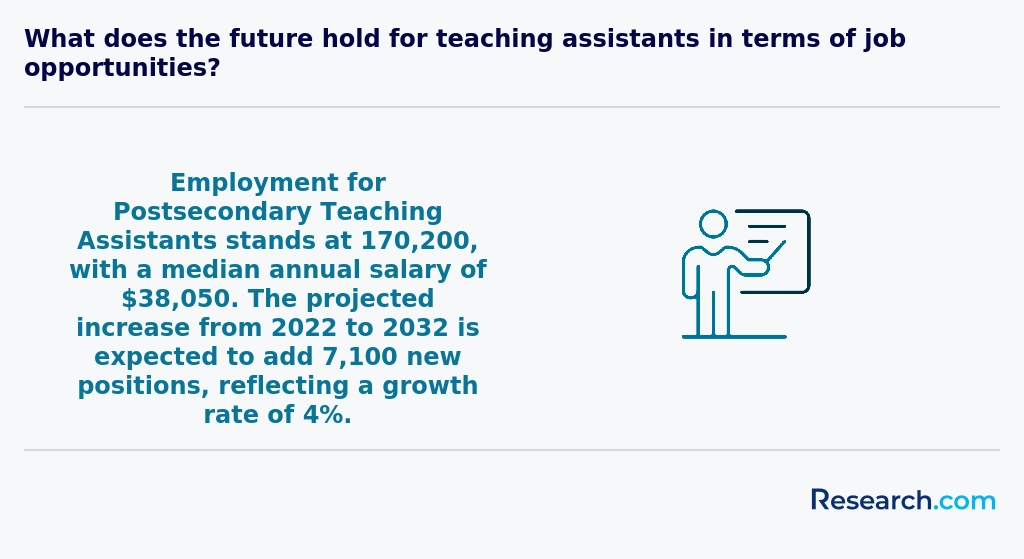
Exploring financial aid options as an online educational leadership student in North Carolina can feel like uncovering a treasure map filled with valuable opportunities. Graduates from institutions like East Carolina University and UNC Wilmington often share how FAFSA opened doors to Pell Grants and low-interest federal loans, easing the pressure of tuition costs that can range from $15,000 to $30,000.
State-specific programs administered by the North Carolina State Education Assistance Authority add another layer of support. Many graduates recall how the Teacher Assistant and Student Loan Forgiveness initiatives helped them balance work and school without overwhelming debt.
Imagine working for a school district in Raleigh that offers tuition reimbursement-many students do just this, using employer benefits to climb the educational leadership ladder while keeping finances in check. Plus, scholarships from organizations like the American Association of School Administrators offer hopeful applicants a chance to reduce expenses and feel recognized for their ambitions.
Balancing part-time study with work or tapping into work-study options creates a manageable path forward, letting students pursue their passion for leadership with confidence.
Transcripts showing a solid GPA, often around 3.0, help prove you're ready to tackle the challenging coursework ahead. And just like past students who shared stories of writing personal essays and gathering heartfelt recommendations, you'll find these materials unveil your unique leadership potential. Some programs still ask for GRE scores, but many North Carolina schools favor holistic admissions, valuing your experience and academic performance above test results - an encouraging sign for adventurous learners eager to lead.
When diving into an online educational leadership degree in North Carolina, students quickly discover a dynamic mix of courses designed to ignite their passion for school leadership. Graduates from universities like UNC Chapel Hill or East Carolina University often recall tackling foundational topics such as Educational Leadership Theory and Practice, which feels like stepping into the shoes of a real decision-maker in a bustling school district.
Imagine exploring School Law and Ethics, where every class sparks lively debates about real-life cases, helping you confidently navigate the complexities of education policy. Curriculum Development and Assessment courses invite you to craft innovative learning plans, just like the graduates who've reshaped classrooms across the state.
Organizational Management in Education and Instructional Leadership and Supervision equip learners with hands-on tools to lead teams and improve student outcomes, echoing the experiences of those balancing study with internships in vibrant North Carolina schools.
Along the way, Data-Informed Decision Making and Finance and Budgeting for Schools offer exciting puzzles-turning numbers into strategies that transform communities. These courses aren't just lessons; they're real, actionable adventures that prepare you for impact.
Diving into online educational leadership specializations North Carolina offers reveals exciting pathways tailored to meet diverse career aspirations. Many graduates from well-known institutions like the University of North Carolina or East Carolina University share how the K-12 School Administration track gave them confidence to lead schools effectively, mastering skills in policy and community engagement that truly resonate with their local districts.
Others find themselves drawn to the North Carolina educational leadership degree focus areas like Instructional Leadership, where they enhance teaching quality by applying data-driven strategies-graduates often recount moments of transforming teacher collaboration and curriculum design in their schools, sparking a sense of real impact.
For those looking beyond K-12, the Higher Education Leadership specialization opens doors in college administration and student affairs, a growing need in the state's expanding postsecondary landscape. Meanwhile, Special Education Leadership prepares leaders to champion inclusive education, a passion many students discover while navigating federal compliance and diverse learner needs.
Exploring options through popular North Carolina colleges, students eager to advance can find flexible and affordable ways to earn credentials. In fact, some choose an affordable online doctorate of educational leadership to deepen their expertise without uprooting their lives.
When searching for the best online educational leadership degrees North Carolina offers, start by exploring programs known for strong accreditation, like those backed by the Council for the Accreditation of Educator Preparation or respected regional bodies. Graduates from universities in the UNC system often share how their courses blend flexible online formats with rigorous coursework, perfectly suiting busy professionals eager to advance in education leadership roles. Imagine juggling your current job while engaging with peers through dynamic virtual discussions, a common experience among those who chose these programs.
Affordability plays a big role too. Many students appreciate that affordable online educational leadership programs NC can provide quality education near home without breaking the bank. Public universities in North Carolina frequently offer tuition between $7,000 and $10,000 annually, making advancement feel attainable rather than overwhelming. Previous learners emphasize the value of excellent faculty guidance paired with accessible academic advising, which uplifts their journey from enrollment to licensure preparation.
Aligning curriculum with career aspirations is essential. Some programs specialize in K-12 administration or spotlight leadership challenges like equity and inclusion, mirroring real-world school dynamics. Prospective students may also consider fastest ed d programs for a quicker route while still receiving comprehensive training. Exploring graduation rates and successful alumni stories from North Carolina institutions lets you envision your own future success and fosters excitement about the path ahead.

For those drawn to broader impact, becoming a superintendent or director of student services unlocks doors to district-wide leadership, with some superintendents earning over $120,000 annually. North Carolina's universities equip graduates with the skills to thrive here, setting a foundation that feels both challenging and rewarding. Beyond K-12, some degree holders move toward higher education leadership within colleges, guiding academic programs and supporting student success in vibrant campus communities.
Many students pursuing an online educational leadership degree in North Carolina find inspiration navigating these options, appreciating the flexibility and tailored instruction offered by programs such as those found at Appalachian State or East Carolina University. Curious about how to launch your journey? Explore the possibilities through masters educational leadership online and start crafting your unique path.
North Carolina educational leadership degree job opportunities spark excitement, reflecting a vibrant future where leadership meets innovation and opportunity unfolds at every turn.
The field of online educational leadership jobs North Carolina offers is vibrant and full of potential. Graduates from popular institutions like UNC Chapel Hill and East Carolina University often find themselves stepping confidently into roles such as school principals or district administrators. These roles present thrilling challenges like steering educational reforms or managing diverse school communities, fueling a sense of accomplishment and growth.
Many alumni share how studying an educational leadership degree online in North Carolina allows them to balance work and life while gaining skills that open doors to leadership in charter schools, public schools, and district offices. The North Carolina job market appreciates this flexible learning path, rewarding graduates with competitive salaries often above the state median.
Exploring opportunities is easier for those armed with credentials such as an educational specialist degree, which provides an edge amid steady demand driven by state education reforms and population growth. Networking with local agencies further enhances career prospects in this dynamic landscape.
North Carolina educational leadership career outlook continues to excite those eager to make a meaningful impact on schools and communities, turning learning into leadership with every step.
2027 Best Online Educational Leadership Degree Programs Ranking in North Carolina
Investing in your education is a significant decision that can shape your future, and the Research.com team understands the importance of making informed choices. To assist prospective students in North Carolina, we have meticulously crafted the "2027 Best Online Educational Leadership Degree Programs Ranking in North Carolina." Our commitment to quality, credibility, and accuracy is reflected in the extensive research and analysis conducted to compile this ranking.
We utilized the following reputable data sources to ensure a comprehensive evaluation of educational leadership programs:
By exploring this ranking, readers will gain valuable insights into the top-quality online educational leadership programs available in North Carolina, empowering them to make well-informed decisions about their academic and professional futures. For more details on our methodology, please visit our Research.com methodology page.


Frequently Asked Questions About educational leadership
Students pursuing online educational leadership degrees in North Carolina can maximize their learning by actively engaging with their course materials and instructors. North Carolina offers various accredited programs, many aligned with the National Educational Leadership Preparation standards, ensuring quality education. According to the North Carolina Department of Public Instruction, leadership roles require strong skills in policy, ethics, and community engagement, so students should seek courses emphasizing these areas.
Building connections through virtual discussions and networking with peers and faculty can enhance understanding and professional growth. Additionally, students should take advantage of internships or practicum opportunities to gain practical experience, which is often recommended in state-approved programs. Time management and consistent study routines are crucial for success in the flexible online format.
Emerging niches in educational leadership reflect the evolving demands of schools and districts, particularly in North Carolina. One prominent area is technology integration leadership, where leaders support digital learning and oversee technology initiatives. The COVID-19 pandemic accelerated this need, as 65% of North Carolina school districts reported increased technology use in 2023 (NC Department of Public Instruction).
Another growing niche focuses on equity and inclusion, with leaders working to create culturally responsive environments. North Carolina's attention to diverse student populations drives demand for skills in this area.
Leaders specializing in data-driven decision making are also in demand, using analytics to improve student outcomes. These niches shape the future of educational leadership across the state.
After completing an online educational leadership degree in North Carolina, preparing for the job market involves several strategic steps. First, graduates should ensure they meet state licensure requirements for school administrators, as mandated by the North Carolina Department of Public Instruction. This often includes passing the School Leaders Licensure Assessment (SLLA).
Networking is critical; joining professional organizations such as the North Carolina Association of School Administrators (NCASA) offers access to job postings and mentorship. Additionally, gaining practical experience through internships or substitute teaching strengthens resumes.
According to the Bureau of Labor Statistics, North Carolina expects a 6% growth in educational leadership roles through 2030, highlighting steady demand.
Employers in North Carolina highly value graduates of online educational leadership programs who demonstrate strong communication and organizational skills. According to the North Carolina Department of Public Instruction, effective leadership often hinges on the ability to manage diverse teams and foster collaborative school environments.
Data from the Bureau of Labor Statistics emphasize the importance of decision-making and problem-solving capabilities, as school administrators frequently address complex educational challenges. Familiarity with state-specific policies and regulations is also essential for compliance and program development.
In addition, technology proficiency is increasingly important, given the rise of digital learning tools in schools. Graduates equipped with these skills are better positioned to lead successfully in North Carolina's evolving education sector.
Finding internships in North Carolina related to educational leadership begins with exploring partnerships between universities and local school districts. Many online degree programs require or strongly recommend internships as part of their curriculum, often providing connections to district offices or educational organizations.
The North Carolina Department of Public Instruction (NCDPI) offers resources and contacts for leadership internships in K-12 settings. Exploring district websites across major metropolitan areas such as Charlotte, Raleigh, and Durham can also reveal internship postings.
Professional associations like the North Carolina Association of School Administrators (NCASA) frequently share internship opportunities and networking events for aspiring educational leaders.
Engaging with these organizations and university career services can increase your chances of finding quality internships aligned with your leadership studies.
Obtaining an online educational leadership degree in North Carolina significantly enhances career mobility and advancement opportunities within the state's education sector. The North Carolina Department of Public Instruction highlights that leadership roles such as principals and district administrators increasingly require advanced credentials, often favoring candidates with specialized degrees in educational leadership.
Graduates with these degrees qualify for licensure endorsements necessary for many promotion pathways. According to the National Center for Education Statistics, educators with leadership degrees have a higher likelihood of obtaining administrative positions, which typically offer better salaries and job security.
North Carolina's growing emphasis on school improvement initiatives also creates demand for leaders trained in strategic educational management. This demand reinforces the value of online programs, making career transitions smoother for working professionals balancing current jobs and studies.
Studying for an educational leadership degree online in North Carolina equips students with skills that extend beyond traditional school administration. Programs often emphasize interdisciplinary approaches by integrating coursework in policy analysis, organizational management, and community engagement. This broad knowledge prepares graduates to work collaboratively across various sectors, including social services and public health.
North Carolina's education programs align with standards from the Council of Chief State School Officers (CCSSO), promoting leadership that addresses diverse and complex community needs. According to the North Carolina Department of Public Instruction, 67% of educational leaders hold degrees that support such interdisciplinary roles.
These degrees encourage critical thinking, effective communication, and data-driven decision-making, all vital for leaders managing diverse teams and initiatives beyond the classroom environment.
Choosing between a thesis and a non-thesis educational leadership degree in North Carolina depends on your career goals and learning preferences. Thesis programs emphasize research skills, requiring students to conduct original studies, which can prepare you for doctoral studies or careers involving policy analysis. Non-thesis programs focus more on practical leadership skills and applied projects, often preferred by professionals aiming for school administration roles.
In North Carolina, many universities offering online educational leadership degrees, such as East Carolina University, provide both tracks. According to NC State's education statistics, nearly 60% of educational leadership graduates pursue non-thesis options for faster completion.
Consider your future plans, time commitment, and interest in research before deciding.
Students based in North Carolina looking to study educational leadership abroad generally encounter limited options through fully online international programs. Most reputable foreign institutions offer educational leadership degrees with some in-person requirements, which may not suit students seeking fully remote study.
North Carolina universities often partner with international schools to provide dual or joint degree programs. These partnerships allow students to benefit from global perspectives while completing most coursework online from home. However, such opportunities remain relatively rare and are best confirmed with specific universities.
The North Carolina Department of Public Instruction highlights over 500 education leadership candidates annually, but few pursue foreign-based online degrees. Accreditation and licensure recognition also play critical roles in these decisions, influencing candidates to prefer regionally accredited US programs.
In North Carolina, part-time jobs that complement educational leadership studies often focus on roles within school systems and community organizations. Positions such as teacher assistant, substitute teacher, or administrative aide provide practical experience in leadership and school operations. These roles help students apply theoretical knowledge from online educational leadership degrees in real settings.
The North Carolina Department of Public Instruction reports that gaining hands-on experience through part-time positions improves leadership skills and job prospects in this competitive field. Additionally, working as an education program coordinator for nonprofits or local education agencies offers valuable exposure to policy and program management.
Such job opportunities allow students to build a professional network within education while continuing their studies. Balancing these roles with coursework strengthens time management, a critical skill for future educational leaders.
Online educational leadership students in North Carolina benefit from a variety of networking opportunities that connect them with peers, faculty, and local education professionals. Many universities offering these programs facilitate virtual events, discussion boards, and group projects to build collaboration among students. For example, institutions like the University of North Carolina system promote active engagement through online cohorts and alumni networks.
The North Carolina Department of Public Instruction and professional associations such as the North Carolina School Superintendents Association offer additional platforms for networking. These organizations host conferences and workshops that online students can attend virtually, helping them build vital community connections.
Research by the North Carolina Board of Education highlights that 60% of school leaders value these professional networks for career advancement, underscoring their importance for students pursuing leadership roles statewide.
Alumni networks play a crucial role for students pursuing online educational leadership degrees in North Carolina. These networks foster professional connections, allowing graduates to share job opportunities and advice relevant to the state's educational environment. According to the North Carolina Department of Public Instruction, leadership roles in schools often require strong professional recommendations and ongoing local collaborations.
Engagement with alumni provides access to mentorship, which enhances career development and leadership skills. Established professionals can guide new graduates on navigating school administration challenges specific to North Carolina's diverse districts. Moreover, universities often host alumni events, both virtual and in-person, to strengthen these bonds and support lifelong learning.
North Carolina offers a variety of online educational leadership degree programs designed to be flexible and customizable to meet diverse career goals. Many programs allow students to select elective courses that focus on areas such as curriculum development, school administration, or special education leadership. This customization helps students tailor their education to match specific professional interests.
Students can often choose between different degree levels, including master's degrees and doctoral programs, depending on their ambitions. For instance, the North Carolina Department of Public Instruction reports an increasing demand for leaders skilled in equity and technology integration, which some programs address through specialized coursework.
Additionally, students may have options for internships or capstone projects aligned with their career goals, enhancing practical experience. Accreditation by the Council for the Accreditation of Educator Preparation ensures that programs meet state standards, preparing graduates for leadership roles in North Carolina schools.
Online educational leadership students in North Carolina often face challenges balancing coursework with professional and personal responsibilities. Many are working educators or administrators, which can make time management demanding. According to the North Carolina Department of Public Instruction, over 55% of educators hold leadership positions while pursuing further education, increasing stress levels.
Another common issue is limited face-to-face interaction, which can affect networking and mentorship opportunities critical in leadership development. Technical difficulties and varying online platform usability also pose barriers for some students.
Additionally, staying updated on state-specific leadership laws and policies requires effort, as these can change frequently and impact coursework relevance.
Graduates with an online educational leadership degree in North Carolina can pursue several professional certifications to advance their careers in school administration. The most common certification is the North Carolina Principal License, which allows holders to serve as principals or assistant principals. This license requires a master's degree in educational leadership and completion of an approved preparation program.
Another option is the North Carolina School Superintendent License, designed for those aiming to lead entire school districts. Candidates must hold a valid principal license or have equivalent experience. Both licenses are regulated by the North Carolina Department of Public Instruction.
Additionally, educational leaders often seek National Board Certification, which recognizes advanced teaching or leadership skills and can enhance career opportunities. According to the NC DPI, these certifications are essential for meeting the state's educational leadership standards and improving school outcomes.
To write a winning application for an online educational leadership program in North Carolina, start by clearly demonstrating your commitment to improving education. Programs often emphasize leadership skills, so provide examples of your experience managing teams or projects in educational settings. Highlight any certifications or licenses relevant to North Carolina's requirements for school administrators.
Pay attention to the program's specific prerequisites, such as a minimum GPA or relevant work experience. Many programs, like those accredited by NCATE or CAEP, prefer applicants with teaching licenses and at least two years of professional experience.
Strong letters of recommendation from supervisors or colleagues who can attest to your leadership abilities strengthen your application.
Finally, craft a focused personal statement illustrating your vision for educational leadership within North Carolina's context, referencing state education goals where relevant. According to the NC Department of Public Instruction, leadership quality significantly impacts school success, so connecting your goals to these outcomes can boost your chances.
Educational leadership careers are viewed globally as vital for improving school systems and student outcomes. In the United States, including North Carolina, school leaders such as principals and administrators are expected to blend management skills with instructional expertise. The North Carolina Department of Public Instruction highlights a growing need for qualified leaders who can address diverse student needs and promote equity.
Internationally, educational leadership emphasizes collaboration, cultural awareness, and innovative policy adoption. However, U.S. educational leadership places particular focus on accountability and data-driven decision-making, which is reflected in degree curricula.
According to the National Center for Education Statistics, North Carolina employs over 3,000 school principals, many pursuing online degrees to meet licensure requirements and adapt to evolving educational landscapes.
Gaining practical experience while studying for an online educational leadership degree in North Carolina is essential for career readiness. Many programs require or encourage internships or practicum placements in local K-12 schools or educational organizations, offering hands-on leadership exposure. The North Carolina Department of Public Instruction often supports partnerships between universities and school districts, allowing students to complete supervised administrative experiences.
Additionally, students can engage in virtual simulations or leadership projects designed to mirror real-world challenges faced by school leaders. According to the NC Board of Education, practical training enhances retention of leadership skills and improves job placement rates. Networking through professional associations such as the North Carolina Association of Educational Leaders also provides mentorship opportunities during study.
Choosing the right concentration in an online educational leadership degree in North Carolina requires careful consideration of your career goals and the state's education landscape. North Carolina offers concentrations such as K-12 administration, higher education leadership, and curriculum development, reflecting local workforce demands.
Look into state licensing requirements; for example, school principals must meet North Carolina Department of Public Instruction standards, which can influence concentration choice.
Consult labor market data from the North Carolina Department of Commerce, which shows growing leadership roles in public schools and community colleges. Prioritize concentrations aligned with these trends.
Finally, evaluate program curriculum flexibility and opportunities for practical experience, since hands-on leadership skills are highly valued by North Carolina employers.
- 2027 Best Online Educational Leadership Degree Programs Ranking in Virginia
- 2027 Best Online Educational Leadership Degree Programs Ranking in Georgia
- 2027 Best Online Educational Leadership Degree Programs Ranking in Kentucky
- 2027 Best Online Educational Leadership Degree Programs Ranking in Florida
- 2027 Best Online Educational Leadership Degree Programs Ranking in Pennsylvania
- 2027 Best Online Educational Leadership Degree Programs Ranking in Ohio
- 2027 Best Online Educational Leadership Degree Programs Ranking in Mississippi
- 2027 Best Online Educational Leadership Degree Programs Ranking in New Jersey
- 2027 Best Online Educational Leadership Degree Programs Ranking in Indiana
- 2027 Best Online Educational Leadership Degree Programs Ranking in Missouri
- Educational Leadership Career Planner https://www.snu.edu/educational-leadership-career-planner
- Tips for Applying to Doctoral Programs | AASL Knowledge Quest https://knowledgequest.aasl.org/tips-for-applying-to-doctoral-programs/
- Educational Leadership Degree Program: A Comprehensive Guide https://www.educationalleadershipdegree.com/blog/comprehensive-guide-to-pursuing-an-education-leadership-degree/
- The Best EdD Programs of 2025 | EdDPrograms.org https://www.eddprograms.org/schools/best-doctor-of-education-programs/
- Online Master’s Programs in Educational Leadership: Compare Schools https://www.onlinemastersdegrees.org/best-programs/education/educational-leadership/
- College Persistence - https://www.studentleadershipnetwork.org/for-alumni/
- Best Educational Leadership Certificates Online 2026 https://www.onlineu.com/degrees/certificate-educational-leadership
- The skills employers seek https://www.emerging.fr/post/the-skills-employers-look-for-in-new-university-graduates
- Leadership Alumni Networks Making a Difference - Network Weaver https://networkweaver.com/leadership-alumni-networks-making-a-difference/
- Alumni Leadership https://teachforall.org/our-impact/alumni-leadership