2027 Most Affordable Online Master's in Educational Leadership Degree Programs Ranking in Missouri

Co-Founder and Chief Data Scientist
Choosing the right online master's program in educational leadership can be challenging, especially when budget matters. This article presents the 2027 Most Affordable Online Master's in Educational Leadership Degree Programs Ranking in Missouri, thoughtfully crafted by the Research.com team of data scientists. It aims to guide Missouri students toward programs that balance quality and affordability.
Exploring these options can help you unlock new career opportunities and make a meaningful impact in education. Pursuing this degree is a valuable investment in your future, and we're here to support your journey.
Key benefits of getting online educational leadership degree in Missouri
- Graduates with educational leadership degrees in Missouri often pursue roles such as school principals and instructional coordinators, where national average salaries can range from $85,000 to $98,000 annually, offering strong financial rewards.
- Career paths include opportunities in K-12 administration, higher education leadership, and education consultancy, as seen with alumni from the University of Missouri who leverage their degrees to impact local schools positively.
- Online degrees from institutions like Missouri State University provide flexibility for working professionals, allowing them to balance life while earning credentials that open doors to leadership roles without relocating or pausing their careers.
- 2027 Most Affordable Online Master's in Educational Leadership Degree Programs Ranking in Missouri
- What can I expect from online educational leadership degree in Missouri?
- Where can I work with online educational leadership degree in Missouri?
What can I expect from online educational leadership degree in Missouri?
The average cost of an online educational leadership degree in Missouri generally falls between $350 and $600 per credit hour, especially at well-known public universities. Students often find this range manageable when balancing tuition with financial aid and scholarships targeted specifically for educators. Graduates from these programs frequently share how affordability combined with program flexibility allowed them to continue working while advancing their careers.
For example, many Missouri students enrolled at universities such as the University of Missouri or Missouri State University appreciate how the tuition aligns with local standards, making it financially reasonable without compromising quality. This cost structure often alleviates the stress of debt accumulation, enabling students to focus more on leadership skill development through coursework and practical internships.
However, prospective students should consider nuances such as out-of-state tuition differences or additional fees that can affect total expenses. Despite this, graduates consistently highlight a sense of accomplishment and optimism, emphasizing that the investment in these programs supports real-world educational leadership roles within Missouri's school districts.
Where can I work with online educational leadership degree in Missouri?
Graduates of online educational leadership programs in Missouri, from institutions like the University of Missouri or Missouri State University, often find themselves stepping into roles as school principals or assistant principals within local K-12 schools. These positions involve overseeing daily school operations, supporting staff, and enhancing academic outcomes-responsibilities that many graduates feel excited to undertake knowing their degree is directly applicable to these leadership challenges.
Beyond individual schools, graduates frequently pursue district-level administrative roles such as curriculum coordinators or superintendents. Here, they influence broader educational policies and initiatives affecting entire school districts. While these opportunities might require additional experience, graduates appreciate the tangible impact they can have on educational quality statewide.
Some alumni share that working in higher education administration, such as student affairs or academic advising at colleges like Webster University, has been a rewarding extension of their leadership training. Additionally, specialized sectors like early childhood and special education leadership remain in steady demand, providing graduates with diverse pathways to contribute meaningfully to Missouri's education system.
State and local agencies also employ educational leaders, where graduates engage in policy development and teacher training, roles they find fulfilling due to their direct influence on educational standards.
Graduates with an online educational leadership degree in Missouri generally find salaries ranging widely based on role and location. While specific Bureau of Labor Statistics data for Missouri principals and administrators is not available, insights from local trends and institutional reports help paint a clearer picture. For example, principals in metropolitan districts like those near the University of Missouri or Saint Louis University typically earn between $90,000 and $120,000 annually. Assistant principals often earn between $65,000 and $85,000, reflecting their supportive yet essential leadership roles in schools.
District-level leaders such as superintendents or curriculum directors can command higher salaries, sometimes reaching $110,000 to $160,000, particularly with advanced credentials from reputable Missouri institutions. Graduates appreciate how their leadership skills translate into competitive compensation, but also recognize salaries may vary significantly with district size, funding, and experience.
Students who studied educational leadership online at popular Missouri universities report enhanced job prospects, given the state's structured salary steps based on experience and certifications. These pathways not only provide financial rewards but also a fulfilling career shaping education systems locally. Such real-world examples help clarify the potential earnings and growth prospects after earning the degree in Missouri.
- Online educational leadership degrees in Missouri prepare graduates for administrative certification, including building-level administrators and superintendents.
- The average cost of these programs ranges from $15,000 to $30,000, with per credit hour fees between $300 and $700 depending on the institution.
- Starting salaries for educational leaders in Missouri generally fall between $55,000 and $65,000 annually, with experienced superintendents earning $90,000 to over $110,000 per year.
- Job growth in educational leadership is steady, with rural districts valuing versatile leaders and urban districts often seeking specialized skills.
- Programs typically cover leadership theory, curriculum development, school law, finance, and require a practicum or internship in a school setting.
Completing an online educational leadership degree in Missouri generally takes between 1.5 to 3 years, though this can vary based on enrollment status and program specifics. Graduates from popular institutions like the University of Missouri-Columbia often share how full-time study enabled them to finish in about two years by taking two to three courses each semester and utilizing summer sessions. On the other hand, part-time students balancing jobs and family commitments may stretch their studies closer to three years, appreciating the flexibility this path offers.
Some find that transfer credits or prior graduate coursework, especially if they already hold a Missouri teaching license, significantly reduce their time to completion. Many Missouri programs embed required internships within the curriculum, allowing students to gain practical experience without delaying graduation. These adaptable program structures reflect a realistic approach tailored to diverse student needs without sacrificing academic rigor or the rewarding sense of progress that motivates most candidates.
Graduates from Missouri State University often highlight the flexibility of online educational leadership programs as a key advantage. Many balance their coursework alongside busy professional and family lives, appreciating the ability to access lectures and assignments asynchronously. This flexibility contrasts with traditional on-campus programs at the University of Missouri, where scheduled classes and face-to-face interactions create a structured environment and foster immediate networking with peers and professors.
Online learners describe managing their time with increased discipline, yet sometimes feeling a bit isolated without spontaneous hallway conversations or in-person group projects that enrich the learning experience on campus. For instance, a graduate from Southeast Missouri State University noted that while the digital format required extra effort to stay engaged, it offered a valued sense of control over their progression.
Cost also plays a role in Missouri, where on-campus tuition often includes fees for facility use, leading some to prefer the generally lower expenses of online study. However, both formats maintain rigorous accreditation standards recognized by Missouri's Department of Elementary and Secondary Education, ensuring graduates from either path are eligible for leadership roles such as principal or superintendent.
The average cost of an online educational leadership degree in Missouri typically centers around a median total of $17,640. This figure reflects a balance between tuition rates at public universities, which often range from $300 to $600 per credit hour, and private institutions, where per-credit costs tend to be higher. Graduates from well-known programs in Missouri frequently share that while the expense is significant, the investment feels worthwhile considering the career advancement opportunities these degrees bring. For many, attending a university like the University of Missouri system offers a manageable cost structure, especially for residents benefiting from state tuition discounts.
Financial considerations extend beyond tuition alone. Additional expenses such as textbooks, technology fees, and examination charges usually add between $500 and $1,000, making it important for prospective students to budget accordingly. Some graduates recall strategically leveraging scholarships or financial aid, which is sometimes available specifically for leadership programs in Missouri, to help defray these costs. This has made studies more accessible, encouraging more candidates to pursue their aspirations within educational administration and policy.
Individuals exploring affordable online educational leadership programs Missouri-wide often find value in programs that allow transfer credits or accelerated schedules, which reduce both time and financial burden. The presence of these options can greatly influence the overall cost-effectiveness of obtaining a degree. Those seeking to discover the fastest completion routes will find resources such as fastest eds programs online useful when considering various pathways.

Graduates of online educational leadership programs at institutions like the University of Missouri often highlight the crucial role of financial aid in managing tuition costs. Federal aid, including Direct Unsubsidized and Grad PLUS Loans via FAFSA, remains a common starting point, though borrowing cautiously is advised to avoid long-term debt. Many students find that state-specific options, such as grants from the Missouri Department of Higher Education & Workforce Development's Access Missouri program, although primarily aimed at undergraduates, can occasionally support graduate learners depending on their program.
Institutional scholarships and assistantships offered by universities such as Missouri State University provide more tailored financial relief, frequently based on merit or professional experience. These awards can transform stress about expenses into motivation for students deeply invested in advancing their careers. Additionally, some Missouri school districts facilitate tuition reimbursement, easing the financial burden especially for educators balancing work and study.
Private scholarships from associations like the Missouri Association of School Administrators also offer encouragement, reflecting recognition from professional communities. While these funding avenues demand proactive application and sometimes proof of commitment to leadership roles, they foster a supportive environment that enables students to pursue their ambitions with confidence.
Enrolling in an online educational leadership degree in Missouri typically requires a bachelor's degree, usually in education or a related field, from an accredited institution. However, graduates from Missouri universities like the University of Missouri have shared that diverse academic backgrounds can still lead to acceptance if candidates show relevant professional experience. This flexibility acknowledges that leadership skills often develop beyond the classroom.
Many programs expect official transcripts and a minimum GPA around 3.0, though some Missouri schools consider applicants with slightly lower GPAs if they bring strong real-world credentials. Graduates often describe how their experience teaching or working in educational settings positively influenced admissions decisions, especially when applying to institutions like Missouri State University, which values 2 to 3 years of prior education experience.
Letters of recommendation and personal statements are important to illustrate leadership potential and motivation. Interestingly, standardized tests such as the GRE are rarely mandatory in Missouri, reflecting a broader move to reduce barriers and make graduate study more accessible for aspiring education leaders.

Online educational leadership degree programs in Missouri typically include courses that balance theory with practical skills essential for effective school leadership. Graduates from popular state universities often reflect on the value of courses like Foundations of Educational Leadership, where they first grappled with leadership theories and ethical decision-making that prepared them for real-world dilemmas in K-12 schools. Others highlight the importance of School Law and Policy, particularly its focus on state-specific regulations, helping them confidently navigate Missouri's educational legal landscape.
Many students appreciate courses such as Instructional Leadership and Curriculum Development that challenge them to analyze and enhance teaching methods, directly impacting classroom success. Courses like Data-Driven Decision Making also stand out, as graduates recall using actual school data from Missouri districts to develop improvement plans, making theory tangible.
Programs at institutions like the University of Missouri or Missouri State University often integrate Educational Finance and Resource Management and Human Resource Management, equipping students with necessary budgeting and staffing skills that leaders face daily. Such coursework helps students envision their future roles managing limited resources while fostering a positive, professional school environment.
Online educational leadership specializations Missouri programs typically include several focused areas tailored to different career paths. Graduates from institutions such as the University of Missouri or Missouri State University often highlight the appeal of specializations like School Administration and Supervision, which prepares them for roles as principals or vice principals by covering essential skills like school law and organizational management. These specializations directly align with Missouri's Department of Elementary and Secondary Education (DESE) certification requirements, making the degrees especially relevant for local educators seeking licensure.
Other common concentrations include Curriculum and Instruction Leadership, favored by those looking to improve instructional programs and integrate innovative teaching methods. Students often report feeling empowered to influence change in classrooms after completing this track at popular Missouri colleges. Meanwhile, Higher Education Administration appeals to aspirants targeting leadership roles in universities, focusing on governance and strategic planning within these institutions. For those drawn to technology's growing role, Educational Technology Leadership is increasingly offered, addressing real-world needs for managing digital learning initiatives within Missouri schools.
These diverse options ensure that prospective learners can choose paths suited to their ambitions, supporting their journey into various educational leadership positions while reflecting the evolving demands of education statewide. The practical nature of these specializations helps graduates feel confident and prepared for leadership challenges.
Choosing the best online masters educational leadership Missouri programs means prioritizing accredited options that comply with Missouri's Department of Elementary and Secondary Education standards. Graduates from universities like University of Missouri or St. Louis often praise programs that integrate coursework in leadership theory, school law, and finance-elements critical for real-world application in local school districts. However, not all programs offer the same level of practicum opportunities, which are vital for hands-on experience; some students found that Missouri State University's connections to local schools enriched their understanding and network.
Affordability matters too, especially when tuition can vary widely. Students balancing family and job responsibilities benefit from flexible pacing and fully online formats. Some chose programs with reduced fees and specific Missouri resident grants. For those seeking cost-effective options, exploring the cheapest education specialist online programs could be a wise step to manage expenses without compromising quality.
Ultimately, examining graduation rates and faculty expertise-particularly leadership professionals with K-12 experience-helps ensure a program's relevance. Missouri graduates often emphasize that sound technical support and robust advising services make the online learning journey more manageable and rewarding.
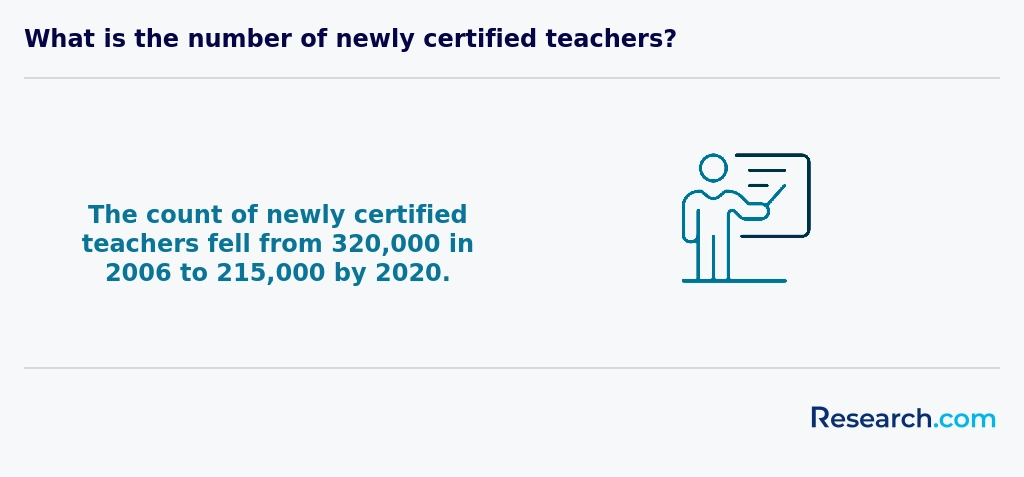
Graduates with an online educational leadership degree in Missouri find a diverse range of career paths that reflect the state's unique educational landscape. Many pursue leadership roles such as school principals or assistant principals in districts across the state, where they manage staff and influence policies with direct community impact. For instance, graduates from well-known institutions like the University of Missouri often report feeling confident stepping into district administration roles, navigating the balance of regulatory demands and innovative leadership strategies.
Others leverage their skills in curriculum development or educational consulting, roles that emphasize improving instructional quality and adapting to Missouri's evolving educational standards. These careers align well with graduates who prefer a behind-the-scenes influence rather than direct school administration, providing opportunities to shape statewide policies and practice.
Graduates also explore higher education administration at popular Missouri colleges and universities, serving as academic advisors or program coordinators, which offers a fulfilling alternative to K-12 leadership. Those interested in online educational leadership careers Missouri-wide benefit from programs that emphasize practical leadership skills, often preparing them for certification through Missouri DESE.
For prospective students considering financial investment and career outcomes, exploring an online educational leadership masters degree program in Missouri can provide valuable insights into flexible learning and career opportunities tailored to the state's educational climate.
The job market for graduates with an online educational leadership degree in Missouri remains encouraging, particularly for those aiming to enter school administration or district-level leadership roles. Graduates from well-regarded state institutions report positive experiences securing positions as principals or instructional coordinators, often feeling prepared to address the challenges of managing diverse school environments. Popular programs at universities such as the University of Missouri or Missouri State University provide practical training that aligns with the state's demand for skilled educational leaders.
Missouri's steady growth in administrative roles, partly driven by retirements and district expansions, supports a favorable job outlook for educational leaders Missouri. While salary variances exist based on geography and district size, the compensation is competitive enough to attract passionate educators. Graduates often find rewarding opportunities contributing to initiatives on equity and technology in schools.
For students evaluating their options, it's helpful to consider how programs balance theory with applied leadership skills. Exploring resources on eds vs edd degree subjects can clarify which path best suits career goals in the evolving educational landscape of Missouri.
2027 Most Affordable Online Master's in Educational Leadership Degree Programs Ranking in Missouri
Investing in your education is a significant decision that can shape your future, and the Research.com team understands the importance of making informed choices. To assist prospective students in Missouri, we have meticulously developed the "2027 Most Affordable Online Master's in Educational Leadership Degree Programs Ranking in Missouri." Our commitment to quality, credibility, and accuracy is reflected in the rigorous research and analysis behind this ranking.
We utilized the following reputable data sources to ensure a comprehensive evaluation of educational leadership programs:
By exploring this ranking, readers will gain valuable insights into the most affordable and credible online master's programs in educational leadership in Missouri, empowering them to make well-informed educational decisions. For more information about how the ranking was created, please visit our Research.com methodology page.



# 5 position
Missouri State University-West Plains
Master of Educational Administration

Frequently Asked Questions About educational leadership
Online educational leadership degree students in Missouri can maximize their learning experience by actively engaging with coursework and leveraging digital resources. Participating in virtual discussion boards and group projects enhances collaboration and critical thinking, skills essential for leadership roles. Missouri's Department of Elementary and Secondary Education emphasizes practical experience, so students should seek internships or practicum opportunities within local schools to apply theory in real-world settings.
Utilizing academic support services offered by institutions, such as tutoring and career counseling, also improves outcomes. Missouri ranks favorably in online program growth, showing a 15% increase in enrollment between 2020 and 2023, indicating expanding access to quality education resources (IPEDS data).
Staying informed about Missouri's educational policies and standards through resources like the Missouri School Boards' Association helps students align their learning with state requirements for certification and leadership roles.
Emerging niches in educational leadership reflect evolving demands in Missouri's public and private education sectors. One significant area is data-driven decision-making, where leaders use analytics to improve school performance and student outcomes. According to the Missouri Department of Elementary and Secondary Education, this approach is increasingly integral to district management strategies.
Another growing field is inclusive leadership focused on equity and diversity. Educational leaders are expected to create environments welcoming to all students, responding to shifting demographics in Missouri schools.
Additionally, specialization in educational technology leadership is expanding, driven by the rise of remote and hybrid learning models statewide.
To prepare for the job market after earning an online educational leadership degree in Missouri, graduates should focus on gaining relevant experience and certifications. Missouri requires educational leaders to hold a valid administrator certificate, typically the Principal Certificate or Superintendent Certificate, which can be obtained through the Missouri Department of Elementary and Secondary Education (DESE).
Networking is also essential. Joining professional organizations like the Missouri Association of School Administrators (MASA) provides access to job listings, mentorship, and professional development. Missouri's job market for educational leaders is projected to grow moderately, with school district leadership roles increasing due to retirements and new positions.
Internships or practicum experiences completed during the degree often lead to better job prospects. Additionally, candidates should stay informed on Missouri-specific educational policies and leadership standards to demonstrate local expertise during interviews.
Employers in Missouri highly value graduates of online educational leadership programs who demonstrate strong communication and interpersonal skills. Effective leaders must collaborate with diverse stakeholders, including teachers, parents, and district officials. According to the Missouri Department of Elementary and Secondary Education, problem-solving and decision-making abilities are essential for navigating complex school environments.
Data also shows that organizational skills and knowledge of educational law and policy prepare graduates to manage school operations confidently. Leadership experience combined with a clear understanding of curriculum development increases employability in Missouri's education sector. Familiarity with data analysis to improve student outcomes is increasingly sought after by employers statewide.
Finding internships in Missouri relevant to an educational leadership degree involves strategic research and networking. Start by exploring school districts across Missouri, such as St. Louis Public Schools or Kansas City Public Schools, which often offer leadership internships or assistantship roles to graduate students. Checking the Missouri Department of Elementary and Secondary Education (DESE) website can also provide leads on district partnerships and programs tailored for aspiring educational leaders.
Additionally, many Missouri universities with online educational leadership programs maintain connections with local schools for internship placements. Contact your program's career services early to access exclusive opportunities. Networking through professional organizations like the Missouri Association of School Administrators can also open doors to internships and mentorships.
It's essential to begin your internship search months before the desired start date, as competition increases. Missouri's focus on leadership in education continues to grow, making internships a vital step toward certification and employment in the state.
An online educational leadership degree in Missouri can significantly enhance career mobility and advancement opportunities for educators and administrators. According to the Missouri Department of Elementary and Secondary Education, individuals with advanced leadership credentials are often preferred for superintendent and principal roles, positions that typically require a master's degree or higher.
The flexibility of online programs allows working professionals to pursue advanced education without leaving their current roles, facilitating continuous career growth. Data from the Bureau of Labor Statistics indicates that educational administrators in Missouri earn a median annual wage of $98,800, reflecting strong earning potential with leadership qualifications.
Additionally, Missouri's increasing focus on school improvement and leadership development creates demand for qualified leaders, making an online degree a valuable asset. Institutions often require educational leadership degrees for promotion, providing graduates with a competitive advantage within the state's public and private school systems.
Studying for an educational leadership degree in Missouri equips students with skills essential for interdisciplinary roles by combining leadership theory with practical application across various educational contexts. Programs often integrate coursework in administration, policy analysis, and community engagement, fostering collaboration among educators, counselors, and policymakers.
According to the Missouri Department of Elementary and Secondary Education, leadership preparation includes understanding diverse student needs, which requires coordination with social services and health professionals. This interdisciplinary approach prepares graduates to navigate complex school environments effectively.
Moreover, most Missouri online programs emphasize data-driven decision-making and organizational management, skills valuable beyond traditional teaching roles. This enhances graduates' ability to work across departments and broader educational systems, meeting evolving demands in education leadership positions.
When choosing between a thesis and a non-thesis educational leadership degree program in Missouri, consider your career goals and learning preferences. Thesis programs typically require original research, which suits students interested in academic or policy-focused careers. They often take longer to complete due to research demands. Non-thesis programs usually emphasize coursework and practical leadership skills, appealing to working professionals seeking immediate application in schools or districts.
In Missouri, many online programs follow these patterns, with options accredited by CAEP. According to the Missouri Department of Elementary and Secondary Education, leadership roles often value practical experience, making non-thesis degrees appealing for administrators aiming for school-based leadership.
Additionally, thesis routes may prepare students for doctoral studies, while non-thesis paths often feature internships or capstone projects. Check each program's curriculum carefully to ensure it aligns with your future ambitions.
Students based in Missouri interested in studying educational leadership abroad face limited direct options through traditional international programs. Most online educational leadership degrees available to Missouri residents come from U.S.-based institutions offering flexible online formats. According to data from the Missouri Department of Elementary and Secondary Education, 86% of educational leadership candidates complete their degrees within the state or through American universities.
For those seeking global perspectives, participation in international seminars or exchange programs alongside online coursework is a common approach. Many Missouri students leverage partnerships that local universities have with foreign institutions to gain cross-cultural leadership insights without fully relocating.
Currently, no Missouri public university offers fully accredited online educational leadership degrees specifically designed to be completed abroad. However, Missouri residents can enroll in U.S. programs offering global case studies and virtual collaboration with international peers.
Part-time job opportunities in Missouri that complement an online educational leadership degree include roles in school administration support, tutoring, and educational program coordination. These positions provide practical experience relevant to leadership principles and help build skills in communication, organization, and management.
According to the Missouri Department of Elementary and Secondary Education, many school districts seek part-time aides or administrative assistants, which can offer hands-on insight into school operations and leadership. Tutoring roles, either independently or through community programs, sharpen instructional skills and student engagement strategies.
Additionally, educational nonprofits in Missouri often hire part-time coordinators, allowing students to develop valuable program management expertise aligned with their academic studies.
Online educational leadership students in Missouri have multiple networking opportunities despite the virtual nature of their programs. Many universities, such as the University of Missouri and Missouri State University, offer virtual networking events including webinars, discussion forums, and group projects that connect students with faculty and peers across the state.
Professional organizations like the Missouri Association of School Administrators (MASA) provide access to conferences, workshops, and local chapters where students can build relationships with experienced educational leaders. These events often include mentorship opportunities tailored to educational leadership students.
Additionally, Missouri's Department of Elementary and Secondary Education promotes leadership development initiatives that online students can engage with, expanding their professional network regionally and statewide.
Alumni networks provide valuable support for students pursuing online educational leadership degrees in Missouri. They connect current students with experienced graduates working in various educational roles across the state. According to the Missouri Department of Elementary and Secondary Education, networking can increase job placement rates by facilitating introductions to school administrators and district leaders.
These networks often share insider knowledge about local educational policies, leadership challenges, and career advancement opportunities specific to Missouri. Alumni events and online groups offer mentoring, advice, and professional development resources. This access can be crucial for students balancing studies with work, helping them build a strong professional identity within Missouri's education community.
Many online educational leadership programs in Missouri offer customizable options to align with your career goals. You can often choose electives focused on K-12 administration, higher education, or special education leadership. Some schools allow students to select concentrations or certificates, such as curriculum development or school counseling administration.
Missouri's Department of Elementary and Secondary Education (DESE) supports flexible pathways, enabling candidates to meet state certification requirements through tailored course selections.
When comparing programs, check for options to engage in internships, practicums, or leadership projects in Missouri schools. These hands-on experiences enhance your skills and local network.
According to recent DESE data, Missouri employs over 7,000 school administrators, highlighting strong opportunities for leadership roles with targeted training.
Online educational leadership students in Missouri often face unique challenges related to the balance between work, study, and personal life. Many enrolled students are current educators or administrators, making time management a critical concern. According to the Missouri Department of Elementary and Secondary Education, over 60% of educational leadership candidates are working professionals, which can lead to increased stress.
Technology access and proficiency remain issues for some, especially in rural areas. Despite broadband expansion efforts, 15% of Missouri households lack reliable internet, affecting online learning consistency, as reported by the Missouri Broadband Office.
Other challenges include limited local networking opportunities and fewer chances for face-to-face mentorship compared to traditional programs.
With an online educational leadership degree in Missouri, graduates can pursue several key professional certifications to advance their careers. The most common certification is the Missouri Superintendent Certificate, which allows individuals to lead K-12 school districts. This certification requires meeting specific coursework and experience criteria as outlined by the Missouri Department of Elementary and Secondary Education (DESE).
Additionally, candidates can earn the Building Level Administrator (BLA) certificate, qualifying them for principal or assistant principal roles. Many online programs align their curriculum with these certification standards to prepare students effectively.
By obtaining these credentials, educators increase their employability and leadership opportunities in Missouri's school systems.
To write a winning application for an online educational leadership program in Missouri, start by clearly demonstrating your commitment to education and leadership. Missouri schools often look for candidates with at least a bachelor's degree and relevant experience in education or administration.
Highlight your career goals and explain how the program will help you meet Missouri's certification requirements. According to the Missouri Department of Elementary and Secondary Education, leadership programs must align with state standards for principal or superintendent certification.
Include strong letters of recommendation from supervisors or colleagues who can attest to your leadership abilities and professional growth. Also, emphasize your ability to manage online learning effectively, as many programs require self-motivation and time management skills.
Finally, ensure your application is free of errors, and tailor your personal statement to address Missouri's educational challenges and goals, showing you understand the local context.
Educational leadership careers in Missouri reflect broader global trends emphasizing the importance of strong leadership in schools to improve student outcomes. According to the Missouri Department of Elementary and Secondary Education, effective leadership is key to addressing educational challenges such as equity and resource management. Globally, there is growing recognition that educational leaders must be culturally competent and adaptable to diverse learning environments.
In the US, including Missouri, principals and school administrators are increasingly expected to use data-driven decision-making and foster inclusive school climates. The US Bureau of Labor Statistics projects employment for education administrators to grow by 8% from 2022 to 2032, highlighting steady demand. Missouri universities offer accredited online degrees preparing candidates to meet these evolving leadership needs.
Internationally, educational leadership also incorporates global collaboration and best practice sharing, which enhances leadership strategies at local levels. Missouri's focus on online educational leadership programs supports flexible learning for professionals seeking to contribute within this expanding global context.
Gaining practical experience while pursuing an online educational leadership degree in Missouri is essential for career readiness. Many programs incorporate fieldwork components such as internships or practicum placements in local schools or districts. These experiences allow students to apply leadership theories in real educational settings.
The Missouri Department of Elementary and Secondary Education encourages aspiring leaders to complete mentoring hours, which are often integrated into online degree curricula. This supervised practice helps build skills in administration, policy implementation, and team management.
Additionally, partnerships between universities and Missouri school districts provide opportunities for virtual or in-person leadership projects. Such collaborations enhance hands-on learning while accommodating the flexibility of online study.
Choosing the right concentration within an online educational leadership degree program in Missouri begins with understanding your career goals. Concentrations often focus on areas like K-12 administration, higher education leadership, or curriculum development. Each prepares students for different roles in education systems. Missouri's Department of Elementary and Secondary Education reports that leadership roles in K-12 schools are growing by about 5% annually, highlighting demand for administrators.
Review Missouri's licensure requirements, as some concentrations lead to state certification necessary for principals or superintendents. Also, consider the curriculum's alignment with Missouri's education policies and standards. Research programs accredited by recognized bodies, such as CAEP or NCATE, for quality assurance. Cost, faculty expertise, and student support services are additional factors to evaluate when choosing your focus.
- 2027 Most Affordable Online Master's in Educational Leadership Degree Programs Ranking in Kansas
- 2027 Most Affordable Online Master's in Educational Leadership Degree Programs Ranking in Kentucky
- 2027 Most Affordable Online Master's in Educational Leadership Degree Programs Ranking in Indiana
- 2027 Most Affordable Online Master's in Educational Leadership Degree Programs Ranking in Minnesota
- 2027 Most Affordable Online Master's in Educational Leadership Degree Programs Ranking in Colorado
- 2027 Most Affordable Online Master's in Educational Leadership Degree Programs Ranking in Ohio
- 2027 Most Affordable Online Master's in Educational Leadership Degree Programs Ranking in Michigan
- 2027 Most Affordable Online Master's in Educational Leadership Degree Programs Ranking in Texas
- 2027 Most Affordable Online Master's in Educational Leadership Degree Programs Ranking in Florida
- 2027 Most Affordable Online Master's in Educational Leadership Degree Programs Ranking in Virginia
- Educational Leadership Network - ICSEI https://icsei.org/network/educational-leadership-network/
- Personal statement for applying a MAs educational leadership https://essayforum.com/graduate/statement-applying-mas-educational-leadership-85737/
- Top 5 Skills Employers Look for in a College Graduate https://www.blog.intedashboard.com/blogs/active-learning/skills-college-graduate
- Reasons to Earn a Master’s Degree in Educational Leadership - Graduate Programs for Educators https://www.graduateprogram.org/blog/reasons-to-earn-a-masters-degree-in-educational-leadership/
- Master's in Education Online: Find Your Missouri Program https://www.onlinemastersdegrees.org/best-programs/education/missouri/
- com.hannonhill.cascade.velocity.LocatorTool@49931548{ https://programs.umkc.edu/graduate/school-of-education-social-work-and-psychological-sciences/educational-leadership-policies-and-foundations
- EdD Salary - How much can you make with a Doctor of Education (EdD) degree? (2025 Update) https://www.onlineeddprograms.com/faqs/edd-salary
- Understanding Key Leadership Challenges in Educational Leadership https://www.jasonwhiskerd.co.uk/post/understanding-key-leadership-challenges-in-educational-leadership
- Challenges for Educational Leaders: Solutions for Success https://www.educationalleadershipdegree.com/blog/challenges-for-educational-leaders/
- How to Pick Your Concentration for Your M.Ed. Degree | ACE Blog https://ace.edu/blog/how-to-pick-your-med-concentration/