2027 Most Affordable Online Master's in Educational Leadership Degree Programs Ranking in Wisconsin

Co-Founder and Chief Data Scientist
Choosing the right online master's program in educational leadership can feel overwhelming, especially when budget matters. This article presents the 2027 Most Affordable Online Master's in Educational Leadership Degree Programs Ranking in Wisconsin, carefully developed by the Research.com team of data scientists. It's designed to help Wisconsin students find quality programs that fit their financial needs.
By exploring this ranking, you'll gain valuable insights to make an informed decision, opening doors to leadership opportunities in education. Investing in your degree now can lead to a rewarding and impactful career.
Key benefits of getting online educational leadership degree in Wisconsin
- Graduates with an educational leadership degree in Wisconsin can expect competitive salaries, often earning around $90,000 per year in leadership roles within schools or educational organizations based on national averages for related careers.
- A graduate from the University of Wisconsin's educational leadership program may pursue careers as school principals, curriculum coordinators, or district administrators, offering diverse opportunities to make a meaningful impact in education.
- Completing an educational leadership degree online, such as through the University of Wisconsin's flexible programs, allows students to balance work and study efficiently, gaining valuable skills without disrupting their current careers.
- 2027 Most Affordable Online Master's in Educational Leadership Degree Programs Ranking in Wisconsin
- What can I expect from online educational leadership degree in Wisconsin?
- Where can I work with online educational leadership degree in Wisconsin?
What can I expect from online educational leadership degree in Wisconsin?
The average cost of an online educational leadership degree in Wisconsin typically ranges from $8,000 to $15,000 for the entire master's program, depending on the institution and residency status. Graduates from well-known universities within the state often highlight how the investment feels worthwhile considering the flexible pacing and the ability to keep working full-time while studying. For example, many report relief in managing tuition alongside family responsibilities, appreciating the balance enabled by online formats offered by regional public universities.
Several graduates emphasize the competitive pricing compared to national averages, noting that public colleges often provide discounted rates for Wisconsin residents, making leadership education more accessible. These programs frequently incorporate hands-on projects connected to local districts, enriching learning and making the cost feel like a direct contribution to real community impact.
As educational leadership evolves, expected future trends include expanded financial aid options and partnerships with school districts to further reduce expenses. The affordability combined with strong licensure alignment continues to attract aspiring leaders eager to shape Wisconsin schools more inclusively and effectively.
Where can I work with online educational leadership degree in Wisconsin?
Graduates with an online educational leadership degree in Wisconsin often find themselves stepping into dynamic roles within K-12 schools, higher education, and district offices. Many envision leading as principals or assistant principals, managing daily operations while fostering student success. For example, graduates from popular programs at the University of Wisconsin often share how their real-world internships prepared them to confidently handle challenges in bustling public schools.
Others imagine advancing to district-level leadership, such as superintendents or program directors, where they influence multiple schools at once. These positions offer rewarding salaries and opportunities to shape education on a larger scale. Alumni from online programs at Edgewood College describe the satisfaction of crafting policies that uplift entire communities.
Specialized paths-like curriculum coordinators and educational policy analysts-allow graduates to apply their skills statewide, often collaborating with agencies to drive innovative teaching methods. Many find excitement in higher education roles, managing programs and supporting faculty at Wisconsin's renowned community colleges and universities, feeling a deep sense of purpose in shaping the future of education.
Graduates earning an online educational leadership degree in Wisconsin often find promising salary opportunities that grow with experience and role advancement. For instance, early-career leaders who start as assistant principals or program coordinators commonly earn between $60,000 and $75,000 annually. Wisconsin alumni from institutions like the University of Wisconsin-Madison and Concordia University Wisconsin have shared how these roles serve as solid stepping stones, fueling both professional confidence and financial stability.
As graduates build their careers, moving into principal or district administration positions can increase earnings substantially, often into the $85,000 to $110,000 range. This is reflective of the demand throughout Wisconsin's school systems, where leadership roles are valued for their impact on educational outcomes. Some graduates have reported that their online degree's flexibility helped them balance work and study, accelerating their readiness for these higher-paying opportunities.
Looking ahead, pursuing specialized certifications alongside the degree can open doors to superintendent-level roles, supporting salaries above $120,000. The evolving education landscape in Wisconsin encourages continuous learning, ensuring that qualified, innovative leaders remain essential to shaping the future of schools statewide.
- Tuition for online master's programs in educational leadership in Wisconsin ranges from $10,000 to $25,000, with public universities offering more affordable options for in-state residents.
- Entry-level educational leadership roles, such as assistant principals or district coordinators, have average starting salaries around $65,000 per year.
- Experienced leaders like principals or superintendents can earn over $90,000 annually, showing strong salary growth potential.
- The job market for educational leadership positions in Wisconsin is projected to grow moderately due to administrator retirements and school improvement needs.
- Programs must be regionally accredited and meet Wisconsin Department of Public Instruction requirements for school administrator licensure.
- Most online programs include practicum or internship components to provide practical leadership experience required for licensure.
Completing an online educational leadership degree in Wisconsin typically takes between 1.5 and 3 years, depending on the student's schedule and program choice. Graduates from the University of Wisconsin system often describe balancing work and study as challenging but rewarding, especially with flexible part-time options that stretch progress over three years or more. Others, motivated by accelerated summer sessions, finish closer to 18 months, feeling empowered by their focused commitment.
Some learners find additional prerequisites essential, especially if their background isn't directly in education, extending timelines but deepening their understanding. This thoughtful pacing helps Wisconsin students feel prepared for leadership roles upon graduation, which many describe as a pivotal moment in their careers.
The inclusion of licensing or administrative certification also influences duration, with supervised internships adding practical experience that graduates say makes the longer time investment meaningful. These adaptable programs resonate well with working professionals aiming to advance without pausing their careers.
Graduates from educational leadership programs at institutions like the University of Wisconsin-Madison often reflect on the flexible rhythm of online learning as a key advantage. They describe how asynchronous classes allowed them to manage coursework around busy teaching schedules and family life, turning evenings or weekends into productive study time. This flexibility transforms the challenging pursuit of a graduate degree into an empowering journey tailored to individual pacing.
Meanwhile, alumni from on-campus programs at Marquette University highlight the energizing atmosphere of in-person collaboration. They recall spontaneous discussions after class and direct access to campus resources, which fostered a strong sense of community and immediate engagement with instructors and peers. Such experiences create a vibrant environment ideal for those who thrive on direct interaction and networking.
Looking ahead, online programs in Wisconsin are likely to integrate more immersive technologies, such as virtual reality group sessions or AI-driven personal coaching, enhancing connection without sacrificing convenience. With local practicum placements supporting state licensure, online students continue to build real-world leadership skills alongside those on campus, ensuring both paths remain robust and well-suited to diverse learner needs.
The average cost of an online educational leadership degree in Wisconsin typically centers around $26,880, reflecting a balance between public and private institution tuition rates. Many graduates from well-known universities in Wisconsin find this investment rewarding, as it often aligns with their career advancement goals and flexible scheduling needs. Public institutions tend to offer more affordable tuition, generally lower than private schools, which can top $30,000. This range creates options that accommodate various financial situations for those seeking affordable online master's programs in educational leadership Wisconsin.
Students often appreciate the ability to manage costs by enrolling part-time, extending their studies over several semesters to spread out tuition payments. Graduates frequently share how this financial flexibility reduced stress while keeping their educational aspirations within reach. In addition to tuition, modest fees for technology and course materials may apply, but many find these manageable compared to the overall value of the degree.
Looking ahead, the trend toward competitive pricing in Wisconsin's online education leadership programs is likely to continue as institutions strive to attract working professionals. Some highlight opportunities to pursue an accelerated online eds degree, shortening completion times and overall costs. Such developments are exciting for prospective students evaluating the average cost of online educational leadership degree in Wisconsin.

Students pursuing an online educational leadership degree in Wisconsin often find promising financial support options that can make their academic journey more manageable. Graduates from the University of Wisconsin system frequently share how federal student loans, like Direct Unsubsidized and Grad PLUS Loans, eased their tuition payments while balancing work and study commitments.
Several also report qualifying for TEACH Grants by committing to teach in underserved Wisconsin communities, which lightened their financial load considerably. Meanwhile, state grants and scholarships, though more common for undergraduates, may occasionally extend to graduate students in education, depending on the institution.
Many online learners at schools such as UW-Milwaukee benefit from competitive departmental scholarships awarded for academic excellence or leadership experience, turning hefty tuition bills into achievable investments in their futures. Additionally, employer tuition reimbursement programs play a crucial role for professionals employed in Wisconsin's school districts, providing hope and motivation for career growth.
Looking ahead, expanding partnerships between institutions and local educational employers could unlock more tailored aid opportunities-fueling dreams for those advancing education leadership across Wisconsin.
Enrolling in an online educational leadership degree in Wisconsin increasingly calls for a blend of academic credentials and hands-on experience. Graduates often recall how having a bachelor's degree-commonly in education or related fields-opened doors, but it was their one to three years of classroom or administrative experience that truly prepared them for the leadership challenges ahead. For instance, those pursuing degrees at the University of Wisconsin found that holding a valid teaching license not only met program prerequisites but also boosted their confidence navigating real school environments.
Applicants typically provide transcripts, recommendation letters, and a personal statement, offering admissions a glimpse into their passion and readiness. The move away from GRE requirements, especially in these online programs, reflects a focus on professional skills over standardized testing, easing stress for many working educators balancing jobs and studies.
Technical readiness is increasingly essential; reliable internet and familiarity with systems like Canvas make learning smoother. Students at popular Wisconsin colleges appreciate these tools, feeling connected and empowered throughout their online journey.
Students pursuing online educational leadership degrees in Wisconsin often engage with courses that reflect both current demands and future trends in school administration. Graduates from well-known institutions describe immersing themselves in topics such as educational leadership theory, which helps them navigate diverse leadership styles and their real impact on school culture and student success. At universities like the University of Wisconsin-Madison, coursework in school law and ethics simulates real dilemmas, preparing leaders to make sound decisions grounded in fairness and legality.
Instructional leadership and curriculum development courses often include projects where students analyze authentic student performance data to design improvement plans, a process graduates find empowering and practical. Programs also integrate human resource management and financial planning, allowing future principals to confidently address budgeting and staff evaluations-skills described by many as pivotal when stepping into leadership roles.
Internships or field experiences at Wisconsin institutions provide immersive leadership practice, often guided by experienced administrators, making the theory come alive. Graduates frequently highlight these hands-on opportunities as invaluable, boosting their confidence and readiness to lead in Wisconsin's evolving educational landscape.
Online educational leadership specializations in Wisconsin offer a dynamic array of pathways tailored to meet the evolving demands of schools and institutions. Graduates from popular programs like the University of Wisconsin system often reflect on how tracks such as School Administration and Leadership empowered them to confidently manage staff and navigate complex school laws, preparing them for impactful principalship roles. Meanwhile, concentrations like Higher Education Administration attract those aiming to enhance institutional effectiveness within colleges.
Emerging trends in Wisconsin's online educational leadership degrees emphasize equity and data-informed decision-making, responding to the real-world challenges educators face today. Those pursuing a Wisconsin online master's in educational leadership concentrations appreciate the practical focus on curriculum innovation and special education leadership, which helps improve student outcomes in diverse settings.
Many graduates describe the accessibility of these programs and their alignment with state licensure requirements as major motivators, finding reassurance that their training adheres to recognized standards. For prospective students curious about career outcomes, exploring education leadership salary insights offers useful context for their future investments.
Choosing the best online educational leadership degree in Wisconsin means anticipating how your studies will translate into real leadership roles in diverse school environments. Graduates from popular universities often share stories of how flexible, fully asynchronous programs allowed them to balance work, family, and education effectively. These programs commonly include courses tailored to Wisconsin's unique educational policies and community needs, emphasizing practical leadership skills and technological integration.
Many prospective students look for affordable educational leadership degrees Wisconsin offers, especially given the variability in tuition. Some found that exploring scholarships and assistantships through their institutions made a big difference in reducing costs. Those seeking the most value sometimes select programs recognized for their alignment with state licensure requirements, ensuring a smoother path to becoming certified administrators.
Considering curriculum relevance is key. Graduates often cite programs with hands-on practicums as especially beneficial, fostering confidence when stepping into administrative positions. Wisconsin's evolving educational landscape encourages leadership that supports equity and innovation, shaping future-ready leaders. For those interested in cost-effective options, an affordable online education specialist program can be a strategic choice, blending quality with accessibility while meeting statewide professional demands.
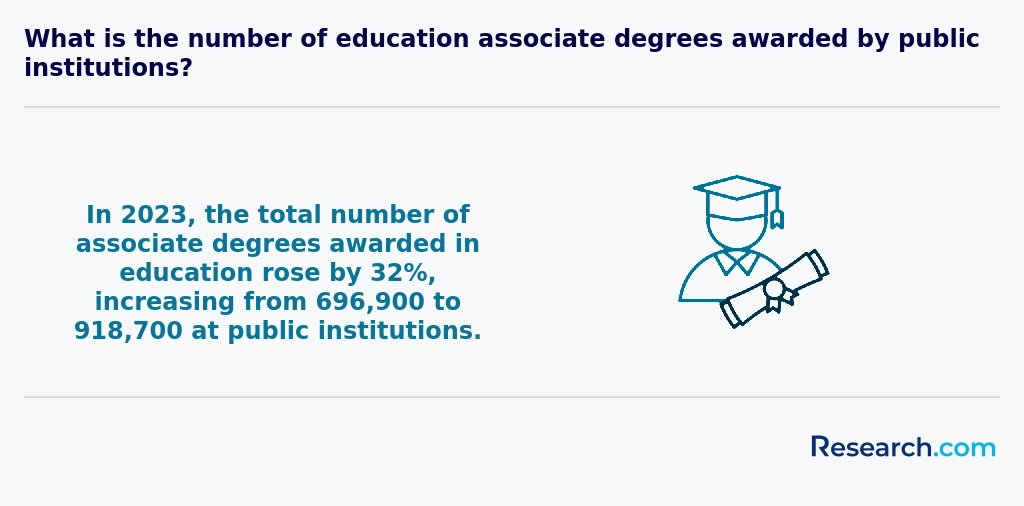
Graduates with an online educational leadership degree in Wisconsin often step into roles such as school principals or assistant principals, where they drive improvements in school performance and staff management. Many report that their experiences at respected institutions like the University of Wisconsin system have equipped them with practical skills to navigate complex educational environments. For those interested in broader impact, district-level positions like curriculum coordinators or superintendents offer exciting challenges and the chance to influence education policy across multiple schools.
Increasingly, educational leadership careers in Wisconsin are expanding beyond K-12 roles. Graduates find fulfilling opportunities in higher education administration, overseeing student services or academic programs at colleges throughout the state. This flexibility appeals to professionals eager to support diverse learning communities while advancing their careers. Additionally, nonprofit organizations and government agencies seek leaders from Wisconsin's programs to manage initiatives promoting educational equity and innovation.
Students eyeing these paths often explore a range of options by researching educational leadership masters programs online from trusted state universities, embracing careers that blend community impact with professional growth in the evolving education landscape.
The job market for online educational leadership degree graduates in Wisconsin is evolving with promising opportunities. Graduates from well-regarded institutions such as the University of Wisconsin or edgewood College often share how the practical leadership skills gained through these programs directly prepare them for administrative roles in growing charter and public schools. Many find themselves leading diverse teams and implementing policies in evolving virtual or hybrid learning environments, reflecting the rising complexity of educational leadership roles.
Wisconsin's stable demand for skilled educational administrators coupled with licensure requirements emphasizing a master's degree makes pursuing an online path both strategic and accessible. Those seeking online educational leadership jobs Wisconsin-wide report positive experiences balancing study and work, thankful for flexible scheduling offered by local universities. The potential for a median wage around $95,000 further motivates graduates to embrace roles as curriculum leaders or district administrators.
Students often explore whether an EdD or EdS might better suit their goals, and resources like edd vs eds which is better help clarify these decisions. Overall, the blend of affordable programs, growing school sectors, and focus on inclusive leadership offers a fertile environment for emerging educational leaders in Wisconsin.
2027 Most Affordable Online Master's in Educational Leadership Degree Programs Ranking in Wisconsin
Investing in your education is a significant decision that can shape your future, and the Research.com team understands the importance of making informed choices. To assist prospective students in Wisconsin, we have meticulously crafted the "2027 Most Affordable Online Master's in Educational Leadership Degree Programs Ranking in Wisconsin." Our commitment to quality, credibility, and accuracy is demonstrated through extensive research and careful analysis in compiling this ranking.
We utilized the following reputable data sources to ensure a comprehensive evaluation of educational leadership programs:
By exploring this ranking, readers will gain valuable insights into affordable and high-quality online master's programs in Educational Leadership in Wisconsin, empowering them to make well-informed decisions about their academic and professional futures. For more details on our methodology, please visit our Research.com methodology page.


# 4 position
University of Wisconsin-La Crosse
Master of Student Affairs Administration in Higher Education

Frequently Asked Questions About educational leadership
Online educational leadership degree students in Wisconsin can maximize their learning experience by engaging actively with faculty and peers through virtual office hours and discussion forums. Building a professional network within Wisconsin's education community is essential, as local connections can lead to mentorship and career opportunities. Utilizing Wisconsin's Department of Public Instruction resources helps students stay informed on current educational policies relevant to leadership roles statewide.
Students should also take advantage of research databases and online libraries provided by accredited institutions to deepen their understanding of leadership theories and practices. Time management and self-discipline are key, as the average master's program requires 30 to 36 credits completed typically within two to three years.
According to the Wisconsin Educational Leadership Association, participation in local webinars and conferences can further enhance practical leadership skills. These strategies collectively improve student outcomes and readiness for effective school administration.
The field of educational leadership is expanding into several emerging niches that address current challenges in schools and districts. One key area is equity leadership, focusing on reducing disparities and promoting inclusion in diverse Wisconsin classrooms. According to Wisconsin Department of Public Instruction reports, schools increasingly prioritize equity to support all students.
Another growing niche is data-driven decision making, where leaders use analytics to improve student outcomes and operational efficiency. This specialization is vital as Wisconsin districts adopt advanced data management systems.
Technology integration leadership is also rising due to increased reliance on digital tools for remote and hybrid learning. Educational leaders skilled in navigating these technologies are in high demand, reflecting national trends highlighted by the American Association of School Administrators.
After completing an online educational leadership degree in Wisconsin, graduates should focus on building a strong professional network within the state's educational system. Joining organizations such as the Wisconsin Association of School Administrators (WASA) can offer valuable connections and leadership resources.
Wisconsin's Department of Public Instruction requires educational leaders to obtain proper licensure, so ensure your certification aligns with state rules for principals or district administrators.
Practical experience is crucial; many employers look for candidates with internship or mentoring background. According to the Bureau of Labor Statistics, Wisconsin's educational leadership roles are expected to grow 6% by 2030, indicating steady demand. Tailor your resume to highlight leadership skills and stay informed about regional educational policies.
Employers in Wisconsin value educational leadership graduates who demonstrate strong communication and interpersonal skills. These leaders must effectively collaborate with teachers, parents, and community members to improve school outcomes. According to the Wisconsin Department of Public Instruction, administrators with expertise in data-driven decision-making and strategic planning are in high demand to address diverse student needs.
Leadership programs that emphasize ethical decision-making, conflict resolution, and organizational management prepare graduates for these roles. Additionally, proficiency in technology integration and adapting to evolving educational policies is essential for success in Wisconsin's schools. These skills help ensure graduates can lead with vision and responsiveness.
Finding internships in Wisconsin relevant to an online educational leadership degree involves targeted research and networking. Begin by exploring partnerships between Wisconsin universities and local school districts, as these often provide internship opportunities. The Wisconsin Department of Public Instruction (DPI) facilitates connections with public schools, which can be valuable for gaining leadership experience.
Many Wisconsin universities require or recommend internships as part of their educational leadership programs, making their career services offices a good resource. Additionally, professional organizations like the Wisconsin Association of School District Administrators (WASDA) offer internship listings and networking events.
Online students can also leverage virtual networking platforms and statewide job boards specific to education. Keeping in contact with faculty advisors can help identify openings tailored to educational leadership careers within Wisconsin's diverse school systems.
An online educational leadership degree in Wisconsin significantly enhances career mobility and advancement opportunities for educators. Wisconsin's Department of Public Instruction recognizes these degrees for administrative licensure, a key requirement for leadership positions such as principals and district administrators. According to the Wisconsin Education Association Council, nearly 60% of school administrators hold a master's degree in educational leadership or a related field.
Completing this degree online offers flexibility for current educators pursuing promotion without interrupting their work. The degree equips candidates with skills in school management, policy, and instructional leadership, directly aligning with state standards.
Moreover, earning this credential can lead to higher salaries and increased job security within Wisconsin's school districts, where leadership demand remains steady. Data from the Wisconsin Economic Development Corporation indicates a consistent need for qualified educational leaders through 2028.
Studying for an educational leadership degree in Wisconsin equips students with skills relevant to interdisciplinary roles by integrating knowledge from education, administration, psychology, and community engagement. Wisconsin's accredited programs often emphasize collaboration across multiple sectors, preparing graduates to work with teachers, parents, policymakers, and social service agencies. According to the Wisconsin Department of Public Instruction, leadership programs stress data-driven decision-making and communication strategies essential for diverse educational settings.
Students learn to navigate educational policies within a broader social context, making them capable of addressing challenges involving curriculum, mental health, and resource management. This interdisciplinary approach is vital for effective school leadership in Wisconsin's varied educational environments.
When choosing between a thesis and a non-thesis educational leadership degree program in Wisconsin, consider your career goals and learning preferences. Thesis programs require original research and a formal written document, ideal for those interested in pursuing doctoral studies or research roles.
Non-thesis programs typically focus on practical skills, coursework, and capstone projects, which may better suit professionals aiming to advance in school administration or leadership without a strong research component.
According to the Wisconsin Department of Public Instruction, practical leadership skills are highly valued for school principals and district leaders, making non-thesis options appealing for many.
However, some Wisconsin universities emphasize thesis tracks for a deeper academic experience, aligning with national trends where about 35% of educational leadership graduate students opt for thesis pathways (Council of Graduate Schools, 2023).
Evaluate faculty expertise, program flexibility, and future academic plans before deciding, ensuring your choice aligns with Wisconsin's educational leadership standards and your professional ambitions.
Students based in Wisconsin who wish to study educational leadership abroad while pursuing an online degree have limited direct options within US-accredited programs. Most universities offering online educational leadership degrees focus on domestic accreditation and coursework, which ensures licensure alignment in Wisconsin.
However, some students explore international universities with online programs recognized by US education bodies or seek study-abroad components through hybrid models. According to the Wisconsin Department of Public Instruction, educational leadership licensure requires programs aligned with state standards, so international degrees must be carefully evaluated for equivalency.
Partners like the Council for the Accreditation of Educator Preparation (CAEP) do not currently accredit foreign institutions that offer educational leadership, making Wisconsin students reliant on US-based options predominantly.
Part-time job opportunities in Wisconsin that complement an educational leadership degree often involve roles within K-12 schools and local education agencies. Positions such as substitute teacher, teacher aide, or administrative assistant offer practical experience managing school operations and supporting instruction.
Wisconsin Department of Public Instruction data shows that substitute teaching is a common entry point, providing exposure to classroom management and school culture, which are key leadership skills. Additionally, working as a data coordinator or program assistant in school districts helps develop organizational and communication abilities relevant to educational leadership.
Many Wisconsin districts seek candidates with leadership potential for these roles, making them valuable for students pursuing degrees online while gaining meaningful local experience.
Online educational leadership students in Wisconsin have access to several networking opportunities despite the remote format. Many universities offer virtual events, such as webinars and discussion forums, connecting students with faculty and peers statewide. Professional organizations like the Wisconsin Association of School District Administrators (WASDA) provide conferences and local chapter meetings, welcoming both in-person and online members.
Additionally, the Wisconsin Department of Public Instruction often hosts workshops and leadership training, which online students can attend virtually to build professional contacts. These platforms allow students to engage with experienced educators across Wisconsin's diverse school districts, enhancing career prospects. Networking remains a vital component of educational leadership programs, supported by state-specific initiatives.
Alumni networks play a critical role for students pursuing online educational leadership degrees in Wisconsin. These networks provide valuable connections to experienced professionals in the state's education sector. According to the Wisconsin Department of Public Instruction, nearly 90% of school leaders credit professional networking as essential for career advancement.
Through alumni groups, students gain access to mentorship opportunities, job leads, and collaboration platforms that enhance learning beyond coursework. These networks often host local events and online forums tailored to Wisconsin's unique educational policies and challenges, helping graduates stay informed and engaged.
Moreover, alumni networks offer access to exclusive resources, such as job postings within Wisconsin districts, which can significantly improve employment prospects after graduation. This support is particularly important because principal and superintendent roles in Wisconsin schools often require leadership experience combined with strong connections in the community.
Customizing an online educational leadership degree in Wisconsin allows students to align their studies with specific career goals. Many programs offer elective courses focused on areas like curriculum development, school finance, or administrative law.
Some universities also provide options for specialization, such as K-12 leadership or higher education administration. Additionally, students can often select internships or capstone projects that provide practical experience relevant to their ambitions.
State licensure requirements for school administrators in Wisconsin may influence course choices, ensuring students meet necessary standards for certification.
Consulting academic advisors helps tailor programs to match professional objectives efficiently.
Online educational leadership students in Wisconsin often face several key challenges. One common issue is balancing coursework with professional and personal responsibilities, as many students are actively working in education while studying. Time management becomes essential to succeed in rigorous programs.
Connectivity and technology limitations can also hinder progress, especially for students in rural areas where broadband access remains spotty. According to the Wisconsin Broadband Office, about 10% of rural residents still lack reliable internet.
Additionally, some students report difficulty accessing meaningful practicum opportunities remotely, which are vital for leadership skill development. Navigating state licensure requirements while enrolled online can also create complexity.
These factors often require strong self-motivation and institutional support for successful completion.
An online educational leadership degree in Wisconsin can prepare you to pursue several professional certifications essential for advancing in school administration. Most notably, the Wisconsin Department of Public Instruction (DPI) offers the Administrative License, which is required to become a school principal or district administrator. Applicants must hold a master's degree in educational leadership or a related field and complete approved licensure programs.
Additionally, you might qualify for the Pupil Services License if your focus includes counseling or guidance roles. National certifications, such as those from the National Association of Elementary School Principals (NAESP), can also complement your state credentials.
According to Wisconsin DPI data, schools with certified leaders report higher student achievement, making these certifications valuable for career growth.
Writing a winning application for an online educational leadership program in Wisconsin requires careful attention to the program's requirements and clear communication of your goals. Begin by thoroughly researching each program's admission criteria, as Wisconsin universities often emphasize leadership experience and academic achievement.
Highlight your professional background in education, including any leadership roles, such as department head or curriculum coordinator. Include specific examples of your impact, supported by data where possible. For instance, demonstrating improved student outcomes or successful initiatives can strengthen your case.
Strong letters of recommendation from supervisors or colleagues familiar with your leadership skills are essential. Also, craft a focused personal statement explaining why you want to pursue educational leadership and how it aligns with Wisconsin's school system goals. According to data from the Wisconsin Department of Public Instruction, leadership programs prioritize candidates committed to improving educational equity and innovation.
Finally, make sure to meet all deadlines and submit all required transcripts and test scores promptly to enhance your chances of acceptance.
Educational leadership careers are increasingly viewed through a global lens, with many countries emphasizing the role of leaders in shaping effective and equitable education systems. In the United States, including Wisconsin, educational leaders are expected to manage diverse learning environments and implement policies that reflect both local and international best practices.
Globally, leadership in education focuses on fostering innovation, equity, and community engagement. The Wisconsin Department of Public Instruction highlights leadership skills such as data-informed decision-making and cultural competency, which align with global standards seen in OECD reports on education management.
According to recent data, Wisconsin schools employ over 2,000 principals and district administrators, illustrating strong demand for trained leaders within the state. This mirrors a broader U.S. trend where advanced degrees in educational leadership improve career prospects and influence educational policy.
Gaining practical experience while studying for an online educational leadership degree in Wisconsin is essential for career readiness. Many programs encourage students to complete internships or practicum placements within local school districts. These experiences often involve working alongside experienced administrators to develop leadership skills in real school settings.
Wisconsin's Department of Public Instruction supports partnerships between universities and schools, facilitating access to school leadership internships. Additionally, some programs offer virtual simulations and case studies to complement in-field practice.
Students can also engage in professional organizations like the Wisconsin Association of School Executives, which provides networking and leadership development opportunities relevant to Wisconsin's educational landscape.
Choosing the right concentration within an online educational leadership degree in Wisconsin involves understanding your career goals and the state's educational needs. Concentrations often include K-12 administration, higher education leadership, or special education administration. Wisconsin's Department of Public Instruction notes that demand for school leaders is growing, with a projected 5% job growth through 2030.
Review program curricula carefully to ensure alignment with Wisconsin's certification requirements for principals or superintendents. Consider if the concentration offers practical experiences or internships approved in Wisconsin. Also, check if the program focuses on equity and diversity, important priorities in Wisconsin schools today. Consulting with local education leaders or alumni can provide valuable insights.
- 2027 Most Affordable Online Master's in Educational Leadership Degree Programs Ranking in Minnesota
- 2027 Most Affordable Online Master's in Educational Leadership Degree Programs Ranking in Illinois
- 2027 Most Affordable Online Master's in Educational Leadership Degree Programs Ranking in Michigan
- 2027 Most Affordable Online Master's in Educational Leadership Degree Programs Ranking in Indiana
- 2027 Most Affordable Online Master's in Educational Leadership Degree Programs Ranking in Missouri
- 2027 Most Affordable Online Master's in Educational Leadership Degree Programs Ranking in Ohio
- 2027 Most Affordable Online Master's in Educational Leadership Degree Programs Ranking in Kentucky
- 2027 Most Affordable Online Master's in Educational Leadership Degree Programs Ranking in Kansas
- 2027 Most Affordable Online Master's in Educational Leadership Degree Programs Ranking in Pennsylvania
- 2027 Most Affordable Online Master's in Educational Leadership Degree Programs Ranking in Virginia
- Personal statement for applying a MAs educational leadership https://essayforum.com/graduate/statement-applying-mas-educational-leadership-85737/
- How to Pick Your Concentration for Your M.Ed. Degree | ACE Blog https://ace.edu/blog/how-to-pick-your-med-concentration/
- How to Advance Your Career with an Ed.D. in Educational Leadership - Graduate Programs for Educators https://www.graduateprogram.org/blog/how-to-advance-your-career-with-an-ed-d-in-educational-leadership/
- Career Opportunities After Earning an Educational Leadership Graduate Degree https://aituedu.org/career-opportunities-after-earning-an-educational-leadership-graduate-degree/
- Tips for Applying to Doctoral Programs | AASL Knowledge Quest https://knowledgequest.aasl.org/tips-for-applying-to-doctoral-programs/
- Challenges for Educational Leaders: Solutions for Success https://www.educationalleadershipdegree.com/blog/challenges-for-educational-leaders/
- Top 5 Skills Employers Look for in a College Graduate https://www.blog.intedashboard.com/blogs/active-learning/skills-college-graduate
- Alumni Network - Center for Leadership https://center-for-leadership.org/academy/alumni-network/
- New Leaders: Becoming a Community of Learners: Emerging Leadership Practices https://ncrel.org/cscd/pubs/lead21/2-1l.html
- Global Perspectives on Leadership in Early Childhood Education https://hup.fi/books/e/10.33134/HUP-20