2027 Most Valuable Online Educational Leadership Degree Programs Ranking in Washington

Co-Founder and Chief Data Scientist
Choosing the right educational leadership degree program is an important step for students in Washington looking to advance their careers. This article introduces the 2027 Most Valuable Online Educational Leadership Degree Programs Ranking in Washington, developed by the Research.com team of data scientists.
It offers clear, data-driven insights to help you make an informed decision about which programs deliver real value. Exploring these top online options can open doors to new opportunities, personal growth, and meaningful leadership roles in education.
Whether you're starting out or aiming higher, this guide empowers you to invest in your future with confidence.
Key benefits of getting online educational leadership degree in Washington
- Educational leadership graduates in Washington often pursue roles like school principals or education administrators, with typical salaries ranging from $80,000 to $110,000 annually, offering strong financial rewards for their expertise.
- A graduate from the University of Washington highlights diverse career paths, including district leadership and curriculum coordination, providing exciting opportunities to impact education at multiple levels.
- Completing an educational leadership degree online, as demonstrated by an alumnus from Washington State University's online program, offers flexible scheduling and the ability to balance work and study, making career advancement more accessible and enjoyable.
- 2027 Most Valuable Online Educational Leadership Degree Programs Ranking in Washington
- What can I expect from online educational leadership degree in Washington?
- Where can I work with online educational leadership degree in Washington?
What can I expect from online educational leadership degree in Washington?
Most online educational leadership degree programs in Washington typically cost between $15,000 and $30,000 in total tuition. Graduates from popular universities like Seattle University or Central Washington University often mention how these prices felt manageable when paired with employer tuition assistance or state scholarships.
For example, a working teacher pursuing a Master's in Educational Leadership at a well-regarded Washington institution shared that leveraging Washington's in-state tuition rates and applying for PESB scholarships significantly lowered overall expenses. This allowed them to balance coursework, family, and work without excessive financial stress.
Many programs offer flexible payment plans or reduced tuition for residents, which can be crucial for those wanting to avoid high student debt. Practical steps include checking directly with schools like Western Washington University to learn about specific financial aid options tailored for online students.
In real life, balancing the benefits of a respected program, aligned with certification requirements in Washington, against cost is what makes these degrees a smart investment in your leadership career.
Where can I work with online educational leadership degree in Washington?
Graduates with an online educational leadership degree in Washington typically find roles in public school districts, private schools, and charter schools, working as principals, assistant principals, or district administrators. For example, many who completed their studies at well-known institutions like the University of Washington or Seattle Pacific University quickly land leadership roles in Seattle or Spokane schools, where demand for experienced administrators is strong.
Others leverage their degree to become instructional coordinators or curriculum directors, shaping teaching strategies at a district level. These positions, common among graduates from Eastern Washington University, allow you to directly impact educational quality by developing programs aligned with state standards.
Graduates who enjoy higher education environments often work as department chairs or program directors at colleges or universities across Washington. This path suits those who value managing academic programs and enhancing student success. Roles such as superintendent assistant or community outreach coordinator offer additional options, blending leadership with communication skills.
Keep in mind, many leadership roles require certifications like the Washington Educational Leadership Assessment (WELA). Planning early to meet these will smooth your transition into your preferred career.
Graduates of online educational leadership programs in Washington can expect to start their careers with salaries generally ranging from around $75,000 to $120,000 annually if they enter roles such as elementary or secondary school principals. For example, a graduate from a well-known program at a university in Seattle often shares how moving into a principal position in a suburban district raised their salary closer to the upper end of that range.
Those who advance to district superintendent positions, commonly requiring additional experience and credentials, may see salaries stretch from $120,000 to over $200,000. This is reflected in leadership roles across both urban and rural districts, where the financial rewards grow with increased responsibilities. Graduates frequently highlight how earning their degree online at Washington colleges enabled flexible learning while preparing to move into these high-level roles.
In higher education administration or education policy sectors, professionals typically earn between $70,000 and $110,000, depending on the institution. Obtaining necessary state licensure after graduation often boosts earnings and career advancement opportunities, making an online educational leadership degree in Washington a practical, wise investment.
- Tuition for online educational leadership degrees in Washington ranges from $15,000 to $35,000, with public universities offering lower rates for residents.
- Graduates can expect starting salaries between $65,000 and $75,000, with experienced administrators earning $90,000 or more annually.
- The median salary for education administrators in Washington is approximately $91,000, which is above the national median.
- Leadership job opportunities in Washington are growing moderately, especially in K-12 public schools across both urban and rural areas.
- Most programs prepare students for state certification and include practical leadership experience through remote internships or local school district partnerships.
- Programs focus on key skills like policy, finance, curriculum, and staff supervision to meet employer needs in education management.
Completing an online educational leadership degree in Washington typically takes between 18 months and 3 years for master's programs. For example, many graduates from universities like Seattle University find that enrolling part-time while working full-time allows them to balance family and career demands effectively while completing their 30 to 36 credit hours.
Accelerated options also exist, enabling highly motivated students to finish in about 18 months by taking summer courses or heavier terms. For instance, some graduates from Western Washington University appreciated this flexibility, allowing them to quickly step into leadership roles.
Doctoral programs, however, generally require 3 to 6 years due to dissertation work and often part-time enrollment. Graduates have reported that the extended timeline supports in-depth research without neglecting their professional duties.
The online format's flexibility is critical. Most Washington schools offer mostly asynchronous classes, with minimal on-campus requirements, making it possible to tailor your pace based on life's demands while steadily progressing toward your degree.
Online educational leadership degrees in Washington offer flexibility that suits busy professionals balancing work and family. Graduates from programs at universities like Western Washington University often praise the ability to access lectures and assignments anytime, fitting study around their schedules without commuting. This asynchronous learning style requires strong self-discipline but eliminates daily travel and related expenses.
On the other hand, graduates of on-campus programs at institutions such as the University of Washington highlight the benefit of face-to-face interactions. Attending classes and seminars in person fosters networking with peers and faculty, providing immediate feedback and support. This hands-on environment is valuable for those who thrive on direct communication and collaboration.
Washington students should consider practicum placements too. On-campus students often benefit from university-established local school partnerships, easing internship logistics. Online students may need to find their own placements but can often leverage university support remotely.
Ultimately, choosing between these formats means weighing convenience, learning style, and access to resources, with Washington's educational leadership programs offering quality options in both modes.
The average cost of an online educational leadership degree in Washington typically centers around $23,014 for the entire program. This figure reflects a practical balance, especially for in-state students who benefit from more affordable tuition rates at public institutions like the University of Washington. Graduates often appreciate how these costs align well with their budgeting plans, allowing them to focus on their studies without overwhelming financial stress. This perspective is crucial for anyone investigating the average cost of online educational leadership degree in Washington.
For example, many students at Western Washington University or Central Washington University find tuition more manageable, usually ranging between $15,000 and $25,000. These programs cater well to educators who want to advance into leadership roles without relocating or pausing their careers, which creates a rewarding and practical learning experience. The tuition and fees for educational leadership programs Washington include modest additional expenses such as technology fees or books, but these are typically minimal compared to on-campus alternatives.
Successful graduates often highlight access to financial aid and scholarships that help reduce their out-of-pocket expenses. When planning your education path, it's worth exploring options thoroughly. Prospective students searching for the most cost-effective opportunities might want to explore the cheapest online master's degree in educational leadership to find tailored programs that fit both their financial and career goals.

For online educational leadership students in Washington, securing financial aid starts with completing the FAFSA to unlock federal options like Direct Subsidized and Unsubsidized Loans. While graduate students don't qualify for Pell Grants, these loans can ease upfront costs significantly. Graduates from programs at places like the University of Washington often praise the FAFSA as a gateway to multiple funding sources.
Washington's own financial aid, such as the Washington College Grant, can substantially lower tuition fees, especially at public universities offering online leadership degrees. Graduates report this grant turning seemingly unattainable ambitions into achievable goals by cutting tuition burdens.
Many Washington universities supplement aid with merit-based scholarships and assistantships, rewarding strong academic performance or leadership potential. In addition, working educators benefit from loan forgiveness programs like Teacher Loan Forgiveness and PSLF, which reduce debt for those committed to K-12 leadership roles in the state.
Finally, professional groups like the Washington Association of School Administrators offer scholarships, opening more doors. Graduates often find this layered aid approach transforms financial stress into confidence and focus on their leadership journey.
To enroll in an online educational leadership degree in Washington, you first need a bachelor's degree from an accredited institution. Many graduates from the University of Washington and Seattle Pacific University recall how their diverse academic backgrounds-some in education, others in related fields-still qualified them once combined with relevant experience.
Speaking of experience, practical work in education is essential. Most programs expect at least 2 to 3 years as a teacher or in an educational role. Graduates often mention how their classroom experience helped them relate directly to leadership challenges discussed in coursework, making learning practical and rewarding.
Standardized tests like the GRE might be required, but some schools waive this for those with strong academic or professional records. Including strong letters of recommendation and a clear statement of purpose also boosts your application, reflecting leadership potential and readiness to advance.
If certification in Washington is your goal, ensure your program aligns with the Professional Educator Standards Board's requirements. This step is vital for graduates who want to move confidently into administrative roles within the state's education system.
Online educational leadership degrees in Washington typically include courses designed to build practical skills and deepen your understanding of school administration. Graduates from popular schools like the University of Washington and Seattle Pacific University often share how courses such as Educational Leadership and Administration helped them apply leadership theories directly to managing staff and daily school operations.
Students quickly see the value of classes like School Law and Ethics when they face real-world challenges around policy interpretation and ethical decision-making in diverse school communities. Curriculum Development and Instructional Leadership courses stand out for those planning to influence teaching strategies, making curriculum planning tangible through project-based assignments.
Financial Management in Education teaches budgeting skills, which recent graduates recall using immediately in managing school resources efficiently. Meanwhile, courses on Data-Driven Decision Making and School Improvement equip students with tools to analyze student outcomes and drive meaningful change. For Washington learners aiming for certification, these courses align well with PESB standards, ensuring you meet state requirements while feeling confident in your leadership role.
When exploring online educational leadership specializations Washington programs offer, consider practical options aligned with your career path. For example, many graduates from colleges in Washington focus on K-12 School Leadership, preparing for roles like principal or district administrator by mastering school law and finance. This specialization suits those eager to make direct, positive changes in local schools.
Others choose Higher Education Leadership, ideal for managing college departments or student services. Graduates often appreciate how this track addresses diversity leadership and enrollment management, preparing them for expanding leadership roles in Washington's community colleges and universities. This is especially relevant now, as many institutions move toward online and hybrid learning environments.
Special Education Leadership attracts students wanting to impact services for students with disabilities, a rewarding and meaningful path. Lastly, Curriculum and Instructional Leadership prepares graduates to innovate teaching strategies and incorporate technology effectively.
For those considering future doctoral studies, some graduates advance their expertise through an online doctorate of educational leadership, further expanding their career options in Washington's evolving education landscape.
Begin by confirming the accreditation of your chosen program, such as from the Northwest Commission on Colleges and Universities (NWCCU), since a graduate from a regionally accredited institution in Washington will have better job prospects and eligibility for financial aid. Graduates from universities like the University of Washington or Central Washington University praise how their programs balanced flexibility and rigorous coursework.
Look for curriculum options that reflect your career goals. Some students found it helpful to focus on leadership concentrations that include practical skills in educational law or data-driven decision-making, which are essential in Washington's diverse school districts. Choosing programs with strong practicum opportunities locally can provide invaluable hands-on experience.
Cost is another major factor. Many students seek affordable educational leadership programs Washington state offers, where public universities often have lower tuition rates for residents. Scholarships and employer tuition assistance can further ease financial burdens. For more options, consider exploring online higher education administration masters that fit flexible schedules while maintaining high standards.
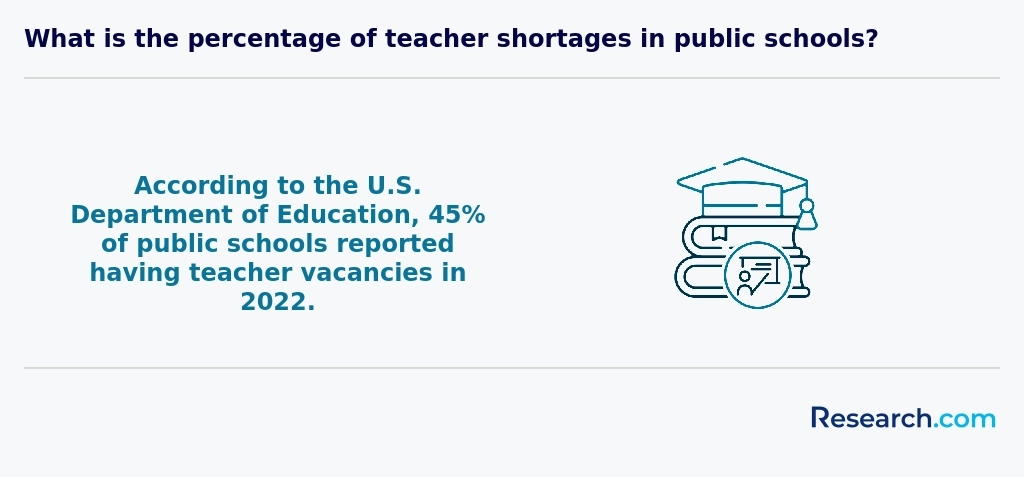
Graduates with an online educational leadership degree in Washington often find rewarding opportunities as school principals or assistant principals, roles that involve daily interaction with faculty, students, and parents. For example, graduates from prominent institutions like the University of Washington regularly step into these positions, feeling confident in their ability to lead schools effectively. These roles align well with online educational leadership careers in Washington by offering manageable growth, as the state projects a 7% increase in demand for school administrators.
Others pursue district-level leadership, such as assistant superintendents, where strategic decision-making and policy implementation become key. Graduates working within Seattle Public Schools share how their degree equips them for managing multiple schools while balancing budgets and engaging the community.
Some take on specialized positions like curriculum coordinators or educational consultants, focusing on improving teaching standards, often supported by strong professional development programs in Washington. For adaptable professionals aiming to broaden their scope, transitioning into higher education administration is another positive path, illustrating the variety of educational leadership degree job opportunities Washington offers.
Exploring various programs helps many navigate these options-take advantage of resources on online masters degree programs in educational leadership to find a fit that supports your career goals.
The job market for online educational leadership jobs in Washington is notably stable, with steady growth expected in the coming years. Graduates of popular Washington universities often find rewarding roles in public school districts or nonprofit educational organizations, managing curriculum and staff while navigating state education policies. Practical experience gained through online programs offered by these institutions equips students to meet Washington's certification requirements, an essential step to securing leadership positions.
Many graduates appreciate how their degree aligns with employment prospects Washington-wide, especially within the state's commitment to improving K-12 education. Salary prospects are encouraging, often exceeding the national average due to Washington's investment in education roles. State residency can also provide financial relief via in-state tuition, making programs more affordable. For example, graduates benefit from average in-state tuition costs near $11,500 annually, which helps offset the investment in their future career.
Those exploring affordable options are advised to consider cheapest eds degree online programs that fit their needs without compromising quality or licensure preparation.
2027 Most Valuable Online Educational Leadership Degree Programs Ranking in Washington
Investing in your education is a significant decision that requires careful consideration, and the Research.com team is dedicated to supporting you in making informed choices. To help prospective students in Washington, we have carefully developed the "2027 Most Valuable Online Educational Leadership Degree Programs Ranking in Washington." Our commitment to quality, credibility, and accuracy is demonstrated through rigorous research and analysis applied throughout this ranking.
We utilized the following reputable data sources to ensure a comprehensive evaluation of educational leadership programs:
By consulting this ranking, readers will gain valuable insights into the most valuable online educational leadership degree programs in Washington, empowering them to choose the best path for their professional growth. For a detailed explanation of how this ranking was created, please visit our Research.com methodology page.


Frequently Asked Questions About educational leadership
Online educational leadership students in Washington can maximize their learning by actively engaging with course materials and peers. Research from the Washington State Board for Community and Technical Colleges highlights that students who participate in discussion forums and group projects improve critical thinking and leadership skills. Time management is crucial; setting a consistent study schedule enhances retention and reduces stress. Utilizing Washington's extensive online library resources and academic advising services supports a deeper understanding of educational policies and administration. Additionally, networking with local school leaders through virtual events offers practical insights and career opportunities in the state's education sector.
The field of educational leadership is evolving, with several emerging niches gaining importance, especially for those pursuing online degrees in Washington. One growing area is technology integration leadership, where leaders focus on effectively incorporating digital tools in schools. This reflects nationwide trends but is vital in Washington's tech-driven economy.
Another niche is equity and inclusion leadership, addressing disparities in student achievement and advocating for culturally responsive education. Given Washington's diverse population, leaders in this area play a crucial role.
Additionally, there is an increasing need for data-driven decision-making leaders who use analytics to improve school performance. The Washington Office of Superintendent of Public Instruction highlights these skills as essential for future administrators.
Preparing for the job market after earning an online educational leadership degree in Washington involves strategic steps. Begin by obtaining certification through the Washington Professional Educator Standards Board, which is often required for leadership roles in public schools.
Building a professional network is essential. Join state organizations like the Washington Association of School Administrators (WASA) to connect with leaders and access job postings.
Gain practical experience through internships or leadership roles within educational settings during your studies. According to the Washington Office of Superintendent of Public Instruction, districts value candidates with demonstrated management skills.
Lastly, tailor your resume to highlight both your degree and relevant leadership competencies to increase your competitiveness in this growing field.
Employers in Washington seeking graduates of online educational leadership degrees prioritize strong communication and organizational skills. Effective leaders must navigate diverse school environments, making cultural competence essential. According to the Washington Office of Superintendent of Public Instruction, leaders who demonstrate data-driven decision-making and adaptability contribute significantly to school success.
Graduates are also expected to exhibit skills in strategic planning and conflict resolution. Knowledge of state and federal education policies is crucial, as Washington emphasizes compliance with evolving standards. Additionally, proficiency in team leadership and ethical decision-making ranks highly in employer surveys conducted by the Washington Association of School Administrators.
Finding internships in Washington related to educational leadership degrees often involves leveraging local school districts and educational organizations. Many districts like Seattle Public Schools and Spokane Public Schools offer leadership internship opportunities for graduate students. These internships typically provide hands-on experience in school administration and policy implementation.
Prospective interns should explore listings on the Washington State Office of Superintendent of Public Instruction (OSPI) website, which frequently posts relevant internship openings. Networking through professional groups like the Washington Association of School Administrators can also be valuable.
Many online degree programs in Washington collaborate with local schools to place students in internships as part of their curriculum, aligning practical experience with academic goals.
An online educational leadership degree can significantly enhance career mobility and advancement in Washington by preparing professionals for leadership roles in schools and districts. According to the Washington Office of Superintendent of Public Instruction (OSPI), educational leaders holding advanced degrees are more likely to secure administrative positions such as principal or superintendent.
Washington's increasing focus on improving school performance has raised demand for qualified leaders with formal training in leadership theory and practice. Online programs offer flexibility, allowing working educators to advance without pausing their careers.
The Washington State Employment Security Department projects a 7% growth in education administration jobs through 2030, indicating steady opportunities for degree holders in this field.
Studying for an educational leadership degree online in Washington equips students with skills essential for interdisciplinary roles in education and related fields. Programs emphasize collaboration across various disciplines such as psychology, public policy, and management, reflecting the complex nature of modern educational environments.
Washington's educational leadership curricula often include training in data-driven decision making, community engagement, and legal aspects of education, which prepare graduates for leadership roles beyond traditional school administration.
According to the Washington State Office of Superintendent of Public Instruction, leaders with interdisciplinary skills improve school outcomes by fostering cooperation among educators, families, and community organizations.
This approach enhances adaptability and prepares graduates to handle diverse challenges in K-12 and higher education settings throughout the state.
When choosing between a thesis and a non-thesis online educational leadership degree program in Washington, consider your career goals and learning preferences. Thesis programs typically require original research and a written dissertation, preparing students for roles involving policy development, research, or doctoral studies. Non-thesis options often focus on practical leadership skills, making them well-suited for working professionals aiming to advance in school administration or district leadership.
In Washington, the Office of Superintendent of Public Instruction notes growing demand for leaders skilled in data-driven decision making, which thesis research can foster. However, non-thesis pathways usually offer more flexibility and shorter completion times.
Accreditation and faculty expertise are also crucial; ensure the program meets regional standards and matches your preferred learning style.
Students based in Washington seeking to study educational leadership abroad have several pathways, primarily through international online programs accredited in the U.S. While physical relocation is rare, many universities offer fully online educational leadership degrees with global recognition.
Washington residents can enroll in internationally-oriented programs from U.S. institutions that collaborate with foreign universities or offer curricula reflecting global education standards. These programs often emphasize leadership in diverse cultural settings, preparing students for international careers.
According to the National Center for Education Statistics, Washington had over 4,500 students enrolled in graduate education programs in 2022, with a notable increase in interest for online formats supporting flexible, international study.
Overall, while direct study abroad options for educational leadership remain limited, online international degrees deliver worldwide perspectives without leaving Washington.
In Washington, part-time jobs that complement an educational leadership degree often involve roles in schools and educational organizations. Positions such as instructional aides, substitute teachers, or administrative assistants provide practical experience with school operations and leadership challenges. According to the Washington State Office of Superintendent of Public Instruction, gaining hands-on involvement in K-12 settings enhances understanding of educational policies and student needs.
Additionally, roles in nonprofit organizations focused on youth development or adult education can deepen leadership skills and community engagement knowledge. These experiences align well with coursework in online educational leadership programs.
Engaging in such part-time roles supports networking within Washington's education system, improving career prospects post-graduation.
Online educational leadership students in Washington have access to various networking opportunities that help build professional connections. State organizations such as the Washington Association of School Administrators (WASA) offer memberships and virtual events for leadership development. These events include annual conferences and regional workshops that are often accessible to online students. Additionally, many Washington universities with online programs facilitate virtual networking through discussion forums, mentorship programs, and alumni groups.
Washington's educational leadership field benefits from strong ties to local school districts, providing students chances to connect during internships or practicum placements. According to WASA, these programs enhance career pathways for emerging leaders.
Alumni networks play a vital role in supporting students enrolled in online educational leadership degrees in Washington. These networks connect current students with graduates who have practical experience in the state's education system.
They offer mentorship opportunities, which research shows can improve career outcomes significantly. According to a 2023 report by the Consortium for School Networking (CoSN), 68% of education professionals in Washington find job placements through professional connections.
Alumni also provide access to exclusive job listings and local workshops tailored to Washington's specific educational policies and leadership challenges. This helps students stay informed and competitive in the job market.
Overall, strong alumni networks enhance practical learning and career advancement for educational leaders in Washington.
Customizing an online educational leadership degree program in Washington allows students to tailor their studies to specific career aspirations. Many accredited universities offer concentration options such as K-12 administration, special education leadership, or higher education management. These specializations help students develop targeted skills for their desired roles.
Students can often choose electives aligned with their interests, further personalizing their learning experience. Additionally, flexible practicum or internship placements in Washington schools enable practical application of leadership theories.
Washington's professional standards for educational leaders emphasize competencies in equity and community engagement, guiding program customization to meet state licensure requirements.
Online educational leadership students in Washington often face challenges balancing coursework with professional and personal responsibilities. Many are working educators, making time management critical. According to the Washington Education Association, nearly 60% of educators pursue further education while employed full-time, increasing stress levels.
Technology can also present issues. Reliable internet access and familiarity with learning management systems are essential but not guaranteed for all students, especially in rural areas of Washington, where broadband connectivity remains uneven according to the FCC.
Additionally, some students find limited opportunities for in-person networking or mentorship, which can impact professional growth in a field that relies heavily on interpersonal skills.
With an online educational leadership degree in Washington, graduates can pursue several professional certifications that enhance their career prospects in school administration. Most notably, individuals qualify for the Washington State Principal Certificate, which is required to lead elementary, middle, or high schools. This certification demands completion of an approved educational leadership program and passing state exams.
Another key credential is the Superintendent Certificate, which allows professionals to serve as district superintendents. The Washington Office of Superintendent of Public Instruction (OSPI) oversees these certifications, ensuring candidates meet rigorous standards in leadership and management.
Additionally, many graduates pursue certifications in special education administration or curriculum coordination to broaden their expertise. According to OSPI data, certified educational leaders in Washington earn median salaries about 15% higher than uncertified peers, underscoring certification's value.
Writing a winning application for an online educational leadership program in Washington begins with clearly demonstrating your leadership experience and passion for education. Washington state emphasizes practical leadership skills due to its growing need for qualified educational administrators, as reported by the Washington Workforce Training and Education Coordinating Board.
Highlight your academic achievements and provide specific examples of how you have impacted schools or educational programs positively. Be sure to align your goals with Washington's educational priorities, such as improving equity and access in diverse communities.
Strong letters of recommendation from educational professionals in your network can greatly strengthen your application. Additionally, a well-crafted personal statement explaining why an online program fits your career path reinforces your commitment.
Finally, meet all application deadlines and provide all required documents to avoid automatic rejection, as Washington's competitive programs often receive numerous qualified candidates.
The career of educational leadership holds significant value globally, with different regions emphasizing varied skills and roles. In the United States, including Washington, educational leaders focus on managing schools, developing policy, and improving student outcomes through data-driven decisions. According to the U.S. Bureau of Labor Statistics, employment for education administrators is projected to grow 8% from 2022 to 2032, signaling strong demand.
Washington's Department of Education highlights that school principals and district leaders play vital roles in implementing state standards and equity initiatives. Globally, educational leadership often includes cross-cultural communication and adaptability as key competencies, especially in diverse settings.
Online degrees in Washington prepare students to meet these multifaceted global and local demands, blending leadership theory with practical applications suited for evolving educational environments.
Gaining practical experience while pursuing an online educational leadership degree in Washington is essential for career readiness. Many programs encourage students to participate in internships or practicum placements within local school districts. These experiences allow candidates to apply leadership theories in real-world settings under the supervision of experienced administrators.
Washington's Office of Superintendent of Public Instruction (OSPI) often partners with universities to facilitate such opportunities. Students can also engage in mentoring programs or volunteer leadership roles in schools, which help build essential skills. Additionally, research shows that hands-on experience improves employment prospects in Washington's competitive educational leadership job market.
Choosing the right concentration within an online educational leadership degree in Washington depends on your career goals and interests. Concentrations often include K-12 leadership, higher education administration, or special education leadership. Each focuses on different leadership challenges and settings.
Research from the Washington State Office of Superintendent of Public Instruction notes growing demand for K-12 leaders with skills in equity and inclusion, reflecting district priorities.
Consider the types of schools or institutions where you want to work. For example, higher education administration prepares you for roles in colleges, while K-12 focuses on public or private schools.
Review program curricula to align courses with your professional objectives and check if the concentration meets Washington State educational leadership certification requirements.
- 2027 Most Valuable Online Educational Leadership Degree Programs Ranking in California
- 2027 Most Valuable Online Educational Leadership Degree Programs Ranking in Colorado
- 2027 Most Valuable Online Educational Leadership Degree Programs Ranking in Nebraska
- 2027 Most Valuable Online Educational Leadership Degree Programs Ranking in Kansas
- 2027 Most Valuable Online Educational Leadership Degree Programs Ranking in Texas
- 2027 Most Valuable Online Educational Leadership Degree Programs Ranking in Minnesota
- 2027 Most Valuable Online Educational Leadership Degree Programs Ranking in Missouri
- 2027 Most Valuable Online Educational Leadership Degree Programs Ranking in Illinois
- 2027 Most Valuable Online Educational Leadership Degree Programs Ranking in Mississippi
- 2027 Most Valuable Online Educational Leadership Degree Programs Ranking in Michigan
- Building Staff Leadership in Your School - Graduate Programs for Educators https://www.graduateprogram.org/blog/building-staff-leadership-in-your-school/
- Educational Leadership (PK-12) Certificate | York College of Pennsylvania https://www.ycp.edu/academics/programs/educational-leadership-pk-12-certificate
- Online EdD Programs in Washington - 2025 Doctor of Education Degree https://www.onlineeddprograms.com/states/washington
- Career Opportunities After Earning an Educational Leadership Graduate Degree https://aituedu.org/career-opportunities-after-earning-an-educational-leadership-graduate-degree/
- 5 steps to writing a strong school leadership application https://chrisenglish.com.au/2024/12/08/5-steps-to-writing-a-strong-school-leadership-application/
- The skills employers seek https://www.emerging.fr/post/the-skills-employers-look-for-in-new-university-graduates
- Educational Leadership Degree Program: A Comprehensive Guide https://www.educationalleadershipdegree.com/blog/comprehensive-guide-to-pursuing-an-education-leadership-degree/
- What We Do - New Version https://k-12leadership.org/what-we-do/
- Utilize Your Alumni Networks https://www.keg.com/news/ways-to-use-your-alumni-networks-for-the-better
- School Leaders Network | Best Practice Network https://www.bestpracticenet.co.uk/school-leaders-network