2027 Best Online Educational Leadership Degree Programs Ranking in District of Columbia

Co-Founder and Chief Data Scientist
Choosing the right educational leadership degree program can shape your future and open doors to rewarding career opportunities. This article presents the 2027 Best Online Educational Leadership Degree Programs Ranking in District of Columbia, created by the Research.com team of data scientists to guide you in making an informed decision.
You'll find valuable insights to compare programs based on quality and reputation. Investing in an educational leadership degree equips you with the skills and confidence needed to inspire change in schools and communities.
Explore the ranking to discover programs that fit your goals and aspirations.
Key benefits of getting online educational leadership degree in District of Columbia
- Educational leadership degree graduates in the US typically earn a median annual salary around $100,000 in roles such as school principals or education administrators, offering financial stability and growth.
- Graduates from institutions like George Washington University in District of Columbia often pursue careers as school leaders, curriculum directors, or educational consultants, showcasing diverse professional opportunities.
- Online degrees, like those from American University, provide flexibility and allow students to balance work and study, making it easier to advance careers without pausing personal or professional life.
- 2027 Best Online Educational Leadership Degree Programs Ranking in District of Columbia
- What can I expect from online educational leadership degree in District of Columbia?
- Where can I work with online educational leadership degree in District of Columbia?
What can I expect from online educational leadership degree in District of Columbia?
The average cost of an online educational leadership degree in the District of Columbia typically ranges between $30,000 and $50,000 for the entire program. Graduates from well-known local institutions often share that investing in these programs was manageable thanks to flexible payment plans and financial aid tailored to working professionals. For example, students attending universities renowned in D.C. found it helpful that their tuition was comparable to national averages, balancing affordability with the high quality of curriculum focused on local educational policies.
Many programs offer a hybrid structure, combining online coursework with required internships in D.C. schools, allowing students to apply leadership theories directly in familiar settings. This practical approach enhances the value of their investment because students develop skills aligned with the licensing standards enforced by the D.C. Public Education Licensing Commission (PELC).
Graduates emphasize the ability to continue working while learning, which made the cost worthwhile as it did not disrupt their income flow. This financial flexibility is key for busy educators in D.C. pursuing career advancement without significant financial strain.
Where can I work with online educational leadership degree in District of Columbia?
With an online educational leadership degree in the District of Columbia, you can step directly into roles within DCPS, charter schools, and private schools. Graduates often find themselves as assistant principals or program coordinators managing daily school operations while shaping policies that improve student success. For example, many graduates from Howard University report advancing quickly by applying practical leadership skills gained through their online coursework.
Charter schools in D.C., with over 60 operating independently, seek leaders who can navigate unique challenges like budget management and community engagement. Graduates from the University of the District of Columbia often highlight how their strategic planning experience helped them secure positions in these dynamic environments.
Beyond K-12, online educational leadership degrees open doors at local universities and nonprofits focusing on education reform. Administrative roles at institutions like Howard University or nonprofit agencies allow graduates to influence policies and programs that support equity and innovation across the district.
Finally, education departments like OSSE provide crucial opportunities to lead initiatives on teacher development and school accountability. Graduates appreciate that their degree prepares them to contribute meaningfully to D.C.'s evolving educational landscape.
Graduates with an online educational leadership degree in the District of Columbia can expect competitive salaries, with school principals earning between $90,000 and $140,000 depending on their school's size and type. For example, a graduate from a university such as Gallaudet University or The George Washington University, who steps into a public school principal role, may find salaries skew toward the higher end of this range due to the District's commitment to attracting skilled leaders.
Assistant principals typically start at around $95,000 according to D.C. Public Schools' 2023 salary scales, gradually increasing with experience and leadership credentials. Graduates who advance to district administrator roles or specialized positions like directors of curriculum can earn upwards of $150,000 annually, leveraging both their degree and practical experience gained while studying online.
Many graduates appreciate that pursuing this degree online enables them to continue working, applying new leadership skills immediately, and accelerating their career growth within D.C.'s educational sector, known for strong professional support and competitive compensation.
- Master's degree tuition in the District of Columbia ranges from $20,000 to $35,000, with online programs sometimes offering lower costs due to fewer fees.
- Entry-level salaries for school administrators start around $75,000 annually, increasing to about $95,000 within five years, with experienced leaders earning over $120,000.
- The job market for educational leadership in D.C. is growing at about 7% nationally through 2031, driven by ongoing education reforms and investments.
- Degrees from regionally accredited institutions, such as those accredited by the Middle States Commission on Higher Education, are preferred by employers in the district.
- Licensure requires completing a state-approved program and obtaining certification from the Office of the State Superintendent of Education, with many online programs including licensure preparation.
Completing an online educational leadership degree in the District of Columbia usually takes between 1.5 to 3 years for full-time students. For example, graduates from prominent institutions like American University have shared how maintaining a steady 6 to 9 credit hours per semester helped them finish in about two years while balancing part-time work. Part-time students, such as professionals at George Washington University, often extend their studies to around 3 to 5 years, fitting coursework around their schedules.
Many programs include practical internships or field experiences required for D.C.'s State Principal Certificate, which can add several months to your timeline but provide invaluable real-world skills. Choosing accelerated courses or summer sessions, a strategy some graduates found effective at Howard University, can reduce your completion time to as little as 12 to 18 months.
Assess your own pace, transfer any prior credits, and plan around these requirements to make your timeline realistic and rewarding.
When comparing online and on-campus educational leadership degrees in the District of Columbia, the main difference lies in flexibility and interaction. Graduates from well-known local universities often highlight how online programs allowed them to juggle learning with full-time jobs and family life, using video lectures and discussion boards on their own schedules. This flexibility is a game changer for busy professionals aiming to advance without pausing their careers.
On-campus students, meanwhile, appreciate the face-to-face discussions and networking opportunities with faculty and peers in DC-based institutions. This setting fosters immediate feedback and connections with local schools, easing internship placements. For example, many on-campus learners in DC reported feeling directly linked to education agencies, which added practical value to their coursework.
Tuition often stays comparable between online and in-person formats at top DC schools, but online students save on commuting and housing costs. Both formats maintain accredited, consistent curricula, ensuring that no matter the delivery method, graduates feel confident stepping into leadership roles.
The average cost of an online educational leadership degree in District of Columbia typically centers around $35,990, reflecting a median total cost for many programs in the area. This figure provides a practical benchmark for prospective students weighing options between highly regarded institutions like George Washington University, where tuition can exceed $1,200 per credit, and more affordable public or smaller private colleges charging between $600 and $900 per credit hour. Graduates often remark on the rewarding balance between quality education and costs that match the local market.
For a student budgeting for the online educational leadership degree tuition fees DC demands, it helps to focus on the credit requirements and fees beyond tuition, such as technology charges or course materials, which may slightly increase the overall cost. Many find it encouraging that financial aid, scholarships, and tuition assistance programs frequently offset these expenses, making the investment more manageable. Considering that the costs align with national averages, you can map out expenses confidently knowing that a reliable educational leadership degree in DC offers both flexibility and value.
Exploring programs with shorter completion times can also reduce costs significantly. Students have expressed satisfaction with accelerated formats, enhancing both affordability and career momentum. In fact, some take advantage of a fastest online education specialist program to speed up their journey without compromising quality, helping them transition into leadership roles more quickly while minimizing tuition expenses.
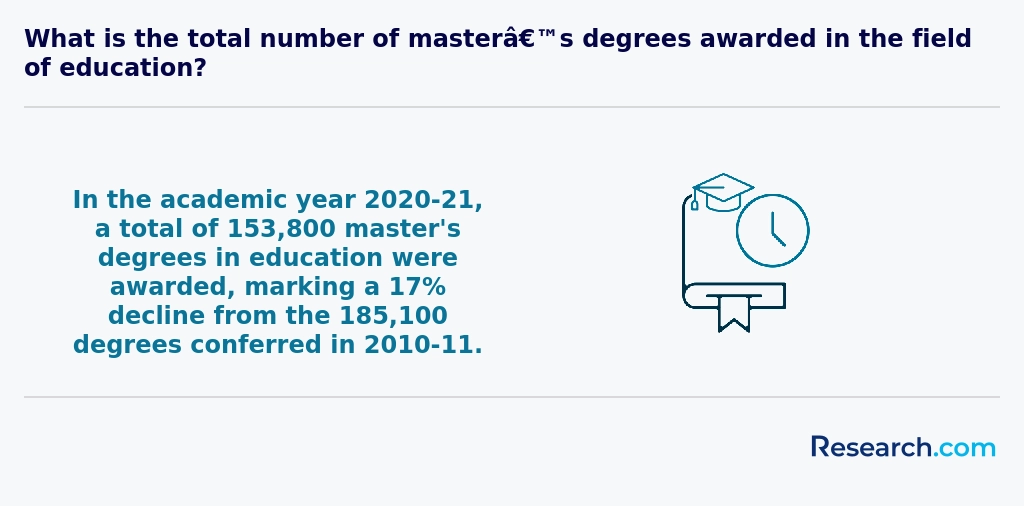
Federal financial aid remains the cornerstone for many pursuing online educational leadership degrees in the District of Columbia. Graduates from local institutions often emphasize how completing the FAFSA unlocked access to Direct Unsubsidized Loans and Grad PLUS Loans, offering manageable fixed interest rates and flexible repayment plans tailored for working professionals. These options helped ease their financial stress while balancing jobs and studies.
State-specific aid like the DC Tuition Assistance Grant (DCTAG) can also be a valuable resource. Though primarily for undergraduates, some graduate students at schools such as American University or the University of the District of Columbia have successfully coordinated with financial aid offices to benefit from similar grants, reducing tuition burdens.
Many students find additional relief through scholarships offered by national education organizations, which reward leadership potential and commitment. Employers frequently contribute as well, providing tuition reimbursement programs that encourage current educators or administrators to advance without halting their income flow.
Graduate assistantships also represent an underused opportunity. Several online programs connect students with part-time teaching or research roles that offer tuition waivers or stipends, blending financial benefits with practical experience that graduates praise for boosting their résumés.
To enroll in an online educational leadership degree in the District of Columbia, you'll first need a bachelor's degree from an accredited institution, ideally in education or a related field. Many graduates from local universities, such as American University or George Washington University, found that holding a relevant degree made the application process smoother. If your background is not directly in education, having relevant professional experience can strengthen your profile significantly.
A minimum undergraduate GPA of around 3.0 is commonly required. This academic benchmark assures programs you're prepared for graduate-level challenges, as emphasized by many successful students in DC's competitive programs.
Practical experience matters greatly. Most applicants have at least two to three years working in educational settings-whether teaching, administration, or counseling-in District of Columbia's diverse schools. This hands-on experience builds confidence and relates directly to coursework, making leadership concepts come alive.
Personal recommendations and a clear statement of purpose complete your application. Think of these as opportunities to share your passion for leadership in education, something many DC graduates describe as both motivating and affirming.
Check specific program requirements for GRE scores; some DC programs waive them, easing your path forward.

In online educational leadership degree programs in District of Columbia, expect a practical sequence of courses designed to prepare you for real school challenges. Graduates from local universities often share how foundational courses like Educational Leadership Theory and Practice helped them understand diverse leadership styles and shape positive school cultures.
Courses in School Law and Ethics are essential. These classes dive into DC-specific policies and federal laws, which empower future leaders to confidently navigate legal complexities in urban schools. This is key, as one recent graduate recalled how this knowledge proved invaluable during their internship at a DC public school.
Curriculum Development and Instructional Leadership teach you to design and assess programs effectively-a critical skill in D.C., where closing achievement gaps is a major focus. Practical lessons in Data-Driven Decision Making show how to analyze student data to boost outcomes.
Financial Management and Human Resource Administration courses equip you for budgeting and managing school personnel, critical in a district where per-pupil spending exceeds $20,000, emphasizing efficient resource use.
Finally, a practicum allows you to apply theory in real settings, often remotely or locally, mirroring the hands-on experience many successful DC graduates praise for cementing their leadership skills.
Online educational leadership degrees in the District of Columbia typically offer specializations that directly respond to local school and institutional needs. Graduates from popular D.C. colleges often highlight tracks such as K-12 School Administration, which trains future principals and district administrators by covering school finance, curriculum planning, and legal policy. Another focus area is Higher Education Administration, perfect for those aiming to work in universities managing enrollment and student affairs.
Many students appreciate specializations in Educational Policy and Leadership since they prepare leaders to tackle policy challenges and promote equity within D.C.'s diverse school systems. Instructional Leadership is another common path where educators learn to enhance teaching methods and lead faculty development, which is a frequent priority at local institutions. For those drawn to community learning, Adult and Continuing Education offers skills in workforce training and lifelong learning initiatives.
Choosing from these District of Columbia educational leadership degree focus areas allows students to tailor their career path based on real-world demands. Those looking into potential career outcomes note that understanding the salary for education leadership can guide their decision. Overall, graduates feel empowered by the practical nature of these specializations at D.C. institutions, increasing their readiness for leadership roles in the city's schools.
Start by verifying accreditation, as this impacts licensure and federal aid options in DC. Graduates from well-known institutions in the District of Columbia often praise accredited programs for opening doors to principal or administrator roles. Next, examine program curriculum and specialization choices carefully. Many students appreciate programs that offer concentrations aligned with their career goals like K-12 leadership or special education leadership, enabling tailored expertise.
Consider cost pragmatically-tuition in DC can be on the higher side, so weigh total expenses, including fees and books. Budget-conscious students often seek scholarships or financial aid, and some explore the cheapest online specialist in education degree options to ease financial pressure. Flexibility matters too; graduates value asynchronous delivery that fits work and family commitments without sacrificing academic support, which is crucial for success in online educational leadership degrees District of Columbia.
Finally, licensure prep aligned with DC Public Schools' standards is vital. Programs that incorporate practicums provide hands-on experience, an aspect graduates often highlight when discussing their career readiness. Checking reputation and graduate outcomes through the DC Association of School Administrators can also guide you to the best accredited educational leadership programs DC.
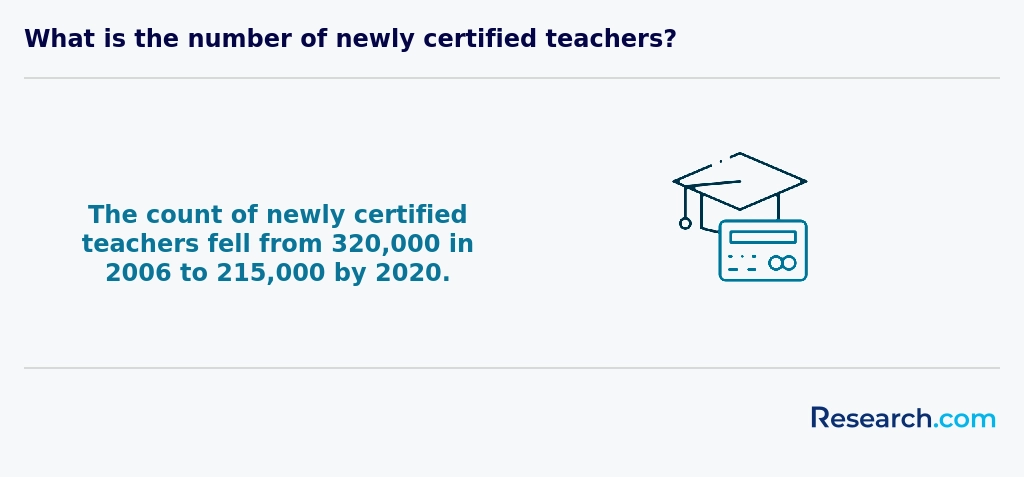
Graduates with an online educational leadership degree in District of Columbia often pursue roles such as school principals or assistant principals, where they lead daily operations and shape school culture. Many share how programs from local institutions prepare them to handle staff management and student achievement goals effectively. For those interested in broader impact, district-level administrator positions offer opportunities to influence policy and coordinate multiple schools within the DC Public Schools system, which includes about 50 public and charter schools.
Another common path for these graduates involves becoming educational consultants or instructional coordinators, roles that focus on curriculum improvement and helping schools meet regulatory standards. Students from prominent DC colleges frequently report how their training enhances their ability to support educational innovation and equity locally. Higher education leadership roles, such as admissions directors or program coordinators at DC universities, are also viable options for those wanting to shape academic programs.
For a comprehensive understanding of educational leadership options, consider programs highlighted in this online masters of educational leadership. This resource provides practical insights into costs, career paths, and program benefits tailored to working professionals in the District.
Graduates pursuing online educational leadership jobs District of Columbia benefit from a concentrated market rich with public, charter, and private educational institutions. Those earning degrees from local universities report rewarding career advancements as principals or district administrators, supported by median salaries ranging roughly between $95,000 and $115,000. Such income levels reflect DC's competitive and high-cost living environment, making the degree a valuable investment. Many online students appreciate the flexibility to continue working while studying, which aligns perfectly with the demanding schedules typical of education professionals in the region.
Job seekers should target roles like instructional coordinators or higher education administrators, where leadership demands and policy management skills are critical. Local institutions emphasize practical leadership training, empowering graduates to handle diverse school populations effectively. Understanding what is the difference between eds and edd can also guide students toward qualifications that best fit their career goals and the educational leadership career outlook DC presents.
2027 Best Online Educational Leadership Degree Programs Ranking in District of Columbia
Investing in your education is a significant decision that can shape your future, and the Research.com team recognizes the importance of making well-informed choices. To guide prospective students, we have carefully developed the "2027 Best Online Educational Leadership Degree Programs Ranking in District of Columbia." Our dedication to quality, credibility, and accuracy is demonstrated by the thorough research and analysis behind this ranking.
We utilized the following reputable data sources to ensure a comprehensive evaluation of educational leadership programs:
By examining this ranking, readers will receive valuable insights into the highest-quality online programs in the District of Columbia, empowering them to make confident decisions about their educational pursuits. For more details on how this ranking was created, please visit our Research.com methodology page.


Frequently Asked Questions About educational leadership
Students pursuing online educational leadership degrees in District of Columbia can maximize their learning by actively engaging with interactive course materials and participating in virtual discussions. Regular communication with faculty and peers supports deeper understanding and networking, which are critical in leadership roles.
Leveraging local educational organizations and professional associations, such as the DC Public Schools Leadership Academy, provides valuable practical insights and networking opportunities. According to the U.S. Department of Education, practical experience combined with academic knowledge enhances leadership skills significantly.
Additionally, time management and creating a dedicated study environment help balance work, study, and personal commitments, leading to better academic outcomes. Using digital tools for collaboration and staying updated on leadership trends in DC also support student success.
The field of educational leadership is evolving rapidly, with several emerging niches gaining importance. One key area is equity-focused leadership, which addresses disparities in student achievement and resource allocation. This niche is crucial in District of Columbia, where diverse student populations require inclusive policies. Another growing specialty is data-driven decision making, helping leaders use analytics to improve school performance effectively.
Technology integration leadership is also rising, as schools increasingly rely on digital tools for instruction and administration. According to the DC Office of the State Superintendent of Education, online learning strategies and remote program management are becoming vital skills for leaders in the district.
Furthermore, educational leaders skilled in mental health advocacy and student wellness programs are in demand, reflecting national trends in prioritizing holistic student support. These niches offer specialists opportunities to impact policy and practice in meaningful ways within District of Columbia's unique educational landscape.
After completing an online educational leadership degree in the District of Columbia, graduates should focus on building professional credentials and networks. Obtaining state licensure or certification, such as the DC Educational Leadership Certification, is essential to qualify for administrative roles in public schools. According to the DC Office of the State Superintendent of Education, leadership positions expect candidates to demonstrate practical experience alongside academic qualifications.
Networking through local education associations like the DC Association of School Administrators can offer job leads and mentorship opportunities. Additionally, gaining experience via internships or administrative residencies strengthens a candidate's resume and readiness for leadership positions. Staying informed on DC Public Schools' hiring trends, where leadership vacancies grow by about 5% annually, also helps tailor applications effectively.
Employers in the District of Columbia seek educational leadership graduates who demonstrate strong communication and interpersonal skills. These abilities are essential for managing diverse school communities and collaborating with teachers, parents, and district officials. Analytical and problem-solving skills also rank highly, as leaders must interpret educational data to improve student outcomes effectively.
Knowledge of educational laws and policies specific to Washington, D.C., such as guidelines from the D.C. Office of the State Superintendent of Education, is crucial. Additionally, leadership programs emphasize cultural competency due to the district's diverse population.
Finally, proficiency with technology and innovative instructional strategies is increasingly valued in this evolving educational landscape.
Finding internships in District of Columbia for educational leadership students involves leveraging local connections and resources. Start by exploring partnerships that online degree programs often have with DC public schools and educational organizations. These institutions commonly provide internship opportunities aligned with leadership roles.
Contacting the Office of the State Superintendent of Education (OSSE) can also be beneficial, as OSSE oversees educational programs and frequently collaborates with leadership interns. According to OSSE, internships in DC's school system are competitive but valuable for gaining practical experience.
Additionally, check nonprofit organizations focused on education advocacy and policy in DC, as they often offer internships suited to leadership development. Networking through local education conferences and university career centers can increase your chances.
In the District of Columbia, obtaining an online educational leadership degree significantly enhances career mobility and advancement opportunities in the education sector. School leadership roles, including principals and administrators, increasingly require advanced qualifications. According to the DC Public Schools data, professionals with a master's or doctoral degree in educational leadership are more likely to secure leadership positions.
Online programs offer flexible access to accredited degrees, allowing current educators to continue working while upgrading their credentials. The U.S. Bureau of Labor Statistics projects about 4% growth in education administration jobs nationally through 2031, with urban centers like DC exhibiting steady demand. Earning this degree aligns with the District's rigorous licensing requirements, improving eligibility for higher pay scales and leadership roles.
Moreover, graduates often benefit from expanded professional networks and specialized skills in policy, equity, and management that are crucial in DC's diverse school systems. This can translate directly into faster promotion tracks and greater impact within educational organizations.
Studying for an educational leadership degree in the District of Columbia equips students with skills essential for interdisciplinary roles by integrating knowledge from education, administration, and policy studies. Programs often emphasize collaboration across sectors like social services, public health, and community development to address complex challenges in urban schools.
DC's unique educational landscape, influenced by federal and local policies, offers students practical insights into navigating varied systems. According to the DC Office of the State Superintendent of Education, leaders trained locally demonstrate enhanced abilities in policy analysis and stakeholder engagement.
Online formats in DC also encourage flexible learning environments with real-world case studies, preparing graduates to lead diverse teams effectively.
Choosing between a thesis and a non-thesis educational leadership degree program in the District of Columbia depends largely on your career goals and learning preferences. A thesis program emphasizes original research, ideal for those aiming for doctoral studies or roles involving policy analysis or academic research. According to the U.S. Department of Education, thesis programs often take longer to complete due to this additional requirement.
Non-thesis tracks focus more on practical skills and coursework, preparing graduates for leadership positions in schools and educational organizations. Local universities in D.C. adapting to online formats offer flexibility for working professionals, with programs typically lasting two years.
Consider your professional aims, available time, and interest in research when deciding. Consulting program advisors and reviewing curriculum details fosters informed choices.
Students based in the District of Columbia seeking online educational leadership degrees abroad face limited direct options. U.S. accreditation standards and state certification requirements often restrict recognition of foreign degrees for leadership roles within the District's public schools. Most students pursue programs offered by reputable U.S.-based universities with international partnerships or dual-degree options to ensure credentials meet regional standards.
According to the DC Office of the State Superintendent of Education, nearly 12% of school administrators hold advanced leadership degrees, emphasizing the value of accredited U.S. programs tailored to local licensure. While some international universities offer online courses, alignment with District credentialing rules remains essential.
In practice, students should prioritize programs recognized by the Council for the Accreditation of Educator Preparation (CAEP) and approved by DC's Department of Education to maintain career mobility.
Students pursuing an online educational leadership degree in District of Columbia can enhance their studies with part-time jobs that offer practical experience. Positions such as assistant educational coordinators, tutoring supervisors, or program support staff within local schools and educational nonprofits provide relevant exposure. The DC Public Schools system frequently offers part-time roles that help students gain insight into administration and leadership.
Additionally, the city's numerous education advocacy organizations seek part-time professionals to assist with project management or community outreach, which aligns well with educational leadership skills. These roles not only build professional networks but also develop competencies in organizational management and policy implementation. According to the DC Office of the State Superintendent of Education (OSSE), such practical experience is highly valued in this field.
Online educational leadership students in the District of Columbia benefit from strong networking opportunities due to the region's rich concentration of educational institutions and professional organizations. Several online programs incorporate virtual meetups, webinars, and collaborative projects that connect students with peers and faculty experts. Additionally, students can engage with local chapters of national groups such as the American Association of School Administrators (AASA) and the Association for Supervision and Curriculum Development (ASCD), both active in DC.
Proximity to federal education agencies and numerous school districts offers unique chances for internships and mentorships, often facilitated through university partnerships. This access helps online students build relationships that are crucial for career advancement in educational leadership roles.
Alumni networks play a vital role in supporting online educational leadership degree students in the District of Columbia. These networks provide valuable opportunities for mentorship, professional networking, and career advancement within local school systems and educational organizations.
Since many educational leadership roles in DC require strong community links, alumni connections can help graduates access job openings and gain insights about district initiatives focused on leadership development.
According to the DC Public Schools Office of the State Superintendent of Education, leveraging alumni networks can increase placement rates for leadership roles by connecting candidates with experienced professionals who understand local challenges and policies.
Furthermore, alumni groups often organize workshops and events that keep members updated on the latest educational leadership trends and regulations in DC, fostering continuous professional growth.
Customizing your online educational leadership degree program in the District of Columbia allows you to tailor your education to match your specific career goals. Many programs offer specializations such as K-12 administration, higher education leadership, or policy development. You can often select electives that focus on areas like curriculum design, school finance, or equity in education.
Programs accredited by bodies such as the Council for the Accreditation of Educator Preparation (CAEP) ensure quality and relevance. Also, some schools provide flexible scheduling and practicum placements within D.C. schools, which helps build local professional networks.
According to the U.S. Department of Education, nearly 70% of educational leadership graduates in D.C. report improved job prospects after completing online degrees, highlighting the value of program customization.
Online educational leadership students in the District of Columbia often face challenges related to balancing work, study, and personal responsibilities. Many students are current educators or administrators who need flexible schedules to manage their demanding jobs while pursuing a degree.
Another common difficulty involves access to local networking opportunities. While online programs provide convenience, students may find it harder to engage with peers and mentors in the District's educational community, which is vital for leadership development.
Technological barriers can also impact progress, as reliable internet access and familiarity with learning platforms are essential.
According to the District of Columbia Office of the State Superintendent of Education, educational leadership roles require ongoing professional development, which online students must navigate independently.
With an online educational leadership degree in the District of Columbia, graduates can pursue several professional certifications to advance their careers. One key credential is the Educational Leadership Certification, which qualifies professionals to become school principals or administrators in D.C. public and charter schools.
The District of Columbia's Office of the State Superintendent of Education (OSSE) requires candidates to hold this certification for most leadership roles in K-12 education. Additionally, the National Board for Professional Teaching Standards (NBPTS) offers certification in Educational Leadership, recognized nationwide for its rigorous standards.
Many online programs also prepare students for supervisory certifications and endorsements, such as Instructional Leadership or Specialized Administrator credentials. Such certifications enhance eligibility for leadership positions across educational organizations in D.C.
To write a winning application for an online educational leadership program in the District of Columbia, start by thoroughly researching program requirements. Many DC institutions emphasize leadership experience, so highlight your roles in education settings. Use clear, concise language to describe your administrative skills and commitment to improving schools.
Including specific examples that demonstrate your ability to solve problems and lead teams strengthens your case. According to the DC Office of the State Superintendent of Education, leadership skills are critical for school improvement, so align your goals with this focus.
Finally, request strong recommendation letters from supervisors familiar with your leadership potential, and tailor your personal statement to reflect local educational challenges and policies.
Educational leadership careers are increasingly valued globally for their role in shaping effective school systems and policies. In the U.S., including the District of Columbia, leaders with advanced degrees in educational leadership are essential for improving student outcomes and managing complex educational environments. According to the U.S. Bureau of Labor Statistics, employment for education administrators is expected to grow by 8% from 2021 to 2031.
From a global perspective, strong educational leadership fosters equity, innovation, and accountability, aligning with international goals like those set by UNESCO. District of Columbia offers online programs tailored to developing these competencies, reflecting global standards while addressing local educational challenges.
Such programs equip future leaders with skills in data-driven decision making, community collaboration, and policy implementation, preparing them to meet the evolving demands of educational systems both locally and worldwide.
Gaining practical experience while pursuing an online educational leadership degree in the District of Columbia is essential to developing effective school management skills. Many accredited programs incorporate internships or practicum opportunities that connect students with local schools or educational organizations. These placements provide hands-on experience in leadership roles under the supervision of seasoned administrators.
Additionally, students can engage in mentorship programs offered by D.C. Public Schools or local charter networks. Such programs foster professional growth through real-world problem solving and networking. According to the D.C. Office of the State Superintendent of Education, over 70% of educational leadership candidates complete field experiences as part of their credentialing process.
Remote collaboration with peers and faculty also allows for case study analyses and leadership simulations, enriching practical knowledge beyond theoretical study.
Choosing the right concentration within an online educational leadership degree in the District of Columbia depends on your career goals and interests. Common specializations include K-12 administration, higher education leadership, and curriculum development. Each focuses on different skill sets, from managing school operations to shaping academic programs.
Consider local job market demands; DC Public Schools employ many leaders skilled in equity and urban education, reflecting the district's diverse student population (DC OSSE, 2023). Researching regional trends can guide your choice toward in-demand expertise.
Accreditation and faculty experience also matter. Programs affiliated with recognized DC universities typically offer concentrations aligned with state licensure requirements for school leaders.
- 2027 Best Online Educational Leadership Degree Programs Ranking in California
- 2027 Best Online Educational Leadership Degree Programs Ranking in Colorado
- 2027 Best Online Educational Leadership Degree Programs Ranking in Nebraska
- 2027 Best Online Educational Leadership Degree Programs Ranking in Kansas
- 2027 Best Online Educational Leadership Degree Programs Ranking in Texas
- 2027 Best Online Educational Leadership Degree Programs Ranking in Minnesota
- 2027 Best Online Educational Leadership Degree Programs Ranking in Missouri
- 2027 Best Online Educational Leadership Degree Programs Ranking in Illinois
- 2027 Best Online Educational Leadership Degree Programs Ranking in Mississippi
- 2027 Best Online Educational Leadership Degree Programs Ranking in Michigan
- Utilize Your Alumni Networks https://www.keg.com/news/ways-to-use-your-alumni-networks-for-the-better
- What Can You Do With a Master's in Education Leadership? https://www.salemu.edu/blog/educational-leadership-careers/
- Education Leaders Experience https://sc-cep.org/elevate/education-leaders-experience/
- Challenges for Educational Leaders: Solutions for Success https://www.educationalleadershipdegree.com/blog/challenges-for-educational-leaders/
- School Leaders Network | Best Practice Network https://www.bestpracticenet.co.uk/school-leaders-network
- Remote Educational Leadership Online Jobs https://www.virtualvocations.com/q-remote-educational-leadership-online-jobs.html
- Educational Leadership Career Planner https://www.snu.edu/educational-leadership-career-planner
- 6 Best Career Opportunities in Educational Leadership https://www.manchester.ac.ae/blog-post/6-best-career-opportunities-in-educational-leadership
- EdD Salary - How much can you make with a Doctor of Education (EdD) degree? (2025 Update) https://www.onlineeddprograms.com/faqs/edd-salary
- Educational Leadership Network - ICSEI https://icsei.org/network/educational-leadership-network/