2027 Most Affordable Online Master's in Educational Leadership Degree Programs Ranking in Columbia, MO

Co-Founder and Chief Data Scientist
Exploring an educational leadership degree can open exciting new career opportunities, especially if you're in Columbia, MO. To help you navigate your options, this article shares the 2027 Most Affordable Online Master's in Educational Leadership Degree Programs Ranking in Columbia, MO. Created by the Research.com team of data scientists, this ranking offers reliable insights that make your decision easier and more confident.
Whether you're balancing work or family, finding an affordable, quality program matters. This guide highlights accessible programs that fit your lifestyle and goals, encouraging you to take the next step in your professional journey.
Key benefits of getting online educational leadership degree in Columbia
- Graduates with educational leadership degrees in Columbia can expect competitive salaries, with U.S. educational administrators earning a median annual wage around $98,750, reflecting strong job market value.
- Career paths include school principal, curriculum coordinator, and district administrator, as shown by alumni from Columbia University who often advance quickly in local school systems or educational organizations.
- Online educational leadership degrees offer flexible schedules and allow students, such as those from the University of Missouri-Columbia, to balance work and study, making career growth more accessible without sacrificing income.
- 2027 Most Affordable Online Master's in Educational Leadership Degree Programs Ranking in Columbia, MO
- What can I expect from online educational leadership degree in Columbia?
- Where can I work with online educational leadership degree in Columbia?
What can I expect from online educational leadership degree in Columbia?
The average cost of an online educational leadership degree in Columbia typically ranges between $15,000 and $30,000, depending on the institution and program length. Many graduates from well-known local universities report that this investment is manageable when balanced with the program's flexibility and career advancement potential. For example, students appreciate being able to continue full-time teaching or administrative roles while completing coursework online, which helps offset tuition costs with steady income.
Several programs also offer financial aid, scholarships, or payment plans specifically tailored for working professionals in Columbia, enabling students to manage expenses more comfortably. Graduates often emphasize the value they received, particularly from programs that allow practicum experiences within Columbia Public Schools, offering hands-on leadership practice that enriches learning without additional travel costs.
Ultimately, the cost reflects both the convenience of entirely online study and the quality of education aligned with Missouri's DESE standards, preparing students for certification and leadership roles effectively.
Where can I work with online educational leadership degree in Columbia?
Graduates with an online educational leadership degree in Columbia often find rewarding careers in local K-12 schools, including positions like principals and district administrators. Many who studied through popular programs at the University of Missouri have successfully transitioned into these leadership roles, managing staff and shaping student success. These roles are highly fulfilling for those passionate about making a direct impact on education in their community.
Others pursue careers in higher education administration at Columbia's colleges, working in student affairs or academic program coordination. Graduates frequently share how their degree helped them develop practical skills used daily to support students and improve campus operations. This path offers a dynamic work environment for those who enjoy collaboration and institutional development.
Nonprofits and community organizations in Columbia provide additional opportunities for leadership in educational advocacy and afterschool programming. Many graduates feel proud to guide these programs, influencing educational policy beyond traditional classrooms.
Working for state or local agencies on curriculum or policy initiatives is another fulfilling route. In all these roles, practical leadership training from Columbia-based online programs equips graduates with the tools to lead confidently and drive positive change.
Graduates with an online educational leadership degree in Columbia often find themselves earning between $75,000 and $95,000 annually, reflecting local trends for education administrators and principals. For example, graduates from renowned institutions like the University of Missouri report stepping into roles where initial salaries start near $70,000 but grow quickly as they gain experience.
School principals in Columbia typically make around $89,000, with some districts rewarding leadership in larger schools or challenging roles with salaries exceeding $100,000. Graduates who advance to superintendent or district director positions see even more substantial compensation, often surpassing $120,000 annually.
These figures highlight the financial benefits of pursuing educational leadership programs locally while gaining practical skills in respected Columbia colleges. Graduates frequently share that combining their degree with certifications like the Missouri Superintendent Certificate enhances their earning potential and job stability. This pathway offers a rewarding return on investment through strong leadership opportunities and steadily increasing salaries in the Columbia education sector.
- Online educational leadership degrees in Columbia, Missouri, are mostly offered by state universities and accredited institutions supporting remote learning.
- The average cost for a master's program ranges from $12,000 to $25,000, with lower tuition prices for in-state students at public universities.
- Starting salaries for graduates typically range between $55,000 and $65,000 annually, increasing to $80,000-$100,000 or more with experience.
- Employment demand is steady, especially in Boone County, where advanced degrees and leadership certifications are often required for administrative roles.
- Programs focus on practical leadership skills and Missouri-compliant educational policies to prepare students for certification and district-level responsibilities.
Completing an online educational leadership degree in Columbia typically takes between one and three years, depending on your pace and program structure. Graduates from the University of Missouri-Columbia often share how flexibility allowed them to balance coursework with family and work, usually finishing in about two years. Those attending full-time can complete around 30 to 39 credit hours within 12 to 18 months, especially if they choose accelerated courses lasting six to eight weeks.
Part-time students, juggling jobs or other responsibilities, might extend their studies to three years-but many find satisfaction in designing their own schedules. Schools in Columbia often offer options that suit different lifestyles, so you can progress steadily without overwhelming yourself.
Expect some programs to require internships or capstone projects, adding valuable hands-on leadership experience but possibly extending your timeline. By planning carefully and taking advantage of flexible class formats, you can achieve your degree while maintaining a positive balance in your daily life.
Choosing between online and on-campus educational leadership degrees in Columbia comes down to balancing flexibility with direct engagement. Graduates from popular institutions like the University of Missouri often recall the value of on-campus programs for hands-on leadership labs and face-to-face mentorship, which foster immediate feedback and meaningful peer connections.
Conversely, online students appreciate programs offered by local colleges that allow them to juggle work and family with studies, accessing lectures and assignments anytime without commuting stress. Many find this freedom empowering, especially when advancing careers while managing other responsibilities.
Financially, online degrees in Columbia can reduce costs by eliminating housing and campus fees, often offering in-state tuition benefits even to non-residents. This makes pursuing a degree more attainable without sacrificing quality, as both formats maintain accreditation standards respected by Missouri employers.
Ultimately, your choice should reflect your lifestyle needs-whether you thrive with structured, in-person experiences or prefer the autonomy of digital learning while developing leadership skills.
In Columbia, the average cost of an online educational leadership degree typically centers around $16,294, reflecting a reasonable investment for many aspiring leaders in education. Graduates from the University of Missouri, a favored choice for many in the region, often share how balancing costs with flexible online formats helped them pursue career advancement without overwhelming financial stress. For residents, the tuition per credit hour typically ranges from $385 to $420, creating a transparent payment roadmap that makes budgeting more manageable.
Affordability is a key concern for those seeking an affordable online master's in educational leadership Columbia Missouri, particularly given variations in tuition tied to residency status. Non-resident students may face higher costs, sometimes doubling residents' expenses, yet many find financial aid and scholarships offered by local universities instrumental in bridging the gap. These options empower students to focus on their studies without excessive worry about debt.
Understanding program length and fees beyond tuition is vital. Many programs require around 30 to 36 credit hours, and additional course or technology fees can influence the overall financial commitment. Prospective students aiming to optimize their investment should explore payment plans and consult financial aid offices thoroughly.
For comparative insights or to find more cost-effective pathways, reviewing the list of options like the cheapest masters in educational leadership online can provide useful perspectives tailored to individual circumstances and career goals.
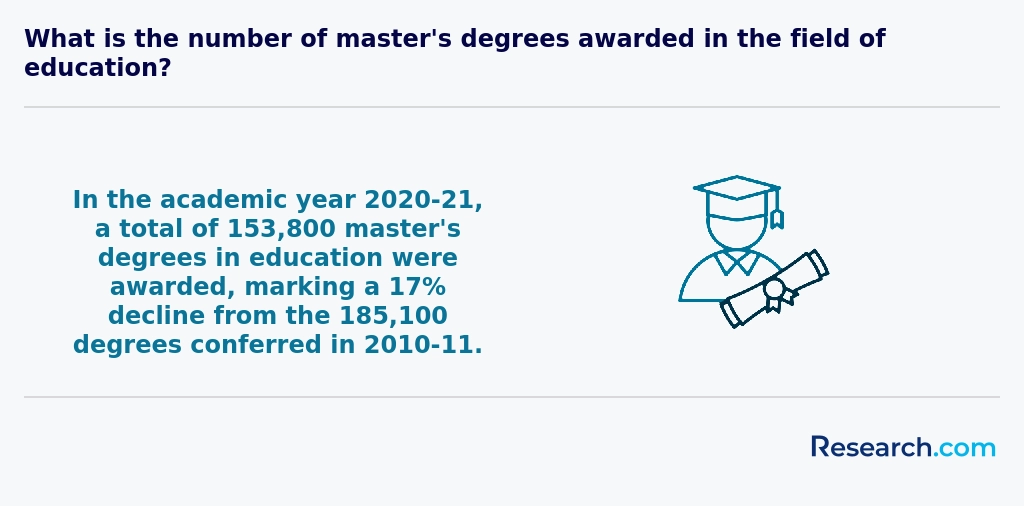
Students enrolled in online educational leadership programs in Columbia often find relief through federal student aid options like Direct Unsubsidized Loans and Grad PLUS Loans, accessible via the FAFSA. These loans help manage tuition with lower interest and flexible repayment, easing financial pressure during graduate studies.
State-based aid, such as Missouri's Access Missouri Financial Assistance Program, offers valuable scholarships and grants to residents maintaining a good GPA and part-time enrollment. Graduates from local institutions like the University of Missouri share how these state funds significantly reduced their out-of-pocket expenses.
Institutional scholarships and assistantships are another key resource. Many Columbia universities provide funding based on academic merit or leadership potential, with some students describing these awards as game changers that allowed them to focus fully on their studies.
Professional organizations, such as Missouri's educational leadership associations, also offer grants fostering career growth within the state's school systems. Additionally, graduates report substantial support through employer tuition reimbursement, especially from public school districts invested in advancing their administrators' education.
To enroll in an online educational leadership degree in Columbia, you typically need a bachelor's degree from an accredited institution. Many programs, such as those offered by local universities, prefer applicants with education or related fields but remain open to diverse academic backgrounds if you complete additional coursework. Graduates often recall how their existing knowledge laid a strong foundation for advanced leadership skills.
Work experience is critical-most programs require two to three years in education roles. This practical insight into school environments, whether as a teacher or administrator, prepares you to lead effectively. Many who have succeeded in Columbia's programs mention how this experience made coursework more meaningful and applicable.
Holding a valid teaching certification aligned with Missouri's standards is a definite advantage. It strengthens your application and supports licensure pathways. While standardized tests like the GRE are less commonly required, some programs might request them depending on competitiveness. Planning ahead can alleviate stress during admissions.
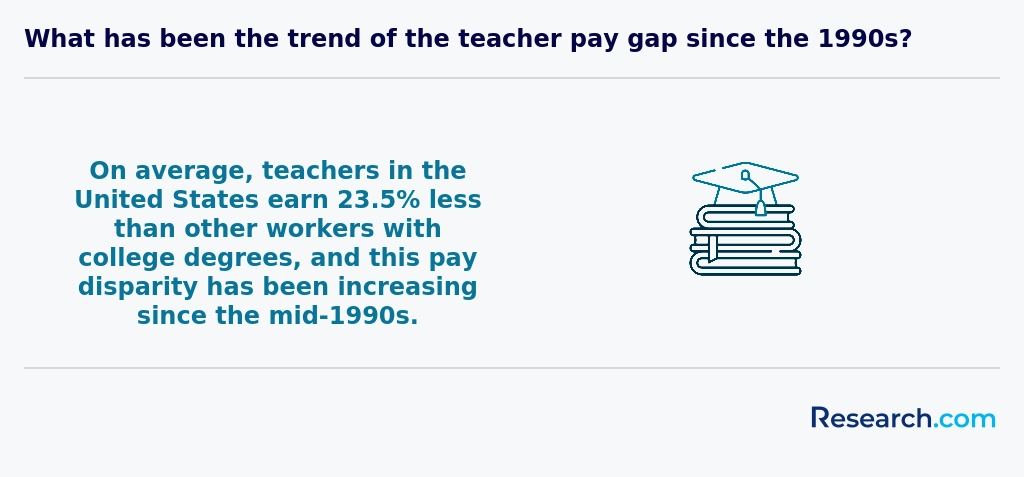
Online educational leadership degree programs in Columbia typically include courses that directly prepare you for real-world leadership roles in schools and districts. Graduates from popular local universities often emphasize how courses like Educational Leadership and Management helped them confidently navigate staff challenges and drive school improvements.
Courses such as School Finance and Budgeting teach you to effectively allocate resources-an essential skill when managing district funds. Many students find this practical knowledge invaluable when tasked with developing balanced budgets or seeking additional funding.
Curriculum Design and Instructional Improvement courses focus on enhancing student learning and teacher performance, which graduates say translates immediately to better classroom outcomes. Programs also cover Legal and Ethical Issues in Education, giving you the tools to make sound decisions aligned with state and district policies.
Finally, Data-Driven Decision Making and Organizational Behavior courses equip you to analyze school performance and create a positive, productive culture-skills that Columbia graduates highlight as vital for effective leadership within Missouri's educational system.
Online educational leadership degrees in Columbia typically include specializations that prepare students for diverse leadership roles within education. Graduates from local programs, such as those at the University of Missouri, often mention how the school administration track equipped them to confidently manage school operations and staff, aligning well with Missouri's certification standards. Other popular concentration options involve instructional leadership, which focuses on curriculum development and improving teaching quality-ideal for educators eager to impact student achievement directly.
Programs also offer higher education leadership for those targeting college or university administration, addressing student affairs and policy challenges. Special education leadership trains professionals to lead inclusive programs compliant with federal regulations, while early childhood leadership emphasizes family engagement and program development in younger educational settings. Many students pursuing online educational leadership specializations in Columbia MO appreciate the flexibility and relevance these tracks provide, helping them meet both career goals and state requirements.
For deeper academic advancement, students often explore an online doctorate educational leadership to further enhance their expertise and leadership impact.
To choose the best online educational leadership degree in Columbia, focus first on accreditation and program quality. Graduates from universities like the University of Missouri appreciate how accreditation by agencies recognized by the U.S. Department of Education, such as CAEP, validates their degree and boosts employer confidence. Cost also plays a crucial role; many find that comparing tuition rates and fees helps them select affordable online educational leadership degrees Columbia MO, ensuring they invest wisely without sacrificing quality.
Look closely at the curriculum and faculty expertise. Successful graduates often highlight programs that offer practical skills in organizational management and instructional leadership combined with real-world internships. Flexibility is another key factor-students balancing work and family value asynchronous classes and robust online support services. Networking opportunities with Columbia's education community frequently enhance career growth and local job prospects.
For those weighing options beyond Columbia, consider exploring masters on higher education administration online to widen your perspective on leadership studies and opportunities.
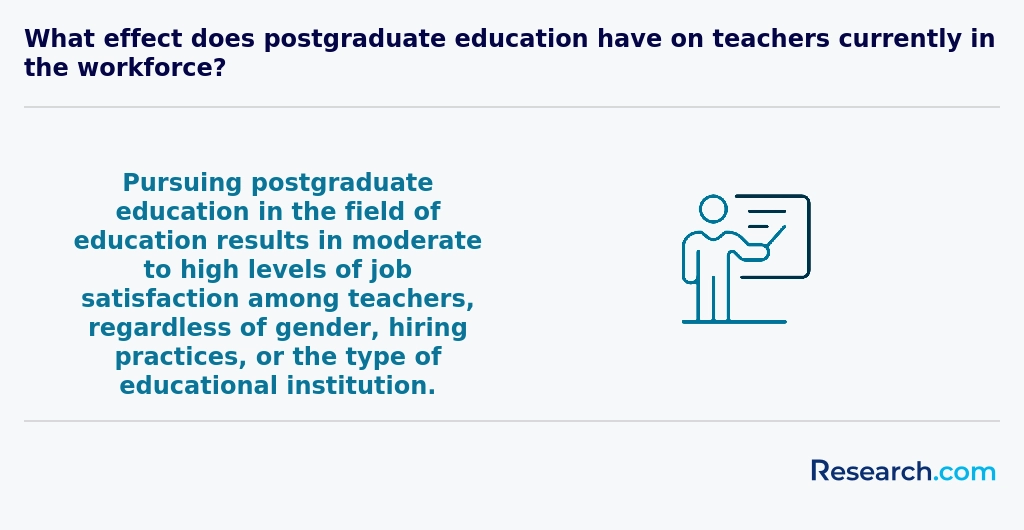
Graduates of online educational leadership degrees in Columbia often move into key roles such as school principal, assistant principal, and district administrator, where they apply leadership skills to manage operations and foster positive school environments. Many graduates from the University of Missouri in Columbia share how their programs prepared them to handle real-life challenges like staff supervision and policy compliance confidently.
Others find fulfilling careers as curriculum coordinators or instructional coaches, focusing on improving teaching strategies and student success. These positions align well with Columbia's emphasis on data-driven instructional leadership, giving graduates practical tools to influence classroom outcomes effectively. Exploring online educational leadership jobs Columbia Missouri offers diverse opportunities reflecting local education needs and trends.
Educational leadership graduates also pursue roles in educational consulting or nonprofit leadership, using their skills to support broader community goals. Local online programs often include state certification preparation, enhancing employability. Students looking to transition into these careers can explore online educational leadership programs that balance affordability with quality, making Columbia a strategic place to advance in education leadership.
The job market for online educational leadership degree graduates in Columbia is positive and steady. Graduates from well-regarded local institutions report strong demand from school districts actively seeking skilled leaders to fill roles such as principals and curriculum coordinators. Columbia's expanding student population in Boone County fuels the need for qualified administrators, especially those who hold the required Missouri educational leadership certification.
Many Columbia professionals appreciate how online programs allow completion of master's degrees while working, boosting career advancement. These programs, often offered by popular universities in the region, align well with state certification standards, which enhances both employability and salary potential. Graduates typically find salaries between $65,000 and $90,000, depending on experience and district size, affirming a healthy career outlook for online educational leadership jobs Columbia MO.
To maximize success, candidates should pursue accredited online degrees that meet licensure requirements and consider programs such as the cheapest ed.d online program to balance cost with quality education. This practical approach helps graduates enter Columbia's competitive market feeling confident and prepared.
2027 Most Affordable Online Master's in Educational Leadership Degree Programs Ranking in Columbia, MO
Investing in your education is a significant decision that can greatly impact your career and personal growth, and the Research.com team recognizes the importance of making well-informed choices. To support prospective students in Columbia, MO, we have carefully developed the "2027 Most Affordable Online Master's in Educational Leadership Degree Programs Ranking." Our dedication to quality, credibility, and accuracy is demonstrated through the extensive research and thorough analysis involved in creating this ranking.
We utilized the following reputable data sources to ensure a comprehensive evaluation of educational leadership programs:
By reviewing this ranking, readers will gain valuable insights into the most affordable and quality online master's programs in Educational Leadership in Columbia, MO, empowering them to choose the best fit for their educational goals. For more information on how this ranking was created, please visit our Research.com methodology page.

Frequently Asked Questions About educational leadership
Students pursuing online educational leadership degrees in Columbia can enhance their learning by actively engaging with course materials and faculty. Research from the University of Missouri highlights that consistent participation in virtual discussions improves critical thinking skills and leadership insight. Utilizing local resources, such as Columbia's educational networks and school districts, provides practical contexts to apply theory. Time management is crucial; setting a dedicated study schedule helps balance coursework with professional responsibilities. Additionally, seeking mentorship from experienced educational leaders in Missouri offers valuable perspectives. Access to updated digital libraries and leadership webinars further supports knowledge growth in this evolving field.
Emerging niches in the educational leadership field reflect the evolving challenges schools face in the 21st century. One growing area is technology integration leadership, where leaders specialize in implementing digital tools to enhance learning and administration. According to the U.S. Department of Education, schools in Missouri increasingly prioritize leaders who can manage remote or hybrid learning environments effectively.
Another niche is equity-focused leadership. Educators are seeking skills to address disparities in student outcomes, especially in diverse communities like Columbia, MO. The Missouri Department of Elementary and Secondary Education emphasizes leadership that fosters inclusive practices and culturally responsive teaching.
Additionally, mental health leadership is expanding. Leaders trained to support student wellness initiatives are in higher demand given increased awareness of mental health in schools nationwide.
After completing an online educational leadership degree in Columbia, it is important to strategically prepare for the job market. Begin by obtaining Missouri's Principal or Superintendent certification, as many local districts require it for leadership roles. According to the Missouri Department of Elementary and Secondary Education, successful certification involves passing state exams and completing required supervised internships.
Networking plays a vital role in securing leadership positions. Join professional organizations such as the Missouri Association of School Administrators to connect with experienced educators and access job listings. Additionally, gaining practical experience through substitute administration roles or internships during your studies can enhance your resume.
Research by the U.S. Bureau of Labor Statistics shows that educational leadership roles in Missouri are expected to grow by 5% from 2022 to 2032, indicating steady opportunities for qualified candidates.
Employers in Columbia, MO, highly value educational leadership graduates who demonstrate strong communication and organizational skills. According to the Missouri Department of Elementary and Secondary Education, effective leaders must also show the ability to manage school resources efficiently and foster positive relationships with staff and students.
Critical thinking and problem-solving abilities are essential, as leaders often navigate complex educational challenges. Additionally, familiarity with data-driven decision-making is increasingly important to improve student outcomes, a trend supported by local school district reports.
Graduates who understand diversity, equity, and inclusion principles are preferred, reflecting Columbia's commitment to equal educational opportunities.
Finding internships in Columbia related to educational leadership involves leveraging local schools and education organizations. Many candidates begin by contacting the Columbia Public Schools district, which offers internship opportunities for graduate students aiming to gain leadership experience. According to the district's official site, they frequently collaborate with regional universities to place students in administrative roles.
Networking with faculty from University of Missouri's education department is another effective strategy. They often have connections with local education leaders seeking interns for projects or assistant roles. Additionally, professional organizations like the Missouri Association of Elementary School Principals provide resources to help locate internships.
Applicants should prepare clear resumes and seek internships that offer hands-on leadership experience, which is crucial for career advancement in education administration.
Online educational leadership degrees offer significant benefits for career mobility and advancement, especially in Columbia, Missouri. These programs prepare candidates for leadership roles such as principals, curriculum directors, or district administrators, positions that often require a master's degree. According to the Missouri Department of Elementary and Secondary Education, school districts in Columbia show higher demand for certified educational leaders to manage growing student populations and program development.
Graduates with online degrees gain skills in management, policy, and instructional leadership, making them competitive for promotions.
Furthermore, Columbia's expanding educational sector, reflected in steady job growth projections for school administrators by the U.S. Bureau of Labor Statistics, supports advancement opportunities for degree holders.
Studying for an educational leadership degree in Columbia prepares students for interdisciplinary roles by integrating knowledge from education, management, psychology, and policy analysis. Programs emphasize collaboration skills, enabling graduates to work effectively with diverse stakeholders such as teachers, administrators, and community leaders. Coursework often includes organizational theory, data-driven decision making, and conflict resolution, which are essential across various professional contexts.
According to the Missouri Department of Elementary and Secondary Education, leaders trained in such interdisciplinary approaches improve school environments and student outcomes. Columbia's access to educational research centers also supports applied learning, enriching the practical leadership skills needed in complex educational settings.
Choosing between a thesis and a non-thesis educational leadership degree program in Columbia, MO, depends largely on your career goals and personal preferences. Thesis programs typically require conducting original research, which can be beneficial if you plan to pursue a doctorate or work in academic or research settings. Non-thesis programs focus more on practical leadership skills and may be shorter in duration.
Many students in Columbia value non-thesis programs for their flexibility, especially when balancing work and study. According to the Missouri Department of Higher Education, practically oriented master's degrees in educational leadership often lead to administrative roles in schools and districts throughout Columbia's public and private institutions.
Consider the demands of a thesis project; it involves substantial writing and data analysis. If you prefer applied learning and immediate career advancement, non-thesis may suit you better. Checking specific program details at local universities like the University of Missouri can provide clearer guidance tailored to Columbia's educational leadership market.
Students based in Columbia, Missouri, seeking online educational leadership degrees from U.S. institutions have several viable options. Many accredited universities offer fully online programs in educational leadership, designed to accommodate working professionals.
For example, the University of Missouri, located locally, provides a reputable Master's in Educational Leadership program with flexible online coursework. According to the National Center for Education Statistics, enrollment in online graduate education programs has increased by over 50% since 2015, reflecting growing accessibility.
Students can benefit from programs aligned with Missouri Department of Elementary and Secondary Education standards, often including principal certification pathways. Additionally, tuition and fees for online programs in Missouri tend to be competitive, averaging around $450 per credit hour at public institutions.
Students pursuing an online educational leadership degree in Columbia, Missouri, can benefit from several relevant part-time job opportunities. Working as a teacher's aide or substitute teacher offers practical experience in school management and instruction. These roles help develop skills in classroom leadership and communication, which are essential for educational leaders. Additionally, positions such as academic advisor assistants or administrative support in school districts provide insight into educational policies and organizational operations.
Columbia's strong public school system, Boonville R-I and Columbia Public Schools, often list part-time openings suitable for graduate students. Engaging in these roles complements online coursework, allowing students to apply leadership theories in real contexts.
Online educational leadership students in Columbia, MO benefit from a variety of networking opportunities tailored to foster connections within the education field. Many programs encourage participation in virtual cohorts, allowing students to engage with peers statewide and nationwide. This interaction supports the exchange of ideas and best practices relevant to Missouri's school districts.
The University of Missouri-Columbia, for example, offers online students access to webinars and local chapter meetings of professional organizations such as the Missouri Association of Elementary School Principals (MAESP).
Students often gain entry to regional conferences, workshops, and mentorship programs focused on Missouri's educational leadership standards, helping build professional networks vital for career advancement.
Additionally, alumni networks and faculty connections provide ongoing support, frequently highlighting job openings and leadership development opportunities specific to Columbia and the surrounding areas.
Alumni networks play a crucial role for students pursuing online educational leadership degrees in Columbia, Missouri. These networks connect current students with graduates who have already navigated the challenges of educational administration careers. According to the University of Missouri's Educational Leadership department, alumni often provide mentorship, career advice, and job leads that can enhance a student's professional development.
In Columbia, where schools frequently seek leaders with strong local ties, leveraging an alumni network can increase employment opportunities. Research from the Missouri Department of Elementary and Secondary Education shows that 65% of school leadership hires come through professional and alumni connections, highlighting their importance.
Furthermore, these networks support ongoing learning by sharing seminars, workshops, and resources, helping alumni and students stay informed about the latest educational policies and leadership strategies in Missouri. Ultimately, participation in an active alumni network builds community and career pathways essential for success in educational leadership roles.
Customizing an online educational leadership degree in Columbia allows students to align their studies with specific career goals. Many programs offer elective courses focused on areas like curriculum development, special education, or school administration. This flexibility helps tailor expertise to desired roles within K-12 or higher education settings.
Students can often choose between thesis and non-thesis tracks, balancing research interests with practical leadership skills. Additionally, some universities partner with local districts, providing internships or practicum experiences relevant to regional educational challenges.
Advising support is commonly available, guiding students in selecting courses that meet Missouri's certification requirements for leadership positions. According to the Missouri Department of Elementary and Secondary Education, leadership roles in Columbia schools increasingly demand skills in policy and community engagement, which many programs address through customizable online curricula.
Online educational leadership students in Columbia often face challenges related to balancing work, family, and study commitments. Since many are full-time educators or administrators, time management becomes critical. According to the Missouri Department of Higher Education, nearly 60% of graduate students in the state juggle professional duties with coursework, which can increase stress levels.
Another common challenge is limited face-to-face interaction. Leadership programs require collaboration and networking skills, but online formats may hinder building strong peer and mentor relationships. This can affect skill development and professional growth.
Access to reliable technology and internet connectivity also remains an issue for some students, impacting their ability to participate fully in synchronous classes or complete assignments on time. Local surveys by the University of Missouri highlight this as a recurring concern among distance learners in the region.
Graduates with an online educational leadership degree can pursue several professional certifications that enhance career opportunities in school administration and leadership. Common certifications include the Principal Certification and Superintendent Certification, which are essential for administrative roles in K-12 schools.
These certifications often require candidates to complete specific state-approved programs and pass exams. In Missouri, the Department of Elementary and Secondary Education (DESE) outlines requirements for such licenses, including a valid teaching certificate and relevant leadership experience.
Other certifications include Curriculum Director or Instructional Supervisor certifications, benefiting those focused on academic leadership. Nationally recognized credentials, like the Certified Educational Leader (CEL) by the American Association of School Leaders, also complement state licenses.
When applying for an online educational leadership program in Columbia, MO, start by clearly demonstrating your leadership experience and commitment to education. Admission committees often look for candidates with strong professional backgrounds in schools or educational organizations. Highlight any roles where you influenced curriculum, managed staff, or improved student outcomes.
Include a well-structured personal statement explaining your motivation for pursuing educational leadership and how it aligns with your career goals. According to the U.S. Department of Education, programs in Missouri value applicants who show a clear vision for improving educational institutions.
Ensure all academic transcripts are up to date and reflect satisfactory performance in relevant coursework. Additionally, requesting strong letters of recommendation from supervisors or educators who can attest to your leadership abilities is essential.
Finally, review specific requirements of colleges in Columbia, such as the University of Missouri, which offers ranked online leadership programs with competitive admission criteria.
Educational leadership careers are increasingly valued worldwide for their role in shaping effective school systems. In the United States, including Columbia, MO, this field is seen as essential to improving student outcomes and school performance. According to the U.S. Bureau of Labor Statistics, employment for instructional coordinators and educational administrators is projected to grow by 7% from 2022 to 2032, highlighting steady demand.
Globally, educational leadership emphasizes cultural awareness, equity, and inclusive practices. American programs often incorporate these themes, preparing leaders to address diverse student needs and policy challenges. In Columbia, local districts seek leaders skilled in collaboration and data-driven decision-making, reflecting broader U.S. trends.
Online degrees from accredited institutions provide flexible access to these globally relevant skills, making them attractive for professionals in Columbia pursuing advancement.
Gaining practical experience while pursuing an online educational leadership degree in Columbia, MO, is essential for developing effective skills. Many programs require or encourage internships, practicum placements, or fieldwork in local schools or educational organizations. Columbia benefits from a close network of public and private schools, including Columbia Public Schools, which often partner with universities to offer hands-on leadership opportunities.
Students may also engage in virtual mentorships and leadership projects that simulate real-world challenges. According to the Missouri Department of Elementary and Secondary Education, practical experience is a key component in leadership certification requirements, making these opportunities valuable for licensure.
Additionally, joining local education associations or attending workshops in Columbia can provide networking and experiential learning benefits. Combining online coursework with community engagement enhances leadership skills that are vital in educational settings.
Choosing the right concentration within an online educational leadership degree program in Columbia requires understanding local educational needs and career goals. Educational leadership programs often offer specializations such as K-12 administration, higher education leadership, or curriculum development. Since Columbia, MO, has a strong public school system and the University of Missouri, concentrations aligned with K-12 leadership and organizational management are popular.
It is important to consider state licensing requirements for school administrators set by the Missouri Department of Elementary and Secondary Education (DESE). Concentrations that prepare students for superintendent or principal certification may offer better job prospects in Columbia's school districts.
Review program flexibility, practicum options, and alignment with Columbia's education workforce trends before deciding on a concentration.
- Reasons to Earn a Master’s Degree in Educational Leadership - Graduate Programs for Educators https://www.graduateprogram.org/blog/reasons-to-earn-a-masters-degree-in-educational-leadership/
- Global Perspectives on Leadership in Early Childhood Education https://hup.fi/books/e/10.33134/HUP-20
- Education Internship & Student Teaching Opportunities at ACE https://ace.edu/student-success/education-internship-and-student-teaching/
- Educational Leadership Career Planner https://www.snu.edu/educational-leadership-career-planner
- Innovative Trends Redefining Education Leadership https://insightssuccessmagazine.com/incubating-innovation-innovative-trends-in-education-leadership/
- Study Educational Leadership Abroad - Top Universities for Masters, MBA, PhD Degree Programs https://studee.com/degree/abroad/educational-leadership
- 6 Best Career Opportunities in Educational Leadership https://www.manchester.ac.ae/blog-post/6-best-career-opportunities-in-educational-leadership
- Master's in Educational Administration and Leadership (K-12) | Columbia College https://www.columbiasc.edu/academics/graduate/masters-educational-administration-and-leadership-k-12
- Educational Leadership (PK-12) Certificate | York College of Pennsylvania https://www.ycp.edu/academics/programs/educational-leadership-pk-12-certificate
- Career Opportunities After Earning an Educational Leadership Graduate Degree https://aituedu.org/career-opportunities-after-earning-an-educational-leadership-graduate-degree/