2027 Easiest Online Educational Leadership Degree Programs Ranking in South Dakota

Co-Founder and Chief Data Scientist
Are you considering advancing your career with an educational leadership degree in South Dakota? Our article introduces the 2027 Easiest Online Educational Leadership Degree Programs Ranking in South Dakota, carefully compiled by the Research.com team of data scientists. This ranking helps you discover which programs offer the best blend of quality and accessibility so you can make a confident, informed decision about your education.
Exploring this ranking can open doors to new opportunities and professional growth in education leadership. Pursuing this degree not only builds valuable skills but also empowers you to make a lasting impact in your community.
Key benefits of getting online educational leadership degree in South Dakota
- Graduates with an educational leadership degree in South Dakota often pursue roles like school principals, earning around $98,490 annually on average in the US, reflecting strong earning potential in this rewarding career.
- An example graduate from the University of South Dakota highlights career paths including school administration, curriculum coordination, and education policy, showing diverse opportunities to make a meaningful impact in education.
- Completing an online educational leadership degree from an institution like Dakota State University offers flexibility and convenience, allowing students to balance work and study while gaining the same respected credentials as traditional programs.
- 2027 Easiest Online Educational Leadership Degree Programs Ranking in South Dakota
- What can I expect from online educational leadership degree in South Dakota?
- Where can I work with online educational leadership degree in South Dakota?
What can I expect from online educational leadership degree in South Dakota?
The average cost of an online educational leadership degree in South Dakota typically falls between $15,000 and $30,000, depending on the institution and program length. For instance, graduates from universities like the University of South Dakota often share how the investment felt manageable alongside their work and family commitments, thanks to the program's flexible schedule and practical curriculum.
Many students appreciate programs that combine affordable tuition with high-quality content, including coursework on school law, organizational management, and leadership practicum experiences. These elements prepare you not just academically but for real leadership roles in K-12 schools across South Dakota.
Imagine balancing your current job while engaging in both asynchronous lessons and occasional live sessions designed by experienced faculty at schools such as South Dakota State University. Graduates often express a sense of accomplishment and readiness as their programs align closely with state certification requirements, making the cost feel like an investment in a rewarding career.
Where can I work with online educational leadership degree in South Dakota?
Graduates with an online educational leadership degree in South Dakota often find rewarding careers as school principals, district administrators, or curriculum directors across the state's public and private K-12 schools. Many who studied at institutions like Dakota State University or South Dakota State University share how their degree helped them secure the crucial administrative licensure required to lead confidently in their schools.
Beyond traditional school leadership, graduates have stepped into roles in higher education administration at community colleges and public universities, managing student affairs and shaping enrollment strategies. Imagine guiding the next generation of leaders or improving educational programs-these roles offer meaningful daily impact.
Others pursue careers in educational consulting or nonprofit organizations focused on education policy, leveraging skills in program evaluation and staff management. The steady demand for qualified leaders, especially in rural areas, means your expertise won't go unnoticed, opening doors to diverse opportunities across South Dakota's educational landscape.
Graduates with an online educational leadership degree in South Dakota typically step into roles such as school principals, district administrators, or program directors, earning salaries that reflect their advanced skills and leadership responsibilities. For example, school principals in the state earn a median salary around $90,000 annually according to the South Dakota Department of Labor and Regulation. This figure is encouraging for those pursuing degrees at institutions like the University of South Dakota or Dakota State University, which are known for their strong education leadership programs.
Many graduates share that stepping into leadership roles brings both professional satisfaction and a noticeable salary increase compared to classroom teaching. District administrators, especially in larger districts, can earn upwards of $95,000 each year, which helps balance the demands of challenging roles.
Remember, your income can grow with experience and advanced degrees. Rural school leaders might earn slightly less but often cite meaningful community connections as a valuable reward. Pursuing the right online program in South Dakota not only fits your lifestyle but opens doors to fulfilling leadership positions with substantial financial benefits.
- Tuition for online educational leadership degrees in South Dakota ranges from $12,000 to $25,000, with public universities generally offering lower costs for in-state students.
- Graduates typically earn an average starting salary of around $55,000, which can grow to approximately $75,000 or more with experience.
- The job market is stable, with steady demand for educational leaders driven by retirements and educational program growth statewide.
- Many programs align with South Dakota licensure requirements, helping graduates qualify for superintendent or principal certifications.
- Advanced degrees are valued by school districts, especially for those seeking leadership and instructional improvement roles in K-12 schools.
Completing an online educational leadership degree in South Dakota typically takes about two years for full-time master's students, especially at well-regarded institutions like South Dakota State University or the University of South Dakota. Many graduates recall balancing demanding work schedules while powering through accelerated eight-week courses, finding that this structure kept them motivated and helped them finish faster without sacrificing quality.
Part-time learners often take up to three years or more, depending on professional responsibilities and course load. Doctoral candidates, aiming for an EdD or PhD, embrace a longer journey of three to six years, as they dive deep into leadership research and practical projects, often while working in schools or districts. These graduates share how the flexibility of online programs allowed them to enrich their careers while steadily progressing.
Choosing an accelerated program or transferring credits can shorten the timeline, keeping your goals within reach. Residents benefit from modest tuition rates at public institutions, making this commitment feel even more rewarding. Staying focused and leveraging these flexible formats means your leadership dreams can become reality right here in South Dakota.
Choosing between online and on-campus educational leadership degrees in South Dakota often comes down to your lifestyle and career goals. Graduates from South Dakota State University who pursued online programs share how the flexibility allowed them to balance work and family while advancing their education. They accessed lectures and assignments anytime, which made learning fit naturally into busy schedules.
On the other hand, graduates from the University of South Dakota who followed the on-campus route often highlight the energizing face-to-face interactions with professors and peers. These in-person connections sparked lively discussions and built a strong professional network essential for stepping into leadership roles in schools.
Both formats require hands-on practicum experiences, but online students usually complete these locally, embedding their studies directly into their community. Tuition in South Dakota's public universities typically aligns between formats, though online learners save on commuting and housing costs, making education more accessible without sacrificing quality or recognition.
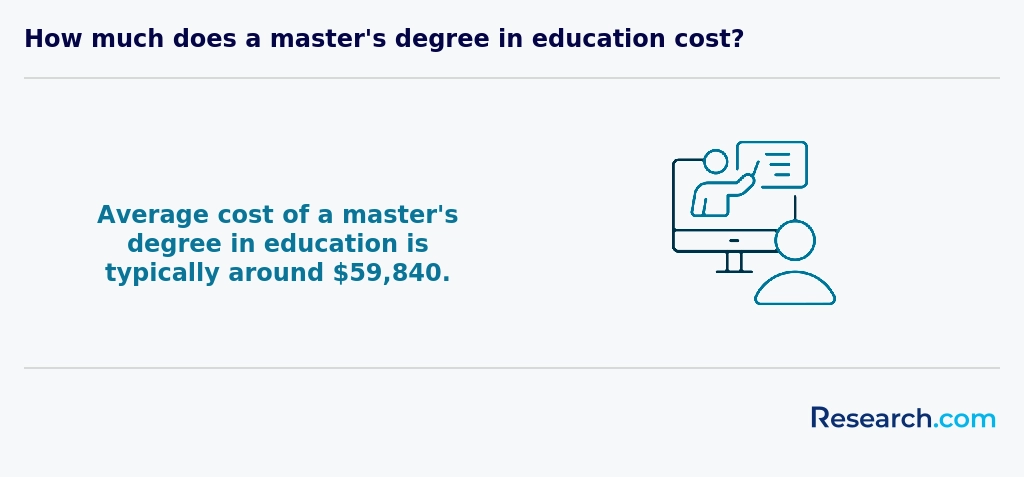
The average cost of an online educational leadership degree in South Dakota is around $16,920, making it one of the more affordable online educational leadership programs South Dakota offers. Many students pursuing this path choose institutions like South Dakota State University, where graduate tuition for educational leadership typically runs about $455 per credit hour. With programs requiring approximately 33 credit hours, graduates often find themselves investing close to this median total cost, balancing quality education with financial practicality.
Graduates often share that this investment feels worthwhile, especially considering the personalized support and flexibility online programs provide, allowing them to balance work, family, and study. The affordability opens doors for educators in South Dakota who want to advance their careers without incurring overwhelming debt-a motivating factor frequently mentioned by successful alumni.
If you're seeking to join these ranks, numerous options make this pursuit achievable. Many students find it helpful to explore financial aid opportunities while selecting programs. To get a better understanding of your options and how they compare nationally, consider reviewing detailed information on online master's programs educational leadership, which can help guide your planning and decision-making.
Access to these affordable online educational leadership programs South Dakota is especially valuable for in-state residents, who generally pay significantly less than out-of-state learners. This cost-effectiveness, combined with the quality of education, fosters confidence in many who choose this path toward leadership roles in education.

When pursuing an online educational leadership degree in South Dakota, numerous financial aid options can lighten your journey. Graduates from Dakota State University often share how completing the FAFSA unlocked federal Pell Grants, which helped cover tuition without the stress of repayment. With aid reaching up to $7,395 annually, this support can truly make a difference.
State-specific aids like the South Dakota Opportunity Scholarship further empower students, rewarding strong academic performance and dedication to shaping the state's educational future. Many find this invaluable as they balance work and study while advancing their leadership careers.
Universities such as the University of South Dakota frequently offer scholarships tailored to education leadership candidates, emphasizing academic excellence and community commitment. Imagine receiving an institutional scholarship that not only lessens financial burdens but also motivates you to grow professionally!
For working professionals, employer tuition reimbursement programs are a beacon of encouragement. School district employees often tap into these benefits, turning their ambition into reality by reducing tuition costs as they lead change from within their communities.
Professional organizations offer another layer of support, providing grants that celebrate your leadership aspirations. Securing such funding can feel like a personal triumph and boost confidence on your educational path.
To enroll in an online educational leadership degree in South Dakota, you'll want to start with a solid foundation-a bachelor's degree from an accredited institution. Many graduates from universities like South Dakota State University or the University of South Dakota found that having their degree in education or a related field made the transition smoother, as these programs build on your understanding of teaching and school environments.
Holding a valid teaching certificate or licensure is highly recommended, aligning with South Dakota Department of Education standards. Graduates often share how possessing these credentials opened more doors and strengthened their confidence in leadership roles.
Work experience matters deeply. Having two to three years in education or administration prepares you to connect theory with practice, something many alumni emphasize as critical to their success in leadership roles within schools or districts throughout South Dakota.
Testing requirements like the GRE or MAT vary, so it's wise to check each university's policy. Many who had extensive experience found these tests waived, which helped ease their journey toward advancing their careers.
- Bachelor's degree from an accredited institution
- Valid teaching certification or licensure preferred
- Two to three years of experience in education or administration
- GRE or MAT requirements vary by school
Online educational leadership degrees in South Dakota typically include courses that build essential skills to thrive as a school leader. Graduates often share how classes like Educational Leadership Foundations helped them understand the real-world challenges of leading K-12 schools, equipping them to create positive change. At institutions such as the University of South Dakota, students engage deeply with School Law and Ethics, which clarifies the legal responsibilities every principal or superintendent must know.
Courses in Curriculum Development and Instructional Leadership empower future leaders to support teachers and improve student learning, a lesson many graduates recall applying during practice internships. Education Finance and Resource Management prepares you to manage school budgets wisely-crucial for running schools in communities across South Dakota. Additionally, Data-Driven Decision Making teaches you to use evidence and analytics effectively, transforming raw data into actionable strategies.
Human Resource Management and Community Engagement sessions often spark excitement among students, highlighting the importance of nurturing staff and building partnerships with families. These practical, real-life lessons help make your leadership journey meaningful and successful in diverse school settings.
When exploring an online educational leadership degree in South Dakota, you'll find valuable specializations tailored to meet diverse career aspirations. Many graduates from institutions like South Dakota State University choose the K-12 Educational Leadership track, which prepares them to become effective principals or district administrators. This specialization emphasizes real-world skills such as curriculum planning and community engagement-essential for managing both rural and urban schools across the state.
Another popular focus within South Dakota educational leadership program concentrations is Higher Education Administration. Graduates passionate about improving college environments, such as those from the University of South Dakota, find this specialization rewarding. It dives into student affairs, enrollment management, and shaping academic programs, allowing graduates to foster positive student experiences.
For professionals drawn to supporting students with special needs, the Special Education Leadership track is a meaningful option. It equips leaders with knowledge of inclusive policies and advocacy strategies, reflecting a growing emphasis on equity. Additionally, Educational Technology Leadership helps administrators effectively integrate digital tools into the classroom.
If you're considering costs, South Dakota's programs remain competitive, often benefitting from in-state tuition rates and financial aid. For those searching for the cheapest online doctoral program in educational leadership, South Dakota offers strong options that balance affordability and quality.
Choosing the best online educational leadership degree in South Dakota means prioritizing programs that balance quality with affordability. Graduates from Dakota State University often praise the regionally accredited program's curriculum, which blends practical skills like school law and finance with leadership theories, preparing them confidently for K-12 administration roles. Many find that affordable educational leadership degrees South Dakota offers, such as those at Black Hills State University, make pursuing a graduate degree accessible without sacrificing excellence.
Flexibility is key when juggling work and studies. Successful alumni appreciate asynchronous classes that fit their schedules while still providing strong faculty support. When researching, verify the program supports licensure preparation to meet South Dakota's certification standards, ensuring your degree opens doors locally. Don't overlook resources like the South Dakota Board of Regents and even explore options for the shortest edd program online if acceleration suits your goals.
Graduates who pursue an online educational leadership degree in South Dakota unlock a range of rewarding career paths. Many find themselves stepping into roles as school principals or assistant principals, where they lead daily school operations, support faculty, and ensure state standards are met. Graduates from institutions like the University of South Dakota often share how their hands-on projects prepared them to confidently manage these challenges in real school environments.
Others gravitate toward curriculum coordination or instructional supervision, crafting innovative teaching strategies that shape students' learning experiences. This path suits those who thrive on collaboration and impact, a common sentiment among alumni from South Dakota State University's educational leadership programs focused on practical training. Such positions highlight promising job opportunities for online educational leadership degree in South Dakota.
Many also advance into district administration, overseeing student services or human resources across multiple schools. These roles demand strategic thinking and people skills, which are reinforced through case studies and leadership workshops popular in South Dakota colleges. Additionally, for graduates drawn to higher education, roles as academic advisors or student affairs administrators offer a fulfilling way to support college students' journeys.
For anyone passionate about education leadership, South Dakota's programs offer an accessible, practical route to meaningful careers. Consider exploring the options further through resources like this online master's in educational leadership to find the best fit for your aspirations.
The job market for online educational leadership jobs in South Dakota is steadily growing, offering promising opportunities for new graduates from programs at institutions like the University of South Dakota and South Dakota State University. These graduates often find themselves stepping into leadership roles in suburban and rural schools where the demand for strong administrators is rising due to shifts in population and retirements. Many graduates recall how their coursework combined with practical licensure preparation helped them feel confident to lead curriculum changes and staff development effectively.
South Dakota's educational leadership career outlook is supported by state initiatives aimed at boosting educational outcomes, which fuels the demand for skilled leaders in schools and districts. Those who have completed programs online appreciate the flexibility it provided while working or raising families. They also benefit from the ability to pursue certification essential for principal or superintendent roles, a requirement emphasized by South Dakota's Department of Education.
When planning your future, consider exploring what is an education specialist degree through reliable sources like what is an education specialist degree, to understand how advanced credentials can enhance your qualifications and job prospects within South Dakota's education system.
2027 Easiest Online Educational Leadership Degree Programs Ranking in South Dakota
Investing in your education is a significant decision that can profoundly impact your career and personal growth, and the Research.com team recognizes the importance of providing reliable guidance. To support prospective students in South Dakota, we have carefully developed the "2027 Easiest Online Educational Leadership Degree Programs Ranking." Our dedication to quality, credibility, and accuracy is demonstrated through rigorous research and thorough data analysis.
We utilized the following reputable data sources to create this comprehensive ranking:
By exploring this ranking, readers will gain valuable insights into the most accessible and high-quality online educational leadership degree programs in South Dakota, empowering them to make well-informed decisions. For more details on our methodology, please visit our Research.com methodology page.

# 2 position
University of South Dakota
Master of Administration/Organizational Leadership specialization

# 3 position
University of South Dakota
Doctor of Educational Administration and Leadership, PreK-12 Educational Leadership Specialization
Frequently Asked Questions About educational leadership
Students pursuing online educational leadership degrees in South Dakota can maximize their learning by actively engaging with program resources and faculty. Many South Dakota institutions, such as the University of South Dakota and South Dakota State University, offer accredited online programs tailored to area educational standards. Participating in virtual discussions and networking with peers enhances understanding of local leadership challenges.
Additionally, students should take advantage of State Department of Education reports and data to align coursework with South Dakota's educational policies and initiatives. Time management and setting a consistent study schedule are crucial, as 70% of online learners in the U.S. report improved success with structured plans (NCES, 2023).
Emerging niches within the educational leadership field reflect changes in school systems and society. One fast-growing area is equity-focused leadership, which addresses disparities faced by diverse student groups. Leaders in South Dakota increasingly prioritize inclusive policies to serve Native American and rural students better.
Digital learning leadership is another expanding niche, driven by the rise of online and hybrid education models nationwide. Administrators skilled in technology integration are in demand as schools adopt new tools post-pandemic.
Additionally, trauma-informed leadership is gaining importance. School leaders trained to handle students' social-emotional needs help improve outcomes in South Dakota, where mental health concerns among youth have risen, according to the South Dakota Department of Education.
Graduates with an online educational leadership degree in South Dakota should focus on building practical skills and local professional networks to improve job prospects. According to the South Dakota Department of Education, leadership roles often require knowledge of state education policies and experience with school administration. It is essential to complete internships or practicum experiences during your program to gain hands-on leadership exposure.
Additionally, obtaining state licensure or certification in educational administration greatly enhances employability. The U.S. Bureau of Labor Statistics reports growth in educational leadership roles, projecting a 4% increase in South Dakota through 2031. Actively participating in professional organizations like the South Dakota Association of School Principals can provide valuable connections and job leads.
Employers in South Dakota prioritize several key skills when hiring graduates with educational leadership degrees. Strong communication abilities are essential, as leaders must effectively interact with teachers, parents, and district officials. Additionally, problem-solving skills help address daily challenges in school management.
Data from the South Dakota Department of Education highlights that 78% of school administrators value skills in organizational management and strategic planning. Understanding educational law and policies is also critical to ensure compliance with state regulations.
Graduates showing competence in technology integration and budgeting tend to stand out in the competitive job market. These skills reflect the practical demands faced by educational leaders in South Dakota's evolving school systems.
Finding internships in South Dakota relevant to an educational leadership degree requires focused research and networking. Begin by exploring local school districts, as many offer administrative internships or leadership practicum placements for graduate students. The South Dakota Department of Education website provides resources and contact information for district offices, which can be essential for internship inquiries.
Additionally, South Dakota State University and the University of South Dakota provide online students with connections to regional educational organizations, which often advertise internships specifically for leadership roles. According to SD DOE, educational leadership internships typically last one semester and often require affiliation with an accredited program.
Leveraging professional associations like the South Dakota Council of Administrators of Special Education can provide networking opportunities and internship notices for aspiring educational leaders.
Online educational leadership degrees in South Dakota significantly enhance career mobility and advancement opportunities for educators. The South Dakota Department of Education reports that administrators with advanced credentials generally earn higher salaries and are considered first for leadership roles. Completing a degree online offers flexibility for working professionals, allowing them to balance employment and study without relocating.
Many school districts in South Dakota prioritize candidates with educational leadership qualifications when filling principal or superintendent positions. According to the Bureau of Labor Statistics, educational leadership roles in the state are expected to grow in response to evolving educational needs. An online degree also provides access to updated leadership practices and state-specific regulations.
Studying for an educational leadership degree in South Dakota offers strong preparation for interdisciplinary roles by integrating diverse skill sets relevant to modern education environments. Programs typically emphasize collaboration across fields such as counseling, curriculum development, and administration. According to the South Dakota Department of Education, leadership candidates often engage with policy, technology, and community relations, helping them manage multiple education facets effectively.
South Dakota's online leadership degrees incorporate coursework that encourages problem-solving within varied teams, enhancing a leader's ability to work across disciplines. These programs also align with national standards, ensuring graduates understand educational law, finance, and equity issues important in different roles.
Through practical assignments and case studies, students build communication and organizational skills vital for leadership positions that require coordination between teachers, parents, and local agencies. This preparation is crucial as South Dakota schools increasingly focus on inclusive education and partnership-driven strategies for student success.
Choosing between a thesis and a non-thesis online educational leadership degree program in South Dakota depends on your career goals and learning preferences. Thesis programs typically involve conducting original research and writing a detailed paper, which can prepare you for roles in academia or research-focused positions.
Non-thesis programs, on the other hand, often emphasize practical skills through coursework and projects without a formal research component. These programs suit professionals aiming to advance in school administration or leadership without pursuing doctoral studies.
In South Dakota, data from the South Dakota Board of Education show growing demand for leadership roles in K-12 schools, making applied skills valuable. Understanding your future plans and time commitment can guide your choice.
Students in South Dakota interested in studying educational leadership abroad have several options through partnerships and online programs offered by U.S. institutions. While direct enrollment in foreign universities abroad for education degrees is less common, many American universities with global collaborations provide accredited online leadership degrees accessible internationally.
Programs often include international case studies and global leadership perspectives, offering a broader understanding of educational systems. According to the South Dakota Department of Education, demand for leadership roles is growing, making global exposure valuable for future administrators.
Careful research ensures that credits transfer back to South Dakota institutions or align with state licensing requirements. South Dakota learners may explore programs from universities certified for international online education to gain recognized credentials without relocating.
Part-time job opportunities in South Dakota that align well with educational leadership studies often involve roles within school districts, educational nonprofits, or community organizations. Positions such as teacher aides, substitute teachers, or administrative assistants in K-12 schools offer practical exposure to leadership dynamics. According to the South Dakota Department of Education, these roles provide valuable experience managing classroom and organizational tasks.
Additionally, educational program coordinators or tutors working part-time can develop skills in curriculum planning and student engagement, critical for leadership roles. The state's growing demand for educational leaders, with projected employment growth of about 6% through 2030, underlines the importance of practical experience alongside academic study (Bureau of Labor Statistics).
Part-time jobs in public libraries or community centers also offer opportunities to support educational initiatives, complementing leadership training by enhancing community partnership skills, a core competency in educational leadership programs.
Online educational leadership students in South Dakota benefit from diverse networking opportunities despite studying remotely. Several universities, including South Dakota State University and the University of South Dakota, offer virtual events, webinars, and alumni groups to foster connections among candidates.
Professional organizations such as the South Dakota Council of Educational Leaders (SDCEL) provide access to conferences, leadership workshops, and local meetups. These platforms encourage collaboration between educators across the state and create mentorship possibilities.
Additionally, online students often engage in cohort-based learning, which builds peer networks essential for future career growth. According to the National Center for Education Statistics, 45% of South Dakota educators participate in professional associations that support networking and leadership development.
Alumni networks offer significant advantages for students pursuing online educational leadership degrees in South Dakota. These networks connect current students with graduates who have practical experience working in South Dakota's schools and districts. Access to such connections can lead to mentorship opportunities, advice on career paths, and guidance navigating local educational policies.
Many South Dakota universities with online leadership programs maintain active alumni associations that host events and professional development workshops. According to the South Dakota Department of Education, networking plays a key role in advancing leadership careers within the state. By participating in these networks, students increase their chances of securing administrative roles after graduation.
Furthermore, alumni networks often share job openings exclusive to their members, which is crucial in a competitive job market. The ability to learn from experienced leaders familiar with South Dakota's education system enhances students' readiness and confidence to assume leadership positions across the state.
Customizing an online educational leadership degree program in South Dakota allows students to tailor their studies to specific career goals. Many accredited universities in the state offer flexible course options, enabling students to choose electives focused on areas such as curriculum development, school administration, or special education leadership. According to the South Dakota Department of Education, leadership roles in K-12 schools often require skills in policy implementation and community engagement, which can be strengthened through targeted coursework.
Additionally, some programs offer practicum experiences or capstone projects that provide hands-on leadership training adaptable to individual professional objectives. This flexibility helps students prepare for positions ranging from building-level administrators to district supervisors.
Lastly, online formats frequently accommodate working professionals, allowing personalized pacing and scheduling that align with career and family commitments.
Online educational leadership students in South Dakota face several challenges unique to the region and learning format. One key issue is limited local networking opportunities. Unlike traditional programs, online learners often struggle to build connections with peers and mentors in South Dakota's education system, which can be vital for leadership roles.
Access to consistent high-speed internet can also be problematic in rural areas, affecting timely participation in coursework and discussions. According to the South Dakota Department of Education, nearly 10% of rural students face connectivity issues, a challenge mirrored among adult learners.
Additionally, balancing work, family, and study remains difficult, especially since many candidates are practicing educators seeking advancement. Time management and self-discipline become crucial skills for success in these demanding conditions.
With an online educational leadership degree in South Dakota, graduates can pursue several professional certifications that enhance their career opportunities in school administration. A primary certification is the South Dakota School Administrator Certification, required for principals, assistant principals, and superintendents. This certification aligns with state standards managed by the South Dakota Department of Education.
Additionally, candidates may pursue the National Board Certified Principal credential offered by the National Association of Elementary School Principals. This nationally recognized certification reflects advanced leadership skills.
According to the latest South Dakota Department of Education data, certified administrators often earn higher salaries and hold key leadership roles in K-12 education.
Writing a strong application for an online educational leadership program in South Dakota requires clear demonstration of your leadership potential and understanding of educational challenges. Highlight relevant experience in teaching or administration, as South Dakota's Department of Education values practical leadership skills.
Include a well-crafted personal statement focused on your goals and commitment to improving education. Data from the National Center for Education Statistics shows that effective leadership greatly influences school success, so emphasize your strategic vision.
Submit all required documents carefully, including transcripts and recommendations, ensuring they reflect your readiness for graduate-level work. Meeting all deadlines is essential, as competitive programs in South Dakota often have limited spots.
Educational leadership as a career is increasingly valued worldwide, including within the United States. Globally, leaders in education are expected to manage diverse school environments, promote equity, and adapt to evolving educational technologies. In South Dakota, online educational leadership degrees prepare students to meet these international demands by focusing on skills like organizational management and policy development.
According to the National Center for Education Statistics, school leadership roles in the U.S. are projected to grow by 4% through 2031, reflecting steady demand. South Dakota's educational leaders often work in rural settings, facing unique challenges such as limited resources and small student populations.
These global perspectives emphasize cultural competence and innovation, which online programs in South Dakota integrate to equip graduates for dynamic leadership roles in diverse settings.
Students pursuing an online educational leadership degree in South Dakota can gain practical experience through several avenues. Many programs include internship or practicum requirements, allowing students to work in local schools or educational organizations. These placements provide real-world leadership challenges aligned with South Dakota's educational standards.
Additionally, some universities partner with area school districts, enabling students to engage in mentorship or administrative projects remotely or in person. South Dakota's Department of Education supports leadership development initiatives that students can access to build hands-on skills.
Online learners should also consider volunteering for school boards or community education programs, which offer valuable leadership exposure during studies. Such opportunities help integrate theory with practice in the state's educational landscape.
Choosing the right concentration within an online educational leadership degree in South Dakota depends on your career goals and the needs of local schools. Common concentrations include K-12 leadership, higher education administration, and curriculum development. According to the South Dakota Department of Education, demand for school principals and administrators is expected to grow by 7% through 2030, emphasizing leadership roles in K-12 settings.
Consider the specific licensing requirements in South Dakota, as some concentrations may align better with state certification standards. Review course offerings carefully and evaluate how they match your professional aspirations and the regional job market.
Research program flexibility, faculty expertise, and opportunities for practical experience. Connecting with local educational leaders can also provide insight into the most valuable concentrations for South Dakota's education system.
- 2027 Easiest Online Educational Leadership Degree Programs Ranking in Nebraska
- 2027 Easiest Online Educational Leadership Degree Programs Ranking in Minnesota
- 2027 Easiest Online Educational Leadership Degree Programs Ranking in Colorado
- 2027 Easiest Online Educational Leadership Degree Programs Ranking in Kansas
- 2027 Easiest Online Educational Leadership Degree Programs Ranking in Wisconsin
- 2027 Easiest Online Educational Leadership Degree Programs Ranking in Missouri
- 2027 Easiest Online Educational Leadership Degree Programs Ranking in Illinois
- 2027 Easiest Online Educational Leadership Degree Programs Ranking in Indiana
- 2027 Easiest Online Educational Leadership Degree Programs Ranking in Michigan
- 2027 Easiest Online Educational Leadership Degree Programs Ranking in Arkansas
- How to Advance Your Career with an Ed.D. in Educational Leadership - Graduate Programs for Educators https://www.graduateprogram.org/blog/how-to-advance-your-career-with-an-ed-d-in-educational-leadership/
- Educational Leadership Career Planner https://www.snu.edu/educational-leadership-career-planner
- Understanding Key Leadership Challenges in Educational Leadership https://www.jasonwhiskerd.co.uk/post/understanding-key-leadership-challenges-in-educational-leadership
- Remote Educational Leadership Online Jobs https://www.virtualvocations.com/q-remote-educational-leadership-online-jobs.html
- Career Opportunities After Earning an Educational Leadership Graduate Degree https://aituedu.org/career-opportunities-after-earning-an-educational-leadership-graduate-degree/
- Alumni Leadership https://teachforall.org/our-impact/alumni-leadership
- Leadership and Administration Master's Degree https://northern.edu/degrees/leadership-and-administration-msed-degree-online
- Skills Employers Look for in Business Graduates – EU Business School https://www.euruni.edu/blog/skills-employers-look-for-in-business-graduates/
- Leadership Alumni Networks Making a Difference - Network Weaver https://networkweaver.com/leadership-alumni-networks-making-a-difference/
- Bringing global perspectives to leadership in business https://www.eaie.org/resource/global-perspectives-leadership-business.html