2027 Most Affordable Online Educational Leadership Degree Programs Ranking in the USA

Co-Founder and Chief Data Scientist
Exploring a career in educational leadership can open doors to rewarding opportunities in schools and communities across the USA. If you're considering advancing your education, finding an affordable yet reputable program is essential.
This article introduces the 2027 Most Affordable Online Educational Leadership Degree Programs Ranking in the USA, thoughtfully created by the Research.com team of data scientists. It aims to guide you through the best value options available.
By reading, you'll gain insights to confidently choose a program that fits your goals and budget, making your journey toward leadership both achievable and empowering.
Key benefits of getting online educational leadership degree in America
- Educational leadership graduates can pursue rewarding careers such as school principals, where the median annual salary is around $98,490, offering financial stability and growth potential.
- Graduates from universities like the University of Florida often find roles in administration, curriculum development, or district leadership, leading to diverse and impactful career opportunities in education.
- Online degrees from institutions like Drexel University provide flexible learning schedules that fit busy lives, allowing students to advance their careers without pausing their professional or personal commitments.
- 2027 Most Affordable Online Educational Leadership Degree Programs Ranking in the USA
- What can I expect from online educational leadership degree in America?
- Where can I work with online educational leadership degree in America?
What can I expect from online educational leadership degree in America?
The average cost of an online educational leadership degree in America typically ranges from $10,000 to $30,000, depending largely on whether you attend a public or private university. Graduates from well-known online programs at universities like the University of Southern California or the University of Florida often share how manageable their tuition expenses felt, especially when combined with employer tuition reimbursement or financial aid options.
Many students find that budgeting for this investment becomes easier once they understand the total cost upfront, including any fees for required in-person practicums. For example, working professionals often appreciate the flexibility of spreading payments over time while balancing family and work commitments.
Graduates repeatedly emphasize the value of affordable programs that maintain strong accreditation, such as those recognized by CAEP or ISLLC, which helped them confidently advance into leadership roles without overwhelming debt. This balance of cost and quality makes pursuing online educational leadership degrees a rewarding choice for those ready to lead schools and districts.
Where can I work with online educational leadership degree in America?
Graduates with an online educational leadership degree from well-known American universities often step confidently into roles as school principals or assistant principals. These positions offer the chance to directly influence school culture and student success, reflecting the real impact that leadership skills developed during their studies can have. For example, many grads from popular programs at institutions like Arizona State University find fulfillment managing day-to-day school operations and leading teams toward improvement.
Others pursue district-level administration roles such as curriculum directors or superintendents, overseeing multiple schools and shaping academic policies. Graduates from universities with strong online educational leadership tracks, including the University of Southern California, often highlight how their coursework prepared them for the complex decision-making required in these jobs.
Higher education administration is another vibrant career path. Alumni working in colleges manage student services or coordinate programs, drawing on leadership theories and organizational skills gained through their degree. Many appreciate this path for its dynamic environment and opportunities to foster academic growth.
Beyond K-12 and universities, graduates frequently join educational consulting firms or nonprofits, driving policy development and professional training. These roles allow them to apply their expertise in impactful, rewarding ways that address broader educational challenges across America.
Graduates with an online educational leadership degree in America can typically expect salaries ranging from $70,000 to $130,000 annually, depending on job title, experience, and location. For example, school principals often earn around $99,660 per year, according to recent U.S. Bureau of Labor Statistics data. Those working in states like California, New York, and Massachusetts usually see higher wages due to larger school districts and increased responsibilities.
Many graduates from popular programs at universities such as the University of Southern California or Boston College report moving into district administrator roles, where salaries tend to be higher. With additional certification in educational administration and several years of leadership experience, income can increase substantially. For instance, district superintendents in America often earn more than $135,000 annually, reflecting their broader scope of influence and accountability.
Graduates emphasize that combining online educational leadership degrees with hands-on classroom experience greatly enhances earning potential. They also appreciate benefits like retirement plans and health insurance, which add significant value to these roles. Choosing a respected online program in America is a practical step toward securing these rewarding and stable career paths.
- Online educational leadership degrees prepare students for roles like principals, superintendents, and instructional coordinators in K-12 or higher education.
- Master's programs generally cost between $15,000 and $40,000, while doctoral programs range from $30,000 to $60,000.
- The median annual salary for school and education administrators is about $98,000, rising to over $120,000 with experience and advanced degrees.
- The job market for education administrators is expected to grow 7% through 2030, driven by increased student enrollments and leadership demand.
- Many programs meet state certification and licensing requirements, which is important for working as licensed school principals or administrators.
- Practical experience through internships or capstone projects is often included to help develop leadership skills needed in education settings.
Completing an online educational leadership degree in America typically takes between 1.5 to 6 years, depending on the program level and study pace. For instance, graduates from schools like the University of Southern California often finish their master's degrees in about 2 years when studying full-time, balancing leadership coursework with real-world application. Many find this timeframe manageable alongside work commitments, leading to a rewarding sense of progress.
Part-time students, such as those attending Arizona State University's online program, often take 3 to 5 years, balancing family and job responsibilities while steadily advancing through coursework. Doctoral students at popular colleges like Johns Hopkins University report 3 to 6 years to complete their EdD or PhD, including research and dissertation work, which demands personal dedication but offers deep academic fulfillment.
Choosing accelerated programs can cut completion time to 12-18 months, ideal for motivated students ready to immerse themselves fully. Planning your schedule around these options helps you maintain momentum and stay motivated, ensuring a positive, achievable path to leadership success.
Online educational leadership degrees in America offer unmatched flexibility, allowing students to balance work, family, and study effortlessly. Graduates from popular schools like the University of Southern California appreciate being able to complete coursework anytime, which is ideal for full-time educators working in busy schools. This asynchronous format often leads to faster degree completion compared to traditional on-campus programs.
In contrast, students attending on-campus programs at schools such as Boston College benefit from rich face-to-face interactions with peers and faculty, plus easy access to campus resources like libraries and networking events. They often highlight how these experiences deepened their leadership skills through real-time discussions and internships arranged by the university.
Cost is another key difference. Online programs frequently reduce expenses by cutting out commuting and housing fees. Graduates from online programs at institutions like the University of Florida report significant savings, which makes these degrees more accessible without sacrificing quality.
Both formats maintain strong accreditation and provide practical leadership training, but your choice depends on your lifestyle needs and learning preferences. Exploring programs with local practicum options gives online learners hands-on experience close to home, ensuring a balanced and effective educational journey.
The average cost of an online educational leadership degree in America is around $23,165, though this figure varies depending on residency status and institution type. For example, in-state students typically pay a median total of about $16,635, while out-of-state students face median costs closer to $29,452. Many graduates from well-known universities and colleges find that investing in these programs is worthwhile, as they often secure leadership roles in education with salaries that justify the expense.
Public institutions tend to offer more affordable tuition, especially for residents, which is a major factor to consider when searching for affordable online educational leadership programs 2027 USA. Many students report feeling relieved when they discover significant savings by enrolling at their state's flagship university or other public colleges. Graduates commonly emphasize that scholarship opportunities and financial aid available through both private and public schools helped ease their financial burdens.
One practical approach is to explore competency-based models or accelerated online programs, which allow students to complete their degrees sooner and reduce overall costs. Students who managed to accelerate their studies shared that this flexibility helped them balance work, family, and education effectively.
If you want to compare costs and discover options for the cheapest master's degree in educational leadership, consider checking detailed rankings and financial aid information from trusted sources like research.com. This can help you make an informed choice aligned with your budget and career goals.

Students pursuing online educational leadership degrees in America can access diverse financial aid options to manage costs effectively. Many graduates from universities such as the University of Southern California or Columbia University emphasize starting with the Free Application for Federal Student Aid (FAFSA). This unlocks eligibility for Pell Grants and Federal Direct Loans, which offer manageable repayment plans and lower interest rates tailored for graduate students.
State grants are also valuable, especially for those attending institutions like the University of Texas at Austin, where local funding targets leadership students committed to serving underserved communities. Additionally, professional organizations such as the American Association of School Administrators provide scholarships that reward demonstrated leadership potential, a route many successful students recommend.
Employer tuition reimbursement programs often ease financial pressure for working professionals. Graduates report that school districts supporting advancement through tuition assistance make obtaining degrees while working more attainable. Finally, institutional scholarships and assistantships are worth exploring at schools with established online platforms to further reduce expenses.
To enroll in an online educational leadership degree in America, you typically need a bachelor's degree from an accredited institution. Graduates from popular universities like the University of Florida often share that their undergraduate degree didn't have to be education-specific, but related fields like psychology or public administration helped them feel confident and prepared.
A competitive GPA, usually around 3.0 or higher, strengthens your application. Many students from Arizona State University mention how maintaining good grades opened doors, even when balancing work and family. For advanced degrees, such as a master's or doctorate, having 1 to 3 years of professional experience in teaching or administration is usually expected. This practical background supports applying leadership theories effectively.
GRE or MAT scores may be required, but many programs waive this for working professionals. Applicants often include letters of recommendation and personal statements outlining their aspirations, helping admissions understand their unique motivation and leadership goals. These clear prerequisites make the journey manageable and approachable for aspiring leaders in education.
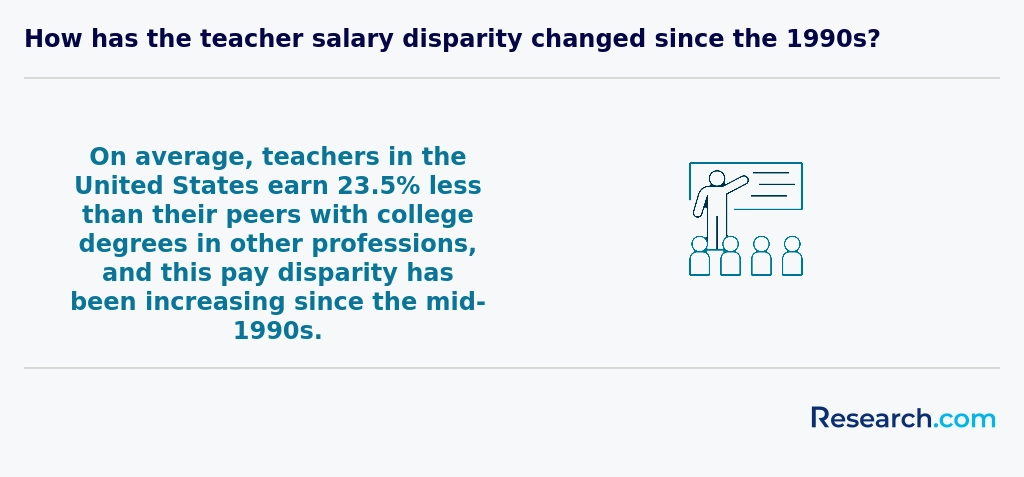
Online educational leadership degrees in America typically include core courses that equip students with practical skills needed for school administration. Graduates from universities like Arizona State University often highlight courses such as Educational Leadership Theory and Practice, which help them understand different leadership styles and apply these in real K-12 or college settings.
Courses on School Law and Ethics prepare students to navigate complex legal responsibilities and make ethical decisions daily, a skill praised by graduates working as school principals. Another key course, Curriculum Development and Instructional Leadership, teaches how to design and lead instructional programs that boost student success, often shared as eye-opening during internships.
Additionally, Data Analysis and Decision Making empowers students to interpret educational data to enhance school performance. Finance courses develop budgeting skills essential to managing district resources. Schools like the University of Southern California back this approach by integrating real-world capstone projects, making graduates feel ready to lead change effectively.
Online educational leadership degree specializations USA often include areas such as School Administration, Higher Education Leadership, and Instructional Leadership. Graduates from popular American colleges describe gaining valuable skills in managing K-12 school operations, improving curricula, and supporting inclusive education policies. For instance, School Administration prepares students to handle budgeting and staff oversight effectively, making everyday leadership both manageable and rewarding.
Other focused tracks like Special Education Leadership and Educational Policy and Leadership appeal to those eager to advocate for students with disabilities or influence education reform at higher levels. These specializations fit well within specialized educational leadership programs online America, allowing students to tailor their studies to specific career goals. Many find that hands-on practicum experiences, arranged locally through their universities, enhance their confidence and leadership abilities.
Students seeking to advance in community colleges or workforce education often choose Adult and Continuing Education, emphasizing program design for adult learners. Those exploring advanced roles can discover more about online doctoral programs for educational leadership through trusted resources like online doctoral programs for educational leadership.
Accreditation is the cornerstone when selecting an online educational leadership degree in America. Graduates from well-known institutions like the University of Florida or Northeastern University often highlight how accredited programs boosted their credibility in securing leadership roles. Check that your program is recognized by respected agencies such as the Council for the Accreditation of Educator Preparation (CAEP) or regional bodies to ensure quality and career impact. Cost is another key factor; many affordable online educational leadership degrees USA offer competitive tuition, especially at public universities for in-state students. Graduates have shared positive experiences balancing work and studies because of flexible schedules, which is crucial for busy professionals.
Look for programs that align with your career goals by reviewing curriculum that prepares you for state licensure or leadership certificates. Hands-on practicum options important for real-world skills make schools like Michigan State or Vanderbilt attractive. Graduates often recommend checking reputational data alongside costs to find a program that fits your needs.
For more detailed options and rankings, explore masters higher education administration online to compare programs tailored for aspiring educational leaders in America.
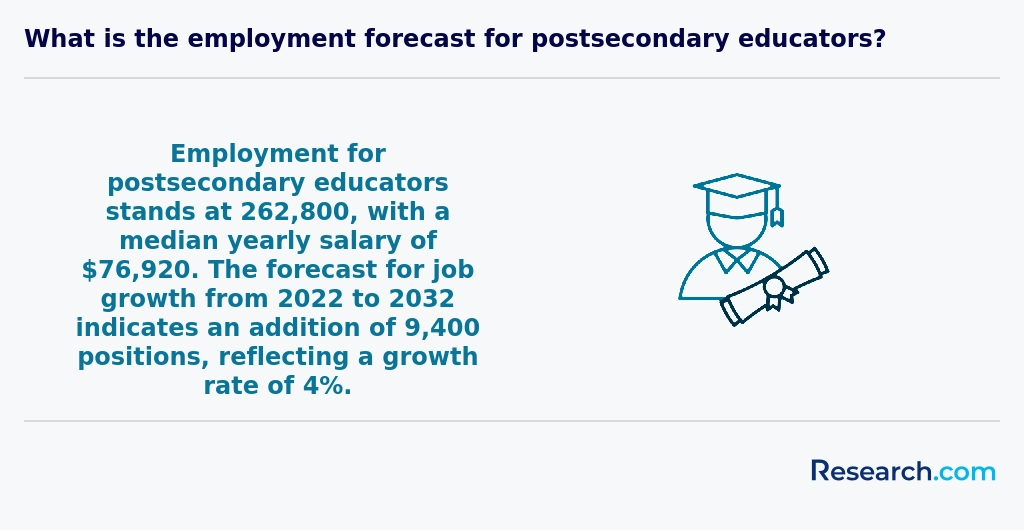
Graduates with an online educational leadership degree in America often find rewarding careers as school principals or assistant principals, managing daily school operations and fostering positive learning environments. Many graduates from popular institutions report stepping confidently into roles like these, where leadership skills directly impact student success. Others pursue district-level positions such as superintendents or curriculum coordinators, overseeing multiple schools and shaping education policy within communities. These careers offer both professional growth and financial stability, with salaries reflecting their increasing responsibilities.
Some educational leadership graduates advance into higher education, taking on administrative roles like student affairs directors or enrollment managers at well-known colleges. Their work supports student development and institutional goals, offering fulfilling professional experiences. For those seeking variety, job opportunities for educational leadership graduates in America also include education consulting, nonprofit leadership, and roles within educational technology firms, where they influence systemic improvements across diverse settings.
For practical guidance on pursuing these opportunities, students often turn to programs ranked by online educational leadership masters program lists, helping them select paths aligned with career goals and personal aspirations.
The job market for online educational leadership degree holders in America is promising, with steady demand across K-12 and higher education sectors. Graduates often secure roles such as school principals or district administrators, especially in underserved and rural areas where qualified leaders are urgently needed. Many have found that gaining certification through online programs offered by well-regarded universities in the U.S. makes them competitive candidates.
Students pursuing online educational leadership jobs USA frequently balance work and study, appreciating the flexible schedules these programs provide. For example, graduates from popular institutions often share how accelerated tracks and financial aid options helped them advance quickly without compromising current career responsibilities. Schools like those in Chicago and Texas are known for strong programs that produce leaders ready to manage diverse school environments effectively.
To enhance job prospects, staying current with licensure requirements and accumulating practical experience is crucial. Those interested in affordability may explore cheapest ed d online programs, which offer accessible routes to leadership roles. This pragmatic approach helps graduates navigate the competitive landscape with confidence.
2027 Most Affordable Online Educational Leadership Degree Programs Ranking in the USA
Investing in your education is a significant decision that can shape your future, and the Research.com team understands the importance of making informed choices. To assist prospective students, we have meticulously crafted the "2027 Most Affordable Online Educational Leadership Degree Programs Ranking in the USA." Our commitment to quality, credibility, and accuracy is reflected in the extensive research and analysis conducted to compile this ranking.
We utilized the following reputable data sources to ensure a comprehensive evaluation of educational leadership programs:
By exploring this ranking, readers will gain valuable insights into affordable online programs that align with their career goals and financial considerations, helping them make well-informed educational decisions. For more details on our methodology, please visit our Research.com methodology page.


# 12 position
Louisiana State University and Agricultural & Mechanical College
Master of Educational Leadership


Frequently Asked Questions About educational leadership
Online educational leadership degree students in America can maximize their learning by actively engaging with course materials and participating in virtual discussions. Research from the American Educational Research Association shows that interaction with peers and instructors significantly improves understanding and retention. Time management is crucial-setting a consistent study schedule helps balance coursework with professional responsibilities.
Utilizing campus resources such as online libraries and academic advising also enhances learning outcomes. According to the National Center for Education Statistics, approximately 30% of graduate students in education report better academic success when they use these supports. Finally, practical experience through internships or school partnerships enriches leadership skills and connects theory to real-world practice.
Emerging niches within the educational leadership field in the United States increasingly focus on specialized areas like digital learning management, equity and inclusion leadership, and mental health advocacy. According to the National Center for Education Statistics (NCES), demand for leaders skilled in technology integration has risen sharply, reflecting the growing reliance on online and hybrid learning models.
Leadership roles dedicated to diversity, equity, and inclusion (DEI) are also expanding, driven by nationwide efforts to address systemic inequalities in schools. The American Association of School Administrators highlights this as a key trend for future educational leaders.
Furthermore, specialists in student wellness and mental health leadership are becoming essential, with school districts seeking experts to implement supportive policies for student well-being.
Graduates with online educational leadership degrees in America should strategically prepare for the job market by combining their academic credentials with practical experience. According to the U.S. Bureau of Labor Statistics, employment for education administrators is projected to grow 6% from 2021 to 2031, making leadership roles competitive but promising.
Networking is critical; joining professional organizations such as the American Association of School Administrators can open doors. Additionally, securing internships or practicum experiences during the degree program strengthens resumes by demonstrating hands-on leadership skills.
Licensure requirements vary by state, so graduates must ensure they meet local certifications, such as principal or superintendent licensure. Developing strong communication and data analysis skills is increasingly important due to growing demands for school accountability and performance improvement.
Employers in America highly value graduates of online educational leadership programs who demonstrate strong communication and interpersonal skills. These abilities are essential for effectively managing staff and engaging with diverse school communities. According to the National Center for Education Statistics, leadership skills directly impact student achievement, making strategic planning and decision-making critical assets.
Analytical thinking and problem-solving are also top skills sought by employers. Educational leaders must interpret data to improve school performance and comply with federal and state regulations. Additionally, proficiency in technology integration is increasingly important as schools adopt digital tools.
Finally, ethical leadership and adaptability are fundamental in navigating educational challenges and policy changes nationwide.
Finding internships relevant to an educational leadership degree in America requires a strategic approach. Start by exploring connections through your university's career services, as many online programs partner with local school districts and educational organizations to offer internships.
Additionally, professional associations such as the American Association of School Administrators (AASA) provide internship listings and networking opportunities. According to the National Center for Education Statistics, nearly 30% of educational leadership students secure internships through these channels.
Contacting school districts directly, especially those near your residence, can yield internship openings. Utilize platforms like Handshake and LinkedIn to search for education-related internships as well. Maintain an updated resume emphasizing leadership skills and relevant coursework.
An online educational leadership degree in America significantly enhances career mobility and advancement opportunities for professionals in the education sector. According to the U.S. Bureau of Labor Statistics, education administrators with a master's degree, often in educational leadership, can expect about 8% job growth from 2022 to 2032, higher than average for all occupations. Such degrees prepare candidates for roles like principals, superintendents, and district leaders, which typically require advanced credentials.
Online programs offer flexibility, allowing working educators to gain credentials without interrupting their careers. This flexibility is crucial, as many advancement opportunities correlate strongly with holding a relevant graduate degree.
Additionally, schools often prefer candidates with leadership degrees when promoting, citing improved skills in management, policy, and curriculum development as key factors reported by the National Center for Education Statistics.
Studying for an educational leadership degree in America equips students with skills to navigate diverse, interdisciplinary roles within schools and educational organizations. These programs blend coursework in administration, policy, curriculum development, and community engagement. This synthesis prepares leaders who collaborate with teachers, counselors, and external agencies effectively.
According to the U.S. Department of Education, over 70% of educational leadership programs emphasize cross-disciplinary skills to address complex challenges in education. Students gain knowledge in finance, law, and data analysis, which supports collaborations across departments and sectors.
Online formats, prevalent in 72% of U.S. universities offering these degrees, provide flexibility and access to diverse perspectives. Graduates are therefore well-prepared to lead interdisciplinary teams and implement comprehensive strategies in K-12 and higher education settings.
Choosing between a thesis and a non-thesis educational leadership degree program in America depends on your career goals and learning preferences. Thesis programs generally require original research and a comprehensive written document, which can prepare you for academic or research-oriented careers. According to the National Center for Education Statistics, about 35% of educational leadership master's students opt for thesis tracks.
Non-thesis programs often focus on practical skills and coursework, appealing to working professionals aiming for leadership roles in schools or districts. These programs typically offer more flexibility and may complete faster.
Consider your interest in research, time commitment, and professional aspirations before deciding.
American students seeking online educational leadership degrees with an international perspective have several options to study abroad through partnerships between U.S. institutions and foreign universities. Many accredited U.S. programs encourage virtual exchanges and joint coursework with schools in Canada, the United Kingdom, and Australia, enhancing global leadership skills.
While fully remote degrees from foreign universities are less common for educational leadership, students can engage in study-abroad residencies or international research projects. According to the National Center for Education Statistics, approximately 7% of U.S. graduate students participate in study-abroad programs, often tied to leadership development.
Careful attention should be paid to accreditation, as degrees must comply with U.S. Department of Education standards for licensure and employment viability.
Part-time jobs that complement online educational leadership degrees in America often focus on roles within schools or educational organizations. Common opportunities include teacher assistants, substitute teachers, and administrative support in K-12 settings. These positions provide practical experience in school management and student engagement.
Additionally, roles like education consultants or tutors allow students to apply leadership theories in real contexts. According to the U.S. Bureau of Labor Statistics, education support occupations are projected to grow by 5% from 2022 to 2032, indicating steady opportunities.
Working part time in these roles can enhance understanding of educational policies and leadership challenges, benefiting future principals and administrators.
Online educational leadership students in America benefit from a variety of networking opportunities designed to enhance their professional growth. Many programs offer virtual events, such as webinars and discussion forums, where students connect with peers and faculty nationwide. According to the American Association of School Administrators, these platforms help bridge geographical gaps by enabling students from diverse districts to share experiences. Additionally, students often have access to alumni networks and professional organizations like the Principal Leadership Institute or ASCD, which host conferences and local chapter meetings. These opportunities allow for mentorship, collaboration, and exposure to current educational leadership trends across the US.
Alumni networks offer significant advantages for students pursuing online educational leadership degrees in America. These networks provide access to mentorship from experienced professionals who have successfully navigated similar career paths. According to the National Center for Education Statistics, graduates connected to alumni networks report higher job placement rates within six months of graduation.
Through networking events, online forums, and regional meetups, students can build professional relationships that enhance career opportunities. Alumni often share job openings and insider information about leadership roles in schools and districts nationwide.
Additionally, membership in an alumni network can offer ongoing professional development resources, including workshops and webinars relevant to educational leadership trends and policies.
Customizing an online educational leadership degree program in America starts with selecting electives and concentrations that align with your career goals. Many universities offer specialization options such as curriculum development, higher education administration, or K-12 leadership. According to the National Center for Education Statistics, about 65% of programs allow students to tailor courses to their interests.
In addition, practical experiences, such as internships or capstone projects, can often be chosen based on your desired career path. Look for accredited programs recognized by the Council for the Accreditation of Educator Preparation (CAEP), ensuring quality education aligned with industry standards.
Finally, some institutions provide flexible pacing or dual-degree options, supporting working professionals in balancing education with career advancement.
Online educational leadership students in America face several common challenges. One major issue is balancing work, family, and academic responsibilities, as many students are full-time educators or administrators. According to the National Center for Education Statistics, over 60% of such students juggle employment alongside their studies.
Technical difficulties and lack of in-person interaction can also affect learning outcomes. Many students report feeling isolated, which can hinder networking opportunities important for leadership roles.
Moreover, navigating accreditation and program quality is crucial; the Council for the Accreditation of Educator Preparation highlights varying standards among online programs, complicating students' choices.
Graduates with an online educational leadership degree in the United States can pursue several professional certifications that enhance their qualifications. One prominent certification is the Certified Educational Leader (CEL), which validates leadership competence in K-12 settings. Additionally, many states offer administrative credentials required for roles such as principals or superintendents, often tied to passing specific state exams.
Another common certification is the National Board for Professional Teaching Standards (NBPTS) Administrative Certification, which helps experienced educators demonstrate advanced leadership skills. According to the National Center for Education Statistics (NCES), over 60% of educational leaders hold some form of formal certification, highlighting its importance for career advancement.
When applying for an online educational leadership program in America, a strong application highlights your experience and commitment to improving education. Start with a clear personal statement that connects your background with leadership goals. According to the Council for the Accreditation of Educator Preparation (CAEP), programs often seek candidates with demonstrated leadership potential and a clear vision for change.
Include specific examples from your teaching or administrative career that showcase problem-solving and communication skills. Transcripts should reflect solid academic performance, particularly in education-related subjects. Letters of recommendation from supervisors or colleagues who know your leadership style are crucial.
Lastly, ensure your resume is concise and focused on relevant accomplishments. Following these steps increases your chance of acceptance into competitive online programs.
Educational leadership careers are gaining global importance as schools worldwide seek effective administrators to improve learning outcomes. In the United States, educational leadership roles are expanding, with the Bureau of Labor Statistics projecting an 8% growth in employment for education administrators from 2021 to 2031. This trend reflects a broader international emphasis on strong leadership to address challenges such as equity, technology integration, and policy reform.
Globally, educational leaders are expected to foster inclusive environments and manage resources strategically. U.S.-based programs often emphasize these skills, preparing graduates to lead diverse school communities. Many American online degrees align curriculum with standards set by organizations like the Council for the Accreditation of Educator Preparation (CAEP), ensuring graduates remain competitive internationally.
Moreover, U.S. educational leadership graduates can impact both local and global education sectors through research, policy development, and administration, reflecting a career with broad relevance beyond national borders.
Gaining practical experience while pursuing an online educational leadership degree in America is crucial for career development. Many programs integrate internships or practicum components, allowing students to work directly in schools or educational organizations. These hands-on experiences help apply leadership theories in real-world settings.
Additionally, students can seek volunteer opportunities in local school districts or educational nonprofits. According to the American Association of School Administrators, such experiences enhance skills like team management and policy implementation.
Some universities also facilitate mentorship programs linking students with experienced school leaders, providing valuable guidance and professional networking.
Choosing the right concentration within an online educational leadership degree in America depends largely on your career goals and interests. Common concentrations include K-12 leadership, higher education administration, and special education leadership. Each focuses on different aspects of educational management and policy.
Consider labor market data from the U.S. Bureau of Labor Statistics, which projects a 10% growth from 2021 to 2031 in education administration jobs, especially in K-12 and postsecondary institutions.
Accreditation and curriculum relevance matter; look for programs aligned with the Council for the Accreditation of Educator Preparation (CAEP) standards. This ensures you gain practical leadership skills and understand legal and ethical issues in education.
Finally, review the specialization's impact on salary outcomes. According to the National Center for Education Statistics, administrators in higher education often earn more than those in K-12 roles, but job availability varies by region.
- Online Master's in Educational Leadership | M.Ed. Degree https://ace.edu/degree-programs/masters-degrees/masters-education/master-of-education-in-educational-leadership/
- Educational Leadership Network Europe - Home https://elnenetwork.org/
- A Comprehensive Guide - Educational Leadership Degree https://www.educationalleadershipdegree.com/blog/comprehensive-guide-to-pursuing-an-education-leadership-degree/
- School Leaders Network https://www.bestpracticenet.co.uk/school-leaders-network
- Alumni Leadership https://teachforall.org/our-impact/alumni-leadership
- Online Master's Programs in Educational Leadership https://www.onlinemastersdegrees.org/best-programs/education/educational-leadership/
- Creating leadership practices elevating student experience https://k-12leadership.org/blog/creating-leadership-practices-around-embracing-student-experiences/
- Resources for Alumni: College Persistence Support https://www.studentleadershipnetwork.org/for-alumni/
- Leadership Alumni Networks Making a Difference https://networkweaver.com/leadership-alumni-networks-making-a-difference/
- Alumni Network https://center-for-leadership.org/academy/alumni-network/