
2027 Most Valuable Online Education Degree Programs Ranking in Connecticut

Co-Founder and Chief Data Scientist
Choosing the right online education degree program can shape your future, especially in Connecticut's evolving job market. This article presents the 2027 Most Valuable Online Education Degree Programs Ranking in Connecticut, created by the Research.com team of data scientists. It provides clear, data-driven insights to help you make an informed decision.
By exploring this ranking, you can discover programs that offer strong career prospects and personal growth. Pursuing an education degree opens doors to meaningful work and lasting impact. Welcome to a guide designed to support your goals and inspire confidence in your next steps.
Key benefits of getting online education degree in Connecticut
- Graduates with an education degree in Connecticut can expect rewarding salaries, such as $70,740 annually for Elementary School Teachers and $77,200 for Instructional Designers, reflecting strong earning potential.
- Career paths include roles like Special Education Teacher, Early Childhood Educator, or ESL Teacher, offering diverse options that match different passions and talents within the education field.
- Completing an education degree online offers flexible learning schedules and the ability to balance work and study, as experienced by many graduates from Connecticut's top universities embracing digital education.
- 2027 Most Valuable Online Education Degree Programs Ranking in Connecticut
- What can I expect from online education degree in Connecticut?
- Where can I work with online education degree in Connecticut?
What can I expect from online education degree in Connecticut?
Curious about tuition costs for online education degrees in Connecticut? Many students find that in-state tuition rates apply even when studying remotely, making programs at institutions like the University of Connecticut or Southern Connecticut State University much more affordable than expected. Graduates often share how this pricing flexibility helped them pursue their teaching dreams without the burden of overwhelming debt.
Most programs hover around a range that feels accessible, especially when compared to out-of-state options. Plus, scholarships and grants geared specifically toward education majors can further lighten the financial load. Imagine the relief of knowing your investment not only opens doors to meaningful careers in education but also respects your wallet.
One enthusiastic graduate recalled balancing work, family, and study while benefiting from the affordable tuition structure and financial aid opportunities available at Central Connecticut State University. This blend of support and budget-conscious pricing creates a welcoming environment for those ready to embark on their education journey in Connecticut.
Where can I work with online education degree in Connecticut?
With an online education degree from top Connecticut schools like the University of Connecticut or Southern Connecticut State University, graduates find themselves stepping into classrooms eager to inspire future generations. They often start in public or private K-12 schools, where the demand for certified teachers is strong-over 44,000 educators work across 169 districts statewide. Imagine the pride of joining these ranks and making a real difference in communities you know well.
Others venture into school administration, taking on roles as curriculum coordinators or assistant principals. Graduates describe the excitement of shaping innovative learning programs and supporting teachers, knowing their leadership helps schools thrive.
Special education opens another rewarding path. With Connecticut dedicating resources to around 13% of students needing these services, many online degree holders find fulfilling careers tailoring education to diverse needs.
In lively college campuses or emerging ed-tech firms statewide, graduates adapt learning strategies or design courses, bridging tradition and digital innovation-proving their education truly opens unexpected doors.
Graduates from online education programs in Connecticut often discover exciting salary prospects that spark their enthusiasm for teaching careers. For example, those stepping into elementary classrooms earn about $70,740 annually, a rewarding start that reflects the value Connecticut places on quality education. Imagine joining a vibrant school community after graduating from a respected state university, feeling confident about a stable income while making a real difference.
Special education teachers, another key group of graduates, enjoy even higher earnings, around $76,000 per year. This pay can inspire passionate educators who want to support diverse learners, knowing their skills are both needed and well compensated in Connecticut's inclusive school districts.
Meanwhile, graduates who pursue roles like instructional designers might find themselves earning approximately $77,200 annually, crafting innovative learning experiences that shape the future of education. Even those focusing on English as a Second Language (ESL) teaching can expect close to $65,430, bringing invaluable support to language learners across the state.
These figures illustrate how an online degree from institutions popular in Connecticut, such as UConn or Southern Connecticut State University, opens doors to fulfilling and financially stable education careers.
- Online education degrees in Connecticut range from $15,000 to $35,000, with public universities offering lower tuition for in-state residents.
- Graduates typically start with an average salary of $48,000 per year, which can increase to about $70,000 mid-career.
- Programs must meet Connecticut State Department of Education standards, including supervised student teaching usually arranged locally.
- There is steady demand for teachers in elementary, secondary, and special education within the state.
- Students benefit from access to professional development and local school district connections for internships and job placement.
Associate degrees usually wrap up in around two years, offering a quicker path to entering the education field. For those diving into master's programs focused on educational leadership or curriculum development, the adventure stretches from one to two years full-time, though online learners often pace themselves across a stretch of up to five years, matching their busy lives.
Imagine a graduate juggling a teaching job and coursework, appreciating the chance to start courses whenever they're ready or adjust semesters to fit a hectic schedule. These options turn education into a living, breathing experience-tailored uniquely to each student's rhythm, goals, and passion for growth within Connecticut's supportive online education community.
Achieving success in an online education program in Connecticut requires a blend of discipline, time management, and proactive engagement with available resources. By establishing a dedicated study space, setting a consistent schedule, and leveraging digital tools, students can optimize their learning experience while balancing work and family commitments. It is also essential to actively participate in discussion boards, virtual study groups, and feedback sessions to cultivate a sense of community and gain practical insights from peers and instructors. Additionally, keeping track of deadlines and breaking down complex assignments into manageable tasks can help reduce stress and ensure steady progress. For further guidance on balancing online studies with professional advancement, students may benefit from exploring options such as Most Affordable Online EDD Programs, which offer flexible formats and additional support resources. Overall, by combining effective study habits with available technological and academic support, students can confidently navigate the challenges of online education and achieve their career goals.
Imagine a graduate from the University of Connecticut juggling work and family while completing their education degree entirely online. They treasure the freedom to study wherever inspiration strikes-whether a cozy corner at home or a quiet café. On the other hand, a student at Southern Connecticut State University experiences the buzz of campus life, lively discussions with professors right after class, and spontaneous study groups in the library. These contrasting scenes highlight the core difference: on-campus programs invite you into a physical community, while online degrees offer unmatched flexibility.
In Connecticut, online education degrees often come with lower costs and fewer campus fees, easing financial pressures. Meanwhile, hybrid models at places like Central Connecticut State University blend in-person and virtual learning, satisfying those craving both structure and adaptability.
Whether it's striking up conversations face-to-face or participating in vibrant online forums, both paths equip students with accredited degrees recognized by employers across the state, opening doors with a sense of accomplishment and excitement.
As tuition costs continue to rise, weighing program value against affordability is essential for prospective students in Connecticut. While our ranking highlights the most valuable online education degrees in the state, it can also be helpful to explore broader regional options that may better fit tight budgets without sacrificing quality. By comparing tuition rates, credit requirements, and student outcomes, you can identify programs that offer both cost-efficiency and strong career prospects. For a comprehensive look at wallet-friendly master’s programs across New England, check out our Inexpensive Online Master's in Education Degree Programs Ranking in the Northeast. This resource breaks down average tuition per credit hour, estimated total program cost, and available financial aid packages, making it easier to benchmark Connecticut institutions against their regional peers. When evaluating these alternatives, consider factors like program length, asynchronous versus synchronous delivery, and access to support services such as academic advising and career counseling. By combining insights from both Connecticut-focused value rankings and regional affordability analyses, you’ll be empowered to choose an online education degree that aligns with your financial goals and professional ambitions.
Exploring the average cost of an online education degree in Connecticut reveals an intriguing journey of investment and opportunity. Many graduates from universities across the state find that the median total cost settles around $24,750 for in-state students, encompassing tuition and related fees. This figure reflects a balance-accessible enough to encourage ambition, yet substantial enough to reflect the value of advanced teaching skills honed through remote learning. For those attending private colleges or out-of-state institutions, the costs can rise, inviting a closer look at financial planning.
Consider a graduate from a popular Connecticut public university, who experienced firsthand how their tuition, roughly $550 to $600 per credit hour, translated into a comprehensive, flexible education program. Their journey was not only about acquiring knowledge but also embracing the excitement of learning at one's own pace. Such experiences illuminate the real impact of education beyond numbers-where the investment echoes in rewarding career pathways.
When delving into online education degree tuition and fees Connecticut students often weigh the cost against the enriching curriculum and potential scholarship opportunities. Many find it rewarding to navigate these figures alongside modest technology fees or resource access charges that seldom overshadow tuition costs. Students aspiring to thrive in educational careers can find tailored advice and insights at https://research.com/careers/education-careers, providing a compass for the adventure ahead.

When evaluating online education degree programs, accreditation serves as a critical marker of rigor, credibility, and post-graduate success. In Connecticut, the majority of top-ranked online education programs hold regional accreditation from the New England Commission of Higher Education (NECHE), ensuring they meet stringent standards for faculty qualifications, curriculum design, and student outcomes. Additionally, CAEP (Council for the Accreditation of Educator Preparation) accreditation further validates that a program’s clinical experiences, assessment methods, and continuous improvement processes align with national benchmarks for teacher preparation. Accredited programs not only qualify for federal financial aid but also facilitate seamless state licensure and reciprocal certification across the U.S. For instance, graduates of NECHE-accredited online master’s programs can often transfer credits or pursue advanced certifications without delay. Beyond institutional accreditation, prospective students should review program-specific endorsements, such as specialized endorsements in ESL or special education, which guarantee that coursework integrates the latest pedagogical research and inclusive teaching practices. Transparency around accreditation status and quality assurance practices also reflects an institution’s commitment to continuous improvement. Look for programs that publish annual performance reports on graduation rates, employment outcomes, and student satisfaction metrics. Interactive dashboards or published scorecards offer real-time insights into how well a program prepares educators for the classroom, and whether alumni achieve licensure within expected timelines. For Connecticut students balancing cost and quality, exploring regional affordability comparisons can be valuable. For additional insights on budget-friendly graduate options in nearby states, see our Inexpensive Online Master's in Education Degree Programs Ranking in the Northeast. By prioritizing accredited programs with robust quality assurance frameworks, you’ll secure an online education degree that’s respected by employers, recognized by licensure boards, and optimized for both academic excellence and career longevity.
Diving into an online education degree in Connecticut unlocks a treasure trove of financial aid opportunities that many graduates happily recount as game-changers. Picture attending the University of Connecticut or Southern Connecticut State University, where federal aid through FAFSA opens doors to Pell Grants and low-interest loans-tools that truly lift the weight of tuition costs.
State-specific programs add layers of support. Take the Roberta B. Willis Scholarship, for example, offering up to $8,000 annually to those stepping into high-need teaching fields-a lifeline for passionate students aiming to make a difference in Connecticut's classrooms.
Graduates often share how the Connecticut Aid for Public College Students eased their journey, especially when enrolled in qualifying online degrees, proving that residency here is a financial bonus. Institutional scholarships from these schools frequently reward merit and need, sparking hope and fueling dreams.
And for those teachers ready to give back, loan forgiveness programs like the federal Teacher Loan Forgiveness offer relief after five years at a high-need school, transforming dedication into financial freedom. Many working professionals also celebrate employer tuition help, fueling career growth without the crushing debt.
When exploring online education degree programs in Connecticut, it's essential to consider the affordability of these programs. Prospective students should research and compare the costs of different programs, taking into account factors such as tuition, fees, and living expenses. For those seeking affordable options, exploring affordable education programs in Connecticut can be a crucial step in making an informed decision. By understanding the financial implications of their choices, students can better navigate the process of selecting a program that meets their academic and career goals without accumulating excessive debt. This thoughtful approach enables aspiring educators to focus on their studies and future careers, rather than being weighed down by financial concerns.
Imagine starting your journey toward an online education degree in Connecticut, where the path is clearly marked by a few key stepping stones. Most programs, including those at well-known institutions like the University of Connecticut or Central Connecticut State University, expect you to have a high school diploma or GED-this foundational credential opens the door to college-level challenges.
Graduates often recall submitting standardized test scores like the SAT or ACT, though many schools are embracing test-optional policies to welcome diverse talents. A solid GPA around 2.5 or higher is commonly required, reflecting readiness for engaging coursework that sparks curiosity and growth.
For master's level studies, carrying a bachelor's degree is essential. Programs may also value teaching licenses or real-world experience, adding depth to your application, much like graduates who shared their enriching practicum stories from local Connecticut schools.
Letters of recommendation, personal essays, and demonstrated tech savvy are also part of this adventure-ensuring you're prepared to thrive in dynamic digital classrooms hosted by Connecticut's vibrant education community.
Understanding the return on investment (ROI) for an online education degree in Connecticut is essential for prospective students weighing costs against long-term career benefits. On average, the total cost of an online master’s program in Connecticut hovers around $59,840, while graduates can expect median annual salaries ranging from $63,130 for ESL teachers to $73,080 for instructional designers. By dividing the program cost by the first-year salary increase over a comparable non-degree role, many students recoup their investment in just 1.5 to 3 years. Several factors influence ROI: • Tuition and Fees vs. Salary Uplift: While tuition may seem steep, online programs often save on room, board, and commuting expenses. Graduates report that enhanced earning potential-especially in high-demand specializations like instructional design-offsets costs quickly. • Financial Aid Optimization: Leveraging scholarships, state grants, and federal aid can reduce out-of-pocket expenses. Prospective students should compare net costs after aid to project payback periods accurately. • Program Duration and Accelerated Tracks: Completing a master’s in 12–18 months reduces living and opportunity costs, accelerating the time to increased earnings. • Alternative Affordable Options: For those prioritizing affordability without sacrificing quality, exploring regional programs can be advantageous. For example, the Inexpensive Online Master's in Education Degree Programs Ranking in the Northeast highlights cost-effective pathways that can further enhance ROI by lowering tuition expenses. By carefully analyzing these variables-tuition costs, scholarship opportunities, program length, and projected salary gains-students can make data-driven decisions that maximize the financial and professional rewards of their online education degrees in Connecticut.
Online education degrees in Connecticut unfold like an exciting journey through diverse, meaningful courses that truly prepare you for the classroom adventure ahead. Imagine diving into Educational Psychology, where graduates from popular Connecticut colleges reflect on how understanding student growth changed their approach to teaching differently aged learners.
In courses like Curriculum Development and Instruction, you explore creative ways to design lesson plans that resonate with all types of students, a favorite among those studying at well-known state universities.
Classes on Classroom Management bring vivid scenarios to life, showing how future teachers learn to create warm, focused learning environments that encourage student success. Graduates often share how this knowledge boosted their confidence on day one.
Assessment and Evaluation courses feel like unlocking the secret codes of student progress, helping you craft fair, insightful tools for measuring learning. Plus, Educational Technology immerses you in modern digital tools-graduates rave about how this tech expertise made their online and in-person teaching shine across Connecticut's schools.
Diving into an online education degree in Connecticut opens the door to a variety of exciting specializations designed to match your unique passions and career aspirations. Graduates from popular universities like the University of Connecticut or Southern Connecticut State University often share how choosing paths such as Elementary Education or Secondary Education lets them connect deeply with young learners, whether in vibrant classrooms or virtual settings. Imagine shaping young minds through Early Childhood Education or championing inclusivity by specializing in Special Education-both areas in high demand across the state.
Exploring Connecticut online teaching degree options also means you can embark on leadership journeys. Educational Leadership tracks prepare you to manage schools and influence policy, turning ambitions into real-world impact. Others find joy in Reading and Literacy programs, fueling a love for words that sparks lifelong learning. Students appreciate the flexibility of online programs that let them balance work and study while pursuing careers in education with high demand, all while meeting state certification requirements.
Choosing the best online education degree programs Connecticut means diving into key details that can shape your experience and future. Graduates from popular local institutions often highlight how accreditation by bodies like NECHE reassured them about the quality and recognition of their degree. It's thrilling to find programs that align perfectly with your passion-whether it's special education or curriculum design-because that focus fuels your motivation and opens doors in Connecticut's teaching landscape.
Picture a working professional juggling life and studies; flexible scheduling and robust technical support become lifesavers. Many who've chosen affordable online teaching degrees in Connecticut appreciate how these options reduce financial strain while providing rich resources. Thinking beyond tuition, graduates emphasize support services that feel personal even through a screen, transforming online classes into connected communities. Career counseling and advising became game-changers for some, helping steer them towards state certification requirements smoothly.
For those aiming higher, exploring web-based doctoral programs in leadership offers inspiring growth paths. Real data on graduation success and job placement from colleges around Connecticut helped these learners feel confident they weren't just choosing a degree but embarking on a rewarding adventure.
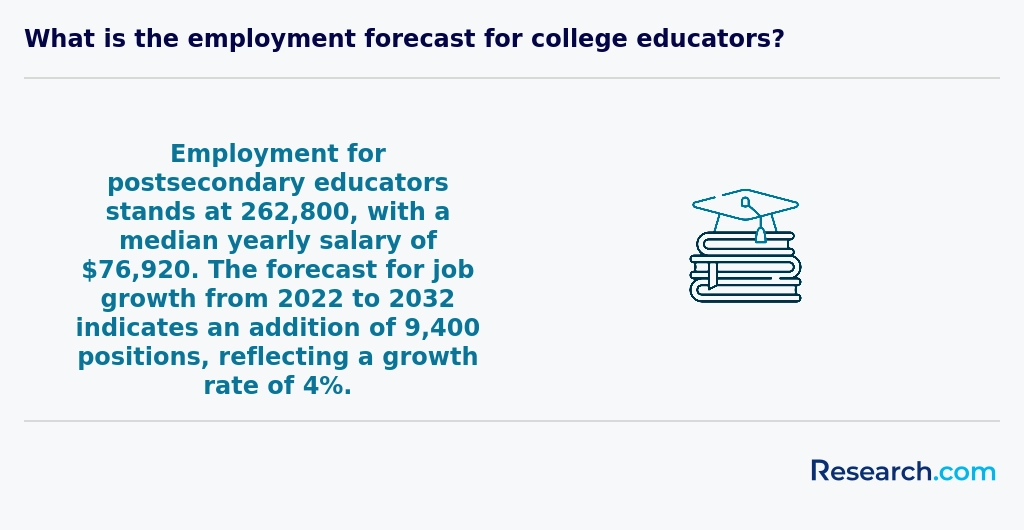
Graduates with an online education degree in Connecticut discover a world of diverse career paths that ignite both passion and purpose. Many choose to become licensed public school teachers, stepping into classrooms across the state with confidence, having completed rigorous coursework and student teaching components offered by popular institutions like the University of Connecticut. This hands-on preparation opens doors to rewarding roles in K-12 education, richly connecting with students' lives every day-a truly inspiring experience for those exploring careers with education degree in Connecticut.
Others venture into educational leadership, advancing to positions such as school principals or curriculum coordinators, often bolstered by master's credentials from respected local colleges. Their journeys sometimes include engaging with online courses for educational leaders, transforming ambitions into impactful realities. Special education also beckons adventurous graduates, eager to support diverse learners through specialized training that equips them to manage Individualized Education Programs (IEPs) effectively. The excitement of shaping inclusive educational landscapes in Connecticut fuels these professionals' daily motivation.
Additional avenues include becoming instructional coordinators who innovate curricula or education consultants influencing best practices. For those curious about expanding their horizons, adult education and corporate training roles offer dynamic environments to explore. These varied options reflect how an online education degree job opportunities Connecticut truly embraces both innovation and heartfelt dedication.
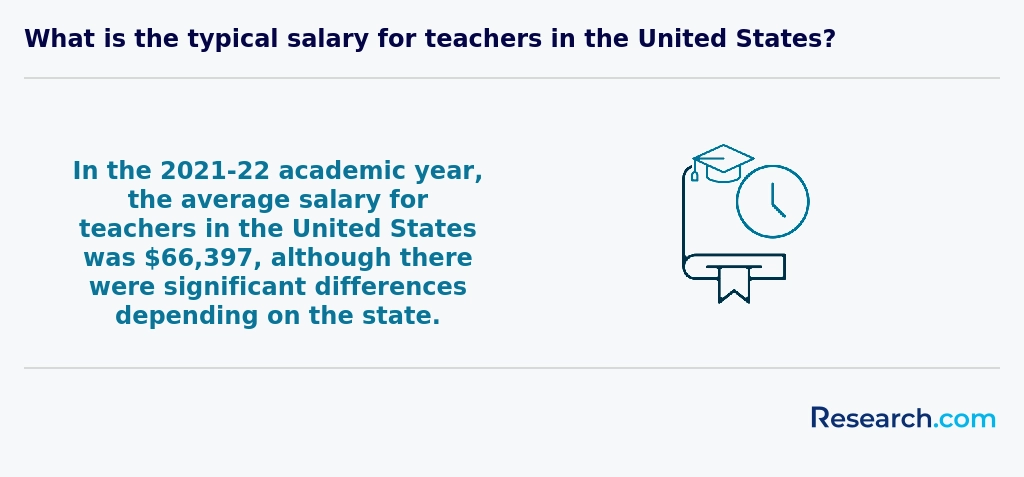
The job market for online education degree employment opportunities Connecticut is vibrant and full of promise. Graduates from popular schools like the University of Connecticut and Southern Connecticut State University find themselves stepping confidently into roles such as teachers, counselors, and educational administrators. Many share stories of juggling coursework with their busy lives, all while preparing to meet state certification requirements that boost their credentials for public school jobs across the state.
For those exploring job outlook for education graduates Connecticut, the atmosphere is especially bright in specialized fields such as special education and STEM instruction. Graduates equipped with these skills report experiencing a sense of excitement as they contribute to inclusive classrooms, reflecting the diverse needs of communities in Hartford and New Haven. Moreover, increased demand for curriculum developers and online program coordinators demonstrates the evolving nature of education careers here.
Cost-wise, students appreciate that accredited programs often range from $20,000 to $60,000 for bachelor's degrees, making it more accessible when paired with financial aid. Those interested in affordable education programs in Connecticut can discover options that balance cost and quality, allowing them to pursue their passion with fewer worries about finances.
2027 Most Valuable Online Education Degree Programs Ranking in Connecticut
Investing in your education is a significant decision that can shape your future, and the Research.com team understands the importance of making informed choices. To assist prospective students in Connecticut, we have meticulously crafted the "2027 Most Valuable Online Education Degree Programs Ranking in Connecticut." Our commitment to quality, credibility, and accuracy is reflected in the extensive research and analysis conducted to compile this ranking.
We utilized the following reputable data sources to ensure a comprehensive evaluation of education programs:
By exploring this ranking, readers will gain valuable insights into the most valuable online education degree programs available in Connecticut, helping them make informed decisions about their educational paths. For more details on our methodology, please visit our Research.com methodology page.
# 1 position
Holy Apostles College and Seminary
Bachelor of History in the Social Studies

# 2 position
Charter Oak State College
Bachelor of Early Childhood Education


Frequently Asked Questions About education
Online education degree students in Connecticut can maximize their learning experience by utilizing resources offered through accredited institutions in the state. Connecticut has several public and private universities that provide support services such as virtual tutoring, writing centers, and academic advising tailored for online learners. According to the Connecticut Office of Higher Education, students who engage regularly with these services report higher course completion rates.
Additionally, creating a dedicated study space and maintaining a consistent schedule helps students stay organized and focused. Active participation in discussion forums and group projects fosters peer interaction, which enhances understanding and retention.
Finally, Connecticut's emphasis on quality teacher preparation programs ensures that many online education degrees include practical components like virtual practicums, which prepare students for real-world scenarios.
Emerging niches within the education field reflect evolving demands for specialized skills and new learning environments. In Connecticut, online education degrees increasingly focus on areas like educational technology, special education, and bilingual education. According to the Connecticut Department of Education, demand for educators skilled in digital tools has grown alongside remote learning adoption.
Special education remains a critical niche, with Connecticut reporting a steady rise in students requiring personalized support. Bilingual education programs are also expanding due to the state's diverse population. Additionally, career and technical education (CTE) has gained importance, preparing students for evolving workforce needs in STEM fields.
These trends present promising opportunities for students seeking online degrees aligned with Connecticut's educational priorities.
After completing an online education degree in Connecticut, it is important to actively prepare for the job market. Start by gaining practical experience through student teaching or internships, which many Connecticut programs require. These opportunities build skills employers seek in educators.
Connecticut's Department of Education reports that teacher demand remains steady, especially in special education, STEM fields, and bilingual education. Tailor your resume to highlight relevant certifications and classroom experience.
Networking is essential; join state education associations like the Connecticut Education Association (CEA) to connect with professionals.
Consider obtaining Connecticut's Initial Educator Certificate, necessary for teaching in public schools. This credential improves employment prospects and salary potential.
Employers in Connecticut seek education degree graduates who demonstrate strong communication and classroom management skills. According to the Connecticut Department of Education, effective collaboration with colleagues, students, and families ranks highly in their expectations. Graduates must also show adaptability to diverse student needs and technological proficiency, especially as digital learning grows statewide.
Data from local school districts highlight critical thinking and problem-solving as essential for addressing varied learning challenges. Additionally, knowledge of state curriculum standards and assessment methods is valued to ensure academic success across Connecticut's public schools.
Overall, these competencies prepare graduates to meet Connecticut's evolving educational demands efficiently.
Finding internships relevant to an education degree in Connecticut involves leveraging both online platforms and local resources. Students should explore internship listings through the Connecticut Department of Labor's website, which offers up-to-date opportunities in educational settings across the state. Additionally, many Connecticut school districts provide internships or student teaching roles for education majors, particularly in cities like Hartford and New Haven.
Networking with local universities offering online education degrees, such as the University of Connecticut, can also uncover valuable internship placements. The state's focus on improving K-12 education underlines the availability of roles in diverse educational environments. According to the Connecticut State Department of Education, nearly 40% of education students report internships as key to gaining employment post-graduation.
Obtaining an online education degree in Connecticut can significantly enhance career mobility and advancement opportunities. The state's education sector values credentials from accredited institutions, including online programs, especially those aligned with Connecticut's educator certification requirements.
According to the Connecticut Department of Education, candidates with advanced degrees typically qualify for higher salary brackets and leadership roles in schools. For instance, teachers holding master's degrees often earn 10-15% more than those with only bachelor's degrees.
Online degrees provide flexible access to coursework, allowing working professionals to upskill without interrupting their careers. This flexibility supports career transitions within education, such as moving from teaching to administrative positions or specialized roles in curriculum design.
Moreover, Connecticut's incentive programs encourage continuing education among educators, further supporting advancement through online degrees recognized by the state.
Studying for an education degree in Connecticut equips students with a broad set of skills that support interdisciplinary roles. Connecticut's online education programs often integrate coursework in psychology, sociology, and technology, reflecting the state's emphasis on holistic teacher preparation, as noted by the Connecticut State Department of Education. This approach allows graduates to work effectively with diverse student populations and collaborate across different fields such as special education, counseling, and administration.
Additionally, many Connecticut universities align their curricula with state standards that promote skills like data analysis and instructional technology. These competencies prepare graduates for roles that require expertise beyond traditional teaching.
Such interdisciplinary preparation is vital in Connecticut's evolving educational landscape, where schools encourage innovation and teamwork across subject areas.
Choosing between a thesis and a non-thesis education degree program in Connecticut depends on your career goals and learning preferences. Thesis programs typically require conducting original research and writing a formal paper, which can prepare you for roles in research or doctoral studies. Non-thesis options focus more on practical skills and coursework, appealing to professionals aiming for administrative or teaching positions. According to the Connecticut Office of Higher Education, over 60% of education master's graduates pursue non-thesis paths due to their shorter duration and flexibility. Evaluate your interest in research, time availability, and professional requirements before deciding.
Students based in Connecticut seeking to study education abroad through online programs have increasing opportunities with U.S. universities offering international-focused curricula. Many accredited institutions provide fully online degrees that include global education perspectives, allowing Connecticut residents to engage with international teaching methods without leaving home.
While options for direct enrollment in foreign universities may be limited, partnerships between Connecticut schools and overseas institutions often enable exchange programs, virtual internships, and study abroad components integrated into online degrees. For example, the University of Connecticut supports faculty-led global online courses designed for both domestic and international engagement.
According to the Connecticut Department of Higher Education, approximately 15% of students in teacher preparation programs express interest in global education, influencing the growth of these offerings. Prospective candidates should review accreditation and state licensure requirements to ensure that international studies align with Connecticut certification standards.
Students pursuing online education degrees in Connecticut can find several part-time job opportunities that enhance their academic experience. Working as teacher assistants in local public schools provides hands-on classroom experience and familiarizes students with state curriculum standards. According to the Connecticut Department of Education, schools often seek assistants to support diverse learners, offering valuable exposure.
Additionally, tutoring positions-either independently or through organizations-allow students to develop instructional skills while earning income. The demand for tutors in Connecticut has grown due to increased focus on personalized learning, with many districts encouraging after-school programs.
Other roles like substitute teaching or educational program support at community centers also complement degree studies by offering flexible schedules and practical insights into educational settings.
Online education students in Connecticut have several networking opportunities despite the virtual learning environment. Many universities, such as the University of Connecticut and Southern Connecticut State University, offer virtual career fairs and online student organizations that connect learners statewide.
Additionally, Connecticut has a growing number of professional education associations that host webinars and networking events accessible to remote students. According to the Connecticut Department of Labor, education-related job markets value connections made through these platforms for internships and job placements.
Some programs also provide mentorship initiatives pairing students with experienced educators and alumni, facilitating professional relationships essential for career growth in education.
Alumni networks provide significant benefits to online education degree students in Connecticut by offering access to professional connections and career resources. Graduates from Connecticut institutions often leverage these networks for job referrals and mentorship opportunities, which can increase employment chances. According to the Connecticut Office of Higher Education, nearly 70% of college graduates in the state find employment through networking within two years of graduation.
These networks also facilitate continued learning and collaboration among students and alumni, enriching the educational experience beyond formal coursework.
Additionally, many online programs in Connecticut encourage active alumni participation, helping students build relationships that last throughout their careers.
Customizing an online education degree in Connecticut allows students to align their studies with specific career goals. Many universities offer flexible course selections, enabling learners to choose specialties such as educational technology, special education, or administration. According to the Connecticut State Department of Education, tailoring your degree toward these areas can improve job prospects significantly.
Connecticut also supports personalized learning pathways through credit transfer options and endorsements that target local workforce needs. Students can incorporate practical experiences via virtual internships or project-based coursework, enhancing skills relevant to regional schools. Additionally, some programs provide access to state-recognized certifications, further strengthening career readiness.
Online education students in Connecticut often face challenges related to technology access and digital literacy. According to the Connecticut Department of Education, about 10% of households in some rural areas still lack reliable high-speed internet, which makes attending live classes difficult. Additionally, students may struggle with time management, balancing coursework with work and family responsibilities. The remote nature of online degrees can lead to feelings of isolation, as Connecticut students sometimes report less interaction with peers and instructors compared to traditional learning environments. Furthermore, navigating financial aid and understanding accreditation status remain common concerns for many prospective online learners.
With an online education degree, individuals in Connecticut can pursue several professional certifications to enhance their careers. Key certifications include the Connecticut Initial Educator Certificate, which allows graduates to teach in public schools. This credential aligns with state requirements outlined by the Connecticut Department of Education.
Graduates may also seek specialized certificates such as the Reading Specialist Certification or ESL (English as a Second Language) endorsement. These certifications reflect growing demands in Connecticut's diverse classrooms.
Other options include National Board Certification, recognized nationwide, which can improve salaries and career advancement opportunities for teachers with advanced skills.
Professional development and continuing education credits are often required to maintain these certifications in Connecticut.
Writing a strong application for an online education program in Connecticut begins with thorough research. Focus on schools accredited by the New England Commission of Higher Education (NECHE), as regional accreditation is critical for transfer credits and employer recognition.
Highlight your academic achievements, especially any coursework or experience related to teaching. Connecticut values practical experience, so include volunteer work or employment in educational settings.
Personalize your statement of purpose to reflect your career goals and how the program aligns with Connecticut's education standards, citing sources like the Connecticut State Department of Education when relevant.
Lastly, submit all required documents on time, ensuring your application is complete and free of errors to improve your chances of acceptance.
The global view on education careers emphasizes their vital role in social and economic development. In the US, including Connecticut, teaching is seen as a respected profession with stable demand. According to the Connecticut Department of Labor, employment for educators is expected to grow by 6% through 2030. This aligns with global trends that value skilled teachers to improve education quality and student outcomes.
Many countries prioritize educators' professional development, reflecting the belief that high-quality teaching drives national progress. For students in Connecticut pursuing online education degrees, understanding these global perspectives can highlight career stability and international relevance.
Gaining practical experience during an online education degree in Connecticut is crucial for career readiness. Many programs incorporate virtual student teaching or internships, allowing students to work with Connecticut public schools remotely. According to the Connecticut State Department of Education, partnerships between online programs and local districts often provide supervised classroom experience to meet licensure requirements. Additionally, some universities encourage participation in online workshops, peer collaborations, and case studies to develop hands-on skills.
Students can also seek practicum placements or volunteer opportunities within the state's educational organizations to enhance real-world understanding. These experiences help bridge theory with practice effectively.
Choosing the right concentration within an online education degree program in Connecticut requires evaluating your career goals and local market needs. According to the Connecticut Department of Education, concentrations in special education, educational leadership, and curriculum design align well with state employment trends, as these areas show steady hiring growth.
Consider your interests and strengths alongside labor statistics from the U.S. Bureau of Labor Statistics, which reports Connecticut's demand for skilled teachers in STEM and bilingual education is rising. Investigate whether state certification requirements match your chosen concentration, since Connecticut mandates specific credentials for different education roles.
Research program accreditation and available support services to ensure your online learning experience meets professional standards in Connecticut's education system. Consulting these factors helps tailor your concentration to both personal aspirations and regional opportunities.
- 2027 Most Valuable Online Education Degree Programs Ranking in New York
- 2027 Most Valuable Online Education Degree Programs Ranking in Massachusetts
- 2027 Most Valuable Online Education Degree Programs Ranking in New Jersey
- 2027 Most Valuable Online Education Degree Programs Ranking in Pennsylvania
- 2027 Most Valuable Online Education Degree Programs Ranking in Maine
- 2027 Most Valuable Online Education Degree Programs Ranking in Ohio
- 2027 Most Valuable Online Education Degree Programs Ranking in Kentucky
- 2027 Most Valuable Online Education Degree Programs Ranking in North Carolina
- 2027 Most Valuable Online Education Degree Programs Ranking in South Carolina
- 2027 Most Valuable Online Education Degree Programs Ranking in Indiana
See What Experts Have To Say About Studying Education
Read our interview with Education experts


Alan J. Singer
Education Expert
Professor of Teaching, Learning and Technology
Hofstra University

- How to Pick Your Concentration for Your M.Ed. Degree | ACE Blog https://ace.edu/blog/how-to-pick-your-med-concentration/
- 10 Reasons Why Education Helps to Advance Your Career - Insight Training https://insight.edu.au/blog/career-advancement-through-education/
- Is a thesis always mandatory in a master's degree program? - EFMU: The Euler-Franeker Memorial University and Institute https://euler.euclid.int/is-a-thesis-always-mandatory-in-masters-degree-program/
- Outreach & Resources https://chesla.org/outreach-resources/
- The Future of Education: Emerging Trends Reshaping Learning Environments http://www.gesseducation.com/gess-talks/articles/future-education-emerging-trends-reshaping-learning-environments
- Can Higher Education Improve Long-Term Career Success https://studysphereadvisors.com/how-higher-education-influences-long-term-career-growth/
- Online Learning https://ctstate.edu/online-learning
- Online Colleges in Connecticut https://www.onlineschools.org/guides/connecticut/
- Top 10 Effective Networking Tips for Students https://www.unfc.ca/blog/networking-tips-for-students
- Teacher of Global Perspectives (IGCSE) https://www.scie.com.cn/jobs-global-perspectives/


