
2027 Fastest Online Master's in Education Degree Programs Ranking in Boston, MA

Co-Founder and Chief Data Scientist
For students in Boston eager to advance their careers in education, choosing the right master's program can feel overwhelming. Our article presents the 2027 Fastest Online Master's in Education Degree Programs Ranking in Boston, MA, created by the Research.com team of data scientists to guide your decision-making with reliable, data-driven insights.
Reading this article will help you discover programs that combine speed, quality, and flexibility, so you can earn your degree efficiently. Pursuing an education degree opens doors to meaningful opportunities, empowering you to make a difference in your community.
Key benefits of getting online education degree in Boston
- Education degree graduates in Boston can earn competitive salaries, such as $129,330 annually as Education Managers or $96,570 as Higher Education Professors, offering strong financial rewards.
- Graduates from institutions like Boston University have diverse career paths available, including roles as Curriculum Specialists, Education Consultants, and Program Managers, providing flexibility and growth.
- Completing an education degree online at a school like Northeastern University allows for greater scheduling freedom and practical experience while balancing work or family commitments.
- 2027 Fastest Online Master's in Education Degree Programs Ranking in Boston, MA
- What can I expect from online education degree in Boston?
- Where can I work with online education degree in Boston?
What can I expect from online education degree in Boston?
Estimating the average cost of an online education degree in Boston involves considering multiple factors, including institution type and residency status. Graduates from Boston University and Northeastern University often report tuition rates reflecting private university pricing, which can range from $30,000 to $45,000 for a full master's program. These costs may feel substantial but are often offset by financial aid or targeted scholarships for education professionals.
Meanwhile, institutions like the University of Massachusetts Boston offer more affordable rates, especially for Massachusetts residents, sometimes reducing tuition to nearly half the cost of private options. Students recount that these public university costs make pursuing an education degree more accessible without sacrificing program quality, especially when internships and practicum placements are included within local schools, adding practical value.
Despite variations, many online education students in Boston emphasize a positive return on investment due to robust career services and strong local job markets. These real-world connections enrich the online learning experience, fostering a sense of community and professional growth even at a distance.
Where can I work with online education degree in Boston?
Graduates with an online education degree in Boston find diverse job opportunities across the city's thriving educational sector. Many pursue teaching roles within Boston Public Schools, which serves around 54,000 students and seeks educators skilled in digital learning and flexible teaching strategies. Graduates often describe their ability to adapt remote instruction as a key advantage, especially within both public and private K-12 settings.
Others leverage their degrees to enter higher education institutions such as Boston University or Northeastern University, taking on positions like instructional designers or academic advisors. These roles often require a strong command of online pedagogy paired with technology, something graduates from Boston's online programs frequently highlight as empowering.
Employment also extends beyond classrooms-graduates find rewarding careers in educational nonprofits, government agencies, or ed-tech companies developing statewide digital learning initiatives. While many celebrate the growing demand in Boston's education field, some caution that competition remains strong, encouraging proactive networking and continuous skill refinement.
This flexibility enables graduates to craft fulfilling careers that align with both their passions and Boston's evolving educational landscape.
Graduates with online education degrees in Boston often find promising salary prospects, particularly when compared to national averages. For example, those working as Education Managers can expect mean annual wages around $129,330, reflecting Boston's competitive job market fueled by its reputable universities and numerous educational institutions. Similarly, Education Program Managers earn roughly $104,920 per year, well-supported by the city's ongoing demand for skilled professionals in education leadership roles.
Graduates who pursue roles as Higher Education Professors, common among Boston's many colleges and universities, see mean salaries near $96,570 annually, a figure that aligns with the region's focus on academic excellence. Other roles like Education Consultants earn about $95,600, and Curriculum Specialists make approximately $77,200 per year, demonstrating viable career paths with varying income potential based on specialization.
Boston's graduates often appreciate that their online degrees provide flexibility while still allowing them to tap into local networks, such as those at Boston University or Northeastern University, which help in negotiating higher pay. This dynamic means salary outcomes can vary but typically lean positive, especially for those aiming for management or specialized educational roles.
- Online master's degrees in education in Boston cost between $25,000 and $45,000, with public schools generally cheaper for residents and private universities on the higher end.
- Graduates can expect a median starting salary around $57,000, which can rise to $75,000-$85,000 with experience and advanced roles.
- The job market in Boston for education professionals is strong, with steady demand for teachers, counselors, and education managers in various sectors.
- Programs often include student teaching or internships in local schools, enhancing real-world experience and job opportunities.
- Massachusetts requires continuing education, making advanced degrees important for career growth in education.
The time it takes to complete an online education degree in Boston varies significantly depending on individual circumstances and program choices. For instance, graduates from Boston University's Metropolitan College often finish their Master of Education in about 1.5 to 2 years, benefiting from flexible pacing that allows them to juggle work and family commitments effectively. Others pursuing part-time study might take closer to 3 or 4 years, as they balance coursework with professional responsibilities.
Accelerated programs, such as those offering summer sessions or heavier course loads, can reduce completion to 12-18 months, appealing to highly motivated students aiming to advance quickly. Meanwhile, some students at Northeastern University choose more traditional two-year timelines that provide a steady yet manageable workload.
Those opting for undergraduate education degrees should note that full-time study typically spans around 4 years. However, accelerated tracks for students entering with prior credits or associate degrees can shorten this timeframe to 2 or 3 years, making it a practical option for career changers or returning learners.
Ultimately, graduates often report feeling empowered by the flexible structures Boston schools offer, which help them tailor their education journeys without sacrificing personal or professional growth.
Aspiring educators must meet specific state mandates to convert their Online Education degree into a valid teaching license in Massachusetts. First, graduates should enroll in a state-approved educator preparation program, which includes supervised practicum hours in an accredited K-12 setting. Next, candidates must pass the Massachusetts Tests for Educator Licensure (MTEL), typically encompassing both subject-matter and communication and literacy exams. After satisfying coursework and MTEL requirements, applicants submit a formal licensure application through the Massachusetts Department of Elementary and Secondary Education (DESE), accompanied by official transcripts, practicum verification, and application fees. DESE then reviews each portfolio for compliance with the Professional Standards for Teachers, certifying that candidates demonstrate pedagogical competence and ethical practice. For those balancing professional commitments, many online master’s programs now integrate MTEL prep modules and virtual coaching into their curricula, streamlining the transition from degree completion to full licensure. To compare cost-effective, accredited pathways that align degree work with licensure support, explore our Affordable Online Education Degree Programs Ranking in Georgia. Understanding these certification steps early can help you plan practicum schedules, budget for exam fees, and align your coursework with Massachusetts’s rigorous teaching standards-ensuring a seamless journey from student to certified educator.
Choosing between online and on-campus education degrees in Boston often hinges on personal circumstances and learning preferences. Graduates from Boston University who opted for on-campus programs often emphasize the energizing atmosphere of face-to-face interactions with professors and peers, as well as easy access to campus libraries and networking events. These experiences can enrich understanding and build meaningful professional connections.
Conversely, graduates from Harvard's online education programs highlight the flexibility to balance studies with work or family life. For many, the ability to attend lectures and complete assignments remotely removes commuting challenges and helps manage tight schedules. However, some mention missing the spontaneous discussions or immediate feedback possible in a classroom setting.
Cost considerations in Boston also differ. Public universities charge in-state students around $18,000 annually, while private institutions like Boston University can exceed $40,000. Online programs sometimes offer tuition reductions or fee waivers, but verifying specific school policies is crucial before deciding.
Both routes lead to accredited degrees respected by employers, yet the choice involves weighing flexibility against immersive campus experiences tailored to individual goals.
The average cost of an online education degree in Boston reflects a broad spectrum, often centered around a median total of $33,450, though this figure can rise to about $46,200 for out-of-state students. Local graduates from well-known institutions share experiences of balancing tuition fees with other expenses like technology and course materials, which can add hundreds of dollars to their budgets. Public universities in Boston stand out as more affordable venues, particularly for in-state students, who find the tuition less burdensome compared to private counterparts. This is important to recognize when searching for an affordable online master's in education Boston MA.
Consider the case of a recent graduate who chose a public university since the tuition rate approximated $550 per credit hour, significantly easing financial stress. In contrast, others attending prestigious private schools, while inspired by the rich academic environment, noted their costs hovered near $900 per credit hour, elevating the full program cost. Beyond sticker price, financial aid, scholarships, and employer tuition reimbursement programs often contribute to a more positive and manageable economic outlook for these students.
For those exploring options beyond Boston, there are pathways like affordable online doctoral programs no GRE that might complement their academic ambitions without imposing excessive financial burdens, illustrating the value of strategic planning in higher education investments.
A robust online Education degree program in Boston, MA typically features a well-rounded curriculum designed to build both theoretical knowledge and practical skills. Core courses often include Foundations of Educational Psychology, where you’ll explore learning theories and student motivation, and Curriculum Design and Development, which guides you through the process of crafting inclusive, standards-aligned lesson plans. Many programs also require a Technology Integration in Education course that focuses on leveraging digital tools for differentiated instruction and managing virtual classrooms effectively. Specialized modules further deepen your expertise. For example, courses like Assessment and Data-Driven Decision Making teach you how to analyze student performance metrics to inform instructional strategies, while Classroom Management and Inclusive Practices introduces evidence-based techniques for fostering supportive learning environments. Practicum or Field Experience components usually occur in partnership with local Boston schools, offering hands-on opportunities to apply your coursework under the mentorship of experienced educators. Electives and optional tracks allow for customization based on career goals. You might select Instructional Leadership, preparing you for administrative roles, or ESL Methods, equipping you to support multilingual learners. Many students also compare this coursework with the curriculum of a best rated online associate degree in education to understand how associate-level foundations align with master’s-level specialization. By completing approximately 30–45 credit hours-often broken down into 10–15 courses-you’ll graduate with a balanced portfolio of pedagogical theories, technological proficiencies, and real-world teaching experiences. This structured approach ensures that graduates step into Boston’s competitive education sector with both confidence and competence.
Students pursuing online education degrees in Boston often rely first on federal financial aid through the FAFSA, which opens access to grants, loans, and work-study options. While grants are limited for graduate-level education programs, many grads find that Direct Unsubsidized Loans and Grad PLUS Loans provide essential flexibility to manage costs effectively.
Graduates from well-known institutions like Boston University and Boston College frequently mention merit-based scholarships awarded for strong academic records or leadership in education. These scholarships, combined with private awards from groups such as the Massachusetts Teachers Association, can ease the financial strain, though competition remains stiff.
For many working in local school districts, employer tuition reimbursement is a powerful tool. Teachers pursuing online degrees often report feeling reassured knowing their employers will cover sizable tuition portions, allowing them to continue their education without overwhelming debt.
State programs through the Massachusetts Department of Higher Education and MEFA also help, offering grants and affordable loans tailored to residents. Veterans benefit from GI Bill provisions, which some graduates credit with making online study at institutions like Northeastern University financially viable and motivating.
Below is a comparison of the fastest online M.Ed. programs in Boston based on credit requirements and typical completion times:
- Boston University – M.Ed. in Education
30 credits; finish in 12 months with a full-time accelerated schedule
- Simmons University – M.Ed. in Curriculum & Instruction
36 credits; complete in as little as 10 months through year-round terms
- Northeastern University – M.Ed. in Teaching, Learning & Curriculum
30 credits; 14 months with optional summer acceleration
- UMass Boston – M.Ed. in Learning Technologies
33 credits; 12-month accelerated cohort model
- Suffolk University – M.Ed. in Educational Leadership
30 credits; 11 months on a flexible accelerated track
All programs are offered by regionally accredited institutions; for additional fast-track options, explore our accredited online colleges.
Enrolling in an online education degree program in Boston generally requires a bachelor's degree from an accredited institution. Graduates from local universities often emphasize how this foundational step was crucial in preparing them for the rigorous coursework ahead. For example, those who completed undergraduate studies at well-known Boston colleges found that having a related background in education or a teaching license really enhanced their applications.
Official transcripts are always needed, serving as proof of your academic journey. Many Boston-based programs also expect a minimum GPA, commonly around 3.0, though some institutions may be flexible depending on experience and other factors.
While the GRE is sometimes optional, students aiming for competitive programs in Boston's top education schools often highlight how submitting scores gave their applications an edge. Professional experience, especially working in classrooms, is another key prerequisite; many applicants share how their hands-on knowledge enriched their studies and boosted confidence.
Letters of recommendation and personal statements remain vital, offering applicants the chance to showcase their passion and goals for advancing education in the Boston area.

Online education degrees in Boston typically include courses that blend theory with practical application, preparing students to navigate diverse classroom environments. Graduates from institutions like Boston University and Northeastern University often highlight how courses such as Educational Psychology helped them understand student development through frameworks by theorists like Piaget and Vygotsky, making abstract concepts tangible in their own teaching contexts.
Courses in Curriculum Design and Assessment equip learners with skills to create effective lesson plans and evaluate student progress, a challenge familiar to many online learners balancing study with local teaching jobs. Instructional Technology is another frequently praised course, as it directly addresses the use of digital tools-vital for online students striving to engage remote learners effectively.
Boston students also value classes on Classroom Management and Special Education for offering inclusive strategies adaptable to urban schools. Some graduates note that leadership and policy courses open new career paths beyond teaching by focusing on administration and educational ethics.
This variety reflects Boston's commitment to aligning education programs with state standards, while also catering to diverse educational roles and real-world demands.
Online education degree specializations Boston MA typically include diverse fields aimed at preparing students for the dynamic demands of education today. Graduates from popular institutions often highlight specializations like Curriculum and Instruction, which equips educators to design adaptive teaching strategies suitable for various learning settings. Others emphasize Educational Leadership, which fosters skills needed to take on administrative roles-a crucial area given Boston's competitive academic landscape. Some students share positive experiences pursuing Special Education, valuing its focus on supporting learners with unique challenges, reflecting a growing need in Boston schools.
Another specialization frequently chosen in a Boston online master's in education concentration options is Educational Technology, reflecting the city's embrace of digital innovation in classrooms. Higher Education Administration, focusing on college and university management, appeals to those wanting to influence Boston's vibrant higher-ed sector. Literacy and Language Development also stands out, important for educators working with younger students. These varied tracks illustrate how Boston's online education degrees cater thoughtfully to current trends and regional needs, while acknowledging that a one-size-fits-all approach may not suit every student's career goals or teaching philosophy. For graduates balancing work and study, programs sometimes connect with resources similar to interior design job opportunities in flexibility and accessibility, making education degrees in Boston a practical choice.
Choosing the best online education degree programs in Boston requires careful evaluation beyond surface factors like reputation. Graduates from institutions such as Boston University often highlight how accreditation by agencies like NECHE plays a crucial role in ensuring their degrees carry weight in the job market. Yet, it's equally important to assess whether the curriculum truly matches your specific interests-whether you aim to focus on special education or educational technology-since relevance drives engagement and long-term success.
Affordability also demands scrutiny. Although private schools in Boston may have steep tuition, many online options provide flexible pricing or financial aid that makes an affordable online master's in education Boston feasible for working adults. Stories from recent graduates reveal that considering total expenses, including technology fees, can reshape one's sense of value when choosing a program.
Students balancing work and study praise the flexibility of accelerated formats available at some Boston colleges, allowing degree completion in as little as 12 to 18 months. Additionally, institutions noted for strong support services, like Northeastern University, enhance the learning experience and improve outcomes. For those exploring career perspectives, reviewing post-graduate employment trends alongside alumni networks can be motivating; this is particularly relevant when considering fields with high job satisfaction, such as a child life specialist job satisfaction.

Graduates with an online education degree in Boston find diverse career paths that extend beyond traditional teaching roles. Many alumni from well-known institutions such as Boston University and Northeastern University pursue teaching jobs with online education degree Boston options, often becoming certified K-12 educators in STEM or bilingual programs. Their experiences reveal a rewarding connection to local schools where demand for skilled teachers remains robust.
Others leverage their degrees toward leadership positions like school principals or education coordinators, roles requiring strong management skills and advanced credentials. Graduates reflect positively on how Boston's education community values these administrative careers, with many balancing these roles alongside ongoing professional growth opportunities.
Some find fulfilling work as educational technology specialists or counselors, adapting to Boston's evolving educational needs. For example, counselors trained through Massachusetts licensing programs emphasize culturally responsive care for the city's diverse students. Prospective students wondering which degree should I choose can explore these avenues, supported by Boston's rich educational resources and networks.
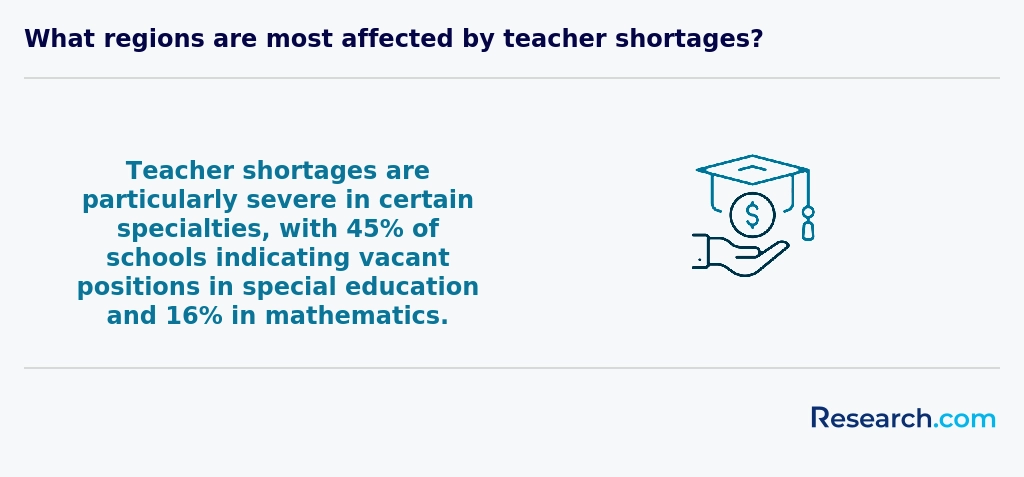
The job market for an online education degree in Boston offers promising opportunities, especially given the city's ongoing teacher shortages in STEM and special education fields. Graduates from well-known institutions around Boston often share how their online credentials helped them navigate these gaps, landing roles in K-12 schools or higher education settings. This positive employment outlook aligns with a steady 5% projected growth in education-related jobs in the area, reflecting a demand that supports new entrants and career changers alike.
Some graduates report that balancing work and study through accredited online programs at local universities allowed them to gain hands-on experience without pausing their careers, highlighting a key advantage of online education. However, navigating the competitive salaries-around $76,000 median for teachers-requires understanding local hiring practices and continuing education needs. For those exploring options, programs like the best rated online associate degree in education nearby can provide cost-effective pathways with flexibility.
Considering Boston education degree employment outlook, prospective students should weigh both market demand and financial investment to make informed decisions that match their long-term career goals.
2027 Fastest Online Master's in Education Degree Programs Ranking in Boston, MA
Investing in your education is a significant decision that can shape your future, and the Research.com team understands the importance of making informed choices. To assist prospective students in Boston, MA, we have meticulously developed the "2027 Fastest Online Master's in Education Degree Programs Ranking." Our commitment to quality, credibility, and accuracy is demonstrated through thorough research and careful analysis.
We utilized the following reputable data sources to ensure a comprehensive evaluation of education programs:
By exploring this ranking, readers will gain valuable insights into the fastest online master's in education programs available in Boston, enabling them to make informed decisions aligned with their career and educational goals. For more information on how this ranking was created, please visit our Research.com methodology page.


# 4 position
UMassOnline
Master of Curriculum and Instruction
Frequently Asked Questions About education
Online education degree students in Boston can maximize their learning experience by actively engaging with course materials and using local resources. Boston is home to several renowned universities offering online programs with strong support services. Students should leverage virtual office hours and peer discussion forums to enhance interaction, which studies show improves retention. Additionally, joining local professional groups, such as the Massachusetts Teachers Association, helps build networks and gain practical insights.
Time management is crucial; according to the Boston Public Schools, disciplined schedules correlate with higher academic success in remote learning. Access to Boston's extensive digital libraries also enriches research opportunities.
Emerging niches within the education field are rapidly evolving, reflecting new societal and technological needs. In Boston, online education degrees increasingly focus on areas like educational technology, special education, and bilingual education. According to the Massachusetts Department of Elementary and Secondary Education, demand for teachers skilled in technology integration and special needs education grew by over 10% between 2020 and 2023.
Another developing area is culturally responsive teaching, which addresses the needs of Boston's diverse student population. Master's programs often include training for educators on equity and inclusion strategies. Additionally, data analytics for education management is gaining traction, helping schools improve student outcomes through evidence-based decisions.
These niches offer new pathways for educators pursuing online degrees to meet local workforce demands and advance their careers.
After completing an online education degree in Boston, preparing for the job market involves targeted steps to enhance employability. First, graduates should leverage Boston's extensive network of educational institutions and school districts by attending local job fairs and networking events. According to the Massachusetts Department of Elementary and Secondary Education, the state expects a 7% growth in teaching positions over the next decade, particularly in urban districts like Boston.
It is essential to obtain relevant certifications or licenses required by Massachusetts, such as the Teacher Certification Examinations. Graduates should also develop a strong professional portfolio showcasing practical experiences from their online program. Additionally, joining local professional organizations, such as the Massachusetts Teachers Association, supports ongoing career development and connection with Boston's education community.
Employers in Boston's education sector prioritize several key skills in graduates of online education degree programs. Strong communication abilities are vital, as educators must effectively engage with diverse student populations and collaborate with colleagues. According to the Massachusetts Department of Elementary and Secondary Education, cultural competency and adaptability are increasingly important due to Boston's diverse student body.
Critical thinking and problem-solving skills are essential for managing classroom challenges and tailoring instruction to individual needs. Additionally, digital literacy is a growing requirement as schools expand technology use in learning environments.
Leadership and organizational skills also stand out, particularly for roles involving curriculum development or administration. These competencies align with what local Boston school districts seek when hiring new educators.
Finding internships in Boston relevant to an education degree involves leveraging local resources and university partnerships. Many Boston-area colleges, including those offering online education degrees, have established connections with nearby K-12 schools and educational nonprofits. According to Boston Public Schools data (2023), there are over 125 schools that regularly collaborate with local institutions for student practicum placements.
Prospective students should explore career services offered by their online programs, as these often include internship listings and networking opportunities tailored to education majors. Additionally, platforms like Handshake and local organizations such as the Massachusetts Department of Elementary and Secondary Education provide updated internship opportunities.
Networking through professional associations like the Massachusetts Teachers Association can also be valuable. Seeking internships within Boston's rich educational ecosystem, including charter schools and community-based educational programs, helps build practical skills and professional connections essential for a successful career in education.
Obtaining an online education degree in Boston significantly enhances career mobility and advancement opportunities within the region's competitive education sector. Boston is home to numerous public and private schools that increasingly prioritize candidates with advanced credentials. According to the Massachusetts Department of Elementary and Secondary Education, over 65% of teaching positions in Boston public schools now require or prefer a master's degree.
Online degrees offer flexibility, enabling working professionals to upskill without pausing their careers. Employers in Boston value such degrees from accredited institutions, often linking them to higher salaries and leadership roles within schools or districts. Data from the U.S. Bureau of Labor Statistics indicates that educators with a master's degree in Massachusetts earn approximately 15% more annually than those with only a bachelor's.
Studying for an education degree in Boston offers a unique advantage in preparing for interdisciplinary roles due to the city's diverse academic environment. Boston is home to numerous universities that collaborate across fields such as psychology, technology, and social sciences. This promotes a cross-disciplinary approach in education programs. For example, programs often include coursework in educational technology and mental health, equipping graduates to address complex challenges in schools.
According to the Massachusetts Department of Higher Education, over 30% of education graduates in Boston incorporate interdisciplinary methods in their training. This enhances adaptability and problem-solving skills, highly valued in educational leadership and policy development.
Choosing between a thesis and a non-thesis online education degree program in Boston depends on your career goals and learning preferences. Thesis programs require conducting original research and writing a detailed paper, which suits those interested in academic or research roles. Non-thesis options typically focus on practical skills through coursework and projects, ideal for professionals aiming to advance in teaching or administrative positions.
In Boston, many universities offer both options, reflecting the city's strong emphasis on educational research and innovation. According to the Massachusetts Department of Higher Education, over 30% of Boston's graduate education students enroll in thesis programs, highlighting sustained interest in research-focused paths.
Consider the time commitment: thesis tracks often take longer due to research demands, while non-thesis options may allow faster completion. Also, check if your intended employer values research experience versus hands-on expertise.
Students in Boston interested in studying education abroad have several opportunities through US institutions offering online programs with international components. Many Boston-based universities partner with foreign schools or provide study-abroad options within their online master's in education degrees. This hybrid approach allows students to complete coursework remotely while experiencing global education firsthand during short residencies or exchange programs.
According to the Massachusetts Department of Higher Education, about 15% of local graduate students engage in study-abroad or global learning opportunities, often via online platforms that allow flexible scheduling. These programs help Boston students gain a broader perspective on educational practices worldwide.
Regional universities like Boston University and Harvard Extension School have established connections to international education networks, providing pathways for students to earn credits recognized abroad without relocating permanently.
Boston offers numerous part-time job opportunities that complement education degree studies, especially for those pursuing online programs. Teaching assistant roles at local schools or community centers provide practical classroom experience and often accommodate flexible schedules. According to the Massachusetts Department of Elementary and Secondary Education, Boston's public schools employ thousands of paraprofessionals, making this a viable option for gaining relevant experience. Additionally, tutoring services-both in-person and virtual-are in high demand, particularly in subjects like math and reading, which can enhance instructional skills. Nonprofits and afterschool programs also frequently hire part-time staff focused on youth development, enriching a student's understanding of diverse learning environments.
Online education students in Boston have access to a variety of networking opportunities, despite studying remotely. Many Boston universities with online education programs, such as Boston University and Northeastern University, offer virtual networking events and online student groups to connect peers and faculty. These platforms encourage collaboration and professional growth.
Additionally, Boston's rich educational environment provides access to local education associations and conferences, often open to online students. For example, the Massachusetts Teachers Association hosts events where online students can engage with educators statewide.
Local libraries and community centers also facilitate professional workshops and meetups that support educational networking.
Alumni networks play a crucial role in supporting online education degree students in Boston by providing access to professional connections and career opportunities. These networks often include graduates working in local schools, administrative roles, and educational nonprofits, creating a valuable resource for mentorship and job referrals.
According to the Boston Education Workforce Report (2023), 68% of teachers in the area found jobs through alumni or professional networks. Being part of an active alumni community also offers opportunities for exclusive workshops and local events that enhance learning beyond virtual classrooms.
Moreover, alumni networks help online students overcome geographical barriers by connecting them with peers and professionals in the Boston education sector, fostering collaboration and continuous professional development.
Customizing an online education degree program in Boston allows students to align their studies with specific career aspirations. Many Boston-area institutions offer flexible curricula, including electives focused on leadership, technology in education, or special education. Students can often choose concentrations or certifications within their degree, tailoring skills to roles such as curriculum developer or educational consultant.
Boston's education programs frequently incorporate practicum or capstone projects to provide hands-on experience relevant to individual goals. According to the Boston Higher Education Resource Center, over 30% of local programs emphasize customizable online pathways, maximizing career relevance. Advisors play a key role in helping students navigate options that fit both immediate job markets and long-term ambitions.
Online education students in Boston face several challenges specific to the region and the U.S. higher education system. One major issue is balancing coursework with professional and personal commitments, especially given Boston's competitive job market and cost of living. According to a 2023 study by the Boston Higher Education Consortium, nearly 60% of online students reported difficulties managing time effectively.
Another challenge is technology access and digital literacy. While Boston ranks highly in internet connectivity, students from lower-income backgrounds sometimes struggle with reliable devices or broadband, impacting their learning experience. Additionally, limited face-to-face interaction can result in feelings of isolation, with 45% of online learners nationwide expressing concerns about engagement and peer connection, as noted in the National Education Association's recent report.
With an online education degree, professionals based in Boston can pursue several recognized certifications that enhance their teaching credentials and career prospects.
One common certification is the Massachusetts Initial Teaching License, which permits individuals to teach in public schools after completing required coursework and passing the Massachusetts Tests for Educator Licensure (MTEL).
Additionally, educators often seek the Massachusetts Professional License to advance beyond entry-level teaching, which requires a master's degree such as an online education degree along with classroom experience.
Other certifications include the National Board Certification, highly respected nationwide, which validates advanced teaching skills and often increases salary potential.
Applying to an online education program in Boston requires careful preparation to stand out among many applicants. Start by thoroughly researching the specific program's requirements at institutions such as Boston University or Northeastern University, known for their strong education faculties.
Next, craft a clear and concise personal statement. Highlight your professional experience, educational goals, and why you choose an online format. According to the Massachusetts Department of Higher Education, online programs have grown by over 15% since 2020, increasing competition.
Additionally, provide strong letters of recommendation from supervisors or educators who can vouch for your skills. Ensure your transcripts demonstrate academic readiness, ideally with a GPA above 3.0, which many Boston programs prefer.
Finally, proofread your application multiple times to avoid errors and submit all materials ahead of deadlines, typically between January and March for fall admission.
The global perspective on an education career increasingly values advanced degrees, especially in the United States, where earning a master's degree can significantly enhance employment opportunities. According to the National Center for Education Statistics, educators with graduate degrees in Massachusetts often see higher salaries and leadership roles.
Boston, as a hub for higher education, reflects this trend with many institutions offering online master's degrees tailored to accommodate working professionals. These programs prepare educators for diverse classrooms and global challenges. The U.S. Department of Education emphasizes adaptability, cultural awareness, and technology skills as crucial for today's educators.
Moreover, global initiatives encourage American educators to engage in ongoing professional development, aligning with international standards and improving student outcomes worldwide.
Gaining practical experience while studying for an online education degree in Boston is essential to complement academic knowledge. Many online programs incorporate internships or practicum placements within local Boston schools, allowing students to apply teaching theories in real classrooms. These partnerships often involve public and charter schools in the city's diverse educational landscape.
Additionally, students can engage in virtual simulations or case studies designed to mimic classroom management and instructional challenges. Boston's education system also supports student involvement in community organizations focused on educational outreach, providing another avenue for hands-on experience.
According to Boston Public Schools, over 50% of internship opportunities for educators originate directly from district partnerships, emphasizing the importance of local collaboration in teacher training.
Choosing the right concentration within an online education degree program in Boston requires understanding your career goals and local job market needs. Popular concentrations include Curriculum Development, Special Education, and Educational Leadership. According to the Massachusetts Department of Elementary and Secondary Education, there is growing demand for leaders and specialists in urban schools, especially in Boston Public Schools, which serve over 50,000 students.
Consider concentrations that align with professional certification requirements if you plan to work in Massachusetts public schools. Research programs that offer accredited curriculum tailored to state standards. Also, check if the program provides practicum or internship options with Boston-area schools to gain practical experience.
Review program faculty expertise and alumni outcomes to ensure quality. Exploring these factors will help align your education with both personal ambition and Boston's education sector needs.
- 2027 Fastest Online Education Degree Programs Ranking in New York, NY
- 2027 Fastest Online Education Degree Programs Ranking in Philadelphia, PA
- 2027 Fastest Online Doctorate in Education Degree Programs Ranking in Washington, DC
- 2027 Fastest Online Education Degree Programs Ranking in Loretto, PA
- 2027 Fastest Online Education Degree Programs Ranking in Indiana, PA
- 2027 Fastest Online Master's in Education Degree Programs Ranking in Virginia Beach, VA
- 2027 Fastest Online Education Degree Programs Ranking in Norfolk, VA
- 2027 Fastest Online Education Degree Programs Ranking in Slippery Rock, PA
- 2027 Fastest Online Education Degree Programs Ranking in Pittsburgh, PA
- 2027 Fastest Online Education Degree Programs Ranking in California, PA
See What Experts Have To Say About Studying Education
Read our interview with Education experts

Nooshan Ashtari
Education Expert
Professor & Book Author
University of Southern California

Alan J. Singer
Education Expert
Professor of Teaching, Learning and Technology
Hofstra University

- The 8 challenges of education in a changing world https://casvitrescantos.com/en/the-8-challenges-of-education-in-a-changing-world/
- Education Cover Letter: 6 Steps to Write a Job-Winning One [+Example & Template] | Cake https://www.cake.me/resources/cover-letter/education-cover-letter
- Home https://www.teachercertificationdegrees.com/
- All Publications https://www.renniecenter.org/research
- We Meet You Where You Are in Life https://www.umassglobal.edu/
- Online Teaching Jobs | Elevate K-12 https://www.elevatek12.com/online-teaching-jobs/
- Why Is Education Important in Your Career Advancement? - KWSP Malaysia https://www.kwsp.gov.my/en/w/article/career-advancement
- Teacher of Global Perspectives (IGCSE) https://www.scie.com.cn/jobs-global-perspectives/
- Is a thesis always mandatory in a master's degree program? - EFMU: The Euler-Franeker Memorial University and Institute https://euler.euclid.int/is-a-thesis-always-mandatory-in-masters-degree-program/
- In Community: Career Connected Learning Through ... https://edvestors.org/research-insights/in-community-career-connected-learning-through-partnership


