
2027 Fastest Online Doctorate in Education Degree Programs Ranking in St. Paul, MN

Co-Founder and Chief Data Scientist
If you're considering advancing your career with a doctorate in education, this article is here to guide you. It features the 2027 Fastest Online Doctorate in Education Degree Programs Ranking in St. Paul, MN, created by the Research.com team of data scientists. This ranking helps you identify programs that combine speed with quality, making your journey more efficient.
By exploring these programs, you can find the right fit for your goals and lifestyle. Investing in an education degree opens new opportunities and enriches your professional path.
Key benefits of getting online education degree in St. Paul
- Salary: Graduates with an education degree can expect competitive salaries, such as approximately $96,570 annually for university professors or department chairs. Academic deans earn around $100,720, while provosts and university presidents can make up to $258,900 per year, showing strong financial potential.
- Career paths: An education graduate from a well-known St. Paul college might pursue roles in teaching, administration, or academic leadership. This diversity opens many doors, allowing you to find a rewarding career that matches your passion.
- Online degree benefits: Earning your education degree online from a St. Paul university offers flexibility without sacrificing quality, making it easier to balance work and study. Many online graduates enjoy learning at their own pace while gaining credentials respected by employers.
- 2027 Fastest Online Doctorate in Education Degree Programs Ranking in St. Paul, MN
- What can I expect from online education degree in St. Paul?
- Where can I work with online education degree in St. Paul?
What can I expect from online education degree in St. Paul?
The average cost of an online education degree in St. Paul typically ranges from $15,000 to $40,000, depending on the level of the program and the institution. Graduates from the University of St. Thomas and Hamline University often report manageable tuition combined with savings from avoiding commuting and housing expenses. Many find it practical to continue working while studying, which helps balance finances without compromising progress.
Financial aid and scholarships available to Minnesota residents can significantly reduce out-of-pocket costs. Some students share how accessing federal aid alongside local scholarships made advanced degrees more affordable and less stressful to fund. Choosing accredited schools in St. Paul ensures that tuition investment translates into valued credentials both locally and nationally.
For those budgeting, consider these expenses alongside technology requirements and occasional campus visits. Graduates recommend creating a flexible financial plan that includes these factors, emphasizing how the hybrid online format supports steady progress without interrupting career momentum.
Where can I work with online education degree in St. Paul?
Graduates with an online education degree in St. Paul often find rewarding careers within the St. Paul Public Schools district, which employs thousands of teachers and specialists. Many alumni step confidently into roles as classroom teachers or instructional coordinators, leveraging skills gained through online programs to adapt lessons for diverse learners. Others secure positions as educational technology specialists, supporting digital learning initiatives aligned with the district's modern teaching goals.
Local institutions like Hamline University and Metropolitan State University attract education graduates for faculty and administrative roles. These positions offer continued professional growth and the chance to shape future educators, especially as online program development expands on campus.
Graduates also report job satisfaction working in early childhood centers or private schools, where they apply their training to develop curricula that energize young learners. Additionally, the city's nonprofits and government agencies provide meaningful openings in education policy, program management, and community outreach-ideal for those with advanced online degrees aiming to impact education beyond the classroom.
Graduates who complete online education degree programs in St. Paul typically start with salaries between $45,000 and $55,000, especially when entering teaching roles at local schools. Those who continue advancing their education at institutions like Hamline University or the University of St. Thomas often see salaries rise significantly as they gain experience and earn master's or doctoral degrees.
For instance, university professors in the region can expect to earn about $96,570 annually, reflecting data from the U.S. Bureau of Labor Statistics. Those who move into leadership roles such as department chairs earn a similar mean salary of $96,570, offering a solid earning potential for education graduates focused on college-level teaching.
Further career growth can lead to positions like academic deans, with average annual wages around $100,720. Ambitious graduates aiming for top administrative posts such as provost or university president in St. Paul can earn as much as $258,900 per year, making the pursuit of advanced degrees and leadership experience highly rewarding.
Graduates often share that earning potential combined with opportunities for professional development makes investing in online education degrees at St. Paul colleges both practical and motivating.
- St. Paul offers accredited institutions like the University of St. Thomas and Hamline University with flexible online education degree programs.
- Bachelor's degree tuition ranges from $15,000 to $30,000 per year, while graduate programs cost between $10,000 and $25,000 annually.
- Entry-level teachers with a bachelor's degree earn about $45,000 to $50,000 yearly, and those with advanced degrees make $60,000 to $75,000 soon after graduation.
- Experienced educators and specialists in St. Paul can earn between $80,000 and $100,000 or more depending on role and certification.
- The job market for teachers and educational administrators shows moderate growth, with rising demand for instructional coordinators and education technology specialists.
- Online programs typically support Minnesota licensure requirements and offer preparation for certification and continuing education credits.
Completing an online education degree in St. Paul typically takes about four years for a bachelor's degree, but students often find ways to shorten this by transferring credits or using accelerated programs offered by local colleges like Hamline University or the University of St. Thomas. Graduates appreciate how flexible pacing lets them balance work and studies without overwhelming their daily lives.
Master's programs usually require 1.5 to 3 years, depending on whether you enroll full- or part-time. Many education professionals in St. Paul take advantage of part-time schedules to continue working while earning their degree, allowing steady progress without sacrificing income or family time.
Doctorate degrees, such as Ed.D. or Ph.D., take longer-typically 3 to 6 years-due to research demands and dissertation work. Students often describe managing coursework around careers as challenging but rewarding, especially in institutions focused on adult learners like Metropolitan State University.
Choosing between online and on-campus education degrees in St. Paul comes down to how you want to learn and manage your time. Online programs, like those at the University of St. Thomas, offer flexibility with asynchronous classes that fit around work or family life. Graduates often recall the freedom to study late at night or during breaks, which helped them balance multiple responsibilities without sacrificing progress.
On-campus degrees, however, bring a structured schedule and face-to-face interaction, which some students find motivating. Attending classes in person at institutions like Hamline University fosters immediate connections with professors and peers through study groups and campus events. This environment supports those who thrive on routine and direct support.
Cost-wise, online and on-campus tuition rates in St. Paul tend to be similar, but online learners save on commuting and housing. Graduates appreciate the practical balance of education quality accredited across both formats, enabling a degree that fits personal needs while maintaining strong academic standards.
The average cost of an online education degree in St. Paul typically centers around $44,080 in total. Graduates from local institutions like Metropolitan State University often find this cost manageable thanks to in-state tuition benefits and flexible online programs. For many, this represents a sensible investment compared to the often higher expenses of private universities in the area.
When planning your budget, it's helpful to consider additional expenses beyond tuition. Fees for books, technology, and administrative services can add between $500 and $1,500 annually. These costs might feel surprising initially, but many students report successfully balancing them through employer tuition assistance or scholarships specifically aimed at education degrees.
One graduate noted that choosing a public university pathway significantly reduced their overall debt. This approach aligns well with the typical average cost of online education degree in St. Paul MN, where public schools offer a valuable combination of quality and affordability. Furthermore, considering program length and credit requirements can help you tailor your educational plan to fit your financial goals.
For prospective doctoral students, the 2027 tuition and fees for education doctorate programs in St. Paul remain competitive, often ranging from $20,000 to $40,000 total. This is noticeably below the national average, making St. Paul an attractive choice for advancing your career in education.
If you want to explore faster options, you might check out what is the fastest masters degree program, which could reduce both time and cost without sacrificing quality.
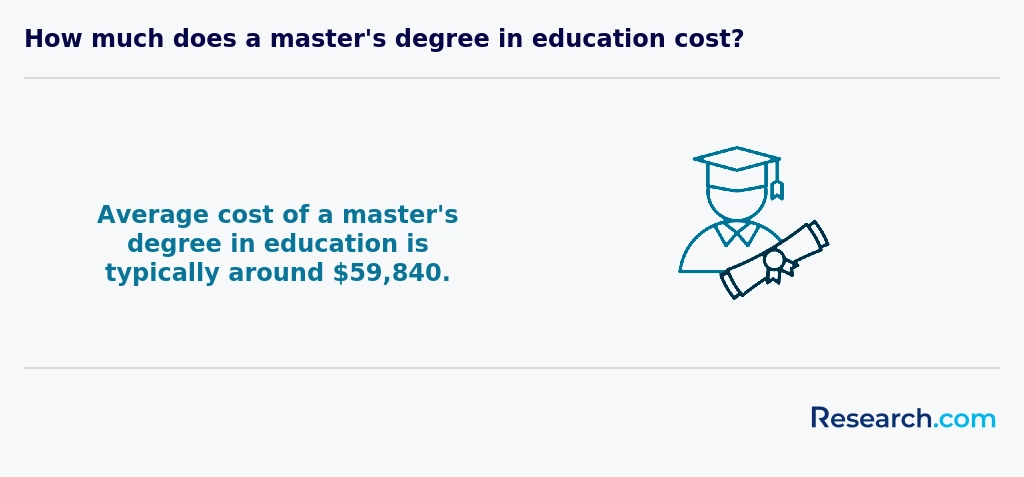
Students pursuing online education degrees in St. Paul often find relief through federal Pell Grants and Direct Unsubsidized Loans, which are easy to apply for via FAFSA and cover significant tuition portions without immediate repayment pressure. Graduates from institutions like the University of St. Thomas have shared how these federal aids made balancing work and study manageable during their programs.
State-specific support, such as the Minnesota State Grant program, offers additional financial help, especially for undergraduates enrolled at local colleges like Hamline University. Many students report that combining this with university scholarships sharply reduced their out-of-pocket expenses.
Scholarships and assistantships targeted at education students provide another practical option. For example, students in doctoral education programs at Saint Catherine University often benefit from assistantships that include tuition remission and stipends, alleviating financial stress while gaining valuable teaching experience.
Finally, working educators in St. Paul frequently access tuition reimbursement from local school districts. This support turns professional development into an affordable, rewarding journey, making higher education degrees genuinely attainable for many.
To enroll in an online education degree program in St. Paul, start by ensuring you meet basic academic criteria. Graduates from programs at Metropolitan State University often share that having a high school diploma or GED, plus a GPA around 2.5 to 3.0, helped them meet undergraduate admission standards smoothly. Many found that preparing their transcripts early made the process less stressful.
If you're aiming for a master's or doctoral degree, expect to provide proof of a bachelor's degree with a GPA near 3.0 or higher. Local graduate students mention that relevant teaching experience boosted their applications and confidence during interviews. Make sure to gather letters of recommendation from professors or supervisors who understand your educational goals.
Don't overlook submitting a clear statement of purpose-it's your chance to explain why St. Paul's flexible online programs fit your personal and professional path. For those pursuing K-12 certification, having current licensure ready to submit is crucial. Students report that connecting early with academic advisors at local universities helps clarify all these steps and eases the transition into online learning.

Typical online education degrees in St. Paul include core courses like educational psychology, where graduates share how understanding student behavior helped them connect better during student teaching at local institutions such as the University of St. Thomas. Curriculum development classes guide students step-by-step through creating lesson plans tailored to diverse classrooms found in St. Paul schools. Instructional technology courses equip learners with practical skills to integrate digital tools effectively, a necessity highlighted by recent remote learning experiences in the Saint Paul Public Schools.
Assessment methods and data analysis are also crucial parts of the curriculum, teaching students to interpret standardized test results and adjust instruction methods - a skill praised by graduates from Hamline University who entered assessment roles in school districts. Diversity and inclusion coursework prepares candidates for St. Paul's multicultural classrooms by emphasizing cultural competence and equity, often sharing real classroom case studies to bring these concepts to life.
For those pursuing advanced roles, leadership courses address school law, finance, and administration, directly reflecting the challenges education leaders face in St. Paul's public and private sectors. Electives in special education or early childhood education offer ways to specialize, enhancing career flexibility and satisfaction.
Online education degree specializations in St. Paul MN typically include practical areas such as Curriculum and Instruction, focusing on effective teaching strategies, and Educational Leadership and Administration, which prepares students for management roles in local schools. Graduates from universities like the University of St. Thomas find these specializations equip them well to handle real-world classroom challenges and district policies.
Special Education and Educational Technology are also popular, reflecting St. Paul's demand for inclusive classrooms and tech integration. Many graduates appreciate how these programs directly address local employment trends, enhancing their job prospects in urban and suburban settings. Literacy Education is another vital specialization, strengthening skills in reading instruction that meet the region's focus on raising student achievement.
Students often benefit from dual specializations or certificate add-ons, offering flexibility to tailor their expertise. Those seeking advanced opportunities sometimes explore the online phd no dissertation option, which allows further specialization without the traditional dissertation hurdle.
Start by verifying that the online education degree you consider in St. Paul is offered through an accredited institution, ideally with regional recognition like the Higher Learning Commission. Graduates from popular colleges here often praise how accreditation assured them of a quality education compatible with Minnesota's licensure standards for teachers and administrators. Next, focus on the curriculum-select programs specializing in areas matching your career path, whether that's instructional leadership or curriculum development at a university known for strong support.
Flexibility is critical for working students in St. Paul. Many find asynchronous courses ideal, allowing study around a busy schedule, while some prefer limited synchronous sessions to maintain engagement. Cost will also influence your decision; exploring public universities with competitive in-state tuition or employer tuition assistance can ease finances. For those seeking affordable online doctorate education degrees St. Paul options often balance cost and quality effectively.
Robust support services like academic advising and licensure assistance matter. Graduates frequently highlight how such resources simplified navigating Minnesota's teacher exam requirements. If budget is a concern, consider exploring the cheapest online associate's degree pathways as a starting point before advancing. This practical approach helps build credentials without overwhelming expenses.

Graduates with an online education degree in St. Paul often find clear career paths that fit their ambitions and lifestyles. Many pursue roles as licensed K-12 teachers, taking advantage of programs aligned with Minnesota's certification requirements. For example, graduates from popular St. Paul colleges appreciate the flexibility of balancing coursework with current jobs. One graduate shared how quickly they transitioned into a public school teaching role focusing on math, a high-demand subject in the area.
Others use their degree to move into school administration or leadership, applying skills learned online to become principals or curriculum coordinators. These roles appeal to those who want to shape educational environments directly, combining passion with organizational strengths. St. Paul's urban and suburban districts actively seek these leaders, making job opportunities plentiful for skilled administrators.
Instructional coordinators and training developers also benefit from these degrees. Graduates report working with school districts and nonprofits, designing programs that improve teaching effectiveness. If you consider a less traditional route, exploring career options in educational policy or research can be rewarding. St. Paul-based education organizations focus on local equity issues, creating openings for experts who understand school systems deeply. This diverse landscape of online education careers in St. Paul MN ensures students can find meaningful, well-paying roles. For those beginning, checking out programs like the easiest associate degree options can be a practical starting point.
Graduates with an online education degree in St Paul benefit from a steady demand in the local job market, especially within K-12 teaching and educational administration roles. Many individuals enrolled at popular institutions such as the University of St. Thomas or Hamline University find that their flexible online coursework aligns well with job openings in St. Paul Public Schools and nearby districts. These graduates often share how their online programs allowed them to balance work and study effectively, preparing them for practical teaching and coordinative duties.
In terms of salary and job stability, opportunities extend beyond classroom teaching to include instructional coordinator positions, driven by the state's investment in educational technology and curriculum innovation. For those considering advanced paths, the St Paul education doctorate career outlook remains positive, with administrators typically earning upwards of $90,000 annually. Students and career changers appreciate that the online degree pathway is affordable and adaptable, making it easier to enter education careers without disrupting income.
Exploring specialized fields can enhance prospects, and researching the highest paying trade school careers list is a useful step for graduates seeking alternatives within education. Overall, the market supports growth and stability for those holding an online education degree jobs St Paul MN, reflecting a practical and nurturing environment for advancing in education careers.
2027 Fastest Online Doctorate in Education Degree Programs Ranking in St. Paul, MN
Investing in your education is a significant decision that can profoundly impact your future, and the Research.com team is fully aware of the importance of making well-informed choices. To support prospective students in St. Paul, MN, we have carefully developed the "2027 Fastest Online Doctorate in Education Degree Programs Ranking." Our dedication to quality, credibility, and accuracy is demonstrated through extensive research and thorough analysis to create this reliable ranking.
We utilized the following reputable data sources to ensure a comprehensive evaluation of online doctorate in education programs:
By consulting this ranking, readers will gain essential insights into the fastest and most credible online doctorate programs in education available in St. Paul, enabling well-grounded decisions about their academic and professional futures. For an in-depth understanding of how this ranking was created, please visit our Research.com methodology page.

# 2 position
Bethel University, Minnesota
Doctor of Leadership (K-12 Education) (Higher Education)
Frequently Asked Questions About education
Students pursuing online education degrees in St. Paul can enhance their learning by actively engaging with digital course materials and participating in virtual discussions. Research from the University of Minnesota highlights that regular interaction with instructors and peers improves understanding and retention. Utilizing local resources like the St. Paul Public Library's online databases also supports academic success.
Time management is crucial; setting a consistent study schedule helps balance coursework with personal responsibilities. Additionally, accessing academic support services offered by accredited institutions ensures students receive guidance tailored to their needs. Online learners benefit from leveraging technology effectively, such as calendar apps and note-taking tools, to stay organized.
Emerging niches within the education field reflect evolving societal needs and technological advances. One fast-growing area is educational technology, focusing on integrating digital tools to enhance learning, a sector expected to grow 17% nationally by 2030 according to the Bureau of Labor Statistics.
Another niche is culturally responsive teaching, gaining traction in diverse cities like St. Paul, where nearly 40% of students identify as minorities (Minnesota Department of Education, 2023). Programs prepare educators to better serve multilingual and multicultural classrooms.
Special education remains critical, with increasing demand for professionals trained in supporting students with disabilities through inclusive online platforms. Leadership roles in education policy and administration are also expanding as districts seek innovative solutions post-pandemic.
Preparing for the job market after completing an online education degree in St. Paul requires a strategic approach. Graduates should start by enhancing their professional network, connecting with local educators through platforms like the St. Paul Public Schools district and Minnesota Education Association. Building relationships with potential employers increases job opportunities.
Gaining relevant experience through internships or substitute teaching can improve practical skills and resumes. According to the Minnesota Department of Employment and Economic Development, education jobs in St. Paul are expected to grow by 5% through 2030, highlighting a competitive market.
Additionally, graduates should tailor their resumes to highlight specialized skills gained online, such as digital literacy and remote collaboration, valued in modern classrooms.
Employers in St. Paul seeking education degree graduates prioritize strong communication and classroom management skills. According to the Minnesota Department of Education, effective educators must also demonstrate adaptability to diverse learning environments, especially for the region's growing multilingual student population. Critical thinking and the ability to use educational technology are increasingly valued, with 73% of St. Paul schools reporting integration of digital tools in daily instruction.
Additionally, collaboration skills stand out as vital, as teamwork with colleagues and families supports student success. Knowledge of state-specific curriculum standards is essential, reflecting Minnesota's unique educational requirements.
Finding internships in St. Paul related to an education degree involves several strategic steps. Start by exploring local school districts such as St. Paul Public Schools, which often offer internships and practicum placements for education students. Connecting with university career centers is also beneficial; institutions like the University of St. Thomas provide resources and partnerships with area schools.
Additionally, use Minnesota's Department of Education website, which maintains listings of internships and teacher training programs statewide. Networking through local education nonprofits like Education Evolving can open doors. Statistics show that nearly 60% of education students in Minnesota secure internships through school district partnerships, emphasizing the importance of direct outreach and local connections.
Online education degrees in St. Paul provide significant advantages for career mobility and advancement, particularly in the education sector. According to the Minnesota Department of Employment and Economic Development, educators with advanced degrees earn approximately 15% more than those with only a bachelor's degree. Online programs offer flexibility, allowing working professionals to balance study with ongoing employment, which supports continuous career growth without interruption.
Employers in St. Paul increasingly recognize accredited online degrees, valuing the specialized knowledge and updated skills these programs provide. This recognition broadens job prospects in local school districts and administrative roles. Furthermore, online degrees often include leadership and policy coursework, essential for promotions into educational administration.
Data from the National Center for Education Statistics underlines that doctorate-level qualifications correlate with higher job security and expanded professional networks, boosting advancement opportunities in St. Paul's competitive education market.
Studying for an education degree online in St. Paul equips students for interdisciplinary roles by integrating diverse subject knowledge with practical teaching skills. Programs often emphasize collaboration across areas such as psychology, technology, and social sciences, reflecting the complexities of modern education.
St. Paul's institutions follow U.S. Department of Education standards, ensuring courses incorporate evidence-based strategies in curriculum design and administration. According to the Minnesota Office of Higher Education, many local programs include coursework in leadership, data analysis, and community engagement.
This broad approach prepares graduates to address challenges in varied educational settings, including policy development, instructional technology, and special education, enhancing career versatility.
Choosing between a thesis and a non-thesis education degree program in St. Paul depends on your career goals and learning preferences. Thesis programs usually require extensive research and a formal thesis paper, ideal for students aiming at academic or research careers. Non-thesis options focus more on practical skills and coursework, suitable for those pursuing leadership or administrative roles. In Minnesota, about 40% of doctoral candidates prefer thesis paths, especially at institutions like the University of St. Thomas. For online candidates in St. Paul, consider program flexibility, faculty mentorship, and whether hands-on research aligns with your professional objectives.
Students based in St. Paul interested in studying education abroad have several opportunities through U.S. accredited online programs offering international study components. Many universities provide hybrid models combining online coursework with short-term study abroad trips, allowing flexibility for working professionals. While specific St. Paul institutions primarily focus on online education degrees domestically, students can select programs with global partnerships, enabling practicum or research experiences overseas.
According to the Minnesota Office of Higher Education, about 12% of graduate students participate in some form of international study during their program. However, fully abroad education degrees are rare, making online education with abroad modules a practical alternative for St. Paul learners seeking global perspectives.
Part-time job opportunities in St. Paul that complement education degree studies often focus on roles in schools, libraries, and community organizations. Positions such as teacher assistants or tutors in local public schools provide practical experience while aligning with degree coursework. According to the Minnesota Department of Employment and Economic Development, education support roles are expected to grow by 7% through 2028, reflecting steady demand.
Additionally, working as a substitute teacher offers flexible hours and direct classroom involvement. Local libraries and after-school programs also seek part-time educators for literacy and youth development initiatives. These roles enhance skills valuable for a future teaching career while accommodating online study schedules in education degrees.
Online education students in St. Paul have several networking opportunities despite studying remotely. Local universities often host virtual events and mixers that include online learners, allowing them to connect with peers and faculty. For example, the University of St. Thomas and Hamline University organize online workshops and guest lectures accessible to their distance students.
Additionally, professional organizations such as the Minnesota Education Equity Partnership provide networking platforms and events for education professionals across the state. According to the Minnesota Department of Education, about 65% of educators in St. Paul engage in professional development activities yearly, often leading to broader professional networks.
This combination of university-sponsored virtual events and local professional groups helps online education students build meaningful connections within the St. Paul educational community.
Alumni networks provide significant benefits to online education degree students in St. Paul by fostering professional connections and support systems. These networks often include local educators and administrators, which can be vital for job placement and career advancement within the city and surrounding areas. According to data from the Minnesota Private College Council, strong alumni ties in St. Paul correlate with higher employment rates post-graduation in the education sector.
Online students gain access to mentorship opportunities and exclusive events, even without attending campus physically. This helps build a community that supports continuing education and collaboration among graduates.
Engagement with alumni can also offer insights into local educational trends and resources applicable to teaching careers in St. Paul, enhancing practical understanding beyond coursework.
Customizing an online education degree program in St. Paul allows students to align their studies with specific career goals. Many programs offer flexible course selections, including specialties such as curriculum development, educational leadership, or special education. Accredited institutions in Minnesota often provide options to choose electives or concentrations relevant to your professional interests.
Students can also benefit from internship or practicum placements tailored to their desired work environment. According to the Minnesota Office of Higher Education, nearly 45% of graduate education students in St. Paul select programs with customizable tracks to enhance job market readiness.
Moreover, working professionals may find part-time or accelerated online formats that fit busy schedules while focusing on skills needed for promotions or certification requirements. Exploring program options at reputable local universities ensures a personalized and goal-driven educational experience.
Online education students in St. Paul often face challenges related to balancing coursework with personal and professional responsibilities. Many students report difficulty managing time effectively, especially those working full-time jobs while pursuing their degrees. According to the National Center for Education Statistics, nearly 60% of online learners nationwide juggle work and study, a figure likely similar in St. Paul's urban environment.
Connectivity issues can also disrupt learning, particularly for students in areas with less reliable internet access. Although St. Paul generally has good broadband coverage, some neighborhoods still encounter occasional service interruptions.
Finally, many online students struggle with limited face-to-face interaction, which can affect networking and motivation.
With an online education degree, students in St. Paul can pursue a variety of professional certifications that enhance their career prospects. Common options include becoming a licensed K-12 teacher by obtaining a teaching license through the Minnesota Professional Educator Licensing and Standards Board (PELSB). This usually requires passing the MTLE exams.
Additionally, graduates can seek certifications in educational leadership, such as the Principal or Superintendent licensure, both valuable for those aiming to work in school administration. Another option is the National Board Certification, a prestigious credential recognized nationwide for experienced teachers.
For those interested in specialized fields, certifications in special education, English as a Second Language (ESL), or reading instruction are accessible and in demand within the St. Paul school system, aligning with state education priorities.
Writing a winning application for an online education program in St. Paul requires a clear, focused approach. Start by thoroughly researching the specific program's requirements, as preferences can vary widely between institutions.
Highlight your academic background and relevant professional experience, emphasizing how these have prepared you for online learning. Strong personal statements that connect your goals with the program's strengths often stand out. According to the Minnesota Office of Higher Education, St. Paul hosts several accredited universities offering flexible formats that appreciate applicants demonstrating time management skills.
Include letters of recommendation that attest to your academic abilities and commitment. Finally, meet all deadlines and submit required documents carefully to increase your chances of acceptance.
Education careers in the U.S. hold a strong position globally, reflecting the country's leadership in research, pedagogy, and policy development. Within St. Paul, Minnesota, education professionals benefit from a diverse educational landscape and access to reputable online degree programs. According to the National Center for Education Statistics, nearly 7% of U.S. teachers pursue advanced degrees to enhance their skills and career prospects, often through flexible online options.
Globally, educators with U.S.-based degrees are valued for their comprehensive training, but they face growing competition from international peers. Online doctoral programs expand accessibility, allowing students in St. Paul to join this global network. Such degrees emphasize leadership, innovation, and evidence-based methods, preparing candidates for varied roles worldwide.
Gaining practical experience while studying for an online education degree in St. Paul is possible through several avenues. Many programs encourage students to complete fieldwork or internships within local schools, allowing direct application of theoretical knowledge. St. Paul Public Schools offers partnerships with universities for student teaching placements, which can often be arranged alongside online coursework.
Additionally, volunteering and substitute teaching provide hands-on experience that strengthens resumes. According to the Minnesota Department of Education, over 100 schools in the metropolitan area participate in such partnerships, making practical engagement accessible for online students. These options help develop classroom management and instructional skills essential for educators.
Choosing the right concentration within an online education degree program in St. Paul requires assessing your career goals and local educational needs. St. Paul's school district emphasizes specialization in areas like special education, educational leadership, and curriculum development, reflecting broader Minnesota trends. According to the Minnesota Department of Education, demand for special education teachers is projected to grow by 7% through 2030, suggesting strong job prospects in this field.
Consider programs accredited by recognized US bodies, ensuring quality and transferability. Reviewing faculty expertise and online resources tailored for St. Paul's diverse student population is helpful. Align your choice with your professional background and intended impact in education, whether in K-12 settings or administrative roles.
- 2027 Fastest Online Education Degree Programs Ranking in Minneapolis, MN
- 2027 Fastest Online Education Degree Programs Ranking in Madison, SD
- 2027 Fastest Online Education Degree Programs Ranking in Omaha, NE
- 2027 Fastest Online Education Degree Programs Ranking in Joliet, IL
- 2027 Fastest Online Education Degree Programs Ranking in Chicago, IL
- 2027 Fastest Online Education Degree Programs Ranking in Berrien Springs, MI
- 2027 Fastest Online Education Degree Programs Ranking in Columbia, MO
- 2027 Fastest Online Education Degree Programs Ranking in Manhattan, KS
- 2027 Fastest Online Education Degree Programs Ranking in Emporia, KS
- 2027 Fastest Online Education Degree Programs Ranking in Muncie, IN
See What Experts Have To Say About Studying Education
Read our interview with Education experts

Nooshan Ashtari
Education Expert
Professor & Book Author
University of Southern California

Alan J. Singer
Education Expert
Professor of Teaching, Learning and Technology
Hofstra University

- Working in Ed Tech: How to Identify Your Niche and Build Relevant Skills https://www.highfivepartners.com/blog/working-in-ed-tech-how-to-identify-your-niche-and-build-relevant-skills
- Teaching Job Roles | Teach For Life https://www.teachforlife.com/teachingjobs/global-perspectives-teacher
- Students: This is How You Should Prepare for the Job Market https://www.agencycentral.co.uk/articles/students-this-is-how-you-should-prepare-for-the-job-market/
- EDUCATION AS A KEY IN CAREER BUILDING https://journals.vilniustech.lt/index.php/JBEM/article/download/15399/10674
- 10 Reasons Why Education Helps to Advance Your Career - Insight Training https://insight.edu.au/blog/career-advancement-through-education/
- Skills Employers Look for in Business Graduates – EU Business School https://www.euruni.edu/blog/skills-employers-look-for-in-business-graduates/
- The effect of teaching without pedagogical training in St. Paul’ | AMEP https://www.dovepress.com/the-effect-of-teaching-without-pedagogical-training-in-st-pauls-hospit-peer-reviewed-fulltext-article-AMEP
- What Can I Do With a Teaching Degree (Besides Teach)? https://www.alleducationschools.com/blog/what-can-i-do-with-a-teaching-degree-besides-teach/
- Distance Education - Saint Paul University https://ustpaul.ca/en/teaching-and-learning-technologies-services/enseignement-a-distance/
- What Employers Actually Want From Graduates https://bodyswaps.co/resources/blog/what-employers-actually-want-from-graduates


