
2027 Most Valuable Education Degree Programs Ranking in the USA Territories

Co-Founder and Chief Data Scientist
Choosing the right education degree program is an important step for students in the USA Territories. To help you make an informed decision, this article presents the 2027 Most Valuable Education Degree Programs Ranking in the USA Territories. Developed by the Research.com team of data scientists, the ranking highlights programs that offer strong career prospects and meaningful impact.
Reading this article will guide you toward opportunities that align with your goals and passions. Earning an education degree can open doors to rewarding careers and personal growth, making it a choice worth considering carefully.
Key benefits of getting education degree in the USA Territories
- Salary for education degree graduates: Graduates can expect rewarding salaries, such as special education teachers earning around $76,000 annually and instructional designers making approximately $77,200, offering financial stability and growth opportunities.
- Career paths: Education degree holders from universities in the USA Territories often pursue roles like elementary school teachers or ESL instructors, allowing them to impact diverse communities while enjoying fulfilling career options.
- Online degree benefits: Earning an education degree online offers flexibility for busy adults in the USA Territories, enabling students to balance work and study while gaining quality education recognized by employers.
- 2027 Most Valuable Education Degree Programs Ranking in the USA Territories
- What can I expect from education degree in the USA Territories?
- Where can I work with education degree in the USA Territories?
What can I expect from education degree in the USA Territories?
The average cost of pursuing an education degree in the USA Territories can be quite reasonable compared to many mainland institutions. Graduates from places like the University of Puerto Rico often reflect on how the affordable tuition allowed them to focus deeply on their studies without the heavy burden of financial stress. Community colleges and universities generally fall within a range that balances quality education with accessibility, typically costing a few thousand dollars per year, depending on the program and level of study.
Many students appreciate how financial aid, including federal grants and local scholarships, directly supports their journey. These options make it possible for aspiring educators in Guam or the U.S. Virgin Islands to pursue their passion without compromise. For instance, a graduate might recall how scholarship funds helped cover not just tuition but textbooks and technology, which are crucial for today's classrooms.
Choosing an education degree in the territories often means gaining strong bilingual skills and firsthand cultural understanding, all while managing costs effectively. This balance contributes to a fulfilling experience that prepares graduates confidently for careers in diverse educational settings.
Where can I work with education degree in the USA Territories?
Graduates with education degrees from institutions like the University of Puerto Rico or the University of Guam often find fulfilling careers in K-12 public schools across the USA Territories. Many speak of the rewarding experience of teaching enthusiastic young students in subjects such as math, science, or special education. This direct involvement in shaping future generations offers a deep sense of purpose and connection to their communities.
Others pursue leadership roles as school administrators or counselors, enjoying the challenges of guiding schools and supporting fellow educators. Working as a principal or academic advisor allows graduates to influence school culture and policies, which many find both empowering and impactful, especially within vibrant education systems like those in the U.S. Virgin Islands.
Higher education roles also appeal to many, with graduates often returning to universities to teach or develop programs. These positions provide an exciting opportunity to contribute to curriculum innovation and educator training, ensuring education in the territories continually evolves. Graduates reflect on this as a meaningful way to expand their impact beyond the classroom.
Some take less traditional paths, such as becoming curriculum developers or policy advisors. Collaborating with agencies like the Office of Insular Affairs enables them to shape educational policies that affect entire communities. This broader perspective offers a unique fulfillment distinct from classroom work, highlighting diverse opportunities education degrees unlock in the territories.
Graduates with education degrees from institutions like the University of Puerto Rico or the University of Guam often find their earnings shaped by the unique economic landscape of the USA Territories. While salaries generally fall below mainland U.S. averages, specific roles offer encouraging opportunities. For instance, elementary school teachers in these regions typically earn between $35,000 and $45,000 annually, significantly less than the national average of around $70,740.
Those who pursue specialized paths, such as special education teachers, may reach mean salaries near $76,000, reflecting demand for their expertise. Early childhood educators often see wages around $41,410, which aligns with local education priorities supporting young learners. Instructional designers, a role growing steadily in these territories, command salaries averaging $77,200, a hopeful indicator for graduates seeking innovative education roles.
Graduates recall how blending practical experiences from programs in these territories with salary insights helped them visualize career paths realistically. They often emphasize the importance of factoring in benefits like housing allowances and local cost-of-living adjustments, which brighten the overall compensation picture despite lower base pay.
- Tuition fees in USA Territories like Puerto Rico range from $2,000 to $4,000 annually for public universities, which is lower than many mainland U.S. states.
- Teacher demand is strong, with shortages reported in Guam and the U.S. Virgin Islands, offering many job opportunities in elementary, secondary, and special education.
- Starting salaries for teachers in Puerto Rico typically range from $25,000 to $35,000, while in Guam they are about $30,000 to $40,000 annually.
- Education programs must be accredited by recognized U.S. bodies such as MSCHE to ensure degree recognition for licensure and employment.
- Students can access federal financial aid like Pell Grants and FAFSA, though some state grants and loan programs may be limited in the territories.
Completing an education degree in the USA Territories typically mirrors the timeline found on the mainland but offers unique benefits that resonate with local students. For many graduates from institutions like the University of Puerto Rico or Guam Community College, earning a Bachelor's in Education takes about four years of full-time study. This timeframe allows them to engage deeply in courses and practicums tailored to the cultural and educational needs of the territories.
Graduates often share how balancing family and part-time work while attending school is supported by flexible program delivery, including growing online options. Those pursuing a master's degree usually invest an additional two years, enriching their expertise without sacrificing their community commitments. In territories such as American Samoa, this extended learning offers a rewarding path to leadership roles in education.
Doctoral candidates, enrolled either full- or part-time, may take three to six years depending on research demands. Alumni reflections reveal that despite the longer commitment, the support from local institutions and relevance of their studies to their home territories brings a deep sense of purpose and accomplishment.
Graduates from education programs in Puerto Rico often recall the vibrant campus life and direct interaction with professors at the University of Puerto Rico, which helped them build strong professional networks. These on-campus experiences provide immediate feedback and hands-on practice essential for teaching careers. In contrast, many students from Guam have found online degrees from regional universities to be a flexible solution that fits their island lifestyle, allowing them to study without the burden of travel and housing costs.
The choice between formats reflects more than convenience. On-campus studies provide a disciplined routine and social engagement, which some learners thrive on. Meanwhile, online programs offer accessibility and the ability to balance learning with personal responsibilities, often using video lectures and interactive discussion boards tailored for remote learners in the U.S. Virgin Islands.
Both paths demand accredited programs recognized locally to ensure graduates qualify for teacher certification. Reflecting on these experiences, students should weigh their learning preferences, financial needs, and the reality of their territory's unique circumstances when choosing how to pursue their education degrees.
The average cost of a education degree in the USA Territories often reflects a unique balance between accessibility and quality. Graduates from well-known institutions like the University of Puerto Rico frequently recall how resident tuition ranged around $1,200 to $2,500 per year, making it financially feasible compared to many mainland options. This affordable range is a significant factor for many locals pursuing education degrees, reflecting how the territories support their residents through reduced tuition fees and subsidies.
However, students considering private colleges in the territories should prepare for higher expenses. Tuition at these institutions typically falls between $7,000 and $15,000 annually, a notable difference that requires careful planning but still offers valuable education opportunities. For those attending the University of Guam or the University of the Virgin Islands, resident tuition commonly sits around $3,000 to $5,000 per year, striking a balance that many students find encouraging and supportive of their career goals in education.
When exploring the 2027 education degree tuition and fees USA Territories, many students also emphasize the importance of looking beyond tuition alone. Additional costs such as fees, books, and living expenses contribute to the overall investment, though federally funded financial aid programs can significantly ease this burden. Moreover, some graduates share how their financial aid experience positively influenced their journey, allowing them to focus on studies without overwhelming financial stress.
Prospective students should consider options like an online associate degree in 6 months accredited if seeking more flexible or accelerated paths. This can be a valuable alternative, especially for those balancing work and study within the territories. Overall, understanding the average cost of education degree in USA Territories helps prospective educators make informed choices aligned with their aspirations and financial situations.

After earning your education degree, you must secure territorial licensure to teach in public schools. Key steps include:
- Puerto Rico: Complete a PRDE-approved educator prep program, pass Praxis Core and content exams, then apply through the Puerto Rico Department of Education.
- Guam: Finish a bachelor’s in education, clear background checks, pass Praxis II, and submit your application to the Guam Board of Education.
- U.S. Virgin Islands: Provide official transcripts, pass required Praxis exams, and fulfill any additional U.S. Virgin Islands Dept. of Education coursework.
- Northern Mariana Islands: Graduate from an approved program, pass Praxis II, and obtain approval from the CNMI Board of Education.
Alternative certification routes exist for career changers-contact your territory’s education department for details. For those eyeing library roles in schools, consider a library science degree online.
Students pursuing education degrees in the USA Territories often find financial aid opportunities that truly ease their journey. For example, graduates from the University of Puerto Rico appreciate how the Pell Grant, offering up to $7,395 for the 2023-2024 year, made their tuition significantly more affordable. This federal support, combined with Direct Subsidized and Unsubsidized Loans that feature low fixed interest rates, creates a manageable path through college expenses.
Beyond federal resources, territorial scholarships like Puerto Rico's "Beca de la Fundación Sila M. Calderón" or Guam's Higher Education Scholarship Program provide targeted relief. Many students attending institutions such as the University of Guam share stories of merit-based scholarships rewarding their academic dedication in education fields.
Work-study programs also stand out, allowing students to earn income while gaining relevant experience on campus. These layered aids, supplemented by institutional and private scholarships, present a supportive network that helps reduce the financial burden and encourages perseverance toward becoming educators.
Enrolling in an education degree within the USA Territories often begins with having a high school diploma or a GED, a baseline requirement that graduates from universities like the University of Puerto Rico or Guam Community College frequently reflect on with gratitude. They recall how their solid foundation in English, math, and social sciences helped them feel confident as they transitioned into higher education. Many students share that providing well-crafted letters of recommendation and personal statements proved invaluable, offering admissions committees a glimpse of their genuine passion for teaching.
Standardized tests such as the SAT or ACT are commonly expected, though some institutions have shown flexibility, especially during recent years. Graduates appreciate that this adjustment allowed them to focus more on showcasing their true abilities and dedication.
Financially, education degrees in these territories are often more accessible, with tuition at places like the University of Puerto Rico averaging around $5,000 for residents. Students remember feeling relieved knowing local financial aid and scholarships could help ease the burden, allowing them to concentrate on their studies and future careers in education.
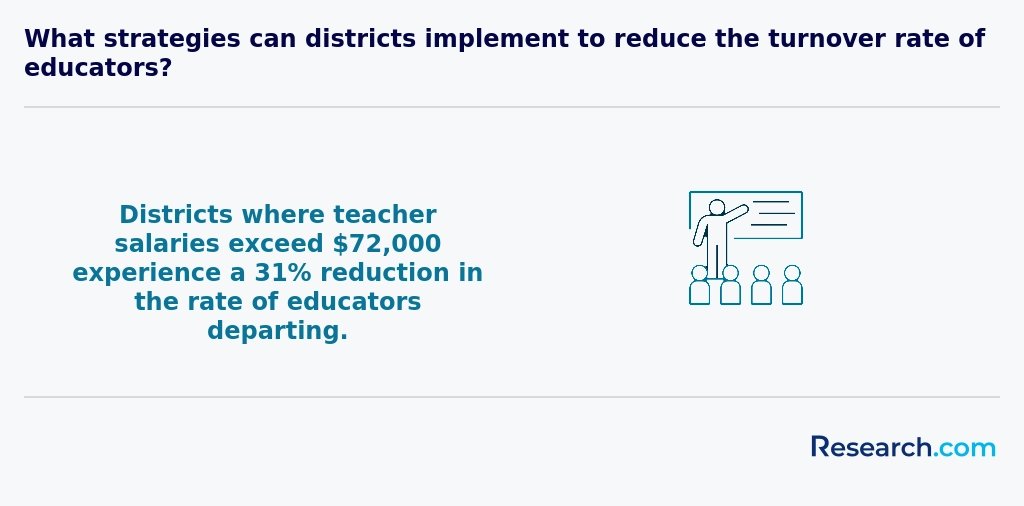
Graduates must obtain a teaching license from the territorial board of education, ensuring compliance with local regulations and quality standards.
- Earning an accredited bachelor’s degree in education is the first step.
- Completing a supervised student teaching internship approved by the territory.
- Passing required exams, such as the PRAXIS series in Puerto Rico or Guam-specific assessments.
- Submitting fingerprint-based background checks and official transcripts to the territorial education authority.
- Paying application fees and fulfilling any additional professional development hours.
Most licenses require renewal every 3–5 years, supported by continuing education courses or workshops. For accelerated pathways to advanced credentials, consider 1 year graduate programs that align with licensure timelines.
Education degree programs in the USA Territories are thoughtfully designed to build a strong foundation for future educators. Graduates from universities such as those in Puerto Rico or Guam often reflect on core courses like Child and Adolescent Development, where they gained insight into the unique growth patterns of students in their communities, making teaching more empathetic and effective.
Many recall how Educational Psychology helped them understand diverse learning styles, which is essential in classrooms rich with cultural variety. Curriculum Design and Instruction courses gave them hands-on experience crafting lessons that resonate with local traditions and student interests.
Classroom Management classes prepare students for real challenges, teaching techniques to maintain respect and focus among learners. Special Education courses address the vital skill of supporting students with varied needs, something graduates frequently found both rewarding and impactful.
Technology in Education is another key area, enabling future teachers to integrate digital tools that enhance engagement, especially important in territories where remote learning may be necessary.
Education degree specializations in USA Territories offer a rich array of options that align closely with community needs and regional culture. Graduates from prominent institutions in Puerto Rico and Guam often recall how programs like Elementary Education and Special Education prepared them to connect deeply with students, adapting to local languages and learning styles. For many, the ability to teach bilingually in Spanish and English proved invaluable in fostering inclusive classrooms.
Popular choices also include Secondary Education, enabling educators to focus on subjects such as math or science, and Early Childhood Education, which addresses foundational stages of development. In practice, students at well-regarded colleges in the U.S. Virgin Islands appreciated how Educational Leadership and Administration courses empowered them to take on meaningful roles beyond teaching, such as school policy and community engagement.
Those exploring top education majors in USA Territories often discover that Curriculum and Instruction is a flexible path, especially when paired with hybrid study options suited for working professionals. For prospective students wondering about program difficulty, reviewing the easiest bachelor of science degree offerings available locally can provide helpful guidance.
Choosing the best education degree programs USA Territories requires focusing on what truly fits your teaching aspirations and lifestyle. Graduates from institutions like the University of Guam often share how selecting programs with local or online options allowed them to balance family, work, and studies without relocating. Accreditation is non-negotiable; this not only assures quality but also smooths your path to licensure within the territories.
Cost considerations are deeply personal but vital. Many find that affordable education degrees in USA Territories ease financial burdens, especially when paired with scholarships designed for local students. For instance, graduates recall that besides tuition, budgeting for materials and exam fees shaped their decisions, so exploring aid options can significantly uplift your experience. Some even start by exploring the cheapest online associate's degree routes to build confidence before advancing.
Curriculum relevance matters - programs blending theory with hands-on teaching placements in nearby schools offer real-world exposure that alumni often credit for their classroom success. Those who prioritized programs with strong job placement and licensure pass rates found themselves stepping into teaching roles with greater assurance and joy. Reflecting on these aspects will help you embrace a path that not only educates but empowers within the unique context of the USA Territories.
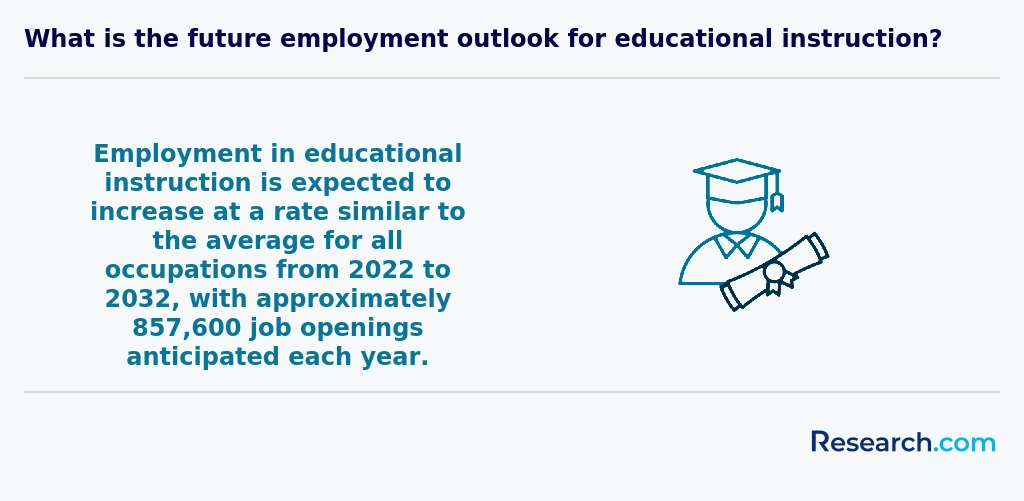
Graduates with an education degree in the USA Territories have diverse career paths rooted in community-focused roles. Many become licensed teachers in public or private schools, eager to work with students across elementary to high school levels. Those from institutions like the University of Puerto Rico often share the rewarding experience of teaching bilingual classes, meeting the strong demand for educators fluent in Spanish and English. This unique opportunity reflects the real cultural fabric of the territories.
Career opportunities extend beyond teaching into administration and counseling, where education graduates take on leadership roles such as principals and academic counselors. These positions play vital parts in overcoming challenges like resource limitations, which graduates from local colleges have told me fuels their passion for making lasting regional impacts. For those interested in more advanced work, postsecondary education and educational research offer meaningful ways to contribute, often at universities within the territories.
Exploring job prospects for education graduates in USA Territories also reveals roles in special education, early childhood programs, and adult education, connecting deeply with community development. Many graduates find that training in these fields aligns well with workforce growth initiatives. For prospective students balancing costs and options, public universities in the territories remain affordable, complementing access to meaningful careers. To explore flexible learning pathways while pursuing these opportunities, consider institutions highlighted among the best accredited online colleges non profit.
The job market for education degree holders in the USA Territories offers unique, meaningful opportunities despite some challenges. Graduates from well-regarded institutions like the University of Puerto Rico often find rewarding roles in K-12 schools, particularly in bilingual and special education, where demand remains steady. This alignment between local educational needs and employment reflects a hopeful outlook for those seeking both stability and the chance to make a community impact.
Employment opportunities for education graduates in USA Territories are influenced by specific factors such as varying government funding and a focus on improving literacy and educational outcomes, especially in areas like Guam and American Samoa. Many graduates appreciate that tuition costs at territorial universities are more affordable, helping them start their careers with less financial burden and more confidence.
Choosing to study here means engaging with a close-knit network of educators and students, which often feels personal and supportive. Those considering their next steps might also explore what is the best career for introverts, aligning their strengths with fulfilling paths within education.
2027 Most Valuable Education Degree Programs Ranking in the USA Territories
Investing in one's education is a significant decision that can profoundly impact future opportunities, and the Research.com team recognizes the importance of providing reliable guidance. To support prospective students across the USA Territories, we have carefully developed the "2027 Most Valuable Education Degree Programs Ranking." Our dedication to quality, credibility, and accuracy is demonstrated by the rigorous research and analysis behind this ranking.
We utilized the following reputable data sources to ensure a comprehensive evaluation of education degree programs:
By exploring this ranking, readers gain valuable insights to make informed decisions about their educational investments, identifying programs that offer the greatest long-term value. For a deeper understanding of how this ranking was created, please visit our Research.com methodology page.
# 1 position
NUC University
Tuition-Free Master's Degree in Education (M.Ed.)


# 5 position
Universidad Ana G. Mendez-Gurabo Campus
Bachelor of Arts in Education
# 6 position
Universidad Ana G. Mendez-Cupey Campus
Bachelor of Early Childhood
# 7 position
University of Guam
Master of Education

# 8 position
Universidad Ana G. Mendez-Gurabo Campus
Master of Education
# 10 position
University of Guam
Bachelor of Science in Education

# 14 position
Caribbean University-Bayamon
Master of Education
# 16 position
Universidad Ana G. Mendez-Cupey Campus
Master of Arts in Education
# 17 position
Inter American University of Puerto Rico-Arecibo
Master of Education in Curriculum and Teaching


Frequently Asked Questions About education
Education degree students in the USA Territories can maximize their learning experience by engaging actively with regional institutions that understand local cultural and educational contexts. For example, the University of Guam and the University of the Virgin Islands offer programs tailored to address specific community needs, which enhances practical learning. According to the National Center for Education Statistics, enrollment in these institutions has grown steadily, highlighting increased access.
Students should seek internships and practicum opportunities within local schools to apply theory in real-world settings. Additionally, leveraging online courses from accredited mainland US universities can supplement their education. Utilizing available federal financial aid programs designed for territories residents also supports uninterrupted study.
Emerging niches within the education field in the USA Territories reflect broader trends shaping the mainland United States but also address specific regional needs. One growing area is bilingual education, particularly important in territories like Puerto Rico, where Spanish and English fluency is essential. According to the Puerto Rico Department of Education, programs focusing on bilingual teaching methods have expanded by over 15% in recent years.
Another niche is special education, which has gained attention due to increased awareness of diverse learning needs. Training educators to work with students with disabilities is becoming a critical priority.
Technology integration in classrooms also stands out. As remote learning becomes more common, degrees that emphasize digital literacy and instructional design are in demand. The U.S. Department of Education reports a 20% rise in education technology certifications across territories.
Preparing for the job market after earning an education degree in the USA Territories requires strategic planning and knowledge of local employment conditions. Graduates should focus on obtaining state or territorial teaching certification, which varies between regions like Puerto Rico, Guam, and the U.S. Virgin Islands.
Gaining practical experience through internships or student teaching placements is essential; these opportunities often lead to permanent roles. Additionally, building a network with local education professionals can increase job prospects in schools or educational organizations.
According to the U.S. Bureau of Labor Statistics, education-related job growth in these territories is projected to be steady but competitive through 2030. Continuous professional development and familiarity with culturally relevant teaching methods strengthen a graduate's marketability.
Employers in the USA Territories prioritize several key skills when hiring education degree graduates. Strong communication abilities are essential, enabling teachers to effectively engage students and collaborate with parents and colleagues. Additionally, cultural competence is highly valued due to the diverse populations across territories such as Puerto Rico, Guam, and the U.S. Virgin Islands.
Critical thinking and problem-solving skills help educators adapt to varied learning needs and resource limitations often reported by the National Center for Education Statistics in these regions. Classroom management expertise is also a top requirement, ensuring a safe and productive learning environment. Finally, technological proficiency is increasingly important, reflecting growing digital initiatives in territorial schools.
Finding internships related to education degrees in the USA Territories involves several strategic steps. Many local schools, community colleges, and universities in territories like Puerto Rico, Guam, and the U.S. Virgin Islands offer partnerships for student teaching or education internships. Checking with your institution's career services is crucial, as they often have established connections with local educational organizations.
Additionally, government websites, such as the Department of Education for each territory, regularly post internship opportunities and grant programs. Platforms like the U.S. Department of Education's Office of Civil Rights also provide resources tailored to teaching roles in these regions. Networking with local educators can open doors, as community-based schools frequently seek interns.
Institutions accredited by bodies recognized by the U.S. Department of Education ensure valid education programs, increasing access to quality internships. According to the National Center for Education Statistics (NCES), approximately 70% of education students in Puerto Rico engaged in internships in 2022, highlighting available placements. Using these local and federal resources maximizes chances of securing internships relevant to education degrees in USA Territories.
In the USA Territories, obtaining an education degree significantly enhances career mobility and advancement opportunities. The territories follow US Department of Education standards, ensuring degree recognition aligns with mainland qualifications. This facilitates access to teaching positions in public schools, which often require state or territorial certification tied to educational credentials.
Statistics from the National Center for Education Statistics (NCES) reveal that certified teachers with education degrees in the territories can expect higher salaries and promotion potential compared to uncertified individuals. For example, in Puerto Rico, teachers with a bachelor's degree in education earn about 20% more annually than those without.
Additionally, education degrees open pathways to administrative roles, curriculum development, and specialized support positions, which often require advanced certification or graduate degrees. Employers in the territories value formally trained educators who demonstrate knowledge of pedagogical best practices and local educational policies.
Studying for an education degree in the USA Territories equips students with skills essential for interdisciplinary roles by emphasizing diverse curricula that blend educational theory, psychology, and community engagement. Programs often incorporate local cultural and linguistic elements, which enrich training and prepare graduates to work effectively in various educational settings.
Many institutions in territories like Puerto Rico and Guam include courses on bilingual education, technology integration, and special education, promoting flexibility across multiple disciplines. According to a 2023 report from the National Center for Education Statistics, over 35% of education graduates in these regions pursue careers involving collaboration with health, social work, and administrative sectors.
This multidisciplinary focus encourages problem-solving and adaptability, crucial for educational roles requiring coordination between different community and governmental agencies.
When choosing between a thesis and a non-thesis education degree program in the USA Territories, students should consider their career goals and learning preferences. Thesis programs typically involve original research and a formal written document, suited for those aiming at academic careers or advanced studies. Non-thesis options focus more on practical skills and coursework, benefiting professionals seeking immediate application in schools or educational administration.
According to data from the National Center for Education Statistics, many institutions in the USA Territories, such as the University of Guam, offer both paths to accommodate diverse student needs. Students should also factor in time commitments, as thesis programs often require more months or even years to complete their research projects.
Financial considerations are important, too: thesis research may require additional resources or funding, potentially influencing the choice. Consulting academic advisors familiar with local education systems can provide valuable guidance tailored to the unique educational context of the territories.
Students in the USA Territories have several options for pursuing education degrees abroad within the US higher education system. Many choose to attend accredited institutions in the 50 states, benefiting from transfer agreements and recognized credits. Popular destinations include Puerto Rico, Guam, and the U.S. Virgin Islands, where institutions offer education programs aligned with territorial needs.
Federal data from the National Center for Education Statistics show that nearly 15% of students from the territories enroll in mainland U.S. colleges annually. These students often access federal financial aid, including Pell Grants, to support their studies.
Additionally, some territories have partnerships with universities in the continental U.S., enabling remote or hybrid study options. This flexibility helps overcome geographic and financial barriers while maintaining ties to local educational environments.
Students pursuing education degrees in the USA Territories can benefit from various part-time job opportunities that enhance their skills and resume. Popular roles include teacher's aides, which provide practical classroom experience and exposure to curriculum development. According to the U.S. Bureau of Labor Statistics, these positions often require less certification, making them accessible for students.
Another option is working as after-school program assistants or tutoring in subjects like reading and math, which align directly with education training. Local libraries and community centers frequently offer positions in literacy programs, helping refine teaching techniques.
Such jobs improve communication skills and offer valuable insight into diverse learning environments, especially in culturally rich territories like Guam and Puerto Rico.
Education students in the USA Territories have several networking opportunities through local universities and regional education associations. Institutions such as the University of Guam and the University of the Virgin Islands often host conferences and workshops that connect future educators with experienced professionals.
The Guam Department of Education supports student internships, allowing practical experience combined with networking in local schools. According to the National Center for Education Statistics, collaboration between schools and universities strengthens these opportunities.
Additionally, regional chapters of national organizations, like the National Education Association, provide platforms for students to engage with peers and mentors across territories. Such networks enhance career prospects within the territories and beyond.
Alumni networks play a crucial role in supporting education degree students in the USA Territories by fostering professional connections and mentorship opportunities. Graduates from institutions in Puerto Rico, Guam, and the U.S. Virgin Islands often share valuable resources and advice through these networks.
Research from the American Educational Research Association highlights that strong alumni relations can enhance job placement rates by up to 20% in these regions. This is important given the competitive teaching job market in the territories.
Additionally, alumni frequently collaborate on community projects and continuing education, which helps current students stay informed about regional educational needs and trends.
Such networks also provide support for licensure exam preparation and access to exclusive scholarships, which are vital in the territories considering limited local funding sources.
Students in the USA Territories can customize their education degree programs by selecting specialized tracks or concentrations aligned with their career goals. Many local universities offer options such as early childhood education, special education, or educational technology. These choices allow students to tailor their learning and better prepare for roles in specific educational settings.
Additionally, practical experience through internships or student teaching in local schools is emphasized, ensuring real-world skills. Some institutions in Puerto Rico and Guam provide bilingual education focuses, reflecting the territories' diverse populations (U.S. Department of Education, 2022).
Flexible course scheduling and online learning options also help accommodate working professionals seeking career advancement within their communities.
Education students in the USA Territories face several distinct challenges related to resources, access, and opportunities. Many institutions in these regions have limited funding, which affects the availability of modern technology and up-to-date learning materials. For example, the Government Accountability Office has reported disparities in federal funding for schools in territories compared to states.
Additionally, geographic isolation restricts student access to diverse practicum sites and professional development events, which are crucial for education degrees. Internet connectivity can also be unreliable, limiting online learning options.
Moreover, students often confront fewer local job opportunities post-graduation, compelling many to relocate to the mainland U.S. for work or advanced studies.
With an education degree in the USA Territories, you can pursue a variety of professional certifications that enhance your teaching career and open doors to specialized roles. The most common certification is the state or territorial teaching license, required to work in public schools. For example, the Puerto Rico Department of Education mandates specific licensure exams and verification of your degree.
Additional certifications include special education, bilingual education, and English as a Second Language (ESL), reflecting the diverse student populations in territories like Guam and the U.S. Virgin Islands. National certificates such as the Certified Teacher Professional by the National Board for Professional Teaching Standards are also recognized.
Career advancement can be supported by administrative credentials for roles like school principal or counselor, typically needing further study or practical experience.
Applying for an education degree program in the USA Territories requires careful preparation and understanding of local academic standards. Research shows institutions in territories like Puerto Rico and Guam follow U.S. accreditation rules, so meeting general application requirements is essential. Strong personal statements highlighting your commitment to teaching and community impact can make your application stand out. Include detailed transcripts reflecting your academic achievements, and secure letters of recommendation from educators familiar with your skills.
Standardized tests such as the GRE might be required for graduate programs in some territories. According to the 2023 U.S. Department of Education reports, presenting clear career goals aligned with regional education needs increases admission chances. Tailoring applications to reflect local cultural awareness and educational challenges demonstrates preparedness and relevance.
The global perspective on an education career recognizes the growing importance of skilled educators in shaping future societies. In the USA Territories, degrees in education are increasingly valued for their role in addressing local challenges such as bilingual teaching and cultural diversity. According to the National Center for Education Statistics, education employment in US territories like Puerto Rico remains stable with steady demand for qualified teachers over the next decade.
Internationally, educators often benefit from competitive salaries and job stability, but requirements for certification and continuing education vary widely. US Territories align closely with mainland standards, offering pathways to licensure that support mobility within the broader United States system.
Prospective educators here should consider that global trends emphasize technology integration and inclusive education, skills nurtured in many US territory university programs.
Gaining practical experience while pursuing an education degree in the USA Territories involves engaging in local teaching internships and practicum placements arranged through your college or university. Many institutions partner with public schools in territories like Puerto Rico, Guam, and the U.S. Virgin Islands to provide hands-on classroom experience. According to the U.S. Department of Education, over 75% of education programs nationally require a student-teaching component before graduation, which applies similarly in the territories.
Students can also participate in community education projects or tutoring programs, offering valuable exposure to diverse student populations and educational settings. These experiences help develop teaching skills and meet licensure requirements specific to territorial education departments.
Choosing the right concentration within an education degree program in the USA Territories involves considering local workforce demands and personal career goals. Many programs offer options such as early childhood education, special education, or bilingual education, which reflect regional needs. For example, bilingual education is especially relevant in Puerto Rico and Guam, where Spanish and Chamorro are widely spoken.
Consult data from the U.S. Department of Education and local education agencies to understand employment trends. Specializing in areas like STEM education or special education can increase job opportunities, as these fields show steady growth nationally and within territories.
Additionally, align the concentration with certification requirements in the territory you plan to work in, since each territory sets specific standards for teacher licensure.
See What Experts Have To Say About Studying Education
Read our interview with Education experts

Nooshan Ashtari
Education Expert
Professor & Book Author
University of Southern California

Alan J. Singer
Education Expert
Professor of Teaching, Learning and Technology
Hofstra University

- Know more about thesis vs non- thesis: what is the difference? https://studyfans.com/en/blogs/816
- Real-World Experiences in Education: Boosting Student Skills and Employability - FSUK International College https://fsukinternationalcollege.com/2024/07/bridgingreal-world-experiences-in-education/
- University of the Virgin Islands https://www.uvi.edu/index.html
- How to Write a Great Letter of Intent for a Teaching Job | Zen Educate https://www.zeneducate.com/us/resources/becoming-a-teacher/how-to-write-letter-of-intent-teaching-job/
- Education Cover Letter: 6 Steps to Write a Job-Winning One [+Example & Template] | Cake https://www.cake.me/resources/cover-letter/education-cover-letter
- High Quality Career Pathways - Southern Regional Education Board https://www.sreb.org/career-pathways
- Networking For Educators: How To Grow A Professional Circle - Carlow University https://www.carlow.edu/networking-for-educators/
- The 8 challenges of education in a changing world https://casvitrescantos.com/en/the-8-challenges-of-education-in-a-changing-world/
- The Future of Education: Emerging Trends Reshaping Learning Environments http://www.gesseducation.com/gess-talks/articles/future-education-emerging-trends-reshaping-learning-environments
- Top 10 Effective Networking Tips for Students https://www.unfc.ca/blog/networking-tips-for-students


