2027 Most Popular Education Degree Programs Ranking in Ann Arbor

Co-Founder and Chief Data Scientist
Choosing the right education degree program is a big step toward a rewarding career. For students in Ann Arbor, understanding which programs stand out can make all the difference.
This article features the 2027 Most Popular Education Degree Programs Ranking in Ann Arbor, created by the Research.com team of data scientists. It offers clear, data-driven insights to help you explore your options confidently.
By reading this, you'll discover valuable information to guide your decision and feel excited about the rewarding path ahead in education.
Key benefits of getting education degree in Ann Arbor
- Graduates with an education degree in Ann Arbor can earn competitive salaries, such as $70,740 annually for elementary school teachers and up to $77,200 for instructional designers, providing financial stability and rewarding career opportunities.
- With a degree from a well-known Ann Arbor college, graduates often pursue diverse career paths including special education, ESL teaching, and early childhood education, allowing them to match their passion with their preferred teaching environment.
- Online education degrees offer flexibility and convenience, enabling Ann Arbor students to balance work and study effectively while earning qualifications comparable to traditional programs from respected local universities.
- 2027 Most Popular Education Degree Programs Ranking in Ann Arbor
- What can I expect from education degree in Ann Arbor?
- Where can I work with education degree in Ann Arbor?
What can I expect from education degree in Ann Arbor?
The average cost of pursuing an education degree in Ann Arbor varies mainly by residency status and program level. For graduate programs at the University of Michigan, which is a top choice for many education students, in-state tuition typically averages around $24,000 per year. Out-of-state students often face higher costs, nearing $50,000 annually. Graduates commonly reflect on this investment as worthwhile, noting how access to cutting-edge research and hands-on practicum experiences in local schools enriches their learning journey.
Many students share stories of balancing rigorous coursework with assistantship roles that provide financial aid and valuable professional experience. The financial challenges can feel real, but the robust support system at U-M, including teaching assistantships and research positions, often helps ease the burden. This combination of academic excellence and practical application creates a uniquely vibrant environment that many graduates remember as both demanding and deeply rewarding.
Ultimately, the cost mirrors the quality of education and opportunities available, making Ann Arbor a compelling choice for those passionate about advancing their careers in education.
Where can I work with education degree in Ann Arbor?
Graduates with an education degree in Ann Arbor often find themselves stepping into a vibrant local job market, brimming with meaningful opportunities. Many begin their careers within the Ann Arbor Public Schools, where the demand for certified teachers remains strong, offering stability and community impact. Those who studied at institutions like the University of Michigan find it common to transition into higher education roles, serving as academic advisors or educational researchers, where they contribute to shaping innovative teaching methods and policies.
Others discover rewarding paths in private and charter schools, where specialized credentials in areas like special education open doors to tailored teaching roles that deeply resonate with personal passions. Non-profit organizations dedicated to youth development and literacy also provide fulfilling employment, connecting graduates with community-centered work that creates lasting change.
Many who pursued education degrees in Ann Arbor describe the excitement of applying their skills in corporate training settings, developing programs that foster professional growth. Administrative roles in education, from counselors to school principals, add leadership dimensions that graduates find both challenging and inspiring.
Graduates from education programs in Ann Arbor often find rewarding salary opportunities tied closely to their chosen career paths. For instance, an elementary school teacher in the area can expect an average annual wage around $70,740, reflecting solid demand and respect for foundational educators. Those who specialize further, such as special education teachers, may see salaries closer to $76,000, which highlights the value of advanced skills in meeting diverse student needs.
Many education graduates from respected institutions in Ann Arbor discover that roles like instructional designers offer a competitive salary near $77,200. This shows how branching into curriculum development or educational technology can enhance earning potential while engaging passions for innovation. Meanwhile, English as a Second Language (ESL) teachers command about $65,430 annually, providing a fulfilling career with strong regional need.
Early childhood educators typically start near $41,410, which is an essential stepping stone for those devoted to shaping young minds. Reflecting on these figures, it's clear that earning potential grows with experience and specialization, especially for those connected to Ann Arbor's dynamic educational landscape rooted in institutions like the University of Michigan.
- Undergraduate tuition for in-state students at the University of Michigan ranges from $17,000 to $20,000 per year, while out-of-state students may pay over $55,000 annually.
- Graduate education programs cost between $25,000 and $45,000 per year, depending on the level and program.
- Entry-level salaries for education graduates in Ann Arbor typically range from $40,000 to $50,000 annually.
- Experienced educators can earn between $60,000 and $80,000 or more, especially with advanced degrees or certifications.
- Students have access to diverse practicum placements and fieldwork essential for certification and skill development.
Completing an education degree in Ann Arbor varies depending on the level pursued, but several common experiences emerge among graduates. Bachelor's degrees commonly take about four years of full-time study at institutions like the University of Michigan, where students balance coursework with valuable hands-on teaching internships that prepare them well for licensure. Many graduates reflect on this period as both challenging and rewarding, appreciating the blend of theory and real classroom experience.
Master's programs typically require one to two years of full-time commitment, though part-time paths extend this to three or more years, offering flexibility for working professionals. Graduates often highlight the advantage of specialized tracks such as curriculum development or counseling, which enrich their career prospects without sacrificing work-life balance.
Doctoral degrees in education demand a longer dedication-often four to six years-combining intense research, coursework, and dissertation writing. Alumni frequently recount the deep personal growth achieved through this journey, underscoring the value of persistence and passion cultivated at Ann Arbor's rigorous institutions.
Every Education degree program in Ann Arbor, MI must be accredited by the Council for Accreditation of Educator Preparation (CAEP) and approved by the Michigan Department of Education (MDE) to ensure graduates meet state teaching standards. Prospective students should verify program accreditation status and understand the steps to obtain a Michigan teaching certificate. To qualify for a Michigan teaching license, candidates must:
- Complete a CAEP-accredited educator preparation program.
- Pass the Michigan Test for Teacher Certification (MTTC) in their chosen endorsement area.
- Fulfill supervised student teaching hours under a certified mentor.
- Submit official transcripts and MTTC scores to the MDE for review.
- Apply for an initial or professional educator certificate and complete required background checks. Students seeking cost-effective pathways to accredited programs might explore Inexpensive Online Master's in Education Degree Programs that combine rigorous curriculum with budget-friendly tuition. By choosing an accredited program and completing state certification requirements, graduates can confidently transition into licensed teaching roles across Michigan and beyond.
Choosing between an online and an on-campus education degree in Ann Arbor comes down to how you prefer to learn and live your daily life. Graduates from the University of Michigan often reflect on the vibrant campus life and the immediate, face-to-face collaborations they experienced, especially during practicums in local schools. This hands-on approach helped them build strong professional connections and feel fully immersed in the education community.
In contrast, online learners appreciate the freedom to study from anywhere, which proved invaluable for many balancing jobs or family obligations in Ann Arbor's busy environment. These students describe a rewarding sense of independence but also emphasize the need for disciplined time management to stay on track with coursework.
Both paths lead to respected degrees, yet the choice shapes your educational journey. On-campus programs offer rich, interactive settings that many find inspiring, while online options provide flexibility without sacrificing academic rigor, a balance often praised by Ann Arbor's working adults returning to school.
Before enrolling in an education degree program, it’s essential to confirm both institutional accreditation and state teacher licensure approval. In Michigan, accredited programs typically hold CAEP (Council for the Accreditation of Educator Preparation) or NCATE (National Council for Accreditation of Teacher Education) recognition and are approved by the Michigan Department of Education (MDE). This dual endorsement ensures that your coursework meets rigorous standards and qualifies you to sit for the Michigan Test for Teacher Certification (MTTC). Key accreditation and licensure checkpoints:
- Regional Accreditation: Look for HLC (Higher Learning Commission) accreditation to guarantee transferability of credits and financial aid eligibility.
- Program Approval: Verify that the education program is listed on the MDE’s approved provider roster to ensure your student teaching hours and coursework align with state requirements.
- MTTC Preparation: Accredited programs integrate MTTC exam prep-covering subjects from Elementary Education to Special Education-into the curriculum, often through dedicated workshops or capstone seminars.
- Background Clearance: Michigan requires a fingerprint-based criminal history check; accredited institutions usually guide candidates through the submission process.
- Continuing Education: After initial licensure, educators must complete professional development hours and renew their teaching certificate every five years, a requirement that CAEP-accredited programs often address through alumni resources. For students seeking budget-friendly master’s pathways that still maintain full accreditation and licensure support, explore our curated list of Inexpensive Online Master’s in Education Degree Programs to balance quality, cost, and certification readiness.
The average cost of an education degree in Ann Arbor is shaped largely by residency status and program level. For in-state students, the total median cost typically hovers around $17,736, which reflects tuition and fees combined. Out-of-state students face a median total cost of about $77,432, highlighting the significant premium placed on education at renowned institutions like the University of Michigan. Graduates often recall the challenge of budgeting but also recognize that this investment aligns with the quality of resources and faculty expertise they enjoyed.
Education degree tuition and fees in Ann Arbor can feel steep initially, especially when coupled with living expenses in a vibrant college town. Many students share stories of balancing part-time jobs or securing scholarships to manage costs. The sense of community and hands-on learning experiences at these universities often help students view those expenses as stepping stones to rewarding careers in education.
Those pursuing flexible pathways-such as online courses or part-time study-frequently mention that adapting their schedules helped ease financial pressures while still accessing excellent programs. Considering the most popular education degree programs in Ann Arbor offers insight into cost-effective options and scholarships that can further lighten the load. Understanding these facets can empower prospective educators to embrace both the excitement and responsibility of their academic journey here.
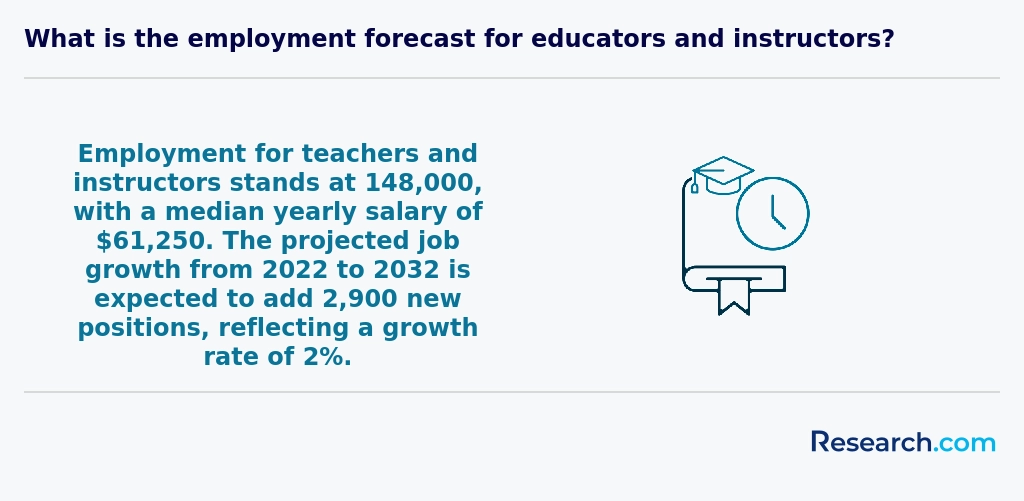
After earning an education degree in Ann Arbor, MI, securing state certification is your next critical step. In Michigan, aspiring teachers must complete the Michigan Test for Teacher Certification (MTTC), which assesses subject-area knowledge and teaching skills. Most programs at the University of Michigan and Eastern Michigan University include MTTC preparation courses-graduates often recount how targeted workshops and practice exams boosted their confidence and pass rates. To qualify for an initial teaching certificate, candidates must also complete a state-approved teacher preparation program, demonstrate a minimum GPA (usually 2.75 or higher), and satisfy fingerprinting and background check requirements. One graduate shared that the streamlined application portal at the Michigan Online Educator Certification System (MOECS) made submitting transcripts and test scores straightforward, reducing delays in licensure. Once certified, teachers in Michigan engage in continuing professional learning to renew their certificates every five years. Options include university-hosted workshops, district-led seminars, or online courses. For those balancing work and family, exploring Inexpensive Online Master’s in Education Degree Programs can fulfill credit requirements affordably while deepening expertise in areas such as special education or instructional technology. Understanding these certification requirements not only aligns with state standards but also ensures you remain competitive in Ann Arbor’s vibrant education job market. By proactively planning for MTTC prep, meeting GPA benchmarks, and selecting flexible continuing education pathways, graduates transition smoothly from classroom observations to full teaching roles, ready to inspire Michigan’s next generation.
Students pursuing education degrees in Ann Arbor often find relief through diverse financial aid options that soften the impact of tuition, such as the approximately $26,000 yearly in-state graduate fees at the University of Michigan. Federal aid remains a cornerstone: completing the FAFSA unlocks Pell Grants-funds that never require repayment-and access to low-interest Direct Subsidized and Unsubsidized Loans, which many education students have depended on to confidently navigate their studies without overwhelming debt.
State scholarships like the Michigan Competitive Scholarship provide additional help, rewarding both need and merit. Local scholarships, offered by organizations such as the Ann Arbor Area Community Foundation, have been praised by graduates for easing their financial burdens while rooting their commitment to teaching within the community.
Graduate assistantships at institutions like the University of Michigan offer hands-on experience alongside stipends and tuition waivers, blending financial support with career preparation. Furthermore, federal loan forgiveness programs-such as the Public Service Loan Forgiveness-offer enduring hope to education students envisioning long-term service in public schools, turning financial challenges into manageable stepping stones.
Ann Arbor, MI, stands out as a hub for academic excellence, particularly for those pursuing an education degree. The city's vibrant educational landscape, led by institutions like the University of Michigan, offers students a unique blend of theoretical knowledge and practical application. Aspiring educators can benefit from the diverse range of programs available, each designed to cater to different interests and career goals. For instance, individuals interested in the most popular education specialties can explore options such as early childhood education, special education, and ESL teaching, which are in high demand and can lead to rewarding careers. To learn more about these opportunities, prospective students can review the most popular education degree programs in the area, gaining insights into the curriculum, faculty expertise, and alumni success stories that make Ann Arbor an ideal location for studying education. This comprehensive approach to education not only prepares students for the classroom but also equips them with the skills and adaptability needed to thrive in a rapidly changing educational environment.
To enroll in an education degree program in Ann Arbor, students typically need a high school diploma or its equivalent, alongside a solid academic record. Graduates from local universities, such as the University of Michigan, often recall how a GPA of around 3.0 was crucial in gaining acceptance. This academic foundation, especially in subjects like English and social studies, reflects the skills future educators must master.
Official transcripts are required, confirming prior achievements. Some programs still request SAT or ACT scores for undergraduates, while graduate studies may ask for GRE results, though policies vary. Many students appreciate how hands-on experience, such as volunteering in schools or assisting in early childhood programs, strengthens applications and builds confidence.
Additional steps can include background checks and passing the Michigan Test for Teacher Certification. These requirements not only prepare students practically but also instill a sense of responsibility and pride, fueling their commitment to fostering learning in diverse classrooms across Ann Arbor.

A key component often overlooked in discussions about education degree programs is the rich campus life and support ecosystem that helps shape a student’s overall experience. In Ann Arbor, MI, institutions like the University of Michigan not only deliver robust academic curricula but also cultivate vibrant communities that encourage personal growth, networking, and lifelong friendships. Students benefit from dedicated support services-including academic advising, career counseling, mental health resources, and extracurricular clubs-that play a pivotal role in balancing academic pressures with social engagement. Many prospective students highlight the importance of immersive campus experiences, where supportive peer groups, mentorship initiatives, and hands-on learning opportunities extend well beyond the classroom. These environments promote a culture of collaboration and adaptability, ensuring that graduates are not just well-prepared in theory but also ready to tackle real-world challenges. For those who prefer the flexibility of online programs, integrating elements of campus life into virtual learning is evolving; for example, digital platforms now offer community forums and networking events. If you're exploring alternatives, you might also consider our affordable library science degree online to complement your educational journey with the flexibility you need while still accessing quality support. This holistic approach not only enriches the academic journey but also helps students build resilience, nurtures leadership skills, and fosters a sense of belonging that is essential for long-term career success.
Students pursuing education degrees in Ann Arbor typically find themselves immersed in a rich blend of courses that carefully balance theory and practice. Graduates from the University of Michigan often reflect on how foundational classes like Foundations of Education and Child and Adolescent Development helped them understand the diverse ways students learn, laying a meaningful groundwork for their teaching careers.
Many speak warmly of courses such as Instructional Strategies for Diverse Learners and Educational Assessment and Evaluation, which brought clarity to the challenges of tailoring lessons and measuring student progress in real classrooms. The hands-on nature of Field Experiences or Student Teaching Practicum at local schools offers a deeply rewarding chance to apply these skills, transforming theory into practice.
Additionally, embracing Educational Technology has become essential, as graduates share exciting experiences integrating digital tools that enliven lessons and engage students. Ann Arbor's programs thoughtfully include Special Education Principles and Classroom Management, fostering empathy and effectiveness. Together, these courses equip educators with a true sense of confidence and readiness to inspire diverse learners in Michigan and beyond.
Students pursuing an education degree in Ann Arbor frequently explore specializations that align with both traditional and emerging educational needs. Common focuses include Elementary and Secondary Education, preparing graduates to confidently engage with diverse classrooms from early childhood through high school. Others find their passion in Special Education, equipping themselves to support learners with unique challenges, a specialization highly valued by graduates from the University of Michigan's School of Education.
Those interested in leadership often gravitate toward Educational Leadership and Administration, developing skills essential for guiding schools and shaping policy. Curriculum and Instruction specialization is favored by students who enjoy crafting innovative teaching methods, while Education Counseling and Psychology attracts those who want to nurture the holistic well-being of their students. Many appreciate Ann Arbor education degree program options that also offer certifications like ESL or Reading Specialist, enhancing their career prospects.
Reflecting on the journeys of recent graduates, many remark on the rewarding balance of rigorous academic training and real-world teaching practice. For prospective students considering these paths, exploring an affordable library science degree online can also complement their educational toolkit and broaden professional opportunities.
Choosing the best education degree in Ann Arbor means focusing on a program that deeply aligns with your passions and future goals. Graduates from the University of Michigan often recall how the School of Education's emphasis on program specialization helped them find their niche, whether in educational policy or curriculum development. Their real-world experiences, like student teaching in local Ann Arbor schools, brought their studies to life and made the learning both exciting and applicable.
Cost plays a meaningful role in decision-making. Many students appreciate understanding tuition and living expenses before committing, which is why exploring options like the Inexpensive Online Master's in Education Degree Programs proves valuable. This insight encourages thoughtful financial planning without sacrificing quality.
When searching for top affordable education degrees Ann Arbor offers, accreditation and faculty expertise cannot be overlooked. Trusted programs backed by experienced professors offer a supportive environment where students feel confident and motivated to thrive in their careers.
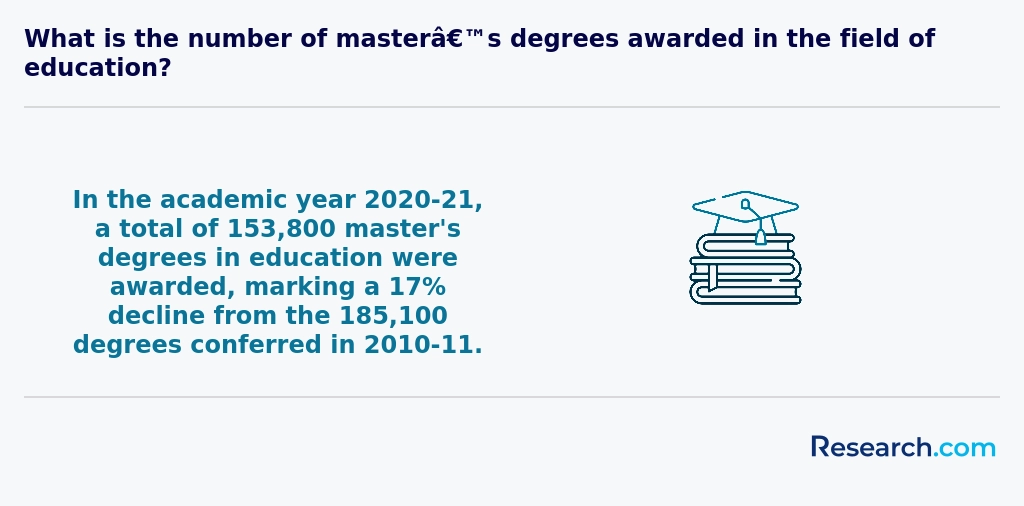
Graduates with an education degree in Ann Arbor find a rich variety of career paths that reflect the city's vibrant academic environment. Many step directly into K-12 teaching roles within public and private schools, where certified teachers in STEM or ESL subjects are eagerly welcomed. Those who studied at institutions like the University of Michigan often recall the rewarding classroom moments that solidified their passion for education. Exploring job opportunities with education degree Ann Arbor also reveals a strong demand for leadership roles, such as principals and curriculum developers, where graduates leverage collaboration with local research hubs to innovate school programs.
In addition to traditional teaching, former students describe fulfilling careers in educational counseling and student support, helping young people navigate academic challenges and plan futures. Higher education roles, including advising and student affairs at community colleges, offer another avenue for those committed to student success. Some alumni have embraced educational technology, developing tools that enhance remote learning experiences. For those weighing costs, exploring Inexpensive Online Master's in Education Degree Programs provides practical alternatives to pursuing their goals in education.
The job market for education degree holders in Ann Arbor remains encouraging, with steady demand especially in public and private K-12 schools. Graduates from institutions like the University of Michigan find themselves joining a community that values educational excellence and offers meaningful roles beyond traditional teaching, including administrative and curriculum development positions. Many recent graduates describe a sense of fulfillment in contributing to a system focused on STEM and special education, areas where Ann Arbor Public Schools particularly seek skilled educators. This positive environment reflects the broader trend for education degree job opportunities in Ann Arbor, driven by consistent student enrollment growth and the need to replace retiring teachers.
The salary outlook in Ann Arbor is also notably positive. With a median annual wage near $62,000, graduates often feel reassured by compensation levels that typically exceed state averages. This financial stability encourages prospective students weighing the cost of education, such as the University of Michigan's tuition, to pursue their aspirations. For those curious about alternative pathways, exploring options like the easiest phd to earn may provide additional flexibility while advancing a career in education.
2027 Most Popular Education Degree Programs Ranking in Ann Arbor
Investing in your education is a significant decision that can shape your future, and the Research.com team understands the importance of making informed choices. To assist prospective students in Ann Arbor, we have meticulously crafted the "2027 Most Popular Education Degree Programs Ranking in Ann Arbor." Our commitment to quality, credibility, and accuracy is reflected in the extensive research and analysis conducted to compile this ranking.
We utilized the following reputable data sources to ensure a comprehensive evaluation of education degree programs:
By exploring this ranking, readers will gain valuable insights into the most popular and well-regarded education degree programs in Ann Arbor, helping them make informed decisions about their academic and professional futures. For more details on our methodology, please visit our Research.com methodology page.


# 5 position
Concordia University Ann Arbor
Bachelor of Arts in Lower Elementary Education & Special Education
Frequently Asked Questions About education
Education degree students in Ann Arbor can maximize their learning experience by engaging actively with local resources and institutions. The University of Michigan, a leading higher education institution in the city, offers extensive hands-on opportunities through its School of Education, which is ranked among the top in the nation by U.S. News & World Report.
Students should seek out internships and partnerships with Ann Arbor Public Schools, allowing practical classroom experience. Participating in community-based projects enhances understanding of diverse student needs and modern teaching strategies.
Utilizing Ann Arbor's rich academic libraries and attending education-focused seminars and workshops can deepen subject mastery. Collaboration with peers through study groups and research initiatives also helps develop critical thinking and professional networks.
The education field in Ann Arbor is expanding into several emerging niches that align with broader national trends. One significant area is special education, with increased demand for professionals skilled in supporting diverse learners. According to the Michigan Department of Education, this sector is projected to grow faster than average through 2027.
Another rising niche is educational technology, where expertise in digital tools and online learning platforms is becoming critical. Institutions in Ann Arbor, including the University of Michigan, are known for integrating innovative tech into teaching practices.
Additionally, bilingual education and culturally responsive teaching are gaining attention due to growing diversity in local schools, reflecting a nationwide need for educators fluent in multiple languages and inclusive strategies.
Preparing for the job market after completing an education degree in Ann Arbor involves strategic steps grounded in local and national trends. Graduates should capitalize on partnerships between University of Michigan schools and nearby school districts, which offer valuable student-teaching and internship experiences. According to the Michigan Department of Education, candidates with practical classroom exposure significantly improve their employment prospects.
Networking through Ann Arbor's education forums and local professional groups can open doors to early career opportunities. Additionally, obtaining Michigan teaching certification is essential, as it aligns qualifications with state requirements. Familiarity with digital platforms and special education needs also enhances employability in today's diverse classrooms. These actions collectively strengthen readiness for a competitive job market.
Employers in Ann Arbor highly value education degree graduates who demonstrate strong communication and classroom management skills. According to the Ann Arbor Public Schools Human Resources report of 2023, over 85% of hiring managers prioritize these abilities when selecting candidates.
Additionally, analytical thinking and adaptability are critical, as educators must tailor teaching methods to diverse student needs in evolving learning environments. Data from the Michigan Department of Education highlights that proficiency in integrating technology is increasingly expected.
Collaboration skills are also emphasized, as teamwork with colleagues and families supports successful student outcomes. These competencies help graduates stand out in Ann Arbor's competitive education job market.
Finding internships in Ann Arbor relevant to an education degree involves exploring opportunities provided by local schools, universities, and community organizations. The University of Michigan, a major institution in Ann Arbor, offers education students access to various field placements and partnerships with nearby K-12 schools.
Students can also connect with the Ann Arbor Public Schools district, which frequently coordinates internships and student-teaching positions. These roles provide practical experience in classroom management and curriculum development, essential for education majors.
In addition, platforms like Handshake and local non-profits focused on youth and education frequently post internship openings. According to the National Center for Education Statistics, hands-on experience significantly improves employability for education graduates, making internship participation a critical step.
In Ann Arbor, holding an education degree significantly enhances career mobility and advancement opportunities. According to the National Center for Education Statistics, individuals with teaching credentials or advanced degrees are more likely to secure stable employment in local schools and educational institutions.
Ann Arbor Public Schools often require state certification, which comes with completing accredited education programs. These credentials open doors to roles such as lead teacher, curriculum specialist, or administrative positions.
Additionally, the demand for educators in Ann Arbor's expanding school district supports upward career movement. Data from the Michigan Department of Education notes a steady increase in teacher salaries tied to advanced degrees, further incentivizing degree holders to pursue career growth.
Studying for an education degree in Ann Arbor equips students with skills that extend beyond traditional teaching methods, preparing them for interdisciplinary roles. Many programs emphasize collaboration across fields such as psychology, special education, and technology integration. This approach reflects the increasing demand for educators who can adapt to diverse learning environments and work with professionals from various disciplines.
Ann Arbor's universities, including the University of Michigan, offer research opportunities and practical experiences that integrate multiple subjects. According to the National Center for Education Statistics, interdisciplinary methods contribute to higher student engagement and innovative problem-solving skills, critical for modern educators.
Choosing between a thesis and a non-thesis education degree program in Ann Arbor depends on your career goals and academic interests. Thesis programs often suit students aiming for research or doctoral studies. These programs require conducting original research and writing a detailed thesis, which can enhance critical thinking and analytical skills.
Non-thesis programs, more common for those pursuing immediate careers in education or administration, typically involve additional coursework or practical experience instead of research. According to the University of Michigan's School of Education, about 60% of their Master's students opt for the non-thesis track.
Consider the time commitment: thesis programs demand more time and effort, while non-thesis options may complete faster, allowing quicker entry into the workforce.
Students in Ann Arbor interested in studying education abroad have several pathways available through local universities participating in global exchange programs. The University of Michigan, a major institution in Ann Arbor, offers education students opportunities to study in over 70 countries via its Global Education Office. These programs often include semester-long exchanges, summer sessions, and internships abroad focused on international education systems.
Additionally, students can pursue dual degrees or certificates that combine education with study abroad experiences, enhancing cultural competency and teaching skills applicable worldwide. Ann Arbor's educational institutions provide robust support for visa processing, scholarships, and language preparation.
Ann Arbor offers various part-time job opportunities that complement education degree programs. Many students find positions as teaching assistants in local schools or university departments, gaining practical classroom experience. According to the University of Michigan's Center for Education, nearly 30% of education students engage in tutoring roles during their studies.
Additionally, working as after-school program coordinators or childcare aides is common, providing hands-on experience with child development and curriculum planning. Local libraries and community centers frequently hire part-time educational support workers, helping students build essential skills outside traditional classrooms.
These roles not only enhance resumes but also deepen understanding of educational theories in practice, vital for future educators in Ann Arbor.
Education students in Ann Arbor benefit from numerous networking opportunities linked to its strong academic environment. The University of Michigan's School of Education, one of the top-ranked programs in the nation, hosts regular events where students can connect with educators, administrators, and alumni. According to the university's career services, over 70% of education students participate in internships or practicum placements within local schools, offering real-world experience and professional relationships.
Local education conferences and workshops, often held in Ann Arbor, provide platforms for students to engage with experts and peers. Additionally, nonprofit organizations focused on education frequently collaborate with students for community projects, expanding networks beyond campus.
Alumni networks play a significant role in supporting education degree students in Ann Arbor. Graduates from local institutions, such as the University of Michigan, often stay connected through formal alumni associations that provide mentorship opportunities. These networks help current students access guidance on navigating teacher certification processes and job placements in Michigan schools.
Research from the University of Michigan's School of Education highlights that nearly 70% of new teachers in the region find their first position through contacts made within alumni connections. Additionally, alumni events facilitate professional development and continuous learning, essential for educators.
Such networks also offer valuable resources for collaboration, internships, and workshops that enhance practical teaching skills before graduation.
Students seeking education degrees in Ann Arbor can tailor their programs by selecting specialized tracks or concentrations aligned with their career goals. Many local universities offer options such as early childhood education, special education, or educational leadership. Choosing electives and field experiences relevant to your desired career helps build targeted skills.
Internships and partnerships with local schools in Ann Arbor provide practical experience, enhancing employability. Programs often allow coursework customization to meet certification requirements in Michigan, such as K-12 teaching credentials. According to the University of Michigan's School of Education, over 70% of graduates customize their studies to match specific job markets.
Advisors in Ann Arbor schools assist students in mapping out degree paths that align with evolving education careers, ensuring both theoretical knowledge and practical application.
Education students in Ann Arbor commonly face several challenges throughout their academic journey. One significant difficulty is balancing rigorous coursework with fieldwork requirements, such as student teaching placements in local schools. These practical experiences, essential for licensure, often demand time management skills and adaptability.
Another obstacle involves navigating evolving educational policies and diverse classroom needs, reflecting national trends in the US education system. Additionally, affordability remains a concern despite Ann Arbor's competitive financial aid options, with tuition costs at institutions like the University of Michigan exceeding $30,000 annually for out-of-state students (University of Michigan Financial Services, 2023).
Lastly, keeping pace with technology integration and inclusive teaching strategies is challenging but crucial for success.
With an education degree in Ann Arbor, graduates can pursue several professional certifications to enhance their careers. Common certifications include the Michigan Professional Educator Certificate, which qualifies candidates for K-12 teaching roles across the state.
Specialized certifications, such as endorsements in special education, reading, or English as a Second Language (ESL), are also available. These allow educators to work with diverse student populations and meet specific educational needs.
For those interested in school leadership, the Michigan School Administrator Certificate can be pursued, opening opportunities as principals or district administrators.
According to the Michigan Department of Education, over 75% of education graduates in the Ann Arbor area obtain at least one professional certification to advance their teaching careers.
To write a winning application for an education program in Ann Arbor, start by thoroughly researching the specific university requirements. The University of Michigan, a leading institution in the city, highly values a well-articulated personal statement that highlights your passion for teaching and your unique experiences working with diverse student populations.
Include clear examples of leadership or volunteer work related to education, as these strengthen your profile. Make sure to submit strong letters of recommendation from academic or professional contacts who can attest to your skills and commitment.
Ann Arbor programs often require GRE scores; check the latest criteria on official university websites. Lastly, proofread carefully and align your goals with the program's mission to stand out among competitive applicants.
The global perspective on education careers highlights increasing demand for skilled educators who can navigate diverse cultural and technological environments. In the U.S., education degrees emphasize both theory and practical experience, preparing candidates for roles worldwide. According to the National Center for Education Statistics, approximately 3.8 million teachers were employed in 2022, reflecting steady growth. Ann Arbor, home to the University of Michigan, offers access to cutting-edge research and international teaching methodologies. This environment supports future educators in understanding global trends such as inclusive education, digital learning, and multilingual classrooms, which are essential for modern teaching careers.
Gaining practical experience while studying for an education degree in Ann Arbor is essential for effective learning and career readiness. Local universities, including the University of Michigan, offer extensive fieldwork opportunities through partnerships with nearby K-12 schools. These placements allow students to observe classrooms, assist teachers, and develop lesson plans under supervision.
Additionally, Ann Arbor's strong community engagement provides options for volunteer tutoring and after-school program involvement. According to the University of Michigan's School of Education, about 80% of education students complete internships before graduation, enhancing their real-world skills.
Workshops and seminars focusing on teaching methods further prepare candidates to enter the workforce confidently.
Choosing the right concentration within an education degree program in Ann Arbor begins with understanding your career goals. The University of Michigan, a major institution in Ann Arbor, offers several popular concentrations such as Elementary Education, Special Education, and Educational Leadership. According to recent enrollment data, programs related to Special Education have seen a 15% growth in interest over the past five years.
Students should also consider local job market demands. Ann Arbor Public Schools, one of the largest districts nearby, often seeks educators with expertise in STEM and bilingual education. Exploring concentrations aligned with these needs can enhance employment prospects.
Furthermore, reviewing course offerings and faculty expertise at specific Ann Arbor institutions helps in making an informed decision. Practical experience opportunities, like internships with local schools, are also valuable factors.
- 2027 Most Popular Education Degree Programs Ranking in Cleveland
- 2027 Most Popular Education Degree Programs Ranking in Columbus
- 2027 Most Popular Education Degree Programs Ranking in Erie
- 2027 Most Popular Education Degree Programs Ranking in Chicago
- 2027 Most Popular Education Degree Programs Ranking in River Forest
- 2027 Most Popular Education Degree Programs Ranking in Indianapolis
- 2027 Most Popular Education Degree Programs Ranking in Pittsburgh
- 2027 Most Popular Education Degree Programs Ranking in Louisville
- 2027 Most Popular Education Degree Programs Ranking in Dubuque
- 2027 Most Popular Education Degree Programs Ranking in Wilkes-Barre
See What Experts Have To Say About Studying Education
Read our interview with Education experts

Alan J. Singer
Education Expert
Professor of Teaching, Learning and Technology
Hofstra University

Nooshan Ashtari
Education Expert
Professor & Book Author
University of Southern California

- MONPERATOTO Jati Diri Situs Togel Online Resmi Bersama Agen Toto Togel 4D Terpercaya https://writerslife.org/educational-markets/
- Seven Major Challenges Facing Education in the 21st Century https://www.internationalschoolparent.com/articles/seven-global-education-challenges/
- Pedagogy, first degree - Poznańska Akademia Medyczna https://pam.poznan.pl/en/candidate/first-degree-studies/pedagogy-first-degree/
- The Future of Education: Emerging Trends Reshaping Learning Environments http://www.gesseducation.com/gess-talks/articles/future-education-emerging-trends-reshaping-learning-environments
- Finding Your Path: How to Align Studies with Career Goals https://www.alfabetaglobal.com/blogs/finding-your-path-how-to-align-your-studies-with-your-career-goals
- How to Choose a Concentration for Your Master of Education 3 Questions to Consider https://www.aiuniv.edu/degrees/education/articles/how-to-choose-an-education-specialization
- Students: This is How You Should Prepare for the Job Market https://www.agencycentral.co.uk/articles/students-this-is-how-you-should-prepare-for-the-job-market/
- Education Technology Trends to Watch in 2065: 10 Innovations Shaping the Future of Learning https://www.digitallearninginstitute.com/blog/education-technology-trends-to-watch-in-2026
- Online Learning vs Traditional Learning Comparison https://advantagesschool.com/online-learning-vs-traditional-learning/
- Career & Technical Education - Ann Arbor Public Schools https://www.a2schools.org/teaching-learning/teaching-learning-by-department/career-technical-education