2027 Most Affordable Online Education Degree Programs Ranking in District of Columbia

Co-Founder and Chief Data Scientist
Choosing the right education degree program is an important step for students in the District of Columbia. Our article presents the 2027 Most Affordable Online Education Degree Programs Ranking in District of Columbia, created by the Research.com team of data scientists. This ranking is designed to help you make an informed decision by highlighting programs that offer great value without compromising quality.
Whether you're starting fresh or advancing your career, earning an education degree opens doors to new opportunities. Reading this article will guide you toward programs that fit your goals and budget, making your educational journey both rewarding and accessible.
Key benefits of getting online education degree in District of Columbia
- Salary for education degree graduates: Graduates in education fields such as Instructional Designer earn an average of $77,200 annually, while Special Education Teachers make around $76,000, offering a rewarding and stable career path in the District of Columbia.
- Career paths: An education degree graduate from George Washington University can pursue roles from Elementary School Teacher to Early Childhood Educator, providing diverse opportunities to impact local communities positively.
- Benefits of online degrees: Earning an education degree online through institutions like American University allows flexible scheduling and balancing life commitments, making it easier to advance your career without pausing your current job.
- 2027 Most Affordable Online Education Degree Programs Ranking in District of Columbia
- What can I expect from online education degree in District of Columbia?
- Where can I work with online education degree in District of Columbia?
What can I expect from online education degree in District of Columbia?
The average cost of an online education degree in the District of Columbia varies but often remains competitive with other major metropolitan areas, providing excellent value for aspiring educators. Many students delight in the cost savings from reduced commuting and housing expenses while still receiving top-tier instruction from prestigious institutions like the University of the District of Columbia and George Washington University. Graduates frequently share how the financial investment felt manageable compared to the quality and flexibility of their programs, making it easier to balance work, family, and study commitments.
These programs combine rigorous, engaging coursework with real-world teaching experiences, often requiring local internships in DC schools. This hands-on approach not only enriches learning but also sparks confidence and excitement for the classroom. For many, exploring financial aid options and local scholarships tailored to education majors further lightens the financial load, turning dreams of earning an education degree into an attainable, rewarding reality.
Where can I work with online education degree in District of Columbia?
Graduates with an online education degree in the District of Columbia find themselves empowered to make a meaningful impact in diverse roles. Many step confidently into K-12 public or charter schools, inspired by the city's commitment to education excellence spearheaded by initiatives like D.C. Public Schools' Vision 2025. Picture graduates from well-known local institutions guiding enthusiastic young learners with fresh, research-backed teaching strategies.
Beyond the classroom, education degree holders thrive as curriculum coordinators or instructional coaches in vibrant school districts, transforming how students engage with knowledge. Others discover rewarding careers in government agencies such as the U.S. Department of Education or the D.C. Office of the State Superintendent of Education, shaping policies that elevate the entire community.
With D.C.'s bustling adult education programs, graduates often enjoy roles as literacy instructors or career counselors, witnessing firsthand the empowering growth of adult learners. The expanding educational technology sector also welcomes skilled professionals ready to innovate learning experiences, reflecting an exciting, technology-driven future for education in the capital.
Graduates with an online education degree in the District of Columbia enjoy promising earning potential that reflects the region's strong commitment to education. For example, elementary school teachers in DC earn a mean annual salary of around $70,740, providing a solid foundation for recent graduates. Those specializing in special education can expect even higher earnings, with a mean wage near $76,000, highlighting the district's demand for skilled educators in this vital area.
Instructional designers, who often shape curriculum and enhance learning experiences, earn impressive salaries averaging $77,200 annually. ESL teachers in the district make about $65,430 per year, combining passion with competitive pay.
Graduates from prominent institutions like the University of the District of Columbia or Howard University have shared how their online degrees opened doors to these rewarding roles, allowing them to impact communities while earning salaries that support their lifestyles in the capital.
With these opportunities, the journey through an online education program in DC is both inspiring and financially encouraging, offering graduates a meaningful career path with tangible rewards.
- Tuition for online education degrees in D.C. ranges from $10,000 to $15,000 per year at public institutions and can exceed $20,000 annually at private schools.
- Entry-level educators in the District typically earn between $50,000 and $60,000 annually, with experienced professionals making $70,000 to $90,000.
- The job market for education graduates in D.C. is strong, driven by demand for qualified teachers and administrators.
- Many online programs are regionally accredited by the Middle States Commission on Higher Education, ensuring recognized and respected degrees.
- Flexible learning schedules are common in online education programs, accommodating working professionals and career changers.
Completing an online education degree in the District of Columbia offers a wonderful blend of flexibility and structure that suits busy lives. Many bachelor's degree students at well-regarded local institutions find themselves crossing the finish line in about four years when studying full-time, yet the true beauty is in the ability to tailor your pace. Imagine a dedicated graduate from a prominent D.C. university who balanced work, family, and studies by choosing asynchronous classes, managing to accelerate their path in just under three years.
Associate degrees typically take around two years full-time, perfect for those seeking foundational skills before advancing. Graduate programs, such as master's degrees from respected D.C. colleges, proudly empower students to complete flexible timelines-from 18 months to two years-while juggling real-world commitments. Doctoral candidates, fueled by passion and supported by their institutions, embark on a rewarding journey that can extend from three to six years, shaped by individual research goals.
These programs thrive on supportive environments where countless students feel motivated daily, knowing their efforts are building bright futures. The District's online education degrees truly embrace diverse needs, fostering growth with every completed credit.
Students pursuing online education degrees in the District of Columbia benefit from a robust network of support services designed to foster academic success and personal well-being. Key resources include: • Academic Advising: Dedicated advisors guide learners through course selection, degree planning, and licensure requirements, ensuring each student stays on track to graduation. • Tutoring and Writing Centers: Virtual tutoring sessions and online writing labs help strengthen subject-specific knowledge and academic writing skills, with many programs offering 24/7 access. • Digital Library Access: Enrollees gain remote access to extensive e-book collections, scholarly journals, and research databases, enabling comprehensive literature reviews and capstone projects. • Technical Support: Round-the-clock IT assistance ensures seamless access to learning management systems, video conferencing tools, and course materials on any device. • Career Services: Online workshops, resume reviews, and mock interviews prepare graduates to enter the workforce confidently, while alumni networks provide mentorship and job leads. • Mental Health and Disability Services: Licensed counselors and disability specialists offer virtual counseling, accommodation planning, and stress-management resources to support student well-being. • Peer Networking: Discussion boards, cohort cohorts, and student organizations foster community engagement and collaborative learning among diverse peers. By leveraging these comprehensive support structures, online learners in D.C. can overcome common challenges and maximize their educational outcomes. For a comparison of support offerings at affordable programs elsewhere, explore our Inexpensive Online Master's in Education Degree Programs Ranking in Kentucky.
Choosing between an online and on-campus education degree in the District of Columbia opens exciting pathways tailored to your lifestyle. Online programs offer the freedom to study anywhere, ideal for those balancing work or family while pursuing their dreams. Graduates from George Washington University often share how this flexibility empowered them to learn at their own pace, turning challenges into opportunities.
On-campus programs at institutions like American University provide enriching in-person experiences that spark motivation and foster deep connections with professors and peers. Many graduates cherish the vibrant campus life, where collaboration and face-to-face engagement create lasting memories and networks.
Both options deliver accredited degrees with rigorous curricula, ensuring your qualification is respected and valued. Online students enjoy convenient access to virtual libraries and interactive tools, while on-campus learners take advantage of campus resources like study centers and real-time discussions.
Ultimately, selecting the path that resonates best with your goals and rhythm can transform your educational journey into a fulfilling adventure in the heart of the capital.
In the District of Columbia, the average cost of an online education degree typically centers around $44,820, reflecting the high quality and prestigious nature of programs available. Graduates from institutions like the University of the District of Columbia often share how investing in their education unlocked opportunities in teaching and leadership roles, reinforcing the value behind these costs. While public university tuition for in-state students can be more affordable, private universities such as American University or Georgetown University offer programs that, despite higher tuition, provide extensive resources and networks that many students find invaluable.
For those seeking affordable online education degree programs DC offers options that blend convenience, quality, and cost-effectiveness. Navigating these choices can feel empowering, especially when you remember that the tuition investment aligns with a future filled with rewarding career possibilities. Students pursuing their degrees online benefit from flexible schedules that allow them to balance personal commitments with coursework, increasing the likelihood of success.
Prospective learners can explore the most affordable education programs in District of Columbia to find paths tailored to their budget and goals. These programs demonstrate that pursuing an education degree does not mean sacrificing quality for cost, but rather embracing a carefully chosen path toward a brighter professional future.

Succeeding in an online education degree program requires self-discipline, effective time management, and proactive engagement with both the coursework and your peers. Students can benefit from setting clear study goals, creating dedicated workspaces, and using digital calendars to track assignment deadlines and exam dates. Establishing a routine-for example, dedicating specific hours each day to reading course materials or participating in group discussions-can help maintain focus and mitigate the isolation that sometimes accompanies online studies. Moreover, taking advantage of virtual office hours, participating in discussion boards, and connecting with fellow students through online study groups can substantially enhance your learning experience. For those looking to further advance their qualifications after completing their degree, you might explore opportunities such as our guide on Best Online Doctorate in Higher Education Programs to build on your academic success. Embracing these strategies not only improves academic performance but also prepares you for a seamless transition into the professional demands of the education field.
Students pursuing an online education degree in the District of Columbia have inspiring financial aid options that make their academic dreams achievable. Graduates from well-known institutions like American University and George Washington University often recall how the Free Application for Federal Student Aid (FAFSA) unlocked access to Pell Grants worth up to $7,395 annually, lightening their financial load without the pressure of repayment.
Many also benefit from federal loans such as Direct Unsubsidized and Grad PLUS Loans, offering flexible repayment plans tailored to busy lives. The DC Tuition Assistance Grant (DCTAG) uniquely supports District residents attending local accredited schools, making education more affordable and personal.
Online students often find scholarships spotlighting those passionate about teaching in DC schools or special education fields through foundations like the DC Chapter of the Council for Exceptional Children. Imagine a graduate proudly sharing how these targeted awards turned barriers into stepping stones, fueling their journey to become impactful educators in their communities.
Early applications and consistent academic effort open doors to these financial resources, turning aspiration into reality for many ambitious education students in DC.
Becoming a certified teacher in Washington, D.C. requires more than an online degree; graduates must meet Office of the State Superintendent of Education (OSSE) standards, pass relevant exams, and complete state-mandated clinical experiences. Most online master’s programs align coursework with DC’s licensure pathways, including the Praxis Core Academic Skills for Educators and Praxis Subject Assessments. In addition, candidates must fulfill a supervised student-teaching component or an approved alternative certification program recognized by OSSE. After completing your online education degree, you’ll submit official transcripts, test scores, and a formal application through DC’s Educator Licensure Information System (ELIS). OSSE typically reviews applications within 30 days, ensuring candidates have met GPA requirements (minimum 3.0 for initial licensure) and documented at least 600 supervised instructional hours. For career changers, the Alternative Teacher Preparation Program offers a route to provisional licensure while teaching under mentorship. To stay competitive and explore diverse accreditation models, prospective students can compare licensure alignment in neighboring states by reviewing our Inexpensive Online Master’s in Education Degree Programs Ranking in Kentucky. Understanding these requirements upfront ensures your online degree directly translates into a valid DC teaching certificate, positioning you for immediate employment in local public and charter schools.
To embark on your journey toward an online education degree in the District of Columbia, you'll need a few key prerequisites that set the stage for your success. Most programs begin by welcoming students who hold a high school diploma or an equivalent like the GED, a foundation many graduates from institutions like George Washington University appreciate as a gateway to meaningful learning.
For bachelor's degrees, official transcripts are essential, showcasing your readiness by outlining your academic history. Many DC-based schools now embrace test-optional policies, easing pressure on applicants while focusing on your unique potential.
If you're aiming for a master's degree, having a bachelor's from an accredited college with a solid GPA opens doors. Graduates recall how providing a personal statement and recommendation letters allowed them to express their passion and dedication, making the application process a chance to shine.
Technical readiness-reliable internet and computer skills-is equally important, ensuring you stay connected and confident throughout your studies. These prerequisites reflect your commitment to growth, echoing the experiences of motivated learners thriving in the city's top education programs.
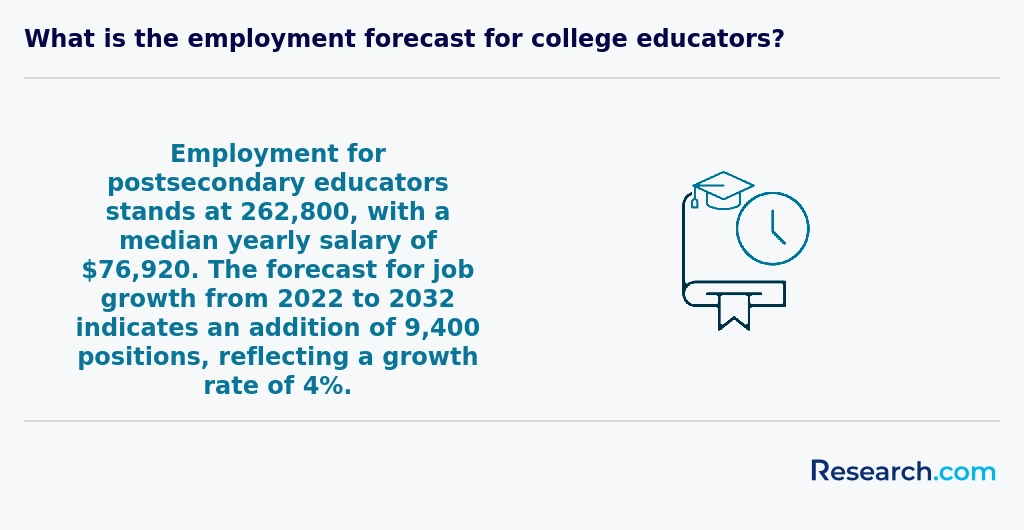
To further assist students in their search for affordable education, it's essential to consider the various programs available in the District of Columbia. Prospective students can explore most affordable education programs in District of Columbia to find the best fit for their academic and financial goals. By researching these options, students can make informed decisions about their educational pathways, ultimately leading to a more successful and fulfilling career in education. This process of exploration and decision-making is critical, as it sets the stage for students to achieve their full potential in the field of education.
Online education degree programs in the District of Columbia offer an enriching array of courses designed to empower future educators. Graduates from well-known local institutions often share how foundational classes like Foundations of Education provided them with a deep understanding of the unique social and cultural dynamics shaping Washington, D.C. classrooms.
Courses like Educational Psychology help students grasp how diverse learners develop, while Curriculum Development and Assessment gives them the tools to create dynamic lesson plans tailored to meet DCPS standards. Many find Instructional Technology especially inspiring, as it prepares them to confidently integrate digital tools that enhance learning both online and face-to-face.
Classroom Management classes equip future teachers with positive strategies to foster respectful, supportive environments, reflecting the vibrant community settings of D.C. Meanwhile, Special Education courses open eyes to inclusive teaching methods aligned with federal and local policies.
Advanced students often pursue Educational Leadership to grow into impactful school leaders who truly understand the needs of D.C. schools. These carefully crafted courses provide a rewarding path for those passionate about making a difference in the nation's capital.
Online education degree specializations in District of Columbia offer inspiring opportunities tailored to meet diverse passions and career ambitions. Graduates from prominent universities appreciate the flexibility of programs focusing on Curriculum and Instruction, where they develop innovative teaching methods that engage students and transform classroom experiences. Others find fulfillment in Educational Leadership, preparing them to become influential school administrators and advocates for equitable policies.
Special Education specialization empowers educators to support learners with diverse needs, creating inclusive environments that celebrate every child's potential. Many also choose Early Childhood Education, embracing the joy of shaping young minds during their most formative years in institutions known for excellence in DC.
The vibrant District of Columbia online education program options also include Adult and Continuing Education, helping working professionals thrive by designing flexible learning paths. Inspired by local commitment to educational equity, some students pursue special focuses in urban education and multicultural learning.
For those aiming higher, exploring the Best Online Doctorate in Higher Education Programs available in the city empowers educators to maximize their impact in dynamic urban schools.
Choosing the best online education degree in District of Columbia is about finding a program that truly fits your life and ambitions. Graduates from local universities often share how accreditation from agencies like the Council for the Accreditation of Educator Preparation (CAEP) gave them confidence their degree was respected and met strict standards. Imagine pursuing a program with a curriculum tailored to your passion-whether it's early childhood education or educational leadership-so every course excites and prepares you thoroughly.
Many students find that exploring the top online education programs DC cost comparison helps them discover affordable options with flexible schedules that work around busy lives. Some programs offer in-state tuition rates, scholarships, and financial aid that reduce financial stress, inspiring students to stay focused on their goals. If cost considerations spark your interest, you might also enjoy browsing the Inexpensive Online Master's in Education Degree Programs Ranking in Kentucky for ideas and motivation.
Supportive services like career counseling and academic advising available at District of Columbia colleges ensure you're never alone on your journey. Graduates often recall how these resources helped them overcome obstacles and celebrate milestones. Embracing programs that emphasize graduation and job placement rates can boost your confidence, knowing you're stepping into a community ready to welcome dedicated educators. This thoughtful approach will guide you naturally toward the best affordable online education degrees District of Columbia has to offer.

Graduates with an online education degree in District of Columbia discover a wealth of career options that truly make a difference in their communities. Many step into teaching roles across elementary, middle, and high schools, empowered by programs at renowned universities that prepare them to meet D.C. Public Schools certification requirements. Their passion transforms classrooms, inspiring young learners to thrive.
Others pursue dynamic roles in school leadership and administration, harnessing skills gained from advanced coursework to become principals, program coordinators, or academic advisors. These positions offer the chance to shape entire schools and support educators, reflecting the vibrant educational environment found in D.C.'s top colleges. Graduates often feel proud knowing their efforts uplift both students and staff.
Career options with education degree DC extend to curriculum development and instructional coordination, where graduates innovate teaching materials and mentor teachers. The city's many charter schools and educational nonprofits serve as perfect settings for these specialists to impact learning experiences. Many find great fulfillment in advancing educational technology roles, blending pedagogy with digital tools to create engaging programs for diverse learners.
For those drawn to policy, D.C. offers unique opportunities in advocacy and education reform, thanks to its proximity to federal agencies and nonprofits. With the right degree, graduates confidently influence education at local and national levels. Students interested in flexible learning can explore options like the Inexpensive Online Master's in Education Degree Programs Ranking in Kentucky as part of their academic journey.
The job market for graduates with an online education degree in District of Columbia is vibrant and full of promise. Many graduates from popular universities in the area share stories of quickly finding rewarding roles in DCPS or charter schools, where their skills in curriculum development and educational leadership are highly valued. This strong demand reflects the district's commitment to educational reform and workforce development, giving graduates confidence in their career prospects.
For those exploring education degree employment opportunities DC offers, federal agencies and nonprofit organizations also provide meaningful avenues to apply their expertise in workforce training and educational access. Graduates appreciate how the District's competitive salaries and robust job market make earning an online education degree a worthy investment, often supported by scholarships and financial aid.
Many find accelerated paths through a fastest online master's degree programs offered locally, enabling them to start impactful careers sooner while meeting the high standards hiring entities expect in the nation's capital.
2027 Most Affordable Online Education Degree Programs Ranking in District of Columbia
Investing in your education is a significant decision that can influence your future, and the Research.com team is fully aware of the importance of making well-informed choices. To support prospective students in the District of Columbia, we have carefully developed the "2027 Most Affordable Online Education Degree Programs Ranking in District of Columbia." Our dedication to quality, credibility, and accuracy is evident in the thorough research and analysis behind this ranking.
We utilized the following reputable data sources to ensure a comprehensive evaluation of online education degree programs:
By reviewing this ranking, readers will gain crucial insights into affordable and credible online education degree options in the District of Columbia, empowering them to make decisions aligned with their educational and financial goals. For more information on how the ranking was constructed, please visit our Research.com methodology page.
# 1 position
The George Washington University
Master of Special Education for Culturally & Linguistically Diverse Learners


Frequently Asked Questions About education
Students pursuing online education degrees in the District of Columbia can maximize their learning by actively engaging with course materials and participating in virtual discussions. The D.C. area offers access to numerous digital libraries and academic resources, such as those provided by the District of Columbia Public Library system, which supports research and study needs.
Time management is essential; setting consistent study schedules helps balance coursework with personal and professional commitments. Additionally, connecting with local education professionals and peers via online forums or social media groups can enhance understanding and networking opportunities.
Utilizing academic advising services offered by accredited institutions in D.C. ensures learners stay on track with degree requirements and career goals.
Emerging niches within the education field reflect changing societal needs and technological advances. In the District of Columbia, fields like educational technology, special education, and bilingual education are rapidly growing. According to the National Center for Education Statistics, demand for educators skilled in online teaching platforms has surged, especially since 2020.
Special education remains a critical area due to increased focus on inclusive learning. Bilingual educators are in demand to serve DC's diverse student population, with over 40% of public school students speaking a language other than English at home, per DC Public Schools reports.
Additionally, curriculum development focused on STEM and digital literacy is expanding as schools integrate advanced technology. These niches offer promising opportunities for online education degree seekers in DC.
Preparing for the job market after earning an online education degree in the District of Columbia involves strategic steps. First, graduates should leverage local professional networks, including D.C. public school systems and private education organizations. According to the D.C. Office of the State Superintendent of Education, the district hires over 1,000 new teachers annually, highlighting strong employment opportunities.
Building a robust resume with clinical or practicum experience gained during studies is crucial. Many online programs in D.C. require local in-person components to meet licensure standards.
Additionally, obtaining state certification through the D.C. Office of Teacher Licensure can enhance job prospects significantly.
Engaging in job fairs and using platforms like the D.C. Public Schools careers page also supports successful job placement.
Employers in District of Columbia seek education degree graduates with strong communication and classroom management skills. According to the DC Public Schools report, effective communication is critical for engaging diverse student populations and collaborating with parents. Additionally, skills in curriculum development and instructional technology are highly valued due to increasing emphasis on digital learning environments.
Problem-solving and adaptability are also important, especially in urban school settings where challenges vary widely. The National Center for Education Statistics highlights that graduates who demonstrate cultural competence and understanding of inclusive teaching practices are preferred by local employers.
Leadership and teamwork abilities further enhance a candidate's employability in District of Columbia's competitive education job market.
Finding internships in the District of Columbia related to an education degree involves leveraging local institutions and resources. DC hosts numerous public and private schools, as well as education-focused nonprofits, that offer internship opportunities. The DC Office of the State Superintendent of Education (OSSE) provides resources and links to internships for education students, emphasizing partnerships with local schools and community programs.
Many universities in DC, such as George Washington University and American University, maintain internship portals connecting students to education placements. Additionally, professional organizations like the DC Association of Teacher Educators can provide networking and internship leads.
Online platforms like Handshake and internships.com list many local opportunities specific to education fields in DC. According to data from the U.S. Bureau of Labor Statistics, education internships in DC often correlate with higher chances of employment post-graduation due to the city's focus on education reform and policy.
An online education degree in the District of Columbia can significantly enhance career mobility and advancement, especially in the public education sector. According to the DC Office of the State Superintendent of Education, educators with advanced degrees often qualify for higher salary scales and leadership roles. Online programs provide flexibility, allowing working professionals to earn credentials without interrupting their current careers.
District employers recognize accredited online degrees, which aligns well with the city's focus on professional development. Many schools and charter networks in DC prioritize candidates with master's degrees or certifications that can be earned online.
Data from the National Center for Education Statistics indicates that individuals with graduate education degrees experience a 15% higher employment rate in education management positions within urban areas like DC.
Studying for an education degree online in the District of Columbia equips students with skills that span multiple disciplines, preparing them for diverse roles in education and beyond. Programs often integrate coursework in psychology, sociology, technology, and policy, reflecting the region's commitment to a holistic approach.
DC schools emphasize understanding community dynamics and policy impacts, which are crucial for interdisciplinary collaboration. According to the National Center for Education Statistics, DC schools experience varied demographics and challenges, making interdisciplinary training vital for future educators.
This approach enables graduates to work in settings such as curriculum development, educational technology, and administrative roles that require cross-sector knowledge.
Choosing between a thesis and a non-thesis online education degree in the District of Columbia depends on your career goals and learning preferences. Thesis programs typically emphasize research and culminate in a substantial written project, which benefits those aiming for doctoral studies or research roles. Non-thesis options focus more on coursework and practical skills, often appealing to working professionals seeking direct application in educational settings.
According to the National Center for Education Statistics, around 40% of graduate education students nationwide opt for non-thesis degrees, reflecting a trend toward applied learning. In DC, where education policy and administration roles are abundant, non-thesis programs may better align with professional advancement.
Additionally, thesis paths usually require more time-sometimes an extra semester-so consider your schedule and resources carefully.
Students based in District of Columbia seeking online education degrees with an international dimension have several pathways. Many U.S. universities offer study abroad programs combined with online coursework, allowing learners to gain global perspectives without leaving home. According to the Institute of International Education, nearly 70% of U.S. students' study abroad destinations include England, Spain, and Italy, popular for education studies.
Local students can also explore partnerships between D.C. institutions and foreign universities, enabling credit transfer for courses taken online abroad. The District of Columbia also ranks high in access to federal financial aid, supporting such international academic pursuits.
In the District of Columbia, several part-time job opportunities align well with pursuing an online education degree. Positions such as teacher's aides, tutors, and early childhood assistants provide practical experience while supporting local schools. According to the DC Office of the State Superintendent of Education, education support roles are in steady demand across public and charter schools.
Part-time tutoring, especially in subjects like reading and math, complements theory learned in coursework and helps build communication skills. Additionally, working as an after-school program assistant offers exposure to student engagement and classroom management techniques.
These roles often offer flexible hours, making them suitable for online students balancing work and studies.
Online education students in the District of Columbia benefit from various networking opportunities despite the virtual format. Many universities offer virtual career fairs and online student organizations, enabling students to connect with peers and professionals locally and nationally. For example, institutions like George Washington University provide exclusive online platforms for student interaction and alumni networking. Additionally, the District's strong presence of educational nonprofits and government agencies creates avenues for internships and collaborative projects. According to the DC Higher Education Commission, over 75% of local schools facilitate some form of virtual networking, helping online learners build essential professional relationships without being on campus.
Alumni networks play a vital role for online education degree students in District of Columbia by offering valuable professional connections. These networks provide opportunities for mentorship, career advice, and job referrals, which are crucial in today's competitive job market.
According to the National Center for Education Statistics, graduates who actively engage with their school's alumni network report better employment outcomes. In D.C., the strong presence of government and nonprofit organizations enhances these benefits through local connections.
Moreover, many universities in the District facilitate virtual alumni events, making it easier for online students to participate and expand their networks regardless of physical location.
Customizing an online education degree program in the District of Columbia allows students to align their studies with specific career goals. Many local institutions accredited by the Middle States Commission on Higher Education offer flexible course selections, concentrations, and elective options. For example, students may choose focus areas such as special education, educational leadership, or curriculum design.
Additionally, programs often include opportunities for practical field experiences within DC's diverse school districts, helping to build professional networks. According to the DC Office of the State Superintendent of Education, certification requirements vary by specialization, so tailoring your program can support licensure goals.
Advisors usually assist learners in selecting courses that balance theory with applicable skills.
Online education students in the District of Columbia often face challenges related to balancing coursework with personal and professional commitments. Many learners juggle full-time jobs while pursuing degrees, which increases stress and time management difficulties. Access to reliable high-speed internet is another concern, despite DC's generally robust connectivity, because inconsistencies can still disrupt virtual classes and assignments.
Additionally, students sometimes report limited interaction with faculty and peers, which can hinder the networking and support typically found on physical campuses. According to the National Center for Education Statistics, over 30% of DC's higher education students enrolled online in 2022 struggled with motivation and course engagement.
With an online education degree in the District of Columbia, you can pursue various professional certifications to enhance your career. Common certifications include the Teacher Certification required by DC Public Schools, which qualifies you to teach in K-12 settings. Additionally, many graduates seek the National Board Certification, a respected credential that recognizes advanced teaching expertise.
Other options include Special Education Certification and certifications in English as a Second Language (ESL) instruction. The DC Office of the State Superintendent of Education provides clear guidelines on these certifications. Pursuing these credentials can increase job opportunities and earning potential in the region.
Nationally recognized certifications like Curriculum Specialist or Educational Leadership are also accessible with an online degree and can support advancement into administrative roles within DC schools and educational organizations.
Writing a winning application for an online education program in the District of Columbia requires clear focus and careful preparation. Begin by thoroughly researching programs recognized by DC's Office of the State Superintendent of Education to ensure proper accreditation and relevance.
Highlight your academic background and any professional experience related to education, emphasizing skills that align with online learning environments. Include specific examples of your commitment to education and instructional technology.
Most programs expect a strong personal statement; use this space to explain why an online format suits your goals and how you plan to contribute to the field. According to DC higher education reports, competitive applications often mention community impact or local needs.
Finally, ensure all documents are error-free, and meet deadlines set by the chosen schools to improve your chances of acceptance.
Globally, education careers are viewed as critical to social and economic development. In the United States, including the District of Columbia, a career in education offers opportunities to impact diverse student populations. According to the U.S. Bureau of Labor Statistics, employment for teachers is expected to grow by 5% from 2022 to 2032, highlighting steady demand.
District of Columbia's public schools emphasize diversity and inclusion, which reflects global trends in education that prioritize cultural competence. Educators prepared through online degree programs in DC gain skills relevant worldwide, such as digital literacy and adaptive teaching methods.
The interconnected nature of education today means that graduates may work internationally or with global content, thus expanding career possibilities beyond local schools. Research from the National Center for Education Statistics notes DC's commitment to educational equity, aligning with global aims to reduce achievement gaps.
Gaining practical experience while pursuing an online education degree in the District of Columbia is essential to develop effective teaching skills. Many programs incorporate virtual internships or practicum placements that connect students with local schools and educational organizations for supervised teaching experience.
Students can also participate in DC Public Schools partnerships, which often offer practicum and student-teaching opportunities aligned with state licensure requirements. According to the DC Office of the State Superintendent of Education (OSSE), these hands-on experiences are critical for meeting educator certification standards.
Additionally, joining online teacher communities and attending virtual workshops can provide valuable peer support and skill-building opportunities. Combining coursework with real-world classroom exposure enhances readiness for careers in education within the District.
Choosing the right concentration within an online education degree program in the District of Columbia involves understanding your career goals and the local job market. DC prioritizes specializations like education leadership, curriculum development, and special education due to strong demand in public and charter schools, as reported by the DC Office of the State Superintendent of Education (OSSE).
Prospective students should consider concentrations that align with licensure requirements in DC, especially if planning to teach in public schools. Program accreditation and alignment with DC standards are key factors to verify.
Reviewing faculty expertise and available practicum or internship opportunities offered virtually can also guide your choice. Many local programs emphasize urban education strategies, valuable for working within DC's diverse school districts.
- 2027 Most Affordable Online Education Degree Programs Ranking in Idaho
- 2027 Most Affordable Online Education Degree Programs Ranking in South Dakota
- 2027 Most Affordable Online Education Degree Programs Ranking in North Dakota
- 2027 Most Affordable Online Education Degree Programs Ranking in Nebraska
- 2027 Most Affordable Online Education Degree Programs Ranking in Kansas
- 2027 Most Affordable Online Education Degree Programs Ranking in Texas
- 2027 Most Affordable Online Education Degree Programs Ranking in Minnesota
- 2027 Most Affordable Online Education Degree Programs Ranking in Iowa
- 2027 Most Affordable Online Education Degree Programs Ranking in Missouri
- 2027 Most Affordable Online Education Degree Programs Ranking in Wisconsin
See What Experts Have To Say About Studying Education
Read our interview with Education experts

Alan J. Singer
Education Expert
Professor of Teaching, Learning and Technology
Hofstra University


- Teaching Job Roles | Teach For Life https://www.teachforlife.com/teachingjobs/global-perspectives-teacher
- Online Teaching Jobs | Elevate K-12 https://www.elevatek12.com/online-teaching-jobs/
- Teacher Certification & Licensure https://www.teachingdegrees.com/certification
- How to Become a Teacher in Washington DC | Requirements & Qualification https://moreland.edu/teacher-certification-program-online/washington-dc/teacher-certification-requirements
- How to Choose a Concentration for Your Master of Education 3 Questions to Consider https://www.aiuniv.edu/degrees/education/articles/how-to-choose-an-education-specialization
- Finding Your Path: How to Align Studies with Career Goals https://www.alfabetaglobal.com/blogs/finding-your-path-how-to-align-your-studies-with-your-career-goals
- Teaching Models - About Online Education https://columbiaschool.com/about-columbia-school/teaching-models/
- Promising Niches in the Global EdTech Landscape - Blog https://rocketech.it/blog/post/global-edtech-landscape-what-niches-are-the-most-promising
- Comprehensive Guide to Choosing the Right Educational Program https://veritaseedcenter.gr/blog/comprehensive-guide-to-choosing-the-right-educational-program
- Education Cover Letter: 6 Steps to Write a Job-Winning One [+Example & Template] | Cake https://www.cake.me/resources/cover-letter/education-cover-letter