2027 Most Affordable Online Bachelor's in Education Degree Programs Ranking in Arizona

Co-Founder and Chief Data Scientist
If you're exploring affordable options for earning an online bachelor's degree in education in Arizona, this article is here to guide you. The 2027 Most Affordable Online Bachelor's in Education Degree Programs Ranking in Arizona was carefully compiled by the Research.com team of data scientists. It offers clear, data-driven insights to help you find programs that fit your budget and goals.
Choosing the right education degree can open doors to a rewarding career making a difference. This ranking makes it easier to decide which programs truly deserve your attention and investment.
Key benefits of getting online education degree in Arizona
- Graduates with an education degree in Arizona can expect competitive salaries, such as $70,740 annually for elementary school teachers and $76,000 for special education teachers, offering financial stability in rewarding careers.
- Potential career paths include teaching, instructional design, and early childhood education, as seen with graduates from Arizona State University who find diverse opportunities in schools and educational organizations statewide.
- Completing an online education degree at institutions like the University of Arizona Online provides flexibility for working students, allowing them to balance life and learning while gaining credentials valued by employers.
- 2027 Most Affordable Online Bachelor's in Education Degree Programs Ranking in Arizona
- What can I expect from online education degree in Arizona?
- Where can I work with online education degree in Arizona?
What can I expect from online education degree in Arizona?
When diving into an online education degree in Arizona, students often find the cost pleasantly within reach. Graduates from schools like Arizona State University share stories of managing their tuition, which typically ranges from $500 to $600 per credit hour. For many, this makes balancing work, family, and school a realistic adventure rather than a financial burden.
Imagine pacing through courses at your own rhythm, paying for credits as you go, with each dollar invested unlocking practical lessons in teaching methods, classroom management, and education psychology. These programs don't just lecture-they immerse you in virtual simulations and internships that bring real classrooms to your doorstep. This hands-on approach feels rewarding and worthwhile, especially given the affordable price compared to national averages.
Beyond tuition, some graduates recall budgeting modestly for certification exams or local internship needs, but the overall financial investment remains reasonable. This blend of affordability and quality makes Arizona's online education degrees a compelling option for those ready to step confidently into teaching careers.
Where can I work with online education degree in Arizona?
With an online education degree in Arizona, graduates dive into a variety of rewarding roles throughout the state. Many step confidently into classrooms as licensed K-12 teachers, especially in sought-after fields like special education or science, thanks to programs designed around Arizona's certification standards. Imagine being part of a tight-knit school community in Phoenix or Tucson, where your expertise brings new energy and creativity to young learners.
Others find joy shaping educational experiences behind the scenes-as curriculum specialists or educational coordinators-collaborating with school districts or nonprofits to craft innovative teaching materials. Graduates from Arizona State University and Northern Arizona University often share exciting stories of supporting teacher training programs, knowing they're making a real impact beyond the classroom walls.
Some pursue careers in higher education, acting as academic advisors or instructional designers, fueling student success with programs rooted in Arizona's dynamic universities. The state's burgeoning edtech scene also calls out to adventure-seekers eager to blend education and technology, contributing to cutting-edge developments in learning tools right where they studied.
Imagine graduating from an online education program at a well-known Arizona university and stepping into your first teaching job with a fresh sense of excitement. Elementary school teachers in Arizona typically earn a mean annual wage around $70,740, offering a solid foundation for those eager to inspire young minds. For graduates specializing in special education, the journey can lead to even higher earnings, with mean salaries close to $76,000, reflecting the vital and rewarding nature of this career path.
Those drawn to language instruction will find opportunities too: English as a Second Language (ESL) teachers average about $65,430 annually, turning passion into paycheck while helping students connect across cultures. And if teaching young children is your calling, early childhood educators earn roughly $41,410 per year, launching fulfilling careers right from Arizona's online degree programs.
Instructional designers, often graduates who love blending creativity with education technology, can anticipate annual salaries near $77,200. These roles exemplify the expanding horizons that Arizona's educational landscape provides, especially for online learners embracing innovation and impact.
- Tuition for an online bachelor's degree in education at Arizona public universities ranges from $10,000 to $15,000 for in-state students.
- Arizona offers accredited online education degrees approved by the Arizona State Board for Private Postsecondary Education or the Higher Learning Commission.
- New teachers in Arizona earn between $43,000 and $48,000 annually, with experienced educators making $60,000 or more after 10 years.
- There is steady demand for teachers, especially in special education, STEM, and bilingual instruction fields.
- Many programs include local clinical practice, allowing students to gain hands-on experience without relocating.
- Online formats help students work while studying, supporting the state's need for more qualified teachers.
For those who transferred credits, sometimes up to 60 from previous college work or an associate degree, the experience often feels like hitting a fast-forward button, cruising toward graduation in just two to three years. Imagine embracing the thrill of finishing sooner, fueled by the flexibility offered in online courses.
Meanwhile, many who juggle careers and family find joy in pacing themselves, spreading their studies over five years or more. Programs at local community colleges understand this rhythm, offering tailor-made options that support their commitment without rushing.
And for those diving into special education or bilingual tracks, a captivating extra challenge waits: a few additional courses or clinical hours that deepen expertise, extending the adventure but enriching the reward.
Before stepping into Arizona’s K-12 classrooms, online Education degree graduates must secure state certification. Understanding the certification process boosts employability and ensures compliance with Arizona Department of Education standards. Arizona’s standard teaching certificate requires:
- A bachelor’s degree from an accredited institution and completion of an approved teacher preparation program
- Passing scores on the Arizona Educator Proficiency Assessments (AEPA) in Professional Knowledge and your chosen content area
- Completion of supervised student teaching or a state‐approved internship, typically 12 to 16 weeks long
- A fingerprint clearance card and background check For alternative routes, career changers or bachelor's‐only graduates can enroll in an Arizona Alternate Pathway program that combines on‐the‐job training with coursework. Instructors mentor provisional certificate holders until they pass all licensure exams. Once all requirements are met: 1. Register on ADE’s Certification Information System (CIS). 2. Submit official transcripts, test scores, fingerprint clearance, and program completion forms. 3. Pay the one‐time application fee and await email confirmation. After earning the initial 5-year Certificate, educators renew by completing 180 professional development clock hours or earning an advanced degree. Many graduates leverage support services-such as virtual exam prep and exam bundling-to streamline this timeline. Aspiring teachers seeking additional guidance on degree pathways may explore our easiest education degree overview for tips on balancing coursework, certification exams, and career goals.
Choosing between online and on-campus education degrees in Arizona opens up a world of possibilities, each with its unique rhythm. Imagine a graduate from Arizona State University who juggled a full-time job and family while completing their education degree entirely online. The flexibility to attend lectures whenever suits their schedule was a game-changer, making it possible to learn without sacrificing other commitments.
On the flip side, consider a student at the University of Arizona thriving in the energy of campus life-engaging face-to-face with professors and peers, participating in lively discussions, and accessing vibrant campus resources like libraries and career services. That direct interaction often sparks deeper motivation and networking opportunities.
Both paths meet Arizona's state licensure standards, but online learners must still complete hands-on student teaching locally, blending digital convenience with real-world experience. Tuition can also differ-online programs often save costs tied to commuting, housing, and campus fees, easing financial pressure while opening doors to quality education.
To qualify as a public school teacher in Arizona, graduates must complete state certification requirements beyond their degree:
- Enroll in an Arizona Department of Education–approved educator preparation program.
- Obtain a fingerprint clearance card and pass a criminal background check.
- Pass content-area exams (Arizona Educator Proficiency Assessments or Praxis).
- Complete a supervised student teaching internship (minimum eight weeks).
- Submit an application for an Initial Teaching Certificate through ADE, including transcripts and exam scores.
- Renew certification every six years via professional development or additional endorsements.
Alternative pathways:
- Educator in Residence (EIR) programs for career changers
- Residency models like Teach For America
For those exploring other entry points into education, consider an easiest associates degree program to build foundational skills quickly.
The average cost of online education degree in Arizona offers a compelling mix of affordability and quality that attracts many eager learners. Graduates from Arizona State University often share stories of managing their tuition, which hovers around $13,000 for the entire bachelor's program in education, thanks to a per-credit cost that keeps budgets balanced. This balance allows students to focus fully on mastering teaching skills without feeling burdened by overwhelming expenses.
Meanwhile, students exploring private institutions like Grand Canyon University describe their investment as a gateway to tailored programs and supportive faculty, where tuition ranges between $16,000 and $20,000 annually. Though private figures lean higher, scholarships and financial aid frequently soften the cost, helping prospective teachers leap confidently toward their career goals. Envision the joy of logging into class from your favorite cozy spot, knowing you're getting a solid education with manageable costs.
Out-of-state learners often encounter steeper expenses, sometimes doubling in-state tuition, but some programs offer flat-rate pricing that breaks down typical financial walls. For those passionate about pursuing an affordable online bachelor's in education Arizona, this landscape means opportunity rather than obstacle. Additionally, considering ancillary expenses like textbooks and tech fees, the overall journey stays lighter than traditional campus routes.
To navigate this exciting path smoothly, students can explore financial landscapes and program details deeply. For those curious about evolving education careers inspired by such degrees, https://research.com/careers/most-in-demand-education-careers offers a treasure trove of insights to fuel your adventure ahead.
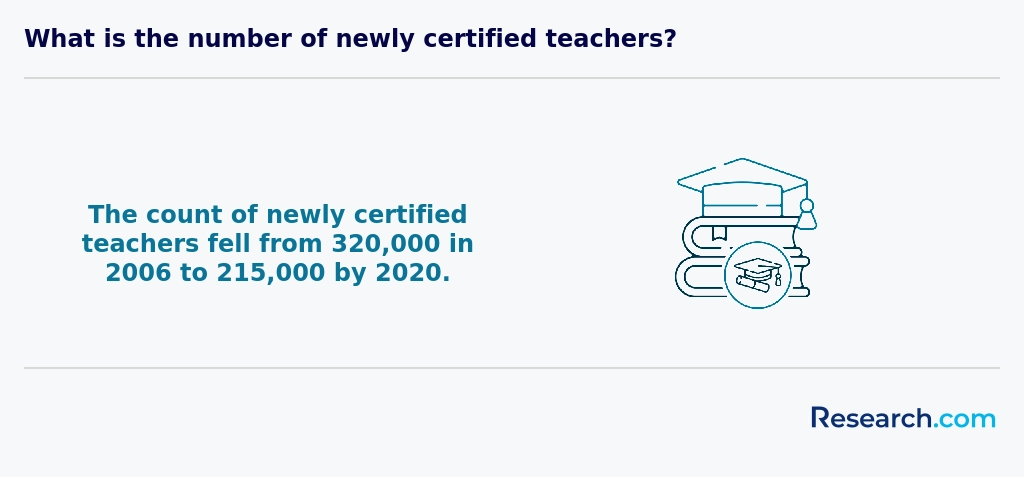
Ensuring your online Education degree in Arizona is properly accredited and aligned with state certification requirements is essential for a smooth path to the classroom. Most reputable programs hold regional accreditation from the Higher Learning Commission (HLC) and professional accreditation from the Council for the Accreditation of Educator Preparation (CAEP). These endorsements confirm that your coursework meets rigorous standards in pedagogy, curriculum design, and student teaching. To qualify for an initial Arizona teaching certificate, graduates must: • Complete an HLC- and CAEP-accredited bachelor’s program in education. • Pass the Arizona Educator Proficiency Assessments (AEPA) content and professional knowledge exams. • Submit fingerprint clearance through the Arizona Department of Public Safety. • Apply to the Arizona Department of Education (ADE) with official transcripts, test scores, and verification of a supervised student-teaching practicum. Maintaining certification requires ongoing professional development-typically 30 hours every five years-and adherence to ADE’s Code of Ethics. If you later pursue graduate study, comparing accreditation and licensure alignment can help you choose the best program: see our Most Affordable Online Master's in Education Degree Programs Ranking in Missouri for benchmarks in quality, cost, and state certification pathways. By selecting an accredited online degree that maps directly to Arizona’s licensure criteria, you’ll avoid costly delays and position yourself for immediate employment in K–12 schools across the state.
Picture yourself as an online education student at Arizona State University, diving into coursework while exploring financial aid options that make your journey feasible and exciting. Many students find federal aid like Pell Grants to be a game-changer-these need-based grants can cover up to $7,395 annually, easing the tuition burden dramatically.
Graduates from the University of Arizona often recall how Direct Subsidized Loans provided low-interest relief, allowing them to focus on teaching rather than repayment stress. The Federal Work-Study program is another lifeline, offering part-time jobs that fit around a busy study schedule, helping cover living costs.
Arizona's unique state programs, such as the AzLEAP matching grants and Teacher Student Loan forgiveness, offer special perks for those committed to in-state teaching careers. Many Maricopa Community College students treasure these opportunities for keeping education affordable while preparing for rewarding public school roles.
On top of these, institution-specific scholarships and the TEACH Grant open doors to financial freedom, rewarding dedication with grants up to $4,000 for teaching in high-need areas. The blend of aid options turns the dream of earning an education degree online in Arizona into a vibrant, achievable reality.
Earning an Online Education degree in Arizona also involves specific state licensure steps:
- Complete a State Board–approved bachelor's program.
- Pass the Arizona Educator Proficiency Assessments (AEPA) in your subject area.
- Fulfill performance assessments such as edTPA if required by your program.
- Undergo fingerprint clearance and a background check via the Arizona Department of Education.
- Apply for your initial teaching certificate through ADE’s online certification system.
- Meet professional development benchmarks to renew and advance your license.
- Enhance your credentials with specialized online certificate programs in areas like TESOL or special education.
Envision yourself embarking on the journey toward an online education degree in Arizona, where the first step is holding a high school diploma or GED. This essential credential opens doors at renowned institutions like Arizona State University, setting the stage for your teaching adventure. Many graduates recall the moment they gathered transcripts, demonstrating a solid GPA around 2.5 to 3.0, proving they were ready to dive into child development theories and lesson planning.
Standardized tests like the SAT or ACT used to be a must-have, but now, with evolving policies and pandemic-driven flexibility, some schools have eased these requirements. Picture submitting a heartfelt personal essay and letters of recommendation-these elements become your voice, revealing your passion and dedication to nurturing future generations.
Behind the scenes, Arizona's Department of Education requires background checks to ensure safe and trustworthy learning environments during hands-on experiences, and prospective students know reliable internet and tech access are their virtual classroom lifelines.
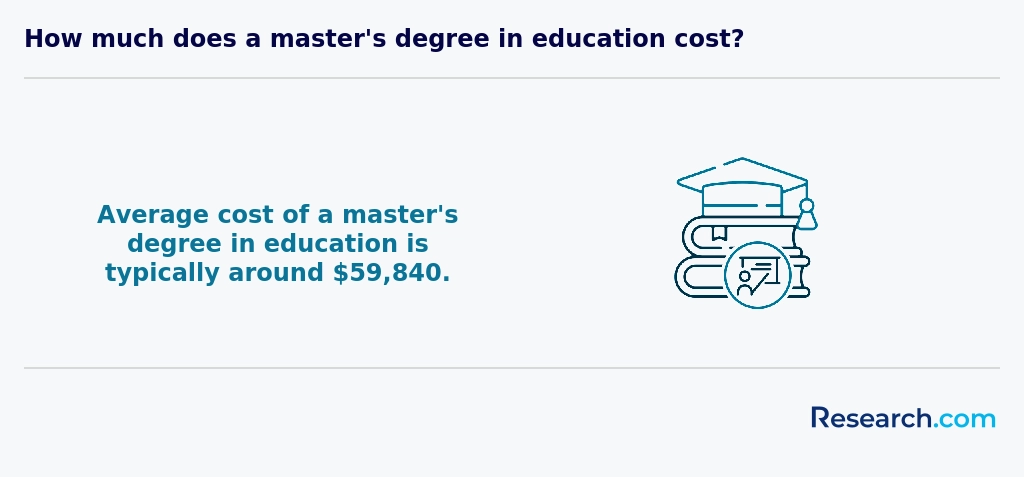
Navigating your education path can feel overwhelming, but a structured plan can make all the difference. Start by reviewing your career goals and identifying the skills you need to acquire. Create a timeline for your application process and set milestones for gathering relevant documents, exploring scholarship opportunities, and scheduling conversations with admissions counselors. Remember, research is key-take time to read detailed program guides and reach out to current students or alumni to gain insights about their experiences. By comparing various programs, you can find a course that not only fits your academic ambitions but also aligns with your financial and personal needs. To further refine your search, check out our most affordable education programs in arizona, where you can compare cost, course structure, and long-term career outcomes. With a clear plan in place and access to the right resources, you’ll be well on your way to making an informed decision that sets the stage for future academic and professional success.
Imagine diving into a course like Foundations of Education at Arizona State University, where graduates describe uncovering the rich history and philosophy behind what makes teaching so impactful. It's not just theory; students soon engage with Educational Psychology, learning how kids' minds grow and change-something many find truly eye-opening as they picture themselves supporting diverse learners across Phoenix classrooms.
Curriculum Design sparks creativity too, as students craft engaging lesson plans that feel ready for Tucson's vibrant schools. Classroom Management courses offer practical strategies that alumni recall using to keep their virtual or local classrooms both joyful and focused, turning challenges into rewarding teaching moments.
Integrating Instructional Technology is a highlight referenced by many students from the University of Arizona, embracing digital tools that revolutionize their teaching methods in today's tech-savvy world. Assessment and Evaluation unlock the skills to measure student success thoughtfully, helping future educators tailor their approaches with confidence.
Specialized courses about Arizona's education laws and multicultural classrooms add a unique touch, preparing students not just to teach but to thrive in the state's diverse settings-urban or rural-with hands-on experiences that make the journey feel truly personal and exciting.

Exploring online education degree specializations Arizona offers feels like setting off on a journey into diverse educational landscapes. Graduates from renowned institutions like Arizona State University often share how Elementary Education programs empowered them to confidently manage vibrant classrooms, teaching core subjects from math to science for young learners. For those drawn to shaping teenagers' academic adventures, Secondary Education prepares you with deep dives into specific subjects like English or social studies-perfect for middle and high school settings.
Special Education is a heartfelt path for many, focusing on supporting students with unique needs. Many graduates find this specialization deeply rewarding, reflecting Arizona's growing demand for skilled educators in this field. Meanwhile, adventurous minds interested in leading schools or crafting curricula thrive in Educational Leadership programs, where they gain skills that translate into real-world school management challenges. If your passion leans toward early developmental stages, Early Childhood Education opens doors to nurturing children from birth to age eight, while School Counseling equips you to support students' emotional and academic journeys.
Among affordable online teaching majors Arizona students appreciate, these specializations beautifully align with state certification paths and career growth. If you're curious about broader teaching careers, you might explore detailed guidance on how to become a teacher in Wisconsin as a complementary resource.
Choosing the best online education degree Arizona offers means diving into a world of opportunities where flexibility and quality meet. Imagine a graduate juggling work and family while taking asynchronous classes from a well-respected state university, feeling empowered by a program that fits perfectly with their busy schedule. Many find reassurance knowing their online degree holds accreditation from trusted bodies like the Higher Learning Commission, ensuring their investment leads to trusted credentials.
Affordability often shapes the adventure too. Graduates from community colleges recall how manageable tuition-close to $11,000 annually for in-state students-combined with support services eased their journey. Accessibility to resources like advising and libraries adds a priceless layer of confidence. Exploring specialization options, from elementary to special education, lets future teachers tailor their path to their passions and local needs.
To navigate this journey effectively, students often seek accredited elementary education programs online that align with Arizona's certification requirements, ensuring they're ready to inspire the next generation in schools across the state.
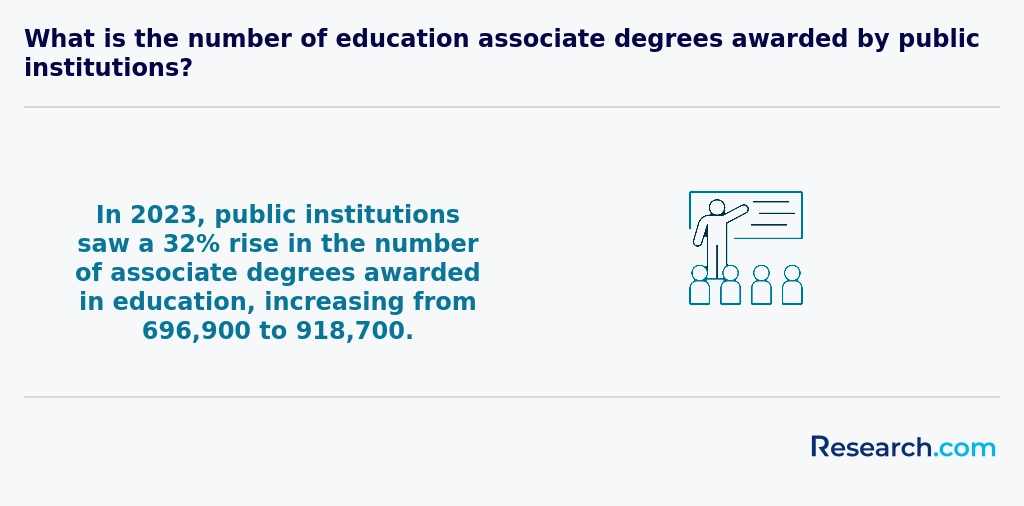
Graduates holding an online education degree in Arizona find themselves stepping into a vibrant field ripe with diverse opportunities. Many land teaching jobs with online education degree Arizona credentials in local elementary or secondary schools, where they bring lessons to life fueled by Arizona's rich cultural backdrop. For example, grads from popular universities like Arizona State or Northern Arizona University share stories of their first classroom moments, inspiring young learners and feeling the thrill of making a difference every day.
But the adventure doesn't stop there. Others pursue roles beyond the classroom as school counselors or instructional coordinators, leveraging their online training to shape educational programs and support student growth. Arizona's focus on boosting early childhood education means graduates can also build fulfilling careers working with preschools, enhancing foundational learning. Some even dive into educational technology, creating innovative digital tools that transform learning experiences on a statewide level.
Exploring these paths, students often discover the value of being part of a larger Educational network sustainability initiative that fuels growth and opportunity across careers. This makes an online education degree career options Arizona truly rewarding and full of promise.

The job market for online education degree jobs Arizona graduates is buzzing with opportunity. Graduates from universities like Arizona State University and University of Arizona often share how flexible online study helped them balance work and family, earning credentials that open doors to classrooms across the state. From Tucson's growing schools to bustling Phoenix districts, demand for educators is soaring as population increases push districts to hire more teachers and specialists.
Many graduates find themselves stepping into roles beyond teaching, such as special education or school counseling, thanks to comprehensive online programs that prepare candidates for diverse career paths. The excitement of transitioning from student to educator is real, especially when they realize their salary matches the local cost of living while offering strong benefits. For those eager to expand their impact, exploring top-rated online ESL master's programs can boost expertise in high-demand areas.
2027 Most Affordable Online Bachelor's in Education Degree Programs Ranking in Arizona
Investing in your education is a significant decision that can greatly impact your future, and the Research.com team recognizes the importance of offering trustworthy guidance. To assist prospective students in Arizona, we have carefully developed the "2027 Most Affordable Online Bachelor's in Education Degree Programs Ranking in Arizona." Our dedication to quality, credibility, and accuracy is evident in the rigorous research and analysis behind this ranking.
We utilized the following reputable data sources to ensure a comprehensive evaluation of affordable online education degree programs:
By reviewing this ranking, readers will gain crucial insights into affordable and credible online education programs in Arizona, empowering them to make well-informed choices about their academic journey. For more information on how the ranking was created, please visit our Research.com methodology page.
# 1 position
Aspen University
Bachelor of Early Childhood Studies


Frequently Asked Questions About education
Students pursuing online education degrees in Arizona can maximize their learning by actively engaging with course materials and instructors. Research from the Arizona Board of Regents highlights that students who participate in virtual discussions and seek timely feedback tend to perform better academically. Time management is crucial; dedicating consistent daily hours helps prevent burnout and keeps students on track.
Additionally, utilizing Arizona's local resources, such as tutoring centers and academic advising offered virtually by universities like Arizona State University, enhances understanding. Staying connected with peers fosters collaboration, motivating students through shared challenges. Lastly, ensuring coursework aligns with Arizona's teaching certification requirements prepares students for state licensure efficiently.
Emerging niches within the field of education reflect the evolving needs of Arizona's diverse student population and workforce. Online degrees focusing on special education, STEM (Science, Technology, Engineering, and Math) education, and bilingual education are gaining popularity. Arizona's growing Hispanic community, which makes up nearly 32% of the state's population according to the U.S. Census Bureau, creates a strong demand for bilingual educators.
Additionally, programs emphasizing educational technology and digital learning strategies are expanding. The Arizona Department of Education highlights this trend as schools incorporate more online and hybrid learning models. Another niche is early childhood education, driven by increased awareness of its importance for long-term academic success.
Graduates of online education degree programs in Arizona should focus on practical strategies to enter the job market successfully. Arizona's education sector values teaching certifications, so obtaining state licensure through the Arizona Department of Education is essential for most K-12 teaching positions.
Networking is equally important. Joining local organizations, like the Arizona Education Association, can provide connections and job opportunities. According to the Arizona Office of Economic Opportunity, education jobs are projected to grow 7% by 2028, highlighting the importance of staying updated on regional hiring trends.
Completing student teaching or internships, even remotely if needed, enhances real-world experience. Many Arizona districts also prefer candidates with technological proficiency suited for modern classrooms.
Employers in Arizona seek education degree graduates who demonstrate strong communication and classroom management skills. According to the Arizona Department of Education, effective collaboration with students, parents, and colleagues is vital. Graduates must also show proficiency in lesson planning and adapting teaching methods to diverse learners.
Technology integration is increasingly important, with schools adopting digital tools to enhance learning experiences. The Arizona Board of Regents highlights that skills in educational technology boost a candidate's competitiveness.
Critical thinking and problem-solving are essential as teachers regularly assess student progress and adjust strategies. Additionally, cultural competence is emphasized due to Arizona's diverse student population.
Finding internships in Arizona relevant to an education degree involves several practical steps. Students should start by leveraging university career services, which often have partnerships with local K-12 schools and educational organizations. According to the Arizona Department of Education, there are over 1,000 public schools statewide that may offer internship or practicum opportunities.
Another effective approach is to explore Arizona-based nonprofit education groups and government programs, which frequently seek interns to support educational initiatives. Websites like the Arizona Career Information System provide localized listings for education internships.
Networking through professional associations such as the Arizona Education Association can also help students connect with schools offering hands-on experience. Early planning and reaching out to school districts directly increase internship success.
Obtaining an online education degree in Arizona can significantly enhance career mobility and advancement opportunities. According to the Arizona Department of Education, educators with a bachelor's degree in education often qualify for higher starting salaries and specialized teaching roles, compared to those with certifications alone. Online programs provide flexibility, allowing working professionals to continue their careers while advancing their credentials.
In Arizona, demand for qualified teachers is robust, especially in STEM and special education fields, where degree holders enjoy greater job security and promotion potential. Research from the National Center for Education Statistics shows that educators with formal degrees are more likely to secure leadership roles within schools, such as department heads or curriculum specialists.
Overall, an online education degree supports entry into diverse teaching positions and paves the way for administrative and policy-making roles, improving long-term career prospects in the Arizona education system.
Studying for an education degree in Arizona offers strong preparation for interdisciplinary roles through a curriculum that integrates teaching methods, psychology, technology, and community engagement. Arizona's public universities emphasize collaborative learning, enabling students to work across fields like special education and educational technology. According to the Arizona Board of Regents, many online programs include courses on cultural competency and leadership, essential skills for versatile education professionals.
Additionally, Arizona's Department of Education highlights the state's focus on applied learning experiences, encouraging students to adapt teaching strategies for diverse and inclusive classrooms. This approach readies graduates for roles beyond traditional teaching, such as curriculum design, educational consulting, and administration.
When choosing between a thesis and a non-thesis online education degree program in Arizona, it is important to consider your career goals and learning preferences. Thesis programs typically require original research and a lengthy written defense, appealing to students aiming for advanced study or research roles. Non-thesis programs focus more on coursework and practical skills, suiting those targeting immediate employment in teaching or educational administration.
In Arizona, public universities like Arizona State University offer both options, with thesis tracks often aligned to research-intensive roles. According to the National Center for Education Statistics, about 20% of education graduate programs nationwide require theses, reflecting a stronger academic focus. Non-thesis pathways provide flexibility and usually shorter completion times, which many working professionals prefer.
Financial aid availability and faculty mentorship should also influence your choice. Thesis tracks may offer more opportunities for research assistantships, while non-thesis students might benefit from internships or practicum experiences. Both paths meet licensure requirements for Arizona educators, so verify accreditation and state teaching standards before enrolling.
Students in Arizona interested in online education degrees with an international focus have several avenues to explore. Many Arizona universities offer study abroad programs integrated with online coursework, allowing students to gain global perspectives without relocating. For example, Arizona State University provides options to participate in short-term international experiences while completing an online education degree.
Additionally, Arizona students can enroll in accredited online programs from out-of-state institutions that emphasize global education strategies. These programs often include virtual exchanges and culturally diverse teaching practices. According to the Arizona Board of Regents, about 30% of education majors in the state engage in at least one study abroad or international learning experience during their degree.
Financial aid and scholarships specifically for study abroad can also support Arizona students pursuing these options, making international education more accessible.
Part-time job opportunities in Arizona that complement education degree studies are diverse and relevant. Roles such as teaching assistants, substitute teachers, and tutors provide hands-on experience in classroom management and student engagement. According to the Arizona Department of Education, nearly 10% of K-12 educators begin their careers in support roles like these.
Additionally, after-school program coordinators and educational aides offer practical skills in curriculum support and child development. These positions often offer flexible hours suited to students' schedules. The Arizona Department of Economic Security notes growth in these job categories, reflecting increased demand.
Working in libraries or community centers can also build valuable skills in resource management and educational outreach.
Networking opportunities for online education students in Arizona are expanding alongside the growth of virtual learning. Many universities in Arizona offer access to digital forums, virtual career fairs, and student organizations aimed at connecting peers and professionals. For example, Arizona State University provides online students with invitations to webinars and statewide education conferences. The Arizona Department of Education also supports networking through regional educator meetups and online workshops.
Students can engage with local chapters of national organizations such as the Arizona Educational Foundation, which promotes collaboration among educators. These opportunities help online learners build professional relationships despite geographical distances.
Alumni networks offer significant benefits to students pursuing online education degrees in Arizona. These networks connect current students with graduates who share insights about local job markets, school districts, and teaching opportunities across the state. According to the Arizona Board of Regents, strong alumni engagement often leads to mentorship programs that enhance career guidance and professional development.
For online students, especially, alumni networks provide valuable virtual support communities, which help in overcoming geographical isolation. Networking events and job postings shared within these communities increase access to employment and internships in Arizona's education sector.
Moreover, alumni success stories can inspire students and improve their motivation to complete their degrees. Universities like Arizona State University report that active alumni networks contribute to higher graduate employment rates statewide.
Arizona offers flexible online education degree programs that allow students to tailor their studies to meet specific career goals. Many universities provide various specialization options, such as early childhood education, special education, or educational leadership.
Students can often select electives or certificate add-ons to develop expertise in areas like curriculum design or technology integration. This customization helps align academic learning with job market demands in Arizona, where education roles are growing at a 7% projected rate through 2030, according to the Arizona Department of Labor.
Advising services are typically available to guide students in choosing courses that support their professional aspirations. Additionally, some programs offer practicum placements in local schools, allowing real-world experience tailored to the student's career path.
Online education students in Arizona often face challenges related to internet access and technology. According to the Arizona Commerce Authority, nearly 15% of residents in rural areas lack reliable high-speed internet, impacting their ability to participate fully in online classes.
Another common hurdle is the need for strong time management skills. Many students juggle work, family, and school, which can make meeting deadlines difficult without in-person support.
Additionally, online learners report feeling isolated due to limited peer interaction. This can affect motivation and engagement throughout their degree program.
The Arizona Board of Regents notes that student support services are improving, but gaps remain in tutoring and advising availability for online students.
With an online education degree in Arizona, you can pursue several professional certifications essential for advancing your career in teaching and education. The most common certification is Arizona's Initial Teacher Certification, which qualifies you to teach in K-12 public schools. This requires passing the Arizona Educator Proficiency Assessments (AEPA), aligned with state standards.
Additionally, many graduates choose to earn Specialized Professional Certifications such as English as a Second Language (ESL) endorsement or Special Education certification, both in high demand statewide according to Arizona Department of Education reports.
For administrators, an online degree can lead to certifications like Principal or Superintendent credentials, involving further graduate study and examinations. These allow you to pursue leadership roles in Arizona's diverse school districts.
National certifications like the National Board for Professional Teaching Standards (NBPTS) are also an option, providing recognition beyond Arizona and supporting career growth.
To write a winning application for an online education program in Arizona, start by clearly demonstrating your passion for teaching and commitment to student success. Arizona institutions often value applicants who highlight relevant experience and community involvement. According to the Arizona Board of Regents, competitive applications typically include a strong academic record with at least a 3.0 GPA.
Next, tailor your personal statement to explain why online education fits your goals and lifestyle. Mention any prior experience with digital learning or technology, as online programs appreciate tech-savvy applicants.
Request letters of recommendation from professionals who can attest to your academic abilities and character, as these strengthen your application. Lastly, carefully follow all submission guidelines to avoid delays or disqualification.
Education careers are valued differently around the world, but in the United States, including Arizona, they remain vital for social progress. Globally, many countries face teacher shortages, increasing the appeal of education degrees. In Arizona, demand for qualified educators is projected to grow by about 7% from 2021 to 2031, according to the U.S. Bureau of Labor Statistics.
Internationally, teachers are recognized as key drivers of development and innovation. The U.S. higher education system offers flexible options, such as online degrees, which attract students aiming for roles in both local and global education sectors.
As education evolves worldwide, Arizona's online education programs prepare graduates to contribute to diverse classrooms and communities. These programs emphasize cultural competence and instructional technology, skills increasingly valued in global education careers.
Gaining practical experience while studying for an online education degree in Arizona is essential for career readiness. Many programs require student teaching or practicum hours as part of their curriculum. These experiences are often arranged in partnership with local schools or educational organizations, allowing students to apply theory in real classrooms.
Arizona's Department of Education sets specific clinical experience requirements for certification, usually ranging from 600 to 800 hours depending on the program. Online students can coordinate placements near their homes, making these hands-on experiences feasible despite distance learning.
Additionally, some universities offer virtual simulation tools and interactive modules to enhance practical skills remotely. According to the Arizona Board of Regents, these hybrid approaches help maintain educational quality while accommodating online learners.
Choosing the right concentration within an online education degree in Arizona requires understanding your career goals and the specific needs of the state's education system. Popular concentrations include early childhood education, special education, and educational leadership. According to the Arizona Department of Education, there is a growing demand for qualified teachers in STEM and special education fields, which may influence your choice.
Consider the certification pathways available, as many programs align with Arizona's teacher licensure requirements. Research universities offering accreditations recognized by the Arizona State Board of Education to ensure your degree supports your professional objectives.
Also review program flexibility, faculty expertise, and resources provided for online students to match your learning style and schedule.
- 2027 Most Affordable Online Bachelor's in Education Degree Programs Ranking in California
- 2027 Most Affordable Online Bachelor's in Education Degree Programs Ranking in Texas
- 2027 Most Affordable Online Bachelor's in Education Degree Programs Ranking in Kansas
- 2027 Most Affordable Online Bachelor's in Education Degree Programs Ranking in North Dakota
- 2027 Most Affordable Online Bachelor's in Education Degree Programs Ranking in Missouri
- 2027 Most Affordable Online Bachelor's in Education Degree Programs Ranking in Wisconsin
- 2027 Most Affordable Online Bachelor's in Education Degree Programs Ranking in Michigan
- 2027 Most Affordable Online Bachelor's in Education Degree Programs Ranking in Indiana
- 2027 Most Affordable Online Bachelor's in Education Degree Programs Ranking in Alabama
- 2027 Most Affordable Online Bachelor's in Education Degree Programs Ranking in Kentucky
See What Experts Have To Say About Studying Education
Read our interview with Education experts

Alan J. Singer
Education Expert
Professor of Teaching, Learning and Technology
Hofstra University

Nooshan Ashtari
Education Expert
Professor & Book Author
University of Southern California

- Students: This is How You Should Prepare for the Job Market https://www.agencycentral.co.uk/articles/students-this-is-how-you-should-prepare-for-the-job-market/
- Putting theory into practice: The value of an interdisciplinary approach to teaching https://my.chartered.college/impact_article/putting-theory-into-practice-the-value-of-an-interdisciplinary-approach-to-teaching/
- Can Higher Education Improve Long-Term Career Success https://studysphereadvisors.com/how-higher-education-influences-long-term-career-growth/
- Top 10 Effective Networking Tips for Students https://www.unfc.ca/blog/networking-tips-for-students
- Know more about thesis vs non- thesis: what is the difference? https://studyfans.com/en/blogs/816
- Guide to Online Education Degrees | OEDb.org https://www.oedb.org/rankings/online-education-programs/
- Online, Accredited & Alternative Arizona Teacher Certification Program https://moreland.edu/teacher-certification-program-online/arizona
- What Can I Do With a Teaching Degree (Besides Teach)? https://www.alleducationschools.com/blog/what-can-i-do-with-a-teaching-degree-besides-teach/
- Working in Ed Tech: How to Identify Your Niche and Build Relevant Skills https://www.highfivepartners.com/blog/working-in-ed-tech-how-to-identify-your-niche-and-build-relevant-skills
- The Advantages of Studying an Online Degree https://www.falmouth.ac.uk/news/advantages-studying-online-degree