
2027 Most Affordable Education Degree Programs Ranking in Statesboro

Co-Founder and Chief Data Scientist
Choosing the right education degree program in Statesboro can feel overwhelming. Our 2027 Most Affordable Education Degree Programs Ranking in Statesboro, created by the Research.com team of data scientists, is here to simplify that process for you.
This article offers valuable insights into affordable programs that deliver quality education without breaking the bank. Whether you're starting fresh or advancing your career, the ranking helps you make informed decisions.
Investing in your education is a positive step toward a brighter future, and this guide supports you every step of the way.
Key benefits of getting education degree in Statesboro
- The mean annual wage for education degree graduates in Statesboro includes $70,740 for elementary school teachers and $76,000 for special education teachers, offering a stable and rewarding income.
- Graduates from Georgia Southern University often pursue diverse careers like instructional designers, ESL teachers, or early childhood educators, showcasing exciting and flexible opportunities.
- Completing an education degree online allows busy students to balance work and study effectively, as shown by online graduates from Georgia Southern University who praise the program's convenience and personalized support.
- 2027 Most Affordable Education Degree Programs Ranking in Statesboro
- What can I expect from education degree in Statesboro?
- Where can I work with education degree in Statesboro?
What can I expect from education degree in Statesboro?
When diving into an education degree in Statesboro, one of the first things you'll appreciate is the surprisingly affordable cost. Graduates from Georgia Southern University often reflect on how the in-state tuition, averaging around $4,000 per year, made their journey toward becoming teachers much less stressful financially. This affordability opens doors for many who dream of making a real difference in classrooms without being weighed down by massive debt.
Imagine attending classes where you not only learn theory but also step into nearby public schools to practice teaching firsthand. Many students at Georgia Southern describe this blend of affordable tuition and hands-on experience as the perfect combination that fuels their passion and confidence. Knowing the program aligns with Georgia's certification exams also adds a reassuring layer of purpose to every lecture and assignment.
With costs this reasonable, education students in Statesboro can explore specializations from Early Childhood to Educational Leadership, feeling supported both academically and financially as they prepare for vibrant careers shaping young minds.
Where can I work with education degree in Statesboro?
Graduates with an education degree in Statesboro find themselves stepping into a vibrant world of possibilities. Many begin their journey teaching in local public and private schools, energized by the chance to shape young minds in settings like Bulloch County schools. Imagine the satisfaction of guiding students through their first steps in learning, a real-life classroom adventure cherished by education graduates from Georgia Southern University.
But the adventure doesn't stop in the classroom. Some graduates take dynamic roles as school principals or curriculum coordinators, blending leadership with hands-on experience gained early in their careers. Others dive into early childhood centers and preschools, where they nurture the curious wonder of toddlers, turning theory into playful discovery.
Statesboro also beckons education grads toward tutoring, consulting, or community outreach, where they craft personalized learning journeys or spark joy in libraries and nonprofit programs. With a degree from local institutions, opportunities feel close, exciting, and ready to explore every day.
Graduates with an education degree in Statesboro often find themselves stepping into rewarding roles with solid salary prospects that spark excitement about their future. For instance, after completing studies at local institutions like Georgia Southern University, many jump into teaching careers with average annual salaries around $70,740 for elementary school teachers-bringing that energetic classroom buzz to life while earning a reliable income.
Others who specialize in areas like special education discover opportunities with even higher pay, averaging about $76,000 per year, which can feel incredibly fulfilling both professionally and financially. Graduates drawn to innovative roles, such as instructional designers, see salaries near $77,200, fueling creative passions to design modern learning experiences.
Even ESL teachers in the region thrive with competitive wages near $65,430, enriching diverse communities and growing personally with every lesson. Early childhood educators begin their journeys earning around $41,410, discovering joy in shaping young minds at key development stages.
Statesboro's blend of affordable living and promising salaries creates an inviting atmosphere for education graduates eager to build meaningful, well-supported careers.
- Georgia Southern University in Statesboro offers undergraduate and graduate education programs that prepare students for teaching certifications and leadership roles.
- In-state tuition for a bachelor's degree in education is about $8,200 per year, while out-of-state tuition averages $22,000 annually.
- Graduate education programs cost between $8,000 and $10,000 per year for in-state students.
- Entry-level salaries for new teachers in the area range from $38,000 to $42,000 annually, with experienced educators earning over $60,000 per year.
- The local job market is stable, with strong demand for teachers, especially in math, science, and special education fields.
- Education graduates benefit from strong teacher certification preparation and have competitive job placement rates in Statesboro and throughout Georgia.
Diving into an education degree in Statesboro means embarking on a journey filled with discovery and growth. Most students find themselves immersed in a vibrant four-year bachelor's program, like those offered at Georgia Southern University, where coursework blends theory with hands-on student teaching, bringing classrooms to life. Graduates often recall the thrill of their first real teaching moments, which stretch the typical timeline but deeply enrich the experience.
For those aiming higher, tackling a master's in education can take an extra one to two years. Many working professionals embrace part-time study, turning busy schedules into manageable steps toward mastery in educational leadership or special education. They share stories of balancing life's demands while advancing their careers, savoring each milestone.
And if the passion for education burns bright enough, doctoral programs here invite explorers to spend three to six years in research and discovery. These scholars revel in shaping new knowledge, preparing for roles that impact education far beyond Statesboro's borders.
To stretch every dollar and graduate without overwhelming debt, consider these practical steps:
- Take general education or transferable credits at local community colleges before enrolling in a four-year program.
- Apply early for institutional scholarships, grants and work-study positions reserved for education majors.
- Seek employer tuition assistance or student-teaching stipends through local school districts.
- Buy or rent used textbooks, share resources with classmates and explore free online materials.
- Live off campus or with family to reduce housing and meal plan costs.
- Consider accelerated or hybrid options-explore easy online degrees to finish sooner and lower tuition expenses.
Choosing between online and on-campus education degrees in Statesboro sparks a journey of discovery. Imagine a graduate at Georgia Southern University who embraces online learning-studying late at night, managing a full-time job, and still feeling connected through digital forums and video lectures. This path offers unmatched flexibility, allowing students to shape their own schedules without the commute, perfect for those balancing family or work.
Contrast that with a graduate who thrives in the lively campus atmosphere of Statesboro, attending in-person classes where spontaneous conversations with professors and classmates spark fresh ideas. They dive into hands-on activities in labs and join vibrant student groups focused on education, experiencing the energy of college life firsthand.
- Mode of Interaction: Online learners connect via technology, while on-campus students engage face-to-face, enriching their studies through direct mentorship.
- Cost Factors: Online programs often reduce expenses like housing, while campus life adds room and board costs but offers immersive experiences.
- Networking Opportunities: The campus buzz leads to internships and events, cultivating connections vital for education careers.
- Schedule Flexibility: Online degrees give freedom to set the pace, ideal for students with busy or unpredictable lives.
Ensuring your Education degree holds proper accreditation is critical for both quality assurance and state licensure. In Statesboro, GA, top programs are accredited by the Council for the Accreditation of Educator Preparation (CAEP) or by the National Council for Accreditation of Teacher Education (NCATE), and approved by the Georgia Professional Standards Commission (GaPSC). These endorsements confirm the curriculum meets rigorous standards and qualifies you for teacher certification. Key accreditation and certification considerations:
- Programmatic Accreditation: Look for CAEP or NCATE seals to guarantee your coursework is recognized nationwide.
- GaPSC Approval: Completion of a GaPSC-approved pathway makes you eligible to sit for Georgia Assessments for the Certification of Educators (GACE) exams.
- Clinical Practice Hours: Accredited programs include mandated student-teaching placements, ensuring you meet the state’s minimum practicum requirements.
- Continuous Improvement: Accredited institutions submit annual reports on candidate performance, reflecting a commitment to ongoing quality enhancement. Meeting these requirements not only sets you up for successful teaching licensure but also unlocks essential education degree benefits-from stronger job placement rates to eligibility for federal loan forgiveness programs. Always verify accreditation status on the institution’s website and consult GaPSC’s directory before enrolling to ensure your chosen program aligns with Georgia’s certification pathways.
The journey to earn an education degree in Statesboro is both exciting and affordable when you understand the costs involved. The average total cost for completing an education degree here is around $6,022 for in-state students, which opens doors for many locals eager to start their teaching careers without overwhelming debt. Out-of-state students might expect to pay more, near $32,378, but even that can be manageable with proper planning and support.
Many graduates from Georgia Southern University-a standout choice for education studies in Statesboro-share stories of how they balanced tuition, fees, and living expenses. Their experiences highlight moments of discovery, like navigating practical student teaching placements that bring classroom theories to life. These vivid hands-on experiences, combined with the affordable tuition, shape an enriching path full of growth and opportunity.
Exploring affordable education degree programs in Statesboro means embracing both the financial realities and the rewarding hands-on training that local institutions provide. To help with expenses, students often tap into scholarships, grants, and work-study options. Plus, understanding federal financial aid by completing FAFSA can make a real difference in making your dream degree accessible.
For anyone curious about careers beyond tuition, you can explore inspiration and pathways at https://research.com/careers/education-careers, where practical insights connect directly to your educational goals.
- Georgia Southern University: Bachelor of Science in Early Childhood Education – In-state tuition $9,750/year; hands-on student teaching in local schools
- East Georgia State College: Bachelor of Science in Education – Tuition $8,200/year; small class sizes and personalized advising
- Ogeechee Technical College: Associate of Science in Early Childhood Education – Tuition $4,500/year; practical lab sessions and community placements
- Georgia Southern University (Armstrong Campus): Bachelor of Arts in Elementary Education – Tuition $9,600/year; cohort model with peer mentorship and practicum support
- Georgia Southwestern State University: Bachelor of Science in Education – Tuition $6,800/year; flexible format including online degree programs for working professionals
When diving into an education degree in Statesboro, financial aid often feels like a hidden treasure waiting to be uncovered. Graduates from Georgia Southern University recall how federal Pell Grants, which can award up to $7,395 for the 2023-2024 year, significantly eased their tuition burden without the stress of repayment. Many find themselves navigating a mix of federal loans that offer manageable interest rates and repayment plans, giving them the freedom to focus more on learning and less on money worries.
State-specific programs, like Georgia's HOPE Scholarship and HOPE Grant, are game-changers for local students. Imagine maintaining a 3.0 GPA and watching tuition costs shrink thanks to the HOPE Scholarship, while others benefit from the HOPE Grant's support in technical education tracks tied to early childhood teaching-both opening doors to vibrant careers.
Scholarships from local organizations and the university itself add another layer of support, often targeted at aspiring educators passionate about making a difference. Plus, federal work-study programs allow many to gain hands-on experience while earning, crafting a well-rounded path through their education journey.
Evaluating the return on investment (ROI) for an Education degree in Statesboro, GA is essential for making an informed decision. On average, graduates from Georgia Southern University carry student loan debt of approximately $28,000 upon completing a bachelor’s program. With entry-level teacher salaries around $38,640 for Early Childhood Educators and $63,130 for ESL teachers, the typical payback period ranges from 7 to 10 years, depending on loan repayment plans and additional certification stipends. Instructional Designers, earning up to $73,080 annually, can reduce that timeframe to under 5 years. Beyond salary, graduates benefit from Georgia’s robust loan forgiveness programs for public school teachers and education professionals working in high-need areas. By leveraging income-driven repayment plans and state-sponsored scholarships, many reduce their effective loan burden by 20–30%. When factoring in teaching stipends, summer school opportunities, and professional development grants, the lifetime earnings premium of an Education degree in Statesboro can exceed $500,000 compared to non-degree holders. For those considering advanced credentials, exploring affordable online master’s options can further enhance ROI. Check out the Inexpensive Online Master's in Education Degree Programs Ranking in Slippery Rock, PA to compare tuition, financial aid packages, and projected post-graduation salaries, ensuring you maximize both your educational investment and long-term career growth.
Diving into education degrees in Statesboro opens a world where your journey starts with clear yet encouraging steps. Imagine a recent graduate from Georgia Southern University recalling how earning their high school diploma or GED was just the first checkpoint. They share how submitting official transcripts with a solid GPA felt like unlocking the door to this adventure. For those ready to pursue a master's, holding a completed undergraduate degree became their golden ticket.
Picture walking through campus, hearing that some programs might ask for SAT, ACT, or GRE scores-but many are shifting toward test-optional paths, easing the path ahead. Graduates often describe the challenge and thrill of proving English proficiency through TOEFL or IELTS tests, especially for international peers eager to join the Statesboro community.
- Recommendation letters and heartfelt personal statements become the stories that bring applications to life.
- Background checks remind students of the responsibility they embrace working with children.
Practical experience also colors this adventure-observing classrooms and volunteering in local schools connect students deeply to the field. After all, meeting GaPSC standards means walking the path teachers before you have proudly followed.

Navigating the journey toward an education degree involves not only choosing the right program but also leveraging available resources to build a successful career. In this section, we provide actionable guidance and a curated list of resources to empower students in making informed choices. Here, you can find in-depth guides on the application process, tips for maximizing scholarships, and advice for building strong professional networks. By staying updated on the latest teaching methodologies and market trends, you can gain the competitive edge needed to thrive in today’s educational landscape. For example, exploring affordable education programs in georgia can offer you practical insights into cost-effective options tailored to your needs. Additionally, many institutions offer career counseling, mentorship programs, and alumni networks that can help you navigate post-graduation opportunities. Whether you are just starting your research or are ready to apply, these resources and next steps will guide you toward a successful and fulfilling career in education.
Diving into an education degree in Statesboro means embracing a vibrant mix of courses that ignite curiosity and practical skill-building. Imagine sitting in a Georgia Southern University classroom, where graduates describe unlocking the mysteries of Educational Psychology, exploring how kids think and absorb knowledge like detectives piecing together human development puzzles.
Hands down, courses like Curriculum and Instruction bring excitement as you craft lesson plans tailored to spark student engagement, while Classroom Management provides real-world tactics to foster a lively, respectful environment-something graduates say transforms theory into confident classroom leadership.
- Assessment and Evaluation: Learning to track student progress and celebrate their wins.
- Special Education: Discovering ways to connect with and support diverse learners.
- Educational Technology: Experimenting with digital tools that make teaching dynamic and fun.
These courses, paired with hands-on internships around Statesboro's local schools, breathe life into your education journey, making the learning adventure truly personal and unforgettable.

Diving into education degree specializations in Statesboro opens up a world of options tailored to your passions and career dreams. At Georgia Southern University, graduates often share stories of exploring paths like Early Childhood Education, where they learn to nurture little minds from birth to age eight. Others find joy in Elementary Education, preparing to engage curious young students across multiple subjects in vibrant classrooms. For those drawn to specific disciplines, Secondary Education offers exciting opportunities to focus on subjects like mathematics or science, shaping the learning journeys of middle and high school students.
Many who pursue the best teaching majors in Statesboro Georgia also discover rewarding challenges in Special Education, learning innovative ways to support students with diverse needs. Educational Leadership and Administration attracts future school leaders eager to inspire change at the helm, while Counseling and School Psychology prepares graduates to offer vital emotional support where it's needed most. Instructional Technology brings a tech-savvy twist, equipping educators to weave digital tools into dynamic lessons.
These specializations blend theory with hands-on experience through student teaching or internships, perfectly aligning with Georgia's licensure standards. If you're curious about the paths open to you, explore more on education careers and start your adventure today.
Choosing the best education degree in Statesboro means diving into programs that fit your unique journey. Many graduates from Georgia Southern University find joy in the hands-on practicum experiences that prepare them for real classrooms, making the leap from theory to teaching a thrilling adventure. Imagine balancing coursework with flexible options like online or hybrid classes-perfect for those juggling family or work while chasing their dream. Affordability adds to this excitement; with in-state tuition close to $10,000, Statesboro offers some of the most affordable education degree programs in Statesboro, easing financial worries and opening doors.
Beyond the basics, graduates often highlight how programs with strong certification pathways boost their confidence to start teaching in Georgia public schools. If you have a passion for special education, programs integrating comprehensive practicum opportunities bring your mission to life. Explore options like the online special education curriculum programs to tailor your path and embrace your calling fully.
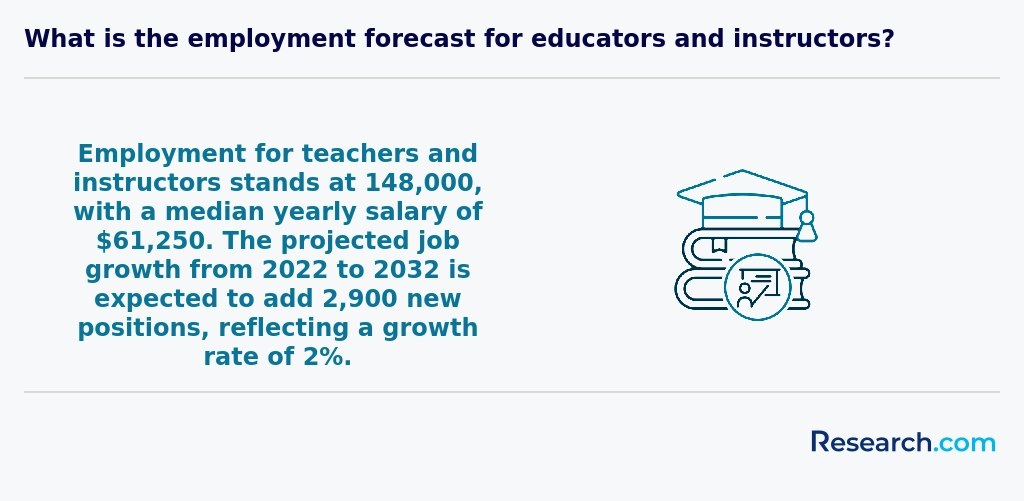
Graduates holding an education degree in Statesboro discover a world of dynamic career paths waiting just beyond the classroom door. Many step into teaching jobs with education degree in Statesboro, launching inspiring careers as classroom teachers specializing in subjects like math, science, or social studies, where they shape young minds daily. Others find themselves thriving as school counselors, instructional coordinators, or educational administrators, each role offering unique challenges and rewarding connections with students and staff.
Statesboro's vibrant educational environment, centered around institutions like Georgia Southern University, encourages students to immerse themselves in real-world teaching experiences that fuel their passion for education. Graduates often reflect on how these hands-on opportunities prepared them for meaningful roles, from special education to adult education instruction.
For those eager to broaden horizons, programs also support pathways toward advanced certifications and degrees, opening doors to leadership in curriculum design or educational technology. Moreover, exploring low-cost online bachelor's degrees in early childhood education can provide flexible options for further growth while staying connected to the Statesboro community.

The education degree job market in Statesboro buzzes with opportunity, especially for those eager to jump into teaching roles within the growing Bulloch County Schools. Graduates often find themselves stepping into classrooms energized by a community that values education and supports its teachers with competitive salaries averaging around $52,000. Many new teachers appreciate the affordable cost of living here, allowing them to focus on their careers without the weight of overwhelming expenses.
Statesboro teaching careers outlook extends beyond traditional roles too-graduates from Georgia Southern University frequently share how internships and collaborations with local schools open doors in administration, curriculum design, and educational technology. Those with certifications in special education or STEM often report feeling confident in their prospects because these areas align well with high-demand positions. For students curious about further specialization, exploring an affordable master's in child development provides an exciting path to deepen expertise.
2027 Most Affordable Education Degree Programs Ranking in Statesboro
Investing in your education is a significant decision that can shape your future, and the Research.com team understands the importance of making informed choices. To assist prospective students in Statesboro, we have meticulously crafted the "2027 Most Affordable Education Degree Programs Ranking in Statesboro." Our commitment to quality, credibility, and accuracy is reflected in the extensive research and analysis conducted to compile this ranking.
We utilized the following reputable data sources to ensure a comprehensive evaluation of education degree programs:
By exploring this ranking, readers will gain valuable insights into the most affordable education degree options in Statesboro, enabling informed decisions to advance their careers while managing costs effectively. For more details on our methodology, please visit our Research.com methodology page.

Frequently Asked Questions About education
Education degree students in Statesboro can maximize their learning experience by engaging actively in both coursework and practical fieldwork. Statesboro is home to institutions like Georgia Southern University, which offers robust student teaching opportunities essential for hands-on experience. According to the National Center for Education Statistics, programs with strong practicum components improve teaching readiness by up to 25%.
Students should also utilize campus resources such as tutoring centers, academic advising, and professional development workshops. Joining education-related student organizations helps build networks and gain insights from peers and faculty.
Additionally, leveraging technology and online resources complements traditional learning, offering flexible access to research and teaching tools.
The education field in Statesboro is evolving with several emerging niches reflecting national trends. One prominent area is educational technology, where specialists design and implement digital tools to enhance learning experiences. This niche has grown rapidly, supported by institutions like Georgia Southern University, which integrates ed-tech into its education programs.
Another growing segment is special education, driven by increased awareness of diverse learning needs and legal requirements. Demand for skilled educators in this field continues to rise locally and nationwide.
Additionally, bilingual education is expanding due to the increasing number of multilingual families in the Statesboro area, emphasizing the need for teachers proficient in multiple languages.
Data from the U.S. Bureau of Labor Statistics projects a 4% growth in education-related jobs in Georgia through 2030, signaling steady opportunities for graduates.
Preparing for the job market after earning an education degree in Statesboro requires strategic steps. Students should seek internships and practicum experiences, which many local institutions, including Georgia Southern University, offer. These placements provide valuable classroom experience and networking opportunities with regional schools.
Additionally, acquiring teaching certification relevant to Georgia standards is essential. The Georgia Professional Standards Commission outlines clear certification requirements that graduates must fulfill to qualify for in-state teaching jobs.
Staying informed about the regional job market is also important. According to the Georgia Department of Labor, Statesboro experiences steady demand for qualified educators, especially in special education and STEM areas.
Continuing professional development and joining local education associations can further enhance job prospects upon graduation.
Employers in Statesboro highly value education degree graduates with strong communication and classroom management skills. According to recent data from the Georgia Department of Education, effective verbal and written communication ranks among the top competencies sought by local school districts. Employers also stress the importance of adaptability, as educators must meet diverse student needs and changing curriculum standards.
Critical thinking and problem-solving abilities are essential for managing classroom challenges and supporting student development. Additionally, technological proficiency is increasingly important, with many schools in Statesboro integrating digital tools for instruction.
Collaboration and teamwork skills are also frequently highlighted since educators often work closely with colleagues and families to enhance student outcomes.
Finding internships in Statesboro relevant to an education degree involves leveraging local educational institutions and community resources. Georgia Southern University, the largest in the region, offers centralized internship programs connecting education students with nearby schools and educational centers. Many education degree students have access to partnerships with Bulloch County School District, providing practical teaching experience.
Additionally, students should explore local government websites and education-focused nonprofits in Statesboro for internship postings. Networking through university career services and attending education fairs can further enhance opportunities. According to the National Center for Education Statistics, internships improve job placement rates for education graduates by up to 20%, emphasizing their importance.
In Statesboro, obtaining an education degree significantly enhances career mobility and advancement opportunities. According to the Georgia Professional Standards Commission, individuals with teaching credentials are eligible for certification in various educational roles, including classroom teacher, instructional coach, and administrator. This degree is often required for public school teaching positions in Bulloch County, where education jobs grew by approximately 4% over the last five years.
Graduates with a Bachelor's or Master's in Education typically earn higher salaries; the Bureau of Labor Statistics reports that educators with advanced degrees in Georgia make about 15% more than those without. Additionally, an education degree opens pathways to specialized roles like curriculum development and school counseling.
Statesboro's proximity to Georgia Southern University also offers ongoing professional development, further supporting career growth for degree holders in education.
Studying for an education degree in Statesboro offers a foundation designed to prepare students for interdisciplinary roles across various fields. Programs commonly integrate coursework in psychology, sociology, and communication, reflecting the collaborative nature of modern education careers. This approach equips graduates with adaptable skills suitable for settings beyond traditional classrooms, such as community outreach or educational technology.
Georgia Southern University, the main institution in Statesboro offering education degrees, emphasizes hands-on learning and partnerships with local schools. According to the university's 2023 data, about 30% of education students participate in cross-disciplinary projects, enhancing their ability to work in diverse professional environments.
Furthermore, Statesboro's education programs often encourage proficiency in digital tools and inclusive practices, reflecting national trends from the U.S. Department of Education on preparing educators for multifaceted roles.
Choosing between a thesis and a non-thesis education degree program in Statesboro depends on your career goals and learning preferences. Thesis programs typically require original research and a formal written thesis, which can prepare you for doctoral studies or research-focused careers.
Non-thesis programs often emphasize coursework and practical knowledge, making them suitable for those aiming to enter or advance in teaching or administrative roles directly.
Georgia Southern University, a prominent institution in Statesboro, offers both options, with thesis tracks usually taking longer to complete. According to the university's latest enrollment data, 60% of graduate education students opt for non-thesis programs due to time constraints and job focus.
Consider how much time you can dedicate to research and whether you plan to pursue further academics. Funding and faculty availability for thesis supervision might also influence your choice.
Students in Statesboro seeking education degrees abroad have several pathways through partnerships offered by their local institutions. Georgia Southern University, the prominent university in Statesboro, supports study abroad programs where education majors can gain international experience while earning credits. These programs often partner with universities in Europe, Asia, and Latin America, focusing on global education practices and cultural exchange.
Additionally, students may access funding and scholarships from U.S. federal and state programs aimed at promoting international studies. According to the Institute of International Education's 2023 Open Doors report, about 10% of U.S. education majors pursue some form of study abroad during their degree.
Students pursuing education degrees in Statesboro have various part-time job opportunities that complement their academic training. Working as teacher assistants or paraprofessionals in local schools provides practical classroom experience, which is highly valuable when completing certification requirements. According to the Georgia Department of Education, Statesboro has a growing demand for qualified support staff in public schools, offering flexible hours for students.
Additionally, tutoring younger students in subjects like literacy and math is a popular option. This role enhances instructional skills and strengthens subject knowledge. Some Statesboro libraries also hire part-time literacy aides, connecting students with community literacy programs.
These positions align well with education degree curricula, allowing students to apply theory to practice while earning income.
Education students in Statesboro have access to several valuable networking opportunities, particularly through Georgia Southern University, the primary higher education institution in the area. The university's College of Education hosts events such as career fairs, workshops, and alumni panels that connect students with experienced educators and school administrators. According to the university's 2023 data, over 70% of education graduates participate in professional networking events before finishing their degree.
Local school districts also collaborate with education programs to offer internships and student teaching placements, providing practical experience and interaction with practicing teachers. These partnerships help students build relationships within the Statesboro educational community.
Alumni networks play a crucial role in supporting education degree students in Statesboro, especially those attending institutions like Georgia Southern University. These networks provide access to mentorship opportunities, helping current students connect with experienced educators who offer career guidance and classroom insights. According to Georgia Southern's alumni office, over 30,000 graduates actively engage in networking events that enhance job prospects.
Such connections often lead to internships, substitute teaching positions, and full-time employment within local school districts. Additionally, alumni can share resources on continuing education, certifications, and professional development specific to Georgia's teaching standards. Networking also boosts students' confidence by fostering a sense of community among future educators.
In Statesboro, students pursuing education degrees can tailor their programs to align with specific career goals by selecting specialized tracks or concentrations. Many institutions offer options such as early childhood education, special education, or educational leadership. Additionally, elective courses allow flexibility to develop skills needed for particular roles, like curriculum design or counseling.
Practical experience through internships or student teaching placements in local schools also supports career-focused learning. According to the Georgia Professional Standards Commission, customized programs that combine theory with applied experiences increase job readiness upon graduation.
Advisors in Statesboro universities often assist students in mapping out individualized academic plans that meet certification requirements while addressing personal career interests. This approach enhances both skill development and marketability in regional education job markets.
Education students in Statesboro face several common challenges during their degree programs. One significant issue is managing fieldwork requirements alongside coursework. Practicums and student teaching placements often demand substantial time, which can conflict with other academic responsibilities. According to data from Georgia Southern University, many students report stress related to balancing these commitments.
Financial strain is another challenge, with many students relying on loans to fund their education. The average debt for education majors in Georgia can exceed $25,000, which impacts their ability to focus fully on studies. Additionally, adapting to diverse classroom environments during internships requires strong cultural competency, a skill many students find challenging to develop quickly.
Finally, staying updated with educational technology, which is integral to modern teaching, presents a learning curve for many. Access to support and resources varies, which can hinder skill acquisition and confidence in digital tools.
With an education degree in Statesboro, you can pursue several professional certifications that enhance your career prospects. The most common is the Georgia Teaching Certificate, required to teach in public schools and offered through the Georgia Professional Standards Commission. This certification covers various grade levels and subjects, depending on your specialization.
Additionally, educators often seek National Board Certification to demonstrate advanced teaching skills, which can lead to higher salaries.
Other certifications include Special Education and ESL (English as a Second Language), both in high demand locally. These credentials require additional coursework and exams but provide opportunities to work in diverse educational settings.
Writing a winning application for an education program in Statesboro requires clear presentation of your academic background and professional goals. Most institutions in the area, including Georgia Southern University, emphasize strong undergraduate GPA and relevant extracurricular activities. According to the National Center for Education Statistics, having a GPA above 3.0 significantly increases your chances.
Applicants should craft a compelling personal statement that highlights teaching experience or volunteer work in local schools. Letters of recommendation from educators familiar with your skills can further bolster your application. Additionally, many programs require passing the GRE or Praxis exams, so adequate preparation is essential. Early application submission is advised, as Statesboro schools often use rolling admissions.
The global perspective on a career in education highlights its crucial role in shaping societies worldwide. For students in Statesboro considering education degrees, it is important to note that the U.S. Department of Education emphasizes the growing demand for qualified teachers, projecting a 5% employment growth in education through 2031. This trend aligns with international priorities on improving education quality and accessibility.
Statesboro, home to institutions such as Georgia Southern University, offers programs designed to meet these global standards. According to the National Center for Education Statistics, teacher preparation in the U.S. increasingly incorporates global citizenship and cultural competence, reflecting worldwide educational shifts.
These developments promise that education careers remain deeply interconnected with global priorities, demanding ongoing professional development and adaptability from educators entering the field.
Gaining practical experience while studying for an education degree in Statesboro is essential for career readiness. Many institutions, including Georgia Southern University, offer field-based learning opportunities like student teaching and internships. These placements allow you to work directly in local schools, applying theory to practice in real classrooms.
Additionally, Statesboro's public school system partners with universities to provide hands-on training, often required as part of licensure programs. Participating in these experiences helps develop classroom management and instructional skills before graduation.
Research from Georgia Southern indicates that over 90% of education students complete their student teaching hours locally, enhancing community connections. Volunteering for after-school programs or tutoring also strengthens practical knowledge outside formal coursework.
Choosing the right concentration within an education degree program in Statesboro involves understanding your career goals and local demand. For example, the demand for special education teachers in Georgia grew by 12% between 2020 and 2023, according to the Bureau of Labor Statistics. Many universities in Statesboro, such as Georgia Southern University, offer concentrations in early childhood, middle grades, or special education, each targeting different age groups and skills.
Consider student teaching opportunities available locally to gain practical experience. Additionally, review state licensure requirements for teachers in Georgia, as these influence which concentrations offer the best job prospects. Researching these factors will help align your concentration with both passion and market needs.
- 2027 Most Affordable Education Degree Programs Ranking in Orangeburg
- 2027 Most Affordable Education Degree Programs Ranking in Charleston
- 2027 Most Affordable Education Degree Programs Ranking in Macon
- 2027 Most Affordable Education Degree Programs Ranking in Columbia
- 2027 Most Affordable Education Degree Programs Ranking in Jacksonville
- 2027 Most Affordable Education Degree Programs Ranking in Greenville
- 2027 Most Affordable Education Degree Programs Ranking in Atlanta
- 2027 Most Affordable Education Degree Programs Ranking in Gainesville
- 2027 Most Affordable Education Degree Programs Ranking in Charlotte
- 2027 Most Affordable Education Degree Programs Ranking in Tallahassee
See What Experts Have To Say About Studying Education
Read our interview with Education experts

Nooshan Ashtari
Education Expert
Professor & Book Author
University of Southern California

Alan J. Singer
Education Expert
Professor of Teaching, Learning and Technology
Hofstra University

- The Pros and Cons of Online Learning vs. Traditional Education https://www.sophia.org/blog/higher-education/pros-cons-online-learning-vs-traditional-education/
- Education Study Abroad | CIEE https://www.ciee.org/go-abroad/college-study-abroad/programs/subjects-disciplines/education-study-abroad
- Online Degree vs. Traditional: Choosing the Right Path https://beal.edu/online-degree-vs-traditional/
- Teacher of Global Perspectives (IGCSE) https://www.scie.com.cn/jobs-global-perspectives/
- City of Statesboro https://statesboroga.gov/departments/human_resources/index.php
- Academic Programs - Ogeechee Technical College https://www.ogeecheetech.edu/academics/academic-programs
- Online Master's in Education: Review Top Georgia Programs https://www.onlinemastersdegrees.org/best-programs/education/georgia-ga/
- Events & Opportunities https://connect.teachforall.org/events-opportunities
- Education Technology Trends to Watch in 2065: 10 Innovations Shaping the Future of Learning https://www.digitallearninginstitute.com/blog/education-technology-trends-to-watch-in-2026
- Top 10 Effective Networking Tips for Students https://www.unfc.ca/blog/networking-tips-for-students


