2027 Best Education Degree Programs Ranking in Winston-Salem

Co-Founder and Chief Data Scientist
Choosing the right education degree program in Winston-Salem can be exciting yet challenging. This article presents the 2027 Best Education Degree Programs Ranking in Winston-Salem, carefully crafted by the Research.com team of data scientists to guide you toward programs that truly stand out.
By exploring this ranking, you'll gain valuable insights to make an informed decision about your education journey. Earning a degree in education opens doors to rewarding careers and personal growth, making your future brighter and full of possibilities.
Key benefits of getting education degree in Winston-Salem
- Graduates with an education degree in Winston-Salem can expect solid salaries, such as special education teachers earning around $76,000 and instructional designers making approximately $77,200 annually.
- Career paths from local universities include becoming elementary or ESL teachers, with opportunities to impact communities while enjoying rewarding and stable roles in education.
- Online education degrees offer flexibility and convenience, allowing graduates to balance work and study while accessing quality programs from institutions like Winston-Salem State University.
- 2027 Best Education Degree Programs Ranking in Winston-Salem
- What can I expect from education degree in Winston-Salem?
- Where can I work with education degree in Winston-Salem?
What can I expect from education degree in Winston-Salem?
The average cost of earning an education degree in Winston-Salem varies based on the institution and level of study. At Wake Forest University, tuition for education programs tends to be higher, reflecting its private university status and the extensive resources available for hands-on teaching experiences, such as the required 12-week supervised clinical practice. Graduates often share that this investment feels worthwhile given the comprehensive preparation and strong career outcomes.
In contrast, Winston-Salem State University, a public historically Black university, typically offers more affordable tuition rates. Many students appreciate the value of specialized tracks like special education and educational leadership at a lower cost, which aligns well with the local demand for skilled educators, especially in STEM and special education fields.
Beyond tuition, students should budget for fees related to certification tests, materials, and continuing education credits required for license renewal in North Carolina, though many local universities provide flexible options to manage these costs effectively. This practical approach helps students maintain credentials while progressing professionally without overwhelming financial strain.
Where can I work with education degree in Winston-Salem?
Graduates with an education degree in Winston-Salem often find rewarding careers within the Winston-Salem/Forsyth County Schools system, the fourth largest in North Carolina. Many start as teachers in elementary or high schools, gaining hands-on classroom experience while contributing to a community they care about deeply. Others move into specialized roles like ESL instruction or special education, where ongoing training and passion for student growth unlock meaningful opportunities.
Graduates from Wake Forest University or Winston-Salem State University frequently share how their internships or practicum placements in local schools prepared them for roles beyond teaching, such as academic advising or educational coordination. For those drawn to smaller communities, private schools like Forsyth Country Day School offer chances to lead extracurricular programs, creating close-knit learning environments.
Beyond schools, nonprofits focused on youth development provide fulfilling career paths. Many alumni feel energized working with organizations that connect directly with students' personal and academic needs, making an immediate impact. School administration and counseling roles also appeal to graduates ready to pursue licensure, responding to a strong local demand for leaders who inspire positive change.
Graduates with an education degree in Winston-Salem can expect a range of earning opportunities depending on their chosen career path. For instance, elementary school teachers in the area may earn around $70,740 annually, reflecting competitive local salary rates supported by school districts like Winston-Salem/Forsyth County Schools. Those entering special education roles often see even higher earnings, with mean annual wages near $76,000, rewarding the additional skills and dedication required.
Several graduates from popular institutions such as Wake Forest University and Winston-Salem State University share that teaching roles are stable and offer clear growth potential. Early childhood educators tend to start closer to $41,410 per year, a solid foundation for those passionate about shaping young learners' futures.
Instructional designers, who design training programs and curricula, earn a mean salary of about $77,200, appealing to graduates interested in innovative education development. ESL teachers typically make around $65,430 annually, often benefiting from vibrant community demand in Winston-Salem schools.
By aligning your career with these roles, you tap into rewarding positions marked by steady incomes and chances for advancement, supported by local education institutions and school districts that value qualified professionals.
- Education degrees in Winston-Salem are offered by institutions like Wake Forest University and Winston-Salem State University with accredited programs.
- Tuition costs range from $9,000 to $25,000 per year, with additional expenses around $1,500 annually.
- The total cost for a four-year education degree can be between $36,000 and $100,000 depending on financial aid and residency.
- Starting salaries for education graduates are typically between $43,000 and $48,000 annually, increasing to $55,000-$65,000 with experience.
- The job market is stable with demand in specialties like elementary, special education, and secondary teaching, plus roles in administration and curriculum development.
- Teacher certification in North Carolina is required, and local programs include student teaching to meet state requirements and improve job readiness.
Completing an education degree in Winston-Salem typically spans about four years for a bachelor's degree when studying full-time, a timeline familiar to many undergraduates at institutions like Winston-Salem State University. Graduates often share how balancing coursework with student teaching added valuable hands-on experience, extending their studies by an extra semester but making them feel fully prepared for their careers.
For those pursuing a Master of Education (M.Ed.) at places like Wake Forest University, programs generally take one to two years full-time. Many students appreciate accelerated or flexible schedules that allow them to continue working, stretching their studies up to three years while maintaining steady progress toward the degree.
Doctoral degrees in education, such as Ed.D. or Ph.D., can take three to six years. Winston-Salem students in these programs often find the pace challenging yet rewarding, especially when engaging deeply with research and dissertation work tailored to their professional goals.
Aspiring educators in Winston-Salem, NC, must navigate a structured certification process overseen by the North Carolina Department of Public Instruction (NCDPI). To qualify for a Standard Professional 5-Year Teaching License, candidates generally follow these steps: 1. Complete an accredited Education degree program that meets NCDPI standards, including supervised student-teaching practica. 2. Pass the required Praxis examinations: Praxis Core Academic Skills for Educators (reading, writing, math) and Praxis II: subject-specific pedagogy assessments. 3. Submit an official background check and fingerprinting through the NCDPI eLicensing system. 4. Apply for a Residency License, valid for up to three years, during which candidates must complete mentoring and accumulate required professional development hours. 5. After fulfilling Residency requirements, request upgrade to the Continuing License by documenting evaluations, evaluated student-teaching performance, and ongoing CEU credits. Alternative routes-such as lateral entry programs for career changers-allow candidates holding a bachelor’s degree in another field to begin teaching under a Probationary License while completing pedagogical coursework. Educators preparing for certification often seek cost-effective online coursework; for a comparative view of affordable program options, see our Low Cost Online Education Degree Programs Ranking in Missouri. Maintaining licensure requires 75 continuing education units (CEUs) every five years, emphasizing topics like classroom management, instructional technology, and diversity in education. By understanding and planning for these certification milestones, candidates can confidently transition from degree completion to the classroom, equipped with both credentials and the pedagogical expertise to excel.
Online and on-campus education degrees in Winston-Salem differ mainly in learning style and campus engagement. For example, graduates from Wake Forest University recall the energy of in-person discussions and easy access to campus resources like libraries and education labs, which deepen understanding and build strong peer connections. On-campus programs offer structured schedules and face-to-face collaboration, helping students stay motivated and engaged.
Meanwhile, online students-such as those at Winston-Salem State University-appreciate the flexibility to balance studies with work or family. They access lectures asynchronously and join live sessions from home, saving commuting time and reducing costs. Yet, they must be proactive in networking, using virtual career fairs and alumni tools to build professional ties.
For practical success, decide if you thrive with direct interaction or need the freedom to learn anytime. Both formats meet North Carolina licensure standards, so prioritizing your learning preferences and lifestyle is key to navigating education degrees in Winston-Salem.
Students embarking on an education degree in Winston-Salem, NC, can anticipate a dynamic blend of academic rigor and enriching campus life. Alongside a robust curriculum, you’ll participate in interactive workshops, real-life classroom internships, and collaborative projects that integrate direct feedback from seasoned educators. The program is designed not only to enhance your teaching skills but also to immerse you in a vibrant community where peer discussions and personalized mentoring propel your professional growth. As you navigate through case studies and simulated teaching environments, expect to build a solid foundation in both theoretical and practical aspects of education. Moreover, if you’re considering accelerating your academic journey, you may want to explore shortest EDD online degree fast track programs to gain additional momentum towards your career goals. Embracing this holistic approach prepares you for the evolving demands of modern classrooms, ensuring you emerge as an adaptable and forward-thinking educator ready to inspire and lead.
The average cost of a education degree in Winston-Salem varies depending on the type of institution and residency status. Public universities like Winston-Salem State University offer more affordable options, with median total costs around $33,848 for in-state students. Graduates from these schools often share how managing tuition alongside living expenses creates a practical path toward earning their degree without overwhelming debt. On the other hand, private institutions such as Wake Forest University have higher costs, with median total expenses nearing $48,948. These programs often attract students who value smaller class sizes and additional resources despite the greater financial investment.
Beyond tuition, students should prepare for extra costs like textbooks, supplies, and campus fees, which can add up annually. Many education students factor in living expenses like housing and transportation, especially if they move away from home for their studies. Financial aid plays a crucial role in making education degrees more accessible-about 80% of students receive grants, loans, or scholarships to ease the financial burden.
For practical guidance on finding budget-friendly options, students should research scholarships offered by local institutions in Winston-Salem and explore the cheapest education programs in North Carolina. This approach helps balance the passion for teaching with smart financial decisions, enabling graduates to confidently pursue their future careers without undue stress about costs.

Understanding the full cost of pursuing an Education degree in Winston-Salem, NC is essential for making an informed decision. In-state tuition at public universities averages $9,750 per year, while out-of-state students pay around $27,457. When factoring in fees, books, and living expenses-estimated at $17,396 annually for room, board, and personal costs-the total annual outlay ranges from $27,146 for residents to $45,708 for non-residents. Private institutions like Wake Forest University can exceed $60,000 per year, though generous financial aid packages often reduce net costs by up to 50%. Return on investment (ROI) for graduates is equally important. With ESL teachers earning a mean annual wage of $63,130 and instructional designers averaging $73,080, most students recoup their tuition within five to seven years. Moreover, early childhood educators command starting salaries of approximately $49,000, with strong career progression opportunities in administration and specialized roles such as Special Educational Needs Coordinators. For those balancing budget constraints and flexible learning, online programs may offer significant savings without compromising quality. Prospective students can compare tuition and ROI metrics by exploring the Low Cost Online Education Degree Programs Ranking in Missouri, which highlights accredited options with lower per-credit fees. Ultimately, weighing both direct costs and long-term earnings potential ensures that your investment in an Education degree leads to a sustainable and rewarding career.
Students pursuing education degrees in Winston-Salem can access various financial aid options designed to ease tuition and living costs. Federal aid is a key resource, with Pell Grants offering need-based, non-repayable funds that many local education majors rely on. Graduates from Wake Forest University recall how this helped cover a significant share of their expenses during challenging times.
State scholarships, such as the North Carolina Teaching Fellows Program, provide up to $10,000 annually for committed future teachers, making it a popular choice among Winston-Salem education students seeking substantial support. Numerous students at Winston-Salem State University benefit from merit- and need-based grants tailored for first-generation college students, drastically reducing their financial stress.
Work-study programs and assistantships are also widely available at local universities, combining income with hands-on experience. Many former education students highlight the confidence gained through internships coordinated by their school's financial aid office, both financially and professionally empowering them.
Finally, external scholarships from organizations like the National Board for Professional Teaching Standards are valuable tools worth early application. These targeted awards make becoming a teacher in Winston-Salem feel more attainable and rewarding.
The cost of attending an education program in Winston-Salem, NC, is a crucial factor for prospective students to consider. As they navigate the landscape of academic programs, understanding the financial implications can help them make informed decisions. According to the latest data, in-state students at public universities in North Carolina face average tuition fees of about $9,750 per year, while out-of-state students pay approximately $27,457 annually. The total annual cost of attendance for in-state students, including fees and living expenses, is around $27,146, which can rise to about $45,708 for out-of-state students. For those seeking more affordable options, exploring the cheapest education programs in North Carolina can provide valuable insights, helping them balance their academic aspirations with financial realities. By considering these costs and exploring available financial aid options, students can ensure that their educational journey is both fulfilling and financially sustainable.
To enroll in an education degree program in Winston-Salem, you'll typically need a high school diploma or its equivalent if you're applying for an undergraduate program. Local universities like Wake Forest University and Winston-Salem State University often expect a minimum GPA around 2.5 to 3.0. Many graduates recall how meeting this requirement felt like a meaningful milestone, reinforcing their readiness for rigorous study. Some programs might ask for SAT or ACT scores, particularly focusing on reading and writing, which helps ensure strong communication skills essential for teaching careers.
For a graduate education degree, holding a bachelor's degree with at least a 3.0 GPA is common. Applicants often share that preparing their letters of recommendation and personal statements gave them clarity about their professional goals and passion for education. Many also highlight the value of volunteer work or teaching experience, which can strengthen applications and boost confidence when starting the program.
Passing exams like the Praxis is another key step toward licensure in North Carolina-a requirement graduates describe as achievable with focused study, especially when supported by local university resources and peer groups.
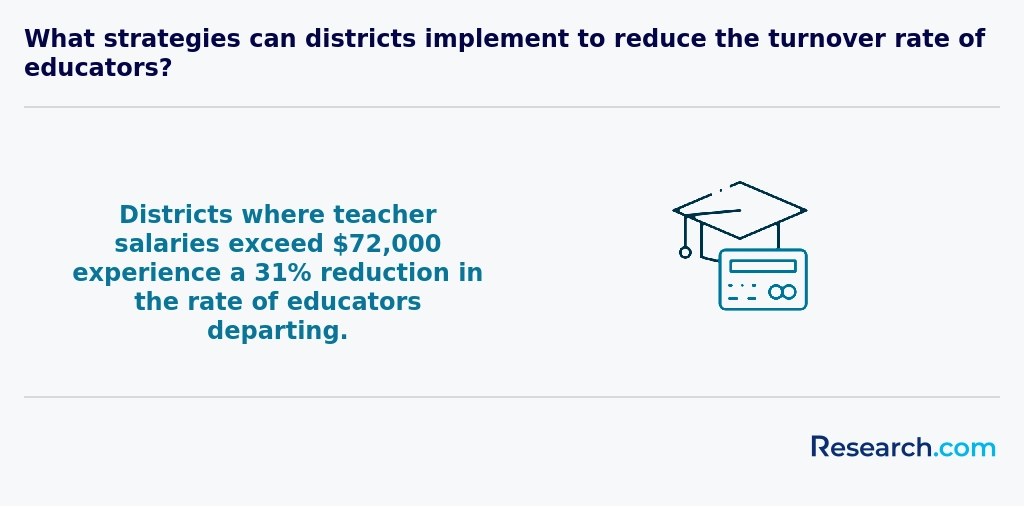
Understanding the full cost of earning an Education degree is essential for budgeting and planning. At public institutions in Winston-Salem, the average in-state tuition and mandatory fees amount to approximately $9,750 per year, while out-of-state students pay around $27,457. When you factor in additional expenses-books and supplies ($1,100), technology fees ($250), and living costs ($15,046)-the total annual cost of attendance (COA) for in-state students averages $27,146, climbing to about $45,708 for out-of-state enrollees. Private universities, such as Wake Forest University, charge higher tuition, with the current rate nearing $60,000 per year before fees. For those pursuing online pathways, Winston-Salem State University’s online Education program typically costs $400 per credit hour, translating to roughly $12,000 for a 30-credit bachelor’s degree. Prospective students should also account for one-time fees-application, background checks, and licensure exam costs-which can collectively add $500–$1,000 to the first-year expenses. To offset these figures, federal aid, state grants, and institutional scholarships can substantially reduce out-of-pocket spending. Thoroughly comparing program costs and aid packages will help you secure the best value. For those exploring even more budget-friendly online options beyond North Carolina, consider the Low Cost Online Education Degree Programs Ranking in Missouri.
Education degree programs in Winston-Salem typically include courses such as educational psychology, curriculum design, and classroom management. Graduates from local institutions often recall how educational psychology helped them understand student behavior deeply, enabling them to create supportive classroom atmospheres right from their first student teaching assignment.
Curriculum design classes teach you to develop lesson plans tailored to varying grade levels, a skill many find invaluable when starting as a new teacher in schools around Winston-Salem. Classroom management courses provide practical strategies to maintain order and engagement, which recent graduates emphasize as crucial during their internship experiences in busy classrooms.
Assessment and evaluation methods are another key focus, preparing you to track student progress effectively. Educational technology integration is also covered extensively, with professors encouraging hands-on use of digital tools, reflecting the tech-forward approach in many Winston-Salem schools.
Specialized courses depend on your focus, such as early childhood development or secondary subject pedagogy. Many graduates treasure their student teaching experiences, where theory met reality, boosting their confidence to step into real teaching roles within the city's diverse educational environments.
Education degrees in Winston-Salem typically offer specializations like Elementary Education, Secondary Education, and Special Education, catering to diverse student needs. Graduates from local universities appreciate the practical field experiences embedded in Secondary Education, especially in STEM subjects, which align with regional workforce demands. Those pursuing Elementary Education benefit from programs designed to improve K-5 learning outcomes in nearby public schools, helping them feel confident and prepared for real classroom challenges.
Many students also select specializations such as Educational Leadership, ideal for those motivated to take on administrative roles like principals or curriculum coordinators. These programs, popular at Winston-Salem colleges, emphasize community engagement and policy skills. Early Childhood Education and Counseling and School Psychology are additional pathways for students drawn to pre-K settings or emotional support roles. Exploring Winston-Salem teaching degree program options allows candidates to align their goals with community needs effectively.
For those focused on advancing their credentials quickly, the shortest EDD online degree fast track programs provide an efficient route to leadership positions in education.
When choosing the best education degree programs in Winston-Salem, start by exploring offerings at well-known local universities like Wake Forest University and Winston-Salem State University. Graduates often highlight the value of programs that combine strong accreditation with practical student teaching placements in area schools, which build confidence and real-world skills. Accreditation by bodies such as the Council for the Accreditation of Educator Preparation (CAEP) ensures your degree is respected statewide and nationally, boosting your career prospects.
Consider affordable education degrees Winston-Salem cost by comparing tuition rates. Public universities in the area are known for reasonable fees, helping reduce student debt. Many students benefit from financial aid options like scholarships and work-study programs tailored to local students. To find additional affordable online pathways, checking the Low Cost Online Education Degree Programs Ranking in Missouri can provide useful insights.
Program flexibility also matters; working professionals praise part-time and online class options that fit busy schedules. Choosing a specialization such as early childhood or special education aligns your training with your career goals and the needs of Winston-Salem's school districts. Ultimately, a degree that offers both quality education and practical experience creates graduates who feel ready and excited to make a difference in local schools.

Graduates with an education degree in Winston-Salem have multiple career paths to explore, reflecting the city's strong educational network. Many find rewarding teaching jobs in Winston-Salem for education graduates within the Winston-Salem/Forsyth County Schools system, covering roles from elementary to high school teaching. These positions allow specialization in subjects like math, science, or special education, aligning with licensure from the North Carolina Department of Public Instruction.
Others pursue educational administration careers, becoming principals or curriculum coordinators, which require advanced degrees but offer greater influence and salary. Graduates from Wake Forest University or Winston-Salem State University often mention how their programs prepared them for these leadership roles.
Additional options include early childhood education, nonprofit educational programs, and careers in education technology. Those interested in higher education administration can find roles at local universities supporting student affairs or academic advising. For those unsure of their focus, exploring the easiest online degrees to get may offer flexible ways to broaden skills relevant to education degree career options in Winston-Salem.
The education degree employment opportunities in Winston-Salem are strong, driven by a significant need for certified teachers in local school districts, including Winston-Salem/Forsyth County Schools. Graduates from universities like Wake Forest University and Winston-Salem State University often share how the hands-on experience they gained during student teaching helped them secure positions quickly. The demand is especially high in areas such as special education, math, and science, allowing new educators to step confidently into careers with community support and steady growth prospects.
Winston-Salem teaching job market outlook includes not only public schools but also expanding charter and private schools, along with nonprofit educational roles. Many education graduates find rewarding opportunities beyond classrooms, such as curriculum development and tutoring, enabling flexible career paths tailored to individual passions. Despite starting salaries around $54,000, many value the stability and benefits offered locally. Considering these factors alongside tuition costs and what which bachelor's degree pays the most can help students make informed decisions about their future in education.
2027 Best Education Degree Programs Ranking in Winston-Salem
Investing in your education is a significant decision that can shape your future, and the Research.com team understands the importance of making informed choices. To assist prospective students in Winston-Salem, we have meticulously crafted the "2027 Best Education Degree Programs Ranking in Winston-Salem." Our commitment to quality, credibility, and accuracy is reflected in the extensive research and analysis conducted to compile this ranking.
We utilized the following reputable data sources to ensure a comprehensive evaluation of education degree programs:
By exploring this ranking, readers will gain valuable insights into the best education degree programs available in Winston-Salem, helping them make informed decisions about their educational paths. For more details on our methodology, please visit our Research.com methodology page.


Frequently Asked Questions About education
Education degree students in Winston-Salem can enhance their learning by engaging deeply with local school districts for hands-on experience. Partnerships between institutions like Wake Forest University and Winston-Salem/Forsyth County Schools provide valuable student teaching opportunities. According to the North Carolina Department of Public Instruction, practical experience improves job placement rates for graduates by over 20%.
Students should also take advantage of professional development workshops offered by local organizations, such as the Forsyth County Education Consortium. These workshops help build classroom management and instructional skills.
Accessing campus resources like tutoring centers and the education library at Wake Forest University strengthens understanding of educational theories and research.
Emerging niches within the education field reflect evolving societal and technological needs. In Winston-Salem, growing demand exists for expertise in educational technology, particularly in integrating digital tools into K-12 classrooms. This aligns with national trends showing a projected 22% increase in education technology roles by 2030, according to the U.S. Bureau of Labor Statistics.
Another niche is special education focusing on inclusive practices for diverse learners. Local institutions are emphasizing training in behavioral intervention techniques and support for students with disabilities, addressing a vital regional need.
Additionally, adult education and workforce development programs are expanding to support Winston-Salem's evolving job market, including retraining initiatives in healthcare and manufacturing sectors.
Preparing for the job market after earning an education degree in Winston-Salem involves several key steps. First, gaining classroom experience through student teaching placements is vital, as local school districts like Winston-Salem/Forsyth County Schools prioritize practical experience when hiring. According to the North Carolina Department of Public Instruction, about 85% of teaching candidates with hands-on training secure jobs within one year.
Networking is also important. Attending job fairs hosted by institutions such as Wake Forest University and Salem College can connect graduates with potential employers. Additionally, obtaining relevant state licensure through the North Carolina Department of Public Instruction is required to teach in public schools.
Staying informed about trends in education technology and special education needs can improve employability. Continuing professional development and advanced certifications often enhance career prospects in the region.
Employers in Winston-Salem seek education degree graduates with a combination of strong interpersonal and instructional skills. According to a 2023 report by the North Carolina Department of Public Instruction, effective communication and classroom management are among the top qualities valued in new teachers. Graduates must also demonstrate adaptability to diverse student needs and proficiency in integrating technology into lesson plans.
Additionally, critical thinking and problem-solving abilities are crucial, as Winston-Salem schools emphasize data-driven instruction tailored to improve student outcomes. Collaboration skills are also important since educators often work within teams, including parents and specialists, to support student success.
Finding internships in Winston-Salem for education degree students involves leveraging local university resources and community partnerships. Institutions like Winston-Salem State University and Wake Forest University often have dedicated career centers that connect students with K-12 schools and educational nonprofits in the area.
Students should explore the Forsyth County Schools district, which frequently offers structured internship programs for future educators to gain classroom experience. According to the North Carolina Department of Public Instruction, Forsyth Schools employ over 8,900 teachers, providing ample opportunities for practical learning.
Additionally, networking through educational conferences hosted locally and online job portals focused on regional education internships can increase placement chances. Early application and active communication with academic advisors significantly improve outcomes.
Obtaining an education degree in Winston-Salem significantly enhances career mobility, especially within the local school systems and educational institutions. According to the North Carolina Department of Public Instruction, educators with advanced degrees often have access to higher salary scales and priority for specialized roles such as curriculum coordinators or instructional coaches.
Teachers pursuing education degrees in Winston-Salem benefit from partnerships between universities and nearby school districts, which can lead to internships and job placements. These relationships foster practical experience alongside academic credentials.
Additionally, graduates with education degrees are more likely to meet North Carolina's teacher licensure requirements, a crucial step for long-term career advancement. The city's investment in education-related professional development further supports degree holders in leadership pathways.
Studying for an education degree in Winston-Salem equips students with skills that extend beyond traditional classroom teaching. Local universities emphasize interdisciplinary approaches, blending education with psychology, sociology, and technology. This helps students understand diverse learner needs and adopt innovative teaching methods.
Winston-Salem's education programs often include practicum experiences in varied school settings, preparing graduates for roles in curriculum development, special education, and educational leadership. According to the North Carolina Department of Public Instruction, over 35% of educators in Winston-Salem/Forsyth County work in interdisciplinary teams, highlighting the demand for such versatility.
Engaging with community resources and research initiatives further develops collaboration skills crucial for interdisciplinary roles.
Choosing between a thesis and a non-thesis education degree program in Winston-Salem depends on your career goals and time commitment. A thesis option usually involves original research and is ideal if you plan to pursue a doctorate or work in research-focused roles. It typically takes longer to complete, averaging 6 to 9 months more beyond coursework. The non-thesis track emphasizes practical skills and often includes additional classes or internships, fitting those aiming for immediate teaching or administrative careers.
According to data from Winston-Salem institutions, roughly 60% of education graduate students choose the non-thesis option due to its flexibility and quicker completion time. Local universities like Wake Forest and Winston-Salem State University offer both tracks, allowing students to align their choice with specific professional aspirations.
Students based in Winston-Salem seeking education degrees with an international perspective have several study abroad options through local universities. Wake Forest University, a leading institution in Winston-Salem, offers education majors opportunities to participate in exchange programs and short-term international teaching practicums. These programs often include partnerships with schools in Europe and Latin America, enhancing cultural competence and global teaching skills.
Additionally, Winston-Salem State University provides study abroad scholarships tailored for education students to pursue semester-long or summer programs overseas. According to the university's 2023 data, nearly 15% of its education students engaged in international study experiences, reflecting growing interest in global education.
Students can also leverage statewide North Carolina university consortia that coordinate education study abroad programs, allowing easier access to diverse destinations while maintaining degree requirements. This helps Winston-Salem's future educators gain valuable exposure to different educational systems and methodologies.
Students pursuing education degrees in Winston-Salem can benefit from various part-time job opportunities that enhance their teaching skills and practical experience. Local schools and community centers often seek teacher assistants, enabling students to support classroom activities while learning effective instructional methods. According to the North Carolina Department of Public Instruction, Winston-Salem/Forsyth County Schools employ numerous paraprofessionals, providing valuable hands-on experience for education students. Additionally, tutoring roles in subjects like literacy and math are prevalent, allowing students to develop personalized teaching strategies. These jobs directly complement education degrees by building communication, lesson planning, and classroom management abilities essential for future educators.
Education students in Winston-Salem benefit from multiple networking opportunities that support career growth. Wake Forest University, a leading institution in the area, hosts regular career fairs and education-focused events, connecting students with local schools and education professionals. Additionally, the Winston-Salem/Forsyth County Schools district often collaborates with universities to provide student teaching placements and professional workshops.
Professional organizations such as the North Carolina Association for the Education of Young Children (NCAEYC) hold local chapter meetings in Winston-Salem, offering students a chance to engage with educators statewide. These events help build connections essential for job opportunities and mentorships.
Moreover, the Forsyth County Public Library and community centers occasionally host seminars and panels involving education experts, creating informal settings for networking. These diverse options make Winston-Salem a supportive environment for education students to establish professional networks.
Alumni networks play a significant role in supporting education degree students in Winston-Salem. They offer valuable professional connections that can help with internships, job placements, and mentorship opportunities. According to data from the North Carolina Department of Public Instruction, networking often leads to higher employment rates among recent education graduates.
These networks provide access to workshops and continuing education events tailored to teaching professionals in the region. Alumni can share insights about local school districts, curriculum trends, and licensure requirements, which is especially helpful in navigating North Carolina's unique certification process.
Moreover, alumni involvement encourages community engagement, fostering collaborations between current students and experienced educators in Winston-Salem's diverse educational environment.
Customizing an education degree program in Winston-Salem allows students to align their studies with specific career goals. Most institutions, including local universities like Wake Forest University and Winston-Salem State University, offer flexible curricula where students can select concentrations such as special education, curriculum development, or educational leadership.
Students can also engage in internships or field experiences within Winston-Salem's diverse school districts, providing practical skills tailored to their professional interests. According to the North Carolina Department of Public Instruction, hands-on experience significantly improves job placement rates for education graduates.
Additionally, many programs provide options for online or evening classes, supporting working professionals who wish to specialize without interrupting their careers.
Education students in Winston-Salem often face challenges related to balancing rigorous coursework with practical classroom experience. Many programs require extensive field placements in local schools, which can be time-consuming alongside academic commitments. According to Forsyth County Schools data, students must adapt to diverse classroom environments marked by varying student needs and limited resources.
Financial constraints also pose a significant barrier, as education degree programs may require additional expenses for certifications and materials. Additionally, preparation for state licensure exams adds pressure, with pass rates varying across institutions.
Access to mentorship and networking opportunities can influence success, yet these are sometimes limited in smaller communities like Winston-Salem.
With an education degree in Winston-Salem, graduates can pursue several professional certifications that enhance their teaching credentials and career opportunities. The most common pathway is obtaining a North Carolina teaching license, which requires passing the Praxis exams and completing a background check. Additionally, educators may seek National Board Certification, a voluntary advanced credential that verifies excellence in teaching and is recognized nationwide.
Specialized certifications are also available, such as ESL (English as a Second Language) and special education endorsements. These certifications help teachers meet the diverse needs of Winston-Salem's student population, as reported by the North Carolina Department of Public Instruction.
Writing a winning application for an education program in Winston-Salem starts with thorough research. Begin by identifying programs approved by the North Carolina Department of Public Instruction, as these meet state licensure requirements. Tailor your personal statement to highlight your commitment to teaching, leadership skills, and understanding of diverse classroom environments.
Include strong letters of recommendation, ideally from educators familiar with your academic and practical abilities. Many Winston-Salem programs, such as those at Wake Forest University or Winston-Salem State University, emphasize community involvement; mention relevant experiences in your application.
Finally, maintain a competitive GPA-most local education programs require at least a 3.0. Check each school's application deadlines carefully to ensure timely submission.
The education career is increasingly viewed through a global lens, particularly within the United States. For students in Winston-Salem considering education degrees, understanding this broad perspective is crucial. Globally, education professionals are expected to address diverse classrooms and foster cultural awareness. In the U.S., educators often incorporate international teaching methods and global competencies, reflecting trends from organizations like UNESCO.
Winston-Salem's education programs emphasize preparing teachers for these challenges, with institutions such as Wake Forest University offering courses on multicultural education. According to the National Center for Education Statistics, U.S. schools are becoming more ethnically diverse, highlighting the need for globally-minded educators.
Such preparation helps graduates work effectively both domestically and abroad, meeting global standards in teaching and learning.
Gaining practical experience while studying for an education degree in Winston-Salem is essential for career readiness. Many local universities, including Winston-Salem State University and Wake Forest University, offer structured student-teaching placements. These programs typically allow students to work directly in classrooms within Forsyth County Schools, the main district serving Winston-Salem, gaining hands-on experience under licensed educator supervision.
Additionally, partnerships with local community organizations provide opportunities for internships and volunteer work, focusing on tutoring and educational support. According to the North Carolina Department of Public Instruction, nearly 75% of education students in the region participate in student teaching before graduation, enhancing their classroom management and instructional skills.
These experiences help develop practical skills while networking with education professionals in the area. Students often receive feedback and mentoring, which is critical for growth and certification requirements.
Choosing the right concentration within an education degree program in Winston-Salem involves assessing your career goals and local opportunities. Many programs in the area, including those at Wake Forest University and Winston-Salem State University, offer concentrations such as elementary education, special education, and educational leadership. According to the North Carolina Department of Public Instruction, demand for special education teachers in Winston-Salem increased by 12% between 2019 and 2023, signaling strong job prospects.
Consider your interests in age groups, like early childhood versus secondary education, and the specific challenges in Winston-Salem schools. Researching local school district priorities and certification requirements can guide your choice.
Connecting with advisors and attending informational sessions can also clarify which concentration best matches your skills and the community's needs.
- 2027 Best Education Degree Programs Ranking in Washington
- 2027 Best Education Degree Programs Ranking in Atlanta
- 2027 Best Education Degree Programs Ranking in Macon
- 2027 Best Education Degree Programs Ranking in Baltimore
- 2027 Best Education Degree Programs Ranking in Dover
- 2027 Best Education Degree Programs Ranking in Louisville
- 2027 Best Education Degree Programs Ranking in Jacksonville
- 2027 Best Education Degree Programs Ranking in Indianapolis
- 2027 Best Education Degree Programs Ranking in Birmingham
- 2027 Best Education Degree Programs Ranking in Montgomery
See What Experts Have To Say About Studying Education
Read our interview with Education experts

Nooshan Ashtari
Education Expert
Professor & Book Author
University of Southern California

Alan J. Singer
Education Expert
Professor of Teaching, Learning and Technology
Hofstra University

- How To Write A Great Cover Letter For Teacher Training - Engage Education https://engage-education.com/blog/how-to-write-a-great-cover-letter-for-teacher-training/
- Winston-Salem State University Tuition and Financial Aid https://www.prepscholar.com/sat/s/colleges/Winston-Salem-State-University-tuition-financial-aid
- Finding Your Path: How to Align Studies with Career Goals https://www.alfabetaglobal.com/blogs/finding-your-path-how-to-align-your-studies-with-your-career-goals
- Student Expectations and Perceptions of Higher Education - ACA https://aca-secretariat.be/newsletter/student-expectations-and-perceptions-of-higher-education/
- Teaching Job Roles | Teach For Life https://www.teachforlife.com/teachingjobs/global-perspectives-teacher
- Navigating Challenges In Education, Learning & Development - those who can https://www.thosewhocan.org/navigating-challenges-in-education-learning-and-development/
- Finding Networking Opportunities as a Student | National Society of High School Scholars https://www.nshss.org/resources/blog/blog-posts/how-to-find-networking-opportunities-as-a-student/
- Education Study Abroad | CIEE https://www.ciee.org/go-abroad/college-study-abroad/programs/subjects-disciplines/education-study-abroad
- Putting theory into practice: The value of an interdisciplinary approach to teaching https://my.chartered.college/impact_article/putting-theory-into-practice-the-value-of-an-interdisciplinary-approach-to-teaching/
- How to Build Work Experience While Studying - EN Global Education Ltd https://englobaleducation.co.uk/how-to-build-work-experience-while-studying/