2027 Best Online Master's in Computer Science Degree Programs Ranking in the South

Co-Founder and Chief Data Scientist
Choosing the right online master's degree in computer science can be overwhelming, especially in the South where options vary widely. This article presents the 2027 Best Online Master's in Computer Science Degree Programs Ranking in the South, developed by the Research.com team of data scientists to guide you through trusted, data-driven choices.
Exploring these programs can open doors to exciting career opportunities and personal growth. Whether you're advancing your skills or changing fields, this ranking helps you focus on degrees that truly deliver value and quality education.
Key benefits of getting online computer science degree in the South
- Graduates with a computer science degree can earn competitive salaries in the South, such as a Software Architect making around $138,110 annually or a Machine Learning Engineer earning about $119,040 per year.
- Popular universities in the South often lead graduates to diverse career paths including roles like Research Scientist or IT Manager, offering exciting opportunities for growth and innovation.
- Online degrees provide flexibility and accessibility, allowing Southern students to balance work and study while gaining recognized qualifications from respected institutions without relocating.
- 2027 Best Online Master's in Computer Science Degree Programs Ranking in the South
- What can I expect from online computer science degree in the South?
- Where can I work with online computer science degree in the South?
What can I expect from online computer science degree in the South?
Expect to invest anywhere between $10,000 and $35,000 for a full online computer science degree in the South, a spectrum as wide as the region's sprawling landscapes. Imagine a graduate from Georgia Institute of Technology sharing how their tuition was a strategic choice - a balance of in-state affordability and top-tier ABET accreditation that made every dollar feel like a ticket to the tech frontier.
Another student from Texas A&M recalls juggling family life and remote lectures, grateful that costs stayed manageable enough to pursue dreams without spiraling debt. The Southern charm of pricing often ties to whether you're in a public or private institution, with in-state tuition offering a softer landing pad for many.
Figuring in this financial terrain means envisioning your path amidst vibrant tech cities, where each dollar spent on tuition is an investment in networks, internships, and skills that ripple beyond the classroom, directly into booming hubs like Austin or Raleigh.
Where can I work with online computer science degree in the South?
Picture this: a graduate from Georgia Tech's online computer science program landing a role at a cutting-edge cybersecurity firm in Atlanta, defending critical digital frontiers with passion and precision. In the South, the tech terrain is alive with possibilities-from Raleigh-Durham's Research Triangle, where online degree holders craft AI-powered healthcare solutions, to Austin's buzzing startup scene, where a University of Texas alum transforms data into business gold. With major players like Microsoft and IBM stationed in Southern hubs, your skillset fits perfectly into their cloud computing and system architecture teams.
Graduates often feel the thrill of joining Virginia's dedicated cybersecurity initiatives or Texas's booming IT management circles, where their knowledge safeguards millions daily. Meanwhile, South Carolina's government agencies beckon for tech-savvy minds ready to innovate digital infrastructure. Whether it's shaping software for Southern hospitals or engineering data systems at local universities, online degree holders are woven into the vibrant workforce fabric, seizing opportunities that feel as dynamic and diverse as the South itself.
Graduates from Southern universities like the University of Texas at Austin or Georgia Tech often find themselves stepping into vibrant tech ecosystems where the money truly matches the ambition. Imagine landing a role as a Software Architect, where the mean annual wage soars to around $138,110. That's the kind of payday that sparks excitement on day one.
Venturing into research-focused roles, such as a Research Scientist, can elevate earnings further-think $157,160 a year-rewarding those who dared to blend curiosity with code. For those who carve their paths into management, like IT Managers, the salary hits a remarkable $180,720 annually, reflecting leadership intertwined with technical mastery.
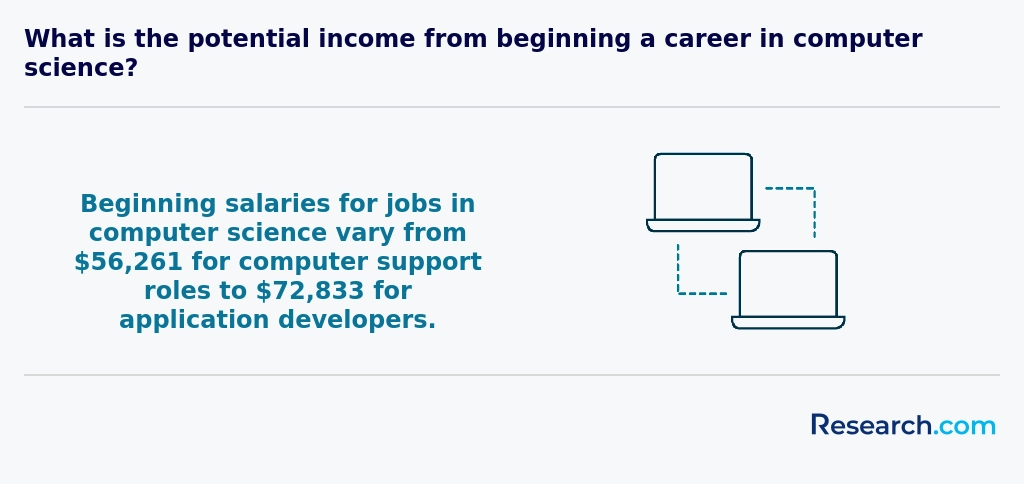
Machine Learning Engineers and Data Science Managers, emerging from Southern tech corridors, enjoy solid six-figure incomes near $119,040. Southern graduates often echo stories of starting with $60,000 to $70,000 in buzzing cities like Raleigh or Houston, then soaring past $120,000 as experience and expertise amplify. These figures animate the real-life thrill of a Southern tech career, where online computer science degrees lead not just to jobs but to prosperous futures.
- Tuition for online computer science degrees in the South ranges from $10,000 to $25,000 per year at public universities, with private schools typically charging more.
- In-state tuition discounts are often available for Southern residents even in online programs, lowering overall costs.
- Entry-level computer science graduates earn median salaries between $65,000 and $75,000 annually.
- Mid-career salaries in the region range from $95,000 to $110,000, reflecting strong industry demand.
- Major Southern tech hubs include Austin, Atlanta, Raleigh-Durham, and Dallas, offering extensive job opportunities.
- Accreditation by bodies like ABET is important for program quality and better employment chances.
Picture a busy mom in Georgia juggling full-time work and family while tackling her online computer science degree from a well-known Southern university. For her, the journey might stretch five to six years, a marathon paced by part-time classes that fit between soccer practices and midnight coding sessions. Meanwhile, a recent Clemson graduate who thrived on accelerated summer courses wrapped up their Bachelor of Science in Computer Science in just three years, fueled by a passion for algorithms and late-night hackathons.
In Texas and Florida, the rhythm varies-enrollment at state universities offering ABET-accredited programs means quality meets flexibility. Full-time students usually cruise through in about four years, just like a traditional timeline, but with the added sweet perk of no campus commute. Graduate students chasing a Master's often clock in between one and a half to three years, balancing professional life and coursework with an agile dance.
It's like crafting your own playlist of classes, thesis work, or internships. The Southern online CS degree experience is a blend of ambition, adaptability, and a bit of that Southern resilience.
Pursuing an online computer science degree in the South means ensuring you have the right tools and support to succeed:
- Reliable computer (Windows, macOS, or Linux) with at least 8 GB RAM, a multi-core processor, and 256 GB SSD
- High-speed internet connection (minimum 25 Mbps download) for streaming lectures and accessing virtual labs
- Up-to-date software: integrated development environments (IDEs) like Visual Studio Code or IntelliJ, virtualization tools (e.g., VirtualBox), and databases (MySQL, PostgreSQL)
- Access to cloud platforms (AWS, Azure, or Google Cloud) for hands-on projects and scalable resources
- Webcam, headset, and microphone for live discussions, proctored exams, and group work
- Familiarity with your program’s learning management system (LMS) for assignment submissions, discussion boards, and technical support
For specialized AI study resources, visit our guide to artificial intelligence degrees online.
Imagine juggling a daytime job while diving into algorithms on your own terms - that's the reality for many online computer science students in the South. Graduates from places like Georgia Tech praise the digital freedom: asynchronous lectures let them sip coffee at midnight in a cozy cabin miles from Atlanta's hustle, balancing studies with real life. Contrast that with on-campus learners at the University of Florida, where the rhythm is set by brisk campus walks and spontaneous brainstorms over late-night group projects in buzzing labs.
Online study offers a cocoon of flexibility, a welcome embrace for those navigating rural Southern towns where long commutes could dry your energy. Yet, it trades the buzz of in-person mentorship and tactile coding sessions that some on-campus grads swear by to decode the trickiest machine learning puzzles.
Costs reflect these experiences too: on-campus costs hover between $8,000 and $12,000 annually for Southern public universities, while online paths often trim expenses by cutting out housing and transit hassles, making both routes accessible yet distinct adventures for Southern tech dreamers.
A robust online master’s in computer science goes beyond lectures-look for programs that integrate real-world applications through hands-on learning. These experiences bridge theory and practice, ensuring you graduate job-ready.
- Capstone Project: A culminating assignment where you design, develop, and deploy a full-scale software or research solution under faculty guidance.
- Virtual Labs: Secure access to cloud-based environments for experimenting with programming languages, databases, and network simulations anytime.
- Industry Partnerships: Collaborations with tech companies provide guest lectures, mentorship, and project sponsorship to align coursework with current market needs.
- Internship or Practicum Options: Opportunities to earn credit while working with local or remote organizations, gaining professional experience before graduation.
- Collaborative Team Assignments: Group-based projects that mirror real-world software development cycles, sharpening your communication and project management skills.
For specialized tracks in machine learning or robotics, consider exploring artificial intelligence degrees online to deepen your technical expertise through targeted capstone work.
The financial landscape of earning an online computer science degree in the South is a mixed palette of opportunity and strategic choices. The median total cost stands at $23,322, an amount that dances between ambition and affordability for many Southern students. If you're an in-state learner, your journey is often kinder to the wallet, with median costs closer to $18,504, reflecting the South's embrace of locals through friendly tuition rates. However, stepping beyond state lines nudges that figure higher-around $23,724-bringing a bit more gravity to the investment.
Imagine yourself as a graduate from a well-known Southern institution, thrilled not only by knowledge gained but also by smart budgeting that made the degree attainable without crippling debt. These students often recall how the structure of Southern universities allows for a manageable balance between cost and quality, a real boon when searching for an affordable online master's in computer science Southern US.
Residency status and credit hours play crucial roles in the final tuition bill, often around 30 to 36 credit hours for a master's, with some schools offering flat-rate tuition that simplifies planning. A few alumni share that additional fees-for software or tech access-felt like small investments toward seamless learning experiences. For those curious about which schools climb in value, it's worth browsing lists showcasing the valuable computer science schools in georgia, illustrating the South's growing edge in computer science education.
Navigating the online application process for master’s in computer science programs can be a critical step toward a rewarding career in tech. Prospective students should start by reviewing each institution’s admission criteria and deadlines, ensuring that prerequisite coursework and test scores are met or can be supplemented with bridging programs. It is highly recommended to gather all necessary materials, such as professional recommendations, statement of purpose, and a polished resume that highlights relevant work or project experience. Many universities also require a personal interview or additional essays discussing career aspirations and technical interests, so preparation in these areas can help set your application apart. Additionally, actively engage with online admissions webinars and virtual campus tours, which provide deeper insights into course structures and faculty expertise. For instance, researching reputable programs like the valuable computer science schools in georgia can offer a comprehensive look at how different institutions support student success both academically and professionally. Finally, reach out to current students or alumni through social media and networking groups to get firsthand advice and perspective on the admissions process. This proactive approach not only makes your application more competitive but also ensures you make an informed decision that aligns with your long-term career goals.
Imagine a graduate from a well-known Southern university like Georgia Tech logging into their online portal, discovering a fresh wave of federal aid waiting for them. Thanks to FAFSA's magic, they tap into loans easing the financial weight-straight from Washington's toolkit, offering up to $20,500 annually. This isn't just borrowing; it's an investment with friendlier interest than private lenders.
Picture another student juggling work and study in Florida, buoyed by state scholarships that feel like a tailored handshake from the Sunshine State, designed especially for ambitious STEM minds. These scholarships don't just cut costs; they connect learners to thriving tech hubs blossoming nearby.
Then there's the quiet champion: institutional scholarships from renowned Southern universities like the University of Texas, quietly covering thousands each year, an unseen boost from merit and need alike. Meanwhile, many students feel the relief of employer tuition reimbursement, transforming day jobs into scholarships in disguise.
Lastly, private scholarships from groups passionate about diversity and computing become lifelines, sparking hope and possibility. Financial aid in the South isn't just numbers-it's a community weaving support through every login and application.
Southern online Master’s in Computer Science programs distinguish themselves through the caliber of their faculty and the breadth of research initiatives they lead. Prospective students should evaluate:
- Faculty Credentials: Instructors often hold Ph.D. degrees from top-tier institutions and maintain active roles in prominent professional societies like ACM and IEEE. Their industry experience in fields such as AI, cybersecurity, and cloud computing ensures that course content remains cutting-edge and aligned with today’s technology trends.
- Research Centers and Labs: Many universities host virtual labs and research centers focused on areas like machine learning, data analytics, and human-computer interaction. Enrolling in a program with robust research infrastructure allows students to collaborate on funded projects, publish papers, and gain hands-on experience solving real-world problems.
- Mentorship and Collaboration: Faculty mentorship extends beyond lectures, offering one-on-one advising for capstone projects, internship placements, and doctoral pathways. Regular virtual office hours, journal clubs, and research seminars foster a collaborative environment that mirrors on-campus engagement.
- Funding and Grants: Graduate students often have access to research assistantships, fellowships, and grant opportunities. These financial support mechanisms not only offset tuition costs but also provide practical experience managing project budgets and timelines. By prioritizing programs with distinguished faculty and active research agendas, students maximize their learning potential and position themselves for leadership roles in academia and industry. Faculty-driven projects also clarify the practical applications of theory, helping students understand what types of coding jobs are there and how to tailor their skills for each opportunity.
Diving into an online computer science degree in the South means stepping onto a path paved with clear, yet flexible, milestones. Imagine a graduate from a well-known Southern university juggling family life while powering through foundational courses in programming and discrete math-these classes often bridge gaps for those without a computer science background, making the journey accessible. Most programs expect you to hold a bachelor's degree, but the field can be anything, giving freedom to pivot careers.
Graduates often recall submitting official transcripts showcasing a steady GPA around 3.0, a reassuring number that tells schools, "I'm ready." While standardized tests like the GRE once loomed large, many Southern programs have lifted that barrier, welcoming working professionals who prefer skills over scores.
In the quiet of a home office with a reliable computer and steady internet, students complete prerequisite courses if needed and sometimes share letters of recommendation reflecting their grit and passion. It's a practical blend of preparation that mirrors the vibrant tech surge unfolding across Southern campuses, creating an inviting gateway into the world of computing.

Navigating the application process for an online master’s in Computer Science in the South involves several key steps to ensure a smooth and successful submission: 1. Research Deadlines and Program Details - Confirm application deadlines, which often fall in early fall (October–December) for spring entry and late spring (April–June) for fall entry. - Review program-specific requirements on each university’s admissions page. 2. Prepare Academic Transcripts and Testing Materials - Submit official transcripts demonstrating a minimum GPA, typically around 3.0 on a 4.0 scale. - Provide GRE or GMAT scores if required; some programs may waive tests based on professional experience or prior graduate coursework. 3. Craft a Compelling Statement of Purpose (SOP) - Highlight your career goals, research interests, and how the program’s curriculum aligns with your aspirations. - Discuss any relevant projects or publications, emphasizing problem-solving skills and leadership. 4. Secure Letters of Recommendation - Obtain two to three letters from academic professors or professional supervisors who can attest to your technical abilities and potential for graduate study. 5. Update Your Resume or CV - Detail programming languages, software tools, internships, and work experience. - Emphasize team projects, open-source contributions, or any leadership roles in tech initiatives. 6. Demonstrate English Proficiency (if applicable) - International applicants must submit TOEFL or IELTS scores meeting minimum institutional thresholds (e.g., TOEFL iBT 80 or IELTS 6.5). 7. Complete the Online Application Portal - Upload all documents (transcripts, SOP, resume, test scores, recommendation letters) and pay the non-refundable application fee. - Track your application status and promptly address any supplemental requests. 8. Explore Financial Aid and Scholarship Opportunities - Investigate institutional awards, assistantships, and external scholarships. - For cost-effective program options beyond the South, consider our Inexpensive Computer Science Degree Programs Ranking in New York, NY to compare tuition rates and aid availability. By following these steps and submitting a well-prepared application, you’ll maximize your chances of acceptance into a top online Computer Science master’s program in the South.
Diving into an online computer science degree in the South means navigating a vibrant terrain of courses that stitch theory with real-world pulse. Graduates from flagship Southern universities recall wrestling with hands-on coding in Introduction to Programming, mastering Python or Java like secret languages unlocking digital magic. It's not just syntax; it's crafting solutions that soon power apps and systems.
Next, the mind bends around Data Structures and Algorithms, where abstract puzzles morph into swift-running software beasts, preparing students to tackle Southern tech firms' challenges. At renowned schools, Computer Systems and Architecture becomes the backstage tour-understanding the hardware-software dialogue that keeps devices humming.
More than they'd imagined, many students find themselves exploring Database Management Systems and Software Engineering like master builders-designing scalable, robust systems that answer regional industries' calls. Artificial Intelligence and Machine Learning courses often spark awe, as learners envision themselves crafting smart tools that might one day reshape farming or healthcare in the South.
From cybersecurity deep-dives to cloud tech electives, the curriculum mirrors the South's thriving tech heartbeat, blending academic rigor with palpable excitement, turning remote study into a journey of discovery and purpose.
The landscape of online computer science specializations in the South feels like a vibrant tapestry woven with threads of cutting-edge technology and regional flair. Graduates from renowned institutions in Georgia or Texas often describe plunging into software engineering, crafting elegant code that powers apps used across the globe. Their late-night debugging sessions feel like solving intricate puzzles that unlock doors to a 22% job growth horizon, making every challenge rewarding.
Others find their calling amidst the palpable urgency of cybersecurity, responding to threats in a digital battleground where Southern states lead in job opportunities. This specialization, common among students balancing work and family, teaches them to shield data like modern-day digital knights. Meanwhile, data science enthusiasts from North Carolina or Florida dive into oceans of information, uncovering insights that shape healthcare policies or financial strategies, embodying the essence of South region computer science degree concentrations.
Some pioneers explore artificial intelligence realms - envisioning machines capable of learning, talking, or even empathizing - while others opt for cloud computing or mobile app development, fields that echo the rapid pulse of technology careers today. If you're curious about what types of coding jobs are there, these specializations morph seamlessly into real-world roles that graduates cherish beyond the classroom experience.
Imagine juggling a full-time job in Atlanta while pursuing a top-tier online computer science degree tailored for Southern sensibilities. Graduates from universities in the region often reflect on the value of programs that offer asynchronous courses-freedom to dive into algorithms late at night after work boosts both comfort and retention. Choosing such flexibility means aligning study with life, not the other way around.
Think beyond just curriculum: accreditation by ABET or regional agencies ensures the degree holds weight with employers across Texas or North Carolina. Graduates from popular Southern colleges rave about faculty who blend academic rigor with insights from booming local tech scenes in Dallas or Raleigh, making every lesson feel plugged into current industry trends.
Cost matters, too-finding affordable online CS programs southern states offers can make a real difference. For those scoping options, exploring resources like the Inexpensive Computer Science Degree Programs Ranking in New York, NY gives a comparative edge, even if you're based in the South. The best online computer science degrees in the South open doors not just academically, but socially and financially, crafting a path toward your tech dreams.

Graduates equipped with an online computer science degree in the South step into a vibrant tech ecosystem stretching from Austin's dynamic startups to Atlanta's corporate powerhouses. These professionals become architects of innovation, diving into software development roles where they craft everything from sleek apps to complex systems that power daily life. Imagine a recent graduate from a prominent Southern university who rapidly shifted from coding assignments to leading projects enhancing smart city infrastructure.
The realm of online computer science careers in the South also pulses with opportunities in cybersecurity, safeguarding crucial networks amid increasing digital threats. A graduate might find themselves working alongside government agencies in Virginia, turning lines of code into fortresses against cyberattacks. Meanwhile, others embrace the rising tide of data science in healthcare or retail, wielding analytics like modern-day alchemy to transform raw data into lifesaving insights.
Many graduates explore emerging roles as AI specialists, melding creativity and machine learning to revolutionize robotics and natural language processing. Whether it's designing intuitive UX interfaces or managing vast IT projects, their Southern education fuels a confident leap into positions where technology meets tangible impact. For those eager to accelerate their journey in this thriving region, considering fast track college courses can sharpen skills and open doors faster than ever before.
The landscape for online computer science job opportunities in the South buzzes with vibrant energy, where graduates from institutions like Georgia Tech or the University of Texas at Austin find themselves welcomed by a flourishing tech ecosystem. Imagine a recent grad leveraging remote work to join a Nashville-based cybersecurity firm, their online degree opening doors previously thought closed. These graduates often share stories of navigating internships supported by local universities, blending digital learning with real-world challenges, fueling their confidence in a market growing roughly 20% faster than average.
Southern US job market for computer science graduates thrives on practical skills, not just credentials. Many find roles as software developers, cloud engineers, or data scientists in cities pulsing with innovation-Atlanta's startups to Raleigh's finance firms. The moderate investment required for a master's, ranging $15,000 to $30,000, makes these degrees a powerful ticket to meaningful careers. For those exploring options, exploring the best degrees for 60 year olds highlights the inclusivity shaping this dynamic region.
2027 Best Online Master's in Computer Science Degree Programs Ranking in the South
Investing in your education is a significant decision that can shape your future, and the Research.com team recognizes the importance of making informed choices. To assist prospective students interested in advancing their careers, we have carefully developed the "2027 Best Online Master's in Computer Science Degree Programs Ranking in the South." Our dedication to quality, credibility, and accuracy is reflected in the thorough research and analysis behind this ranking.
We utilized the following reputable data sources to ensure a comprehensive evaluation of programs:
By exploring this ranking, readers will gain valuable insights into top online master's programs in computer science across the South, empowering them to make well-informed decisions about their educational journeys. For further information about our ranking process, please visit our Research.com methodology page.


# 9 position
University of Maryland Global Campus
Master of Cloud Computing Systems

# 10 position
University of Management and Technology
Master of Computer Science

Frequently Asked Questions About computer science
Online computer science degree students in the South can maximize their learning by actively engaging with their coursework and participating in virtual labs and coding exercises. Many Southern universities offer interactive platforms that simulate real-world programming challenges, which enhances practical skills.
Students should also connect with regional professional groups like the Southern Computer Science Association to expand networking opportunities and stay informed on local tech trends. Research from the National Center for Education Statistics highlights that Southern states have seen a 15% growth in tech job postings, emphasizing the importance of aligning studies with industry demand.
Additionally, utilizing academic support services and scheduling regular video meetings with instructors can improve comprehension and retention.
The computer science field is rapidly evolving, with several emerging niches gaining traction in the South. Areas such as artificial intelligence (AI), cybersecurity, and data science are in high demand due to increasing business reliance on technology. According to the Bureau of Labor Statistics, jobs in information security are projected to grow 35% from 2021 to 2031, faster than average, with many opportunities concentrated in Southern tech hubs like Atlanta and Raleigh.
Quantum computing and edge computing are also becoming more prominent as the need for faster processing and improved network efficiency grows. Colleges offering online degrees in the South are expanding courses in these specialties to meet workforce demands.
Graduates with online computer science degrees in the South can enhance their job prospects by actively engaging in regional tech communities and networking events. According to the U.S. Bureau of Labor Statistics, technology job growth in Southern states like Texas and Georgia is projected to rise faster than the national average through 2031. Building a strong portfolio with practical projects and internships can demonstrate relevant skills to potential employers. Additionally, obtaining industry certifications such as CompTIA or AWS can boost credibility in competitive markets. Staying updated with local job trends via platforms like the Southern Regional Tech Association helps tailor job searches effectively.
Employers in the South increasingly value a mix of technical and soft skills in computer science graduates. Strong programming abilities in languages such as Python, Java, and C++ remain essential, reflecting national trends reported by the Bureau of Labor Statistics. Additionally, expertise in cloud computing and cybersecurity is highly sought after, driven by growing technology sectors in states like Texas and Georgia.
Communication and teamwork skills are also critical, as many Southern tech companies emphasize collaborative project work within diverse teams. According to a 2023 report by the Southern Regional Education Board, about 68% of employers in the region prioritize problem-solving skills combined with adaptability in fast-changing environments.
Data analysis capabilities and experience with AI tools further enhance a graduate's appeal, aligning with the region's expanding data-driven industries.
Finding internships in the South for computer science students involves leveraging regional resources and networks. Many Southern states, including Texas, Georgia, and North Carolina, have a strong tech industry presence, with hubs like Austin and Atlanta offering numerous internship opportunities.
Start by exploring university career centers, which often partner with local companies to provide internships tailored to computer science students. According to the National Association of Colleges and Employers, about 60% of interns receive full-time job offers post-internship, making these programs valuable.
Additionally, use online job platforms such as Handshake or LinkedIn, filtering for Southern locations and computer science roles. Joining local tech meetups and coding groups can also create connections that lead to internships.
Online computer science degrees in the South play a significant role in improving career mobility and advancement. According to the U.S. Bureau of Labor Statistics, computer and information technology jobs in Southern states, like Texas and Georgia, are projected to grow faster than the national average through 2030. Earning a degree online offers flexibility for professionals to upskill without pausing their careers, which helps them qualify for higher-paying roles.
Employers in tech hubs such as Atlanta and Raleigh increasingly recognize accredited online degrees, valuing demonstrated skills and certifications. Southern companies in sectors like finance, healthcare, and manufacturing actively seek candidates with CS backgrounds to support growing digital needs. This degree can open doors to roles in software development, cybersecurity, and data analysis, enhancing upward mobility.
Studying for a computer science degree in the South offers a strong foundation for interdisciplinary roles by integrating technical skills with knowledge from fields like business, healthcare, and engineering. Many Southern universities design their curricula to include collaborations with other departments, promoting problem-solving across disciplines. For example, Georgia Tech's online computer science master's emphasizes applications in cybersecurity, data analytics, and software development relevant to multiple industries.
Southern states lead in sectors such as healthcare technology and advanced manufacturing, creating opportunities for CS graduates to apply their skills in various environments. According to the Southern Regional Education Board, interdisciplinary courses make up over 30% of technical degree offerings, preparing students for diverse, real-world challenges.
When choosing between a thesis and a non-thesis online computer science degree program in the South, consider your career goals and learning preferences. A thesis option typically suits those interested in research, potentially leading to a PhD or roles in innovation-driven companies. According to the Southern Regional Education Board, around 40% of computer science master's students in Southern universities opt for thesis programs, reflecting strong research opportunities.
Non-thesis programs are often preferred by professionals aiming for immediate industry application and career advancement without engaging in extensive research. These programs usually require additional coursework or a capstone project.
Review each program's structure carefully, especially at Southern institutions such as Georgia Tech or the University of North Carolina, which offer both options with varying emphasis on practical skills versus research.
Students based in the South seeking to study computer science abroad through online programs have several pathways available. Many Southern universities partner with international institutions, offering joint online master's degrees with a global perspective. These collaborations often include coursework developed or co-taught by faculty abroad, enabling students to access diverse expertise while studying remotely.
Additionally, students may enroll in internationally accredited online computer science programs offered by foreign universities that accept U.S. students. Institutions from Europe and Canada are popular choices, providing flexible options that align with U.S. educational standards.
According to the National Center for Education Statistics, around 15% of Southern graduate students engage in programs with international components, reflecting growing interest in global collaboration within computer science.
Part-time job opportunities in the South that complement computer science degrees often include roles like software development intern, IT help desk technician, and data analyst assistant. These positions provide practical experience with coding, debugging, and systems management, directly enhancing academic learning.
According to the U.S. Bureau of Labor Statistics, technology hubs in states like Georgia, Texas, and North Carolina have seen a 15% growth in tech-related jobs from 2020 to 2023. This growth supports numerous part-time roles for students seeking hands-on experience.
Additionally, freelance web development and cybersecurity tasks are popular in the South due to increasing business needs. These flexible jobs allow students to apply classroom concepts in real-world settings while balancing coursework efficiently.
Engaging in these roles not only bolsters resumes but also helps build professional networks within the thriving Southern tech industry.
Online computer science students in the South benefit from various networking opportunities despite the distance learning format. Many Southern universities offering online programs maintain active virtual career fairs, alumni networks, and student forums, fostering connections within the field.
Additionally, local chapters of professional organizations such as the Association for Computing Machinery (ACM) and IEEE provide virtual and in-person events in Southern states like Texas, Georgia, and North Carolina. These opportunities help online students connect with industry professionals and peers.
According to the Southern Regional Education Board, collaborative projects and internship placements with tech companies in Southern metro areas further enhance networking potential for online students.
Alumni networks provide significant benefits to online computer science degree students in the South by offering access to regional professional connections. Graduates from Southern universities often remain in industries centered in tech hubs like Atlanta, Austin, and Raleigh, where strong alumni ties can lead to job opportunities and mentorship.
According to the Southern Association of Colleges and Schools, alumni involvement increases student engagement and career placement rates by up to 25%. These networks facilitate internships, job referrals, and collaboration on projects relevant to the South's growing technology sector.
For online students, alumni groups also create a sense of community and support, helping overcome geographic isolation common in distance learning.
Many online computer science degree programs in the South offer flexible curricula that allow students to tailor their studies to specific career goals. Typically, programs include core courses in algorithms, programming, and systems, while offering electives in areas such as cybersecurity, data science, or artificial intelligence.
Students can also choose to complete specialized tracks or certificates aligned with their interests. For example, universities like Georgia Tech and the University of Florida provide options for deepening expertise in software engineering or machine learning.
Advisors often help students select projects or internships that match regional industry demands, which are strong in tech hubs like Atlanta and Austin. According to the Southern Regional Education Board, 42% of computer science graduates from the South find employment locally, benefiting from these targeted educational pathways.
Online computer science students in the South often face challenges related to limited high-speed internet access. According to the Federal Communications Commission, rural areas in Southern states like Mississippi and Alabama have significantly lower broadband availability than the national average, which can hinder access to live lectures and cloud-based resources.
Another common issue is balancing work, family, and study commitments. Many Southern students enrolled in online programs are working adults, making time management crucial.
Additionally, not all institutions offer robust technical support or tailored resources for online learners, which can affect student success and engagement.
Finally, some students encounter difficulties securing internships or local networking opportunities, which are vital for career development in computer science.
With an online computer science degree from the South, graduates can pursue several valuable professional certifications to enhance their careers. Popular options include the Certified Information Systems Security Professional (CISSP), ideal for those interested in cybersecurity. Another widely recognized credential is the Project Management Professional (PMP), beneficial for managing technology projects.
Additionally, many graduates aim for certifications like Amazon Web Services (AWS) Certified Solutions Architect or Certified Ethical Hacker (CEH), which reflect expertise in cloud computing and ethical hacking respectively. According to the Southern Association of Colleges and Schools (SACS), Southern employers increasingly value these industry-recognized credentials when hiring computer science professionals.
These certifications often require passing exams and relevant experience, and they provide graduates a competitive edge in the job market across the rapidly growing tech hubs in the South, such as Austin and Raleigh-Durham.
Writing a strong application for an online computer science program in the South starts with thorough research on regional programs accredited by recognized agencies like ABET. Many Southern universities now offer flexible online options, with institutions such as Georgia Tech and the University of Florida gaining national recognition for their computer science degrees.
Highlighting relevant experience in areas like software development or data analysis is crucial. According to the U.S. Bureau of Labor Statistics, computer and information technology jobs in Southern states are growing faster than the national average, so demonstrating skills aligned with market demands improves your chance.
Additionally, a clear statement of purpose explaining your professional goals, especially how the Southern tech industry fits into your plan, strengthens applications. Include measurable achievements and prepare strong letters of recommendation from professionals familiar with your technical capabilities.
The global demand for computer science professionals remains strong, with the U.S. playing a leading role in innovation and technology development. In the South, states like Texas, Georgia, and North Carolina have become hubs for tech jobs, supported by major companies and research universities.
According to the U.S. Bureau of Labor Statistics, computer and information technology occupations are projected to grow 15% from 2021 to 2031, much faster than the average for all occupations. This growth is driven by a global push for digital transformation and cybersecurity.
Graduates with online computer science degrees from Southern institutions are well-positioned to compete in the global market, benefiting from affordable tuition and access to expanding regional industries. The Southern region's emphasis on STEM education and partnerships with tech firms boosts career prospects for graduates internationally.
Gaining practical experience while pursuing an online computer science degree in the South is essential for career readiness. Many Southern universities collaborate with local tech companies to offer virtual internships, allowing students to work on real projects remotely. According to the Bureau of Labor Statistics, the Southeast region saw a 12% growth in computer and information technology jobs from 2020 to 2030, highlighting ample opportunities.
Students can also participate in hackathons and coding competitions hosted by universities or regional tech organizations. Additionally, many programs encourage contributions to open-source projects or research collaborations, providing hands-on experience without campus presence.
Choosing the right concentration within an online computer science degree in the South requires considering local industry demands and personal career goals. Areas like cybersecurity, data science, and software engineering are growing rapidly in southern states such as Texas, Georgia, and North Carolina, where tech jobs increased by over 15% in recent years, according to the U.S. Bureau of Labor Statistics.
Students should research concentrations aligned with regional employers, enhancing job prospects after graduation. Additionally, reviewing course offerings and faculty expertise in online programs helps ensure specialized knowledge.
Exploring internship and networking opportunities with local companies can influence the best concentration choice as well.
See What Experts Have To Say About Studying Computer Science
Read our interview with Computer Science experts

Kathleen M. Carley
Computer Science Expert
Professor of Computer Science
Carnegie Mellon University

Imed Bouchrika, Phd
Computer Science Expert
Professor of Computer Science
National Higher School of Artificial Intelligence

Martin Kang
Computer Science Expert
Assistant Professor
Loyola Marymount University

Derek Riley
Computer Science Expert
Professor, Program Director
Milwaukee School of Engineering

- Top 12 Global Careers For Computer Science Degree Graduates https://womeninstemnetwork.com/careers-for-computer-science-degree/
- Best Computer Certifications for Tech Professionals https://www.computerscience.org/degrees/certifications/
- How to choose a bachelor's in computer science | edX https://www.edx.org/resources/how-to-choose-a-bachelors-in-computer-science
- Challenges That Frustrate Computer Science Teachers https://codeeasy.io/blog/challenges-that-frustrate-computer-science-teachers
- 5 Challenges in Teaching Computer Science & Solutions https://www.computingolympiad.org/post/top-5-challenges-in-teaching-computer-science-in-schools-and-how-to-overcome-them
- The Crucial Role of Networking for Computer Science Students https://dev.to/thisisaayush/the-crucial-role-of-networking-for-computer-science-students-4k2i
- How Long Does it Take to Earn an MS in Computer Science? https://www.onlineengineeringprograms.com/faq/how-long-to-earn-masters-in-cs
- Letter of Motivation for applying Computer Science related fields https://essayforum.com/letters/motivation-applying-computer-science-related-11858/
- How can I network with computer science professionals and find job opportunities? https://2sigma.school/t/a/cfaq/how-can-network-with-computer-science-professionals-and-find-job
- 8 Tips for Computer Science Graduates to Get Their First Job https://allthecode.co/blog/post/tips-for-computer-science-graduates-to-get-their-first-job