2027 Most Popular Computer Science Degree Programs Ranking in Pennsylvania

Co-Founder and Chief Data Scientist
Choosing the right computer science degree program is an important step for Pennsylvania students aiming to build a successful tech career. This article introduces the 2027 Most Popular Computer Science Degree Programs Ranking in Pennsylvania, developed by the Research.com team of data scientists. Their careful analysis helps highlight which programs stand out based on real data.
Reading this article will give you a clearer picture of your options, making it easier to select a program that fits your goals. Pursuing a computer science degree opens doors to exciting opportunities and growth in a rapidly changing field.
Key benefits of getting computer science degree in Pennsylvania
- High Salary Potential: Graduates in Pennsylvania with a computer science degree can earn competitive salaries, such as a Software Engineer or Developer making around $138,110 annually or a Web Developer earning approximately $95,570 yearly, offering financial stability and growth.
- Diverse Career Paths: A graduate from a well-known Pennsylvania university can pursue exciting roles like Software Engineer, Data Analyst, or IT Support Specialist, each providing dynamic opportunities and room for professional advancement.
- Flexible Online Learning: Earning a computer science degree online from a respected Pennsylvania institution allows students to balance studies with life commitments while gaining skills that employers value, making education more accessible and enjoyable.
- 2027 Most Popular Computer Science Degree Programs Ranking in Pennsylvania
- What can I expect from computer science degree in Pennsylvania?
- Where can I work with computer science degree in Pennsylvania?
What can I expect from computer science degree in Pennsylvania?
Calculating the average cost of a computer science degree in Pennsylvania reveals surprising contrasts that challenge common assumptions. For in-state students at Pennsylvania State University, tuition is notably affordable, often easing financial concerns while delivering quality education. Graduates recall balancing budgets while diving into algorithms and internships without the looming stress of overwhelming debt.
Meanwhile, attending a private institution like Carnegie Mellon means encountering significantly higher tuition fees, but many students experience this as an investment, buoyed by generous financial aid and the prestige tied to cutting-edge research opportunities. The excitement of contributing to AI breakthroughs or cybersecurity labs often turns cost into a worthwhile challenge rather than a barrier.
Importantly, these costs don't capture the full picture. Networking with tech giants like Amazon or Comcast in Philadelphia offers graduates real-world returns that many say justify their expenses. The average cost, therefore, is not simply a number-it's a gateway to vibrant career pathways uniquely woven into Pennsylvania's tech ecosystem.
Where can I work with computer science degree in Pennsylvania?
Graduates from Pennsylvania's top computer science programs, such as Carnegie Mellon University and the University of Pittsburgh, often find themselves at the heart of innovation hubs. It's common to hear from alumni who landed roles in Pittsburgh's robotics startups, crafting AI systems that feel straight out of a sci-fi movie. These are not just jobs; they're opportunities to shape tomorrow's technology.
On the other side of the state, Philadelphia offers dynamic career paths amidst financial firms and healthcare giants. Graduates there are frequently immersed in projects that merge software development with real-world impact-improving patient care through data analytics or safeguarding sensitive financial data with cybersecurity expertise. These roles ignite a genuine sense of purpose and challenge.
Meanwhile, those who studied near Harrisburg often report rewarding experiences working with state agencies, managing IT infrastructures that keep public services running smoothly. The varied landscapes-startups, corporations, government-mean a computer science degree here is a versatile key, unlocking doors across industries all eager for tech-savvy problem solvers.
Graduates from Pennsylvania universities with computer science degrees often see impressive financial rewards shortly after completing their studies. For instance, software engineers and developers, common roles for these graduates, command mean annual wages around $138,110 according to the latest data. Imagine a recent graduate from a well-known Pennsylvania institution stepping into a software engineering role and earning above $130,000-this scenario is increasingly typical, especially in tech hubs like Philadelphia.
Meanwhile, those pursuing careers as web developers can expect mean annual earnings near $95,570, offering a solid entry point into the tech sector with room for growth. Graduates working as IT support specialists often start closer to $63,640 annually, a salary that reflects both the crucial behind-the-scenes role they play and the growing demand across Pennsylvania's diverse industries.
Data analysts with a computer science background report impressive wages as well, averaging $119,040 each year, highlighting the value of data skills in today's economy. These salary figures underscore the tangible benefits of a computer science degree in Pennsylvania, validating the investment many students make at institutions like Penn State or Carnegie Mellon with rewarding career prospects.
- Tuition for a bachelor's in computer science at Pennsylvania public universities ranges from $15,000 to $25,000 per year for in-state students.
- Private universities in Pennsylvania typically charge over $40,000 annually for computer science degrees.
- Entry-level computer science graduates in Pennsylvania earn about $65,000 to $75,000 per year, which is higher than the national average.
- Mid-career computer science professionals in the state make between $90,000 and $120,000 annually, depending on specialization and location.
- Major cities like Philadelphia, Pittsburgh, and Harrisburg offer numerous tech job opportunities in fields such as software development and cybersecurity.
- Many Pennsylvania universities have accredited computer science programs with internships and co-op options that provide practical experience.
Completing a computer science degree in Pennsylvania often takes around four years, but this timeline can feel more fluid in real life. Graduates from well-known schools like Penn State or the University of Pennsylvania often reflect on how their paths unfolded uniquely-some speeding through accelerated programs, others pausing to gain work experience or manage financial pressures.
Consider a full-time student at Temple University, steadily completing 120 to 130 credit hours through rigorous coursework. They might breeze through in four years, but a peer juggling part-time enrollment and a job could stretch that to six. Transfer students from community colleges, common in Pennsylvania's diverse network of institutions, often find their time shortened-turning what seems like a marathon into a relay.
These diverse experiences highlight something essential: the "standard" four years isn't a fixed rule but a flexible framework shaped by personal choices and circumstances unique to Pennsylvania's academic and economic environment.
Choosing between online and on-campus computer science degrees in Pennsylvania means weighing not just convenience but the essence of daily learning experiences. Graduates from Pennsylvania State University often speak fondly of late-night coding sessions in bustling campus labs, where spontaneous collaboration sparked fresh ideas and internships. In contrast, those from Drexel University's online programs describe the energizing discipline of structuring their own schedules, balancing coursework seamlessly with full-time jobs or family life.
Online study offers flexibility that redefines what "classroom" means-students join live virtual discussions from their living rooms, tapping into the same accredited curriculum as on-campus peers. Yet, the missing daily face-to-face interaction is palpable, demanding greater self-motivation and intentional outreach for support. Temple University's online learners report appreciating interactive forums and virtual office hours that help recreate a sense of community, though some miss the serendipitous connections of in-person networking events.
Financially, attending on campus in Philadelphia introduces housing and transit costs that online students often avoid, yet both paths require investment in technology and time. Ultimately, the choice reflects how you envision your journey: as a richly social immersion or a flexible, self-driven pursuit.
Beyond academic excellence, the vibrant campus community and comprehensive student support systems are critical elements that shape a transformative educational experience. In many of Pennsylvania's top computer science programs, students benefit from engaging tech clubs, hackathons, and networking events that foster peer collaboration and professional growth. These extracurricular activities are not just a break from intensive coursework; they play a crucial role in developing soft skills such as teamwork, leadership, and innovative thinking. Moreover, many institutions offer dedicated career services, mentorship programs, and industry partnerships to help students transition smoothly from classroom learning to real-world applications. For instance, many students find that attending events at an affordable computer science school in pennsylvania offers them invaluable insights into emerging trends in technology, as well as access to alumni networks that can help secure internships and job opportunities. Embracing a holistic approach to education, these programs ensure that graduates are well-equipped to navigate both the technical and social aspects of the modern tech landscape.
The average cost of obtaining a computer science degree in Pennsylvania hovers around $48,986 for in-state students and climbs to approximately $65,104 for out-of-state students. These figures shape the real-life financial landscape for those pursuing this field, challenging the simplistic notion that tuition alone defines educational expenses. Graduates recall managing costs beyond tuition-housing, books, and technology fees-that add layers to the total expenditure, reflecting the true total expenses computer science degree program PA students face.
Picture a student attending a renowned public university like Pennsylvania State University. While tuition may seem manageable, the cumulative expenses often prompt thoughtful budgeting and creative financial solutions. Private institutions, such as Carnegie Mellon University, push these costs even higher, yet graduates emphasize the enriching experience that makes the investment worthwhile. This balance between cost and value triggers reflection on affordability and what students prioritize in their educational journey.
Financial aid and scholarships also play a pivotal role in reshaping cost dynamics. Pennsylvania offers support through programs like the Pennsylvania State Grant, easing the burden for eligible students. For those seeking an alternative route, exploring a highly affordable computer science school in pennsylvania can lead to meaningful savings without compromising quality, a decision many students appreciate after navigating the complex financial terrain.

Many students pursuing a computer science degree in Pennsylvania discover that financial aid comes in more forms than the typical narrative suggests. Take graduates from Pennsylvania State University, for example, who often combine federal Pell Grants with state aid from the Pennsylvania State Grant program, significantly easing tuition burdens. These grants, reaching up to $7,395 and $5,800 respectively, create a real difference, transforming anxiety about college costs into hope and opportunity.
Beyond federal and state help, merit-based scholarships at top institutions like the University of Pennsylvania provide targeted support specifically for computer science students excelling in rigorous coursework or contributing to STEM diversity. Such awards don't just reduce expenses-they validate hard work and ambition.
Consider also the paid internships and work-study positions that blend income with invaluable tech experience. Many students report these roles, often found through university partnerships with local companies, as crucial for both financial stability and networking-turning education into a launchpad for a career.
- Federal Pell Grants up to $7,395 annually
- Pennsylvania State Grant program awards up to $5,800
- Merit-based scholarships from Pennsylvania universities
- Paid internships and work-study opportunities
- Private scholarships from STEM-focused organizations
Calculating the return on investment (ROI) for a Computer Science degree in Pennsylvania involves comparing total program costs-tuition, fees, and living expenses-with average starting salaries in key roles such as Software Engineer ($132,930) and Web Developer ($87,580). On average, an in-state bachelor’s degree costing $6,930 per year can be recouped within two to three years post-graduation, while out-of-state or private institution graduates may see a payback period of three to five years, depending on their starting salary and loan repayment plan. Beyond the bachelor’s level, many alumni accelerate their ROI and career growth through advanced credentials. For example, adding an industry-recognized certification or pursuing an online master data science degree can boost median salaries by 15–25% and open opportunities in high-demand fields like AI, machine learning, and big data analytics. Such advanced pathways not only shorten the break-even timeframe but also position graduates for leadership roles with salaries that can exceed $150,000 within five years of entry into the workforce. To maximize long-term value, prospective students should factor in work-study options, co-op programs, and internship pipelines offered by each ranked institution. Programs with strong industry partnerships often provide stipends or credit-bearing experiences that offset tuition costs, while alumni mentorship networks can expedite job placement. By weighing these elements alongside program rankings, students can make data-driven decisions that ensure both a swift ROI and sustained career advancement.
The journey to a computer science degree in Pennsylvania starts with more than just a high school diploma. Many graduates from universities such as Penn State or Carnegie Mellon recall how their strong background in algebra and geometry paved the way for mastering complex programming concepts. Some even found that taking calculus beforehand gave them a surprising edge, turning intimidating classes into exciting puzzles.
Standardized tests like the SAT or ACT remain a factor for most institutions, though recent trends allow some students to skip this hurdle. This flexibility can relieve pressure, but it's a double-edged sword: students still need to demonstrate academic rigor elsewhere, often reflected in a solid GPA ranging from 2.5 to 3.0, which ensures they can handle demanding coursework like systems design and data structures.
For those aiming for graduate programs, an undergraduate degree in computer science or a related field is non-negotiable. Graduates often highlight that proving proficiency in algorithms and discrete math through transcripts was essential. Many found that professional experience could sometimes bridge gaps, making their applications more compelling in Pennsylvania's competitive landscape.
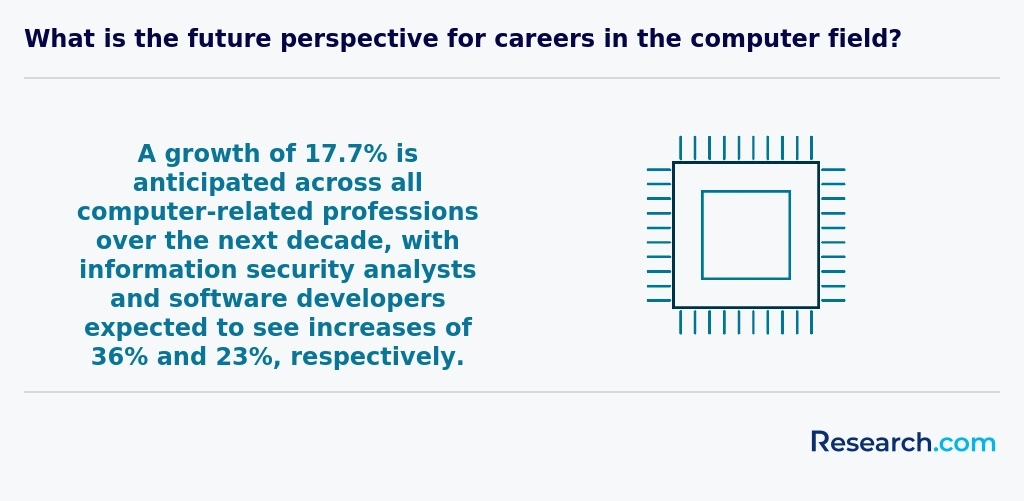
Understanding the true value of a Computer Science degree involves more than just tuition figures-it requires a clear analysis of long-term earnings, student debt, and payback periods. In Pennsylvania, the average annual tuition for in-state public universities ranges from $6,930 to $20,000, while private institutions can exceed $30,000 per year. Coupled with median student loan debt of $22,283, prospective students should evaluate how quickly they can recoup these costs through industry salaries. Software Engineers in Pennsylvania earn a mean annual wage of $132,930, translating to roughly $11,077 per month before taxes. Assuming an average in-state bachelor’s degree cost of $80,000 and typical living expenses, graduates can expect to break even within two to three years of full-time employment. Even Web Developers, with average salaries around $87,580, can often cover their educational investment in under four years, making Pennsylvania’s CS programs competitive on a national scale. For those concerned about balancing costs with quality, exploring cost-effective alternatives can be beneficial. Many students look beyond state lines for more affordable options; for instance, our Most Affordable Computer Science Degree Programs Ranking in Salt Lake City, UT highlights institutions where tuition and living expenses are lower, yet graduate outcomes remain strong. Ultimately, the ROI of a Computer Science degree in Pennsylvania is driven by your specialization, internship experiences, and geographic location of employment. By comparing program costs against projected salaries and factoring in scholarship opportunities, you can make an informed decision that maximizes both your educational investment and long-term career growth.
Computer science students in Pennsylvania quickly realize that their coursework is far from abstract-it's a toolkit for real-world problem solving. At popular schools like Penn State or Carnegie Mellon, graduates describe starting with core classes such as programming fundamentals in Python or Java, mastering the logical flow of coding that forms the backbone of any tech role. These early challenges build confidence, turning confusion into clarity as they write their first working programs.
As students progress, they dive into data structures and algorithms, which aren't just academic concepts but keys to unlocking efficient solutions in software development. Courses on computer architecture reveal the layers beneath the user interfaces they interact with daily, deepening their understanding of how hardware and software communicate seamlessly.
- Operating systems classes exemplify resource juggling, akin to managing a busy workspace where tasks must be prioritized and executed smoothly.
- Database management teaches designing systems that handle vast, complex information-similar to organizing an ever-growing digital library, a skill valued by employers across Pennsylvania's booming tech firms.
- Software engineering immerses students in teamwork, mirroring real industry projects requiring collaboration and adaptability.
Graduates often reflect on how electives in emerging fields like cybersecurity or machine learning at Pennsylvania universities have sparked excitement and opened doors in cutting-edge sectors. These courses don't just fill a curriculum but challenge students to envision their work impacting tomorrow's technology landscape.
When considering a computer science degree specializations Pennsylvania students often find themselves drawn to paths like software engineering, cybersecurity, and artificial intelligence, but the depth of these options runs deeper than expected. Graduates from esteemed institutions in the state describe how delving into software engineering challenged them to master project management and coding languages, sparking a rewarding sense of creation and problem-solving. The best CS concentrations in Pennsylvania universities don't just focus on theory; they weave in real-world applications like network security and ethical hacking, reflecting the region's industrial demands and providing students with confidence to tackle cyber threats head-on.
Others highlight the rise of data science specializations as a gateway to impactful roles in finance and healthcare. Witnessing peers transform raw data into actionable insights brings enthusiasm and a forward-thinking mindset. For those intrigued by blending business and tech, information systems offer a balanced approach that feels both practical and sophisticated. Students considering further specialization might explore an online master data science degree, enhancing their competitive edge in Pennsylvania's evolving tech landscape.
Choosing the best computer science degrees in Pennsylvania means looking beyond rankings and flashy brochures. Graduates from institutions like Carnegie Mellon often emphasize how crucial faculty expertise and research opportunities were in shaping their careers, a factor sometimes overlooked by applicants focusing only on location or tuition costs. Imagine being at Penn State, where hands-on projects and cutting-edge research facilities immerse you daily in innovation-this real-world experience can spark confidence and open doors.
Consider how affordability intersects with quality; community colleges provide a supportive launchpad for many who later transfer to four-year programs, balancing debt concerns with solid education. Graduates repeatedly highlight this path as a strategic choice, proving that the most affordable computer science programs Pennsylvania offers can yield strong outcomes if aligned with your goals.
Don't forget to probe career support networks. With Pennsylvania's robust tech hubs in Philadelphia and Pittsburgh, proximity often translates into internships and job offers. Reflect on graduates' stories: those with strong industry connections often felt less anxious about post-college uncertainty. For a wider perspective on affordability and options, explore the Most Affordable Computer Science Degree Programs Ranking in Salt Lake City, UT to benchmark choices beyond state lines.
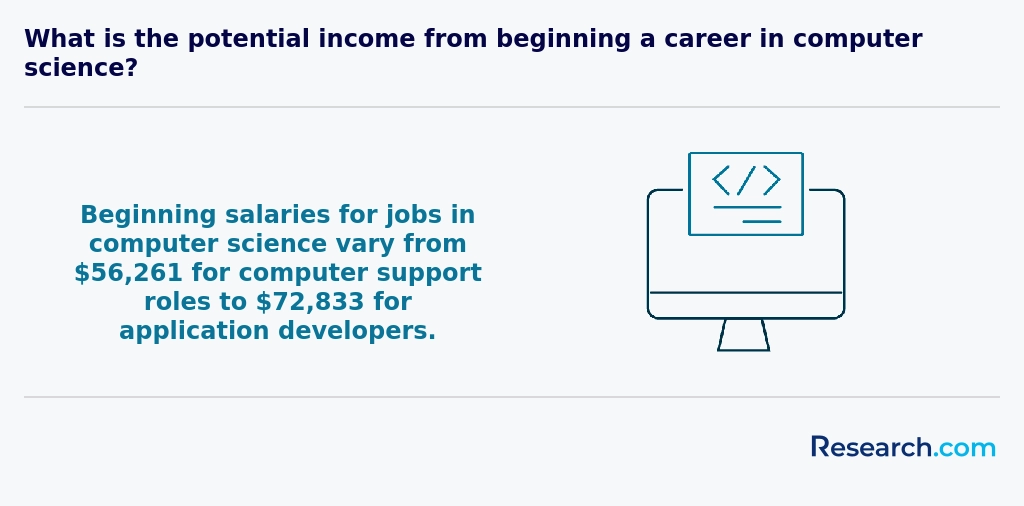
Graduates with a computer science degree in Pennsylvania encounter diverse career paths that extend far beyond traditional roles. Within renowned institutions like the University of Pennsylvania and Penn State, graduates often transition into software development positions that power industries from healthcare to manufacturing. These roles challenge students to innovate real-world applications, cultivating a sense of accomplishment and growth. The demand for cybersecurity professionals across Pennsylvania's corporate and government sectors offers another dynamic avenue, where graduates protect critical systems amidst rising cyber threats. This increasing need reflects a broader trend in high paying computer science jobs Pennsylvania, motivating students to pursue specialized skills.
Beyond these common routes, graduates frequently explore fields like data science and analytics, leveraging expertise in machine learning and statistical analysis to influence decision-making in finance and education. Experience gained through internships linked to Pennsylvania's top universities solidifies these opportunities. Others pursue careers as systems analysts, network administrators, or project managers, all roles vital to advancing technological infrastructure statewide. For those interested in further enhancing their credentials, exploring the highest paying certifications can unlock new potential and elevate career trajectories.
The computer science job outlook Pennsylvania reveals a landscape rich with opportunity and growth. Graduates from well-regarded institutions such as Carnegie Mellon University and Penn State find themselves in vibrant tech hubs like Pittsburgh and Philadelphia, where innovation drives demand. These graduates often share stories of landing positions in cutting-edge fields like robotics, AI, and cybersecurity, highlighting a workforce that values both practical skills and theoretical knowledge. The rapid pace of technological change compels many to pursue online certificates that pay well, enhancing their marketability in an increasingly competitive job market.
Technology career opportunities in Pennsylvania extend beyond traditional roles, as employers now seek expertise in cloud computing and data analytics. This demand amplifies the value of a Pennsylvania computer science degree, with salaries for software developers starting near $65,000 and climbing swiftly. The increase in remote work options also allows graduates to tap into national and international job markets, proving that earning a degree here means entering a thriving, adaptable community of future-focused professionals.
2027 Most Popular Computer Science Degree Programs Ranking in Pennsylvania
Investing in your education is a significant decision with long-term impact, and the Research.com team recognizes the necessity of making well-informed choices. To support prospective students in Pennsylvania, we have carefully developed the "2027 Most Popular Computer Science Degree Programs Ranking in Pennsylvania." Our dedication to quality, credibility, and accuracy is demonstrated through thorough research and analysis behind this ranking.
We utilized the following reputable data sources to ensure a comprehensive evaluation of computer science programs:
By consulting this ranking, readers will gain valuable insights into the leading computer science degree programs in Pennsylvania, empowering them to make confident and informed decisions regarding their educational futures. For a detailed overview of our process, please visit our Research.com methodology page.
# 1 position
Pennsylvania State University-Main Campus
Master of Science in Computer Science

# 2 position
Pennsylvania State University-Main Campus
Doctor of Philosophy in Computer Science



Frequently Asked Questions About computer science
Computer science degree students in Pennsylvania can enhance their learning by taking advantage of state resources and university partnerships with tech companies. Institutions like Carnegie Mellon University and Penn State emphasize hands-on projects and research, which are crucial for skill development. According to the National Center for Education Statistics, Pennsylvania awards over 3,500 computer science bachelor's degrees annually, creating a competitive but collaborative environment.
Internships and cooperative education programs are highly recommended, as 75% of Pennsylvania's tech graduates secure employment through these experiences. Students should also engage with local tech hubs such as Pittsburgh's innovation district to connect with industry professionals.
Maintaining updated skills through workshops and certifications complements formal education, preparing students for Pennsylvania's growing tech market, projected to increase by 12% through 2030, per the Bureau of Labor Statistics.
Emerging niches within the computer science field are rapidly shaping the future of technology careers in Pennsylvania. Areas such as artificial intelligence (AI) and machine learning are seeing significant growth, driven by demand from industries including healthcare, finance, and manufacturing.
Cybersecurity remains a critical focus due to increasing digital threats. According to the Pennsylvania Department of Labor & Industry, cybersecurity jobs are projected to grow by 31% through 2030 in the state. Data science is another expanding area, as companies seek experts who can analyze large datasets to drive strategic decisions.
Additionally, fields like blockchain technology and Internet of Things (IoT) are gaining traction, supported by research initiatives at universities such as Carnegie Mellon and the University of Pennsylvania.
After earning a computer science degree in Pennsylvania, preparing for the job market involves several strategic steps. First, gaining practical experience through internships or cooperative education programs is crucial. Many Pennsylvania universities maintain partnerships with local tech firms, providing valuable exposure and networking opportunities. According to the Pennsylvania Department of Labor, the state expects a 15% growth in computer and information technology jobs by 2030, highlighting a strong demand for skilled graduates.
Building a professional portfolio with projects or contributions to open-source software demonstrates hands-on skills. Additionally, obtaining relevant industry certifications, such as CompTIA or AWS, can enhance employability.
Joining organizations like the Pennsylvania Tech Council helps graduates connect with industry professionals and access job postings. Finally, developing strong soft skills, including communication and teamwork, is essential to succeed in Pennsylvania's competitive technology sector.
Employers in Pennsylvania value computer science graduates who possess strong programming skills, especially in languages like Python, Java, and C++. According to the Pennsylvania Department of Labor & Industry, proficiency in software development and problem-solving ranks among the top skills requested in job postings statewide.
In addition to coding abilities, candidates with knowledge in data structures, algorithms, and cybersecurity tend to have better employment prospects. Soft skills such as teamwork and communication are also frequently emphasized by Pennsylvania-based tech firms.
Recent reports from the Computing Technology Industry Association highlight that adaptability and a capacity for continuous learning remain crucial due to the fast-evolving nature of technology.
Finding internships in Pennsylvania related to a computer science degree involves leveraging multiple resources. Universities such as Penn State and Carnegie Mellon have dedicated career centers that connect students with tech companies offering internships.
Online job portals like Handshake and LinkedIn often list internships specifically in Pennsylvania's tech hubs like Philadelphia, Pittsburgh, and Harrisburg. The Pennsylvania Department of Labor & Industry also provides intern placement resources, supporting over 30,000 youth in work experience programs annually.
Additionally, attending local tech meetups and career fairs can open doors to opportunities. Internships in Pennsylvania's growing software and cybersecurity sectors typically pay between $15 and $25 per hour, reflecting demand for skilled interns.
A computer science degree in Pennsylvania opens significant opportunities for career mobility and advancement. According to the Bureau of Labor Statistics (BLS), the state has a strong demand for software developers, computer programmers, and IT specialists, with projected growth rates above the national average through 2030.
Employers in Pennsylvania's tech hubs like Pittsburgh and Philadelphia often prioritize candidates with formal computer science education when considering promotions or higher-level roles. Graduates with such degrees typically command higher starting salaries and find it easier to switch between industries such as finance, healthcare, and manufacturing.
Additionally, Pennsylvania's universities frequently collaborate with local industries, providing students access to internships and networking that boost career progression. These connections can be crucial for moving into leadership or specialized technical positions over time.
Studying for a computer science degree in Pennsylvania often emphasizes interdisciplinary skills by integrating courses from fields such as biology, business, and engineering. Universities in the state, like Carnegie Mellon and Penn State, offer programs encouraging collaboration across disciplines, which prepares students for diverse roles.
According to the National Center for Education Statistics, Pennsylvania awards over 3,000 computer science degrees annually, many featuring applied projects linked to other fields. This approach builds problem-solving skills applicable in healthcare, finance, and manufacturing sectors.
Students also benefit from internships and partnerships with Pennsylvania's robust tech and research industries, fostering real-world interdisciplinary experience.
Choosing between a thesis and a non-thesis computer science degree in Pennsylvania depends on your career goals and learning preferences. Thesis programs focus on research, requiring students to complete an original project under faculty supervision. This path suits those aiming for PhD studies or research roles in academia or industry. Non-thesis options typically emphasize coursework and practical skills, ideal for students targeting immediate employment in software development or IT fields.
According to the Pennsylvania Department of Education, about 40% of graduate CS students opt for thesis tracks, highlighting strong research interests statewide. Check individual universities' offerings, as many top Pennsylvania schools provide both formats to fit diverse needs.
Students in Pennsylvania interested in studying computer science abroad have several pathways through their home institutions. Many Pennsylvania universities with strong computer science programs, such as Carnegie Mellon University and the University of Pennsylvania, offer established exchange programs with partner schools worldwide. These programs typically allow students to spend a semester or year abroad, earning credits that count toward their degree.
A 2023 report by the Institute of International Education highlights that about 12% of Pennsylvania's STEM undergraduates, including computer science students, participate in study abroad experiences. Collaboration with universities in Europe and Asia is common, providing exposure to global technology trends and research.
Additionally, students can explore third-party providers offering faculty-led or summer research opportunities abroad, often focusing on emerging fields like artificial intelligence and cybersecurity. Planning ahead with advisors is crucial to ensure smooth credit transfer and financial aid applicability.
Part-time jobs in Pennsylvania that complement a computer science degree often include roles like software development intern, IT support technician, and data analyst assistant. These positions offer practical experience directly tied to coursework and future career paths.
Many universities in Pennsylvania, including Penn State and Carnegie Mellon, have strong ties with local tech firms, allowing students to find relevant roles. According to the Pennsylvania Department of Labor & Industry, IT-related jobs in the state are growing 15% faster than the average, highlighting abundant opportunities for part-time work.
Additionally, freelance web development and tutoring fellow students in programming languages like Python or Java are popular options. These jobs help reinforce learning while building a professional portfolio attractive to employers.
Computer science students in Pennsylvania benefit from numerous networking opportunities that connect them with industry professionals and peers. Many universities host career fairs and technology expos, attracting top employers from sectors like software development, cybersecurity, and data analytics. For example, Penn State hosts an annual career fair drawing over 1,400 recruiters, many seeking computer science talent.
Additionally, student organizations such as the Association for Computing Machinery (ACM) chapters are active on campuses, providing workshops, hackathons, and guest lectures. Local tech meetups in cities like Philadelphia and Pittsburgh also allow students to engage with startups and established companies.
Furthermore, institutions often facilitate internships through partnerships with firms including Comcast, Intel, and SAP, enhancing real-world experience and professional connections.
Alumni networks play a significant role in supporting computer science students in Pennsylvania. These networks connect current students with graduates who work in leading technology firms, offering mentorship and career guidance. According to the Pennsylvania Department of Education, strong alumni relations contribute to higher internship placement rates, which are crucial in the competitive tech field.
Moreover, alumni often provide job referrals and networking opportunities that can lead to full-time employment after graduation. Schools like the University of Pennsylvania and Carnegie Mellon have active alumni groups that host events and workshops, enhancing students' professional skills. These connections can increase employability in Pennsylvania's growing tech industry.
Customizing a computer science degree in Pennsylvania involves selecting electives, concentrations, and practical experiences that align with your career goals. Many Pennsylvania universities offer specializations such as cybersecurity, data science, artificial intelligence, and software engineering. According to the Pennsylvania Department of Education, institutions like Penn State and University of Pittsburgh provide flexible curricula allowing students to focus on emerging tech fields.
Internships and cooperative education programs are common features, enabling hands-on experience in local tech companies. Additionally, some programs allow course substitutions or interdisciplinary options to tailor learning.
Leveraging these options can help students build skills demanded by Pennsylvania's growing tech sector, which the Bureau of Labor Statistics reports is expanding by 15% through 2030.
Computer science students in Pennsylvania often face rigorous coursework demanding strong problem-solving and programming skills. Subjects like algorithms, data structures, and software engineering require sustained focus and practice.
Another challenge is balancing theoretical knowledge with practical experience. Many programs emphasize hands-on projects and internships, but securing relevant opportunities can be competitive, especially in urban centers like Philadelphia and Pittsburgh.
Financial pressures also impact students; according to the Pennsylvania Department of Education, average undergraduate debt exceeds $30,000, which may affect students' ability to fully engage in unpaid or low-paid internships.
Additionally, staying current with rapidly evolving technology trends is essential but challenging. Students must continually update skills in languages and platforms, which can strain time and resources.
With a computer science degree in Pennsylvania, graduates can pursue various professional certifications to boost their careers in technology. Popular certifications include the Certified Information Systems Security Professional (CISSP) for those interested in cybersecurity, and the Cisco Certified Network Associate (CCNA) for networking roles. Data scientists often seek the Certified Data Professional (CDP) credential. According to the U.S. Bureau of Labor Statistics, Pennsylvania has a growing demand for IT professionals, with a 7% projected job growth in computer and information technology fields through 2030.
Other valuable certifications include Microsoft Certified: Azure Fundamentals and the AWS Certified Solutions Architect, useful in cloud computing roles prevalent across Pennsylvania's tech companies. These certifications demonstrate specialized knowledge and often increase earning potential. Penn State and Carnegie Mellon University alumni increasingly pursue such certifications to complement their degrees and meet employer demands.
Writing a strong application for a computer science program in Pennsylvania starts with understanding the state's competitive academic environment. According to the National Center for Education Statistics, Pennsylvania offered over 4,000 computer science degrees in 2021, reflecting high demand. Highlight your academic achievements, particularly in math and science, as these subjects are fundamental to computer science.
Emphasize relevant experience like coding projects, internships, or participation in competitions such as hackathons. Pennsylvania schools value practical skills alongside GPA. Submit well-crafted personal statements explaining your passion for technology and how you plan to contribute to the field.
Strong letters of recommendation from STEM teachers or employers can further strengthen your case. Finally, ensure your application meets all deadlines and required materials, as timely submission is crucial in Pennsylvania's many selective programs.
Computer science careers are increasingly valued worldwide, with strong demand in technology-driven economies like the United States. In Pennsylvania, the field benefits from the state's growing tech industry, offering diverse opportunities for graduates.
Globally, computer science professionals often work on innovations in fields such as artificial intelligence, cybersecurity, and data science. Reports from the U.S. Bureau of Labor Statistics project a 15% growth in computer and information technology jobs through 2031, highlighting sustained demand.
International perspectives emphasize adaptability and continuous learning due to the fast-paced nature of technology. Pennsylvania's universities align curricula with global trends to prepare students for such challenges. Institutions like Carnegie Mellon University and Penn State help foster skills valued at home and abroad.
Overall, pursuing a computer science degree in Pennsylvania positions students well to engage with an interconnected tech workforce that values expertise and innovation worldwide.
Gaining practical experience while studying for a computer science degree in Pennsylvania is essential for career readiness. Many universities in the state offer cooperative education (co-op) programs, which integrate paid work placements with academic study. For example, Drexel University's co-op program is nationally recognized and allows students to work up to six months in a technology-related position. Internships are also widely available through partnerships with local tech companies, including those in Philadelphia and Pittsburgh, two major tech hubs in Pennsylvania. According to the Pennsylvania Department of Labor, about 40% of computer science students in state universities secure internships before graduation.
Students can also engage in research projects funded by the National Science Foundation or state grants, giving hands-on experience in emerging fields like artificial intelligence and cybersecurity. Additionally, involvement in student clubs, coding competitions, and hackathons, often hosted by universities such as Penn State, helps develop real-world skills. Volunteering for open-source projects or contributing to faculty-led initiatives is another effective way to gain practical knowledge during your studies.
Choosing the right concentration within a computer science degree program in Pennsylvania involves understanding your career goals and the strengths of local institutions. Pennsylvania offers diverse concentrations such as software engineering, cybersecurity, data science, and artificial intelligence. According to the Pennsylvania Department of Labor & Industry, jobs in software development and cybersecurity are projected to grow by over 20% through 2030 in the state.
Consider your interests and the demand in Pennsylvania's tech sector. Research faculty expertise and available resources at schools like Carnegie Mellon University or Penn State. Online platforms and state workforce reports provide valuable data on emerging trends, helping you align your concentration choice with market needs.
- 2027 Most Popular Computer Science Degree Programs Ranking in New Jersey
- 2027 Most Popular Computer Science Degree Programs Ranking in Maryland
- 2027 Most Popular Computer Science Degree Programs Ranking in Connecticut
- 2027 Most Popular Computer Science Degree Programs Ranking in Massachusetts
- 2027 Most Popular Computer Science Degree Programs Ranking in Kentucky
- 2027 Most Popular Computer Science Degree Programs Ranking in Indiana
- 2027 Most Popular Computer Science Degree Programs Ranking in New Hampshire
- 2027 Most Popular Computer Science Degree Programs Ranking in Maine
- 2027 Most Popular Computer Science Degree Programs Ranking in Michigan
- 2027 Most Popular Computer Science Degree Programs Ranking in Georgia
See What Experts Have To Say About Studying Computer Science
Read our interview with Computer Science experts

Derek Riley
Computer Science Expert
Professor, Program Director
Milwaukee School of Engineering

Imed Bouchrika, Phd
Computer Science Expert
Professor of Computer Science
National Higher School of Artificial Intelligence

Martin Kang
Computer Science Expert
Assistant Professor
Loyola Marymount University

Kathleen M. Carley
Computer Science Expert
Professor of Computer Science
Carnegie Mellon University

- How to choose a bachelor's in computer science | edX https://www.edx.org/resources/how-to-choose-a-bachelors-in-computer-science
- Top Careers in Computer Science | Careers, Salaries, and Resources https://www.computerscience.org/careers/
- Essential Skills Every Computer Science Graduate Needs | LSBF https://lsbf.edu.my/blog/11-essential-skills-every-computer-science-graduate-needs/
- Computer Science - SWPS University https://english.swps.pl/academics/warsaw/ba-programs/computer-science
- How can I network with computer science professionals and find job opportunities? https://2sigma.school/t/a/cfaq/how-can-network-with-computer-science-professionals-and-find-job
- 555 Computer Science Internships https://internshala.com/internships/computer-science-internship/
- Best Computer Science Degree Programs in Pennsylvania, 2026 Rankings https://hakia.com/degrees/computer-science/pennsylvania/
- Alumni computer science dual https://www.fbi.h-da.de/en/informieren/ueber-uns/alumni/alumni-computer-science-dual
- Study Computer Science Abroad | Go Overseas https://www.gooverseas.com/study-abroad/computer-science
- Top 12 Global Careers For Computer Science Degree Graduates https://womeninstemnetwork.com/careers-for-computer-science-degree/