
2027 Most Popular Computer Science Degree Programs Ranking in Georgia

Co-Founder and Chief Data Scientist
Choosing the right computer science degree program in Georgia can feel overwhelming. This article simplifies that journey by featuring the 2027 Most Popular Computer Science Degree Programs Ranking in Georgia, created by the Research.com team of data scientists. Their careful analysis helps you identify which programs stand out, making your decision easier and more confident.
Exploring this ranking shines a light on valuable opportunities for your future. A computer science degree opens doors to exciting careers and personal growth, and this guide supports you every step of the way.
Key benefits of getting computer science degree in Georgia
- High earning potential: Graduates with a computer science degree in Georgia often secure roles like Software Engineer or Software Developer, earning around $138,110 annually, offering excellent financial stability.
- Diverse career paths: A graduate from Georgia Tech can explore exciting jobs such as Web Developer or Data Analyst, giving flexibility to pursue roles that fit their interests and strengths.
- Flexible learning options: Online computer science degrees from universities like the University of Georgia allow you to balance studies with work or family, providing convenience without sacrificing quality.
- 2027 Most Popular Computer Science Degree Programs Ranking in Georgia
- What can I expect from computer science degree in Georgia?
- Where can I work with computer science degree in Georgia?
What can I expect from computer science degree in Georgia?
Students pursuing a computer science degree in Georgia often find the average total cost ranges from $25,000 to $60,000, depending largely on whether they attend a public institution like the University of Georgia or a private college. Graduates frequently reflect on balancing tuition expenses with scholarships or work-study options, which can significantly ease financial pressure. For example, a student at Georgia Tech might supplement their tuition through paid internships in Atlanta's "Silicon Peach," making advanced coursework more affordable and rewarding.
Many graduates describe the investment as worthwhile, especially given the strong job prospects in Georgia's growing tech market. They recall late nights debugging projects, collaborating in tech clubs, and attending hackathons-all experiences that enhance their skills and build confidence. These immersive opportunities, combined with the state's supportive financial aid programs, paint a hopeful picture for future students considering both the cost and the long-term value of their education.
Where can I work with computer science degree in Georgia?
Graduates with a computer science degree in Georgia typically find themselves stepping into a dynamic job market fueled by the state's expanding tech scene. Many start their careers in Atlanta's bustling "Silicon Peach," joining large companies like NCR or Equifax, where software development and cybersecurity roles are highly sought after. Recent graduates from Georgia Tech often share how internships secured through university-industry ties give them a competitive edge, making the leap from campus projects to real-world applications exciting and rewarding.
Outside Atlanta, graduates embrace opportunities in cities like Augusta and Savannah, where healthcare technology and education sectors are rapidly growing. For example, students from Augusta University highlight how their internship experiences connect them to roles in healthcare data analytics, blending tech skills with meaningful community impact.
Looking ahead, Georgia's innovation hubs and SMEs are emerging as hotspots for entrepreneurial tech work, attracting graduates eager to shape new software solutions. Passionate about making a difference, many envision careers in government cybersecurity or educational technology, blending their computing expertise with service to the state and future generations.
Graduates from computer science programs at Georgia Tech, Emory, and the University of Georgia often find themselves entering a thriving job market with salaries that reflect strong regional demand. For example, software developers in Georgia earn a mean annual wage of about $138,110, with many entry-level alumni from these schools quickly surpassing the $75,000 mark in the bustling Atlanta tech scene.
Web developers typically start around $95,570 annually, a figure that excites graduates passionate about combining creativity with technical skills. Students who pursued IT support roles can expect around $63,640 per year, a promising entry point that often leads to higher-paying positions as experience grows.
Data analysis graduates, a role growing rapidly in importance, can look forward to salaries near $119,040, especially in Georgia's expanding finance and healthcare sectors. Alumni often share how certifications and internships during college amplified their starting offers.
Imagining the future, these salary trends suggest that students choosing Georgia-based computer science degrees are positioning themselves for rewarding careers with increasing opportunities to earn well above the state average as the tech economy evolves.
- In-state tuition for a computer science bachelor's degree at public universities in Georgia ranges from $8,000 to $12,000 per year.
- Out-of-state students pay between $20,000 and $30,000 annually, while private colleges may charge over $30,000 per year.
- Early-career computer science graduates in Georgia earn an average salary of $70,000 per year, increasing to about $110,000 in mid to late career.
- Major cities like Atlanta and Alpharetta have growing tech industries with strong demand for computer science professionals.
- Top public universities such as the University of Georgia and Georgia Tech offer well-regarded programs with good industry connections and scholarship opportunities.
- Georgia's lower cost of living compared to other tech states makes it more affordable for students studying computer science.
Completing a computer science degree in Georgia typically takes about four years for a full-time bachelor's student at institutions like the Georgia Institute of Technology or the University of Georgia. Many graduates fondly recall balancing intense coursework with exciting internship opportunities, which sometimes stretch their timelines but deepen their skills and job readiness.
For those opting for an associate degree through community colleges across the state, the journey usually spans two years, offering a quicker pathway into the tech workforce or a jumping-off point toward a bachelor's degree. Some students find this flexibility rewarding, especially when combining studies with part-time work.
Graduate programs, like master's degrees offered by Georgia State University, often require one to two additional years. Accelerated tracks are becoming popular, enabling motivated learners to finish sooner while feeling confident about their advanced expertise.
As more online and hybrid courses emerge, students in Georgia increasingly enjoy personalized pacing, turning degree completion into a custom-fit experience that suits diverse lifestyles and ambitions.
Georgia’s computer science programs emphasize hands-on learning through:
- Internships with tech firms like Google and Microsoft, offering real-world coding and project management experience
- Cooperative education (co-op) at universities such as Georgia Tech, alternating semesters of paid work and study
- Undergraduate research in areas like cybersecurity and data science, often led by leading faculty
- Hackathons and coding competitions organized on campuses to build teamwork and problem-solving skills
These opportunities reinforce classroom theory and expand professional networks. Students focused on AI can enhance their studies with an online ai degree specialization to gain deeper expertise and stay current with emerging technologies.
Online and on-campus computer science degrees in Georgia differ mainly in their learning environment and flexibility, shaping very different student experiences. Graduates from Georgia Tech's online Master's often praise the freedom to balance work and study asynchronously, fitting learning into busy, real-life schedules without losing academic rigor. In contrast, those who studied on-campus at the University of Georgia highlight the rich campus atmosphere, where face-to-face collaboration in labs and networking events creates a strong sense of community and hands-on skill-building.
Looking ahead, online programs may evolve to include more interactive, immersive tools that replicate in-person experiences, making flexible learning even more engaging. Meanwhile, on-campus students might benefit from blended innovations, mixing in remote learning to accommodate diverse lifestyles. The decision often hinges on how you thrive: do you prefer the structure and social energy of campus life, or the autonomy of online study? Both paths in Georgia are supported by respected institutions and prepare students well for the competitive tech job market.
Choosing an accredited computer science program ensures your degree holds value with employers, qualifies for federal financial aid, and allows smooth credit transfers if you switch schools. In Georgia, most reputable institutions are regionally accredited by the Southern Association of Colleges and Schools Commission on Colleges (SACSCOC). Beyond institutional accreditation, look for programmatic accreditation from ABET (Accreditation Board for Engineering and Technology), which specifically evaluates computing curricula for rigor and relevance. Key Accreditation Types:
- Institutional (Regional) Accreditation: Validates overall college quality; essential for student aid eligibility.
- ABET Programmatic Accreditation: Confirms that the CS curriculum meets industry standards in areas like software engineering, algorithms, and data structures.
- Specialized Certifications: Some schools hold additional endorsements in cybersecurity or data science, reflecting focused expertise. Why Accreditation Matters:
- Employer Recognition: Graduates from ABET-accredited programs are often preferred for competitive roles and graduate studies.
- Credit Transferability: Accredited programs facilitate seamless transfers between colleges and universities.
- Financial Aid Access: Only accredited institutions can offer federal grants, loans, and work-study programs.
- Continuous Improvement: Accredited programs undergo regular reviews, ensuring up-to-date coursework and resources. If you’re considering alternative or supplemental pathways-such as coding bootcamps or certificate programs-you may also wonder what jobs can i get with a coding certificate. By prioritizing accredited degrees and recognized certificates, you’ll safeguard your investment and maximize career opportunities in Georgia’s dynamic tech landscape.
The average cost of a computer science degree in Georgia varies depending on several factors, but median data suggest around $10,318 for in-state students, reflecting affordable options at public universities such as the University of Georgia or Georgia Tech. Out-of-state students face significantly higher costs, with a median total near $42,829, illustrating the financial impact of residency status on a student's investment. These figures align with the broader total expenses for computer science degree programs Georgia students often encounter, including housing, textbooks, and supplies.
Graduates from Georgia Tech often share stories of balancing rigorous coursework with ample internship opportunities that help offset expenses, making the investment feel worthwhile despite the initial cost. Similarly, students at private institutions like Emory University discuss the benefits of strong alumni networks and cutting-edge facilities, even as tuition costs rise. Many potential students explore financial aid and scholarships offered across the state, which can significantly reduce the average cost and enable access to distinguished programs.
With evolving educational models and increasing industry partnerships, the value of a computer science degree in Georgia remains promising. Students looking for cost-effective education options might consult the list of the most affordable computer science programs in georgia to find suitable paths. This practical approach helps prospective learners envision their future while managing tuition and related fees responsibly in this competitive field.
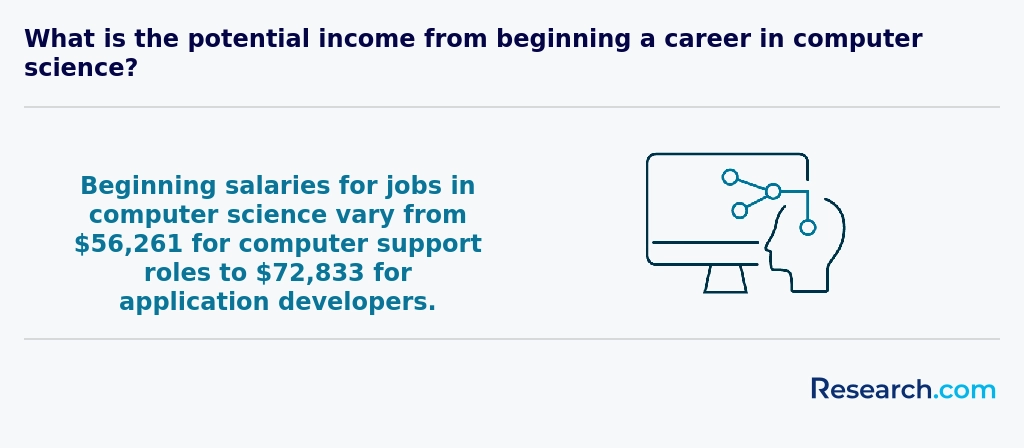
Living and learning in Georgia is about more than coursework-it’s a vibrant experience that blends academics with campus culture, networking, and community support. Prospective computer science students will find that universities here offer an array of clubs, tech meetups, hackathons, and industry panels that foster collaboration and innovation. Engaging in these activities not only enhances your technical skills but also builds invaluable relationships with peers, alumni, and professionals in the tech industry. Many institutions host coding bootcamps, career fairs, and mentoring sessions where seasoned experts share insights on navigating the tech landscape. These experiences can be a stepping stone to internships, research opportunities, and even job offers. For students looking to explore budget-friendly yet high-quality educational options, consider visiting most affordable computer science programs in georgia to discover programs that balance academic rigor with an exceptional campus life. This dynamic blend of academic excellence and a supportive, engaging environment forms the foundation for personal growth and long-term career success in the competitive field of computer science.
Students pursuing computer science degrees in Georgia often rely on a combination of financial aid sources that make their educational journey attainable and rewarding. Graduates from institutions like the Georgia Institute of Technology often share how federal aid through FAFSA unlocked opportunities like Pell Grants and low-interest Direct Loans, significantly easing tuition burdens. These funds, coupled with the state's HOPE Scholarship, frequently cover large portions of in-state tuition, turning what might feel like a daunting expense into an achievable goal.
Many find that university-specific scholarships, especially those targeting STEM fields, add another vital layer of support. For example, students at the University of Georgia describe how merit-based awards sparked motivation and relieved financial stress, allowing more focus on challenging coursework and personal projects.
Looking ahead, industry partnerships with tech companies in Georgia promise to expand scholarship availability, particularly aimed at underrepresented groups. Internships and part-time work in Atlanta's growing tech sector increasingly complement financial aid, providing both income and invaluable professional experience.
When evaluating a Computer Science degree, understanding the return on investment (ROI) is crucial. In Georgia, graduates typically see strong ROI thanks to competitive starting salaries and moderate in-state tuition. Here’s how to gauge the financial value of your education: Average Costs and Earnings • Average annual tuition (in-state public): $17,545 • Average starting salary for Software Engineers: $132,930 • Estimated time to recoup tuition (payback period): 1.5 – 2 years • Average student debt at graduation: $28,000 Key ROI Factors • Institution Type: Public universities like UGA and Georgia Tech generally offer lower tuition for residents, accelerating payback. • Specialization: Fields such as AI and cybersecurity command higher salaries, improving ROI. • Mode of Study: Online programs can save on room and board, reducing overall costs. • Financial Aid: State scholarships (HOPE, Zell Miller), grants and assistantships can slash net expenses and shorten payback. Comparing Across States Georgia’s tech hub status and high average salaries make it a top choice for ROI-focused students. For those weighing other regions, our Cheapest Computer Science Degree Programs Ranking in Arizona offers insight into programs with even lower sticker prices, helping you compare potential costs and returns before you decide. Maximizing Your ROI • Secure internships or co-op placements early to boost job prospects and potential starting offers. • Apply for every eligible scholarship and grant to reduce up-front costs. • Choose specializations aligned with high-growth, high-paying sectors. • Leverage campus career services and networking events to transition quickly into the workforce.
To enroll in a computer science degree program in Georgia, students typically need a solid foundation in math and science, especially algebra and geometry. Graduates from top schools like Georgia Tech often recall how their early grasp of programming concepts and problem-solving set them up for success. The prerequisite GPA generally hovers around 3.0, reflecting a balance of academic rigor and achievable goals. While standardized tests like the SAT or ACT have become less critical at some Georgia universities, strong scores can still boost an application's appeal, especially for competitive programs.
Many students find that having prior exposure to coding-whether through high school classes, coding boot camps, or STEM clubs-builds confidence and readiness. Personal statements and recommendation letters help showcase motivation, an aspect that several graduates say highlighted their passion and commitment. With Georgia's diverse schools now embracing more flexible admission policies, future applicants can expect a blend of traditional requirements and increasingly personalized evaluations.
Hands-on learning through internships, co-ops, and research projects ensures you apply classroom knowledge to real-world challenges while building professional networks. Key opportunities include:
- Internship placements with Atlanta-area tech firms like Google, NCR, and Delta Air Lines
- Co-op programs at Georgia Tech and Georgia State University offering paid, credit-bearing work terms
- Research assistant roles in university labs focusing on AI, cybersecurity, and data science
- Campus hackathons, coding competitions, and student clubs that foster teamwork and innovative problem-solving
These experiences deepen your skill set, boost your resume, and often lead to full-time job offers. If you’re exploring related creative fields, consider a game design degree online.
Computer science students in Georgia often find themselves immersed in courses that blend foundational knowledge with cutting-edge topics. Graduates recall diving into programming, data structures, and algorithms that felt like unlocking the language of technology itself. At institutions like Georgia Tech, the excitement builds as students explore advanced classes in artificial intelligence and machine learning, which spark ideas for real-world applications such as smart city solutions or healthcare innovations.
Hands-on experience is central. Courses in cybersecurity and mobile app development become thrilling opportunities to build projects that mirror challenges faced by Atlanta's booming tech scene. Imagine designing secure apps or intelligent systems alongside passionate peers, fueled by the energy of a rapidly evolving industry.
Mathematics remains key, with discrete math and linear algebra helping students make sense of complex algorithms underpinning modern computing. The blend of theory and practical labs prepares students in Georgia not just to learn, but to innovate in an environment where technology constantly transforms.
Students pursuing computer science degrees in Georgia often find themselves drawn to a variety of emerging specializations tailored to the dynamic tech landscape. At top institutions like Georgia Tech and the University of Georgia, graduates share enthusiasm for specializations such as Artificial Intelligence and Machine Learning, where hands-on projects in robotics and natural language processing create exciting, future-ready skill sets. These focus areas reflect the broader trend of Georgia computer science degree focus areas evolving alongside the state's growing technology hubs.
Other popular paths include Cybersecurity, emphasizing defensive strategies against real-world cyber threats, and Data Science, where learners analyze big data to make informed decisions in sectors ranging from healthcare to finance. Students appreciate how these specializations prepare them for vibrant careers in Atlanta's expanding tech scene.
Game Development and Software Engineering also attract creatives and problem-solvers excited by interactive media and innovative software design. Those curious about practical outcomes often ask what jobs can i get with a coding certificate, linking their academic focus to future prospects.
Choosing the best computer science degree in Georgia means looking beyond just rankings to how a program aligns with future tech trends and your personal ambitions. Graduates from Georgia Tech often share how their exposure to cutting-edge research and industry partnerships fueled their excitement for emerging fields like artificial intelligence and cybersecurity. These real-world experiences not only deepen understanding but also spark innovation that can shape one's career.
Affordable computer science degrees in Georgia may initially seem like the practical choice, yet many students find that programs offering strong internship connections near Atlanta enhance both learning and job prospects. Imagine collaborating on a data science project with a local startup or contributing to software engineering innovations through university-industry partnerships; such opportunities build confidence and open doors.
In addition, exploring specialization options and faculty engagement helps you discover a path tailored to your goals. For those weighing costs against value, consider reviewing the Cheapest Computer Science Degree Programs Ranking in Arizona for additional perspective on affordability and program strength outside Georgia.
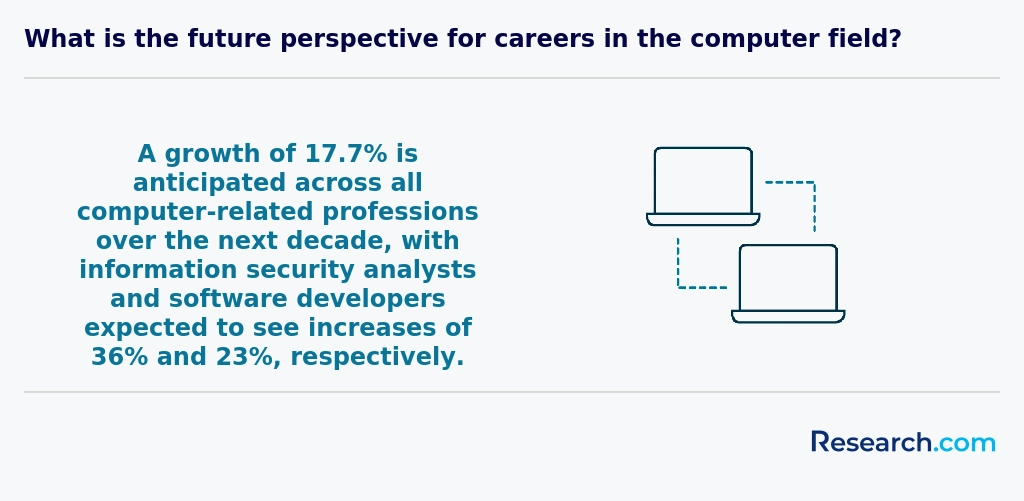
Graduates from popular universities in Georgia often find themselves stepping into dynamic roles such as software developers, cybersecurity analysts, or cloud solutions architects. These paths are shaped not only by technical skills but also by the state's growing emphasis on innovation and digital transformation. For example, a graduate from a top Atlanta college might join a fintech startup, developing secure payment systems to meet rising demands. Such career opportunities for computer science graduates in Georgia reflect a future-oriented workforce eager to solve complex problems and embrace emerging technologies like artificial intelligence and blockchain.
Students pursuing a computer science degree in Georgia frequently share excitement about hands-on projects that mirror real-world challenges, preparing them for roles in network administration or data analysis. With companies in Alpharetta and beyond investing heavily in tech infrastructure, the job outlook for computer science degree holders in Georgia is increasingly promising. These graduates enjoy the rewarding challenge of shaping industries while contributing to local economic growth, encouraging prospective students to consider the best college degrees to get for a future-ready career.
The job market for computer science degree graduates in Georgia is exceptionally promising, especially in metropolitan areas like Atlanta where tech companies continuously expand. Recent graduates from well-known universities often share stories of securing roles in software development and cybersecurity shortly after completing internships. The Georgia tech industry employment outlook suggests a thriving environment fueled by diverse sectors such as finance, telecommunications, and healthcare, which all actively seek skilled IT professionals.
Students studying computer science at institutions like Georgia Tech and Emory University experience firsthand how the state's tech hub status creates frequent networking and career-building opportunities. Many find that gaining hands-on experience through internships or cooperative education programs enhances their employability, making the transition into the workforce smoother and more rewarding.
Given Georgia's competitive yet affordable education options, with in-state tuition costs kept relatively low, pursuing a computer science degree here feels like a strategic investment. For those considering which path to take, exploring easiest bachelor degrees can help balance academic challenges with career ambitions within the thriving landscape of computer science jobs in Georgia.
2027 Most Popular Computer Science Degree Programs Ranking in Georgia
Investing in your education is a significant decision that can shape your future, and the Research.com team understands the importance of making informed choices. To assist prospective students in Georgia, we have meticulously developed the "2027 Most Popular Computer Science Degree Programs Ranking in Georgia." Our dedication to quality, credibility, and accuracy is demonstrated through extensive research and rigorous analysis in compiling this ranking.
We utilized the following reputable data sources to ensure a comprehensive evaluation of computer science programs:
By exploring this ranking, readers will gain valuable insights into the most popular and well-regarded computer science degree programs in Georgia, empowering them to make confident, well-informed decisions about their educational future. For more details on how this ranking was created, please visit our Research.com methodology page.


Frequently Asked Questions About computer science
Students pursuing computer science degrees in Georgia can enhance their learning by engaging in internships offered by tech companies across Atlanta, a growing tech hub with over 5,000 technology firms. Gaining real-world experience through internships or cooperative education programs can help bridge theory and practice. Participating in coding competitions and hackathons hosted by institutions like Georgia Tech amplifies problem-solving skills. Additionally, joining student organizations such as the Association for Computing Machinery (ACM) chapters provides networking and collaboration opportunities. Utilizing resources like Georgia's HOPE Scholarship can also reduce financial burdens, allowing students to focus more on academic success and skill development.
The computer science field is rapidly evolving, with several emerging niches gaining prominence, especially in Georgia. Artificial intelligence (AI) and machine learning are leading areas, driven by local tech hubs such as Atlanta's growing AI startups. Cybersecurity remains critical, with demand rising due to increasing digital threats across industries.
Data science is another key niche, as organizations seek to analyze large datasets to inform decisions. Georgia's emphasis on logistics and supply chain technology creates opportunities in this field. Additionally, cloud computing and edge computing are expanding, supported by the presence of major corporations and government agencies in the state.
Finally, quantum computing and blockchain technologies, though still developing, attract research interest at universities like Georgia Tech. According to the Georgia Department of Economic Development, these areas are expected to boost job growth for computer science graduates through 2027.
Graduates with a computer science degree in Georgia can enhance their job prospects by gaining practical experience during their studies. Participating in internships or cooperative education programs is highly recommended, as these opportunities often lead to full-time positions. According to the Georgia Department of Labor, the state's tech sector is growing faster than the national average, particularly in cities like Atlanta and Savannah.
Building a professional network through local tech meetups and organizations such as Georgia Tech's Career Center can provide valuable connections. Additionally, developing skills in high-demand areas like cybersecurity, data science, and software development is critical. Earning industry certifications alongside your degree can further boost your marketability.
Employers in Georgia increasingly seek computer science graduates with strong technical skills, particularly in software development, data analytics, and cybersecurity. According to the Georgia Department of Labor, proficiency in programming languages such as Python, Java, and C++ is highly valued. Additionally, skills in cloud computing and machine learning are gaining importance due to the rapid growth of tech sectors in Atlanta and other metropolitan areas.
Beyond technical knowledge, employers emphasize problem-solving abilities and teamwork. Communication skills are critical for collaborating in diverse, project-driven environments common to Georgia's technology companies. The U.S. Bureau of Labor Statistics notes a projected 15% job growth in computer and information technology occupations in Georgia through 2031, underscoring the demand for adaptable and well-rounded graduates.
Finding internships in Georgia related to a computer science degree involves leveraging local university resources and industry connections. Many schools such as Georgia Tech, University of Georgia, and Georgia State University offer dedicated career centers that collaborate with tech companies in Atlanta, the state's main tech hub. These centers often host job fairs and provide internship listings specific to computing fields.
Students should also explore online platforms like Handshake and LinkedIn, which frequently list internships in Georgia-based tech firms. According to the Georgia Department of Economic Development, Atlanta's tech sector grew by 7% in recent years, increasing internship opportunities.
Networking is key; joining computer science student organizations or attending local tech meetups can connect students to unadvertised internships in Atlanta and surrounding cities.
A computer science degree in Georgia significantly enhances career mobility and advancement opportunities. The state's growing technology sector, especially in Atlanta, creates high demand for skilled professionals. According to the Georgia Department of Economic Development, tech employment is projected to grow by 15% through 2028, faster than many other fields.
Graduates with this degree typically access positions in software development, cybersecurity, and data analysis, fields known for competitive salaries and advancement potential. Industry certifications combined with a degree often lead to leadership roles or specialized technical careers. Additionally, Georgia's universities have strong ties with local employers, which helps with internships and job placements, further improving graduates' career trajectories.
Studying for a computer science degree in Georgia equips students for interdisciplinary roles by combining core technical skills with opportunities for cross-field collaboration. Many Georgia institutions, such as Georgia Tech and the University of Georgia, offer curricula integrating computer science with fields like biology, business, and engineering. This approach reflects labor market demands where 57% of computing jobs require knowledge beyond pure programming, according to the Georgia Department of Economic Development.
Courses often emphasize teamwork, problem-solving, and communication skills, preparing students to work effectively in diverse professional settings. Additionally, internships and research projects foster practical experience in industries like healthcare, finance, and manufacturing. This hands-on training enhances students' adaptability and readiness for interdisciplinary roles.
Choosing between a thesis and a non-thesis computer science degree program in Georgia depends largely on your career goals. Thesis programs emphasize research, requiring students to develop and defend original work, which suits those aiming for doctoral studies or research roles. Non-thesis programs focus on practical skills and coursework, ideal for students seeking industry jobs immediately after graduation.
In Georgia, many top institutions like Georgia Tech offer both options. According to the Georgia Board of Regents, about 40% of graduate CS students opt for thesis paths, reflecting the state's growing tech research sector. Consider program requirements, faculty expertise, and your professional plans when deciding.
Students based in Georgia who wish to study computer science abroad have several avenues through U.S. higher education partnerships and exchange programs. Many universities in Georgia, such as the Georgia Institute of Technology, participate in study-abroad programs that include collaborations with institutions in Europe, Asia, and Australia. These programs often allow students to complete coursework that counts towards their Georgia degree while gaining international experience.
According to the Institute of International Education, computer science remains one of the top fields for U.S. students studying abroad. Georgia students benefit from established pathways in countries known for strong tech industries, like Germany and the United Kingdom.
Additionally, scholarships and formal agreements help offset costs, making abroad study accessible for computer science majors from Georgia.
Part-time job opportunities in Georgia can greatly enhance a computer science student's education by providing practical experience alongside academic learning. Popular roles include software development internships, IT support positions, and web development assistant jobs. Many tech companies in Atlanta and other cities actively seek students for these roles. According to the Georgia Department of Labor, about 25% of student tech workers find roles in startups or established firms, fostering hands-on coding and troubleshooting skills.
Additionally, tutoring or lab assistant positions at universities offer students a chance to deepen their understanding while earning income. Freelance programming and cybersecurity tasks are also in demand in Georgia, often accessible through local tech meetups or online platforms specialized in part-time gigs.
Computer science students in Georgia benefit from diverse networking opportunities that connect them with industry professionals, alumni, and peers. The University System of Georgia hosts several tech-focused events, such as hackathons and career fairs, specifically designed to foster professional relationships.
Many universities, including Georgia Tech, have strong ties to Atlanta's thriving tech sector, offering internships and co-op programs that serve as practical networking platforms. According to the Georgia Department of Economic Development, Atlanta ranks among the top U.S. cities for tech job growth, further enhancing these connections.
Student organizations like the Association for Computing Machinery (ACM) chapters provide regular meetings and guest lectures, enabling students to engage with experts. Additionally, local meetups and industry conferences held throughout the state facilitate broader professional networking essential for future career development.
Alumni networks play a vital role in supporting computer science degree students in Georgia. Graduates from programs like those at the Georgia Institute of Technology often stay connected, creating valuable opportunities for current students to access mentorship, internships, and job referrals. According to the National Association of Colleges and Employers, over 65% of job openings in the technology sector are filled through networking and alumni connections.
In Georgia's thriving tech hub-especially Atlanta-alumni networks help bridge the gap between education and industry. They provide insights into emerging technologies and local employer needs, enhancing students' career readiness.
Many universities also organize alumni panels, workshops, and career fairs exclusively for computer science students, which strengthen professional skills and industry knowledge.
Customizing a computer science degree in Georgia allows students to align their education with specific career goals. Many universities offer concentrations such as software engineering, data science, cybersecurity, or artificial intelligence. For example, Georgia Institute of Technology provides specialized tracks that help prepare students for industry demands. Additionally, students can select electives based on personal interests or emerging technologies.
Internships and cooperative education programs in Georgia's thriving tech hubs like Atlanta give real-world experience, enhancing practical skills. According to the Georgia Department of Economic Development, the state's tech sector employs over 70,000 workers, creating diverse job opportunities for graduates.
Students may also pursue certificates or minors in related fields such as business or mathematics to broaden expertise. This flexibility helps tailor a degree to roles in software development, data analytics, or network security.
Computer science students in Georgia often face several common challenges during their studies. One major issue is the high level of coursework difficulty, particularly in subjects like algorithms, data structures, and software development. Many students report needing strong time management skills to balance classes, labs, and projects effectively.
Access to resources also varies across institutions. While universities like Georgia Tech offer extensive research and internship opportunities, students at smaller colleges may find fewer options available. According to the National Center for Education Statistics, retention rates in STEM fields, including computer science, remain a concern nationwide, with Georgia reflecting similar trends.
Moreover, some students encounter financial barriers. The average in-state tuition for public universities in Georgia was about $10,000 annually in 2023, which can be challenging for those without sufficient financial aid. These factors combined highlight the demanding nature of pursuing a computer science degree in the state.
With a computer science degree in Georgia, graduates can pursue various professional certifications to enhance their career prospects. Popular certifications include the Certified Information Systems Security Professional (CISSP), which is valuable in cybersecurity, a fast-growing field in Georgia's tech sector.
Other notable certifications are the Certified Software Development Professional (CSDP) and vendor-specific credentials like the Amazon Web Services (AWS) Certified Solutions Architect. According to the Georgia Department of Economic Development, cloud computing and cybersecurity roles grew by over 20% from 2019 to 2023, increasing demand for these certifications.
Additionally, earning Certified ScrumMaster (CSM) or Project Management Professional (PMP) credentials supports careers in software project management.
Writing a winning application for a computer science program in Georgia begins with showcasing strong academic credentials. Applicants should highlight relevant coursework in mathematics and sciences, as well as any programming experience. According to the Georgia Board of Regents, competitive programs often expect a minimum GPA of 3.0, though top schools like Georgia Tech may seek higher grades.
Personal statements should clearly explain your passion for computing and career goals. Including specific projects or internships can strengthen your profile. Letters of recommendation from teachers familiar with your technical skills are valuable.
Many Georgia universities require standardized test scores, but some have test-optional policies. Check each school's requirements carefully.
Computer science careers are in high demand worldwide, and this trend is clearly reflected in the U.S., including Georgia. Globally, technology drives innovation and economic growth, making computer science skills highly valuable across industries. The U.S. Bureau of Labor Statistics projects a 15% employment growth for software developers and related roles from 2021 to 2031, well above the average for all occupations.
In Georgia, the technology sector plays a significant role in the state's economy, with Atlanta recognized as a growing tech hub. Leading universities like Georgia Tech produce thousands of skilled graduates annually, feeding the talent pool for both local and international markets.
The global emphasis on cybersecurity, artificial intelligence, and data science highlights the evolving nature of computer science careers. Professionals with expertise in these fields enjoy competitive salaries and diverse job opportunities, according to the Georgia Department of Labor.
Gaining practical experience while studying computer science in Georgia is essential for career readiness. Many universities in the state, such as Georgia Tech and the University of Georgia, offer cooperative education programs (co-ops) and internships that connect students with leading tech companies.
Internships provide hands-on experience in real-world settings, increasing employability after graduation. According to the Georgia Department of Economic Development, Atlanta hosts numerous tech startups and established firms seeking computer science interns.
Additionally, students can join coding clubs, hackathons, or research projects to develop applied skills. Participating in university-led research under faculty guidance also enriches practical knowledge, helping students build strong portfolios.
These opportunities are vital, especially since the Georgia Technology Authority reports a 12% job growth rate in the state's tech sector through 2028.
Choosing the right concentration within a computer science degree program in Georgia depends on your career goals and interests. Popular concentrations include software development, cybersecurity, data science, and artificial intelligence. According to the Georgia Board of Regents, cybersecurity is growing rapidly due to increasing demand for skilled professionals in Atlanta's tech sector.
Consider your strengths in math, programming, or problem-solving when selecting a focus. Internships and co-op opportunities offered by many Georgia universities, such as Georgia Tech and Kennesaw State, are valuable for real-world experience. Review each program's curriculum to ensure it aligns with industry standards and certifications relevant in Georgia's job market.
- 2027 Most Popular Computer Science Degree Programs Ranking in Florida
- 2027 Most Popular Computer Science Degree Programs Ranking in Alabama
- 2027 Most Popular Computer Science Degree Programs Ranking in Kentucky
- 2027 Most Popular Computer Science Degree Programs Ranking in Louisiana
- 2027 Most Popular Computer Science Degree Programs Ranking in Arkansas
- 2027 Most Popular Computer Science Degree Programs Ranking in Missouri
- 2027 Most Popular Computer Science Degree Programs Ranking in Indiana
- 2027 Most Popular Computer Science Degree Programs Ranking in Maryland
- 2027 Most Popular Computer Science Degree Programs Ranking in Illinois
- 2027 Most Popular Computer Science Degree Programs Ranking in New Jersey
See What Experts Have To Say About Studying Computer Science
Read our interview with Computer Science experts

Derek Riley
Computer Science Expert
Professor, Program Director
Milwaukee School of Engineering

Kathleen M. Carley
Computer Science Expert
Professor of Computer Science
Carnegie Mellon University

Martin Kang
Computer Science Expert
Assistant Professor
Loyola Marymount University

Imed Bouchrika, Phd
Computer Science Expert
Professor of Computer Science
National Higher School of Artificial Intelligence

- Top Careers in Computer Science | Careers, Salaries, and Resources https://www.computerscience.org/careers/
- Essential Skills Every Computer Science Graduate Needs | LSBF https://lsbf.edu.my/blog/11-essential-skills-every-computer-science-graduate-needs/
- Alumni computer science dual https://www.fbi.h-da.de/en/informieren/ueber-uns/alumni/alumni-computer-science-dual
- 534 Computer Science Internships https://internshala.com/internships/computer-science-internship/
- UGA Computer Science https://talk.collegeconfidential.com/t/uga-computer-science/3631591
- Challenges That Frustrate Computer Science Teachers https://codeeasy.io/blog/challenges-that-frustrate-computer-science-teachers
- The Future of Work: The Importance of Computer Science Skills | Gisma https://www.gisma.com/blog/the-future-of-work-the-importance-of-computer-science-skills
- Fields of Work in Computer Science: Top IT Careers | Walbrook https://www.walbrook.ac.uk/subjects/computer-science/computer-science-fields-of-work-career-in-it/
- How Georgia Tech’s Online Computer Science Master’s Degree is Broadening Access to Non-traditional Students - APLU https://www.aplu.org/news-and-media/blog/2017/02/14/how-georgia-techs-online-computer-science-masters-degree-is-broadening-access-to-non-traditional-students/
- 8 Tips for Computer Science Graduates to Get Their First Job https://allthecode.co/blog/post/tips-for-computer-science-graduates-to-get-their-first-job


