2027 Most Popular Computer Science Degree Programs Ranking in Oregon

Co-Founder and Chief Data Scientist
Choosing the right computer science degree program in Oregon can be overwhelming. To make this easier, the article features the 2027 Most Popular Computer Science Degree Programs Ranking in Oregon, developed by the Research.com team of data scientists.
This ranking helps you identify quality programs that match your goals and interests.
By exploring these options, you can confidently take steps toward a rewarding career in technology. A computer science degree opens doors to innovation, growth, and exciting opportunities.
Get ready to find the program that fits you best.
Key benefits of getting computer science degree in Oregon
- Strong salary potential: Graduates with a computer science degree in Oregon can expect rewarding salaries, with software engineers and developers averaging $138,110 annually and web developers earning about $95,570, ensuring financial stability and growth.
- Diverse career paths: A computer science graduate from a popular Oregon university can pursue roles from software development and data analysis to IT support, reflecting the versatility and demand for these skills in various industries.
- Flexible learning options: Completing a computer science degree online offers convenience for busy students, allowing graduates to balance work and study while gaining the same valuable knowledge as traditional programs, as seen with online learners from well-known Oregon institutions.
- 2027 Most Popular Computer Science Degree Programs Ranking in Oregon
- What can I expect from computer science degree in Oregon?
- Where can I work with computer science degree in Oregon?
What can I expect from computer science degree in Oregon?
The average cost of earning a computer science degree in Oregon varies, but many students find public universities like Oregon State University (OSU) offer more affordable tuition, especially for in-state residents. Graduates often share how manageable tuition at OSU allowed them to focus more on their studies and exciting projects without overwhelming financial stress. For in-state students, annual tuition can be significantly less than private institutions, making it a practical choice.
Many students also benefit from scholarships and financial aid targeted specifically at STEM disciplines, which can greatly reduce costs. For example, students passionate about innovation and tech often secure funds that help offset expenses, making their educational journey feel more accessible and motivating.
Private universities offer robust programs but at a higher price point, which some graduates find worth it for networking and specialized opportunities. Still, with careful planning and leveraging scholarships, cost becomes less of a barrier to joining Oregon's growing tech community.
Where can I work with computer science degree in Oregon?
Graduates with a computer science degree in Oregon find themselves stepping into a dynamic job market filled with exciting possibilities. For many who studied at institutions like Oregon State University or the University of Oregon, Portland's "Silicon Forest" offers a vibrant tech ecosystem where companies like Intel and Nike actively seek skilled programmers, data analysts, and systems engineers. Imagine starting your career developing software solutions at a leading tech company or joining a startup that's innovating in cybersecurity.
Beyond the tech giants, many graduates find rewarding roles in healthcare technology at places like Oregon Health & Science University, where IT expertise supports medical advancements. Others thrive in government agencies, maintaining cybersecurity systems or managing complex data sets. Entry-level roles such as software developer or IT support specialist build a strong foundation, while career growth can lead to positions like data scientist or network engineer. Graduates often share how hands-on projects and internships during their studies helped them confidently navigate interviews and excel on the job.
With Oregon's diverse industry needs and the growing demand for tech talent, your computer science degree can open doors to a fulfilling career right here at home.
Graduates from Oregon's respected computer science programs, such as those at Oregon State University or the University of Oregon, often find themselves stepping into very promising salary ranges. Starting out, many secure roles like software developer or IT support specialist, earning between $63,640 and $138,110 annually depending on the position and experience. For instance, new software developers in Portland's tech hubs can expect to earn around $138,110 a year, reflecting the demand for skilled professionals.
As experience grows, roles such as data analyst or software engineer offer average wages near $119,040 to $138,110 annually, rewarding those who deepen their expertise. Graduates share that landing a developer job in these cities feels rewarding-not just financially but also as a chance to contribute to Oregon's growing tech ecosystem.
Even web developers starting at about $95,570 annually find opportunities across diverse industries, from startups to established firms. Choosing Oregon means engaging with a vibrant tech scene, where your computer science degree translates directly into strong earning power and exciting career potential.
- Oregon offers computer science degrees at various universities including Oregon State University and the University of Oregon, with bachelor's, master's, and doctoral programs available.
- In-state tuition at public universities ranges from about $12,000 to $15,000 per year, while out-of-state students pay around $35,000 annually.
- Community colleges in Oregon offer more affordable options with costs sometimes under $5,000 per year for in-district students.
- Entry-level computer science jobs in Oregon typically pay between $65,000 and $75,000, with experienced professionals earning between $95,000 and $120,000 or more.
- Jobs in computer and information technology fields in Oregon are expected to grow 15-20% from 2022 to 2032, faster than the average for all occupations.
- Oregon universities provide internships and cooperative education programs that improve job readiness and align with industry needs.
Completing a computer science degree in Oregon usually takes about four years when pursuing a traditional bachelor's program. Graduates from schools like Oregon State University and the University of Oregon often share how following a structured curriculum helped them stay on track, balancing challenging coursework with campus life.
Some students extend their studies by attending part-time or spreading courses over more semesters, especially when managing jobs or internships alongside classes. Others fast-track their degrees by using summer sessions or accelerated pathways, sometimes finishing in three years - a motivating option if you want to jump into your career sooner.
For those considering an associate degree at a community college here, two years is typical, providing both valuable skills and a stepping stone toward transferring into a four-year program.
Master's students experience varied timelines, often around 1.5 to 2 years, adapting their pace according to work and life commitments. Living in Oregon means benefiting from in-state tuition, encouraging many to maintain full-time studies and graduate confidently within these timeframes.
Oregon’s computer science programs not only provide robust academic training but also immerse students in a dynamic campus culture that enriches learning and career growth. Campus life here is characterized by a blend of academic rigor and supportive communities. Many universities host tech clubs, hackathons, and coding boot camps that create practical opportunities to collaborate, innovate, and build professional networks even before graduation. For example, student-led workshops and tech meetups often pave the way for internships and job placements by connecting students with local industry leaders. Moreover, living in vibrant college towns, you’ll experience events and cultural activities that foster both personal and professional development. Even if affordability is a concern, there are hidden gems among the most affordable computer science programs in oregon that combine quality education with a lively, engaging campus environment. Whether it’s through mentoring by experienced faculty or the strong sense of community built on campus, the student experience in Oregon prepares you holistically for the ever-evolving tech industry.
Choosing between an online and on-campus computer science degree in Oregon often comes down to how you want to experience your education. On-campus programs at schools like Oregon State University offer a dynamic environment where you can attend hands-on labs, engage directly with professors, and build friendships that turn into professional networks. Graduates often recall the energy of group projects and late nights in computer labs as key to developing teamwork and problem-solving skills.
In contrast, online degrees provide flexibility, ideal for those balancing work or family. Portland State University's online CS program, for example, lets students access coursework anytime, from anywhere in Oregon. Alumni often appreciate the ability to learn at their own pace while still tapping into virtual tutoring and discussion forums, which encourage self-motivation and independence.
Both paths uphold rigorous academic standards, but your choice shapes not just how you study, but how you grow personally and professionally within Oregon's vibrant tech community.
The average cost of a computer science degree in Oregon varies significantly depending on whether you attend as an in-state or out-of-state student and the type of institution you choose. For in-state students, the median total cost, including tuition and fees, generally hovers around $14,400. This figure reflects a more affordable pathway for residents attending well-regarded public universities, where graduates often share stories of accessible education balanced with strong academic support.
Out-of-state students face a higher median total cost, approximately $55,176, which can feel daunting but is often offset by financial aid, scholarships, or work-study programs. Many graduates from Oregon's computer science programs recall how careful budgeting and utilizing state-funded grants made this investment worthwhile, opening doors to rewarding careers in tech.
To manage the average cost of computer science degree in Oregon, students often start at community colleges where tuition ranges between $4,500 and $6,000 annually, then transfer credits to larger universities. This strategic approach can lower expenses without compromising on educational quality.
Prospective students seeking detailed guidance on budgeting for computer science studies in the state can benefit from exploring the most affordable computer science programs in oregon, which highlight cost-effective options tailored to different needs and aspirations.
Considering Oregon computer science degree tuition and fees early on empowers students to make informed decisions, fostering confidence as they embark on an exciting technological journey.
When pursuing a computer science degree in Oregon, numerous financial aid options can make your journey more manageable and inspiring. Federal aid, accessed through the FAFSA, is often the first step-Pell Grants alone can provide up to $7,395 annually, easing tuition burdens whether you're studying at Oregon State University or the University of Oregon. Graduates often reflect on how this support allowed them to focus on mastering coding and algorithms without overwhelming debt.
State aid like the Oregon Opportunity Grant can significantly reduce expenses for in-state students, perfectly complementing these federal sources. Many who have walked this path found merit-based scholarships especially motivating. These awards, offered by universities and organizations, recognize academic excellence and leadership, opening doors to a community passionate about advancing technology in Oregon.
Don't overlook employer tuition assistance programs either-some tech companies in Oregon encourage interns or employees to deepen their skills with tuition reimbursement. Knowing that real people from your local tech scene have benefitted from these opportunities can spark excitement and confidence as you plan your own studies.
Navigating the application process for Computer Science programs in Oregon involves several key steps and early planning to meet deadlines. Most universities require:
- A completed online application form with personal and academic information.
- Official high school or college transcripts demonstrating prerequisite coursework (algebra, geometry, calculus if applicable).
- Standardized test scores (SAT/ACT) if requested, though many schools are test-optional.
- A résumé or activity list highlighting coding projects, internships, or extracurricular tech involvement.
- Personal statement or essays that showcase your passion for technology and problem-solving. Deadlines typically fall between November 1 (early action/decision) and February 15 (regular decision) for fall admission. For spring admission, application windows usually close by October 1. To avoid last-minute issues:
- Request transcripts at least four weeks before each deadline.
- Secure letters of recommendation from instructors or mentors familiar with your technical skills.
- Complete the FAFSA by the state priority deadline (often March 1) to maximize grant eligibility. If you’re weighing cost-effective options, consider online programs in other states. For example, our Inexpensive Online Computer Science Degree Programs Ranking in Illinois can help you compare tuition rates and financial aid packages. Key Tips for a Strong Application: 1. Highlight relevant coding projects-link to GitHub or personal portfolios. 2. Demonstrate teamwork through group assignments or hackathon participation. 3. Tailor your personal statement to each university’s unique strengths, such as research labs or industry partnerships. 4. Monitor each school’s portal for missing documents and submit any updates promptly. By following this structured timeline and preparing materials early, you’ll increase your chances of securing admission and financial aid for a rewarding Computer Science education in Oregon.
To enroll in a computer science degree in Oregon, you'll first need a high school diploma or GED, which lays the groundwork for your academic journey. Many successful graduates from universities like Oregon State University emphasize the importance of a solid math background-algebra and geometry are must-haves, and taking calculus if possible will give you a strong advantage. Imagine tackling coding projects confidently because you've already mastered the problem-solving skills in these math classes.
While some programs may suggest previous experience in programming, it's not always mandatory. Many students arrive with just a curiosity for technology and quickly build their skills alongside peers. Remember, standardized tests like the SAT or ACT still play a role in admissions at institutions statewide, though some schools have begun making them optional. Strong scores can certainly boost your chances, especially in competitive environments.
More than grades and tests, colleges look for your passion and potential through essays and recommendations. Picture sharing your excitement for creating apps or solving real-world tech problems through a compelling personal story-this can set you apart. Embrace these prerequisites as stepping stones to join a vibrant STEM community in Oregon's thriving computer science programs.

Pursuing a master’s degree after your bachelor’s in Computer Science can significantly expand your expertise and career prospects in Oregon’s competitive tech market. Graduate programs often offer advanced coursework in areas like machine learning, big data analytics, and cybersecurity, enabling you to specialize and command higher salaries. Many universities, such as Oregon State University and the University of Oregon, provide both on-campus and flexible online options tailored to working professionals. Benefits of a master’s program:
- Deeper Specialization: Dive into cutting-edge fields like artificial intelligence, data science, and cloud computing, gaining in-depth knowledge that sets you apart.
- Research Opportunities: Collaborate with faculty on innovative projects, publish papers, and present at conferences-an ideal path if you’re considering a Ph.D. or a R&D role.
- Networking and Career Services: Leverage alumni networks, industry partnerships, and dedicated career offices to secure internships and full-time positions at leading tech firms in Portland and beyond. Financial and logistical considerations:
- Flexible Formats: Many programs offer evening, weekend, or fully online classes to accommodate full-time work schedules.
- Funding Options: Graduate assistantships, research grants, and employer tuition reimbursement can offset tuition costs.
- Time to Completion: Most master’s degrees require 30–45 credits and can be completed in 1–2 years of part-time study. For those aiming to deepen their expertise in data-driven decision-making, consider exploring the best online masters in data science-a versatile pathway to leadership roles in analytics and engineering.
At Oregon's top universities, computer science students dive into core courses that form the bedrock of their expertise. Imagine mastering programming fundamentals with languages like Python or Java-skills essential for building anything from simple apps to complex software systems. Graduates often recall how classes on Data Structures and Algorithms sharpened their problem-solving, empowering them to write code that runs efficiently under pressure.
Courses such as Computer Systems and Organization reveal what goes on inside the machine, preparing students to understand hardware-software interactions. Hands-on work in Operating Systems classes teaches you to juggle resources just like real-world engineers do managing networks and servers.
- Software Engineering introduces teamwork and project management through collaborative coding projects.
- Databases courses help you organize vast amounts of information like pros at Oregon's tech startups.
- Theory of Computation stretches your mind to think about what computers can and cannot do.
Many graduates say electives like artificial intelligence or cybersecurity sparked their passion, echoing Oregon's innovative spirit and local industry needs. These courses build a versatile toolkit that opens doors across the state's vibrant tech scene.
In Oregon, computer science degrees are designed with diverse specializations that empower you to tailor your education to the tech landscape's fast pace. At well-known institutions like Oregon State University and the University of Oregon, graduates have chosen focus areas such as Artificial Intelligence and Machine Learning, where they develop systems that learn and evolve on their own-skills highly sought after by local tech startups. Others have thrived in Cybersecurity, an especially critical specialization given Oregon's growing demand for professionals who protect vital information in both industry and government sectors. These computer science specializations in Oregon often include Data Science and Big Data, which graduates apply to real-world challenges by analyzing large data sets to drive business decisions or public policy.
From experience, students who immerse themselves in Software Engineering or Human-Computer Interaction report feeling confident designing practical solutions that enhance user experiences. Networks and Systems also remain key, as you'll master the infrastructure supporting Oregon's booming digital economy. If you're considering further specialization, many look to the best online masters in data science to deepen their expertise and career options.
Choosing the best computer science degree in Oregon means focusing on programs that combine rigorous academics with real-world experience. Graduates from institutions like Oregon State University often emphasize how hands-on labs and co-op programs helped them build confidence and skills sought by local tech companies. Look for schools offering current courses in AI, cybersecurity, and software development to stay competitive in this fast-evolving field.
Another key factor is affordability. Many students seek affordable computer science degrees Oregon offers, with in-state tuition averaging around $11,500 annually at public universities. Scholarships and financial aid can make a big difference, so explore those options early. Some turn to specialized rankings like the Inexpensive Online Computer Science Degree Programs Ranking in Illinois for comparison, even if based elsewhere, to guide budgeting decisions.
Finally, consider reputation and location. Programs accredited by ABET are highly respected, and those near Portland's Silicon Forest open doors to internships and career networking. Many graduates highlight how proximity to tech hubs led to exciting job offers shortly after finishing their studies, illustrating the benefit of thoughtful program selection.

Graduates with a computer science degree in Oregon find themselves stepping into a vibrant job market filled with diverse opportunities. From software development roles at major tech players like Intel and HP to dynamic positions as systems analysts and network architects, the demand for talent is strong. Many graduates from institutions like Oregon State University and the University of Oregon share how hands-on projects and internships opened doors to roles designing and managing complex computer networks or creating innovative software applications.
Exploring computer science career options in Oregon means tapping into emerging fields like artificial intelligence and cloud computing, where recent grads thrive by turning data insights into real-world solutions. Experience has shown that specializing as an information security analyst or a data scientist can lead to rewarding, fast-growing careers. For those considering alternative paths, game development and UX design reflect the creative side of technology, blending technical skills with user-focused innovation.
Many students take advantage of college fast track programs offered in Oregon, accelerating their education while maintaining strong ties to local industry, which greatly enhances their Oregon computer science degree job prospects.
The job market for computer science degree holders in Oregon is vibrant and full of opportunity. Graduates from schools like Oregon State University and the University of Oregon often share how quickly they secured positions in thriving tech companies around Portland, taking advantage of the state's growing demand for skills in software engineering, cybersecurity, and cloud computing. This positive momentum reflects broader trends, with the Oregon computer science degree career outlook showing employment growth significantly above average.
Many graduates find themselves drawn to roles involving emerging fields like artificial intelligence and data science, where salaries can exceed $100,000 early in their careers. In addition, the focus on green technology and sustainable solutions in Oregon opens unique pathways for tech professionals interested in impactful work. For those weighing education costs, these promising job opportunities make investing in a degree at Oregon's public universities, with their affordable tuition, a smart choice.
If you're exploring how a degree might fit your future, also consider the best online college degrees for seniors to find flexible options that suit your lifestyle while tapping into Oregon's tech ecosystem.
2027 Most Popular Computer Science Degree Programs Ranking in Oregon
Investing in your education is a significant decision that can shape your future, and the Research.com team understands the importance of making informed choices. To assist prospective students in Oregon, we have meticulously crafted the "2027 Most Popular Computer Science Degree Programs Ranking in Oregon." Our commitment to quality, credibility, and accuracy is reflected in the extensive research and analysis conducted to compile this ranking.
We utilized the following reputable data sources to ensure a comprehensive evaluation of computer science programs:
By exploring this ranking, readers will gain valuable insights into the most popular and credible computer science degree programs in Oregon, empowering them to make well-informed decisions about their educational future. For more details on our methodology, please visit our Research.com methodology page.


Frequently Asked Questions About computer science
Computer science degree students in Oregon can maximize their learning experience by taking advantage of active engagement opportunities. Participating in internships with local tech companies, such as those in Portland's growing tech hub, helps students apply classroom knowledge to real-world problems. According to the Oregon Employment Department, tech jobs in the state are projected to grow 15% by 2030, reflecting strong industry demand.
Students should also join university coding clubs or hackathons to improve teamwork and programming skills. Oregon schools often collaborate with industry partners, offering mentorship programs that connect students to professionals. Exploring undergraduate research opportunities further deepens understanding, especially in areas like artificial intelligence and cybersecurity, which are priorities for Oregon universities.
The field of computer science is rapidly evolving, with several emerging niches gaining prominence in Oregon's academic and professional arenas. Areas such as artificial intelligence (AI), machine learning, and data science are leading the growth, driven by local industries including technology hubs in Portland and Eugene. Cybersecurity is another critical focus, reflecting increased demand for specialists to protect digital infrastructure statewide.
Additionally, Oregon's expanding biotechnology sector is fostering interdisciplinary work involving bioinformatics and computational biology, integrating computer science with life sciences. According to the Oregon Employment Department, jobs in these areas are expected to grow by over 20% by 2028.
Students pursuing degrees in Oregon should consider these niches for strong future career prospects.
Graduates with a computer science degree in Oregon can strengthen their job market readiness by focusing on practical experience alongside formal studies. Internships in the Portland tech sector, which includes companies like Intel and numerous startups, offer valuable exposure and networking opportunities. Oregon's unemployment rate for computing professionals was around 1.9% in 2023, highlighting strong demand in the state (Oregon Employment Department).
Building a professional portfolio featuring coding projects or contributions to open-source is crucial. Additionally, engaging in local tech meetups and workshops can help candidates stay updated with technologies such as AI and cybersecurity. Pursuing certifications related to cloud computing or software development also improves employability.
Employers in Oregon seeking computer science graduates emphasize strong programming skills, particularly in languages like Python, Java, and C++. According to WorkSource Oregon, proficiency in software development and problem-solving ranks highly among job requirements.
Beyond coding, effective communication and teamwork are critical, as many tech roles require collaboration across diverse teams. Analytical thinking and adaptability to new technologies also rank as vital skills.
Given Oregon's growing tech sector, knowledge of cloud computing and cybersecurity increasingly distinguishes candidates. The Oregon Employment Department notes these skills align with the rising demand in Portland's tech hubs.
Finding internships in Oregon relevant to a computer science degree involves several strategic approaches. Start by exploring university career centers at institutions such as Oregon State University and the University of Oregon, which often host job fairs and maintain relationships with local tech firms. Additionally, Portland, Eugene, and Beaverton have growing tech hubs where companies like Intel and Puppet offer internship opportunities.
Online platforms such as Handshake and LinkedIn can also connect students with internships specifically tailored to computer science majors in Oregon. According to the Oregon Employment Department, tech jobs are projected to grow 13% by 2030, increasing internship availability.
Networking through local meetups and professional organizations like the Oregon Technology Association can further enhance chances to secure relevant positions.
In Oregon, earning a computer science degree significantly enhances career mobility and advancement opportunities. The state's growing tech industry, especially in cities like Portland and Eugene, offers diverse roles in software development, data analysis, and cybersecurity.
According to the Oregon Employment Department, computer and information technology occupations are projected to grow 12% from 2022 to 2032, faster than the average for all occupations. This growth supports upward career movement for degree holders.
Employers in Oregon increasingly seek candidates with formal computer science education, valuing skills in programming, problem-solving, and systems design. Graduates often experience faster promotions and higher starting salaries than those without degrees, supported by data from the National Association of Colleges and Employers.
This degree also enables professionals to pivot between industries such as healthcare, finance, and manufacturing, where technology integration is expanding rapidly in Oregon.
Studying for a computer science degree in Oregon equips students for interdisciplinary roles by emphasizing collaboration across various fields. Many Oregon universities, such as Oregon State University and the University of Oregon, incorporate courses that blend computer science with disciplines like biology, engineering, and business. This approach responds to local industry demands, where tech companies often seek graduates who can work at the intersection of technology and other sectors.
According to the Oregon Employment Department, computer science graduates working in interdisciplinary roles benefit from a 23% growth in related fields like information technology and data analytics through 2030. Practical projects and internships are common, further preparing students for real-world challenges.
Choosing between a thesis and a non-thesis computer science degree program in Oregon depends on your career goals and learning preferences. Thesis programs typically focus on original research, ideal for students interested in pursuing a PhD or roles in research and development. These programs require completing a substantial research project and a formal thesis.
Non-thesis programs emphasize practical skills and coursework, often including internships or capstone projects. They suit students aiming for immediate industry employment or professional advancement.
According to the Oregon Office of University Coordination, universities such as Oregon State University and the University of Oregon offer both options with flexible structures to fit diverse student needs.
Students in Oregon interested in studying computer science abroad have several pathways available through partnerships between Oregon universities and international institutions. For example, Oregon State University offers study abroad programs in countries like Ireland and Germany, focusing on technology and software development. These experiences provide exposure to global tech markets and diverse programming practices.
Many Oregon students also utilize exchange programs facilitated by the Bureau of Educational and Cultural Affairs, giving access to research opportunities in top computer science departments worldwide. According to the Institute of International Education, participation in STEM fields, including computer science, has grown steadily among Oregon students over recent years.
Financial aid and scholarships specifically for study abroad are often accessible through state universities, reducing costs for international study in computer science.
Students pursuing computer science degrees in Oregon have several valuable part-time job opportunities to enhance their education. Many find work as software development interns, gaining hands-on experience with coding and project management. According to the Oregon Employment Department, technology-related jobs in Portland and Eugene are growing faster than the state average, with an estimated 15% growth through 2028.
Additionally, roles such as IT support technician or web developer allow students to apply classroom knowledge in real-world settings. Working with local tech startups or university research labs provides networking chances and industry insights. These positions often offer flexible schedules compatible with academic commitments.
Computer science students in Oregon have access to strong networking opportunities through university programs and local tech communities. Institutions like Oregon State University and University of Oregon often host career fairs, tech talks, and workshops that connect students with industry professionals.
The Portland metropolitan area, a growing tech hub, offers numerous meetups and events where students can engage with startups and established companies. Groups such as the Portland Software Engineers Meetup attract thousands of local developers, providing excellent spaces for networking.
Additionally, Oregon's active tech sector includes companies like Intel and HP, which frequently collaborate with universities, providing internships and mentorship programs.
Alumni networks play a significant role in supporting computer science students in Oregon. Graduates from institutions like Oregon State University and the University of Oregon often engage actively, providing mentorship and career advice. According to the National Association of Colleges and Employers (NACE), 70% of jobs are obtained through networking, highlighting the value of connections.
These networks facilitate internship and job opportunities in Oregon's growing tech sector, including companies in Portland's Silicon Forest. Alumni events and online groups offer students access to industry insights and professional development. This support can be crucial in a competitive field where experience and contacts often influence hiring decisions.
In Oregon, students can tailor their computer science degree to align with specific career goals through elective courses and specialized tracks offered by many universities. Institutions such as Oregon State University and University of Oregon provide concentrations in areas like cybersecurity, artificial intelligence, and software engineering. These options allow students to develop skills that match industry demands.
Additionally, students may engage in internships and cooperative education programs, which are widely supported to gain real-world experience. According to the Oregon Employment Department, demand for computer science professionals is expected to grow 15% by 2030, emphasizing the value of targeted expertise. Academic advisors at Oregon colleges often help students select courses that complement their professional aspirations, ensuring a personalized education path.
Computer science students in Oregon often face significant challenges related to the rapid pace of technological change. Keeping up with evolving programming languages and emerging technologies requires continuous learning and adaptation.
Many programs in Oregon emphasize both theoretical concepts and practical skills, which can be demanding for students balancing coursework and internships. According to the Oregon Employment Department, the tech industry is growing quickly, increasing competition for internships and job placements.
Additionally, some students encounter difficulties accessing affordable resources and mentorship, especially in rural areas where universities may have fewer support services.
Graduates with a computer science degree in Oregon have several professional certification options to enhance their career prospects. Common certifications include the Certified Information Systems Security Professional (CISSP), valuable for cybersecurity roles. The Certified Software Development Professional (CSDP) validates software engineering expertise. Many also pursue the CompTIA Security+ certification to demonstrate foundational security skills.
Oregon's growing tech industry, especially in areas like Portland and Hillsboro, increases demand for certified professionals. According to the Oregon Employment Department, jobs for computer and information research scientists are projected to grow 15% from 2022 to 2032. Earning certifications can help graduates stand out in this competitive market.
The Project Management Professional (PMP) and various cloud certifications like AWS Certified Solutions Architect are also popular for those blending technical and managerial roles.
To write a winning application for a computer science program in Oregon, start by highlighting your strong foundation in mathematics and programming. Admissions committees often look for candidates with solid analytical skills and relevant coursework or experience. According to the Oregon Office of Student Access and Completion, applicants with a GPA above 3.5 generally have higher chances of acceptance into competitive programs like those at Oregon State University and the University of Oregon.
Showcase any internships, projects, or coding competitions you have participated in, as practical experience adds value. Tailor your personal statement to explain your motivation for studying computer science and why you chose Oregon, referencing local tech industry trends where relevant. Lastly, obtain strong letters of recommendation from teachers or professionals familiar with your skills and work ethic.
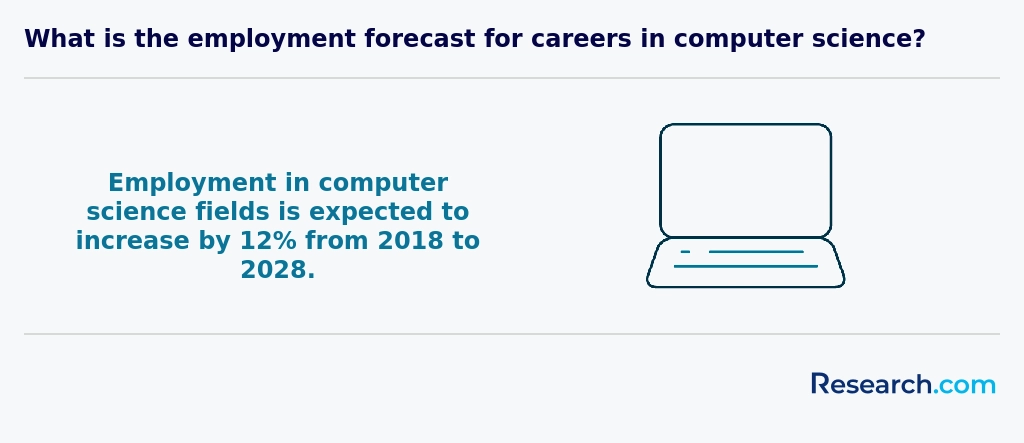
Computer science careers are increasingly recognized around the world for their strong growth potential and broad applicability. In the United States, including Oregon, the demand for skilled computer science professionals is expected to grow by 13% between 2021 and 2031, according to the U.S. Bureau of Labor Statistics (BLS). This growth is driven by expanding tech industries and innovation in fields like artificial intelligence and cybersecurity.
Oregon benefits from a strong tech presence, notably in Portland and the Silicon Forest, supporting numerous startups and established companies. Graduates with computer science degrees here often find diverse global opportunities, as the skills acquired are in demand internationally.
Globally, computer science expertise enables professionals to collaborate across borders and industries, contributing to advances in sectors such as healthcare, finance, and education. Understanding this global demand can help Oregon students appreciate the broad career options that stem from their degree.
Gaining practical experience while studying computer science in Oregon is essential for career readiness. Many universities in the state, such as Oregon State University and the University of Oregon, offer internship programs that connect students with tech companies based in Portland and nearby areas. These experiences allow students to apply classroom knowledge to real-world projects.
Additionally, participating in undergraduate research programs is common, with Oregon schools often receiving grants to support hands-on studies in areas like artificial intelligence and cybersecurity. According to the National Center for Education Statistics, over 40% of Oregon computer science students engage in internships during their studies.
Local tech meetups and hackathons also provide valuable opportunities to develop practical skills and expand professional networks. Many students join clubs focused on coding and software development, enhancing teamwork and project management abilities.
Choosing the right concentration within a computer science degree program in Oregon involves matching your interests with local industry demands and academic strengths. Popular concentrations include software engineering, data science, cybersecurity, and artificial intelligence.
Oregon's tech industry, particularly in cities like Portland and Hillsboro, emphasizes software development and data analytics, reflecting in many university offerings. For example, Oregon State University reports strong enrollment in data science tracks, which align with statewide job growth projections from the Oregon Employment Department showing a 25% increase in computing roles by 2030.
Students should consider concentrations supported by faculty expertise and internship opportunities in Oregon's tech hubs. Researching program curriculum, job placement rates, and alignment with industries such as semiconductor manufacturing or health tech can guide a well-informed choice.
- 2027 Most Popular Computer Science Degree Programs Ranking in Washington
- 2027 Most Popular Computer Science Degree Programs Ranking in California
- 2027 Most Popular Computer Science Degree Programs Ranking in Idaho
- 2027 Most Popular Computer Science Degree Programs Ranking in Montana
- 2027 Most Popular Computer Science Degree Programs Ranking in Arizona
- 2027 Most Popular Computer Science Degree Programs Ranking in Colorado
- 2027 Most Popular Computer Science Degree Programs Ranking in Minnesota
- 2027 Most Popular Computer Science Degree Programs Ranking in Iowa
- 2027 Most Popular Computer Science Degree Programs Ranking in Missouri
- 2027 Most Popular Computer Science Degree Programs Ranking in Arkansas
See What Experts Have To Say About Studying Computer Science
Read our interview with Computer Science experts

Kathleen M. Carley
Computer Science Expert
Professor of Computer Science
Carnegie Mellon University

Imed Bouchrika, Phd
Computer Science Expert
Professor of Computer Science
National Higher School of Artificial Intelligence

Martin Kang
Computer Science Expert
Assistant Professor
Loyola Marymount University

Elan Barenholtz
Computer Science Expert
Associate Professor
Florida Atlantic University

- Home | Oregon Student Aid https://oregonstudentaid.gov/
- Computer Science Cover Letter: How to Show You're a Top Tech Candidate https://arc.dev/talent-blog/computer-science-cover-letter/
- Top 12 Global Careers For Computer Science Degree Graduates https://womeninstemnetwork.com/careers-for-computer-science-degree/
- New and Future Computer Science and Technology Trends https://www.computerscience.org/resources/computer-science-trends/
- Why your computer science degree won't get you an IT job https://targetjobs.co.uk/careers-advice/information-technology/why-your-computer-science-degree-wont-get-you-it-job
- Computer Science Alumni Council https://www.myniu.com/article.html
- 8 Tips for Computer Science Graduates to Get Their First Job https://allthecode.co/blog/post/tips-for-computer-science-graduates-to-get-their-first-job
- How to find a computer science internship https://www.law.ac.uk/resources/blog/find-computer-science-internship/
- Computer Science Salary Guide: How a Degree Can Impact Your Earning Potential https://online.tulane.edu/science-and-engineering/blog/computer-science-salary-guide-how-a-degree-can-impact-earning-potential
- The Future of Work: The Importance of Computer Science Skills | Gisma https://www.gisma.com/blog/the-future-of-work-the-importance-of-computer-science-skills