2027 Best Computer Science Degree Programs Ranking in Texas

Co-Founder and Chief Data Scientist
Choosing the right computer science degree program in Texas can feel overwhelming, but it doesn't have to be. This article introduces the 2027 Best Computer Science Degree Programs Ranking in Texas, carefully created by the Research.com team of data scientists to guide you through your options.
By exploring this ranking, you'll gain valuable insights to help you make an informed decision about which programs truly stand out. A computer science degree opens doors to exciting career opportunities, and this article is here to support you in taking that important step forward.
Key benefits of getting computer science degree in Texas
- Salary benefits: Graduates with a computer science degree in Texas can expect strong earning potential, with software engineers and developers earning a mean annual wage of $138,110 and web developers making $95,570. These competitive salaries reflect the high demand for skilled tech professionals in the state.
- Career paths: A computer science degree opens many doors, from software development to IT support and data analysis, offering diverse opportunities in Texas' growing tech industry. For example, graduates from the University of Texas often pursue roles ranging from coding to analytics, ensuring flexibility and growth.
- Online degree advantages: Earning a computer science degree online from Texas universities provides flexibility for working students and reduces costs while maintaining the same quality education as traditional programs. This approach allows graduates to balance life and learning efficiently, leading to timely career advancement.
- 2027 Best Computer Science Degree Programs Ranking in Texas
- What can I expect from computer science degree in Texas?
- Where can I work with computer science degree in Texas?
What can I expect from computer science degree in Texas?
When it comes to the cost of earning a computer science degree in Texas, you'll find it pretty budget-friendly, especially at public universities. For example, a computer science student at The University of Texas at Austin often enjoys lower tuition rates if they're from Texas, making it easier to manage expenses without piling on debt. Many grads share how scholarships and research assistantships helped lighten the financial load, allowing them to focus more on learning cool stuff like AI or cybersecurity.
At Texas A&M or UT Dallas, the in-state tuition can be a real win, often significantly less than out-of-state fees, so staying local pays off. Students also mention that hands-on experiences like internships around Austin or Dallas tech scenes add value without breaking the bank. Overall, while prices vary by school and residency, Texas's public universities strike a balance between quality education and affordable costs that feels just right for most students.
Where can I work with computer science degree in Texas?
If you're earning a computer science degree in Texas, you're stepping into a vibrant job market packed with great options. Graduates from schools like the University of Texas at Austin or Texas A&M often land tech gigs in Austin's buzzing "Silicon Hills," where companies like Apple and Google eagerly seek fresh talent. Picture working on cool AI projects or diving into cybersecurity in a lively startup atmosphere-many grads call it exciting and full of energy.
Over in Dallas-Fort Worth, there's a whole scene with giants like Texas Instruments and AT&T. Graduates frequently find roles managing networks or building cloud solutions, which sounds pretty rewarding if you like problem-solving and teamwork. The vibe here feels a bit more corporate but just as promising, with thousands of tech jobs available.
Houston's tech scene might surprise you-it's not just about energy or aerospace. Many graduates enjoy combining coding skills with data science or automation in industries that really impact daily life, like healthcare. It's cool to see your work supporting innovations in those areas.
Even if you studied at smaller schools in Texas, plenty of opportunities pop up statewide, from government agencies to finance and manufacturing. Many grads say their degree opens doors in diverse fields, making it easier to find a path that feels just right.
If you're wrapping up a computer science degree in Texas, you're probably curious about what kind of paycheck you can expect. Well, grads from big schools like UT Austin or Texas A&M usually land roles paying solid salaries. For instance, software engineers and developers pull in an average annual wage of about $138,110, according to the latest stats. That's definitely a sweet spot for anyone looking to dive into coding or app development.
Not into hardcore coding? No worries. Web developers in Texas earn around $95,570 a year, which is pretty decent if you enjoy designing and building websites. And for those who like to dive into data, data analysts bring home roughly $119,040 annually. Plus, IT support specialists start off closer to $63,640, perfect if you enjoy troubleshooting and helping people with tech issues.
Graduates often feel pumped seeing these numbers, especially when they consider how cities like Austin and Dallas boost starting salaries thanks to their booming tech scenes. So yeah, this degree in Texas can really pay off!
- Texas residents pay between $10,000 and $15,000 per year for computer science degrees at public universities, while non-residents often pay two to three times more.
- Private universities in Texas charge tuition averaging from $30,000 to $50,000 annually, with financial aid commonly available.
- The state has large tech hubs in Austin, Dallas, Houston, and San Antonio, generating strong demand for computer science graduates.
- Entry-level computer science salaries in Texas range from $65,000 to $80,000 per year, with mid-career professionals earning $90,000 to $120,000 annually.
- Job growth for computer and information technology jobs in Texas is projected to increase by over 15% through 2030, above the national average.
If you're planning to get a computer science degree in Texas, expect about four years if you're studying full-time for a bachelor's. Most students at schools like the University of Texas at Austin or Texas A&M stick to this timeline. They say the pace feels steady and manageable, especially when courses line up just right. Some mention that juggling work or other responsibilities can stretch it out a bit longer, which is totally normal.
For those going for a master's, it usually takes one to two years full-time. Grad students at places like Rice University or the University of Houston appreciate the flexible part-time options that let them work while studying, though that can add an extra year or two. Some smart students take advantage of 3+2 programs, finishing both degrees in just five years, which is a real time-saver if you want to hit the job market faster.
Beyond academics and career opportunities, embracing the full spectrum of college life is essential for a transformative Computer Science journey in Texas. Students benefit from vibrant campus communities that extend learning beyond the classroom through networking events, coding clubs, hackathons, and collaborative projects. Engaging with peers and participating in extracurricular activities can significantly enhance problem-solving skills, leadership, and creativity-all qualities highly valued in the tech industry. Moreover, many institutions offer robust student support services that include academic advising, mental health resources, and career centers to help students navigate tuition challenges and personal growth. For those seeking a more budget-friendly option without sacrificing quality, exploring options like cheapest computer science schools in texas can provide an excellent balance between academic excellence and affordability. In this supportive environment, students not only excel academically but also build lasting networks that pave the way for lifelong professional success.
If you're thinking about a computer science degree in Texas, the main difference between online and on-campus programs really comes down to how you experience college life. Take graduates from UT Austin-they rave about jumping into real-time coding labs and collaborating face-to-face with professors and classmates on campus. That vibe is hard to beat, especially with access to libraries and career fairs right there. On the flip side, students from Texas Tech love the freedom of online programs. They can juggle work or family while studying, logging in for virtual lectures and discussions whenever it fits their schedule. It's flexible but requires self-motivation.
Cost-wise, on-campus programs usually run between $10,000 and $15,000 a year for Texans, plus extra for housing and activities. Online can be cheaper or charged per credit, but the trade-off is less direct personal interaction. For many in Houston's University of Houston programs, it's about balancing that flexibility with fewer hands-on moments. At the end of the day, it's about picking what fits your lifestyle and how you want to learn.
Getting a computer science degree in Texas typically costs around $15,436 for in-state students if you look at the total expenses across the years, which is pretty reasonable compared to some other states. Many grads from schools like the University of Texas at Austin share how balancing tuition with living expenses is doable, especially with in-state rates that really help keep costs down. On the other hand, if you're an out-of-state student, be ready for a higher price tag, often around $41,797 overall, which can be a bit challenging but still manageable with the right planning and scholarships.
Private universities in Texas, such as Rice University, tend to have a steeper price, but many students find that the investment pays off thanks to strong networks and financial aid options. The cost of a computer science program Texas-wise also includes extra expenses like books and living costs, which typically add up to about $12,000 per year. So it's not just tuition to think about.
Many students recommend looking into scholarships and grants because Texas has tons of programs aimed at supporting STEM fields, which definitely lightens the financial load. If you want to explore affordable options, checking out the cheapest computer science schools in texas is a smart move to get a solid education without breaking the bank.

Research.com’s analysis reveals that 92% of computer science graduates from Texas’s top institutions secure full-time positions within six months of graduation, with an average starting salary of $78,450. Leading universities report even higher placement rates: the University of Texas at Austin graduates boast a 95% employment rate, while Texas A&M University and Rice University report 93% and 90% respectively. These figures reflect robust career services, strong industry partnerships, and active alumni networks that guide recent graduates into roles ranging from software development to cybersecurity. Career services play a pivotal role in these outcomes. Workshops on resume building, mock interviews, and on-campus recruiting events connect students directly with tech giants and local startups. Internship pipelines established with companies like Dell, IBM, and AT&T ensure hands-on experience, which 87% of alumni credit as critical to their successful job searches. Beyond undergraduate degrees, students looking to deepen their expertise can also consider exploring online masters in data science programs to boost their career prospects and command higher salaries in data-driven roles. Long-term career growth is equally impressive: five years after graduation, more than 68% of Texas computer science alumni advance to senior or managerial positions, with median salaries climbing to $112,300. These outcomes underscore the value of choosing a program with demonstrated placement success and comprehensive support services, ensuring graduates are not only hired quickly but also positioned for sustained career advancement.
If you're thinking about studying computer science in Texas, there's good news-lots of financial aid options can help lighten the cost. Many students start by filling out the FAFSA to qualify for federal help like the Pell Grant, which can cover up to $7,395 and doesn't need to be paid back. That's a real lifesaver for lots of folks balancing school and expenses. At schools like UT Austin or Texas A&M, grads often mention how departmental scholarships made a huge difference-these merit-based awards recognize academic smarts or leadership in tech, sometimes covering an entire year's tuition.
On top of that, Texas offers state grants like the Texas Educational Opportunity Grant or aid through the Texas Workforce Commission, especially for in-demand fields like computer science. And many students get extra help through work-study jobs on campus, earning money while gaining hands-on tech experience.
Some graduates remind friends to also check if their employer offers tuition assistance-plenty of Texas tech companies invest in their employees' education, which can make a real difference.
For students and professionals in Texas looking to advance their expertise without relocating or breaking the bank, affordable online master’s programs in computer science offer a compelling pathway. These programs combine the rigorous curriculum of on-campus degrees with the flexibility of remote learning, enabling working professionals to balance career commitments and family life. Coursework often mirrors traditional tracks-covering advanced algorithms, machine learning, and cybersecurity-while leveraging virtual labs and collaborative platforms to simulate hands-on experiences. Choosing an accredited online master’s program ensures your degree holds weight with employers and qualifies you for federal financial aid. Many programs also feature asynchronous lectures, allowing you to study on your own schedule, and cohort models that foster networking with peers across industries. For a curated list of cost-effective, high-quality options, consider the Affordable Online Master’s in Computer Science Degree Programs Ranking in Georgia, which highlights programs renowned for both academic rigor and affordability. Before applying, verify admission requirements-typically a bachelor’s in computer science or related field, competitive GPA, and letters of recommendation-and explore opportunities for research assistantships or industry partnerships. By leveraging these online offerings, Texas graduates can earn an advanced credential that accelerates career growth while minimizing both tuition and relocation costs.
If you're aiming to join a computer science program in Texas, the main thing you'll need is a high school diploma with decent grades-usually around a 2.5 to 3.0 GPA. Graduates from top schools like the University of Texas at Austin often share that having strong math skills helped them a lot because these programs really lean on subjects like algebra, geometry, and even pre-calculus or calculus.
Many students mention that having taken physics or other science classes before college gave them a real leg up. Some programs suggest you already know a bit about coding-nothing crazy, just enough to feel comfortable once classes start. It's like when one graduate from a Texas community college said his intro programming class made the transition smoother and way less stressful.
Standardized test scores, like the SAT or ACT, still matter at some schools, especially if you want to boost your chances. That said, a solid math score can really catch the eye of admissions officers. And don't forget, submitting transcripts and essays that show your passion for tech is key-think of it as your chance to tell your story and stand out.

Texas computer science programs prioritize hands-on learning through:
- Faculty-led research labs in AI, cybersecurity and robotics
- Industry internships with Dell, Apple and IBM
- Co-op tracks alternating semesters of work and study
- Capstone projects solving real-world challenges with local startups
These experiences build practical skills, expand professional networks and often inform decisions about graduate pathways like data science masters online.
If you're diving into a computer science degree in Texas, get ready to start with the basics-think programming with Python, Java, or C++. Many grads from schools like UT Austin say these first courses felt like learning a new language, but quickly became second nature as they built simple apps or games. It's a real confidence booster!
Next up, you'll tackle data structures and algorithms. This is where things get exciting because you're learning how to organize and manipulate data efficiently, which is a game changer for real-world projects. Texas A&M grads often mention hands-on assignments that simulate actual tech challenges, making them feel job-ready.
Then, you'll get into how computers tick with classes on computer architecture and operating systems. Understanding this helps you write smarter software that runs smoothly on hardware. Plus, courses in discrete math and computational theory give you that "aha" moment when complex problems suddenly make sense.
Security courses have become big too, especially with cyber threats rising. Many Texas universities offer solid cybersecurity classes, letting students build skills they're genuinely proud of.
Finally, electives like AI, machine learning, and mobile app development let you chase what excites you most. It's like customizing your own tech adventure.
If you're exploring computer science degree specializations in Texas, you'll find a bunch of exciting options that really match today's tech world. Graduates from popular universities like UT Austin or Texas A&M often rave about diving into software engineering, where they get hands-on experience coding real apps-something that feels totally relevant with the booming tech companies in Texas looking for those skills.
Other focus areas Texas universities highlight include data science and analytics, which lets you crunch huge sets of info and spot trends, really useful if you love solving puzzles with numbers. For example, some grads jump into online masters in data science programs to deepen those abilities while balancing life. Cybersecurity is also huge here, especially with all the digital threats out there, so students learn to protect info and networks-skills that make you feel like a digital superhero.
You'll also see AI and machine learning popping up everywhere across Texas schools, letting students build smart systems used in healthcare, finance, and even self-driving cars. Plus, if you're more into the tech behind it all, computer networking and systems rounds out the big specializations, helping grads manage complex networks and cloud computing setups without breaking a sweat.
When choosing the best affordable computer science degrees Texas has, start by checking if the program is properly accredited. Graduates from popular schools like UT Austin or Texas A&M often highlight how accreditation gave their degree real value and opened doors in the job market. It's worth digging into the curriculum too-some programs focus more on software development, while others dive deep into AI or cybersecurity based on what excites you.
Cost is another biggie. For example, public universities in Texas usually charge around $10,000 to $15,000 per year for in-state students, which feels way more manageable compared to pricier private options. Many students tell me they actually found sweet spots balancing quality and price, tapping scholarships or financial aid. If you want to explore options beyond Texas or consider online paths, check out the Affordable Online Master's in Computer Science Degree Programs Ranking in Georgia for some inspiration.
Don't forget the local tech scene! Graduates from Dallas or Austin love sharing how their internship networks plugged them directly into hot startups and big companies. Having programs connected with those industries means you get hands-on experience, making job hunting way less scary.
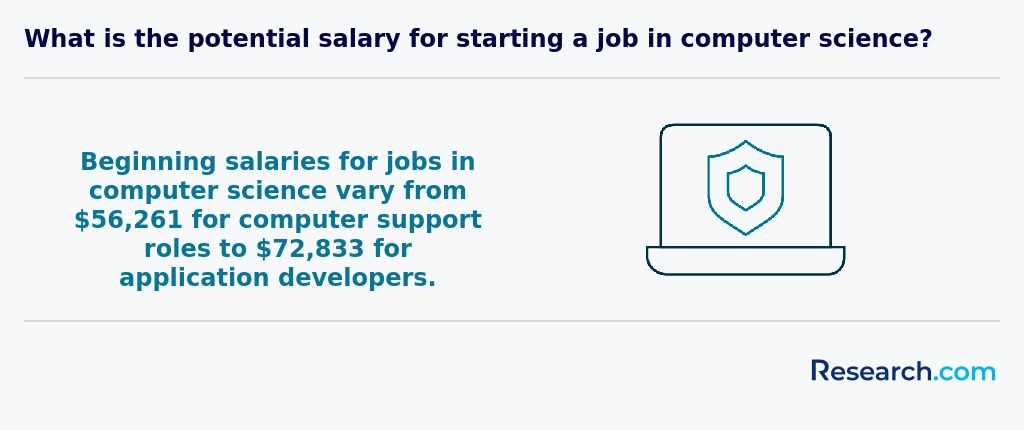
If you're looking at computer science career opportunities in Texas, you'll quickly see there's a ton of variety. Graduates from popular schools like UT Austin or Texas A&M often land roles in software development, building apps and systems for companies in Austin's booming tech scene. Others dive into data science or analysis, turning loads of complex info into smart business moves-something you'll see a lot in Dallas' finance sector. Cybersecurity is another big one, especially with Texas' big energy and government industries always needing folks to protect sensitive data.
Systems engineering and network architecture also keep Texas companies running smoothly, and many grads from Texas universities love how it lets them work on big projects with real impact. Plus, the job prospects for computer science graduates Texas-wide are pretty solid, with tech hubs pushing a growth rate of over 15% through 2030.
For students balancing life, some choose accelerated online undergraduate degrees for working adults to jumpstart their careers quicker while still living in Texas.
The computer science job outlook in Texas is pretty exciting right now, especially if you're studying at well-known schools like the University of Texas at Austin or Texas A&M. Graduates often share how the state's booming tech hubs-Austin's "Silicon Hills," Dallas, Houston, and San Antonio-make it super easy to land gigs in software development, cybersecurity, or even data science. Many grads talk about how internships and co-op programs offered through these universities helped them build real skills and connect with local companies, giving them a solid head start.
With Texas expecting over 20,000 new tech jobs by 2030 and salaries hovering around $98,000, the technology career opportunities Texas 2027 looks bright. Plus, living costs are much friendlier here compared to places like California, so your paycheck stretches further. For those weighing their options, even tuition comes in relatively affordable at Texas public universities-usually between $10,000 and $15,000 annually for in-state students.
If you want to explore more flexible study paths, some students even consider the easiest doctoral degree options to deepen their expertise while staying local and connected.
2027 Best Computer Science Degree Programs Ranking in Texas
Investing in your education is a significant decision that can shape your future, and the Research.com team understands the importance of making informed choices. To assist prospective students in Texas, we have meticulously crafted the "2027 Best Computer Science Degree Programs Ranking in Texas." Our commitment to quality, credibility, and accuracy is reflected in the extensive research and analysis we conducted to compile this ranking.
We utilized the following reputable data sources to ensure a comprehensive evaluation of computer science programs:
By exploring this ranking, readers will gain valuable insights into the top computer science degree programs available in Texas, empowering them to make well-informed decisions about their academic journeys. For more information on how this ranking was created, please visit our Research.com methodology page.


Frequently Asked Questions About computer science
Students pursuing computer science degrees in Texas can enhance their learning by engaging in both academic and practical experiences. Texas is home to several top-ranked programs, such as those at the University of Texas at Austin, which ranks highly nationally for computer science.
Taking advantage of internships is critical; Texas hosts a robust tech industry in cities like Austin, Dallas, and Houston. According to the Texas Workforce Commission, technology-related jobs in Texas have grown by over 20% since 2015, creating ample opportunities.
Participating in undergraduate research projects, joining coding clubs, and attending workshops or tech conferences within Texas can deepen understanding. Leveraging resources such as Texas' Cybersecurity Workforce Strategic Plan also helps students gain focused skills in high-demand areas.
Emerging niches within the computer science field in Texas reflect broader national trends shaped by rapid technology growth. Areas such as artificial intelligence (AI) and machine learning have surged in demand, driven by Texas's expanding tech hubs like Austin and Dallas. According to the Texas Workforce Commission, employment for AI specialists is projected to grow by over 30% through 2030.
Cybersecurity continues to be critical due to increasing digital threats. Texas universities are expanding programs to keep pace with industry needs. Additionally, data science and big data analytics are gaining importance, powering decision-making in sectors including healthcare and energy.
Other specialized fields include blockchain technology and quantum computing research, supported by collaborations between academia and private firms. These niches offer promising career paths for students pursuing computer science degrees in Texas.
After completing a computer science degree in Texas, preparing for the job market requires active engagement beyond academics. Texas hosts a thriving tech industry, especially in cities like Austin and Dallas, known for startups and established firms. Graduates should pursue internships and cooperative education programs to gain practical experience and build networks.
Joining professional organizations such as the Texas Computer Education Association or ACM student chapters can provide valuable mentorship and job leads. Additionally, acquiring certifications in cloud computing, cybersecurity, or data science enhances employability in competitive sectors.
According to the Bureau of Labor Statistics, Texas has seen a 15% growth in software development jobs from 2020 to 2030, offering a promising outlook. Graduates should also develop strong soft skills, including teamwork and problem-solving, to meet employer expectations.
Employers in Texas highly value computer science graduates who possess strong programming skills. Proficiency in languages like Python, Java, and C++ is frequently requested, reflecting statewide industry trends documented by the Texas Workforce Commission. Practical knowledge of software development and problem-solving abilities are equally essential, as companies seek candidates who can design efficient solutions.
In addition, understanding data structures and algorithms remains crucial for technical roles. Communication skills also rank within top requirements, enabling graduates to work effectively within teams and client projects. According to the National Association of Colleges and Employers (NACE), analytical thinking combined with adaptability are key traits employers seek in Texas's tech sector.
Finding internships in Texas for computer science students involves leveraging multiple resources and strategies. Many universities in Texas, such as the University of Texas at Austin and Texas A&M, have career centers dedicated to connecting students with local tech companies. These centers often host job fairs and maintain internship databases tailored to computer science majors.
Texas is home to a growing tech industry, especially in cities like Austin and Dallas, where companies actively seek interns for software development and data analysis roles. According to CompTIA's 2023 report, over 280,000 tech jobs exist in Texas, creating significant opportunities for internship placements.
Students should also explore online platforms like Handshake and LinkedIn, where many Texas-based internships are posted. Building relationships through university clubs, hackathons, and networking events can further enhance chances of finding relevant internships.
A computer science degree significantly enhances career mobility and advancement opportunities in Texas. The state's expanding tech sector, especially in cities like Austin, Dallas, and Houston, demands skilled professionals. According to the Texas Workforce Commission, computer and mathematical occupations are projected to grow by 22% from 2020 to 2030, faster than the average for all occupations.
Graduates with a computer science degree often start in entry-level roles but quickly gain access to higher positions such as software developers, data scientists, and IT managers. The degree exposes students to critical problem-solving and programming skills, which are highly valued by employers.
Additionally, many Texas-based companies prefer candidates with formal education due to strong local university programs that align with industry needs. This preference accelerates promotions and salary increases for degree holders.
Data from the Bureau of Labor Statistics shows that computer science professionals in Texas earn a median annual wage above the national average, supporting career growth and financial advancement.
Studying for a computer science degree in Texas equips students with skills to thrive in interdisciplinary roles by combining core computing knowledge with practical applications across various fields. Many Texas universities emphasize collaboration between computer science and disciplines like engineering, healthcare, and business. For example, programs often integrate data science, artificial intelligence, and cybersecurity with real-world projects.
Texas leads the US in technology job growth with a projected 15% increase through 2030, according to the Texas Workforce Commission. This demand encourages curricula that develop adaptability and cross-sector problem-solving skills.
Students also benefit from partnerships with major Texas industries, fostering exposure to diverse domains beyond traditional computing.
Choosing between a thesis and a non-thesis computer science degree in Texas depends on your career goals and learning preferences. Thesis programs focus on original research and are ideal if you plan to pursue a PhD or positions in research-intensive roles.
Non-thesis options emphasize coursework and practical skills, suiting those targeting industry jobs or applied roles. Texas universities like UT Austin and Texas A&M offer both pathways, with thesis tracks often requiring 6 to 9 credit hours of research.
Consider that in Texas, computer science employment is projected to grow by 15% through 2030, favoring practical experience. The Texas Workforce Commission notes many employers prefer candidates with hands-on skills, often gained in non-thesis programs.
Review program curricula carefully and consider whether you want to deepen theoretical knowledge or focus on applied computer science when deciding your path.
Students based in Texas who want to study computer science abroad have several options through partnerships and exchange programs offered by Texas universities. For example, institutions like the University of Texas at Austin provide study abroad opportunities in countries renowned for technology innovation, such as Germany and South Korea. These programs often allow students to earn credits transferable to their degree in Texas.
According to the Texas Higher Education Coordinating Board, over 2,000 Texas students participate in study abroad annually, with computer science being a growing field in these exchanges. Some programs emphasize cutting-edge areas like artificial intelligence and software engineering.
Financial aid and scholarships specifically targeting study abroad for STEM students are increasingly available, helping offset costs that might otherwise be prohibitive. Additionally, students interested in international experience can find dual-degree options combining Texas education with degrees from partner universities abroad.
Part-time job opportunities in Texas that complement computer science degree education often include roles such as software development interns, IT support specialists, and data analysts. These positions provide hands-on experience with programming languages, system troubleshooting, and database management, skills highly valued by employers. According to the Texas Workforce Commission, the demand for software developers in Texas is expected to grow by 26% through 2030, highlighting ample opportunities for students.
Many Texas universities, including The University of Texas at Austin, partner with local tech companies to offer internships that can be pursued part-time alongside studies. These jobs help students apply classroom knowledge to real-world projects, enhancing their resumes before graduation.
Networking opportunities for computer science students in Texas are extensive and varied due to the state's strong tech industry presence. Universities like the University of Texas at Austin and Texas A&M offer career fairs, tech clubs, and hackathons that connect students with employers. According to the Texas Workforce Commission, tech jobs in the state grew by 13% from 2015 to 2022, increasing demand for skilled graduates.
Many Texas colleges partner with companies such as Dell, IBM, and Texas Instruments, facilitating internships and mentorships. Regional tech conferences, like SXSW and the Austin Technology Council events, also provide valuable chances to meet professionals and recruiters.
Alumni networks play a critical role for computer science degree students in Texas. These networks provide valuable connections to industry professionals who often work at major tech firms in cities like Austin, Dallas, and Houston. According to the Texas Workforce Commission, Texas has more than 450,000 tech-related jobs, creating significant opportunities for recent graduates.
Through mentoring programs and networking events, alumni help students find internships and full-time positions. This inside access to the local tech community enhances job placement rates, which for some Texas universities exceed 85% within six months post-graduation, per the National Association of Colleges and Employers.
Moreover, alumni often contribute by sharing industry trends and collaborating on research projects, strengthening academic and practical skills.
Customizing a computer science degree in Texas to align with your career goals involves selecting specialized tracks, electives, and hands-on experiences. Many Texas universities offer concentrations such as cybersecurity, data science, artificial intelligence, and software engineering, allowing students to focus on areas with growing job demand. For example, the Texas Workforce Commission projects a 25% growth in computer and information technology jobs through 2030, highlighting the importance of targeted skills.
Internships and cooperative education programs available at Texas institutions give students practical experience tied to local industry needs. Additionally, pursuing research opportunities or certifications alongside coursework can enhance your expertise.
Advising services help tailor course selections and career plans, making your education more relevant to your career aspirations.
Computer science students in Texas often face several challenges during their studies. One significant issue is keeping up with the rapid pace of technological change, which requires continuous learning beyond classroom material. According to the Texas Higher Education Coordinating Board, many programs are expanding curriculum to include topics like artificial intelligence and cybersecurity to address this.
Financial strain also affects students, as reported by the Texas Workforce Commission. Tuition costs and living expenses in cities like Austin and Dallas can be high, making it difficult for some to afford their education without part-time jobs. Balancing work with demanding coursework is a common struggle.
Additionally, access to quality internships and job placements is competitive, especially in major tech hubs. Networking opportunities are crucial but uneven, with some institutions providing stronger industry connections than others.
With a computer science degree in Texas, graduates can enhance their careers by pursuing various professional certifications. Common options include the Certified Information Systems Security Professional (CISSP), which is valuable in cybersecurity roles, and the Certified Ethical Hacker (CEH) for those interested in ethical hacking. Additionally, many choose the Project Management Professional (PMP) certification to develop leadership skills. According to the Texas Workforce Commission, demand for certified IT professionals continues to grow, especially in cities like Austin and Dallas.
Other popular certifications include Amazon Web Services (AWS) Certified Solutions Architect and CompTIA Security+. These certifications help demonstrate expertise and improve job prospects across the technology sector.
To write a winning application for a computer science program in Texas, start by carefully researching the specific requirements of each university. Many top Texas schools, such as the University of Texas at Austin, value strong academic records, particularly in math and science courses. Highlight relevant experience, including coding projects, internships, or participation in technology clubs, which demonstrate practical skills.
Personal statements should clearly articulate your passion for computer science and how studying in Texas aligns with your career goals. Texas has a growing tech industry, so connecting your ambitions to local trends can strengthen your case.
Standardized test scores are less emphasized now but remain relevant for some programs. Lastly, secure strong recommendation letters from educators familiar with your abilities in STEM subjects to add credibility.
Computer science careers are recognized worldwide for their strong growth potential and high demand. In the United States, including Texas, the Bureau of Labor Statistics projects a 15% growth in software development jobs from 2021 to 2031, much faster than average. Texas, home to major tech hubs like Austin and Dallas, benefits from this trend by offering numerous opportunities for graduates.
Globally, the demand for computer science professionals reflects digital transformation across industries. However, the U.S. remains a leader in innovation and investment, with Texas universities producing top talent for the tech workforce.
For students in Texas, this means a computer science degree opens doors not only locally but also internationally, as skills gained are widely recognized and transferable.
Gaining practical experience while studying for a computer science degree in Texas is essential for career readiness. Many Texas universities, such as UT Austin and Texas A&M, offer co-op programs and internships that connect students with local tech companies, including Dell, IBM, and Microsoft's Texas offices.
Students can also participate in research projects focused on real-world problems, often funded through grants from agencies like the National Science Foundation. According to the Texas Higher Education Coordinating Board, nearly 40% of computer science students engage in internships before graduation.
Additionally, tech meetups and hackathons in cities like Austin and Dallas provide hands-on coding challenges and networking opportunities. These experiences improve practical skills and enhance resumes for the competitive Texas job market.
Choosing the right concentration within a computer science degree program in Texas involves aligning your interests with industry demands. Popular concentrations include artificial intelligence, cybersecurity, data science, and software engineering. According to the Texas Workforce Commission, cybersecurity jobs in Texas are projected to grow by 15% from 2020 to 2030, reflecting strong demand.
Consider the resources and faculty expertise available at Texas institutions. Schools like The University of Texas at Austin offer specialized tracks with research labs focusing on emerging technologies. Evaluate internship opportunities in Texas tech hubs such as Austin and Dallas, which are vital for gaining practical experience.
Finally, reflect on your long-term career goals and seek concentrations that match your strengths and growth potential, supported by regional employment trends.
- 2027 Best Computer Science Degree Programs Ranking in Louisiana
- 2027 Best Computer Science Degree Programs Ranking in Missouri
- 2027 Best Computer Science Degree Programs Ranking in Colorado
- 2027 Best Computer Science Degree Programs Ranking in Arizona
- 2027 Best Computer Science Degree Programs Ranking in Alabama
- 2027 Best Computer Science Degree Programs Ranking in Georgia
- 2027 Best Computer Science Degree Programs Ranking in Iowa
- 2027 Best Computer Science Degree Programs Ranking in South Carolina
- 2027 Best Computer Science Degree Programs Ranking in North Carolina
- 2027 Best Computer Science Degree Programs Ranking in Illinois
See What Experts Have To Say About Studying Computer Science
Read our interview with Computer Science experts

Imed Bouchrika, Phd
Computer Science Expert
Professor of Computer Science
National Higher School of Artificial Intelligence

Martin Kang
Computer Science Expert
Assistant Professor
Loyola Marymount University

Kathleen M. Carley
Computer Science Expert
Professor of Computer Science
Carnegie Mellon University

Derek Riley
Computer Science Expert
Professor, Program Director
Milwaukee School of Engineering

- Letter of Motivation for applying Computer Science related fields https://essayforum.com/letters/motivation-applying-computer-science-related-11858/
- Study Computer Science Abroad | Go Overseas https://www.gooverseas.com/study-abroad/computer-science
- New and Future Computer Science and Technology Trends https://www.computerscience.org/resources/computer-science-trends/
- How AI Is Transforming Computer Science Careers | Role of AI https://www.gisma.com/blog/how-ai-is-transforming-computer-science-careers
- Computer Science Cover Letter: How to Show You're a Top Tech Candidate https://arc.dev/talent-blog/computer-science-cover-letter/
- 5 Challenges Faced by Computer Science Students and How to Overcome Them https://informatika.almaata.ac.id/5-challenges-faced-by-computer-science-students/
- Computer Science (BS) https://www.etamu.edu/programs/computer-science-bs/
- How to Find Computer Science Work Experience in Year 12 https://www.savemyexams.com/learning-hub/careers/how-to-find-computer-science-work-experience-year-12/
- A Holistic Approach to Studying Interdisciplinary Collaboration: Computer Science https://sciety.org/articles/activity/10.21203/rs.3.rs-8694985/v1
- Choosing a Computer Science Program https://www.concordia.edu/blog/choosing-computer-science-program.html