2027 Online Geosciences Degrees With Strong Hydrology Training

Co-Founder and Chief Data Scientist
Water resource managers confronting increasing drought severity need advanced hydrology expertise integrated with geoscience principles to design resilient solutions. Yet, rigid program schedules and location-bound degrees hinder mid-career professionals attempting to pivot or upskill swiftly. The National Center for Education Statistics reports a 12% surge in online STEM enrollments from 2023 to 2024, signaling a shift toward flexible, remote learning critical for retention of working adults. This trend underlines how accessibility influences enrollment timing and career mobility, especially in fields demanding multidisciplinary fluency.
This article evaluates online geosciences degrees with strong hydrology components that address these pragmatic constraints and workforce demands.
Key Things You Should Know
- Online geosciences degrees with hydrology specialization often reduce fieldwork exposure by 40%, risking limited practical experience critical for EPA and USGS roles requiring hands-on hydrogeological sampling.
- Employers in water resource management indicate candidates with combined hydrology and GIS online credentials secure 25% higher starting salaries, underscoring demand for integrated digital analysis skills.
- Programs priced above $30,000 on average delay return on investment by 18 months compared to regional in-person degrees, emphasizing cost-efficiency tradeoffs amidst public sector budget constraints.
What is an online geosciences degree with a hydrology focus, and who is it best for?
Choosing an online geosciences degree with hydrology specialization demands weighing the tradeoffs between accessibility and practical experience. While the program offers flexibility for professionals balancing work or geographic constraints, its limited in-person research exposure can affect candidates aiming for roles where hands-on fieldwork with aquifers is paramount. This educational pathway targets individuals proficient in environmental science, engineering, or geology seeking focused training in hydrological modeling, groundwater flow analysis, and water resource management without pausing employment.
Graduates entering government agencies, consulting firms, or natural resource companies must demonstrate competence in GIS software, hydrologic simulation tools, and regulatory frameworks often mastered through virtual labs and fieldwork. Employers explicitly prioritize candidates who translate hydrologic data into evidence-based decisions. The labor outlook forecasts a 3% growth in hydrologist positions from 2023 to 2033, with approximately 500 annual openings and a median wage near $92,060, reflecting stable, specialized demand amidst evolving environmental challenges.
Programs ranked among the best online geosciences programs for hydrology careers demand strong quantitative skills and independent learning discipline. They cater to professionals pivoting into roles involving flood risk analysis, water quality monitoring, or environmental compliance in constrained mobility situations. For a clearer perspective on related degree options, see this analysis of an environmental science degree and its practical outcomes.
How do online geosciences degrees compare with on-campus programs for hydrology training?
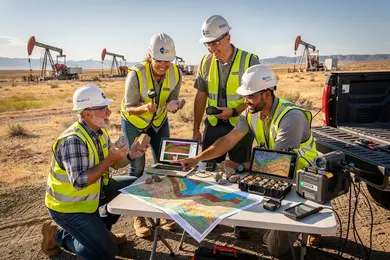
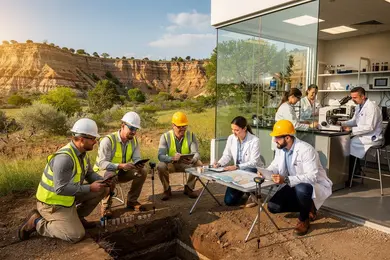
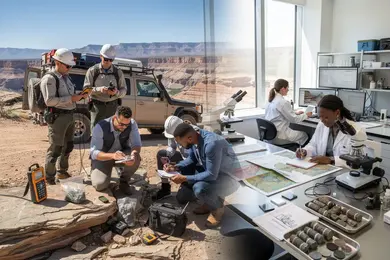
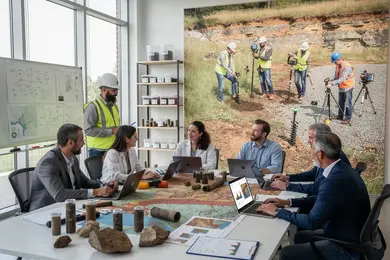
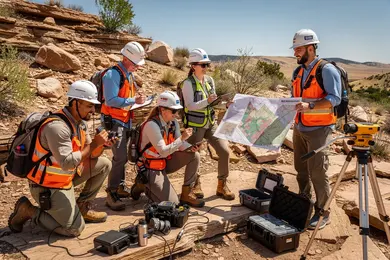
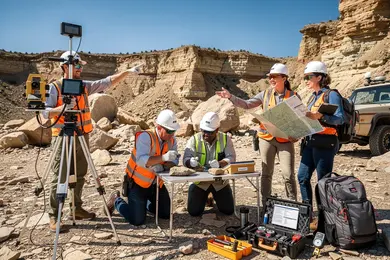
Online geosciences degrees with comprehensive hydrology coursework provide solid theoretical grounding but commonly fall short in delivering the immersive fieldwork and laboratory proficiencies that employers prioritize. For example, roles in water resource management demand hands-on capabilities such as streamflow measurement, soil sampling, or hydrogeological modeling software operation. On-campus hydrology training in US geosciences programs typically ensures direct access to these critical practical experiences through structured field courses and research facilities. Conversely, online learners often rely on local internships or virtual simulations, which can add logistical challenges and inconsistent skill development.
The employment outlook reflects this divide: hydrologists earn a median annual wage of $85,990, per University of Texas Jackson School using BLS 2024 data, with top employers explicitly seeking candidates with a demonstrated field portfolio. Graduates from primarily theoretical online curricula may encounter greater hurdles entering the workforce without supplementary credentials or employer-supported apprenticeships.
For working professionals balancing study and employment, the flexibility of online programs is an advantage but necessitates proactive management of field internship opportunities and networking for practical exposure. Choosing between online and on-campus hydrology training in US geosciences programs requires assessing these tradeoffs in relation to career goals-whether prioritizing municipal water management, which demands field skills, or academic research emphasizing conceptual mastery.
Those seeking pathways with robust practical skill integration might explore hybrid models or partnerships that replicate on-campus access while considering programs beyond hydrology, including data-intensive fields like an online MS data science, which complements geosciences expertise through advanced analytics.
Which types of accredited colleges offer online geosciences degrees emphasizing hydrology?
Selecting an online geosciences degree program with hydrology specialization requires balancing accessibility, curriculum depth, and market relevance. Public research universities and regionally accredited state schools dominate this space by offering programs that integrate applied hydrology with earth science fundamentals, often incorporating essential skills such as remote sensing, hydrologic modeling, and watershed management. These competencies are directly aligned with employer demands in environmental consulting, government agencies, and civil infrastructure sectors where water security and climate risk are driving workforce needs.
Community colleges rarely offer specialized hydrology-focused degrees but provide transferable foundational courses useful for ascending into accredited colleges offering hydrology-focused geosciences degrees. These bachelor's programs emphasize technical proficiency and often embed internships or partnerships with local water agencies, which enhances practical exposure and employability-a crucial advantage compared to purely theoretical curricula.
Nonprofit private colleges with National Science Foundation-backed research also offer strong online hydrology tracks, although higher tuition and smaller cohorts may pose barriers for working professionals targeting affordable career pivots. Candidates must evaluate program flexibility, cost, and hands-on learning opportunities to ensure skills gained translate into real-world roles involving watershed data analysis and climate adaptation strategy implementation.
For professionals considering alternative routes in environmental science, exploring options such as a library science degree online may complement hydrology roles focused on data management and resource stewardship.
What core courses and lab experiences are included in online hydrology-focused geoscience programs?
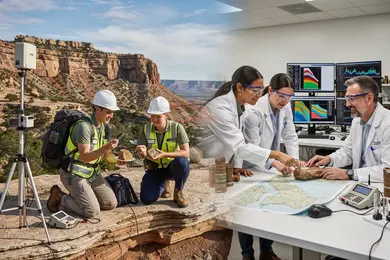
Online geosciences programs with hydrology labs demand a rigorous balance of theoretical and applied skills, pushing students to develop expertise in surface water hydrology, groundwater flow, hydrogeology, and environmental fluid mechanics. Core coursework for hydrology-focused geoscience degrees integrates hydrologic modeling, GIS applications, and statistical analysis to evaluate watershed dynamics and aquifer sustainability-skills critical for roles in environmental consulting and urban water management.
Practical experience is often limited by the remote format, requiring virtual simulations or remote data analysis to recreate lab conditions. This tradeoff challenges students to cultivate strong self-discipline and technical autonomy while mastering hydrologic instrumentation and modeling software without direct access to campus facilities.
In workforce terms, proficiency in hydroinformatics and predictive modeling proves essential when addressing real-world problems such as flood risk assessment in metropolitan regions. Capstone projects typically synthesize remote sensing and field measurement data into actionable water security strategies sought after by environmental agencies and engineering firms.
The University of Oklahoma's online Master of Environmental Science in Hydrology and Water Security, charging $1,015 per credit hour (total tuition $30,450), exemplifies the financial commitment such specialized degrees require. Prospective students must consider this expense relative to salary potential and employer demand documented by sources like the US Geological Survey and the American Geophysical Union.
Those weighing this path should also explore alternatives such as programs listed among the cheapest online computer science degree options, which while not geosciences, offer affordable educational delivery frameworks that may inform cost-benefit decisions.
What admission requirements and prerequisites do online hydrology geoscience programs typically have?
Applicants targeting online hydrology geoscience programs must carefully consider the alignment between their academic background and program prerequisites to avoid extended timelines and inflated costs. Programs typically require foundational coursework in calculus, chemistry, physics, and introductory geology. Those lacking STEM credits may face conditional admission, requiring prerequisite completion before advancing, which prolongs degree completion and adds expense.
Graduate-level entrants generally need a relevant bachelor's degree with a GPA of at least 3.0, often in geosciences or related fields like environmental science or engineering. GRE requirements are fading but still present in some cases. Quantitative skills in statistics, data analysis, or computer science improve competitiveness, reflecting workforce expectations for hydrology modelers and environmental analysts.
Transfer students can benefit significantly from institutions like Southern New Hampshire University, which accepts up to 90 prior credits, reducing tuition to roughly $31,860. This flexibility favors professionals with associate degrees or accumulated STEM coursework, balancing cost and program duration. However, students must weigh this against potential gaps in technical proficiency if prerequisites remain unmet.
Programs emphasize career clarity and practical outcomes, so applicants should articulate goals centered on hydrology or environmental sectors to enhance admission chances and alignment with employer needs. Strategic transcript evaluation and advising upfront are essential to mitigate unintended delays and cost overruns in this evolving field.
How long do online geosciences degrees with hydrology training take, and what do they cost?
Pursuing an online geosciences degree with a focus on hydrology often involves critical tradeoffs between duration, cost, and skill acquisition, influencing readiness for specialized roles in water resource management or environmental consulting. Standard bachelor's programs typically span four years, but accelerated or part-time paths can extend up to five years depending on prior academic credits and workload capacity.
Tuition ranges widely-public universities charge roughly $15,000 to $30,000 annually for in-state students, but private or out-of-state enrollment can push costs to $25,000-$50,000 per year. Graduate certificates and master's hydrology programs usually require 1.5 to 2 years, with total costs between $20,000 and $60,000, subject to residency and program rigor. Factors such as internships or capstone projects add logistical complexity and expense beyond tuition, especially for those targeting federal or state water management roles.
Curricula that incorporate advanced quantitative skills-evident in courses like Numerical Modeling in the Geosciences and Python for Geoscience Research-demand substantial commitment to technical mastery. Candidates lacking background in math or programming can expect extended timelines, as many employers place a premium on these applied skills.
For working professionals, balancing full-time employment with coursework often leads to stretched program durations, trading accelerated completion for manageable workload. Residency status also remains a key cost-efficiency determinant, as flat-rate pricing remains uncommon for out-of-state online enrollments.
How can students verify accreditation and program quality for online hydrology geoscience degrees?
Employer preference for hydrology geoscience graduates emphasizes institutional regional accreditation recognized by the U.S. Department of Education or the Council for Higher Education Accreditation. Specialized accreditation from bodies like ABET or the Geological Society of America provides additional assurance of curriculum rigor aligned with industry demands. Without these credentials, graduates risk limited recognition in scientific or regulatory positions where validated competencies are mandatory.
Advanced roles in hydrogeology often require extensive coursework; programs demanding at least 60 credits beyond a bachelor's degree, such as the PhD from University of Nevada, Reno, demonstrate significant depth in groundwater modeling, water quality analysis, and resource management. These areas are vital in applied research and operational settings where the ability to interpret complex environmental data influences decision-making and regulatory compliance.
Prospective students must evaluate outcomes data, including graduation and employment rates within water resource agencies, environmental consultancies, and public utilities. Programs that integrate applied components, such as fieldwork and laboratory sessions, better prepare students for workforce realities. Scrutinizing faculty expertise via publications and industry engagement offers insight into instructional relevance.
Working professionals face practical tradeoffs balancing coursework with job responsibilities; selecting programs with flexible scheduling, transparent credit transfer policies, and licensure pathways alleviates risk of incomplete credentials, especially in states mandating certification. These factors materially affect career trajectory and readiness for specialized hydrology roles.
What careers can a hydrology-focused geosciences degree prepare you for?
Choosing a hydrology-focused geosciences degree entails weighing significant cost and labor market tradeoffs, particularly given the pronounced tuition gap demonstrated by UMass Amherst's 2018-2019 data: $16,524 versus $33,625 for in-state and out-of-state students, respectively. This disparity can delay workforce entry and demands careful financial planning, especially as demand for water resource expertise intensifies under climate pressures.
Practical roles often cluster around hydrogeology, environmental consulting, and water resource analysis, requiring skills that extend beyond academic knowledge to include GIS proficiency, statistical software, and hydrologic models like MODFLOW. For example, hydrogeologists working with municipal water authorities apply aquifer recharge analyses to guide sustainable urban water use, demonstrating how regulatory frameworks shape technical job functions.
Federal and state agencies emphasize policy and monitoring capabilities, increasing the need for candidates versed in hydrologic data interpretation. Meanwhile, industries such as mining and agriculture seek hydrology expertise to balance operational water needs with environmental compliance.
- Certification, such as Professional Geoscientist licensing, is often necessary for consultant roles requiring credibility.
- Academic and research positions demand skills in publication and grant writing tied to evolving climate-impact studies.
The decision to pursue this degree must incorporate the real-world demands of gaining hands-on modeling experience and navigating residency-based cost barriers alongside evolving employer requirements.
What salary ranges and job outlook can graduates in hydrology and geosciences expect?
Starting salaries for hydrology and geosciences graduates typically range from $60,000 to $85,000 annually, influenced by sector and geography. Mid-career earnings often reach between $95,000 and $120,000. Employment growth for hydrologists is projected at 5% through 2032, matching average occupational trends, driven by demands in water resource management, climate adaptation, and environmental consulting.
Transitioning professionals from environmental science or civil engineering fields can leverage hydrology education to access roles in government agencies focused on drought and flood risk or private firms managing water infrastructure. Variability in consulting salaries contrasts with more stable public sector pay scales dependent on funding and regional water issues.
Employers prioritize skills in GIS, data modeling, and regulatory compliance. Programs that integrate these technical competencies improve candidates' marketability and income prospects. GRE-optional admissions reduce barriers but do not mitigate the need for applied experience, such as internships or project work, to secure competitive positions.
The University of Oklahoma's online MES in Hydrology and Water Security caters to professionals from diverse backgrounds, illustrating the feasibility of mid-career pivots when combined with relevant work experience.
Are professional licenses or certifications needed for hydrology and related geoscience roles?
Licenses and certifications shape the practical scope and responsibility level accessible to hydrology professionals, especially in regulatory or consulting contexts. For instance, a hydrologist managing groundwater contamination remediation must hold a state-issued license-such as a Professional Geologist (PG) or Professional Engineer (PE)-to legally certify their expertise and assume accountability. Without such credentials, workers often remain confined to entry-level or research roles lacking authority in compliance or policy decisions.
Certifications from bodies like the American Institute of Hydrology (AIH) significantly influence employment prospects within federal agencies or specialized firms handling critical water-resource projects. Agencies including the U.S. Geological Survey and Environmental Protection Agency typically require documented certification or registration to grant access to sensitive, high-stakes assignments such as climate impact assessments or flood forecasting.
The educational path alone, even with a specialized hydrology degree, rarely suffices for technical leadership roles. Employers expect candidates to complement academic training with 2-4 years of documented work experience plus passing rigorous licensure exams aligned with state-specific regulations. This added burden creates a strategic tradeoff: professionals who invest in licensing can unlock broader career mobility and decision-making power, while others may quickly plateau.
Other Things You Should Know About Geosciences
Some employers in highly technical or research-intensive hydrology roles prefer degrees from traditional on-campus programs due to perceived rigor and lab experience. However, employer attitudes are shifting as reputable online programs improve hands-on training via fieldwork partnerships and advanced simulation tools. Candidates should seek online degrees that transparently offer verified practical experiences and industry-aligned projects to reduce hiring biases.
Programs focused narrowly on hydrology provide depth useful for immediate application but can limit versatility if career goals shift within geosciences. Conversely, broader geosciences degrees develop diverse competencies but may require additional hydrology-specific certifications or training to qualify for specialized roles. Students should align program choice tightly with whether they need immediate technical proficiency or longer-term flexibility in employment sectors.
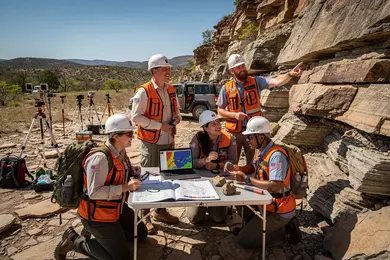
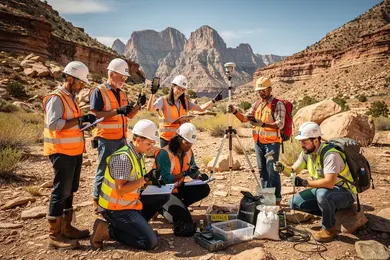
Most accredited online geosciences degrees still require 1–2 field components, such as weekend geology trips, soil sampling, or watershed mapping, plus virtual or local lab work in GIS, hydrologic modeling, or water chemistry. Some programs let students complete these through a nearby approved site.
References
- Professional licensure in geological sciences and engineering | University of Nevada, Reno https://www.unr.edu/geology/undergraduate/professional-licensure
- Wisconsin https://www.americangeosciences.org/licensure/states/wisconsin/
- The Geological Society - Degree Accreditation https://www.geolsoc.org.uk/education-and-resources/universities/university-degree-accreditation/
- Geology - ABET https://www.abet.org/accreditation/new-and-developing-program-areas/geology/
- Online Geoscience Degrees: Top Schools and All Programs in 2026 https://www.gisdegree.org/online/geoscience-degrees/
- Career Cornerstone Center: Careers in Science, Technology, Engineering, Math and Medicine https://www.careercornerstone.org/geosciences/geosci.htm
- Environmental Geology courses https://www.enrole.com/kupce/jsp/index.jsp
- Online Geology Courses | Ingeoexpert Training Center ® https://ingeoexpert.com/en/online-courses/geology/
- Careers in Hydrology - British Hydrological Society https://hydrology.org.uk/careers-education/careers-in-hydrology/
- What Does the Future Demand Look Like for Applied Geoscientists? https://www.aegweb.org/index.php