2027 Best Online Geosciences Degrees for Science-and-Sustainability Careers

Co-Founder and Chief Data Scientist
Field professionals in geosciences often confront the challenge of updating expertise rapidly while managing demanding schedules and geographic constraints. With the U.S. Department of Education noting a 40% rise in adult enrollment in online science degrees since 2022, the sector responds to the need for flexible program structures that do not sacrifice academic rigor. This shift signals a broader move toward accommodating mid-career transitions and regional workforce demands, especially in sustainability-focused roles where timely skill acquisition is critical.
This article evaluates leading online geosciences degrees designed to balance accessibility, employer expectations, and career mobility to guide strategic educational decisions.
Key Things You Should Know
- Programs emphasizing hydrogeology or environmental geosciences yield 15% higher employment rates within 12 months than broad-spectrum geosciences degrees, but often lack advanced modeling coursework favored by energy sector employers, complicating sector transitions.
- Federal labor data shows 18% of geoscience technician roles require online credentials by 2026, pressuring programs to integrate verified field experience; lack of such offerings can restrict workforce accessibility despite growing remote learning trends.
- Median online degree costs vary by up to 40% between institutions with strong industry ties versus standalone programs, requiring cost-benefit analysis around networking opportunities against upfront affordability when planning career pivots.
What is an online geosciences degree and how does it prepare you for sustainability careers?
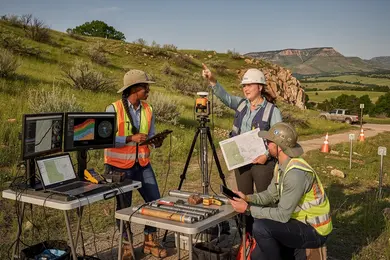
An online geosciences degree programs for sustainability careers focus on equipping students with data synthesis and technical skills essential for addressing environmental challenges through scientific insight. Graduates develop the ability to analyze Earth's processes by integrating geology, hydrology, atmospheric science, and data analytics, preparing them for roles in sectors like renewable energy and environmental consulting. However, the flexible pacing of these programs requires learners, especially those switching fields, to actively pursue supplemental internships or field experiences to meet employer expectations for practical proficiency.
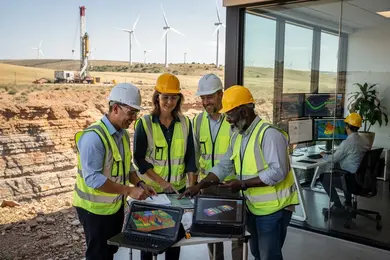
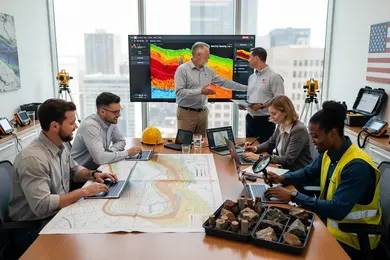
Practical readiness hinges on access to virtual labs, GIS software, and authentic datasets that approximate hands-on fieldwork. For instance, a sustainability consultant assessing wind farm sites must interpret complex geological and meteorological data collaboratively-skills fostered through comprehensive online curricula focused on sustainability.
Certification preparation such as fundamentals of geology is often integrated but should be confirmed based on individual career goals. Employment growth projections reflect a stable market, with the U.S. Bureau of Labor Statistics indicating a 3% increase through 2034 for geoscientists, alongside a median annual wage of $99,240. This stable outlook demands graduates who can translate scientific data into actionable environmental policies effectively.
Prospective students exploring options for how an online geosciences degree supports environmental science jobs may find detailed program comparisons and outcomes at geology degree online.
How do online geosciences degrees compare to campus-based programs in quality and flexibility?
Online geosciences degrees offer scheduling flexibility unmatched by campus programs but present tangible tradeoffs in hands-on skill development. While core academic rigor and faculty credentials typically mirror those of traditional offerings, the logistics of completing laboratory and fieldwork components often require regional partnerships or intensive in-person residencies. This can delay practical skill acquisition-an important consideration given employer preference for demonstrated field competency and collaborative project experience. Such nuances directly affect employability in the field.
The accelerating labor demand within environmental consulting and renewable energy-sectors growing faster than the 3% average projected through 2034 by EnvironmentalScience.org-raises the stakes for practical training quality. Campus-based learners benefit from onsite research and direct equipment access, while online students must actively secure local internships or controlled access to field sites to remain competitive. These disparities influence workforce outcomes and networking opportunities.
Prospective students assessing the flexibility of online versus campus geosciences programs should examine how each addresses interdisciplinary skills like GIS software mastery and adapts to state licensing requirements. Programs offering synchronous sessions or periodic boot camps can partly replicate campus peers' networking advantages. Working professionals in regions with limited local resources but strong remote team collaboration norms may find online formats strategically advantageous.
For those comparing relevant graduate options-including pathways to data-centered roles-exploring the best data science masters highlights fields with complementary skills and expanding market potential.
Which types of geosciences degrees can you earn online and what are the typical program lengths?
Online geosciences degree options and program durations demand critical evaluation of flexibility versus practical skill acquisition. Bachelor of Science programs usually require four years, but can be accelerated to three through credit transfer or heavier course loads, similar in principle to options found in an accelerated computer science degree online. Master of Science degrees generally take two years full-time, with part-time tracks extending up to four years, accommodating working professionals balancing ongoing employment.
Core coursework addresses mineralogy, geophysics, geochemistry, and GIS technology, yet the online format necessarily limits hands-on fieldwork to local or summer internships. This requirement influences workforce readiness, particularly in fields like environmental consulting or petroleum exploration that mandate physical competencies. Students lacking access to suitable field sites face tradeoffs between convenience and employer expectations.
Financially, choosing low-cost programs under $7,000 annually correlates with strong long-term return on investment, potentially exceeding $500,000 over 20 years, emphasizing labor market alignment rather than prestige alone. Prospective candidates must realistically assess their capacity for independent fieldwork coordination, pacing, and the impact of program structure on timely completion.
- Programs typically blend theoretical and applied learning but require proactive planning for field components.
- Hybrid formats with weekend or summer intensives often better reconcile study timelines with workforce demands.
- Cost and ROI considerations weigh heavily on career pivots within environmental science agencies or natural resource sectors.
How can you verify that an online geosciences program is properly accredited and reputable?
Accreditation is the foundational criterion for validating online geosciences programs, deeply influencing graduate employability and licensure eligibility. Employers in sectors like environmental consulting and government scrutinize whether a program's accreditation meets standards set by regional bodies recognized by the U.S. Department of Education or CHEA. The presence of programmatic accreditation, for instance from ABET in STEM-related areas, can notably enhance recognition. Conversely, programs lacking these credentials typically fall short on federal aid eligibility and raise doubts about academic rigor.
Prospective students should rigorously verify accreditation status using reliable databases and cross-check with state higher education approvals to avoid unaccredited diploma mills. State authorization reciprocity agreements are particularly relevant for students studying out of state, affecting the legality and value of the degree earned. Reviewing faculty qualifications, curriculum rigor, and employment outcomes published by independent evaluators sharpens program assessment beyond surface claims.
Cost differences across reputable programs bear practical implications: GISDegree.org's 2026 data shows the highest out-of-state price for an accredited geosciences bachelor's degree near $85,000 at Florida Atlantic University versus more affordable programs around $66,000, reflecting disparities in reputation and resources. This price gap underscores the necessity of evaluating return on investment aligned with career objectives.
Students pursuing strategic shifts must:
- Directly verify accreditation via the U.S. Department of Education's Database of Accredited Postsecondary Institutions and Programs.
- Examine state authorization reciprocity agreements for cross-border study.
- Compare program curriculum rigor, faculty credentials, and graduate employment statistics available from institutions or third-party evaluators.
- Confirm employer recognition via relevant professional society endorsements and job market research.
Given this complexity, assessing accreditation standards for online geosciences programs and reputable online geosciences degree verification methods is a non-negotiable step to safeguard educational investment and career trajectory. For those interested in related STEM fields, exploring the mechanical engineering degree affordability landscape offers useful cost comparisons that align with market realities.
What core courses and specializations are common in online geosciences and earth science programs?
Graduate programs in geosciences and earth science must be evaluated through the lens of practical skill acquisition and workforce alignment rather than academic breadth alone. Core courses equip students with foundational expertise in physical geology, mineralogy, petrology, sedimentology, and structural geology, but it is the integration of geospatial technologies like GIS and remote sensing that often determines immediate job readiness in sectors such as natural hazard assessment and land-use planning.
Specialization choices heavily influence employment trajectories. For instance, hydrogeology graduates frequently secure roles with municipal water authorities or environmental agencies, while geophysics specialists are more likely to work in geotechnical consulting or seismic risk analysis. Employers value programs that balance lab-based fieldwork with software-driven analysis; however, purely remote students may encounter limitations accessing essential hands-on experiences, affecting certain hiring decisions.
Programs accredited by recognized agencies carry distinct advantages for candidates pursuing federal contracts or industry certifications. Those weighing online master's degrees should critically assess curriculum components emphasizing applied research and real-world data interpretation to enhance technical competence upon graduation.
- Core curriculum focus on foundational earth processes and geospatial technologies
- Specializations keyed to water resource management, fossil fuel exploration, climate modeling, or sustainability
- Tradeoffs between remote learning convenience and access to fieldwork impacting employer preference
- Accreditation status influencing certification and contract eligibility
According to CollegeHippo's 2025 review, 24 U.S. universities offer online master's degrees in geology or earth science, but students must distinguish programs by practical emphasis rather than availability alone.
What are the typical admission requirements for online bachelor's and master's degrees in geosciences?
Admission for online bachelor's degrees in geosciences often requires a high school diploma or GED with a GPA threshold around 2.5 to 3.0, plus proficiency in core STEM subjects like biology, chemistry, physics, and math. While some programs waive standardized test scores such as the SAT or ACT, most still request a personal statement to assess motivation and clear career objectives. Letters of recommendation, especially from science instructors, remain vital for substantiating academic preparedness. Professionals seeking career pivots may obtain credit for relevant prior learning, though proof through portfolios or examinations is generally mandatory.
Master's programs demand a completed bachelor's-typically in a STEM-related field-with a minimum 3.0 GPA and transcripts evidencing coursework in geology, environmental science, calculus, and statistics. GRE requirements persist but are increasingly optional. Admissions committees prioritize candidates with practical experience through research or internships, aligning with labor market outcomes where median salaries range broadly-from about $63,750 for conservation scientists up to $137,900 for natural sciences managers, per MyDegreeGuide's geoscience careers overview.
Online learners face unique logistical challenges, especially related to fieldwork and lab components. Many programs require arranging local supervised assignments or brief, intensive residencies, imposing additional time and location constraints that can delay graduation or certification. These practical tradeoffs should weigh heavily for those evaluating program fit relative to career trajectory.
How much do online geosciences degrees cost and what financial aid options are available?
Choosing an online geosciences degree requires weighing considerable cost variations against realistic job market outcomes. Bachelor's programs can range from $10,000 to $40,000 total, heavily influenced by public versus private status and residency, with public in-state tuition often between $300-$700 per credit hour versus private rates exceeding $1,000. Graduate degrees increase substantially, typically $20,000 to $60,000 in total expenses.
Financial aid options commonly include federal Pell Grants for undergraduates, Direct Subsidized and Unsubsidized Loans, and work-study through FAFSA. State grants and university scholarships often prioritize environmental or sustainability-focused fields, while employer tuition assistance may be available in sectors like energy and environmental consulting where upskilling in carbon management is valued.
The crucial tradeoff involves managing debt relative to salary trajectories. Fields tied to clean energy and environmental remediation show steady 3% growth through 2034, yet entry-level roles may offer limited pay, requiring careful grant utilization or employer support to avoid heavy loan burdens. Advanced specializations like carbon capture tend to justify higher tuition through stronger employment stability and salary gains. Conversely, certificates or part-time programs lower initial costs but may restrict opportunities in government or private sectors demanding full degrees.
Key considerations include:
- Upfront financial outlay versus long-term earnings potential
- Access to grants, employer aid, and federal financial assistance
- Role of degree level and specialization in employability and salary
- Industry demand trends shaping job security
What careers can you pursue with an online geosciences degree focused on environment and sustainability?
An online geosciences degree with a focus on environment and sustainability positions graduates to navigate complex roles that fuse scientific knowledge with regulatory frameworks. For example, environmental consultants must apply soil and water analysis to weigh construction impact against ecological preservation, demanding a blend of technical and policy acumen. This practical duality distinguishes geosciences graduates in sustainability-related jobs such as natural resource management, where minimizing ecosystem damage while optimizing extraction is key.
Critical to employability is proficiency in tools like Geographic Information Systems (GIS) and environmental data modeling, capabilities increasingly embedded in online curricula. However, students should verify concrete opportunities for internships or project-based learning, as some programs may lack hands-on components, limiting readiness for industry expectations.
Working professionals pivoting toward sustainability roles face tradeoffs when selecting online programs: access to remote labs and industry partnerships can mitigate the absence of fieldwork, but these resources vary widely. Roles such as environmental analysts and hazard mitigation specialists differ markedly across sectors, demanding tailored skillsets beyond broad geoscientific theory.
The 2025 Bachelorsportal data lists 14 fully online bachelor's geology programs, including those from highly ranked institutions, suggesting increased access to credible training. Prospective students should weigh program rigor, experiential learning integration, and alignment with job market demands to ensure a practical return on investment.
What salary ranges and job outlook can geoscience and sustainability professionals expect in the U.S.?
Choosing a career in geosciences involves navigating a salary landscape shaped by specialization, location, and sector dynamics. Average base salaries hover near $62,000, placing geoscientists competitively relative to environmental science and geography roles. Yet, regional differences tied to resource extraction or sustainability priorities create tradeoffs between immediate pay and long-term sector stability.
Entry-level positions in environmental consulting typically start between $50,000 and $60,000, but growth depends heavily on experience with complex projects, certifications, and advanced degrees. Federal roles may offer stable pay but often require flexibility, such as geographic mobility or clearance acquisition. Sustainability-focused roles leaning toward policy and corporate accountability usually start in the mid-$50,000 range, with compensation sensitive to both technical and business skill sets.
Market and technological factors critically influence earnings and employability. Proficiency in GIS, remote sensing, and environmental impact assessments enhances competitiveness, but candidates must remain adaptable given energy sector cyclical hiring and evolving regulations.
Key considerations for prospective professionals include:
- Balancing higher-paying resource extraction jobs against often slower-growing sustainability roles
- Maintaining relevant certifications to manage cyclical demand fluctuations
- Developing interdisciplinary skills bridging geosciences with data analytics and policy
These real-world conditions emphasize the need for strategic educational choices that align with long-term workforce demands rather than short-term market trends.
How should you choose the best online geosciences program for your goals and learning style?
Choosing the right online geosciences program requires aligning program structure with concrete career objectives, especially given the field's diverse employment pathways. For example, professionals shifting toward environmental consulting should target curricula emphasizing sustainability, regulatory knowledge, and applied data analysis. In contrast, those aiming for climate research roles benefit from programs offering active faculty-led projects and remote lab opportunities.
Flexibility matters significantly but comes with tradeoffs. Part-time pacing options extend completion timelines to five or six years, accommodating working adults-as EnvironmentalScience.org notes-but delayed graduation can impede timely professional shifts or promotions. Prospective students must verify that course sequences allow continuous progress without forced breaks that stall momentum.
Technical proficiency in tools like GIS software, remote sensing, and field data analysis is often decisive to employers. Programs integrating these with career services connected to environmental resource management, energy, or urban planning sectors enhance employability. Delivery format also affects outcomes: synchronous models support interactive learning and networking, whereas asynchronous ones demand strong self-discipline and time management.
Lastly, confirming regional accreditation is non-negotiable for degree recognition by employers and graduate programs, influencing career flexibility and salary potential in the long run.
Other Things You Should Know About Geosciences
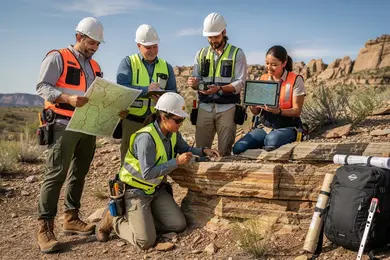
Many online geosciences programs minimize or virtualize fieldwork components due to logistical challenges. This reduction can limit hands-on experience with critical data collection and site assessment skills that employers expect, especially in environmental consulting and resource management. Students should prioritize programs offering optional or regional fieldwork residencies to maintain competitive practical readiness.
Employers in sustainability and geosciences increasingly recognize online degrees but emphasize the candidate's demonstrated technical proficiency and project experience. Graduates from online programs lacking extensive lab or field components may need to supplement their education with internships or certifications. Selecting programs with strong employer connections and applied learning opportunities improves job prospects.
Online geosciences degrees combine rigorous quantitative coursework, data analysis, and applied environmental science, often requiring significant self-directed study and technical skill development. Compared to other science disciplines, students must manage diverse methods from geospatial IT to geochemistry, which intensifies workload complexity. Prospective students should evaluate their capacity for sustained technical work outside scheduled lectures.
Most accredited online geosciences degrees require a local or short-term field component, plus remote lab work or kits for geology, environmental science, or GIS courses. Many programs ask for 3 to 6 credits of hands-on work, sometimes completed through summer field sessions, partner sites, or approved independent projects.
References
- 5 Steps to Choose the Right Online Course for Your Goals https://www.upskillist.com/blog/5-steps-to-choose-the-right-online-course-for-your-goals/
- The Geological Society - Degree Accreditation https://www.geolsoc.org.uk/education-and-resources/universities/university-degree-accreditation/
- How Online Degrees Are Reshaping Competition in Higher Education - ProMarket https://www.promarket.org/2026/02/09/how-online-degrees-are-reshaping-competition-in-higher-education/
- Are Campus Based Colleges Considered Better Than Online Colleges? https://www.top10onlinecolleges.org/faq/are-campus-based-colleges-considered-better-than-online-colleges/
- What coursework should I take to become a successful Applied Geoscientist? https://www.aegweb.org/index.php
- Types of Financial Aid for Online Colleges https://www.umassglobal.edu/blog-news/types-financial-aid-online-colleges
- Is Your Online Degree Legitimate? How to Verify Private University Approval https://matchtocollege.com/blog/verify-private-university-online-degree-approval
- Student Opportunities | NAU Earth Sciences & Sustainability Programs https://ses-nau.org/student-opportunities/
- Online Geoscience Degrees: Top Schools and All Programs in 2026 https://www.gisdegree.org/online/geoscience-degrees/
- Careers in Geoscience: Environment https://www.aig.org.au/education/careers-in-geoscience/careers-in-geoscience-environment/