2027 Geosciences Specializations for Climate Science Careers

Co-Founder and Chief Data Scientist
Climate models increasingly depend on nuanced geological data, yet professionals entering geosciences often grapple with selecting specializations that align with rapidly evolving climate science demands. A 2024 National Science Foundation report reveals that over 40% of geoscience graduate enrollments now come from adult learners balancing work and study, signaling a shift toward flexible and interdisciplinary program formats. This trend reflects growing employer preference for candidates who combine field expertise with applied climate analytics, complicating pathway decisions for those aiming to remain competitive.
This article clarifies key geosciences specializations tied to climate careers, detailing their practical implications, workforce value, and accessibility to guide informed educational choices.
Key Things You Should Know
- Hydrogeology specialization showed a 28% starting salary premium over general geosciences graduates in 2024 according to the U.S. Bureau of Labor Statistics, but requires costly 18-month certifications delaying workforce entry.
- Employers in climate risk modeling favor candidates with combined geophysics and data analytics training; however, only 12% of programs integrate both, creating a bottleneck in employable interdisciplinary experts.
- Remote sensing skills linked to a 15% faster career advancement rate, yet geographic accessibility to advanced satellite analysis labs remains limited to 6 urban hubs nationally, imposing relocation costs on many students.
What are the main geosciences specializations that lead to climate science careers?
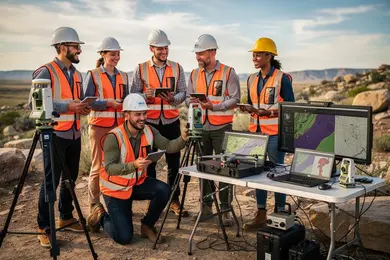
Selecting a geosciences specialization with a clear path to climate science careers demands weighing immediate employability against required training depth. Atmospheric science and climatology typically require graduate education due to their reliance on complex numerical climate modeling, suited to roles within insurance, government policy, and finance sectors focused on risk analytics and long-term strategy. By contrast, hydrology and environmental geophysics often allow faster entry through bachelor's degrees combined with skills in GIS and remote sensing, supporting practical applications like flood forecasting, drought prediction, and pollution tracking.
For example, an atmospheric scientist in a government agency might deploy advanced climate models to predict extreme weather hazards, influencing emergency preparedness investments. Meanwhile, hydrologists working in agriculture actively model water availability to improve irrigation under changing climate conditions. The growth in climate science geosciences specializations supports over 35% job demand increase in climate modeling and risk assessment roles between 2023 and 2027, but employers emphasize operational experience and quantitative expertise, including programming and statistics, beyond academic credentials.
Decision-making around specialization should consider geographic and institutional hiring preferences, where operational climate risk assessment experience often outweighs purely research-oriented backgrounds. Aspiring professionals can explore practical options and outcomes in geosciences career paths in climate science by reviewing details on what can you do with an environmental science degree.
How do different geoscience degrees prepare you for work in climate science?
Choosing a geosciences degree for a career pivot or advancement in climate science requires evaluating how specialized skills align with real-world employer demands and sector growth. Hydrology-focused programs, for example, directly respond to a booming market in climate-resilient water infrastructure, projected to reach $130 billion annually by 2030. Graduates with hydrology expertise fill essential roles analyzing flood risk and drought resilience through quantitative modeling and field data-capabilities highly sought by municipal and environmental agencies. This niche represents the fastest-growing employment sector within climate sciences.
Conversely, geology degrees cater to energy firms and consultancies needing proficiency in earth materials and long-term climate records, such as soil carbon sequestration and subsurface carbon capture. Meanwhile, environmental geochemistry equips students for regulatory and contamination assessment roles that demand rigorous laboratory and field analysis skills. Atmospheric science degrees, with a focus on climate modeling and pollutant tracking, primarily feed federal agencies and climate research institutes developing extreme weather predictive tools.
Making effective choices in geosciences degree career pathways in climate science also means considering additional technical certifications like GIS, remote sensing, or hydrologic modeling software, which employers increasingly require. Programs offering robust internships or field studies improve employment outcomes by delivering applied experience directly linked to climate science projects, a vital 2026 hiring metric.
Specializations within geosciences for climate-related jobs demand a strategic balance between market opportunity and practical skill acquisition. Prospective students should also explore affordable options; for instance, the cheapest master in data science list provides insight into cost-effective pathways that might complement geosciences expertise.
Which geoscience specializations offer the strongest job growth in climate-focused roles?
Job growth in climate science geosciences is concentrated in cryosphere science, remote sensing, and climate modeling, each demanding distinct skill sets and involving tradeoffs that influence educational choices. Cryosphere science roles require proficiency in polar fieldwork under extreme conditions, driven by data such as the European Space Agency's CryoSat findings indicating a roughly 30% decline in Arctic sea ice volume since the late 20th century. These specialists support environmental agencies in monitoring rapid ice dynamics.
Remote sensing professionals focus on satellite and aerial climate data interpretation, necessitating advanced programming and sensor calibration skills to transform large geospatial datasets into industry-specific applications like natural resource management and disaster preparedness. Employers increasingly value these competencies across sectors.
Climate modeling experts develop predictive tools essential for policy and risk management in energy, insurance, and urban planning fields, requiring interdisciplinary quantitative abilities and statistical validation. Each specialization demands demonstrated experience with data integration and cross-disciplinary communication by hiring organizations.
Prospective students evaluating geosciences specializations with highest climate career demand should consider practical challenges such as field conditions, software expertise, and interdisciplinary depth relative to their strengths and career goals. Balancing these factors is critical to aligning education with employers' expectations and workforce trends emphasizing rapid adaptation to climate shifts.
For those exploring educational routes parallel in complexity and commitment, options like a nutritionist degree online provide alternative frameworks in scientific career pivots.
What courses and skills are emphasized in climate-focused geoscience programs?
Climate-focused geosciences program curriculum demands technical rigor across oceanography, atmospheric science, and remote sensing, reflecting workforce expectations for practical climate modeling and spatial risk assessment skills. Mastery of tools like GIS and statistical climate data analysis is essential, given the field's emphasis on the ocean's role in sequestering 25-30% of annual anthropogenic CO₂ emissions-a critical factor in carbon budgeting and emission mitigation careers. Students face a tradeoff between gaining deep scientific expertise and acquiring applied skills to meet increasing employer demand for interdisciplinary proficiency.
Emerging climate careers in geosciences require expertise in advanced hydrology and coastal geomorphology to address the projected tripling of populations exposed to extreme sea-level events by 2100 without intervention. This practical focus equips graduates to design adaptive resilience solutions for vulnerable coastal zones, highlighting the importance of experiential learning such as internships in government or consulting firms.
Proficiency in data acquisition through satellite remote sensing and oceanographic instrumentation complements analytical capabilities, including programming with Python or R for large dataset processing. These skills align with industry requirements for technically adept professionals able to integrate climate science with regulatory and policy frameworks. Workforce realities increasingly prioritize climate risk communication and multidisciplinary collaboration over purely theoretical knowledge.
Prospective students evaluating a climate science geosciences program curriculum should weigh how well any program balances these essential skills for geosciences in climate careers with hands-on experience. This balance often dictates employability and long-term career resilience. For those also considering adjacent technical degrees, the growing availability of an online mechanical engineering degree may present alternate or complementary pathways requiring similar analytical and problem-solving competencies.
How do online geoscience programs for climate science compare with campus-based options?
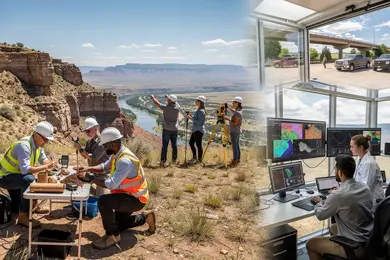
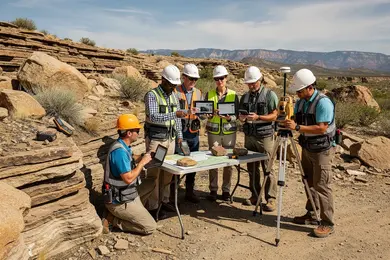
Employers in climate-risk sectors increasingly demand practical expertise in applied geohazard analytics-skills often underdeveloped in online geoscience programs due to their limited hands-on fieldwork and direct instrument use. In-person campus programs typically embed field mapping, soil testing, and seismic data interpretation into their curriculum, offering graduates a clear advantage in roles requiring verifiable technical experience. Conversely, online degrees emphasize theoretical models and virtual simulations, which support working professionals pivoting careers without geographic constraints but may necessitate supplementary fieldwork or certifications to bridge skill gaps.
Consider a reinsurance analyst holding an online master's who must seek external on-site training to validate geotechnical assessment abilities that campus programs integrate by default. Online learners also face the challenge of independently obtaining access to specialized GIS software and data platforms often provided through campus resources. Budget and location further complicate choices; remote students save commuting costs but must arrange local field internships.
Professionals aiming for technically rigorous roles in climate-risk analytics-driven by factors like Swiss Re's 2025 natural catastrophe report estimating $142 billion in insured losses-benefit substantially from campus immersion. Those prioritizing expedited credentialing and computational skills without immediate field demands may find online curricula strategically fitting.
What accreditation and quality standards should climate-focused geoscience programs meet?
Employers in climate-focused geosciences prioritize graduates from programs that combine ABET-accredited curricula with verified hands-on training aligned to EPA guidelines and ASTM standards. Candidates lacking practical contamination site analysis experience often struggle to secure roles requiring immediate technical expertise in remediation. The practical tradeoff here is significant: students must weigh the benefits of rigorous accreditation against the availability of robust fieldwork components.
Programs must embed comprehensive data management and geospatial analysis skills to address complex contamination monitoring projects. Graduates who can interpret risk through advanced modeling while complying with OSHA health and safety field regulations have a measurable edge. This skill set reflects evolving employer demands amid rising remediation budgets projected by the OECD to increase from $35 billion in 2020 to over $60 billion by 2030.
Key employability factors include industry partnerships that facilitate internships with environmental assessment firms, offering exposure to regulatory compliance and specializations such as mining rehabilitation or urban pollution control. Additionally, programs delivering regionally tailored modules on local contamination standards better prepare students for navigating disparate state certification processes.
- ABET accreditation with curriculum emphasizing environmental chemistry, soil science, and contamination assessment methods
- Practical contamination site experience verified by employers
- Data management, geospatial analysis, and OSHA-compliant field practices
- Internships linked to environmental assessments and regulatory compliance
- Localized coursework addressing varied regional regulatory frameworks
What are typical admission requirements for climate-oriented geoscience bachelor's and master's degrees?
Admission to climate-focused geoscience programs demands more than academic credentials; it requires alignment with evolving industry skills and practical readiness. Bachelor's candidates typically must demonstrate strength in advanced math, chemistry, physics, biology, and preferably earth or environmental science. Standardized tests remain relevant but increasingly optional. Admissions committees favor applications that include targeted statements of purpose alongside recommendations clarifying commitment to climate-related careers.
Master's programs build on this foundation by requiring a related bachelor's degree and GPA above 3.0, with documented proficiency in geology, climatology, earth systems, and technical methods such as GIS and statistics. Practical experience in remote sensing or geospatial analysis significantly improves marketability, as workplace data shows a 40% surge in demand for these skills from 2020 to 2024. This creates a labor market advantage for master's students possessing those competencies.
However, students often face skill gaps-particularly in hands-on GIS and programming-that programs alone may not fill. Success therefore relies on supplementing formal education with internships, research, or certifications that validate applied expertise. Admissions panels prioritize applicants with demonstrated real-world experience because employers in climate infrastructure and risk management sectors seek graduates who can integrate technical knowledge with operational tasks.
- Strong quantitative background plus earth or environmental science preparation for undergraduate entry
- Graduate emphasis on specialized coursework paired with advanced geospatial and remote sensing skills
- Supplemental certifications or work experience often necessary to keep pace with employer expectations
How long do geoscience climate programs take, and what do they typically cost?
Choosing the right geoscience climate program requires weighing time, cost, and specific job market demands. Quick 2-year certificates, primarily offered at community colleges for $10,000-$20,000, enable faster entry into clean energy roles but often lack depth in subsurface modeling or carbon storage expertise valued by employers. Bachelor's degrees span four years and cost $40,000-$60,000 at public universities for in-state students, providing a broader foundation but slower workforce integration.
Advanced roles, especially those linked to geological carbon storage or hydrogeology, usually require a master's or PhD. Master's programs add 1.5 to 2 years and cost between $20,000 and $50,000, fitting mid-career professionals balancing financial and time constraints while gaining specialized skills. PhDs require 4 to 6 years post-bachelor's and often exceed $100,000 but emphasize research over immediate workforce readiness.
Hiring realities show that clean energy sectors expanded by over 1.3 million jobs recently, contrasting fossil fuel stagnation. Candidates with hands-on skills in integrated renewable energy and geoscience modeling are favored. Mid-level professionals should prioritize programs partnering with employers to maximize job alignment and return on investment.
What entry-level and advanced careers can geoscience climate specialists pursue?
Early-stage roles in geosciences climate specializations rarely offer rapid salary growth but are crucial for developing core competencies in GIS mapping, remote sensing, and environmental impact assessment. Positions such as environmental technicians or climate data analysts prioritize practical experience gained from internships or cooperative education rather than purely academic credentials. This foundational expertise is essential before transitioning into more technical and policy-integrated functions.
Advanced professional paths require specialization in climate risk modeling, carbon sequestration analysis, or regulatory compliance consulting, often blending geoscience knowledge with law, economics, or public policy. For example, climate adaptation specialists working within state regulatory agencies translate geological assessments into federally and state-compliant strategies-an intersection demanding both scientific precision and regulatory literacy.
The net global increase of 18 million green jobs predicted by the International Labour Organization through 2030 reflects strong market demand for specialists who combine scientific expertise with policy acumen, improving job security and compensation prospects. However, without skills in data analytics or regulatory frameworks, geoscience graduates risk stagnation.
Prospective students and professionals face tradeoffs between deep technical field skills and interdisciplinary capabilities that facilitate leadership in climate resilience and sustainability management. A strategic educational path balances these to navigate evolving climate legislation and regulatory complexity, maximizing long-term career stability and impact.
What are the typical salaries and long-term outlook for geoscience climate professionals?
Geoscience climate professionals in the U.S. face a clear inflection point where AI skills increasingly define career trajectories. Median salaries range from $70,000 to $110,000 annually, with entry-level government roles near $65,000 and private-sector positions leveraging AI-driven climate modeling reaching six figures within five years. Those without proficiency in AI frameworks risk stagnation as agencies prioritize automated, data-intensive solutions.
Federal investment in climate resilience is expanding, generating robust long-term demand, but competition now centers on interdisciplinary expertise combining geosciences and computer science. Candidates must critically assess the time and cost to develop fluency in Python, R, or similar languages alongside traditional geoscience knowledge. Employers expect practical experience handling large-scale environmental datasets integrated with AI tools.
Demand peaks in sectors like renewable energy, urban climate adaptation, and weather risk analytics, where salaries exceed the median by 10-20%. This premium reflects complex real-time data challenges requiring advanced technical competencies.
Prospective professionals should factor these tradeoffs:
- Immediate earnings versus investment in AI and data science skills;
- Navigating heightened competition with interdisciplinary fluency;
- Sector-specific salary variations linked to data complexity and operational urgency.
According to the World Meteorological Organization's 2024 AI-for-Climate brief, over 70% of new operational climate tools launched since 2020 integrate AI, underscoring the strategic imperative for mastering these technologies to sustain employability.
Other Things You Should Know About Geosciences
Choosing a broader environmental science path offers flexibility for diverse roles outside strict climate science, such as consulting or resource management, but may dilute specialized climate expertise employers seek. A narrowly focused climate science track deepens your knowledge in modeling and climate data analysis, which directly aligns with climate research jobs but limits versatility in other sectors. Prioritize the narrower track if your goal is to enter competitive climate modeling roles; opt for the broader path if you want adaptability across environmental fields.
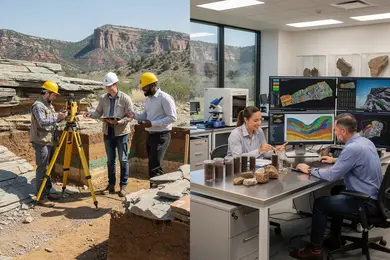
Fieldwork develops essential observational and data-gathering skills that employers value in certain climate science sectors like hydrology and geology. However, computational skills, including coding and statistical analysis, dominate in climate modeling, remote sensing, and data interpretation roles. Programs emphasizing both balance practical and analytical training but if you must prioritize, focus on computational skills to match the growing demand for climate data scientists and modelers.
Atmospheric science, climate dynamics, and geospatial data science are the strongest options for climate data modeling jobs. Employers usually expect 12 to 18 credits in statistics, remote sensing, GIS, and Python or R, plus experience with NetCDF, xarray, or similar climate datasets.
References
- Jobs in Geosciences and Environment https://geops.geol.u-psud.fr/en/jobs-in-geosciences-and-environment/
- Geology and Environmental Geoscience https://www.uregina.ca/academics/programs/science/geology-environmental-geoscience.html
- Careers in Geoscience: Environment https://www.aig.org.au/education/careers-in-geoscience/careers-in-geoscience-environment/
- What Does the Future Demand Look Like for Applied Geoscientists? https://www.aegweb.org/index.php
- 3. What Undergraduate Geoscience Education Should Accomplish https://www.americangeosciences.org/change/sections/concepts/
- GSTC Destination Standard | GSTC https://www.gstc.org/gstc-criteria/gstc-destination-criteria/
- Earth science careers — Earth@Home https://earthathome.org/earth-science-careers/
- Careers in the Earth Sciences https://earthsciences.dartmouth.edu/undergraduate/careers-earth-sciences
- The Geological Society - Degree Accreditation https://www.geolsoc.org.uk/education-and-resources/universities/university-degree-accreditation/
- Accreditation – Adaptation Fund https://www.adaptation-fund.org/apply-funding/accreditation/