2027 Geosciences Roles That Most Often Lead to Leadership Positions

Co-Founder and Chief Data Scientist
Professionals in geosciences frequently confront a critical career impasse: identifying which roles genuinely position them for leadership amid an evolving industry landscape marked by increasing interdisciplinary demands. With the U. S. Bureau of Labor Statistics projecting a 7% growth in geoscientist jobs through 2032, competition for management-level roles intensifies, requiring strategic role selection rather than linear advancement. Moreover, the rise of flexible, online and hybrid educational formats-now accounting for over 40% of geoscience program enrollments according to the National Center for Education Statistics-shifts how and when professionals can acquire pivotal skills tied to leadership trajectories. This article examines specific geosciences roles that most directly correlate with leadership opportunities, offering guidance for those aiming to navigate career decisions toward executive positions.
Key Things You Should Know
- Leadership in geosciences is concentrated in petroleum and environmental sectors, where 62% of managerial roles require a master's degree-delaying entry-level earnings by 2-3 years but increasing advancement probability by 43%, per BLS 2024 data.
- Employers prioritize candidates with cross-disciplinary expertise in data analytics and geospatial tech, as 78% of leadership hires come from roles combining field work with advanced computational skills, intensifying competition.
- The average cost of graduate programs in geosciences rose 12% since 2022, making time-to-leadership longer for midcareer professionals balancing debt servicing, impacting those shifting from nontechnical jobs more severely.
Which geoscience roles most commonly lead to leadership and executive positions?
The geoscience roles most commonly leading to leadership and executive positions are found primarily in mining, quarrying, and oil and gas extraction. These sectors provide the highest financial incentives, with geoscientists earning a mean annual wage of $126,140 in 2023. Employers in these fields demand professionals who combine advanced technical expertise with strong project management capabilities to navigate regulatory complexities and environmental challenges. Candidates rising to executive management typically demonstrate effective coordination of multidisciplinary teams while adhering to strict safety and sustainability standards.
Top geosciences careers leading to leadership roles often require extensive field experience and strategic oversight. For instance, senior oil and gas exploration roles must balance cost control with innovative extraction techniques, directly influencing company revenue and shareholder value. Meanwhile, environmental consulting and government agency positions, though integral to policy and sustainability, tend to offer fewer leadership opportunities with comparable compensation due to less direct financial impact.
Successful advancement beyond technical roles demands deliberate skill expansion in finance, regulatory navigation, and risk assessment. Additional qualifications such as advanced degrees in resource economics or business administration and mentorship in executive decision-making accelerate access to leadership pipelines. Candidates focused exclusively on technical skills without broader organizational insight usually encounter stalled promotion trajectories.
Those considering strategic pivots in their career should assess practical realities and employer expectations carefully. For perspectives on related career transitions, see how to become a speech pathologist. Common geosciences positions that advance to executive management require not only expertise but also adaptability to business and regulatory challenges.
What education and experience do geoscience leaders typically need to advance into management?
Advancing into management roles within geosciences requires balancing academic credentials with substantial professional experience. Employers expect a bachelor's degree in geology, environmental science, or related fields, complemented by 5-10 years of industry-specific technical experience. Candidates often succeed when they demonstrate not only technical proficiency but also project leadership and coordination across diverse teams. For instance, transitioning from field technician to project manager necessitates learning budgeting, regulatory negotiation, and staff supervision beyond core scientific skills, a clear example of practical experience for geosciences management roles.
Leadership positions in environmental consulting increasingly demand managing regulatory compliance within dynamic project scopes, driven by a U.S. industry growth rate of 6-7% annually as reported by IBISWorld. This environment places a premium on the ability to integrate scientific expertise with client-facing and business competencies.
While a master's degree or certifications such as Certified Professional Geologist can significantly enhance leadership potential-especially in sectors like engineering and remediation-the choice between advanced education and hands-on site leadership varies by specialty, reflecting a tradeoff relevant to geosciences leadership education requirements.
Data analysis proficiency using GIS and remote sensing tools is now integral to manager roles. Formal leadership training or MBA coursework tailored to natural resource sectors can be advantageous but is not universally required.
Those evaluating pathways should also consider practical accessibility; options like environmental engineering degrees online may offer flexible routes for skill enhancement without interrupting employment trajectories.
Which geoscience degrees best prepare you for future leadership opportunities?
Leadership roles in geoscience increasingly require degrees that emphasize hydrogeology and water resources management, reflecting direct alignment with current global investment priorities. Annual funding projected to reach about $1.3 trillion by 2030 for water infrastructure signals a demand for specialists who can navigate complex project scopes driven by climate resilience and population growth challenges.
Top geoscience degrees for leadership careers often combine rigorous hydrological modeling skills with regulatory knowledge and project management. For instance, a hydrogeologist responsible for municipal water upgrades must balance scientific knowledge, stakeholder negotiations, and financial constraints-skills developed through multidisciplinary coursework including environmental law and data analytics. Graduates lacking this integration frequently encounter barriers transitioning from technical positions to management.
Compared to broader geoscience programs, degrees focusing on hydrogeology present clearer pathways to senior roles in public agencies, consulting, and multinational utilities, where salaries and responsibilities correspond to sector urgency. However, the practical tradeoff involves selecting programs with tailored leadership training rather than solely technical emphasis. This focus also addresses industry demand trends and positions candidates strategically for future resource management challenges.
Those exploring workforce shifts or academic advancement in this niche might also consider whether a masters in library science worth it to broaden interdisciplinary coordination skills relevant to environmental data management.
How do early-career geoscience jobs (field, lab, data) shape leadership pathways later on?
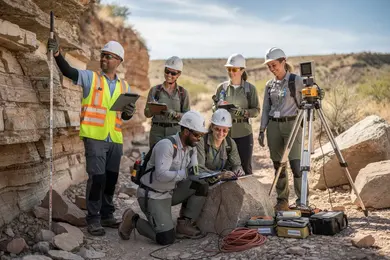
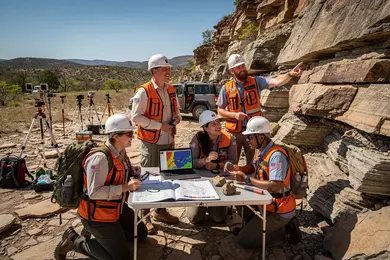
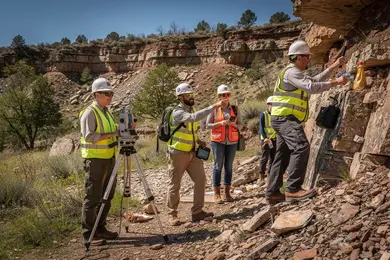
Early-career geoscience roles distinctly influence leadership development by embedding critical skills tied to specific job functions. Fieldwork demands decisive action under uncertain conditions and dynamic team coordination, which directly supports managing complex projects in exploration or environmental firms. Laboratory positions cultivate meticulous methodology, quality control, and technical problem-solving applicable to leading specialized teams in mineralogy or paleontology. However, data-centric roles offer a faster leadership trajectory due to the increasing reliance on quantitative analysis in the sector. Geoscientists proficient in advanced data science tools and modeling gain strategic influence on planning and resource decisions, accelerating their movement into managerial positions.
This impact of field and data jobs on geosciences leadership paths is evident in workforce trends. For example, a geoscientist entering a data science role can leverage the projected 35% job growth for data and mathematical science occupations between 2022 and 2032 and a median salary of $108,020 in 2023 to strengthen salary negotiations and leadership candidacy. Employers across energy, mining, and environmental domains prioritize candidates adept at interpreting complex datasets rapidly to mitigate risk and enhance productivity. Conversely, those without data skills may face bottlenecks, remaining confined to technical specialist roles.
Meeting these employer expectations means integrating programming and statistical expertise early with core geoscience education. Individuals focusing exclusively on field or laboratory experience should consider supplementing their qualifications with project management certifications and interdisciplinary communication training to offset slower leadership progression. For professionals seeking strategic pivots, pathways like a mechanical engineering online degree can provide complementary skills that reinforce analytical capabilities and broaden career flexibility.
What is the typical career progression from geoscientist to director, VP, or chief scientist?
Progression from entry-level geoscientist to leadership roles like director or VP demands a shift from technical expertise to strategic and managerial skills. Early-career professionals must focus on core competencies such as GIS, remote sensing, data interpretation, and fieldwork, which are foundational given the expected growth of the geospatial analytics market-from $95 billion in 2024 to over $200 billion by 2030. Mastery within 5 to 7 years is critical to advancing.
Mid-level roles emphasize project management and cross-disciplinary collaboration, especially across energy, environmental consulting, or government agencies managing natural resources. Success depends on the ability to integrate geospatial data into strategic decisions and collaborate effectively between technical teams and stakeholders.
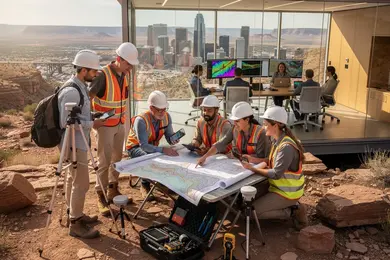
Leadership positions require capabilities in budgeting, strategic planning, regulatory navigation, and mentoring. For example, a chief scientist at a renewable energy firm must balance remote sensing data application for site assessment with corporate sustainability goals. Time spent on hands-on geoscience decreases as emphasis shifts toward organizational impact.
Real-world hiring trends favor candidates with proven leadership in complex, data-driven projects within growing sectors like climate analytics or smart infrastructure. Pursuing advanced business training, such as an MBA, can accelerate progression but involves tradeoffs in technical engagement. Employers increasingly seek professionals combining versatile technical mastery with executive management skills to navigate this evolving landscape.
How do salaries and bonuses change as geoscientists move into leadership roles?
Geoscientists who move into leadership positions gain substantial salary growth due to their expanded influence on strategic and financial decisions. Mid-level professionals typically earn around $95,000 annually, but management roles often command $150,000 or more, with bonuses reaching 10-25% of base pay. This pay premium aligns with shifting industry priorities, particularly the surging demand for critical minerals like lithium, which the International Energy Agency projects will increase dramatically by 2040.
Promotion to operations leadership in mining firms often means managing cross-functional teams, steering capital allocation, and shaping market strategies. Unlike pure technical specialists, leaders are expected to combine scientific expertise with business insight, regulatory knowledge, and stakeholder engagement skills. These competencies directly affect compensation and career progression.
Acquiring management capabilities and financial literacy involves deliberate effort beyond traditional geosciences curricula. While this investment entails time away from technical skill development, it yields measurable returns in income and professional influence, especially within U.S. sectors focused on clean energy supply chains and resource security.
Do online geoscience and GIS programs offer comparable leadership prospects to campus programs?
Leadership development in geosciences hinges on practical experience linked to managing real-world risks, a point often overlooked by purely online programs. With natural disasters causing over $200 billion in annual global economic losses, employers seek candidates who have demonstrated applied expertise in geohazard risk mitigation. Online programs that lack integrated fieldwork or internships tend to fall short in preparing students for leadership roles where scenario management and multi-disciplinary team coordination are essential.
For example, professionals advancing to leadership positions at agencies like FEMA or firms focused on infrastructure resilience depend on hands-on GIS analysis and direct exposure to disaster conditions-opportunities typically embedded in campus settings through labs and faculty mentorship. Such elements foster robust professional networks and leadership readiness that online-only formats struggle to replicate.
Nonetheless, select online programs that incorporate mandatory internships, capstone projects, and industry partnerships can close some gaps by providing portfolio-building experiences valued by employers. Prospective students should critically evaluate programs based on access to:
- Field or lab-based geospatial exercises with documented outcomes
- Industry-embedded internships or structured mentorship
- Demonstrated alumni success in leadership roles
Absent these components, graduates risk falling behind peers from campus programs due to weaker practical skills and professional connections, which are vital in high-stakes geoscience careers.
Which certifications and professional memberships help geoscientists qualify for leadership positions?
Professional licensure as a Professional Geologist (PG) or Certified Professional Geoscientist (CPG) directly influences qualifications for senior leadership roles in geosciences, especially within public agencies. These credentials validate technical expertise and ethical compliance, often serving as strict prerequisites for executive posts in institutions like the Department of Interior. In practice, a geoscientist seeking advancement into leadership must weigh the substantial time, financial, and administrative obligations involved in obtaining and maintaining these licenses against the tangible career benefits.
Membership in organizations such as the Geological Society of America (GSA) or the American Geophysical Union (AGU) extends beyond networking; active participation and leadership roles-like chairing committees or leading working groups-offer vital experience in project coordination and interdisciplinary collaboration. This dual qualification of licensure plus organizational leadership correlates with oversight of high-value projects and policy influence within agencies.
Real-world scenarios demonstrate the premium placed on this combination: candidates promoted to senior positions in agencies like NASA frequently show a documented history of both licensure and professional engagement. However, this path entails tradeoffs, including balancing leadership responsibilities with ongoing research productivity.
How can prospective students choose accredited geoscience programs aligned with long-term leadership goals?
Programs that explicitly integrate leadership skill-building with core geosciences competencies are essential for students targeting roles that demand oversight of research initiatives, grant acquisition, and interdisciplinary collaboration. With over 60% of tenured and tenure-track geoscience faculty in the U.S. predicted to retire or leave academia by the mid-2030s, recognizing which programs deliver practical leadership training offers a strategic advantage for accessing these openings.
For example, students aiming for leadership in environmental consulting should prioritize programs emphasizing project management combined with advanced fieldwork, while those pursuing academic administration benefit more from curricula offering mentorship in faculty governance and policy development. Trade-offs include balancing network strength with cost and location: institutions with robust alumni ties to research-intensive sectors typically entail higher financial commitments but accelerate leadership placement; alternatively, smaller programs with strong governmental or private sector connections may provide applied leadership pathways with lower overhead.
Prospective students are advised to consult transparent program data documenting graduate leadership placements within five to ten years post-graduation. Evidence from workforce studies, such as the American Geosciences Institute's 2024 demographics synthesis, underscores that accreditation by recognized bodies like the Geological Society of America ensures credentials translate across sub-disciplines and regions-critical when shifting career trajectories. Prioritizing programs demonstrating concrete leadership outcomes reduces reliance on superficial rankings and supports data-driven educational choices.
What is the long-term job outlook for geoscience leadership roles in industry, government, and academia?
Leadership roles in geoscience demand a shift from technical specialization to strategic management, with salaries ranging broadly from $115,000 to over $180,000 annually at senior levels. These positions require candidates to navigate complex interdisciplinary challenges while managing sizable teams and budgets. For example, industry leaders overseeing resource exploration must balance regulatory compliance, environmental risk, and operational efficiency, often necessitating a master's degree paired with over a decade of experience.
Advancement hinges on developing business acumen beyond technical skills; those solely focused on field expertise risk career stagnation. Government roles emphasize integrating science with policy execution, demanding proficiency in stakeholder negotiation and public engagement under intense regulatory scrutiny. Meanwhile, academic leadership rewards those who combine research funding success, publication impact, and administrative capability, such as department chair roles, with mentoring responsibilities.
Prospective leaders should anticipate practical tradeoffs including a reduced hands-on technical role and increased accountability for organizational outcomes. Leadership development and targeted certifications are increasingly essential for navigating these transitions effectively, especially given shifting industry expectations.
- Industry requires technical mastery plus 10+ years of project and managerial experience.
- Government leadership demands policy integration and communication skills.
- Academic advancement prioritizes research impact coupled with governance roles.
Understanding these distinct pathways is crucial for professionals considering a strategic pivot in geosciences.
Other Things You Should Know About Geosciences
Geologists, environmental consultants, and engineering geologists often need licensure before advancing to manager or project director, especially on public works or regulated environmental projects. In the United States, the Professional Geologist license is issued by state boards, and some employers also require a Professional Engineer license for geotechnical leadership roles.
Specialized technical expertise can advance a geoscientist's career but may also create barriers to broader leadership roles that require cross-functional knowledge. Narrow specializations like seismology or petrology often limit candidates to leadership in small technical groups rather than enterprise-wide management. To maximize leadership potential, professionals should complement specialization with skills in business strategy, communication, and interdisciplinary collaboration. Prioritizing general management skills alongside technical depth enhances adaptability and increases eligibility for senior roles.
Leadership roles in geosciences concentrate disproportionately in regions with strong natural resources sectors, government agencies, and research institutions, such as Texas, Colorado, and California. Candidates in less active regions face limited leadership openings and may need to relocate or accept roles with narrower scopes. Choosing programs or employers with national or global operations can mitigate regional constraints by providing exposure to diverse projects and leadership pipelines across locations. Practical career advancement often depends on willingness to move or leverage remote collaboration capabilities.
References
- Why I got a degree in Geoscience – and how it prepared me for a career in the Energy Transition https://geoscienceforthefuture.com/why-i-got-a-degree-in-geoscience/
- Information about Geoscience Related Careers https://careerexplorer.americangeosciences.org/careersinfo/
- A Complete Guide to Data Scientist Career Path https://www.stratascratch.com/blog/a-complete-guide-to-data-scientist-career-path
- Making Geoscience Careers Visible: Illuminating Pathways to Geoscience https://nagt.org/nagt/publications/trenches/v10-n3/making_geoscience_careers_visi.html
- How do recent geoscience graduates experience the job market? - GeoExpro https://geoexpro.com/how-do-recent-geoscience-graduates-experience-the-job-market/
- Science Director Career Path | Jobtrees https://www.jobtrees.com/tree/science-director-career-path
- The Geological Society - Degree Accreditation https://www.geolsoc.org.uk/education-and-resources/universities/university-degree-accreditation/
- Best Online Bachelor's in GIS Degrees - GISDegree.org https://www.gisdegree.org/online/bachelors/
- Guide to Geographic Information Systems (GIS) Degrees https://www.umassglobal.edu/blog-news/guide-geographic-information-systems-gis-degrees
- Crespo: Challenges and strategies for attracting new geologists: situation analysis and future perspectives - Eurogeologists https://eurogeologists.eu/crespo-challenges-and-strategies-for-attracting-new-geologists-situation-analysis-and-future-perspectives/