2027 Online Geosciences Degrees With Energy and Natural Resources Concentrations

Co-Founder and Chief Data Scientist
Professionals aiming to enter or pivot within energy and natural resources sectors face a critical barrier: balancing work commitments with comprehensive, specialized education in geosciences. The U.S. Department of Education reports a 27% rise in adult learners enrolling in online STEM programs since 2023, underscoring a shift toward flexible, accessible learning. This trend reflects broader workforce demands for credentials that accommodate nontraditional schedules without sacrificing depth in technical expertise. Yet not all online geosciences degrees equally address industry expectations for applied skills and sector-specific knowledge, creating a high-stakes choice for career advancement.
This article evaluates online geosciences degrees focused on energy and natural resources concentrations, assessing how each program's structure meets professional realities and enhances employability.
Key Things You Should Know
- Graduates of 2026 online geosciences degrees with energy and natural resources concentrations face a wage premium averaging 12% over general geosciences grads, per U.S. Bureau of Labor Statistics, balancing higher specialized tuition costs.
- Employers prioritize applied data analytics and remote sensing competencies in energy-focused roles, pushing programs to embed real-world software usage, limiting purely theoretical curricula' value in competitive hiring.
- Lengthening degree requirements to include emerging renewable energy modules adds 6-12 months to typical timelines, complicating mid-career entry due to opportunity cost and workforce re-entry barriers documented by National Science Foundation reports.
What are online geosciences degrees with energy and natural resources concentrations?
Online geosciences degree programs focused on energy and natural resources deliver targeted expertise necessary to navigate the complexities of resource extraction industries. Candidates shifting from general science roles to specialized sectors like petroleum geology gain essential skills in seismic data analysis and reservoir characterization, balancing technical proficiency with understanding of environmental regulations.
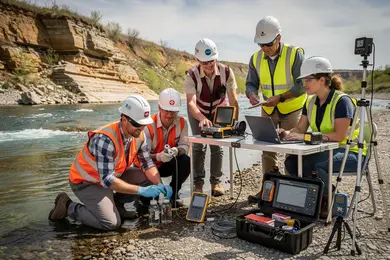
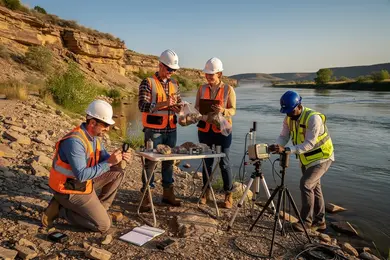
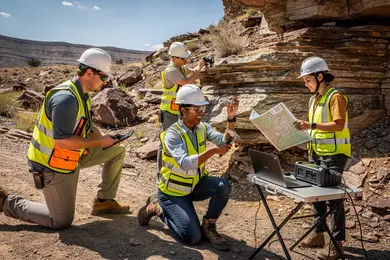
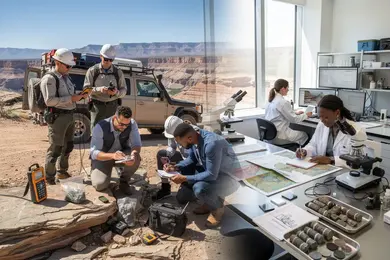
Practical competence remains a critical hiring factor, but distance learning geosciences degrees with specialization in energy sectors face the inherent challenge of limited hands-on fieldwork. This gap often requires students to pursue supplemental internships or local partnerships to satisfy employer expectations for real-world experience.
Key considerations when selecting programs include accreditation status, faculty experience, and availability of quality virtual labs or field simulation tools that approximate in-person training. Graduates equipped with knowledge of regulatory frameworks and sustainable resource management are better positioned to meet industry demands that prioritize both development and environmental stewardship.
The U.S. Bureau of Labor Statistics projects steady employment growth for geoscientists, with a median annual wage of $99,240, reflecting the ongoing need for experts who can address energy security and environmental challenges simultaneously.
Students evaluating pathways should also explore interdisciplinary options such as GIS degree programs to enhance spatial analysis skills increasingly valued in resource assessment and management.
Are online geosciences programs accredited and respected by employers?
Accreditation and recognition by professional organizations such as the American Geosciences Institute significantly influence employer trust in online geosciences degree accreditation in the United States. Graduates from programs meeting these standards tend to have a competitive edge, particularly when their skill sets include practical capabilities like seismic data interpretation or reservoir analysis tailored to the energy sector.
The oil and gas extraction industry offers a notably higher median annual wage for geoscientists at $160,910, indicating the economic value of specialized expertise often developed through targeted online concentrations. Employers in this field expect applicants to provide evidence of familiarity with sector-specific regulations, software platforms, and field techniques integrated into the curriculum.
For prospective students weighing online education against traditional routes, verifying institutional accreditation and soliciting employer feedback on graduate outcomes is essential. While some entry-level roles may still favor conventional degrees, many professionals use accredited online programs to facilitate professional transitions or advancement, balancing flexibility with technical rigor.
Logistical factors such as access to remote labs, virtual fieldwork, and internships are critical components that influence employability post-graduation. Choosing a program with clear industry connections and specialized resource content not only reinforces credential legitimacy but also aligns resumes more closely with evolving market requirements and professional licensing benchmarks.
Those exploring academic pathways may also consider related disciplines; for example, the online environmental engineering degree represents a complementary field with distinct but intersecting opportunities and challenges.

What jobs can you get with this degree concentration?
Graduates holding online geosciences degrees with a focus on energy and natural resources enter a labor market shaped by distinct tradeoffs. Initial roles such as petroleum geologists or mining geologists tend to appear in oil and gas extraction sectors, which provide higher starting salaries-typically between $50,130 and $62,090 but may limit geographic flexibility. Alternatively, renewable energy and environmental consulting positions, increasingly prevalent, offer expanding long-term potential but often begin with lower wages. This sectoral choice fundamentally affects job prospects and career mobility within energy sector geosciences career opportunities.
Employers emphasize practical field experience, especially internships that confirm applied competency beyond academic theory. For example, an environmental consultant assessing site compliance demands solid geoscience fundamentals paired with communication skills to navigate regulatory complexities. Candidates who augment their core skills with data analysis or GIS gain access to roles in energy market forecasting and sustainability planning, fields that align closely with natural resources job prospects in geosciences.
The income trajectory reflects a progression to more strategic roles like senior resource planners or energy policy advisors, where compensation reaches above $130,000. This growth underscores the necessity of combining technical expertise with leadership capabilities over time. For those considering adjacent fields, exploring an online sports science degree may offer alternative pathways but with distinct employment dynamics outside natural resource sectors.
How do online and campus geosciences programs compare?
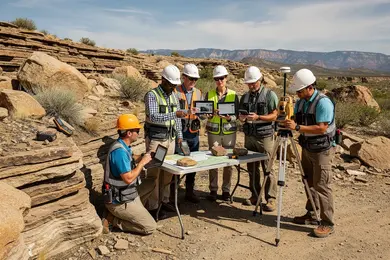
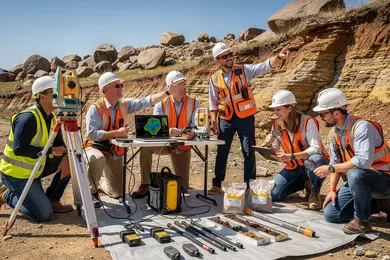
Choosing between online geosciences programs versus campus-based degrees involves weighing essential tradeoffs in practical skill acquisition and professional integration. While online geosciences programs provide equivalent theoretical knowledge, they often lack the embedded fieldwork and direct mentorship that campus-based degrees offer, creating significant gaps in hands-on training critical for roles requiring proficiency with geophysical instruments and software. Employers in energy, environmental, and sustainability sectors typically expect candidates to demonstrate this applied experience.
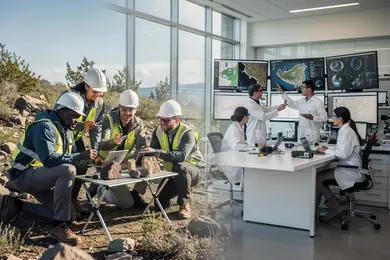
Students pursuing online and traditional geosciences education must therefore actively compensate for the program's inherent limitations by securing local internships or practicums, which are vital for developing field competence. Campus settings naturally facilitate access to specialized labs, field sites, and collaborative projects, enabling deeper immersion in geoscience methodologies like hydrogeological assessments or resource mapping.
For professionals balancing continued work and study, online degrees can support strategic career pivots or advancement if supplemented intentionally with regional hands-on experience. However, entry-level job seekers aiming for highly technical roles may find the lack of embedded experiential learning a notable disadvantage, risking reduced competitiveness in a sector where evolving technologies and team-based problem-solving predominate.
Employment projections through 2034 indicate faster growth for environmental-focused geoscientists, driven by climate and regulatory demands, making the practical elements of education increasingly consequential. Those comparing online and traditional geosciences education should consider these workforce realities carefully to align educational choices with career ambitions.
In contrast to geosciences education, some fields like library science offer well-documented affordable online degree pathways, as seen in studies on the MLIS degree.
What courses are in an energy and natural resources concentration?
Employers in energy and natural resources sectors expect geoscience graduates to combine strong fundamentals with applied skills that directly support exploration and development. Key coursework like Sedimentology, Stratigraphy, and Economic Geology provides the analysis framework for assessing reservoirs and mineral deposits, while Petroleum Geology and Basin Analysis train students in interpreting subsurface data vital for upstream oil and gas projects. Professionals must also understand Environmental Geology and Energy Policy to navigate evolving regulations and sustainability requirements affecting public and private stakeholders.
Advanced electives in Geophysics and Remote Sensing address growing industry demands for non-invasive exploration and monitoring, crucial in emerging fields like carbon capture and geothermal energy. Quantitative methods and data analysis taught through modeling software sharpen candidates' ability to reduce exploration risk and operational cost, aligning with employer needs for tech-savvy geoscientists.
Cost considerations heavily influence program choice. For example, the University of Florida's BA in Geology charges approximately $129.18 per credit hour online, substantially undercutting typical $500-$900 per credit rates at other institutions (Learn.org, 2025 data). Yet, online formats often limit hands-on fieldwork and lab exposure, which remain essential for certain technical roles requiring field competence. Prospective students must therefore weigh affordability against practical training access to maintain workforce readiness in these specialized disciplines.
What admissions requirements do geosciences online programs usually ask for?
Admission to online geosciences programs with energy and natural resources focuses heavily on foundational STEM competence and relevant experience, reflecting employer demands for candidates well-versed in quantitative analysis and physical sciences. Undergraduate applicants typically need a U.S. high school diploma or equivalent with competitive GPAs around 2.5 to 3.0, alongside prior coursework in math, chemistry, and physics. Transfer students and those shifting fields face additional requirements such as bridge courses to build essential geosciences knowledge.
Graduate programs require a bachelor's degree closely related to geosciences, environmental science, or engineering, with documentation like transcripts, references, and a focused personal statement outlining career intentions in specialized sectors like petroleum geology or renewable energy exploration. Practical constraints, such as limited access to local labs or fieldwork, often compel reliance on virtual simulations or external partnerships, which can affect skill acquisition.
This interplay of prerequisites and practical challenges means applicants must assess their readiness carefully:
- Do they meet the necessary academic rigor in STEM subjects?
- Can they demonstrate relevant internships or work experience aligned with industry needs?
- Are they prepared for technical coursework without on-campus resources?
Programs like the University of Louisiana at Lafayette's Energy Resources concentration illustrate how curricula respond to projected 5% job growth through 2031, ensuring skillsets remain applicable to shifting workforce demands documented by the U.S. Bureau of Labor Statistics.
How long do online geosciences degrees take, and what do they cost?
The decision to pursue an online geosciences degree requires balancing program duration, costs, and workforce expectations. Bachelor's degrees generally demand four years, but part-time enrollment can extend this timeframe, a significant consideration for working professionals. For master's programs, 18 to 24 months of full-time study is standard, though part-time routes may last three years or more, potentially delaying career transitions or salary gains.
Cost differences between public and private institutions are substantial, with public bachelor's tuition typically ranging from $10,000 to $20,000 annually, while private options may exceed $35,000 per year. Master's degrees usually cost $15,000 to $35,000 total. Students should account for extra expenses like specialized software or field components, which remain relevant despite the online setup.
Employers in sectors such as hydrocarbon exploration and low-carbon energy prioritize candidates familiar with global project diversity and technology-driven workflows. Programs like the University of Western Australia's Master of Energy Geoscience cater to these market demands, emphasizing international standards and industry alignment. Prospective students must scrutinize program content to ensure relevance to evolving energy domains and geographic mobility.
Flexibility through part-time study and employer tuition support can reduce immediate financial strain but may prolong degree completion. Credit transfer policies offer a pathway to shorten study time if prior coursework aligns, an important strategic factor for those seeking accelerated advancement or a strategic pivot in geosciences careers.
What salary can graduates expect in geosciences careers?
Graduates with online degrees in geosciences targeting energy and natural resource sectors face variable salary trajectories shaped by industry and geography. Median annual earnings hover around $87,480, reflecting mid-career benchmarks rather than entry-level pay, which typically ranges from $55,000 to $70,000. This distinction is critical for candidates weighing initial wage expectations against longer-term growth potential.
Employment growth at 5% through 2032 aligns with national averages but masks sector-specific volatility. For instance, oil and gas roles often offer higher starting salaries and bonuses linked to commodity price fluctuations, yet carry earnings unpredictability. In contrast, renewable energy and environmental positions present steadier, though sometimes lower, pay framed by public funding constraints.
Location and skill specialization remain decisive factors. Employers prioritize proficiency in GIS, remote sensing, and data analytics alongside traditional field capabilities. Graduates prepared to relocate to energy hubs or resource-rich regions benefit from premium compensation, while geographic immobility may limit salary ceilings.
Strategic credentialing, such as targeted certifications and internships, can accelerate salary advancement beyond median figures. Professionals transitioning through online geoscience education must balance job stability against cyclic market demands and select pathways that align with their tolerance for income variability and sector growth realities.
What is the job outlook for energy and natural resources geoscience roles?
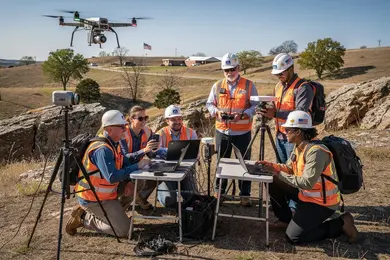
Geoscience roles increasingly demand proficiency beyond traditional geological knowledge, emphasizing skills in GIS, data analysis, and technology integration. Employers across mineral exploration, environmental monitoring, and resource modeling seek professionals capable of applying remote sensing, spatial data management, and predictive analytics to address complex operational challenges. A field geologist pivoting to environmental consulting, for example, must develop competence in GIS software and data workflows to meet current industry standards and improve project outcomes.
Workforce dynamics show a clear divergence: sectors focused on renewable resources prioritize expertise in predictive environmental modeling, while fossil fuel companies favor candidates skilled in AI-driven analytics for reservoir optimization. This bifurcation requires students and professionals to critically assess educational programs for embedded technology training rather than relying solely on foundational geology curricula.
Employers look for candidates who can harness technology to enhance resource estimation accuracy and reduce extraction risks, contracting opportunities for purely manual site surveyors. Continuing technical education, therefore, is not optional but essential to preserve employability as the discipline evolves.
Key practical takeaways for prospective students include:
- Evaluate programs for integrated GIS and data science components.
- Anticipate ongoing upskilling demands beyond degree completion.
- Understand industry-specific toolsets, such as remote sensing vs. AI analytics, that align with targeted sectors.
- Recognize that skill obsolescence is a real risk without interdisciplinary adaptability.
What certifications or licenses may geosciences graduates need?
Obtaining a Professional Geologist (PG) license remains the principal gateway for geosciences graduates aiming for authoritative roles in energy and natural resources, particularly in contexts where legal accountability for geological assessments is mandatory. The licensing process mandates passing the ASBOG Fundamentals of Geology and Practice of Geology exams, coupled with one to four years of supervised experience, reflecting a significant commitment that not all graduates can immediately fulfill.
The necessity of state-specific recognition of this license creates a complex landscape, exemplified by California's requirement that geoscientists possess both a PG license and documented environmental safety certifications to lead carbon capture projects. This intersection of regulatory compliance and multidisciplinary certification raises the entry barrier beyond purely academic credentials.
Supplemental certifications such as Environmental Site Assessment (ESA), Site Remediation, and Hazardous Waste Operations and Emergency Response (HAZWOPER) are increasingly indispensable for fieldwork across fossil fuel and renewable energy projects. These qualifications mitigate operational risks linked to contamination and regulatory enforcement.
Employers are progressively valuing hybrid skill sets; credentials in Geographic Information Systems (GIS) and data analytics make candidates more competitive in emerging sectors like critical-mineral exploration. The evolving energy transition workforce places a premium on continuous upskilling, emphasizing the practical tradeoff between initial licensing efforts and ongoing professional development.
Other Things You Should Know About Geosciences
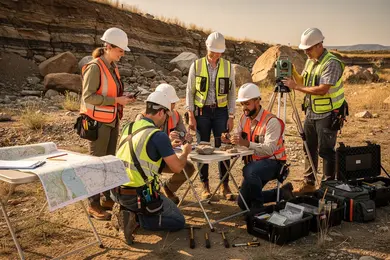
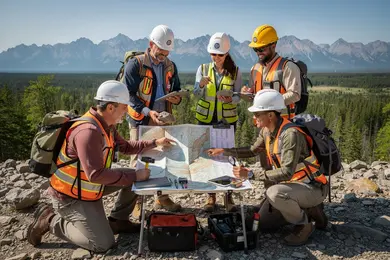
Fieldwork is essential in geosciences but often difficult to replicate fully in online programs. Some programs require short, intensive on-site residencies or partner with local agencies for field experience, which may add to time and travel commitments. Prospective students should evaluate the balance between virtual simulation and actual field exposure, as insufficient fieldwork may limit readiness for roles demanding hands-on geological assessment.
Online students commonly face limited direct access to faculty-led research compared to their campus counterparts. Research involvement boosts employability and graduate school options but may require seeking virtual projects or collaborating independently. Candidates aiming for advanced roles or research-heavy careers should choose programs that explicitly facilitate remote research or have staff supportive of distance mentorship.
Students usually need a laptop or desktop with 8 GB RAM, reliable broadband, a webcam, and GIS or remote-sensing software such as ArcGIS Pro or QGIS. Some programs also require a graphics-capable computer for mapping labs, virtual field exercises, and data analysis assignments.
References
- 12 Types of Jobs You Can Get as a Natural Resources Professional https://www.nrep.org/blog/natural-resources-jobs
- How do recent geoscience graduates experience the job market? - GeoExpro https://geoexpro.com/how-do-recent-geoscience-graduates-experience-the-job-market/
- MiNDS, Master in Natural Resources Development and Storage https://www.eni.com/en-IT/careers/training/master/minds.html
- Online Geoscience Degrees: Top Schools and All Programs in 2026 https://www.gisdegree.org/online/geoscience-degrees/
- Supporting Geoscience Students https://www.grow-geocareers.com/forgeodepartments
- Salary Information https://www.geolsoc.org.uk/Geology-Career-Pathways/Careers/Salary-Information.html
- Frequently Asked Questions https://www.americangeosciences.org/licensure/faq/
- ThisIsGeoscience - Geoscience Salaries https://www.thisisgeoscience.com/the-resources/geoscience-salaries
- Geoscientists | Careers in Energy https://careersinenergy.ca/career-pathways/geoscientists/
- P.G. Licensing FAQs https://tbpg.state.tx.us/p-g-licensing-faqs/