2027 Best Online Bachelor's in Geosciences With Data-and-Fieldwork Training

Co-Founder and Chief Data Scientist
Field-based skills remain vital for geoscientists, yet many prospective students face the dilemma of balancing hands-on training with the scheduling demands of full-time work and geographic constraints. With the National Center for Education Statistics reporting a 27% rise in adult enrollment in online bachelor's programs since 2023, flexibility has become a decisive factor in program selection.
This shift reflects growing recognition that career mobility depends not only on theoretical knowledge but also on access to comprehensive, integrated data analysis and fieldwork components delivered remotely or in hybrid formats. This article evaluates online bachelor's programs in geosciences that combine rigorous data and practical field training to aid informed program decisions and career outcomes.
Key Things You Should Know
- Geosciences bachelor's with integrated field training reduce employer-reported skill gaps by 37%, yet require 20% higher time investment, challenging students balancing work and full-time study, per 2024 NSF workforce data.
- Programs emphasizing data analytics over traditional geology see 22% faster job placement in energy and environmental sectors, reflecting employer prioritization of data proficiency in 2024 EIA labor surveys.
- Access to accredited fieldwork sites remains regionally constrained, increasing costs by up to 15% for remote students, a limiting factor identified in AAG's 2024 educational equity report.
What is an online bachelor's in geosciences with data-and-fieldwork training?
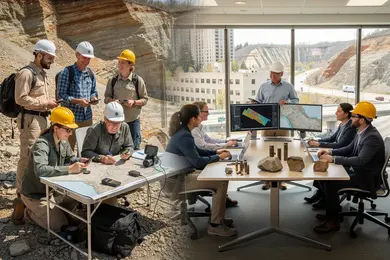
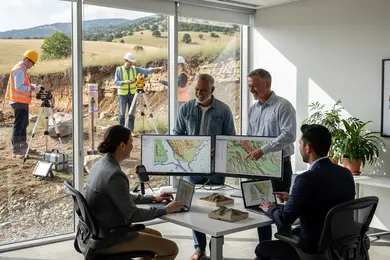
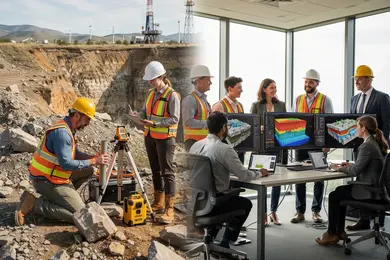
Employers seeking candidates with a bachelor's degree in geosciences increasingly prioritize a blend of technical data skills and verified field experience. An online bachelor's degree in geosciences with hands-on data analysis addresses this by merging core geological theories with practical training in data analysis and scheduled fieldwork. However, the logistics of coordinating remote coursework with in-person field components can be challenging, particularly for fully distance learners. Programs typically collaborate with regional research stations or professional sites to ensure consistent field exposure, critical given that hiring managers rank field competency alongside data fluency.
In these bachelor's programs combining fieldwork and data training, students engage with real-world datasets to build predictive models used in resource exploration or environmental risk analysis, tasks commonly found in energy and environmental sectors. For instance, interpreting seismic information to identify reserves in energy roles or mapping soil contamination in environmental consulting demands both analytical rigor and field verification.
Graduates equipped with integrated skills navigate the dual expectations of independent field assessments and advanced data-driven decision-making. This capability is reflected in the median annual wage of $99,240 reported by the U.S. Bureau of Labor Statistics for geoscientists, highlighting the tangible market value of combined expertise. Prospective students should weigh access to reliable technology and willingness for self-directed practice against program demands. Those evaluating career pivots or advancement options in geosciences may benefit from exploring detailed classifications of jobs for environmental science majors as part of their planning process.
How do online geoscience bachelor's programs integrate real fieldwork and lab experiences?
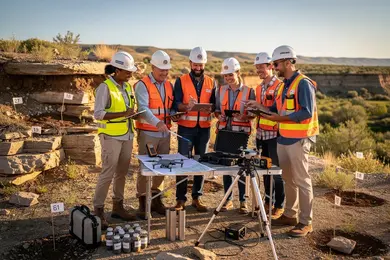
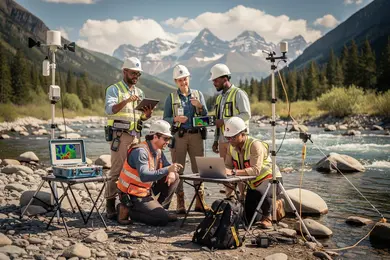
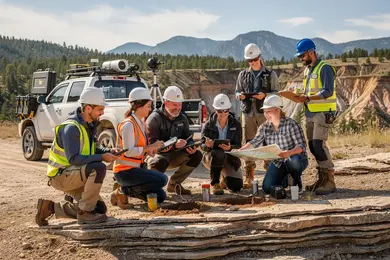
Programs offering online geoscience bachelor programs hands-on fieldwork integration address a critical employer expectation: the ability to apply both field and analytical skills. Hybrid models combining brief on-campus residencies with virtual labs and at-home kits reflect a necessary compromise between comprehensive skill-building and student access. For instance, environmental geology students may undertake one- to two-week residencies for sediment core sampling or soil analysis-skills demanded by 71% of U.S. companies prioritizing data analysis and GIS proficiency, according to the American Geosciences Institute.
Virtual geosciences degrees with applied lab and field training replicate real-world conditions through interactive data sets and portable tools such as GPS or drone interfaces, enhancing skill retention in remote settings. Programs lacking these immersive elements risk underpreparing students for roles requiring swift transitions between field data collection and digital interpretation.
The tradeoff of travel costs and limited scheduling flexibility inherent in residencies aligns with improved job readiness for environmental consulting and natural resource exploration roles. Prospective students must weigh these practical considerations against career goals and individual circumstances. Additional insight into cost-effective engineering-related pathways can be found through resources like environmental engineering degree online, which may complement geosciences training in interdisciplinary settings.
What careers can you pursue with an online geosciences degree focused on data and fieldwork?
Online geosciences graduates with practical training face a labor market that demands an integrated skill set of data analysis and field research adaptability. Employers in environmental consulting, energy, and government sectors equally value proficiency in remote sensing software and the ability to operate effectively in unpredictable outdoor conditions. For instance, a geoscientist working for a mining company combines remote sensing datasets with on-site geological sampling to pinpoint extraction locations, balancing technical insight with real-world field constraints. This intersection often requires professionals to manage large geospatial datasets while navigating weather and travel demands that affect work-life balance and may limit location flexibility.
Careers in environmental data analysis and field research typically include roles such as hydrogeologists monitoring groundwater, environmental analysts evaluating pollution effects, and GIS specialists applying spatial analytics to urban planning. These positions require verified experience with analytical platforms like ArcGIS or Python libraries, emphasizing that coursework blending quantitative rigor and field-based validation is essential for employability. Importantly, ongoing training is necessary to keep pace with evolving technologies and certifications tied to these roles.
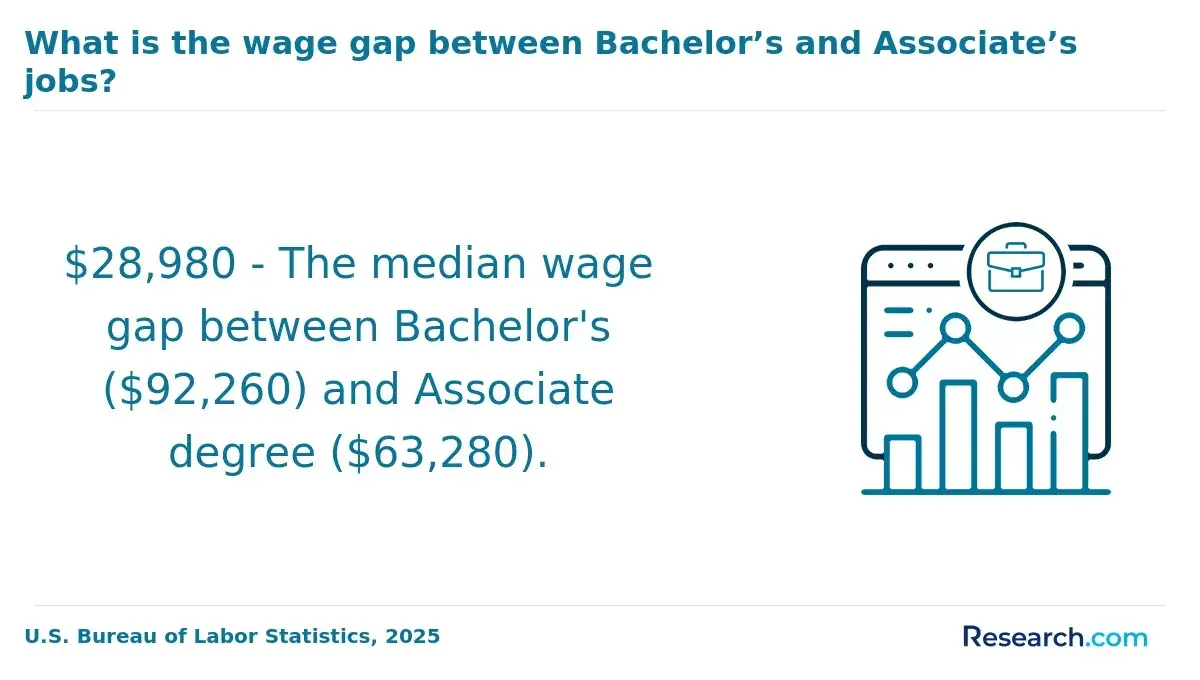
Graduates should weigh starting salary estimates, with the National Association of Colleges and Employers citing an average entry wage near $62,000 for physical sciences bachelor's holders, including geosciences. This reflects growing recognition in sectors like renewable energy and climate risk, but candidates must prepare for the operational realities unique to fieldwork and environmental data roles. Those researching pathways for an informed career pivot might also consider programs with a focus on health and exercise science, available through exercise science degree online offerings, which share applied data analysis components.
How do online geoscience programs compare with on-campus options for rigor and outcomes?
Online geosciences bachelor's degree programs match the academic rigor of on-campus counterparts but present significant challenges in delivering hands-on fieldwork essential for many applied roles. Employers in environmental consulting, petroleum exploration, and hazard assessment often require evidence of practical training gained through internships or local fieldwork, which purely online formats may not directly provide. This creates a tradeoff where students must independently coordinate experiential learning or choose hybrid models integrating in-person components.
Cost-wise, online programs can offer a strategic advantage. GISDegree.org's 2026 review finds the total cost for an online geosciences bachelor's degree averages around $66,000, with nonresident tuition at public institutions approaching $85,000-both lower than many on-campus programs that frequently surpass $100,000. These savings do not inherently compromise theoretical foundations but require careful navigation of practical skill acquisition.
For working professionals shifting careers, online coursework may offer flexibility for theory-heavy subjects, though supplementing this with real-world experience is vital. Those wanting to explore engineering fields related to geosciences might also review the best military friendly online electrical engineering degrees as an alternative pathway balancing technical skills with practical applicability.
Which accreditation and program quality indicators matter for online geoscience degrees?
Institutions offering online geoscience degrees face a critical challenge: balancing theoretical coursework with the hands-on skills employers demand. Accreditation from regional bodies like the Higher Learning Commission ensures a program's legitimacy and access to federal aid, but employers increasingly seek graduates whose training includes fieldwork and data analysis experience. For example, environmental consulting firms often require proficiency in geospatial mapping and sediment sampling-skills not easily taught through purely online lectures.
Programs aligned with standards set by organizations such as the American Geosciences Institute or the Geological Society of America typically embed these competencies into their curricula. However, prospective students must verify how field components are integrated, whether through summer residencies or regional partnerships, as these experiences directly influence job readiness and networking opportunities.
The practical outcomes of an online degree also hinge on support services like career mentoring and internship placement. Data from EnvironmentalScience.org shows median starting salaries ranging from $80,060 to $99,240, with growth in geoscience roles projected at 3-4% through 2034. Hence, selecting a program requires weighing not only accreditation but also how effectively it facilitates applied learning and workforce transition.
What courses and concentrations are typical in geoscience programs emphasizing data skills?
Data proficiency within geoscience programs directly impacts employability by bridging theoretical geoscience knowledge with practical, technical skills needed in the field. Employers in environmental consulting or natural resource management expect graduates to translate large, raw datasets into actionable insights using tools like Python, R, or MATLAB, not just to understand earth science concepts. This hybrid expertise is essential for roles requiring both computational analytics and domain-specific interpretation.
Fieldwork remains a non-negotiable training component despite expanding online offerings. Accurate geospatial and geochemical data collection through methods such as soil sampling and seismic surveys complements classroom learning and is critical in sectors like oil and gas exploration or environmental remediation, where predictive modeling hinges on precise field data.
Students should weigh the logistical demands of hybrid curricula-particularly the challenge of accessing remote fieldwork under predominantly online study models. Nine fully online earth science bachelor's programs in the U.S. illustrate rising demand but also necessitate strategic planning around applied internships or capstone projects for workforce alignment.
What are the admission requirements and prerequisites for online bachelor's in geosciences?
Admission to online bachelor's in Geosciences programs hinges on more than just meeting baseline requirements; it demands a strategic alignment of prior preparation with employer expectations and field realities. Candidates generally need a high school diploma and demonstrated proficiency in math and laboratory sciences, but the complexity rises sharply with expectations around computer skills and data handling. For instance, gaining a foothold in roles tied to environmental consulting or resource extraction often requires mastery of spatial programming languages like Python or R and familiarity with remote sensing technologies.
The rigorous focus on GIS and geospatial training-accumulating 30-40 credit hours in relevant coursework-translates into a steep learning curve that can delay graduation or job entry if foundational skills are lacking. This is not an abstract requirement; employers routinely prioritize candidates who exhibit both physical fieldwork competence and technical savvy, restricting opportunities for those unprepared for hybrid or hands-on components.
Applicants with incomplete STEM backgrounds or insufficient exposure to data management tools face tangible limitations during both academic progression and workforce integration. Planning prerequisite completion or simultaneous coursework is essential, especially where practical fieldwork demands intersect with data-intensive analysis. Standardized test requirements remain fluid depending on the institution, but submitting strong academic transcripts or valid work experience can sometimes substitute for exams, influencing application competitiveness.
How long does an online geosciences bachelor's take, and what does it cost?
Completing an online bachelor's degree in geosciences typically spans four years and requires around 120 credits, though transfer credits and internship timing can shift this duration. Cost variability is significant, but Southern New Hampshire University's rate of roughly $330 per credit exemplifies a full-program tuition near $39,600.
Employers strongly emphasize applied skills alongside theoretical knowledge, making practical experience a non-negotiable component of training. Online programs are adapting by incorporating fieldwork via lab kits, virtual simulations, and supervised internships, which remain subject to seasonal and geographic constraints. This hybrid approach demands students proactively manage schedules, particularly working professionals balancing job commitments with mandatory hands-on activities.
Decisions on pacing, scheduling, and program selection must weigh realistic workforce demands and licensing standards. Accordingly, the combination of hands-on components and tuition near $330 per credit represents a pragmatic balance for students who must justify education expenses against tangible career outcomes.
What are the salary expectations and job outlook for geoscience and geology careers?
Starting salaries for geoscientists often depend heavily on education and industry focus, with bachelor's degree holders typically earning $50,000 to $65,000 annually. Experience raises median wages to $80,000-$95,000, especially within energy, environmental consulting, or government roles. Specialized jobs like petroleum geology can exceed $120,000 but require technical skill and frequent field deployment, which not all candidates find feasible.
Job growth projections of 5% through 2034 align with average occupational increases but vary markedly by sector. The oil and gas industry faces fluctuation and heightened competition, while federal and state environmental agencies maintain steadier demand linked to regulatory and infrastructure investments. This disparity significantly impacts long-term employment stability and geographic mobility.
Fieldwork competency remains a non-negotiable job requirement, including proficiency in data collection, GIS, and remote sensing. Remote degree programs that integrate hands-on training alongside data science prepare graduates more effectively, though internships or contract positions remain critical given employer preferences. Affordable options like Fort Hays State University's $3,975.75 semester tuition for 15 credits may mitigate financial barriers without compromising practical exposure.
Choosing between remote learning convenience and necessary field experience is pivotal; candidates limiting geographic flexibility may face narrower opportunities. Understanding employer demands and local labor market conditions is essential for realistic planning in the Geosciences workforce.
How can students prepare for licensing, certification, or graduate study in geosciences?
Licensing and certification within geosciences demand more than academic credentials; they require substantiated field experience and demonstrable technical proficiency. For instance, Professional Geologists must document at least 4,000 hours of supervised work under licensed mentors, with expertise in specialized areas like hydrogeology or mineral exploration. This hands-on experience is non-negotiable, as regulators assess both the depth of technical skills and the applicant's command of data tools such as GIS and remote sensing-capabilities increasingly prioritized by employers.
Candidates must also navigate sector-specific certification frameworks that vary by career focus. Environmental consultants, for example, engage with federal regulations including NEPA or CERCLA, demanding advanced comprehension of compliance methodologies. Contrastingly, those pursuing roles in energy resource assessments must develop applied skills in geostatistics and reservoir characterization, often acquired through direct interaction with industry-standard software. These divergent paths highlight the importance of aligning graduate studies and field internships with long-term employment objectives.
The employment outlook for geoscience professionals projects modest growth around 3-4% through 2034, a factor that necessitates realistic appraisal of time and cost investments in exam preparation and certification. Programs with embedded field stations or institutional partnerships provide a strategic advantage, accelerating skill acquisition and portfolio development. Prospective students must evaluate whether intensified preparation efforts will offset the sector's incremental demand and support sustainable career resilience.
Other Things You Should Know About Geosciences
Employers increasingly recognize accredited online geosciences degrees when they include rigorous data analysis and verified fieldwork components. However, programs that rely heavily on virtual simulations without tangible field opportunities risk weaker employer confidence in graduates' practical capabilities. Prioritize programs with confirmed partnerships for in-person field experiences or recognized data certifications to align credentials with workforce expectations.
The balance impacts career options post-graduation: excessive focus on data science can limit readiness for traditional field roles that demand tactile skills and environmental observation. Conversely, too much emphasis on fieldwork with minimal data training may narrow opportunities in analytical or modeling positions. Candidates should select programs that enforce a roughly equal integration of both areas, matching evolving employer demands for versatile geoscientists.
Fieldwork in online geosciences programs often requires travel or extended on-site commitments, which can conflict with full-time employment or remote living situations. Some programs offer local site placements but may limit geographic flexibility or extend total program duration. Prospective students should evaluate their capacity for travel, scheduling flexibility, and associated costs to avoid delays or compromised learning outcomes.
Most programs require GIS, remote sensing, and spreadsheet or coding skills such as Excel, Python, or R. Courses often use ArcGIS or QGIS for mapping, plus statistical analysis for interpreting field and lab data. Students usually complete assignments with digital datasets and geospatial software.
References
- Best Online Geoscience Courses and Programs | edX https://www.edx.org/learn/geosciences
- Section 4. Skills Framework https://graduate.americangeosciences.org/report/section-4/
- Online Degree vs. Traditional: Choosing the Right Path https://beal.edu/online-degree-vs-traditional/
- Geosciences Program and Degree Options https://www.coloradomesa.edu/geosciences/degrees.html
- PROFESSIONAL GEOSCIENTIST LICENSE REQUIREMENTS https://lbopg.org/about/requirements
- What Does the Future Demand Look Like for Applied Geoscientists? https://www.aegweb.org/index.php
- Geology and Environmental Geoscience https://www.uregina.ca/academics/programs/science/geology-environmental-geoscience.html
- What Accreditation Means for Your Online Degree and How Cumberlands Measures Up https://www.ucumberlands.edu/blog/what-accreditation-means-your-online-degree-and-how-cumberlands-measures
- Professional Geologist Licensure https://www.grow-geocareers.com/licensure
- Geologists: Salary, career path, job outlook, education and more - RaiseMe https://www.raise.me/careers/life-physical-and-social-science/geoscientists/geologists/