2027 Best Online Bachelor's in Geosciences for Hydrology and Water Career Paths

Co-Founder and Chief Data Scientist
Water resource professionals urgently confront increasing complexity in watershed management, where climate variability and expanding urban demands collide. Hydrologists must swiftly adapt to data-driven models while navigating shifting regulations and fieldwork constraints. The U. S. Geological Survey reports a 14% rise in water science roles from 2022 to 2024, emphasizing accelerated workforce growth amid persistent skill shortages.
Simultaneously, nearly 40% of current geosciences enrollees pursue online degrees, signaling a critical shift toward accessible, flexible education tailored for adult learners balancing career growth with life commitments. This article evaluates top online bachelor's programs in geosciences focused on hydrology and water, helping students align educational options with workforce realities and timing needs.
Key Things You Should Know
- Hydrology-focused geosciences programs with integrated GIS and remote sensing skills yield 15% higher job placement in water resource agencies, yet 40% of online degrees neglect these core competencies, limiting early-career prospects.
- Employers prioritize graduates with internship experience in regulatory bodies or private water firms; programs lacking structured practicum partnerships see 25% lower hire rates despite comparable coursework rigor.
- Accelerated online bachelor's reduce education costs by 20% on average but may forfeit critical research lab access, impacting eligibility for advanced hydrology roles demanding hands-on modeling proficiency.
What is an online bachelor's in geosciences with a focus on hydrology and water careers?
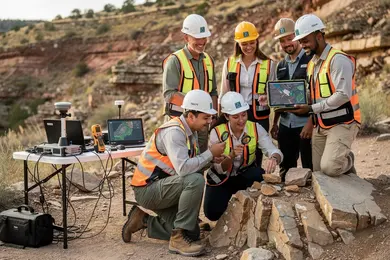
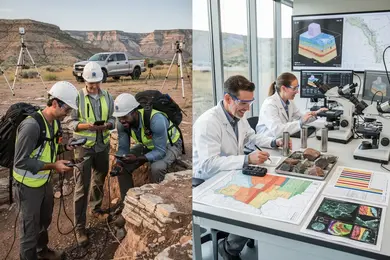
Choosing an online bachelor's degree in geosciences for hydrology careers involves weighing the tradeoffs between flexible study and practical experience. While remote programs effectively deliver core principles such as watershed analysis, groundwater dynamics, and climate impact on water systems, they often lack mandated in-person labs that are essential for mastering hydroinformatics and GIS mapping-skills frequently required by employers in environmental consulting, federal agencies, and municipal water management.
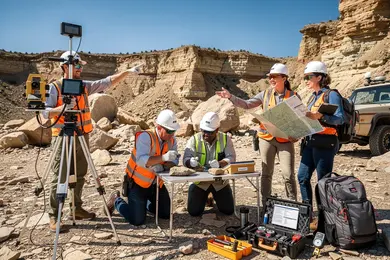
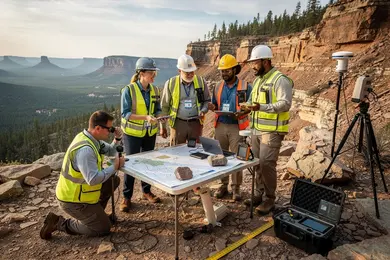
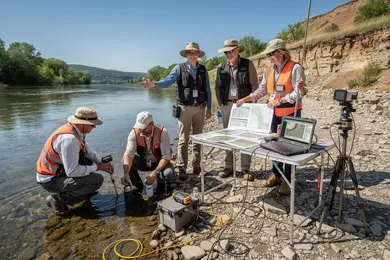
Programs focused on hydrology and water resource management geosciences typically include coursework in fluid mechanics, surface water hydrology, and hydrogeology. However, the absence of hands-on fieldwork in fully online formats means students must proactively secure local internships or cooperative education placements to meet industry expectations and avoid competitive disadvantages in job markets.
Career opportunities span hydrologist, water resource specialist, environmental compliance officer, and disaster management roles, with geoscientists earning a median salary near $99,240 annually. Projected employment growth of 3-4% through 2034 suggests steady demand, but candidates lacking robust practical experience may find advancement challenging.
For working professionals aiming for a career pivot, such as shifting from teacher to speech pathologist, understanding the balance between theoretical knowledge and applied competence is critical. Resources like teacher to speech pathologist guides illustrate the importance of targeted skill acquisition and local field engagement alongside academic credentials.
How do online geoscience programs prepare students for hydrology and water resource careers?
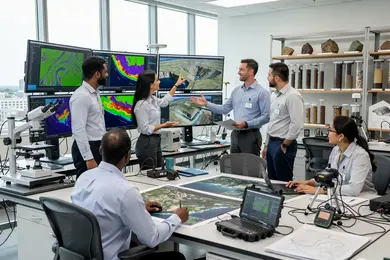
Online geosciences degree programs for hydrology careers require more than theoretical knowledge; they demand mastery of practical tools like GIS, hydrogeology, and watershed management to meet employer expectations in water resource management. These programs simulate real-world conditions through case studies focused on municipal water systems or agricultural irrigation, enabling students to develop scalable solutions compliant with regulatory standards.
Preparing students for water resource management through geosciences involves developing quantitative capabilities such as statistical analysis of hydrological data and remote sensing. This analytical rigor supports evidence-based decisions, field investigations, and interdisciplinary collaboration with engineers and policy experts.
Students must balance remote study challenges, including virtual labs and self-directed problem-solving, with gaining project experience that translates academic learning into local water issues. Employers prioritize candidates who demonstrate this bridge between coursework and field readiness.
The Bureau of Labor Statistics indicates hydrologists earn a median annual wage of $85,990, which can rise substantially to $144,440 for natural sciences managers, reflecting advancement potential in these integrated environmental roles. In applications like floodplain management or hydroelectric planning, these programs equip graduates to influence resilient infrastructure and sustainable resource strategies effectively.
For those assessing pathways including STEM and data skills, exploring the best data science masters may complement geosciences learning by enhancing quantitative and modeling competencies relevant to complex hydrological challenges.
Are online bachelor's in geosciences for hydrology respected and properly accredited?
Accreditation profoundly shapes employability in hydrology-focused geosciences programs by validating curriculum rigor and aligning coursework with industry expectations. Graduates from regionally accredited online bachelor's in geosciences accreditation for hydrology programs ensure their credentials carry weight with employers, particularly those hiring in water resources and environmental management sectors. Regional accreditors such as the Higher Learning Commission provide the necessary vetting that supports licensure eligibility and graduate school acceptance.
Several challenges arise beyond accreditation, especially in replicating hands-on lab experiences or fieldwork through virtual platforms. Students must assess whether an online curriculum offers meaningful exposure to hydrologic modeling software and watershed management, as practical skill gaps significantly affect job readiness. Professionals targeting state-specific licensure in hydrology must align their program choice with those regulatory requirements to avoid costly retraining.
The reputation of accredited geosciences degrees for water careers depends on both institutional rigor and the applicability of technical competencies taught. Entry-level salaries average around $44,800 annually, reflecting steady demand for these skills. However, advancing toward management roles requires demonstration of leadership in natural sciences or water-related projects, which practical education components foster.
Deciding between online and traditional programs hinges on trade-offs in flexibility versus direct mentorship and networking. Those evaluating an exercise science degree online or related fields should similarly weigh how online delivery formats impact skill acquisition and long-term employability.
What courses and concentrations are typically offered in hydrology-focused online geoscience degrees?
Online hydrology concentrations in geosciences degrees prioritize applied skills demanded by employers, balancing theory with field-relevant expertise. Core offerings include surface water and groundwater hydrology, watershed management, and water quality assessment, but real-world roles often hinge on specialized proficiencies such as contaminant transport modeling or regulatory frameworks. Environmental consulting, which hires 35% of graduates, requires nuanced knowledge of hydrogeology alongside data analysis, geographic information systems (GIS), and remote sensing to manage complex hydrologic data effectively.
Students evaluating hydrology and water resource courses in geosciences programs should weigh their intended sector carefully, as government policy positions, comprising 25% of employment, stress water law and resource economics more than technical modeling. Those bypassing GIS or environmental regulations courses frequently encounter setbacks in early career stages.
To bridge academic and professional demands, many programs integrate case studies on watershed projects or flood-risk assessments that simulate real conditions. However, the tradeoff exists between broad theoretical coverage and focused, data-intensive application training that drives employability.
Those considering a strategic pivot or additional qualification may also want to explore a library degree to supplement research and data management skills critical in multidisciplinary geoscience contexts.
How do online hydrology and water-focused geoscience programs compare with on-campus options?
Choosing between online and on-campus hydrology and water-focused geoscience programs involves weighing practical skills acquisition against scheduling flexibility. While online programs provide broad access and theoretical knowledge comparable to in-person degrees, they often shift the responsibility for hands-on training to students, requiring independent sourcing of local internships or fieldwork. This can pose challenges for those lacking a strong local network or living in areas with limited opportunities.
Employers in hydrology and water resource management emphasize applied expertise, including familiarity with field instruments and data analysis software, which on-campus programs integrate through coordinated labs and field exercises. These immersive experiences not only develop technical proficiency but also foster connections with agencies, an advantage seldom matched by virtual formats without significant extra effort.
For working professionals pursuing a career pivot, online study offers flexibility to maintain employment, but it demands proactive planning to secure accessible practical experience. Conversely, recent graduates targeting entry-level positions often benefit more from the structured mentorship and direct industry exposure found in traditional settings.
Students considering online routes should:
- Confirm availability of local practicums through program partnerships or personal networking
- Understand employer expectations for supervised field training in their target region
- Assess whether online offerings align with accreditation and industry standards recognized by environmental agencies and engineering firms
What are the admission requirements for online bachelor's programs in geosciences and hydrology?
Admission into online bachelor's programs in geosciences and hydrology hinges on clear demonstration of academic readiness, typically requiring a minimum GPA between 2.5 and 3.0 and completion of a high school diploma or equivalent. While standardized tests like the SAT or ACT remain necessary for some institutions, an increasing number of programs adopt test-optional policies aligned with recent shifts in higher education standards validated by the National Center for Education Statistics in 2024.
Applicants with prior coursework in math, biology, chemistry, and earth sciences are better positioned to handle the rigor of calculus-based and laboratory-focused curricula. For professionals seeking a career change, challenges in credit transfer can extend time-to-degree and inflate education costs; articulation agreements between community colleges and four-year institutions help mitigate these obstacles by streamlining credit recognition and reducing redundancy.
Balancing flexible online instruction with mandatory fieldwork or internships requires strategic planning. Programs often mandate local practical experiences essential for roles in regulatory agencies or environmental consulting, where hands-on skills are non-negotiable. For example, Southern New Hampshire University offers comparatively affordable online credit hours-around $320 each-making experiential learning financially accessible without compromising quality.
Engaging early with admissions advisors enables tailored guidance that reduces administrative delays and aligns academic plans with workforce requirements essential for hydrology-related employment in government and private sectors.
How long do online geoscience degrees take and what do they cost for hydrology students?
Completing a bachelor's degree in geosciences with a focus on hydrology typically demands a multi-year commitment, where the choice between full-time and part-time study significantly affects duration and career timing. Full-time enrollment usually spans four years, but balancing work and study often extends this to five or six years, delaying entry into higher salary brackets. For example, a working professional pursuing part-time courses might postpone promotions tied to degree completion, impacting long-term earnings.
Tuition costs vary widely: public universities can charge $40,000 to $80,000 for in-state students, while private institutions often exceed $100,000. These figures exclude additional expenses such as fees and course materials, which are especially relevant in fully online or hybrid programs. Financial strategies like employer tuition assistance or accelerated course loads become important considerations for managing cost and reducing time-to-degree.
Labor market data from EnvironmentalScience.org 2025 reveals entry-level salaries in geosciences at $50,130 to $62,090, with mid-career roles offering $80,060 to $103,730 and leadership positions exceeding $103,730. Employer expectations emphasize rigorous technical coursework and internships, extending program length but enhancing employability in water resource management and environmental consulting sectors. Students should weigh these tradeoffs critically, choosing programs aligned with strong industry connections to balance educational investment with practical workforce outcomes.
What entry-level jobs, employers, and career paths can this degree lead to in water fields?
Graduates with an online bachelor's degree in geosciences focused on hydrology enter a narrow but specialized labor market shaped by limited annual graduates and strong practical skill requirements. Entry-level roles like hydrologic technician or water resource analyst are commonly available in federal and state agencies such as the U.S. Geological Survey and Environmental Protection Agency, as well as environmental engineering firms. Employers prioritize candidates proficient in data collection, hydrologic modeling, GIS, and regulatory compliance, with applied experience often distinguishing successful applicants.
Early-career positions typically focus on technical monitoring tasks-such as streamflow data analysis at a regional water management authority-before progression to roles like watershed project coordination, requiring additional certifications and field experience. The scarcity of undergraduate supply relative to growing demand driven by climate change and infrastructure investment results in competition that favors those with internships or integrated hands-on training.
Geographic context also affects job availability and career trajectories. Urban water utilities and federal environmental nonprofits offer different scopes and advancement opportunities, underscoring the importance of location in strategic career planning. Long-term, professionals may evolve toward specialized technical roles like hydrological modeling experts or compliance officers, reflecting the sector's data-driven and regulatory emphasis.
What salary ranges and job outlook can hydrology and water resource graduates expect?
Early to mid-career salaries for hydrology and water resources graduates from geosciences programs vary widely, largely influenced by sector and technical expertise. Graduates entering federal or state environmental agencies often see starting salaries of $60,000 to $75,000, consistent with government pay structures and entry-level roles focused on compliance and monitoring. By contrast, private industry positions, particularly in environmental consulting or water management, typically offer $70,000 to $90,000, with growth closely tied to proficiency in quantitative methods like GIS and data analytics.
The growing demand for combined hydrology and data science skills sets a clear divide in earning potential. For example, data scientists applying advanced modeling to earth and environmental data report median salaries around $100,910, demonstrating a premium on multidisciplinary expertise. Employers recognize that candidates adept in statistical programming and GIS contribute to more efficient project delivery and improved prediction accuracy-key in areas such as climate-adaptive infrastructure or water scarcity management.
Those lacking these cross-disciplinary skills may experience slower income growth and fewer leadership opportunities, particularly outside traditional field roles. Job outlook remains positive with projected growth of 6%-8% for environmental scientists, including hydrologists, through 2032. To remain competitive, candidates should prioritize internships and certifications that sharpen practical data capabilities alongside geoscience fundamentals.
Are there licenses, certifications, or advanced degrees needed for hydrology and water careers?
Licensure and advanced credentials function as strategic filters in hydrology and water careers within geosciences, defining who gains access to specialized roles and leadership tracks. Obtaining a Professional Geologist (PG) license requires a bachelor's degree in geosciences, approximately four years of relevant work experience, and success on the ASBOG exam. This pathway is often non-negotiable for regulatory or consulting positions. Meanwhile, the Certified Hydrologic Professional (CHP) credential targets those focused on water resource management, adding credibility without the extensive time investment of an advanced degree.
Federal agencies such as the US Geological Survey prioritize candidates holding master's or doctoral degrees for technically complex roles like groundwater modeling and climate adaptation, reflecting a tradeoff: specialized research or policy positions typically demand deeper academic qualifications. Industry growth rates-around 3-4% annually-suggest steady demand but intensifying competition, making skill validation crucial.
Key employer expectations extend beyond degrees and licenses to applied skills in GIS, modeling software, and regulatory frameworks. For professionals shifting from related disciplines, the pragmatic step may be licensure or CHP certification rather than an advanced degree, balancing cost and marketability. However, target roles in research or senior science positions usually require at least a master's degree.
Ultimately, pursuing licensure or certification aligned closely with bachelor's degree completion supports long-term career stability and higher salary prospects in a sector increasingly influenced by climate resilience and regulatory complexity.
Other Things You Should Know About Geosciences
Practical fieldwork experience is critical for online geosciences programs focused on hydrology in 2027, as it enhances understanding of water systems and data collection. Many programs offer remote or regional fieldwork opportunities to meet this need, ensuring students gain hands-on skills essential for the field.
Online programs vary widely in delivering software training like GIS, modeling, and data analysis critical to hydrology jobs. Programs relying heavily on theoretical content without embedded applied software modules can leave graduates underprepared for technical tasks. When selecting a program, students should prioritize curricula with dedicated, practical software instruction and ensure access to current tools employers require.
Most programs require at least one year of high school algebra, one semester each of chemistry and physics, and readiness for college-level calculus or precalculus. Some schools also ask for a minimum 2.0 GPA and placement into English composition before enrolling in upper-division hydrology and watershed courses.
Recognition depends on accreditation and the program's industry connections rather than delivery mode alone. Some employers, especially in government and consulting firms, place higher value on traditional degrees or those with strong local reputations. For wider acceptance and mobility, candidates should prioritize programs with regional accreditation and established employer networks relevant to their target area, rather than selecting solely based on convenience.
References
- Water Career Guide - Freshwater Society https://freshwater.org/watercareerguide/
- CourseCareers https://coursecareers.com/blog-posts/15-careers-you-can-start-with-no-experience-or-degree
- Re-Thinking Entry-Level Job Requirements Can Connect Employers With the Right Talent | Generation https://www.generation.org/news/re-thinking-entry-level-job-requirements-can-connect-employers-with-the-right-talent/
- Geology and Environmental Geoscience https://www.uregina.ca/academics/programs/science/geology-environmental-geoscience.html
- Careers in Hydrology - Division of Natural Resources and Sciences https://naturalresources.skc.edu/hydrology/careers-in-hydrology/
- Groundwater | Groundwater industry careers https://www.ngwa.org/advance-your-career/groundwater-industry-careers
- Careers in Hydrology - British Hydrological Society https://hydrology.org.uk/careers-education/careers-in-hydrology/
- Water Resources Careers Outlook - NWF EcoLeaders https://www.nwfecoleaders.org/careercenter/water
- 2,000+ Water Jobs (Updated Today) – Free to Apply https://jobs.watertechintel.com/blog/jobs-in-water-resource-management
- Geology/water resource major https://talk.collegeconfidential.com/t/geology-water-resource-major/1727852