2027 Best Online Geosciences Degrees for Field Research Careers

Co-Founder and Chief Data Scientist
Field researchers aiming to specialize in geosciences often confront the pivotal challenge of accessing rigorous, adaptable education without sacrificing current employment or geographic flexibility. The Bureau of Labor Statistics projects a steady increase in geoscientist roles, yet traditional campus-bound programs offer limited accommodations for mid-career professionals juggling work demands and field assignments.
Online degree enrollment surged 15% between 2022 and 2024 according to the National Center for Education Statistics, signaling expanding access but also greater variability in program quality and hands-on training opportunities. This article evaluates the best online geosciences degrees optimized for field research careers, guiding readers through critical factors shaping effective program selection and career integration.
Key Things You Should Know
- Nationwide labor data from the U.S. Bureau of Labor Statistics show field roles in geosciences require 45% more hands-on fieldwork experience than lab-based jobs, making online degrees with robust field components crucial despite higher costs and extended timelines.
- Employers in sectors like energy and environmental consulting prioritize candidates from programs with integrated GIS and remote sensing training, reflecting a 30% hiring premium for graduates demonstrating applied digital field skills per the American Geosciences Institute.
- Online geosciences programs averaging $40,000-$60,000 impose a tradeoff between upfront expense and access to elite research networks; those lacking synchronous fieldwork modules face measurable employability gaps within the first five years post-graduation.
What is an online geosciences degree and how does it prepare you for field research?
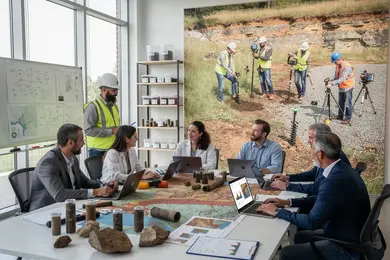
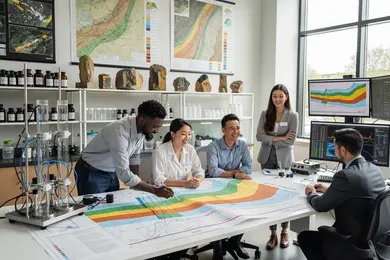
Online geosciences degree programs tailored for field research preparation demand a careful balance of remote theoretical learning and essential practical skill development. These programs often integrate virtual labs and remote sensing simulations to replicate field activities, but most still require in-person residencies or partnerships with local sites to meet employer expectations for applied competence. For instance, a student focused on hydrogeology might analyze groundwater flow models digitally before verifying conclusions during hands-on field sessions, illustrating how these degrees prepare students for real-world conditions.
Employers prioritize candidates who demonstrate both independent use of geospatial tools and sound practical methodologies. This expectation shapes the design of online geosciences degree for field research preparation, emphasizing short-term on-site training despite the program's remote nature. One notable tradeoff lies in scheduling intensive residencies alongside ongoing professional obligations, which calls for strategic planning by students pursuing career pivots.
The U.S. Bureau of Labor Statistics via EnvironmentalScience.org reports a median annual wage of $99,240 for geoscientists, with job growth projected at 3% through 2033, primarily in energy, environmental, and engineering sectors. Prospective students should critically assess program structures for fieldwork integration and employer recognition to maximize the online degree's market relevance. Additionally, exploring other interdisciplinary options like a PhD data science online can complement geosciences expertise by enhancing analytical capabilities in research roles.
Ultimately, how an online geosciences program equips students for field careers hinges on its ability to bridge virtual instruction with meaningful in-person experience, ensuring graduates meet evolving workforce demands without sacrificing practical rigor.
Which accredited online geosciences programs are best for field research careers?
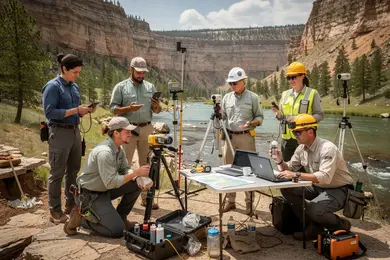
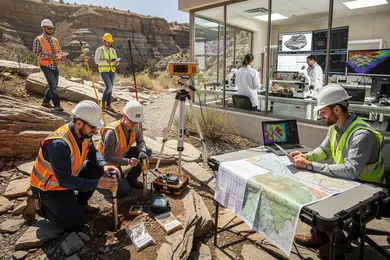
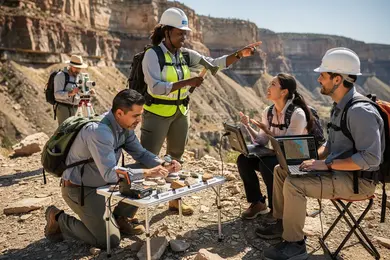
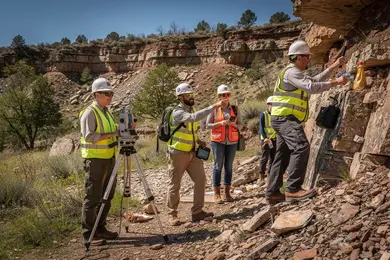
Employers in environmental consulting, natural resource management, and infrastructure development consistently prioritize candidates with hands-on field competence alongside theoretical knowledge. Accredited online geosciences programs for field research careers that integrate supervised local fieldwork or summer schools-such as those at the University of Florida, Oregon State University, and Pennsylvania State University-equip students with practical skills in geological mapping, sample gathering, and data interpretation, bridging the gap that purely remote curricula leave open.
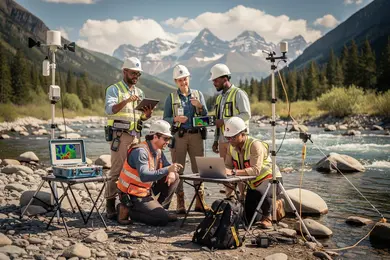
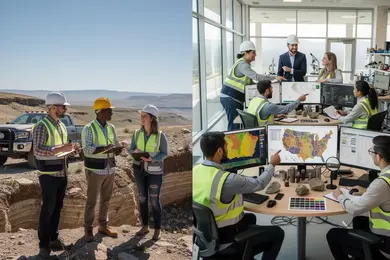
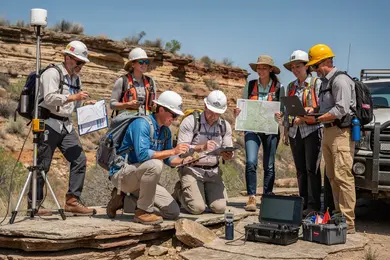
The practical element anchors employability because geoscientists actively engaged in field research spend nearly half their work hours onsite conducting analyses that drive decision-making in climate resilience and resource allocation. Graduates from programs lacking fieldwork exposure face diminished readiness, particularly in climate-impacted or infrastructure-heavy sectors demanding immediate, onsite judgments under variable conditions.
Choosing the best online geosciences degrees with fieldwork opportunities requires verification of accreditation, syllabus emphasis on field assignments, and availability of internships proximal to the student's residence to enable participation without disrupting employment. Programs relying solely on theoretical models or lab simulations restrict applicability in real-world geoscience roles.
Given the International Labour Organization's forecasted 6.3% job growth in environmental and earth sciences through 2030, meeting employer demand hinges on producing field-competent graduates. For those seeking pathways outside conventional STEM routes, exploring online data science programs may offer complementary analytical skill development relevant to resource analytics and environmental modeling.
How does an online geosciences degree compare to an on-campus program for hands-on training?
Online geosciences degree hands-on training comparison reveals a critical gap in practical skill development essential for field-based roles. Unlike on-campus geosciences programs that integrate supervised, immersive fieldwork-mapping, sample collection, and stratigraphic analysis-online options rely heavily on virtual simulations or limited local placements. This often falls short of the depth and variability needed to build confident, independent field competence early in one's career.
Employers in field research consistently prioritize candidates with proven, hands-on field capabilities combined with strong theoretical foundations. In mineral exploration firms, for example, graduates must confidently conduct on-site surveys and operate field instruments without direct supervision-skills cultivated primarily through campus-based labs and multi-day field excursions. While online learners can pursue local internships or shadow experienced professionals, these require geographic flexibility and initiative that many cannot easily accommodate.
Programs blending online coursework with mandatory brief on-campus fieldwork offer a pragmatic middle ground but remain uncommon. The practical training gap influences employability and earning potential; the top 10% of U.S. geoscientists earned above $164,300 annually, underscoring the payoff for early, robust field experience. Prospective students should therefore weigh convenience against the imperative for immersive supervised training embedded in campus programs, especially when planning for roles demanding hands-on expertise.
For students considering parallel options, comparing an online geosciences degree with a computer science degree online may illuminate differences in field research preparation in online versus on-campus geosciences programs and clarify which pathway better aligns with career goals and practical realities.
What courses and specializations in online geosciences programs focus on fieldwork skills?
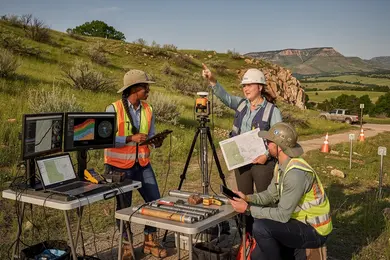
Online geosciences programs with fieldwork training address a fundamental tension: how to deliver practical, on-site skills remotely. Students must navigate logistical challenges such as field site access and equipment availability-issues often resolved by partnerships with local institutions or summer boot camps. These programs integrate core courses like mineralogy, sedimentology, structural geology, and hydrogeology with required field methods, ensuring students engage in hands-on surveys, sample collection, and stratigraphic analysis. Remote sensing, geographic information systems (GIS), and environmental monitoring are included to align with employer expectations of field competence.
Employers typically require graduates to demonstrate over 50 hours of in-person fieldwork to validate skills essential for roles in resource exploration or environmental consulting. For instance, professionals shifting to environmental consulting should seek programs emphasizing soil sampling and water quality assessment, directly relevant to regulatory compliance and remediation roles.
Tuition cost is a notable factor: for example, the University of Florida's 2025 online in-state tuition for a BA in Geology is $129.18 per credit hour, significantly more affordable than traditional on-campus options, creating a more accessible path for acquiring accredited practical expertise.
Prospective students evaluating specializations in geosciences focused on practical field skills should weigh these tradeoffs carefully. Additionally, for those comparing degree options, resources like the MLIS degree online overview can provide context on affordability across disciplines.
What are the typical admission requirements for online bachelor's and master's degrees in geosciences?
Completing an online bachelor's or master's degree in geosciences requires navigating specific academic and logistical challenges that can significantly impact career outcomes. Bachelor's applicants must demonstrate strong preparation in core STEM subjects, typically submitting transcripts with a minimum GPA around 2.5 to 3.0. For master's programs, a relevant undergraduate degree with a GPA above 3.0 is standard, alongside GRE scores, though many programs are easing testing requirements. Practical experience plays a decisive role, especially for professionals seeking roles involving field research or consulting.
Fieldwork expectations introduce geographic and scheduling constraints; employers in environmental consulting and energy sectors expect graduates to show applied lab and field competencies, often necessitating synchronous virtual labs combined with local practicums. These requirements may restrict program eligibility based on a student's location and availability.
Tuition is a critical factor: Southern New Hampshire University charges about $320 per credit for a 120-credit online BS in geosciences, totaling roughly $38,400. While this cost might appear substantial, it represents a fraction of the median lifetime earnings premium-over $1 million-associated with holding a bachelor's versus a high school diploma, according to U.S. Census and Georgetown Center data. This investment aligns with long-term financial and professional gains but requires weighing upfront expense, time, and geographic considerations against potential career impact.
How long do online geosciences degrees take and what do they typically cost?
Completing an online geosciences degree involves strategic time and financial investments that influence employability and skill acquisition. Bachelor's programs typically span three to four years, with accelerated options conditioned on prior credits or an intensified course load. Master's degrees range from 18 months to three years, depending on the learner's capacity to balance part-time study and work commitments. The duration impacts not only academic progression but also timely access to practical, field-based experience essential for job readiness.
Cost structures fluctuate significantly, with bachelor's tuition between $10,000 and $40,000 and master's programs from $15,000 to $60,000, influenced by residency, institutional type, and whether fieldwork expenses are included. Additional investments in specialized equipment or immersive sessions can be necessary, so budgeting should account for these components.
By 2025, online geosciences master's offerings expanded notably, presenting options for working professionals to continue earning while studying. However, programs must be selected with an emphasis on accredited applied components; employers in research-heavy or environmental consultancy roles prioritize candidates with verified practical skill sets. For instance, a mid-career environmental consultant pursuing an M.S. online should anticipate mandatory summer fieldwork to meet these expectations.
- Shorter part-time tracks may accelerate enrollment but risk reduced field immersion and potentially lower starting salaries.
- Full-time paths provide deeper hands-on training but require a longer commitment before workforce reentry.
What field research careers can you pursue with an online geosciences degree?
Online geosciences degrees position graduates for field-intensive roles that blend technical rigor with environmental focus, often requiring significant on-site data collection, sample analysis, and geospatial skills. Careers like environmental technician or hydrologist demand proficiency in GPS mapping and remote sensing, underscoring the necessity of programs that integrate local fieldwork despite primarily remote instruction.
Practical motivation among these graduates often centers on climate change mitigation and habitat restoration; over 40% prioritize environmental protection in their roles. This aligns with employer demand for candidates versed in climate resilience, pollution control, and regulatory frameworks, especially in nonprofit and policy-driven sectors. However, fieldwork logistics-such as gaining site access and navigating seasonal schedules-pose real challenges, necessitating coordination with agencies and community stakeholders.
Tradeoffs arise when balancing the theoretical depth of online coursework with hands-on competencies. Selecting programs affiliated with regional research centers or offering internships stabilizes this balance and enhances marketability. Employers prioritize demonstrated abilities in environmental sampling and geospatial analytics for roles involving impact assessment or climate adaptation.
Considering these factors, prospective students should weigh the degree's fit with their career goals and willingness to manage fieldwork complexities. Those aiming for remote learning must ensure substantial, verifiable field experience to meet workforce expectations and effectively pivot within geosciences domains.
What is the salary potential and job outlook for geoscientists and field researchers?
Geosciences and field research roles in the U.S. present a wide salary spectrum influenced heavily by sector, experience, and geographic location. Median annual earnings hover around $93,000 with a steady 6% growth expected through 2032. Entry-level government roles typically start near $55,000, while seasoned specialists in fields like GIS, hydrogeology, or remote sensing often exceed $120,000, especially within private industry and energy companies.
Online degrees offer pragmatic advantages by lowering upfront costs. Accredited programs can charge under $300 per credit hour, with some public universities offering in-state tuition as low as $112 per credit. This can significantly reduce long-term debt compared to traditional campus-based education, where annual costs may surpass $30,000. However, purely academic credentials rarely suffice; employers prioritize practical skills demonstrated through internships, technician roles, or fieldwork.
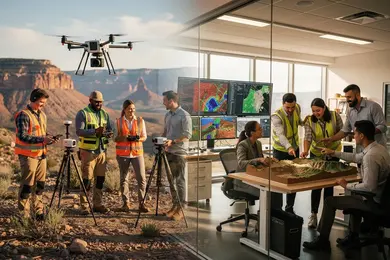
Flexibility from online programs enables students to pursue local opportunities-critical in regions with active mining, environmental agencies, or energy exploration. Credentials like OSHA safety certification, drone piloting, or specialized software proficiency also enhance employability and wage potential. Students must weigh regional industry dynamics and the essential hands-on experience necessary to avoid stalled progress in field research employment.
- Median salary around $93,000 with 6% growth to 2032
- Entry-level salaries from $55,000; experienced roles surpass $120,000
- Online tuition under $300 per credit reduces debt risks
- Practical experience and certifications impact competitiveness
- Local industry demand varies and shapes job prospects
Are licenses or professional certifications required for geoscience and field research roles?
Licenses and certifications in geoscience fundamentally shape the scope and long-term trajectory of a professional's career rather than serving as initial entry requirements. For example, a Professional Geologist (PG) license is essential for roles demanding legal authority over geological assessments, such as independent consulting or environmental compliance oversight. Similarly, positions in oil, gas, and mining sectors frequently require licensure to manage operational safety and regulatory adherence. Employers prioritize proof of competency through accredited degrees coupled with field experience and certifications like the Certified Professional Geologist (CPG), which are not mere formalities but functional benchmarks of practical readiness.
Online geoscience programs increasingly incorporate substantial field components-as seen in 70% of accredited undergraduate curricula-to fulfill industry expectations and licensing necessities. Omitting this practical exposure complicates licensing exam success and diminishes employability in regulated roles.
The absence of licensure narrows job responsibilities and caps salary potential, as many senior or regulatory positions mandate official credentialing. Certification paths demand documented field hours, rigorous exam completion, and continuing education, posing tangible challenges for graduates transitioning from predominantly online study. Prospective students must rigorously check how their programs align with state boards and specific agency requirements.
- Licensure is mandatory for positions involving regulatory sign-off or public safety accountability.
- Field camp integration remains critical despite online coursework proliferation.
- Certification requires sustained investment beyond degree completion.
How can you evaluate and choose a reputable online geosciences program for field research?
Selecting an online geosciences program that credibly supports field research requires weighing the concrete tradeoffs between academic rigor, practical skill acquisition, and workforce alignment. Programs lacking hands-on field components or partnerships with laboratories and field stations frequently underprepare students for the unpredictable realities of geoscience fieldwork. For instance, professionals targeting leadership roles in environmental consulting need mentorship and industry-connected internships that purely theoretical curricula often omit, limiting their network and applied experience.
Faculty credentials must be scrutinized in light of current labor market demand, favoring instructors actively engaged in funded field research or government projects. Reliable workforce data, such as findings from the American Geosciences Institute, indicate long-term employment stability for experienced geoscientists-implying that solid foundational training correlates with sustained career viability in the field.
Flexibility in scheduling should not dilute the integrity or timing of essential field experiences. Programs that accommodate working professionals yet delay hands-on training risk producing graduates who struggle to transition effectively. Reviewing publicly available outcomes data and employer feedback can reveal whether graduates secure roles aligned with field research expectations.
Balanced coursework covering geospatial analysis, field methods, and data interpretation often distinguishes programs that translate well to varied geological environments. Prospective students must assess how these curricula deliver practical competencies critical for real-world application and whether program structures support networking and placement aligned with their specific career trajectories.
Other Things You Should Know About Geosciences
Accreditation is critical for ensuring your degree meets industry standards and is recognized by employers, especially for government and consulting roles. Graduating from a non-accredited program may limit eligibility for professional certifications and reduce job prospects in competitive markets. Prioritize regionally or nationally accredited programs with clear ties to geoscience professional bodies to avoid credential gaps that hinder career advancement.
A bachelor's degree can qualify candidates for entry-level geoscience positions and technician roles, but may limit advancement opportunities where specialized knowledge or project leadership is required. A master's degree often demands a larger time and financial investment but provides deeper technical expertise and increases competitiveness for senior field roles and research positions. Consider willingness to commit to graduate-level workload against long-term earning potential and job responsibility expectations.
A strong online geosciences program should train students in ArcGIS Pro, QGIS, GPS data collection, and remote-sensing tools such as ENVI or Google Earth Engine. Employers also value spreadsheet, mapping, and data-logging skills because field researchers must organize samples, coordinates, and observations accurately.
References
- Geoscience Jobs https://jobs.americangeosciences.org/
- What qualifications should geological service providers have? - Palsatech https://palsatech.fi/what-qualifications-should-geological-service-providers-have/
- What Does the Future Demand Look Like for Applied Geoscientists? https://www.aegweb.org/index.php
- Working Geoscience https://profession.americangeosciences.org/working/
- Geologists: Salary, career path, job outlook, education and more - RaiseMe https://www.raise.me/careers/life-physical-and-social-science/geoscientists/geologists/
- Professional licensure in geological sciences and engineering | University of Nevada, Reno https://www.unr.edu/geology/undergraduate/professional-licensure
- Geosciences https://www.studium.uni-mainz.de/en/choosing-your-degree-program/courses-offered/geosciences_msc/
- Online Geoscience Degrees: Top Schools and All Programs in 2026 https://www.gisdegree.org/online/geoscience-degrees/
- Becoming a P.Geo. https://www.geoscientistscanada.ca/becoming-a-p-geo.php/1000
- Best Online Geoscience Courses and Programs | edX https://www.edx.org/learn/geosciences