2027 Energy and Natural Resources Roles You Can Target With a Geosciences Degree

Co-Founder and Chief Data Scientist
Facing a rapid shift toward energy transition, geosciences graduates must navigate evolving employer priorities that now fuse traditional resource extraction expertise with emerging renewable and sustainability mandates. The U.S. Bureau of Labor Statistics projects a 15% increase in demand for environmental and earth science technicians by 2032, underscoring the need for flexible skills adaptable across fossil fuels, critical minerals, and geotechnical consulting.
Simultaneously, nearly 40% of postsecondary students pursue part-time or online study according to the National Center for Education Statistics, reflecting changing enrollment patterns that influence how and when professionals enter or advance in this sector. This article outlines key energy and natural resources roles suitable for those with geosciences degrees and offers actionable guidance for aligning educational choices with career trajectories amid these market complexities.
Key Things You Should Know
- Federal energy sector forecasts a 12% employment growth by 2031, yet shifting toward renewables demands geosciences graduates acquire both petroleum and environmental modeling skills, limiting specialization depth for early-career entrants.
- Employer surveys from the U.S. Bureau of Labor Statistics show 65% of geoscience roles require multi-disciplinary expertise, pressuring candidates to balance advanced technical training with cross-sector adaptability expectations.
- Graduate program costs average 25% higher in integrated geosciences-energy curricula, prolonging return on investment periods beyond five years, which may deter mid-career professionals needing rapid role transitions.
What energy and natural resources jobs fit a geosciences degree?
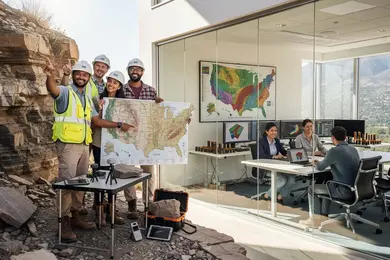
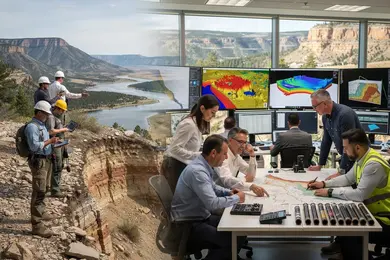
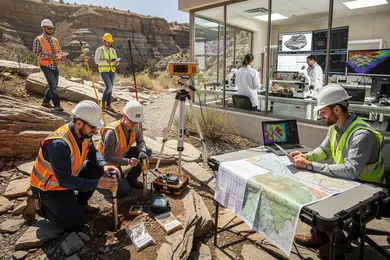
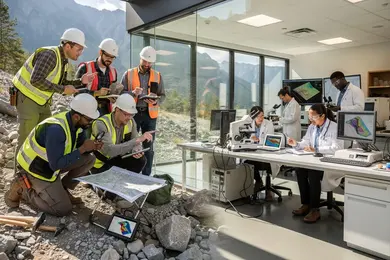
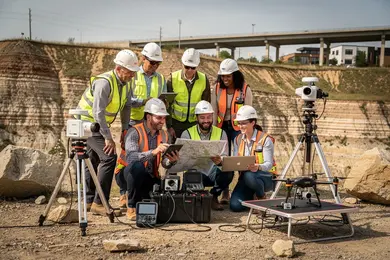
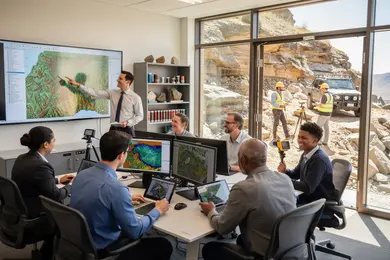
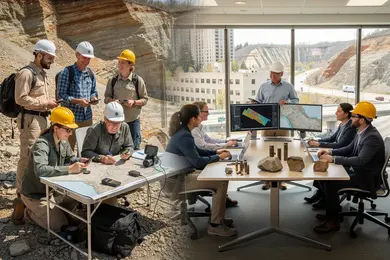
Energy sector careers for geosciences graduates demand more than theoretical knowledge; they require tangible experience in data interpretation, remote sensing, and geographic information systems (GIS). Practical proficiency often distinguishes candidates, with many employers valuing internships or cooperative education as essential preparation. Mining, quarrying, and oil and gas extraction report the highest median salaries, underscoring the premium on applied geological expertise in these sectors. For example, petroleum geologists must master seismic data analysis and geological modeling to assess subsurface formations effectively, which contrasts with the groundwater focus of hydrogeologists who contribute to sustainable water management and environmental compliance.
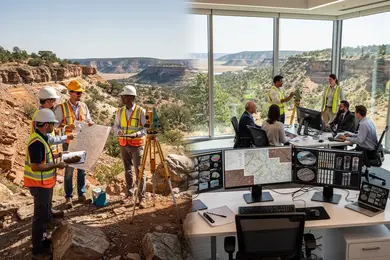
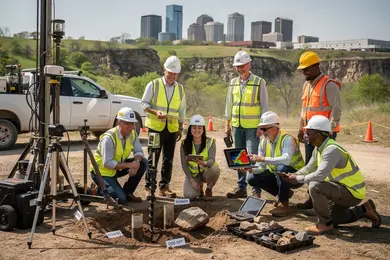
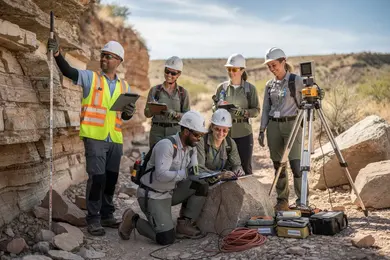
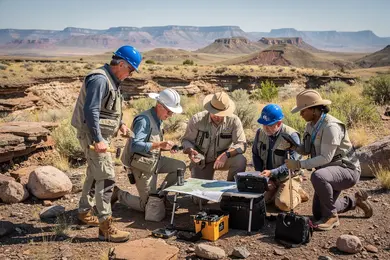
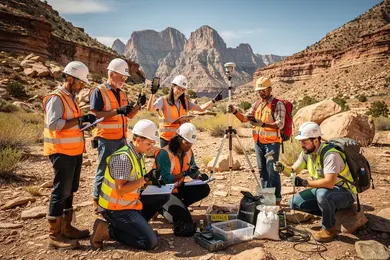
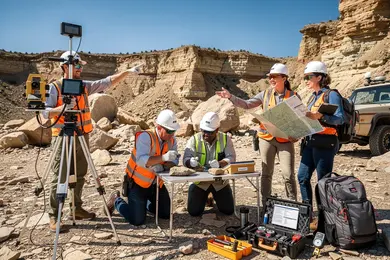
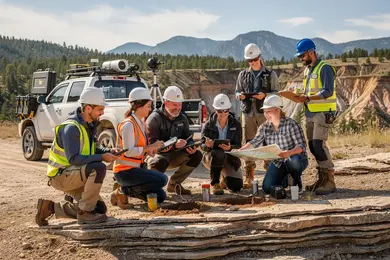
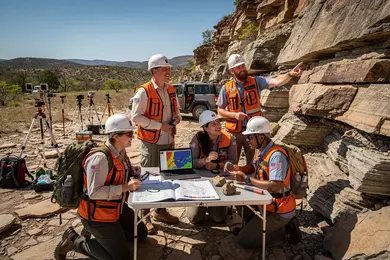
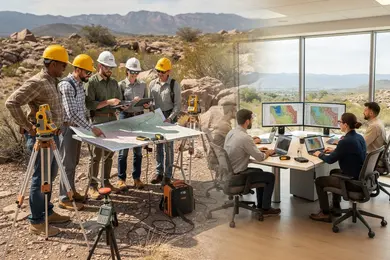
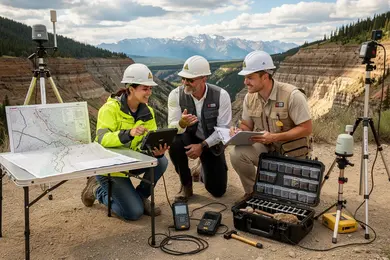
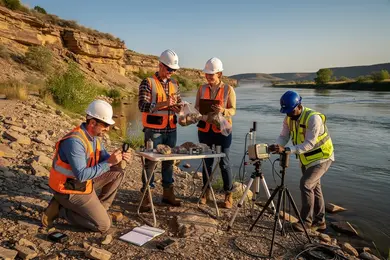
Natural resources roles suitable for geoscience degree holders frequently entail extensive fieldwork that demands physical stamina and adaptability to remote or challenging environments. A mining geologist's routine might involve weeks on-site collecting samples and conducting mineral analyses, differing markedly from the largely desk-based work typical in environmental consultancy.
Professionals should also consider the cyclical nature of the natural resource sector, where commodity price volatility and regulatory shifts can materially impact job stability and long-term career planning. U.S. Bureau of Labor Statistics data cites a median geoscientist salary of $99,240, reflecting the sector's financial viability but highlighting the need for continuous skill adaptation as energy portfolios incorporate renewables and environmental stewardship increasingly influences operational priorities.
Those weighing educational pathways would benefit from additional insights on related workforce trends and job market realities found in resources such as jobs with elementary education and environmental science degree, which offer context relevant to geosciences career pivots and advances.
What geosciences coursework prepares you for energy careers?
Selection of energy sector geosciences coursework demands weighing foundational knowledge against evolving industry needs. Core subjects like stratigraphy, sedimentology, structural geology, and petrophysics remain essential for hydrocarbon exploration and reservoir characterization. However, graduates must also develop practical skills in seismic interpretation and geophysics to analyze subsurface structures, tasks increasingly relevant not only in fossil fuel extraction but also for emerging carbon capture, utilization, and storage (CCUS) initiatives.
Students pursuing a natural resources career preparation with geosciences degree should recognize geographic and sectoral tradeoffs. For example, programs concentrated on petroleum geology may inadequately prepare candidates for renewable energy roles or geothermal development without coursework in hydrogeology and thermal modeling. Inclusion of applied mineralogy, geochemistry, and advanced data analytics supports versatility by aligning technical competence with employer expectations for managing complex, multidimensional geoscience datasets.
Labor market projections indicate over 1,500 job openings for Canadian energy sector geoscientists from 2022 to 2035, showing growth driven by low-carbon technologies. Addressing regional energy focus and integrating cross-disciplinary elements such as environmental regulations enhances workforce adaptability, reducing transition barriers. Candidates must prioritize programs balancing theoretical frameworks with hands-on field and lab experience to meet the practical readiness employers require.
For those weighing educational investments, comparing tuition and fees across related fields can inform decisions. For instance, information on the best online animal science degree offers a benchmark for considering program costs and value within applied science curricula.
Is an online geosciences degree respected by employers?
Employer recognition of an online geosciences degree depends heavily on accreditation, direct application of skills, and tangible industry experience. In energy sectors, such as geothermal development-which expanded by over 3% globally between 2022 and 2023-hiring managers prioritize candidates with validated skills in subsurface data analysis and field applications. A theoretical online curriculum alone rarely suffices; for example, a geothermal project in California's Imperial Valley demands specific subsurface modeling competencies that must be supplemented with internships or hands-on certifications to remain competitive.
Graduates face a practical challenge in overcoming skepticism about remote learning's limits by actively pursuing fieldwork or projects that demonstrate proficiency with industry-standard software and data interpretation tools. This is particularly relevant for professionals evaluating the value of online geosciences degrees in the energy sector, where employers seek measurable expertise beyond coursework.
Balancing the convenience of remote study against real-world experience requires a strategic approach: combining accredited online programs with targeted in-person opportunities enhances employability in areas like mineral exploration and environmental consulting. Candidates should critically assess online curricula and proactively pursue complementary experiences.
For students considering interdisciplinary options or related fields, resources about exercise science degrees may offer insight into structuring a practical education with high workforce relevance.
Which geosciences specialties lead to the best job opportunities?
Job prospects in hydrology and petroleum geology reflect enduring stability and demand within energy sector careers for geosciences graduates, shaped largely by practical workforce dynamics rather than broad market optimism. Hydrologists maintain consistent need through groundwater management roles, supported by a median annual pay of $92,060 and job growth driven by retirements and steady replacement, according to the U.S. Bureau of Labor Statistics. This steadiness offers a buffer against automation risks and cyclical downturns common elsewhere in natural resources job opportunities in the United States.
Petroleum geologists, while encountering volatile demand aligned with commodity price fluctuations, still find solid opportunities in states with active extraction industries. The practical tradeoff involves potential geographic relocation and exposure to boom-bust cycles that come with fossil fuel markets, challenging graduates to weigh regional flexibility and long-term sustainability in their career planning.
Environmental geoscientists must navigate increasingly complex regulatory environments and multidisciplinary expectations, requiring ongoing skill development in chemistry and compliance. Meanwhile, geospatial analysts combine geosciences with data science, reflecting a growing segment of natural resources job opportunities in the United States focused on digital tools for renewable energy and hazard mitigation.
Choosing optimal educational paths depends on balancing technical mastery, geographic flexibility, and interdisciplinary proficiency. Candidates should consider how specialized training aligns with employer expectations and evolving market demands. For those considering a pivot or enhancement, aligning with recognized credentials such as a mechanical engineer degree can sometimes complement geosciences skills in integrated energy and infrastructure sectors.
What accreditation should you look for in a geosciences program?
Graduating from an ABET-accredited geosciences program fundamentally shapes workforce readiness and long-term career mobility in energy and natural resources sectors. Employers explicitly seek candidates from programs where curricula uphold ABET's standards in stratigraphy, geochemistry, and geostatistics-key for roles in mineral exploration and environmental compliance. For instance, mineral resource companies aligned with U.S. Bureau of Labor Statistics forecasts anticipate about 20,000 new geoscience positions emphasizing data proficiency and regulatory adherence.
Programs lacking ABET accreditation frequently leave critical gaps, requiring additional remediation and limiting eligibility for licensure such as the Certified Professional Geologist (CPG) credential. This credential pathway mandates graduation from accredited curricula, making accreditation central not just for initial hiring but for advancing professional certification.
State regulations in oil, gas, and mining sectors reinforce the importance of accredited degrees since noncompliant credentials can delay employment or license acquisition. Prospective students must weigh potential costs and employment barriers tied to non-accredited programs, especially when targeting specialized roles like reservoir characterization or environmental remediation.
Key decision points include:
- Prioritizing ABET accreditation to align with employer expectations and licensing requirements.
- Understanding that non-accredited programs may create costly delays or restrict job eligibility.
- Recognizing the increasing demand for technically proficient geoscience professionals meeting rigorous standards.

What admissions requirements do geosciences degree programs usually have?
Admission to geosciences degree programs hinges on demonstrated competency in core STEM subjects, primarily algebra, geometry, chemistry, and physics, reflecting employers' preference for candidates with strong analytical and technical foundations. A minimum GPA around 3.0 on a 4.0 scale is a common threshold, serving as a proxy for readiness to manage complex scientific content. While standardized tests such as the SAT or ACT remain factors, their impact varies by institution and shifting admissions policies.
Applicants gain an edge by presenting personal statements that tie their academic background to real-world environmental challenges or earth science issues. For example, environmental scientists with geosciences expertise face an estimated 4% job growth through 2034 and earn median wages around $80,060, indicating steady demand within sectors reliant on sustainable resource management.
- Recommendation letters from science educators validate both aptitude and commitment essential to success.
- Programs may require placement exams or supplemental courses for gaps in lab experience or foundational knowledge, affecting time and cost.
- Internships or relevant extracurriculars provide practical exposure that enhances employability and skill application.
Choosing accredited programs aligns with eligibility for federal aid and eases certification pathways sought by employers in natural resources and energy fields. Students should weigh how preparatory requirements might delay entry versus immediate workforce participation, balancing educational rigor against practical constraints.
How long does a geosciences degree take to finish?
Completing a bachelor's degree in geosciences usually takes four years of full-time study, serving as the fundamental requirement for entry into energy and natural resource sectors. Choosing accelerated or part-time options may alter this timeline but often compromises essential hands-on field experience and networking opportunities that employers rank highly.
For example, a student targeting renewable energy roles such as wind or solar development should expect this four-year timeline as minimal, given the necessity for strong foundations in geology, geophysics, and environmental science critical to site assessments and resource evaluations.
Advanced positions commanding salaries from $92,000 to $150,000 typically demand further specialization through graduate education, commonly two additional years for a master's degree. This extension is strategic for gaining expertise in low-carbon or technical leadership roles but increases total education length to around six years.
Key considerations include:
- Additional prerequisite coursework may add 1-2 years for learners without core science backgrounds, delaying degree progress.
- Insufficient fieldwork and internship sequencing within programs can postpone employability or lead to dependence on post-degree certifications.
- Selection of rigorous, up-to-date curricula aligned with energy transition trends improves employability and reduces time lost on outdated topics.
Employers scrutinize prolonged study timelines without demonstrable practical outcomes, especially in energy transition roles, underscoring the importance of efficient program planning tailored to workforce demands.
What certifications help geosciences graduates in energy roles?
Professional certifications shape hiring decisions for geosciences graduates pursuing energy sector roles by validating specialized expertise and meeting employer prerequisites. For example, the Certified Petroleum Geologist (CPG) credential signals practical proficiency critical in hydrocarbon exploration, a sector where employers prioritize verified skills to reduce hiring risk. Similarly, a GIS certification like the GIS Professional (GISP) credential serves as a benchmark for roles requiring spatial data competency, aligning with a 6% projected job growth and a median annual wage near $78,380 as per U.S. Bureau of Labor Statistics data.
Energy employers also expect certifications addressing regulatory compliance and safety, such as HSE (Health, Safety, and Environmental) and Certified Environmental Professional (CEP) credentials. These verify familiarity with environmental laws and risk management, critical in operational and field-based functions. However, acquiring multiple certifications demands time and applicable work experience, presenting a barrier for recent graduates seeking to enter the market swiftly.
Choosing which certifications to prioritize necessitates weighing immediate labor market demand against longer-term flexibility. Proven GIS and petroleum-focused credentials tend to offer clearer pathways to initial hiring and mid-level advancement. Without such certifications, candidates risk restricted mobility and slower salary progression in an industry where credentialing increasingly defines professional legitimacy.
- CPG designation highly valued in exploration and production roles
- GIS certifications support data analysis and spatial roles with growing employment
- HSE and CEP credentials reflect essential regulatory and safety knowledge
- Tradeoffs between time invested and market relevance should guide certification priorities
How much do energy geoscience jobs pay?
Energy geoscience salaries in 2026 show clear stratification influenced by sector, skillset, and location. Entry-level roles in oil and gas start near $75,000, but specialization-especially in reservoir modeling or seismic interpretation-can push compensation beyond $120,000 within five years. Public sector and environmental consultancy positions generally offer lower pay, between $70,000 and $95,000, often compensating with greater job stability and benefits.
Technical proficiency significantly drives earning potential. Mastery of 3D seismic software, data analytics, and subsurface geology is often non-negotiable for employers prioritizing efficiency and project success. For instance, a geoscientist applying geospatial analysis to renewable energy projects may face different labor market dynamics and salary ranges than one focused on fossil fuel exploration.
Employment growth is moderate-projected at about 3% from 2024 to 2034-covering diverse sectors like government, policy, and non-profit. This variety demands adaptability but entails tradeoffs: steady public roles versus cyclical industry jobs tied to commodity prices.
Advanced degrees deliver a tangible salary premium of $10,000-$20,000, yet geographic mobility remains a critical consideration for maximizing salary and opportunity. Candidates pursuing industry roles should anticipate volatility aligned with market cycles, underscoring the importance of strategic credentialing and skill development for long-term career resilience.
What is the job outlook for geosciences careers in energy?
Geosciences careers in energy show steady demand, shaped by a shift toward renewable energy and critical mineral exploration. The U.S. Bureau of Labor Statistics projects a 5% job growth from 2023 to 2033, adding about 1,400 positions to the existing 26,000. This growth reflects a balance between stable oil and gas operations and the gradual expansion of clean energy projects.
Employer expectations hinge on specialized technical skills. Candidates with expertise in data analysis, subsurface modeling, GIS, remote sensing, and machine learning are more competitive. For example, a geoscientist at a solar farm must apply geospatial data differently than one analyzing seismic data for oil extraction, demonstrating the need for adaptive, sector-specific proficiencies.
Financial and career stability tradeoffs are notable. Traditional fossil fuel roles often offer higher initial salaries but are vulnerable to market volatility and regulatory shifts. Renewable energy positions may present lower immediate compensation but promise greater resilience as policies push decarbonization. This requires professionals to evaluate their willingness to pivot skill sets and networks-from petroleum geology to battery mineral exploration-when choosing educational pathways.
Internships and hands-on projects that integrate these advanced tools significantly improve employability amid moderate sector growth. Career growth is likely to concentrate on environmentally focused projects and innovative resource development, demanding continuous skill upgrades and strategic program choices.
Other Things You Should Know About Geosciences
In 2027, geosciences graduates can pursue roles such as petroleum geologist, renewable energy consultant, and environmental scientist. These roles involve analyzing geological data, advising on sustainable energy practices, and assessing the environmental impact of energy projects.
Credentials that employers value include the Certified Petroleum Geologist designation from the American Association of Petroleum Geologists and the Professional Geologist license in states that require it. For environmental and natural resources work, OSHA HAZWOPER training and ArcGIS certification can strengthen applications and support field and data-focused roles.
Employers increasingly emphasize practical skills, including proficiency in software like GIS, seismic interpretation tools, and data analytics over purely theoretical knowledge. Programs that embed real-world problem solving, internships, and team-based projects better align with job requirements. Carefully evaluate curricula for these elements rather than solely academic prestige to ensure your degree meets actionable skill standards in energy and natural resource sectors.
Yes, pursuing supplementary certifications in areas such as drilling technology, environmental compliance, or software specialization accelerates career progression and salary potential. A degree provides foundational knowledge but often lacks the applied competencies employers demand for leadership or specialized technical roles. Prioritize certifications aligned with your target employer's sector and regional energy resource focus for maximum return on investment.
References
- Study Geosciences in Germany - My GUIDE https://www.myguide.de/en/study-mathematics-natural-sciences-in-germany/study-geosciences-in-germany/
- Salary Information https://www.geolsoc.org.uk/Geology-Career-Pathways/Careers/Salary-Information.html
- Geoscience - Careers in Natural Resources Initiative https://nrcareers.org/find-your-fit/geoscience/
- 15 Best Certifications for Geologists in Nigeria (2026â2026 Guide) | Profolio https://www.profolio.ng/geologist/best-certifications
- Why I got a degree in Geoscience – and how it prepared me for a career in the Energy Transition https://geoscienceforthefuture.com/why-i-got-a-degree-in-geoscience/
- Geology Jobs: 300+ jobs for Geologists & Earth Sciences https://www.gogeogo.com/en/job-category/geology-jobs
- What Does the Future Demand Look Like for Applied Geoscientists? https://www.aegweb.org/index.php
- Geoscience Careers https://education.americangeosciences.org/resources/geoscience-careers/
- Education Requirements https://www.americangeosciences.org/licensure/education/
- Online Geoscience Degrees: Top Schools and All Programs in 2026 https://www.gisdegree.org/online/geoscience-degrees/