2027 Best Online Geosciences Degrees for Climate Science Careers

Co-Founder and Chief Data Scientist
Professionals seeking to pivot into climate science face a critical bottleneck: how to gain specialized geosciences expertise without pausing their careers or relocating. The U.S. Bureau of Labor Statistics projects a 7% growth in environmental scientist roles by 2032, intensifying competition for limited spots in top programs. Meanwhile, a 2024 National Center for Education Statistics report highlights that adult learners enrolling in online degrees increased by over 20% since 2020, emphasizing demand for flexible learning that accommodates work and family obligations.
This article evaluates the best online geosciences degrees tailored to climate science, focusing on program accessibility, rigor, and direct career impact to guide strategic educational decisions.
Key Things You Should Know
- Online geosciences degrees with integrated climate modeling tools show a 20% higher job placement in energy and environmental sectors, but limited fieldwork exposure creates skill gaps employers flag in practical roles.
- Employers increasingly require proficiency in GIS and remote sensing; programs lacking rigorous software training result in 15% lower starting salaries per National Science Foundation labor reports.
- Median total cost for accelerated online geosciences climate tracks surged 12% from 2023 to 2025, constraining part-time professionals balancing upskilling and income, with ROI delayed beyond five years per BLS data.
What is an online geosciences degree and how does it prepare you for climate science careers?
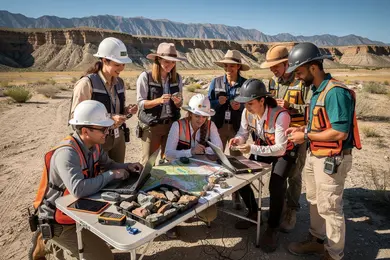
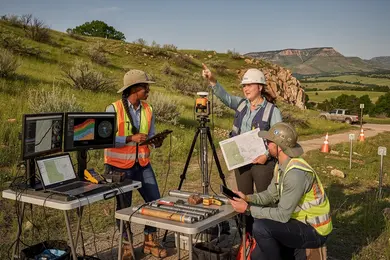
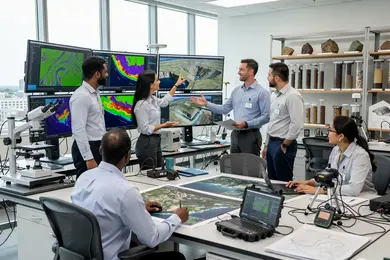
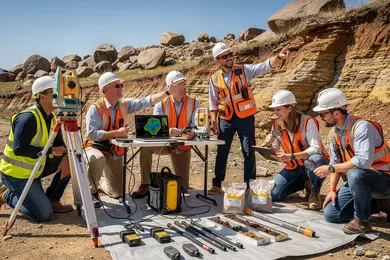
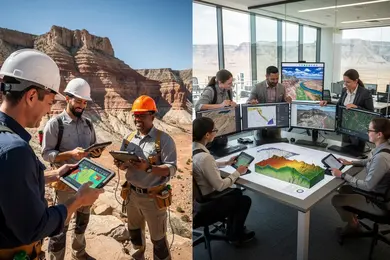
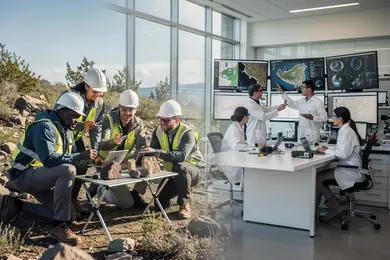
Choosing an online geosciences degree involves weighing practical constraints against workforce demands specific to climate-related roles. These programs equip students with technical expertise in earth systems, meteorology, and environmental monitoring, often emphasizing remote sensing and geospatial technology to mirror real-world conditions where physical fieldwork is limited. For working professionals targeting climate science jobs, this online format offers flexibility to maintain employment while advancing qualifications, but students must proactively secure local internships to compensate for reduced hands-on opportunities. This dynamic exemplifies a key tradeoff in online learning models.
Employers increasingly seek candidates with proficiency in geographic information systems (GIS), climate modeling, and statistical analysis-skill sets routinely embedded in accredited online curricula. Graduates prepared this way are better aligned with roles in climate impact assessment, resource management, and policy advising. The U.S. Bureau of Labor Statistics projects a 3% growth in geoscientist employment from 2023 to 2033, underlining steady demand. Meanwhile, the median annual wage of $99,240 reflects competitive compensation compared to overall occupational medians, reinforcing the degree's market relevance.
Considering an educational pathway into geosciences, some prospective students also evaluate interdisciplinary options like an online doctorate data science, which can complement climate-focused geosciences skills with advanced analytics. Such decisions require balancing curriculum focus, career objectives, and the operational realities of skill acquisition for climate science roles.
Which accredited online geosciences programs are best for specializing in climate science?
Employers in environmental agencies require candidates trained in accredited online geosciences degrees for climate science specialization that combine regulatory knowledge with applied data analytics. Programs integrating EPA-recognized coursework alongside satellite remote sensing and climate systems modeling prepare professionals to meet federal compliance and climate risk assessment demands. Without such specialization, shifting into roles focused on environmental policy or climate impact can face barriers or delayed entry.
Top online geosciences programs focused on climate science careers typically balance asynchronous coursework and synchronous labs to accommodate working professionals, while maintaining rigorous accreditation such as ABET. Self-paced formats lacking applied research or capstone projects tied to mitigation efforts often fall short in relevancy and employability.
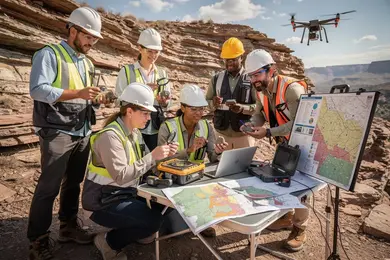
Program quality also hinges on faculty expertise and access to practical tools including Geographic Information Systems (GIS) and carbon cycle modeling. These competencies are increasingly essential for careers in nonprofits, energy sectors, and government. The U.S. Bureau of Labor Statistics projects 6% growth for environmental scientists through 2032, with roughly 6,900 annual openings, emphasizing the advantage of data-driven climate science skills in a competitive market.
Prospective students should scrutinize how programs deliver hands-on experience and track graduate outcomes in climate science roles. Industry advisory boards that update curricula based on evolving climate policies ensure alignment with workforce needs. For those evaluating graduate options, considering flexible formats and relevant skill sets alongside practical employment data is critical.
For comparison, exploring online data science masters can provide complementary analytical skills supporting climate modeling and predictive analysis in geosciences contexts. Online data science masters often serve as valuable adjuncts for professionals aiming to deepen quantitative competencies relevant to climate research and policy design.
How do online geosciences degrees compare with on-campus programs for climate science training?
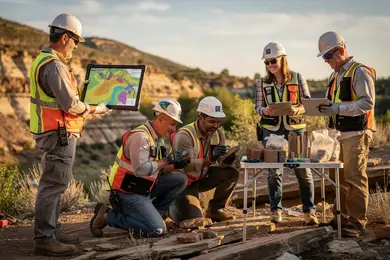
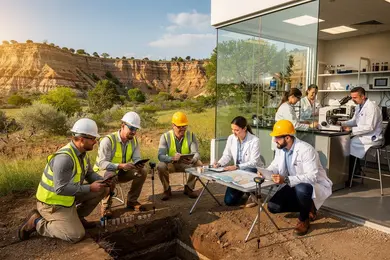
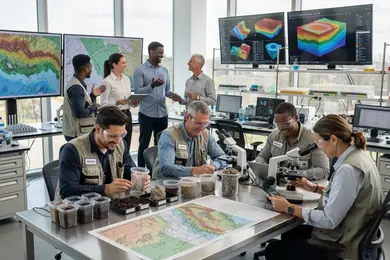
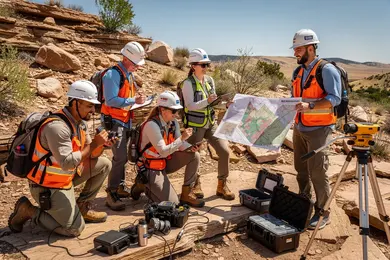
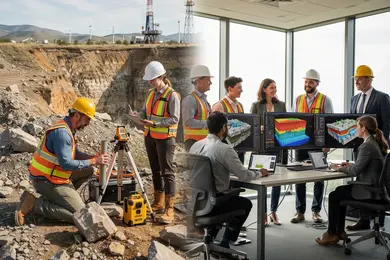
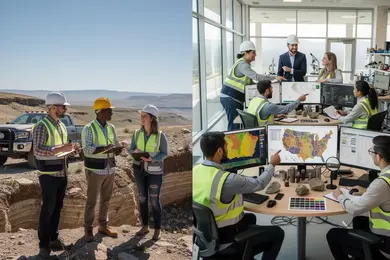
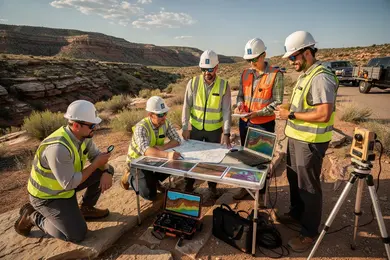
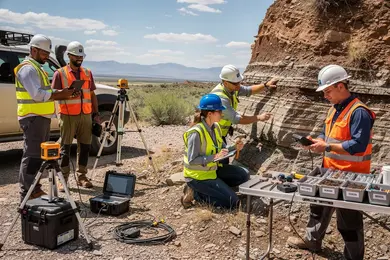
When assessing online geosciences degrees versus on-campus programs for climate science, a critical difference lies in the availability and structure of fieldwork training. Online programs deliver strong theoretical and virtual laboratory experiences in climate modeling and data analysis but typically require students to independently secure local fieldwork, a step essential for professions demanding tangible field skills. On-campus programs embed supervised field courses, producing graduates better prepared for applying geoscientific methods directly in environmental consulting and resource exploration roles.
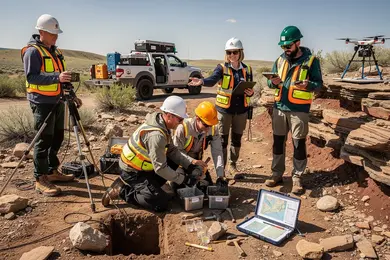
Employer hiring patterns favor verified field experience, notably for natural sciences management and geoscientist positions, where median salaries range from $107,800 to $139,680 (U.S. Bureau of Labor Statistics). Online students must be proactive, confirming whether their program offers partnerships with regional research entities or facilitates internships to remain competitive. This practical component is often the pivotal factor separating candidates in actual hiring decisions.
Comparing remote and in-person geosciences education for climate careers means weighing professional objectives against life circumstances. For example, working professionals aiming for a career pivot value online degrees' flexible delivery but need to augment learning with employer collaboration or regional fieldwork. Conversely, recent high school graduates targeting intensive research or government roles often require the immersive, hands-on environment that on-campus pathways provide.
Students evaluating their options should focus less on delivery mode and more on fieldwork support, employer reputation, and measurable alumni outcomes. Career trajectories in geosciences increasingly demand applied skills beyond virtual instruction, challenging candidates to seek opportunities beyond the classroom. Those interested in interdisciplinary applications may also explore an online degree in exercise science as a complementary skill set.
What courses and concentrations in online geosciences degrees focus on climate science and sustainability?
Online geosciences degree programs with climate science concentrations cater to a growing need for expertise in climate resilience and sustainability while balancing cost and accessibility challenges. Curriculums emphasize atmospheric sciences, environmental geology, hydrology, and GIS, equipping students with analytical skills to interpret climate data and model environmental impacts. Specialized tracks like climate risk assessment and sustainable land use planning align closely with employer demand for professionals who can manage complex, real-world climate adaptation projects.
For example, environmental consulting firms often seek graduates capable of translating climate models into actionable advice for infrastructure development compliant with evolving sustainability policies. These programs provide experience with datasets and simulation tools vital for positions in federal climate initiatives or private-sector sustainability roles. Professionals versed in GIS and climate adaptation fulfill a critical market demand for precise scenario modeling and policy advisory.
Cost remains a decisive factor, with online programs like Southern New Hampshire University's BS in Geosciences charging roughly $320 per credit hour, making a 120-credit degree approximately $38,400-significantly less than on-campus options such as Florida Atlantic University, where out-of-state tuition can surpass $85,000. This price disparity opens pathways for working adults and those balancing family commitments. Since many employers prioritize demonstrable skills and project experience over institutional reputation, these best online geosciences courses focused on sustainability and climate change offer a practical, affordable route for career pivots in the field.
Those considering technical paths may also explore related options, such as an online electrical engineering degree for military veterans, which shares some analytical and systems modeling competencies useful in environmental technology applications.
What admission requirements and prior coursework do online geosciences programs typically expect?
Entry into online geosciences programs aimed at climate science roles demands robust quantitative foundations, particularly in calculus, chemistry, physics, and introductory geology. Applicants lacking these are often required to complete prerequisite courses, which can delay progress and complicate scheduling when combined with online learning. Admissions committees prioritize candidates demonstrating practical scientific reasoning rather than solely theoretical aptitudes, reflecting employer preferences for applied problem-solving capabilities.
Applicants with professional experience in environmental consulting or related fields may leverage practical data analysis skills to offset gaps in formal coursework, illustrating a growing trend where experiential credentials complement or substitute traditional academic prerequisites. This approach aligns with the expanding availability of 75 master's programs in geoscience and 16 in climate studies nationwide, emphasizing flexible, practice-oriented education paths.
GRE requirements vary, commonly waived for applicants holding advanced degrees or significant work history, while analytical and project management skills highlighted through recommendation letters remain key differentiators. A statement of purpose that clearly ties previous education and real-world experience to climate science career intentions significantly strengthens applications.
Ultimately, candidates must navigate logistical challenges, including remote coordination of internships and prerequisite completion, which require selecting programs offering structured advising to mitigate risks of extended time-to-degree and ensure workforce readiness.
How long do online geosciences degrees take, and what do they cost for climate-focused students?
Climate-focused geosciences degrees require careful timing and financial planning due to varying program lengths and costs. Bachelor's degrees typically span 2 to 4 years, influenced by transfer credits and course loads, with full-time students averaging 4 years. Master's programs, especially those targeting climate specialization, often need 1 to 3 years, with some accelerated paths demanding intense, full-time study to master areas like hydrology and atmospheric sciences.
Cost structures differ notably between public and private institutions, with bachelor's degrees ranging from $12,000 to over $40,000 and master's programs from $15,000 to $50,000. Working professionals must balance tuition with potential financial aid, employer reimbursement, and unadvertised expenses such as software or fieldwork. These hidden costs can complicate budgeting and extend time to completion.
The job outlook informs program selection: the U.S. Bureau of Labor Statistics projects 14.1% growth for geoscientists and 10.4% for hydrologists, emphasizing demand for candidates who combine foundational geosciences knowledge with climate analysis skills. Employers increasingly seek such dual competencies, particularly in regions facing acute climate issues like Southwestern water scarcity.
Flexibility is critical for those shifting careers while maintaining employment. Choosing programs with customizable pacing and relevant practicum components allows concurrent work. Students should also consider how curriculum rigor aligns with local or sector-specific climate challenges, ensuring education translates into tangible workforce advantages.
What climate science careers can you pursue with an online geosciences degree?
Online geosciences degrees link directly to climate science roles demanding strong technical expertise in earth systems and spatial analysis. For instance, environmental consultants utilize satellite and sensor data to crucially advise on regulatory compliance in construction, where remote work and data modeling skills are immediately applicable to managing climate risks.
Beyond entry-level roles like climate data analysts in research institutions or government agencies, specialization in geophysics or hydrogeology opens pathways into renewable energy, groundwater management, and carbon sequestration-fields requiring proficiency with advanced simulation tools and field data integration. These competencies often define the practical value of accredited online programs tailored for working professionals balancing study with career demands.
Salary data from the US Bureau of Labor Statistics shows early-career earnings averaging $42,027, with top earners nearly doubling that, underscoring that outcomes depend heavily on domain focus and skill acquisition. Remote internships or cooperative education remain key challenges, yet are vital to developing employer networks and gaining applied experience critical in regulatory contexts such as EPA or NOAA climate resilience planning.
Candidates must weigh program structure carefully, prioritizing those offering thorough analytical training and virtual alternatives to fieldwork, as this combination supports qualification for roles directly influencing climate adaptation and mitigation strategies.
What is the salary potential and job outlook for geoscientists working in climate science fields?
Geoscientists in climate-related roles face a wide salary range, typically between $60,000 and over $100,000, heavily influenced by specialization and technical skills. Positions emphasizing geospatial expertise-especially GIS, cartography, and photogrammetry-report median wages exceeding $70,000, reflecting employer demand for advanced spatial data management and climate analytics.
Job opportunities depend largely on the ability to handle satellite data and spatial modeling tools. Practically, candidates without hands-on experience in software such as ArcGIS or QGIS encounter significant barriers, since employers prioritize applied skills over theoretical knowledge. This dynamic means educational pathways must balance domain fundamentals with rigorous training in geospatial technologies to remain competitive.
Governmental and private investments in climate resilience continue to drive workforce demand, with roles commonly found in public agencies, environmental consulting, and energy sectors. Success often requires geographic flexibility and readiness to work in contract or consulting settings. Preparation should also include certifications or demonstrable project portfolios beyond degree credentials.
Continuous skill updates are necessary to stay relevant amid rapidly evolving climate modeling and visualization methods. Without ongoing technical refreshment, professionals risk stagnating salary growth and limited employability, especially as advanced spatial science expertise increasingly defines the job market.
How do accreditation and professional standards impact online geosciences degrees and climate jobs?
Accreditation dictates whether an online geosciences degree holds practical value in climate science careers, directly influencing employability and licensing prospects. Employers in geo-environmental consultancy and renewable energy sectors demand graduates from programs accredited by established bodies such as ABET or the Council on Education for Public Health; without this, candidates risk disqualification from roles involving water management or geological hazards. For instance, a graduate from a non-accredited program might be ineligible for state hydrologist positions responsible for flood risk management, closing doors to public sector employment.
Accredited curricula tightly align with evolving environmental regulations, data analytics, and climate adaptation technologies, which are prerequisites for eligibility in government-funded projects and international geoscience initiatives. Programs lacking accreditation and practical training components-such as mandatory virtual simulations or regional residencies-reduce graduates' readiness for technically demanding tasks like renewable energy infrastructure assessments or hazard mitigation.
Key workforce implications include:
- Limited access to professional licenses and certifications critical for advancement.
- Reduced competitiveness for projects requiring verified educational credentials.
- Potential exclusion from emerging low-carbon infrastructure and climate adaptation efforts led by national research bodies.
Students and professionals targeting strategic pivots in geosciences should prioritize programs demonstrating up-to-date credentialing standards that reflect real-world employer expectations and rigorous technical preparation.
How can you choose the right online geosciences program for your climate science goals?
Successful navigation of online geosciences programs for climate science requires balancing curriculum content with specific workforce demands. For candidates targeting leadership positions, such as natural sciences managers who earn a median salary of $139,680 and correspond to over 62,000 projected jobs, program choices must include not only advanced climate modeling but also project management and cross-disciplinary collaboration skills.
Program accreditation and visible faculty ties to government or major climate agencies serve as indicators of relevant, up-to-date coursework aligned with employer expectations. Given the importance of practical experience in a field traditionally reliant on hands-on skills, online programs integrating flexible lab or fieldwork options better position students shifting from unrelated careers.
Industry requirements differ notably depending on the target role: government positions emphasize proficiency in data analysis, GIS, and policy support, while consulting firms prioritize field assessments and applied methodologies. Prospective students should weigh asynchronous offerings against synchronous commitments, as pacing influences degree completion timelines and workforce entry speed.
Long-term career support and notable alumni placement across public, private, and nonprofit sectors specializing in climate resilience are critical markers of a program's alignment with stable labor market sectors and managerial pipeline development.
Other Things You Should Know About Geosciences
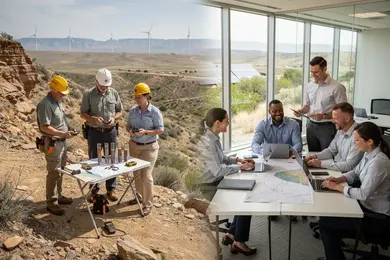
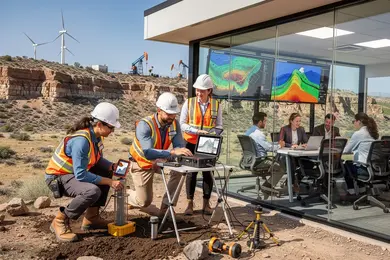
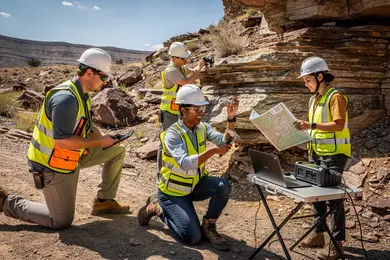
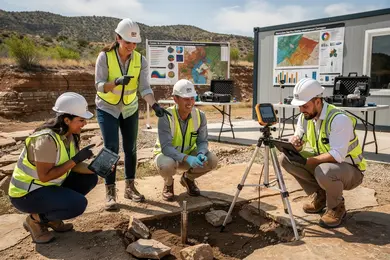
Online geosciences degrees integrate hands-on fieldwork through virtual simulations, remote data analysis projects, and sometimes optional in-person field trips or collaborations. These elements provide practical experience in climate science applications while maintaining the flexibility of online education.
Employer acceptance of online geosciences degrees varies, often depending on program reputation and demonstrated competencies rather than delivery format alone. Graduates from accredited programs with project-based work and internships have better job prospects. Candidates should focus on programs offering tangible outcomes such as data analysis projects or professional networking opportunities to offset potential biases and meet employer expectations in climate science fields.
For career switchers, a master's degree typically provides stronger specialization and advanced skills highly valued in climate science sectors, especially in research, policy, or consulting. Bachelor's degrees may open entry-level roles but limit advancement without graduate credentials. Professionals should prioritize master's programs that integrate applied climate modeling, statistics, and interdisciplinary collaboration to maximize career pivot potential and salary gains.
A strong program should teach GIS software, remote sensing platforms, and climate data analysis tools such as ArcGIS, QGIS, Python, and R. For climate science careers, students should also learn how to use NOAA and NASA datasets, plus basic model interpretation and map visualization.
References
- Best Online Geoscience Courses and Programs | edX https://www.edx.org/learn/geosciences
- Working Geoscience https://profession.americangeosciences.org/working/
- Online Geoscience Degrees: Top Schools and All Programs in 2026 https://www.gisdegree.org/online/geoscience-degrees/
- Are geologists climate scientists? - EuroGeoSurveys https://eurogeosurveys.org/are-geologists-climate-scientists/
- Bachelor's Degree in Geosciences | UT San Antonio | Undergraduate Program in Geosciences | Earn Your Degree in Geosciences https://future.utsa.edu/programs/undergraduate/geosciences/
- The Geological Society - Degree Accreditation https://www.geolsoc.org.uk/education-and-resources/universities/university-degree-accreditation/
- Applications to the Master's Degree Program in Geology https://www.en.geologie.geowissenschaften.uni-muenchen.de/academics/degree_programs/master/applications.html
- Explore where VIU is going https://socialsciences.viu.ca/geography/professional-accreditation
- What Does the Future Demand Look Like for Applied Geoscientists? https://www.aegweb.org/index.php
- Study Geosciences in Germany - My GUIDE https://www.myguide.de/en/study-mathematics-natural-sciences-in-germany/study-geosciences-in-germany/