2027 Geosciences Specializations for Hydrology Careers

Co-Founder and Chief Data Scientist
Water resource managers increasingly confront extreme variability in regional flow patterns, complicating efforts to develop sustainable hydrology solutions amid accelerating climate disruptions. Professionals shifting into hydrology careers must untangle complex datasets and model watershed behaviors with precision, yet fewer than 15% of geosciences programs nationally offer flexible, online specializations tailored for mid-career learners, according to the National Center for Education Statistics. This limited access constrains workforce entry timing and geographic mobility, forcing aspirants to prioritize program delivery alongside technical content.
This article examines specialized geosciences tracks with practical alignment to hydrology roles, guiding students and professionals in making informed educational choices that optimize career relevance and advancement opportunities.
Key Things You Should Know
- Specializing in hydrogeology demands mastering advanced groundwater modeling software with a 22% wage premium but requires 18+ months of additional training, challenging fast-track career changers.
- Employers prioritize candidates with integrated geospatial and hydrologic data analysis skills; 65% of U.S. water resource firms reported recruitment gaps in 2024 due to narrow specialty focus.
- Public-sector hydrology roles favor degrees with environmental policy coursework, yet slower hiring cycles and median starting salaries 12% below private sector compel candidates to weigh lower pay against job stability.
What are the main geosciences specializations that lead to careers in hydrology?
Hydrology career paths in geosciences specializations often hinge on selecting a focus aligned with concrete employer expectations and certification requirements. Hydrogeology dominates demand due to its emphasis on groundwater flow dynamics, aquifer evaluation, and contamination assessment-skills vital for managing municipal water supplies or environmental cleanup efforts. Professionals in this specialization typically must master groundwater modeling software, a technical barrier that influences employability and licensing.
Environmental geology plays a notable role in regulatory and consulting contexts where assessing human impacts on water systems and watershed oversight are central. This aligns with positions requiring cross-disciplinary coordination, especially in compliance monitoring and surface water contamination cases, illustrating distinct workforce needs within hydrology career paths in geosciences specializations. For those exploring broader interdisciplinary opportunities, examining a reputable environmental science degree program can clarify relevant pathways.
Geomorphology equips hydrologists with analytical tools to anticipate erosion and sediment transport, supporting infrastructure-focused roles like dam safety and floodplain management amidst climate resilience initiatives. Less common but strategically valuable specializations include geochemistry for tracing pollutants via isotopes and remote sensing for large-scale hydrological data acquisition, essential where direct site access is impractical.
Practical tradeoffs arise in software requirements and local job market preferences, with hydrogeology favored for professional certification. The U.S. Bureau of Labor Statistics reports a median wage of $92,060 for hydrologists and projects approximately 500 annual openings through 2034, largely driven by replacement demand. Understanding these factors offers a grounded basis for choosing among key geosciences disciplines for hydrology jobs.
Which degrees do you need in geosciences to become a hydrologist?
A bachelor's degree focused on hydrology, hydrogeology, or environmental geology provides a decisive edge for those entering hydrologist careers, distinguishing candidates from those with broader geology backgrounds. Employers prioritize applicants whose coursework integrates rigorous quantitative skills-including hydrologic modeling, groundwater flow, and GIS applications-over general geosciences training. Specializations labeled explicitly as hydrology or hydrogeology streamline entry into technical roles within government agencies, environmental consulting, and water resource management, minimizing delays caused by supplemental certification needs.
For students enrolled in generic geosciences programs, purposeful selection of electives or minors in water chemistry, environmental science, or water resources is necessary to remain competitive. A graduate without targeted exposure to groundwater dynamics typically faces extended onboarding periods or must pursue additional field training, which impacts employability and earnings potential.
Advanced degrees in hydrology or hydrogeology are often prerequisites for niche fields such as contaminant hydrogeology or groundwater risk assessment; they also correlate strongly with higher salaries and leadership roles in entities like the US Geological Survey. The groundwater industry reports a median salary near $78,000, with specialized master's holders occupying the upper tiers above $100,000.
Working professionals transitioning within geosciences sectors may find that accredited micro-credentials or certificate programs in hydrology fundamentals effectively bridge knowledge gaps without the extensive time and cost commitments of full degree programs. Those exploring alternative pathways can research options such as environmental engineering degrees online for complementary perspectives.
When evaluating hydrology degrees in geosciences, it is crucial to weigh the tradeoffs between breadth and specialization, especially in relation to the best geosciences specializations for hydrologists that align with targeted workforce demands.
How do hydrology-focused geoscience programs differ from general geology or environmental science?
Hydrology-focused geoscience curricula emphasize specialized training in fluid dynamics, watershed modeling, and groundwater management, distinguishing themselves sharply from general geology or environmental science programs. Unlike environmental science, which adopts broader ecological and chemical perspectives, hydrology prioritizes geology-based analysis of subsurface water flows essential for aquifer assessment and flood risk modeling. This nuanced distinction in hydrology-focused geoscience curriculum differences reflects practical workforce demands and the specialized skill set required by employers.
Graduates trained in hydrology are often preferred for roles involving hydrologic software like MODFLOW, detailed stream gauge data interpretation, and applied hydrometeorological fieldwork. For example, a general geology major may find themselves underprepared for basin-scale contamination modeling or regulatory compliance tasks common in water resource engineering. Conversely, environmental science graduates frequently lack the rigorous geology foundation needed to perform these complex analyses.
Specialized hydrology training versus general environmental science creates a clear tradeoff between depth and breadth: hydrology programs cultivate technical mastery aligned with a steady 3% employment growth in geosciences and a median wage of $99,240, targeting public agencies and private firms addressing climate-driven water challenges. However, prospective students must consider geographic market variations and local industry needs.
Those seeking an expedited pathway might explore an accelerated exercise science degree online as an alternative educational model while weighing career pivot options.
What courses and lab work are typically included in hydrology-related geoscience curricula?
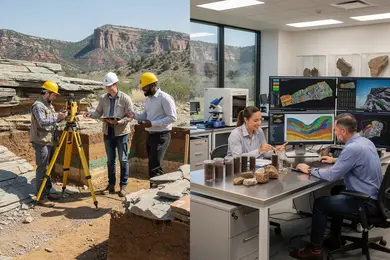
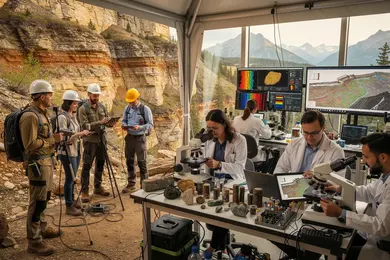
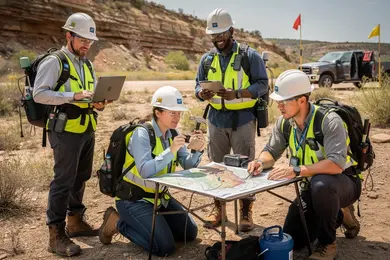
Hydrology-focused geosciences courses in North America prioritize quantitative mastery of fluid dynamics and watershed interactions, but practical competencies often determine employability and career trajectory. Programs emphasizing laboratory techniques for hydrology studies in geosciences programs equip students with critical skills, such as groundwater sampling and hydrochemical analysis, which are directly sought by environmental consulting firms and regulatory bodies. Proficiency in Geographic Information Systems (GIS), remote sensing, and hydrologic modeling software like MODFLOW is increasingly necessary to address complex watershed management challenges.
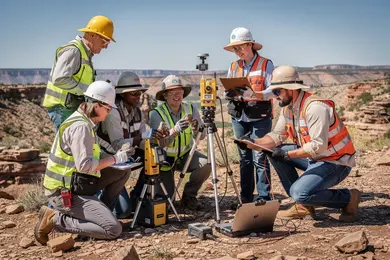
Graduates without strong field methods or data modeling capabilities encounter career stagnation, especially in government or private-sector roles demanding versatility. Completion of capstone projects or internships focusing on real-world scenarios-like urban stormwater management or ecosystem restoration-enhances market readiness. Practical exposure to statistical methods and communication skills also supports interdisciplinary collaboration critical in this field.
Employer expectations translate into measurable workforce outcomes: environmental scientists from these curricula earn a median salary of $80,060 with a 4% job growth projection through 2034, per U.S. Bureau of Labor Statistics data summarized by the University of Wisconsin-Oshkosh Geology department. Prospective students should weigh realistic preparatory demands against career objectives and consider the availability of programs offering hands-on lab experience and software training.
For those seeking cost-efficient pathways complementary to hydrology training, the cheapest online mechanical engineering degree options may provide technically adjacent credentials that broaden employment opportunities in environmental infrastructure and water resources sectors.
How do online hydrology and geoscience programs compare with on-campus options?
Hydrology and geoscience programs delivered online often lack critical hands-on training that employers demand, particularly in urban stormwater management and geospatial analysis roles. Practical elements-fieldwork, laboratory experiments, and direct use of specialized equipment-are rarely integrated effectively in remote formats, limiting graduates' readiness. For instance, cartographers and photogrammetrists, earning a median wage of $78,380 with steady job growth, require demonstrable field and GIS experience that on-campus programs embed within their curricula.
Online learners benefit from scheduling flexibility, enabling career pivots and balancing work with study, but must seek supplementary local internships or practicums to acquire essential practical skills. Without these, government agencies and consulting firms often view purely online credentials with skepticism, questioning the authenticity of applied competencies. On-campus formats reduce logistical hurdles related to gaining experience and foster stronger professional networks, an advantage for employment and industry integration.
Key considerations for prospective students include:
- Sector-specific expectations for verified hands-on skillsets
- The necessity of integrating or supplementing online study with real-world training
- Long-term employability benefits linked to immersive, experiential education
Strategic planning for supplemental field exposure is essential for matching the employment readiness typical of traditional programs and accessing high-growth geospatial niches. Without this, foundational online knowledge alone often falls short of workforce demands.
How can students evaluate accreditation and program quality for hydrology specializations?
Program accreditation is a pivotal criterion for hydrology specializations, as recognized agencies like ABET or the Council for Higher Education Accreditation (CHEA) validate that curricula align with industry standards. Employers increasingly prioritize graduates with competencies in remote sensing and geospatial analytics-fields driving a 4.5% median salary increase in geoscience roles from 2024 to 2025, according to the American Geosciences Institute's Geoscience Profession Data (2025). Selecting programs demands scrutiny beyond accreditation; faculty research focus and practical application of emerging technologies signal whether training matches workforce demands.
Practical experience options such as internships or fieldwork with agencies managing real-world hydrologic data are not just complementary but often decisive in employability. This hands-on exposure contrasts sharply with purely theoretical programs, which may leave graduates underprepared for data-intensive environmental consulting, water resource management, or climate impact roles. Access to current laboratory tools and geospatial software also defines a program's relevance amid fast-evolving industry requirements.
Students should weigh the continuous revision of curricula to reflect regulatory changes and new hydrologic modeling methods. These updates influence not only initial job placement but long-term credential maintenance and professional growth, underscoring that program choice shapes career trajectories in geosciences more than credentials alone.
What are common admission requirements and prerequisites for hydrology-focused geoscience majors?
Admission to hydrology-focused geoscience majors demands solid preparation in calculus, chemistry, and physics, with most programs requiring a high school GPA above 3.0 alongside strong STEM test scores. Prior exposure to earth or environmental sciences often informs readiness, but more critical is completing foundational courses in geology, hydrology, and computer science to meet industry standards for data modeling.
Technical proficiency, particularly with Geographic Information Systems (GIS), is increasingly non-negotiable, as many roles in water resource consulting involve field sampling combined with statistical analysis. Candidates lacking this experience must proactively engage in workshops or certificate programs to maintain competitiveness. For instance, environmental consulting firms expect entry-level hydrologists to translate raw field data into actionable insights, a skill set typically developed through targeted undergraduate coursework.
Balancing core geosciences with complementary courses in statistics and computer modeling can extend time to degree, posing a real tradeoff between thorough preparation and timely workforce entry. Failure to align curricula with practical skill demands may delay critical fieldwork exposure, limiting early-career opportunities.
Employers in scientific and technical consulting report a mean annual wage near $78,610, signaling the premium placed on candidates who combine applied hydrologic knowledge with technical competencies. Programs that integrate these prerequisites reflect labor market realities, enhancing graduate employability and aligning education with workforce expectations.
What entry-level and advanced job roles are available for geoscience hydrology graduates?
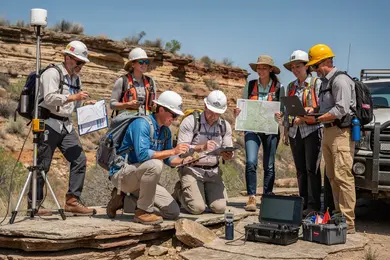
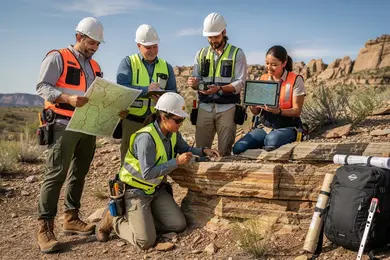
Entry-level geoscience hydrology graduates often start in roles like hydrology technician or water resource analyst, where practical skills in data collection, GIS mapping, and basic hydrological modeling are essential. For instance, a field hydrologist at a water management agency frequently performs stream flow measurements and groundwater sampling, critical activities for assessing regional water quality. These early roles typically involve supervised technical tasks aimed at skill development rather than independent decision-making.
Progression to advanced positions such as hydrogeologist or watershed scientist usually requires additional experience or graduate credentials. These roles demand proficiency in complex modeling software, statistical analysis, and navigating regulatory frameworks. Consulting hydrogeologists often lead contamination assessments and remediation strategy design, requiring clear communication of technical data to both clients and regulators.
Employment outcomes vary by sector: government roles involve credentialing and technical exams, while private consulting stresses rapid deliverables and client interaction. The median annual salary for geoscientists, including hydroinformatics specialists, is $99,240, with a moderate 3% growth projection through 2034. Hiring managers prioritize candidates skilled in numerical modeling, remote sensing, and interdisciplinary collaboration to tackle evolving water resource challenges.
Balancing technical mastery with project management capabilities enhances employability. Prospective candidates should weigh the tradeoffs between immediate hands-on experience in entry-level positions and the long-term advantages of pursuing advanced degrees or certifications to access leadership and policy-oriented roles.
What salary ranges and earning potential can hydrology professionals with geoscience training expect?
Hydrology roles integrated with geoscience expertise demonstrate a clear earnings advantage, but outcomes vary sharply between sectors and regions. Federal government positions, often the most stable employer for hydrologists focused on water policy, report average salaries near $110,400 annually. This figure serves as a solid salary benchmark but typically represents slower wage growth compared to private sector alternatives.
Private hydrology jobs present a broader salary range, often from $70,000 to $100,000 for entry to mid-career professionals, with senior consulting roles sometimes exceeding federal pay. Regional demand fluctuations, especially in areas grappling with water scarcity, can amplify compensation for those with applied geosciences skills.
- Federal roles typically offer steadier income, benefits, and career progression but at a moderated pace of salary increase.
- The private sector allows quicker pay growth linked to project outcomes and niche expertise, albeit with less job security.
- Those entering hydrology without geoscience training tend to start near or below $60,000, underscoring the financial impact of specialized education.
For professionals pivoting into this field, combining geosciences with advanced data analysis skills improves market competitiveness. Targeting federal agencies or consultancies focused on comprehensive water resource management aligns salary potential with workforce needs and practical application. These decisions shape long-term career viability, especially given the fluctuating demands within U.S. water policy and management sectors.
What is the job outlook for hydrology and water-focused careers in the geosciences?
Hydrology specialists in geosciences confront a distinct tradeoff between public-sector stability and private-sector financial incentives. While government roles typically offer steady funding and predictable career paths, positions in mining, oil and gas, or quarrying demand adaptability to project-based contracts and sometimes relocation-yet they come with markedly higher compensation. For example, geoscientists in these industries earned a 2023 mean annual wage of $126,140, the highest among major sectors, reflecting robust demand and specialized skill premiums.
The practical value of advanced education hinges on acquiring competencies directly aligned with employer expectations, including groundwater modeling, contamination analysis, and integrated water resource management under complex environmental regulations. Proficiency with geographic information systems and hydrogeologic data interpretation is increasingly non-negotiable.
Long-term employability requires willingness to develop interdisciplinary expertise that bridges hydrology with environmental policy or engineering and keeps pace with dynamic regulatory frameworks. Internships and certifications in water quality compliance concretely enhance immediate job prospects. Employers prioritize applicants who can navigate water table impacts and chemical remediation challenges critical to operational feasibility, particularly in extractive industries.
Hydrologists who lack this applied focus risk career stagnation as environmental compliance becomes ever more intricate. Graduate-level credentials become most advantageous when paired with practical skills and leadership readiness in specialized technical roles intersecting with climate adaptation or waste disposal innovation.
Other Things You Should Know About Geosciences
Early specialization in hydrology can accelerate practical skill development and make candidates more attractive to employers seeking specific expertise. However, limiting study too soon may reduce adaptability in shifting job markets where interdisciplinary knowledge is valued. A balanced approach is recommended: build a solid foundation in general geosciences during the first two years of study, then focus on hydrology specializations to maintain both versatility and targeted expertise.
Hands-on experience from internships and fieldwork significantly influences employability in hydrology careers. Programs with structured partnerships offering internships enable students to develop applied skills and professional networks that many employers prioritize. Students should prioritize programs actively facilitating these opportunities, as theoretical knowledge alone is insufficient for most entry-level hydrology roles.
Non-traditional students face challenges balancing existing work or family obligations with field-intensive and lab-based coursework common in geosciences. Programs with flexible scheduling, part-time options, or online components can aid these students but may limit access to essential hands-on training. Such individuals should weigh the tradeoff between convenience and the need for in-person field experience, which remains critical for employer acceptance in hydrology roles.
The strongest credentials are the Fundamentals of Engineering exam, Professional Engineer licensure, and the Certified Hydrogeologist credential where available. For groundwater-focused roles, many employers also value 40–80 hours of ArcGIS training and documented field methods in pumping tests, well logging, and water-quality sampling.
References
- Subject Areas https://www.geolsoc.org.uk/Geology-Career-Pathways/What-is-Geology/Subject-Areas.html
- Streamlining Accreditation Preparation with Program Review https://www.qualitymatters.org/qa-resources/resource-center/articles-resources/streamline-accreditation-prep
- Geology and Environmental Geoscience https://www.uregina.ca/academics/programs/science/geology-environmental-geoscience.html
- Earth and Environmental Science https://ees.acadiau.ca/faqs.html
- ThisIsGeoscience - Hydrogeologist https://www.thisisgeoscience.com/the-resources/careers-profiles/hydrogeologist
- Career Cornerstone Center: Careers in Science, Technology, Engineering, Math and Medicine https://www.careercornerstone.org/geosciences/geosci.htm
- Hydrologist https://www.truity.com/career-profile/hydrologist
- Geology path vs. Enviromental Science path https://talk.collegeconfidential.com/t/geology-path-vs-enviromental-science-path/1819859
- Careers in Geoscience: Hydrogeology https://www.aig.org.au/education/careers-in-geoscience/careers-in-geoscience-hydrogeology/
- Hydrologist - Green Careers Hub https://www.greencareershub.com/find-your-green-role/job-profiles/hydrologist/